The Farndale Story

A Journey
through time, following in the footsteps of one family
|
Return
to the Home Page of the Farndale Family Website |
The
story of one family s journey through two thousand years of British History |
The 84
family lines into which the family is divided. Meet the whole family and how
the wider family is related |
Members
of the historical family ordered by date of birth |
Links to
other pages with historical research and related material |
The
story of the Bakers of Highfields, the Chapmans, and other related families |
The
Time Traveller s Journey through North Yorkshire
The History of the North York Moors,
Ryedale, York, Cleveland and beyond |
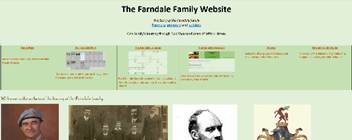
A Brief Introduction to the Family Story
This page is the portal, through
which you can experience a family s journey through time. You will scroll down
to the Matrix, through which you can explore the history of the Farndale
family, of northern Yorkshire centred on the North York Moors, and take a
unique journey through the national story. First, some brief introductory
guidance will help you on your way.
Fasten your seatbelts, ready for time
travel

|
The
earliest ancestors
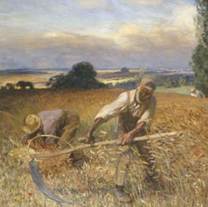
When
Simon, John, Nicholas, Robert, Gilbert, Hugh and Alfred Farndale, and their
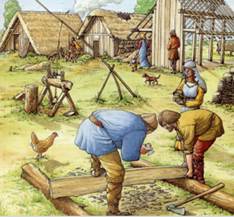
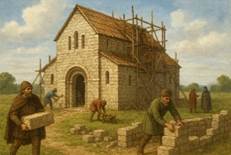
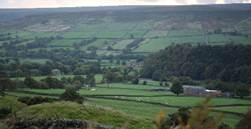
thirteenth century families, started to clear the forested valley of Farndale
in the early thirteenth century, they brought the agricultural skills of
their ancestors, who were almost certainly the families of the relatively
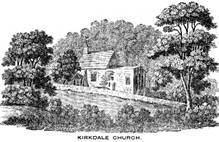
stable lands around Kirkdale, a few miles to the south. As
their ancestors had worked on those Kirkdale lands for a millennium through
Roman, Anglo Saxon and Scandinavian influences, they had already witnessed
momentous events in the shaping of a national history, occurring in the
immediate vicinity of their home. |
The
poachers, pioneers and soldiers of the fourteenth to sixteenth centuries
The
immediate descendants of the first Farndales to be name checked in the
historical record were often unruly, and many were outlawed and
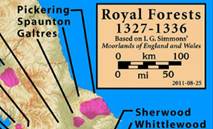
excommunicated for poaching in the Royal Forest of Pickering. Those
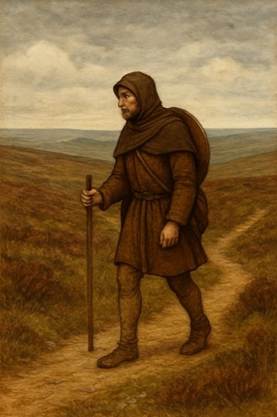
who took the Farndale name to define themselves left Farndale and found new
homes in the North York Moors and across the southern lands around York. A
merchant family settled in York. Another family settled in the heart of the
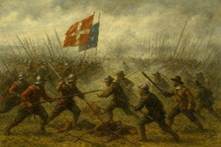
Neville lands at Sheriff Hutton and fought with the armies of Richard II,
Henry IV and Henry V, before witnessing the Wars of the Roses from the
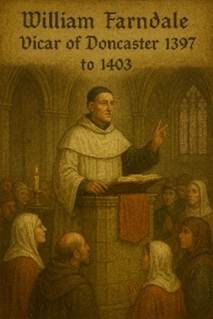
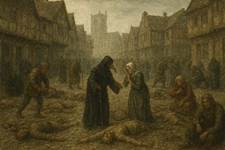
epicentre of influence. After the Black Death, William Farndale became a
chaplain in Doncaster, where he became the parish vicar by the end of the
fourteenth century. His descendants and the ancestors of the modern family
were focused at Campsall and Barnsdale forest by the end of the sixteenth
century, the place where the legends of Robin Hood were written, inspired by
ancestral outlaws of the forest. |
The
farmers of Kilton and the sailors of Whitby
In
the mid sixteenth century, the family moved north into the Bruce lands around
Skelton and the family became settled across Cleveland. The
lovely rural village of Kilton became the home for generations of the family.
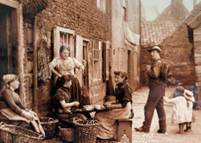
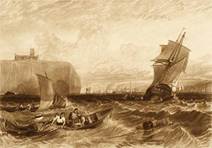
Others
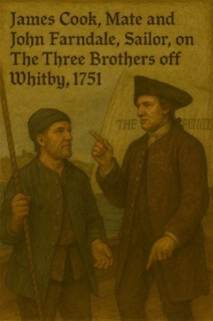
settled in the bustling port of Whitby, from where Giles Farndale was press
ganged to fight in the Spanish Main, while John Farndale sailed in colliers
on which James Cook, explorer of new worlds, was mate. Another Whitby family
were merchant mariners who experienced epic adventures at sea. |
Industrial
Revolution
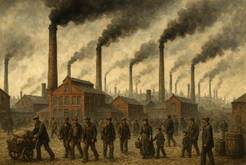
As
the industrial age hit Cleveland the family were drawn into new opportunities
and struggles and John Farndale wrote extensively about the transition into
scientific and industrial innovation. The
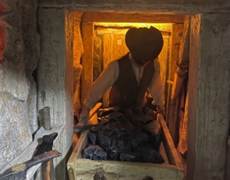
family worked in the ironstone mines and in new heavy industries, and moved
to the dark satanic mills of the textile industry in South Yorkshire. Experiencing
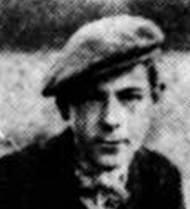
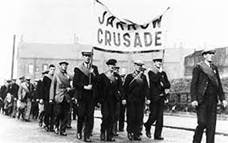
the trials of new urban lives, John William Farndale was the youngest member
of the Jarrow March of 1936. |
|
Leadership
Two
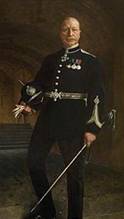
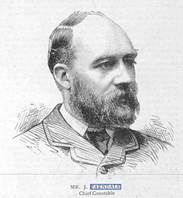
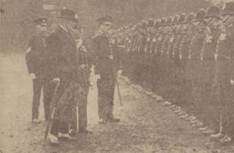
Joseph Farndales each became influential Chief Constables of Birmingham and
Bradford, between them unearthing Fenian dynamite plots and inventing the
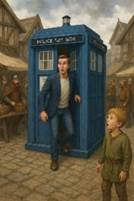
police box, which has since become the ultimate time machine. Rev
Dr William Edward Farndale was the head of the Methodist Church and Moderator
of the Free Church Council. General
Sir Martin Farndale KCB commanded the north flank of Nato during the Cold
War. |
Pioneers
across the globe
Meantime
the family spread across a new empire to Australia, Ontario, Newfoundland,
Alberta and New Zealand, and took the family pioneering genes across the
world. |
War
The
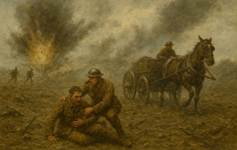
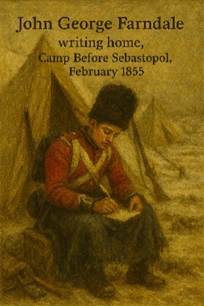
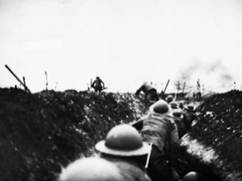
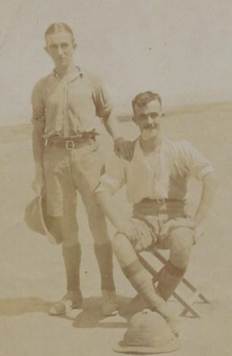
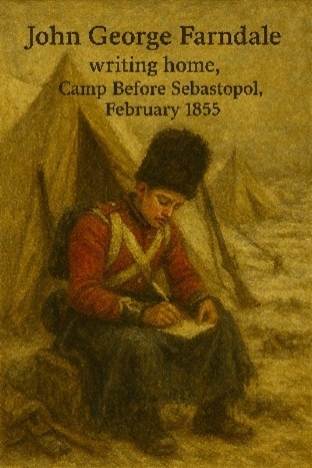
family experienced the excitements and the horrors of wars. John
George Farndale wrote letters home from the heights of Sebastopol, through
the Crimean War. Those
male members of the family born at the end of the nineteenth century were
nearly all destined for their places in the trenches of the First World War
and many served in the Second World War. |
An
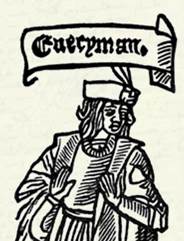
Everyman Story The
Farndale Story is a unique history of a single family and its path through
two thousand years of British History. It is also a shared story with
countless other ordinary folk who trod the path of British history. It is
both the particular story of one family, and an everyman story
of many. |
A Quick Key to the Matrix
Please read the short safety briefing
before we take off
The Matrix is your portal to follow the family journey. Before you scroll down
further, a few tips to get best use from the Matrix:
|
When
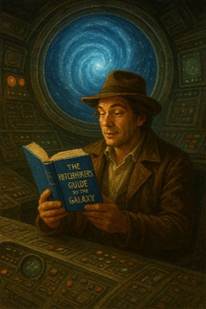
you first visit the Farndale Story, it might help to read the Time Traveller s Handbook
before using the Matrix for the first time. When you ve finished
reading the Handbook please replace it in the pocket in front of your seat. |
I
suggest that you start by reading the Prologue,
at the top of the matrix.
The Numbered Stories
in thirty three Acts take you on the main journey into the past. You
re best to read them in the numbered order, starting with the Prologue and then Act 1. However more rebellious readers
can travel through time in a more random order if that is what you prefer. |
The
Local Story Explainers tell of local historical factors, events, and
places which influenced our family s story. They provide a little more depth as
you visit different eras of time. They reflect the local history of
Northumbria, Yorkshire, and the vicinity of the North York Moors. |
Further context is provided by the National Story Explainers,
which gives a wider perspective to the family and local history. |
The
Farndale Folk are a few of our ancestors
waiting to be introduced to you, to further enhance your journey through
time. |
The
Thirty Objects and Places take you on a geographical tour,
and provide directions if you have the chance to visit the lands where the
Farndale Story played out. |
All
these pages are full of hyperlinks. These will take you to the
underlying research if you would like to explore in more depth, or check the
source material. |
|
After
reading the Prologue,
scroll down to the early thirteenth century to find Act 1 of the story. |
|
|
When
the light grey boxes appear within the pages of the Farndale story, click on
the hyperlinked title, to follow the link
|
Every
member of the Farndale family has his or her own webpage. |
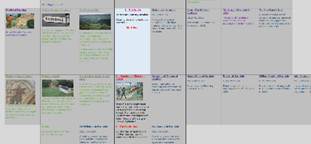
The Time Traveller s Matrix
Now, you are ready for time travel.
To avoid getting lost in the
Matrix, stay oriented by following the the Prologue and the Acts and then use the other pages to
build more context, and understand the local and national history. If you
follow the Farndale Story in the order of the numbered Acts, this will take you
on a journey which starts in the twelfth and thirteenth centuries, when
Farndale the place first appeared in historical records and individuals started
to take its name. You will then travel back to the age of Roman Empire Britain
and follow the story of the lands in the vicinity of Farndale through Roman,
Anglo Saxon and Scandinavian times, before continuing the journey forward from
the thirteenth and fourteenth centuries.
However it s up to you whether you
take a structured journey through the Matrix, or leap backwards and
forwards across places in time as takes your fancy.
Prepare for takeoff

|
The Guide to getting the best use of the Matrix for future reference |
|
How we can trace the family story back two thousand years |
|
Prologue Moors, Dales and Vales
An overview guide and introduction to the three distinct landscapes which defined our history After
reading the Prologue, scroll down several rows to
start with Act 1 The Cradle |
|
An alphabetical list of words and terms which you might come across during your travels, which are explained here |
A Journey through the ancestral lands
Like so many of the Farndale forebears, you might be inspired to take a journey through our ancestral lands |
|
This is the story of one
family s two thousand year journey It is a story shared with countless other families who travelled the path of British history. |
|
Understanding the landscape |
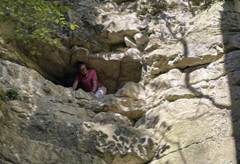
The context of the Palaeolithic Period or the Old Stone Age
A global context to the prehistory of Yorkshire Before about 10,000 BCE |
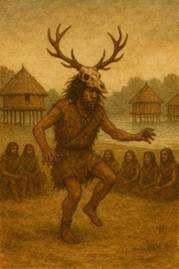
The vicinity of Farndale
in the Mesolithic Period
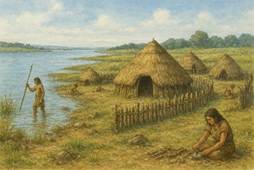
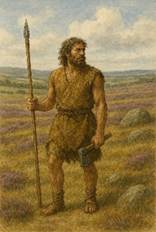
The
age of hunting folk in tune with the land 9,000 BCE to 3,000 BCE |
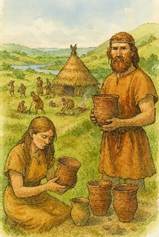
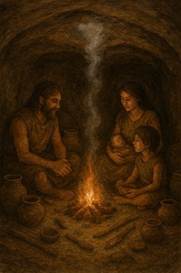
The vicinity of Farndale in the Neolithic Period, the New
Stone Age
The
age of early farmers who brought early settlement, religious beliefs and new
structures to Ryedale 3,000 BCE to 1,800 BCE |
The vicinity of Farndale in the Bronze Age
The
Beaker Folk who introduced metal working 1,800
BCE to 700 BCE |
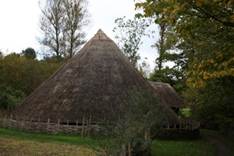
The vicinity of Farndale in the Iron Age
The
Celtic Brigantes folk who formed proto kingdoms 700
BCE to 70 CE |
|
|
|
|
|
|
The
richest Mesolithic suite in Britain, a few miles south of Scarborough, on the
edge of the ancient Lake Pickering, only 30 km from Farndale |
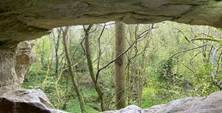
Underground
caves, only 15 km from Farndale, which were the home of the Bronze Age Beaker
Folk |
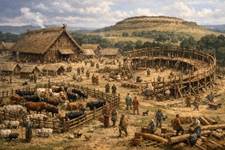
A
massive Iron Age promontory Hill Fort only 20 km from Farndale |
The Iron Age, Bronze Age, Neolithic, and Mesolithic evidence of the people of Ryedale and the North York Moors |
|
Medieval Sources A
Bibliography of source material used in the medieval
research |
|||
|
|
Isurium
Brigantum (Aldborough) The Roman Regional Capital of
the lands around Kirkdale |
A Roman Villa on palatial
scale just south of Kirkdale |
Act 3 A Roman Imperial
Inheritance
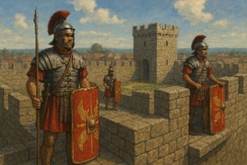
71 CE to 410 CE Ancestral lands on the edge of the Roman Empire |
A Roman Villa only 2km from
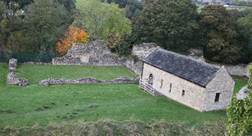
Kirkdale in the heart of our ancestral lands |
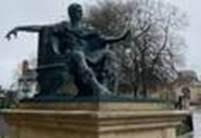
The Roman Capital of northern
England where Constantine was proclaimed Emperor |
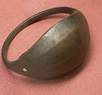
A Roman arm purse which can be seen in the British Museum in London today, found in about the second century CE by a cairn overlooking Farndale, which will transport you back 2,000 years |
71 to 410 CE
A chronology of the history of Roman Yorkshire focused on York, Ryedale and the North York Moors |
|
|
|
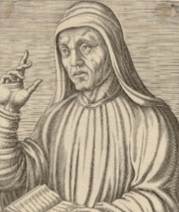
This life of Bede and the history of
Monkwearmouth-Jarrow, providing context for the founding of Lastingham and
Kirkdale, and the work of Alcuin and the York scholars An exploration of the
association of the last resting place of Ceolfrith of Monkwearmouth-Jarrow
before his journey to Rome and the Horn Ridge which overlooks Farndale |
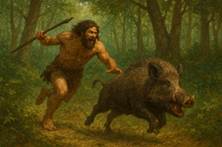
A place of wild beasts and men who lived like wild beasts
Bede s
description of the wilderness of Farndale as a place of dragons and wild
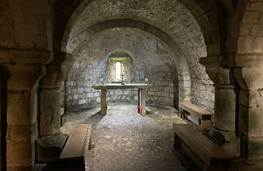
beasts The village and church of Lastingham, with its Norman crypt |
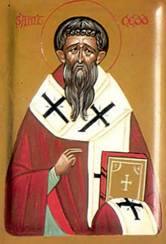
The founding of a Celtic Christian monastery by Cedd, 2
km from the entrance to Farndale c 620 to 664 CE
The Lindisfarne monk
and East Saxon Bishop who founded Lastingham |
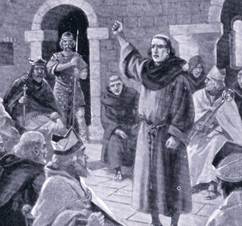
The momentous agreement at
Whitby, 30 km northeast of Farndale, which resolved incompatibilities between
Roman and Celtic Christian traditions, and placed Britain onto the European
stage |
410 CE to 866 CE Kirkdale and the Chirchebi Estate in the Anglo Saxon Period |
Kirkdale from its founding in about
685 CE to the beginning of the Scandinavian period in about 800 CE The vicinity of Farndale in the Anglo Saxon period 410 to 866 CE
The Beowulf kings of Deira, Bernicia and Northumbria Sixth and Seventh Centuries CE
When Northern England was the European centre of knowledge and
learning |
Deirian and Northumbrian York, a political, cultural and
educational Hub on the European stage The people who dominated our
ancestral lands The genealogy of the Deiran, Bernician
and later Northumbrian Kings The Anglo-Saxon saga that
transports us to the lives of the post Roman folk of England
The sixth century royal
tribute centre of the Bernician Kings |
Alcuin and the birth of modern education
The world of Ecgberht and Aethelbert, successors to
Bede, and their pupil Alcuin, who took York s powerhouse of knowledge to the
court of Charlemagne to pioneer the European educational system |
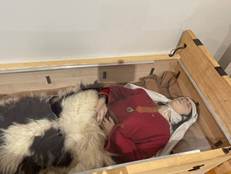
The burial ground of a Saxon
princess who lay for thirteenth centuries overlooking the Hill of Witches
where the Craggs line of Farndales would later make their home |
Introduction
to Kirkdale and its Minster
An introduction to several
pages which tell the history of Kirkdale and its vicinity
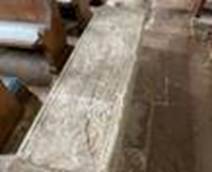
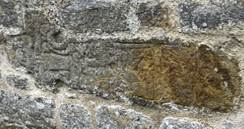
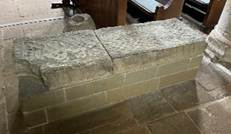
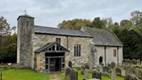
Ornate sarcophagus lids and Saxon artefacts to be found in Kirkdale Minster and embedded into its walls which will transport you to the Eighth century CE |
|
|
The
Anglo-Saxon-Scandinavian Period 866 CE to 1042
The Scandinavian
influence on Yorkshire after the Viking raids from 793 CE and the assault of
the Great Heathen Army Anglo Saxon Kings
immediately before the Norman Conquest 1042 to 1066
The eventful years
immediately preceding the Norman Conquest |
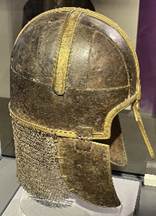
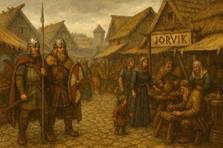
A reconstructed journey into Scandinavian Yorkshire and a glimpse of Scandinavian objects which tells its story |
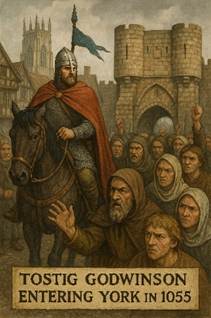
The powerful figure at the heart of the aristocracy, who rebuilt Kirkdale and put our ancestral lands firmly onto the national political stage |
866 CE to 1042 Kirkdale and the Chirchebi Estate in the Scandinavian Period |
Anglo-Saxon-Scandinavian
Kirkdale
Kirkdale in the
Anglo-Saxon-Scandinavian period from about 800 CE to 1066, with a brief
summary of its history through to 1500 The vicinity of Farndale in the Anglo Saxon Scandinavian
Period
|
The Scandinavian centre of
northern England |
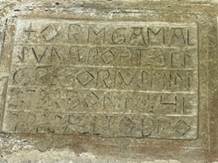
A unique treasure whose secrets transport us into the world of the eleventh century upon which you can stare today, imagining direct ancestors who did the same a thousand years ago |
|
|
|
1066 to 1154 Domination from northern France
The devastation of Yorkshire and northern England by William the
Conqueror
Regime Change A history of Yorkshire rebellions through time The Family Tree of the English and British monarchs after 1066 which
will help to make sense of relationships behind the evolution of the national
historical story |
|
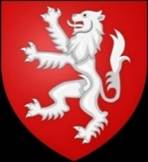
The descendants of Nigel D
Aubigny to whom our ancestors owed their allegiance in the twelfth century The Genealogy of House Mowbray The Mowbray Family Tree
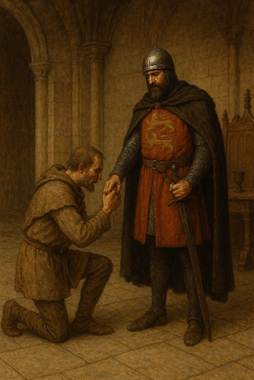
Bending the knee |
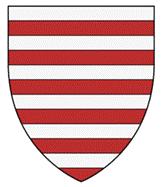
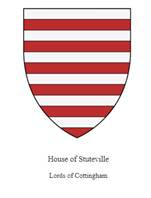
The descendants of Robert de
Stuteville to whom our ancestors owed their allegiance in the eleventh and
then from the late twelfth century The
Genealogy of House Stuteville
A Family Tree of the De Stuteville Family in
Yorkshire
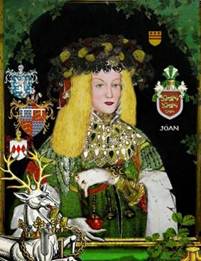
en son temps la plus belle de tout la roiaulme d'Engleterre et la
plus amoureuse The
most glamorous owner of Farndale |
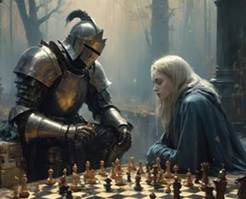
1042 to 1200 From the eve of the Norman Conquest to the chess games of the great Norman noble Houses over the lands where our ancestors lived The Game of
Thrones and the Estate of Kirkbymoorside Kirkbymoorside in a
game of chess from 1066 |
The First Reference to Farndale
Rievaulx
Cartulary, 1154
This history of the Cistercian
monastery of Rievaulx, in whose Chartulary the name Farndale was first
recorded in 1154 The Forest of Farndale as a royal forest and monastic
supply base 1128
to 1255
The
Crown s insistence on a Royal Forest and gifts of clearings in Farndale to
monastic houses |
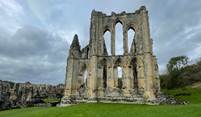
The
breathtaking abbey ruins that must have been held in astonished awe by our
forebears when the abbey broke through the soil of Ryedale, adjacent to
Farndale, in only a couple of decades before it started to take control of
swathes of those lands
A History of Helmsley to about
1500 |
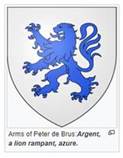
The baronial Yorkshire family
from whom later Scottish Kings would derive and who dominated the early
history of our later Cleveland home A family tree of the House
Brus, the Lords of Skelton and Annandale, and the family relationship to the
Kings and Queens of England and Scotland |
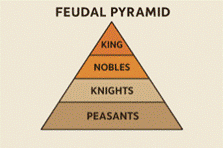
The Royal Line and the Noble Houses The relationship between the Royal Dynasties of England and the Noble Houses who directly influenced our family history |
We explore here
where the Farndale ancestors, who we
cannot identify individually, might have come from |
|
1154 to 1399
England in the Middle Ages
The Church and religion
|
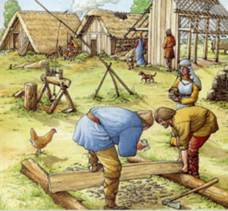
The cultivation and early history of Farndale c
1220 to 1400
The lay settlement of Farndale
Rural lifestyles from the
Norman Conquest The
dale in the Late Middle Ages |
A
journey to places in Farndale which featured in a 1301 tax register, marking
out the geography of the place our ancestors settled |
A look
down into Farndale to take in its scale and landscape, from the place where
the Roman Purse was dropped If you
have the energy, a hike to Middle Head, the Lord of the Rings land of Midelhovet,
where Edmund the Hermit once dwelled |
Thirteenth Century Farndale
Clearing the dale to build our new home After the Prologue, Start Here |
c 1255 to c 1334
Perhaps the first
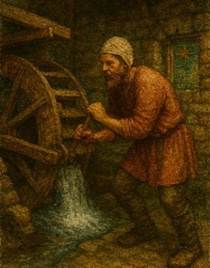
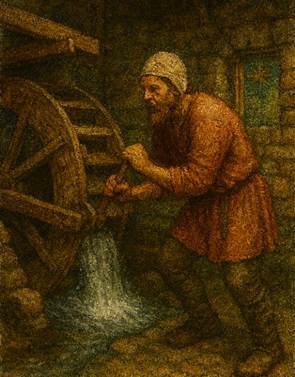
significant person we can identify who bore the Farndale name He paid the
highest rent of 7s 9d in Farndale in the 1301 Subsidy, suggesting as miller,
he was the wealthiest inhabitant Simon had a
servant, John, in 1301 We know of four
sons, two of whom left the dale to seek their fortunes elsewhere, and two of
whom became regular poachers, for
which they were fined and outlawed |
c 1256 to c 1330
John appears in the
records as John the Miller through the misdeeds of his poacher sons. He may
have been John, the servant of Simon the miller in 1301, who eventually
became a more substantial partner in the business, with both men later being
referred to as the miller. He may have been Simon s brother, or his servant or a business
partner, or all of those things He also had poaching sons. |
The story of the dale of
Farndale to 1500, to accompany the family story The
Duchy of Lancaster and the Honour and Forest of Pickering The surprising association of our early family history with the House of Lancaster |
A model which relies on extensive medieval evidence, to suggest the most probable family tree of the earliest ancestors of the Farndales |
Meet the Medieval
Inhabitants of Farndale We have records of many of the folk who lived in Farndale in the
thirteenth and fourteenth century Here you can meet the whole crowd of the medieval inhabitants of
Farndale
The
Inquisition Post Mortem of Lady Joan de Stuteville provides evidence of the
extent of cultivated land by the mid thirteenth century
The
Inquisition Post Mortem of Baldwin Wake provides evidence of a rapidly
expanding community
Detailed
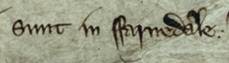
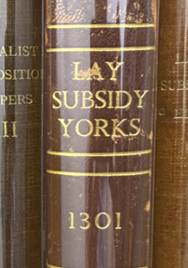
evidence of the inhabitants of Farndale is provided by the 1301 Yorkshire
Subsidy, a tax imposed to fund the Scottish Wars |
|
|
|
|
The Great Yorkshire Forest Drive A drive
through Dalby Forest, the modern Pickering Forest, where our forebears took
game in contravention of forest laws, or were caught and punished by the
verderers and regarders of the forest A study of the nature of
poaching in Pickering Forest The
1334 to 1339 Eyre of Pickering Forest The itinerant court which picked up about 40
years of prior business. |
Act 7 Poachers of Pickering Forest
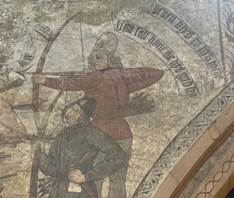
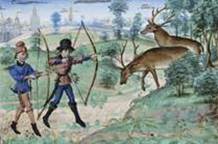
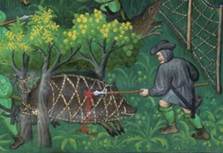
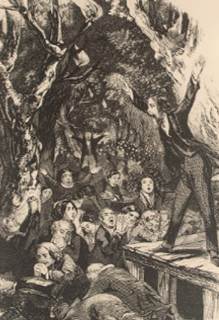
Tales of a surprisingly large number of our forebears caught poaching in Pickering Forest. Their archery skills would foretell the legends of Robin Hood and the English army at Agincourt |
c 1275 to c 1345
John had a gift of land
in Marton in 1300 However he was
excommunicated for stealing on 12 August 1316 From 1323 he was
in trouble for a string of poaching offences |
c 1284 to c 1350
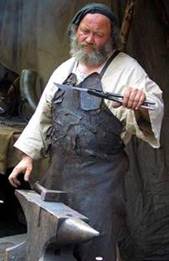
William probably
continued a family business at the Smithy which was probably located at Low
Mill William and his sons enjoyed a spot of poaching, but his sons
took poaching to a new level and were later engaged in violent raiding
expeditions |
c 1280 to c 1365 John had a groom,
Roger, and animals which included nine oxen, and at least three cattle In the 1330s he
was a guarantor for several poachers who needed bail |
Roger the Miller of Farndale, the Hard Bear c 1255 to c 1345
The miller of
Farndale who probably worked at High Mill A poacher by 1293
who was probably the person described as burly as a bear |
John de Farndale,
The Cattle Rustler c 1315 to c 1390
John Farndale was
another of the family poachers. He slew a hart in Leashow in 1331, promised
to behave in 1334, but took a hind and calf in Rotemir in 1336. Then, in 1384, having raised his game to a new scale, he took
part in a major cattle rustling expedition in Northumberland, assaulting and
threatening the landlord s servants |
|
|
The ancient routes across the
moors
Exploring the ancient tracks and roads across the moors around Farndale |
c 1278 to 1372
John left Farndale
and settled in Egton for a while, before returning via Farndale to live in
Rosedale for many years, where he farmed 6 acres In 1336 he took a
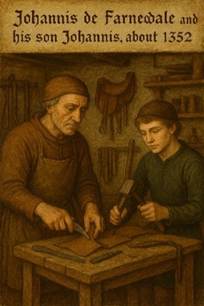
loan of 8 and perhaps shortly afterwards set up a business as a saddler in
York, of which city he later became a freeman The history of Egton |
Our Pioneer ancestors who left Farndale but took its name to settle in new places |
c 1279 to c 1340
A tenant in Danby in 1301 Danby
at the turn of the fourteenth century |
Walter de Farndale The Itinerant
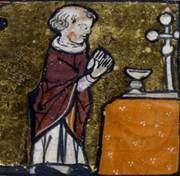
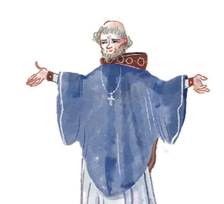
Priest c 1300 to c 1370
Vicar of Haltwhistle, Lazonby, Illisahaghe hospital, Upmeadon,
Chelmsford |
William Farndale of Sheriff Hutton c1332 to c 1397
A chaplain of Darley near Harrogate, pardoned for the death of
John de Spaldington, he later moved to Sheriff Hutton where his family found
themselves in Neville lands during the Hundred Years War and the Wars of the
Roses |
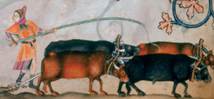
Walter de Farndale The Murder Victim c 1277 to 1327
His oxen strayed
in Pickering Forest in 1310, for which he was fined He later moved to
Cayton near Scarborough, where he was murdered |
|
|
|
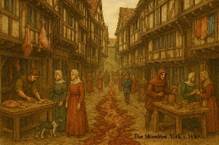
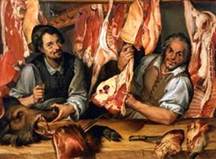
The street of the Medieval Butchers |
The Merchants of York A History of York after the Norman Conquest |
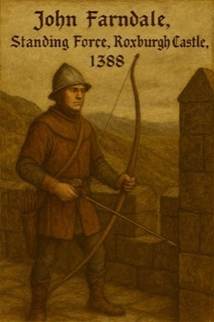
c 1352 to c 1425
John Farndale, and his brothers Henry and William, were archers
and men at arms called to fight in Scotland in 1389
John was later a butcher made freeman of York in 1408 |
c 1334 to c 1405
A freeman of York in 1397 through patrimony from his father |
This history of the family who
influenced the Wars of the Roses in whose seat our ancestors lived The Family tree of the House
Neville and its relationship to the King Makers and royal dynasties of the
later Middle Ages |
The Church of St Helen and the
Holy Cross and the Chapel of St Nicholas, the heart of the Neville lands, and
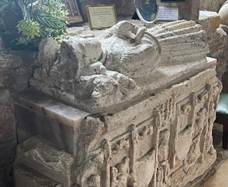
place of the alabaster effigy of the young son of Richard III |
The
History of Sheriff Hutton to 1500
A history of Sheriff Hutton
which will take you to the lands of the Nevilles and Richard III during the
Wars of the Roses The dynastic struggles of the
Plantagenets, leading to the Wars of the Roses, the events of which our
ancestors were direct witnesses |
Tales of archers and men at arms who fought with Richard II, Henry IV and Henry V and an observation post in the home of the Nevilles and Richard III from which to view the Wars of the Roses |
c 1357 to 20 December 1435
A veteran soldier of the armies of Richard II, Henry IV and Henry
V who fought in the French and Scottish Wars |
The Houses of
Lancaster and York 1399 to 1485
England during the reigns
of Henry IV, Henry V and the Wars of the Roses Richard
of Gloucester s Northern Interests
The future Richard III s
interests in Yorkshire and northern Britain |
|
|
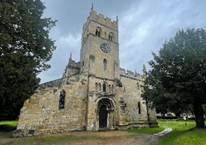
St Mary Magdalene Church, Campsall
The
church in Barnsdale forest of which the literary character of the Middle
Ages, Robin Hood, wrote I made a chapel in Bernysdale,
That seemly is to se, It is of Mary Magdaleyne, And
therto would I be. Nearby sites associated with Robin Hood including Robin Hood s Well at the side of the A1 |
Medieval Doncaster and its minster
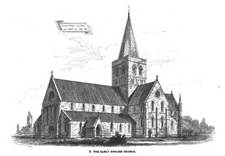
The Victorian Parish church (later Minster) of Doncaster rebuilt in 1853, but on the site of the earlier Parish church of which William Farndale was chaplain and later vicar in the years after the Black Death |
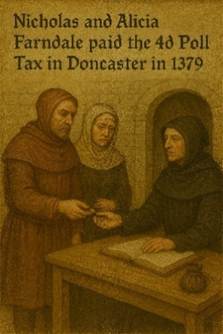
1332 To 1400
Nicholas paid the 4d Poll Tax of 1379 which led to the Peasant s
Revolt |
c 1330 to c1415
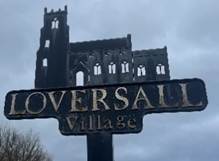
The Chaplain and Vicar of Doncaster, who held lands at Loversall,
of whom we have significant records |
The Family of William Farndale, the Fourteenth Century Vicar of Doncaster |
The
History of Doncaster to 1500 The History of pre industrial
Doncaster from its Roman inception as Danum to the end of the
sixteenth century
|
The history of a small village
and church just south of Doncaster, where William Farndale held land |
The history of the village of
Campsall north of Doncaster, where we find our ancestors in the sixteenth
century |
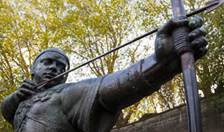
The legend of Robin Hood
explored for its Yorkshire roots, and the Farndale connection with the
legends, first as the class of poachers who gave rise to the inspiration, and
later their fifteenth century descendants who lived in the place where the
stories emerged |
|
1485 to 1603
Sixteenth century England |
The Modern
Farndale Family Tree From this point the family grows to such a size, that it will
divide into 84 separate Family Lines This matrix provides a key to understand the whole family who sprung from these modest beginnings |
|
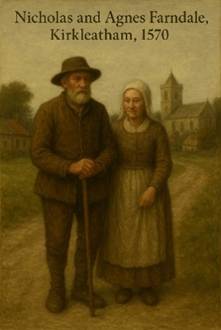
1512 to 6 August 1572
The most likely paternal and maternal ancestors of modern
Farndales, who died in Kirkleatham having probably emigrated with their
family into Cleveland |
Act 12 Arrival in the old Bruce lands around Skelton Castle The Sixteenth and Seventeenth century Families of Kirkleatham, Skelton, Moorsholm and Liverton in Cleveland |
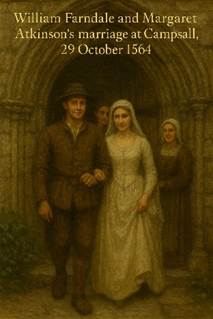
William and
Margaret (nee Atkinson) Farndale c 1539 to 24 January 1606
The couple who married at St Mary Magdalene Church in Campsall
north of Doncaster, and who emigrated to Cleveland and were buried in
Skelton. |
A history of Kirkleatham and Wilton, the place where our family first settled in Cleveland |
A history of Skelton and its old church. The Farndales arrived in Moorsholm in the Parish of Skelton in about 1588 and lived there through the tumultuous years of the Civil War |
1603 to 1714 Seventeenth century England |
|
|
1838 to 1914
Charles took over the farming of Kilton Hall Farm where he farmed
577 acres 1876 to 1970
George was the last of the Kilton Farmers |
1760 to 1846
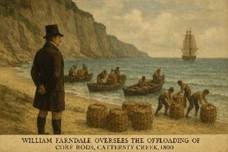
William was a farmer of Kilton and a merchant of wood, rods,
coals, salting bacon. 1798 to 1885
Martin was a farmer at Kilton Hall Farm of 600 acres |
The House of Hanover and the
Victorian Period 1714 to 1901
|
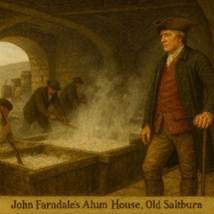
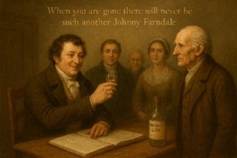
1724 to 1807
Old Farndale of Kilton, the patriarch of
the Kilton Farndales, regaler of smuggler tales, alum merchant and farmer, of
whom the Squire once said When you are gone, there will never be such
another Johnny Farndale
|
The First Hub The story of the Kilton Farndales, a family who dominated a village, since lost to time, over two centuries |
The story of the lost village
of Kilton and its sylvan landscape A
journey around modern Kilton, of farms, a ruined castle and a small village
of Kilton Thorpe to capture the essence of the two century home of Farndales A chronology of its history Three
generations of Kilton Farndales in one place. A side
trip to nearby Boosbeck and Skelton take you to the gravestones two later
generations. Take in Wensley and you ll find two more recent generations. Seven
generations of the family in one short drive |
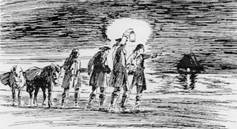
Stories of smugglers, led by
my great x3 grandfather known as the King of the Smugglers, and the undoubted
involvement of our forebears |
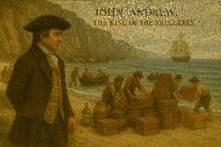
1757 to 1835
The King of the Smugglers The grandfather of Martin Farndale s wife Elizabeth Taylor, no doubt in league with the c17th Farndales. When the local folk whispered Andrew s Cow has calved, everyone knew the goods had arrived. The wealthy John Andrew later became master of the Cleveland Hunt |
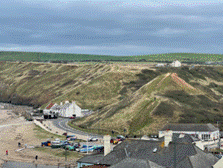
Have
fish and chips in the Ship Inn, and you will be in the home of John Andrew s
smuggling trade, once connected by an underground passage to the white house
on the hill where my great x3 grandfather lived |
Act 14 Spreading out from Brotton and Loftus The Second Hub The story of a substantial division of the family who spread widely across Cleveland and beyond from Kilton, Brotton and Loftus |
|
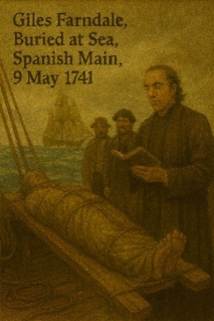
1713 to 1742
Press ganged into the Royal Navy, Giles served on HMS
Experiment in the Spanish Main during the War of Jenkins Ear where he
died and was buried at sea |
1709 to 1790
John Farndale served alongside James Cook, discoverer of the
Southern Continent, on colliers out of Whitby |
1728 to 1779
The association of James Cook
with Cleveland, Whitby, Great Ayton, the Farndale ancestral lands, and
individuals of the Farndale Story |
A history of Whitby at the
height of its maritime power in the eighteenth and nineteenth century, home
to several large Farndale families. A look back to the Anglo Saxon
history of Whitby in the time of Celtic and Roman Christianity
|
The Third Hub The story of the Whitby Farndales who settled in the bustling port of the eighteenth and nineteenth centuries
|
The place of Dracula inspiration where many Farndales have been buried, provides a vantage point over Whitby, and its maritime activity |
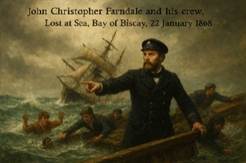
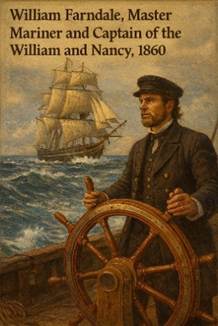
John Christopher Farndale Senior 1802 to 1837
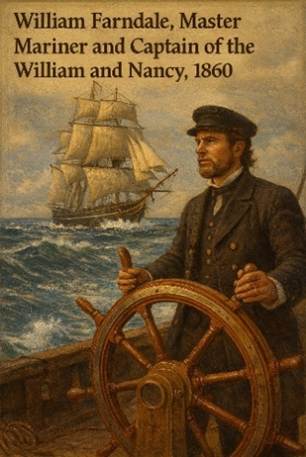
The story of the merchant master mariners, John Christopher Farndale Senior and his sons William Farndale and John Christopher Farndale Junior and their epic maritime adventures around the English coast, to the Baltic, Russia and Scandinavia and to Biscay, the site of a tragic disaster |
The
home from the early eighteenth century of a large section of our family |
Act 16
Return to the Vale of York The Fourth Hub The Ampleforth Farndales who returned south of the North York Moors to Yearsley near Ampleforth |
|
|
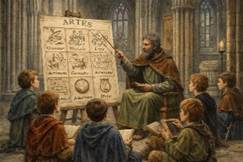
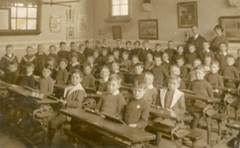
The education of our forebears
The life of children in
Yorkshire from the seventeenth century to the twentieth century
|
How agricultural practices
changed over time |
Our family history includes experiences of high infant mortality
in Victorian times, often extreme poverty, and struggle The evolution of medical care |
A story of aspiration and
achievement |
Act 17
Transition to the Industrial Revolution John Farndale, my great x2 uncle, was a prolific writer who captured the essence of the late eighteenth century and its transition into the Industrial Revolution. The family s history provides a direct pathway to experience these years of momentous change |
1791 to 1878
The Author A man of sphinxian complexity who wrote extensively and has
passed down stories of the family and of change in early Victorian Yorkshire |
Saltburn
by the Sea, Victorian new town John Farndale focused much of
his writing on the new seaside town of Saltburn by the Sea, built beside the
Old Saltburn of smuggling repute. It was a place of Victorian optimism and
inspiration, driven by the arrival of the railways and the richness of Cleveland
s ironstone deposits |
The alum trade in Cleveland Opportunities for work as
servants in households |
Huntcliff, Saltburn by the Sea Find a
vantage point on the towering Hunt Cliffs to look down over Saltburn and Cat
Nab, and the alum mines. It was here, John tells us, that when a French
Napoleonic ship threatened out to sea, a band of local women dressed in red
along the cliffs to make the French believe that an army of redcoats was
ready to welcome any attack |
|
|
The engine of Cleveland s
Victorian development was its mineral supply, particularly its ironstone.
Individuals in the Farndale Story worked in an extensive network of mines
throughout the area |
The family story of mining, mainly for ironstone, the primary resource behind the industrial development of Cleveland |
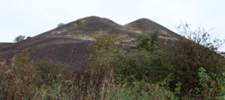
The ruined site of the Kilton mine |
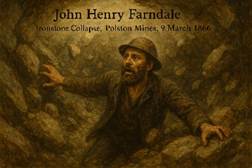
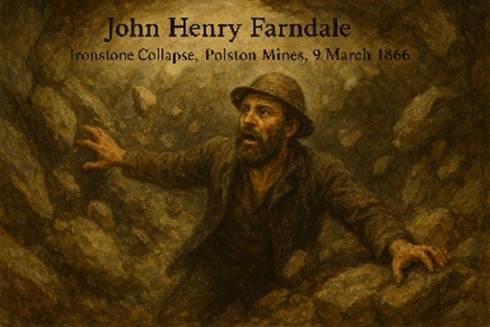
1828 to 1866
A Miner of West Hartlepool who was killed aged 37 by a fall of
iron stone at the Poston Mines, Ormsby, Middlesborough. |
The many families who lived in Leeds, Bradford, Coatham, Middlesbrough, Hartlepool and Stockton through the period of industrial transition |
|
|
The story of the folk who left Yorkshire and travelled to London and elsewhere in the south of Britain |
|
|
|
|
|
1864 to 1954
The Chief Constable of Bradford who pioneered the use of fingerprints, invented the police box, and played a key role in Bradford s evolution at the start of the twentieth century |
1842 to 1901
The Chief Victorian Constable of Birmingham who foiled a Jack the Ripper Hoax and played a key role in uncovering the Ledsam Dynamite Conspiracy |
Act
21 The Victorian Policemen
To
contrast with the medieval outlaw poachers of Pickering Forest, the story of
the law makers including two influential Chief Constables and the real
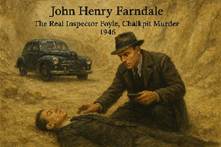
Inspector Foyle |
1899 to 1964
The real Inspector Foyle |
|
|
||
|
The story of the multiple generations of Farndales who made Great Ayton their home |
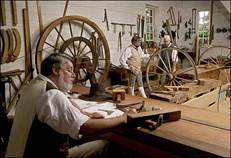
1795 to 1877
The father of a large Great Ayton family, who was a cartwright |
A visit to Great Ayton where many members of the family lived, and a side trip to the James Cook Monument |
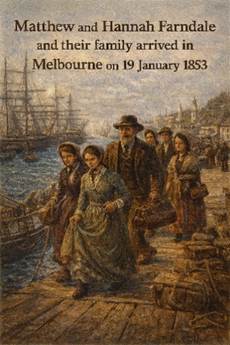
1793 to 1884
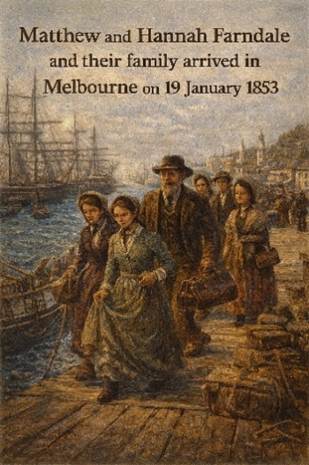
Matthew and Hannah Farndale and their daughters Mary and
Elizabeth embarked on a 14 week voyage to Melbourne to establish a new
lineage in Australia
|
The story of Matthew Farndale and his two daughters who emigrated to Melbourne during the Australian Gold Rush and settled at Birregurra, who have left a wealth of descendants, though none still bearing the Farndale name. The story of another Australian family of the 1960s |
Upon his return from the Crimean War, John George Farndale took his family to Ontario in 1870. At about the same time Samuel Kirk Farndale took his family to Ontario |
The pioneering spirit that
dominated the family s story from the mid nineteenth century |
|
||
|
|
The story of the Scottish Lindsays, Catherine Lindsay s family |
1845 to 1928
The parents of a family of twelve born on a moorland farm, who soon spread across Britain and North America |
Act 25 The Farndales
of Tidkinhow
The story of the Farndales of Tidkinhow and the adventures of twelve siblings who lived in a house that wasn t big enough for them all |
The
moorland farm where a family of twelve grew up |
The story of Matthew Farndale
and his family of Craggs Hall Farm |
The story of John Farndale and his family who moved to Loftus |
|||
|
The modern period of the House of Saxe Coburg Gotha and the House of Windsor From 1901
Britain in the modern age |
1886 to 1966
The grocer who emigrated to Newfoundland |
In 1910 John Martin and Bessie Farndale emigrated to Newfoundland and established a grocery business in St John s. His son joined the Artillery in World War 2 and lived to be the oldest Farndale |
|
The Story of the Baker Family
of Highfields A portal into another family, the ancestors of Peggy Baker, who married Alfred Farndale |
1897 to 1987 1901 to 1996
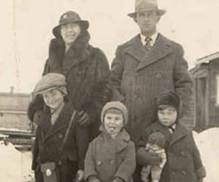
The World War 1 veteran, Alfred Farndale married the
independently minded Peggy Baker in 1929 and embarked immediately for the
Prairie of Alberta. Defeated by the Great Depression the family returned to
Yorkshire where they built a new life from the 1930s |
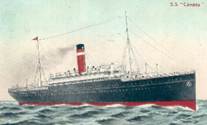
Atlantic
crossings at the time of Titanic
The story of five brothers and
two sisters who crossed the Atlantic in the age of Titanic to emigrate
to Canada |
The story of the Farndales of Tidkinhow who left Yorkshire for a new life on the Prairies
|
1881 to 1943
Martin Farndale was the first of his family of 12 to emigrate to Alberta and was soon joined by four brothers and two sisters who were pioneers of the prairie |
|
|
|
1885 to 1967
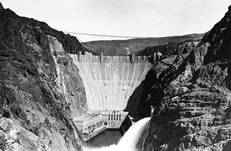
A pioneer who played an important role in the construction of the
Hoover Dam in Nevada and later became a US Senator |
The story of the Hoover Dam, with which Jim Farndale was associated |
The family of Jim Farndale, US Senator, who settled in Nevada and California. The descendants of George William Farndale who settled in Illinois and Wisconsin. The family of John Alan Farndale, of California |
The New Zealand pioneers, descendants of Ronald Martin Farndale of Masterton, and of Wilf Farndale, of Gisborne |
1919 to 1974
Captured at the Battle of Sidi Rezegh in North Africa, Ronald emigrated to New Zealand where his descendants still live |
1911 to 1985
An aircraft engineer in Bristol, Wilf emigrated to New Zealand |
|
||
|
Act 30 - Newcastle and
South Shields The many members of the family who settled in South Shields and Jarrow |
Newcastle Johnny 1919 to 1986
The Youngest Jarrow Marcher in 1936 |
The story of the Jarrow March
of 1936, of which Johnny Farndale, was the youngest member |
William Farndale was a railway porter who became a presbyterian missionary and his son, William became President of the Methodist Conference in 1947, leading a back to the soil campaign |
Exploring the role of religions of various denominations and the evolution of intellectual ideas on the Farndale Story |
Rev Dr William
Edward Farndale 1881 to 1966
The influential Primitive Methodist who became head of the
Methodist Church and Moderator of the Free Church Council shortly after the
Second World War |
|
|
|
|
|
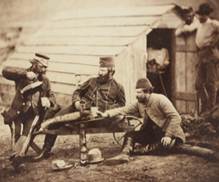
The Crimean War through the perspective of John Farndale, who took part in the long campaign |
1836 to 1909
A Victorian infantryman who provided us with an eye witness
account of the Crimean War before taking his family to a new life in Ontario |
The story of the many soldiers from the family who took up arms
in the First World War
The context of the First World War to the Farndale Story |
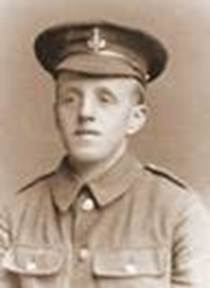
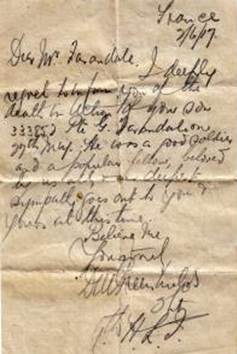
1891 to 1917
The quiet and gentle boy, a blacksmith striker, who was
killed in action on 27 May 1917 1886 to 1917
A warehouseman and then a Leeds Pal in the first world war who
was killed in action at Arras during the Third Battle of the Scarpe |
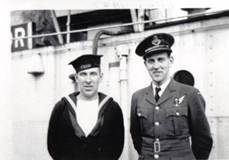
Act 32 The Soldiers, Sailors and Airmen
An exploration of the many military members of the family, and their stories |
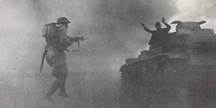
The Second World
War soldiers, sailors and airmen
The story of the Farndales who took up arms in the Second World
War
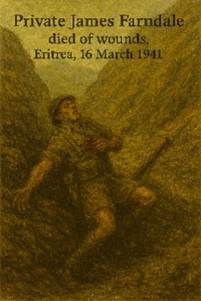
The context of the Second World War 1916 to 1941
A Private in the West Yorkshire Regiment who died of wounds in Eritrea in British Somaliland in 1941 |
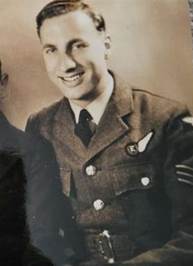
1912 to 1944
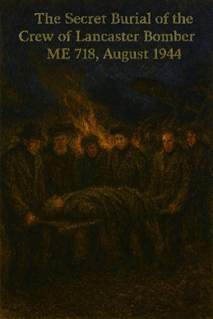
An airman shot down over Denmark after a bombing raid, and
secretly buried by the Danish resistance
The story of the shooting down of Lancaster ME 718 |
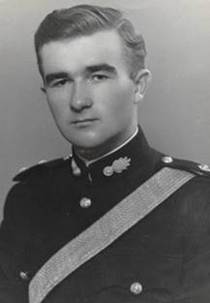
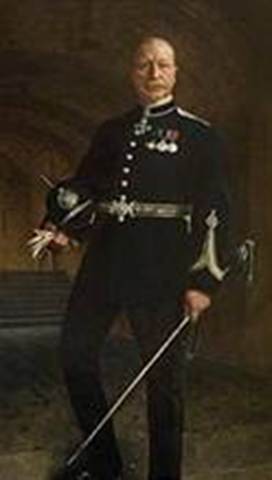
General Sir Martin
Farndale KCB 1929 to 2000
The original author of this genealogy who led the British Army
and Northern Command of NATO in the crucial years of the Cold War |
An explosive blend of Farndale firepower |
|
|
|
|
|
1876 to 1932
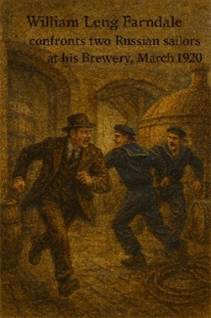
A Brewer and Northumberland Hussar of Rothbury, Northumberland
who confronted an armed robbery by two Russian sailors in the vicinity of his
brewery |
A final chapter which explores the twentieth century family and reflects on how the family has spread its wings in the more recent years of the twenty first century |
1854 to 1930
The Bank Manager of Thirsk |
1910 to 1965
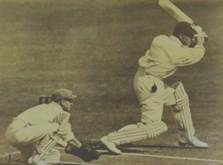
Wilfred was brought up in the community of Sir Titus Salt s
Saltaire Mills. He was an accomplished Cricketer who played with some
Yorkshire greats and a social influencer in his work as a Sanitary Officer |
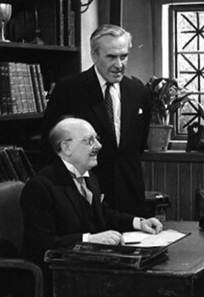
1886 to 1948
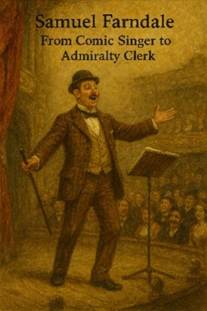
A Comic Actor who joined the Yorkshire Mummers 1866 to 1936
From comic singer to Admiralty Clerk |
|
|
|
|
The family history is remarkably complete. We explore here where it has been necessary to rely on the most probable narrative where certainty has been impossible |
Epilogue - inspiration from our back story What we can take from our journey through two thousand years of history
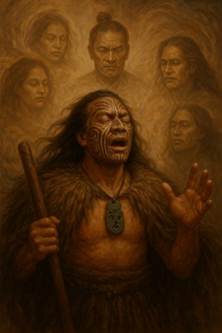
Kia whakatōmuri te haere whakamua, I walk backwards into the future
with my eyes fixed on my past (Māori) Finish Here |
Perspective Laying our
Ancestors Back into the sun
The genealogist s ambition |
Perspective
Peering through chambers to
our ghostly beginnings |
|
|
|||
|
History and Artificial Intelligence
The end of History? |
Telling the story of
Our Female Ancestors
The historical record is not properly representative of our female ancestors. As a historian it is important to found our narrative on the evidence which exists. However by reflecting on the existing evidence, and applying a fresh analysis, we can recover the story of the Farndale women, even though the underlying evidence has not recorded everything they did |
The Story of the Farndale Story
Building the story over two generations |
Some reflections on new
approaches to genealogy and historical research to allow families to come
into contact with their deep ancestral history |
Some notes on the sources and
methods used to compile and bring alive the lineage of a family A reflection of the importance
of records of births, deaths and marriages, and census records, but some
ideas about how to build on that framework to create stories and pathways
through regional and national history |
A recognition of some
restrictions to genealogical research before 1500, but some ideas to help
overcome the constraints |
Some thoughts on the
relationship between genealogical methods with historical research, to
uncover the full picture |
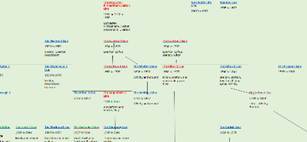
Meet the whole family. The 84 Family
Lines of the Farndale Family A matrix of the 84 family lines which make up the extended family will introduce you to every individual member of this family who can trace their origins to Anglo-Saxon-Scandinavian England. |
The original index of our family, in alphabetical order by date of birth, which will enable you to find an individual person if you know when they were born |
|
|
|
|
|
|
|
|
|
|
|
|