Epilogue
Inspiration from our back story
What can we learn from our footsteps
through two thousand years of British History?
|
Return
to the Home Page of the Farndale Family Website |
The
story of one family’s journey through two thousand years of British History |
The
83 family lines into which the family is divided. Meet the whole family and
how the wider family is related |
Members
of the historical family ordered by date of birth |
Links
to other pages with historical research and related material |
The
story of the Bakers of Highfields, the Chapmans, and other related families |
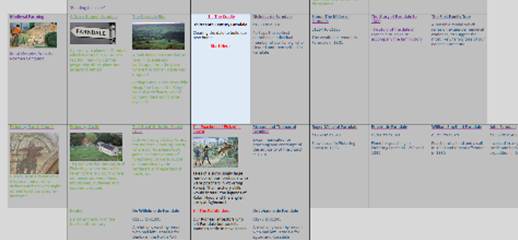
Dates are in red.
Hyperlinks to other pages
are in dark blue.
Headlines are in brown.
References and citations
are in turquoise.
Context and local history
are in purple.
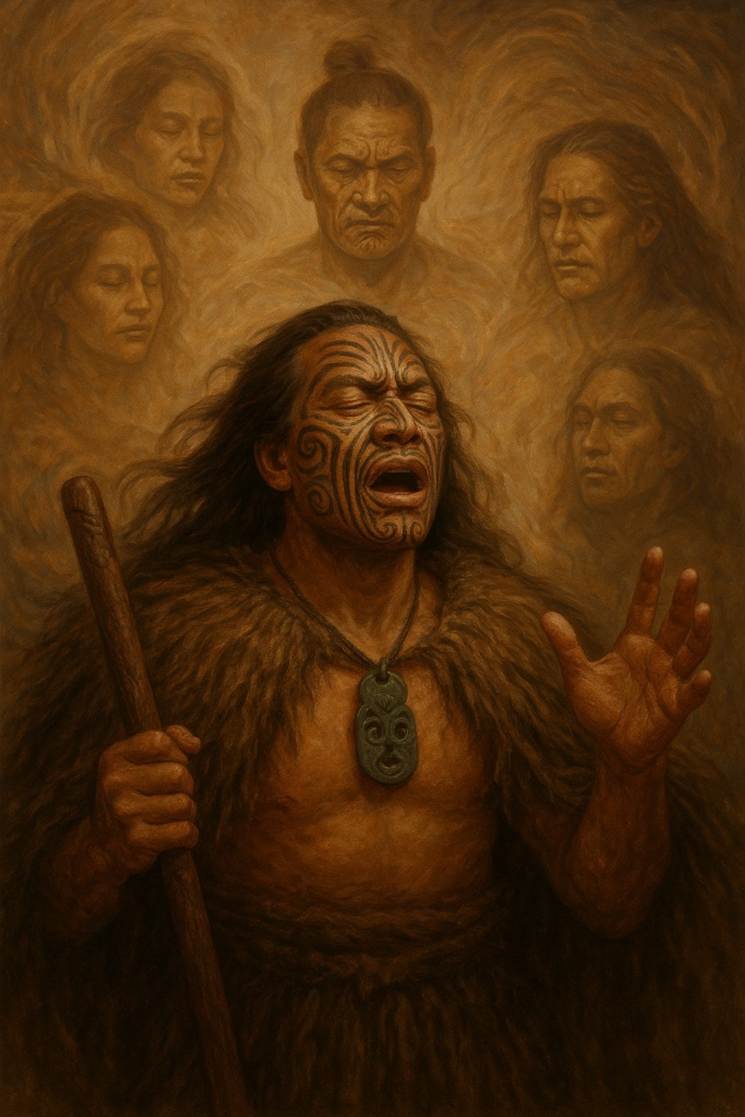
whakapapa
We are
the inheritors of gifts from the past. Consider the immense legacy left by our
ancestors: those who sowed the first seeds in Mesopotamia 10,000 years ago, who
cleared the land, built waterways and found the cities where we now live, who
made the scientific discoveries, won the political struggles and created the
great works of art that have been passed down to us. We seldom stop to think
how they transformed our lives. Most of their names have been forgotten by
history.[1]
The
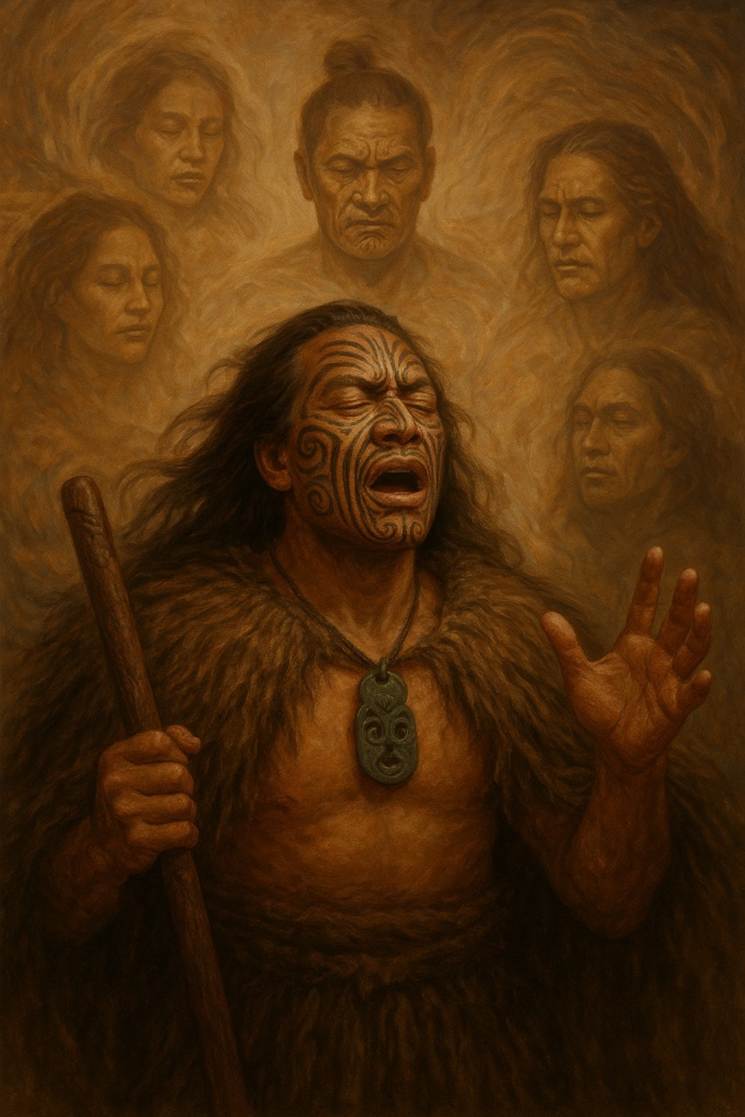
Māori concept of whakapapa, ‘genealogy’, describes a continuous life line
that connects an individual to the past, present and future. According to
leadership expert and author James Kerr, the New Zealand rugby team tried to
live by a philosophy of whakapapa, which calls on them to both represent the
players who came before them and create a legacy for those will who will follow.[2]
The Scots
kings themselves were not enthroned by right of coronation like their English
counterparts. Instead they went through the inauguration known as enkinging,
derived from ancient Celtic custom, where the king was placed above the Stone
of Destiny, a symbolic object brought to Scotland from the ancient kingdom of
Dál Riata. As part of the ceremony, the king and congregation listened to the
recital of a long list of names which marked out his royal predecessors as far
back as the earliest kings.[3]
Before
battle, some Highlanders recited the names of their ancestors to invoke their
spirits, as a way to gather courage and strength for the fight ahead. The
Gaelic practice called sloinneadh connected the present generation with their
ancestors, reinforcing identity and courage. Their recitations went something
like I am Ian, son of Donald, son of Malcolm … This practice was rooted
in the deep importance of genealogy in defining their identity and place within
their clan and the broader Highland society. By reciting their lineage, they
felt they were fighting alongside the spirits of their warrior ancestors. It is
said that before the Battle of Culloden, the Highlanders recited the names of
twenty generations of their ancestors as inspiration for the forthcoming
battle. They attacked in wedges of ancestral blocks, with the older folk at the
front to inspire the later generations.
We seem to
have lost the generational perspective which provided our forebears with a
deeper sense of time and perspective, of purpose and belonging.
Mammalian
brains evolved a useful trait of short term thinking, as a mechanism to
encourage feasting against the risk of a future scarcity of food, and rapid
decision making when encountering predators. It once served an evolutionary
purpose. It still does, when rapid decision making is beneficial.
Yet humans
also evolved to develop a parallel ability which distinguished humans from
other species. About two million years ago humans developed a unique ability to
be able to escape the present, and perceive of both the past and the future, in
turn allowing an ability for long term thinking and understanding.
Sander van
der Leeuw found the real significance of the evolution of Neolithic tool making
in expressing the new cognitive ability of the human brain[4].
The simplest early tools had natural points and edges. Our Palaeolithic
ancestors then learned to create a sharp edge, by flaking off part of the stone
by hitting it against another surface. They then started to create tools with
multiple flaked edges. By 20,000 YPB on a global
scale, though with the new technology spreading more recently in places like
the North York Moors, they mastered tool making in three dimensions, by
removing flakes at specific angles to create sharpened points, involving the
intersection of three planes. Early stone tool making found its ultimate
expression in the Levallois Technique[5],
which involved a mental reasoning and understanding of multiple stages in
making a tool. This ability emerged from the increased cranial capacity of the
human brain from about two million years ago, which in turn expressed a new
uniquely human ability for planning and long term thinking. Van der Leeuw found
advances in stone knapping techniques reflected a step change in the human mind[6].
These very
earliest expressions of human activity have been found on the moors at
the edge of Farndale, representative of a global evolution of humans into
thinking, reasoning and forward thinking beings.
Yuval Noah
Harari in Sapiens[7]
places the Cognitive Revolution[8]
when humans emerged to dominance over other species, between 70,000 and 30,000 YBP. The transformation arose primarily through the
development of complex language which enabled humans to exchange ideas, and to
exchange gossip, which became the basis upon which small groups of up to about
150 individuals, could form cultural groups. Within a group of up to 150
people, humans could know, and have an opinion of, everyone in the tribe. That
meant they could live together, rather than immediately assume a threat.
If this
process of cognitive revolution had ended only about 30,000 YBP, then our story
of two thousand years of the history of one family represents a fifteenth of
the story of humans as a dominant species. That allows us to have some perspective
of our place in a deeper historic journey.
In grasping
our own story, only fifteen generations takes us back to the Farndale family’s arrival in the area
around Skelton, to largely remain until the twentieth century. Another ten
generations takes us back to the first cultivation of the
lands in Farndale in the thirteenth century. Another 25 generations takes
us back through the Anglo
Saxon World to the Roman
occupation. A tangible perspective of fifty generations provides a
measuring tool. That provides us with the perspective to understand our own
history in the context of a deeper past.
Complex
language allowed humans to define their world with more precision. In time, it
allowed humans to imagine new worlds, and construct imagined realities, which
served to bind together larger numbers. Humans dreamt up myths and religions,
legal systems, economic systems, and sovereign nations. These imagined worlds
were not untruths, but accepted by larger and larger communities as a shared
reality. The imagined structure which governs our world today, including the
legal fiction of limited liability companies and the adherence to principles of
human rights, are real determinants of the place in which we find ourselves. They
are generally positive concepts which have evolved from generations of human
thought. Yet imagined realities do not always last. The French Revolution gave
rise to an overnight change from a world created from the idea of the divine
right of kings, to a new world driven by a belief in liberté, égalité,
and fraternité. Belief in each of the very different imagined worlds
that existed before and after the Revolution, was a matter of survival for
contemporaries.
In the early
Neolithic period, about 10,000 BCE in Mesopotamia, and about 3,000 BCE in
Yorkshire, humans took the extraordinary step of planting seeds in anticipation
that they would provide food in the future. In time the new human trait of long
term thinking enabled communities to construct the magnificent towering
structures of such places as Rievaulx
Abbey and great cathedrals, as at York and Doncaster, structures which
sometimes materialised over more than a single generational span. Ulm minster
in Germany was a Lutheran church which began to be constructed from local
funding in 1377 and was finally completed in 1890. Jim Farndale was a
small cog in the great American project of the Hoover dam construction in the
1930s. Humans are capable of awe inspiring, long term projects. A sense of deep
time, legacy, lineage, cathedral thinking, and imagination has elevated human
capacity to achieve extraordinary things.
Concurrently
with this new human ability, the extended period of dependence of a human child
provided another booster to long term thinking, often referred to as the
grandmother effect. Most mammals can walk within days and reproduce within
a year and spend a minimal period of dependency on their parents. The human
pattern means that children have tended to be reared in extended families, with
grandmothers as well as mothers, passing on their knowledge and experience.
Darwinian selection has lengthened human lifespans over time, so that even in
prehistoric and medieval times, human families were far longer lived than
mammalian cousins. The grandmother effect therefore provided each extended
family with multigenerational kinship communities, often comprising five
generations from grandparents to grandchildren. This has tended to provide a
community of care and responsibility. It also provided the means to pass down
the wisdom of generations. A grandmother in 2026 is able to recall her
grandfather who lived through all the experiences of the twentieth century.
Edda is an old Norse word which refers to
stories told as prose or poetry, but also means great grandmother. Edda
were stories of old Scandinavian ideas including depictions of Valhalla,
which seem to have been passed on by grandmothers and great grandmothers
through generations. They may have been stories told by our own Scandinavian
ancestors to our kin around the fires of dwellings near Kirkdale in the tenth
century CE.
Humans have
historically tended to live in extended families and long lasting communities.
They had shared experiences, and had empathy with people they grew to know
well, sometimes loved, sometimes mistrusted, but nevertheless understood.
It is worth
asking ourselves whether, over the past two generations, the human family has
started to forget its unique ability for long term thinking and appreciation of
deep time. It is true that today we have a richer body of factual information
at our disposal, upon which to make decisions, with a sophistication of inter
connection with that material, which would have been envied by our ancestors.
Yet we have tended towards specialisation, cocooned by our own individual
endeavours, and often missing the wider context of time, generation and
community. We have everything at our disposal on a small device which never
leaves us, yet find ourselves addicted to repeated posts which may not have the
depth of meaning we suppose.
Our ability
for quick, short term thinking is an important one, equipping us for swift
decision making. Yet it also burdens us with an addiction to instant
gratification; boom and bust financial speculation which caused our ancestors,
including my own grandparents, such devastation after 1929; a tendency to self
interest; the primacy of ‘now’ over historical perspective; quick fixes by
government; presentism; digital distraction and the tyranny of the clock. We
may have become more susceptible to fake news, because we accept
snippets of information without the context of deep understanding based on the
passing down of generational experience.
What provided
us with human advantage, since the cranial material of Homo habilis
doubled its size, is a novel capacity to understand our historical perspective
and perceive of the consequences of our decisions today on the future. It has
been provided to us by epochs of time and the magic of evolution, but we might
have forgotten that we have it.
Generational
Perspective
The richness
of the information which we now have at our disposal, interconnected by tools
which make it readily available to us, provides access to a depth of
understanding of our inheritance unimagined by our ancestors, if only we look
for it.
Two branches of the Farndale family
settled in New Zealand in the Twentieth century, lands with a strong perception
of deep time. The Māori proverb, Kia
whakatōmuri te haere whakamua, is central to their identify and means,
I walk backwards into the future with my eyes fixed on my past[9].
The Māori have a strong principle of whakapapa which means
genealogy, embracing a continuous timeline incorporating past, present and
future[10].
Reciting one's whakapapa proclaims Māori identity, providing a
wider context, and linking an individual to land and tribal community and to
the mana, a supernatural force that binds together their universe. The
All Blacks rugby team live by this philosophy[11],
which encourages them to represent players that came before them, and to create
a legacy for those who follow.
|
The
All Black’s philosophy to be a good ancestor |
|
|

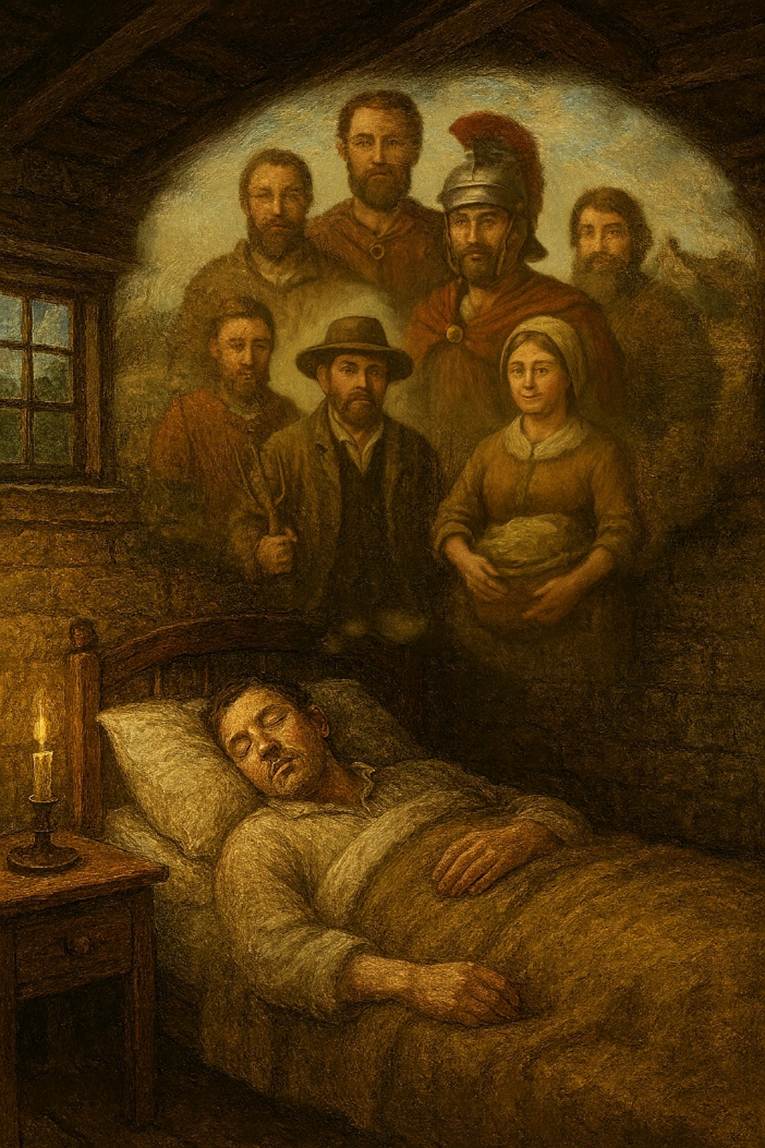
The Farndale
Story is a story of perhaps fifty generations of the interconnected lives of a single
family, tracing the lives of known individuals back to the thirteenth century,
and then further through the generations who lived around Kirkdale back to Roman
estate at Beadlam.
Understanding
our ancestral history provides a new perspective of forgotten experiences,
which might help us to make sense of a chaotic world. Understanding our deep
ancestral path might recover a sense of the perspective of time. That
understanding might give us an appreciation that many of the dilemmas we face
today have happened previously, and often been solved in manners which might
interest us. We might also appreciate the long term impact of decisions over
time, and therefore, the impact our short term thinking today might have on the
long term direction of our future path.
When the
Farndale Story passed through the eleventh century CE, we came across a sundial built into the wall
above the door into Kirkdale
minster by Orm Gamalson in
about 1055.
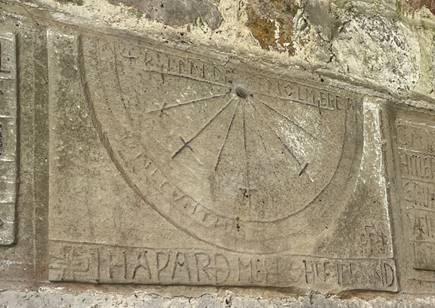
Above it, in
Old English, was written, This is the day’s sun marker at every hour. We
concluded that this was unlikely to have been a practical object, but rather it
took us into the imaginations and perceptions of our ancestors who regularly
looked up at it as they passed through the church’s door. It was likely to have
been a reminder of temporal progression and an incentive to live life well,
perhaps created by a generation wary of the end of the first millennium. It was
conceived by individuals who were masters of time, through their study of the computus,
a methodical interpretation of the calendar to help to identify the dates of
religious festivals such as Easter. Our forebears passed regularly beneath that
sundial, and when they looked at its face, they had a profound understanding of
our ancestral passage through time.
Good Ancestors
In A Guide to Saltburn by the
Sea and the Surrounding District, in 1864, John Farndale,
who was somewhat self-righteous and annoyingly competitive at everything he
did, wrote It was ordained that even to me was given an errand to fulfil,
which I am at this time feebly endeavouring to discharge:- namely, to do good
in my day and generation.
The medical
researcher Jonas Salk, shared a short challenge, Our greatest responsibility
is to be good ancestors[12].
Salk
believed that just as we have inherited so many riches from the past, we must
also pass them on to our descendants. He was convinced that in order to do so,
and to confront global crises such as humanity’s destruction of the natural
world and the threat of nuclear war, we needed a radical shift in our temporal
perspective towards one more focused on long term thinking and the consequences
of our actions beyond our own lifetimes. Rather than thinking on a scale of
seconds, days, and months, we should extend our time horizons to encompass
decades, centuries and millennia. Only then would we be able to truly respect
and honour the generations to come.[13]
Roman
Krznaric has recently picked up on the idea of The Good Ancestor[14].
He worries that we live in an age dominated by the tyranny of short termism,
perhaps epitomised by the iPhone, ‘buy now’, culture of the twenty first
century, in which we find it difficult to gain a perspective of more than a
couple of generations. He advocates long term thinking as the tool of the
good ancestor to take decisions which reflect the longer term future of our
human journey. He asks whether, by ignoring our long term perspective, we are
colonising the future. As settlers in Australia saw the aboriginal lands as terra
nullius, ‘nobody’s land’, he asks whether our departure from long term
thinking tends towards an idea of tempus nullius. ‘nobody’s time’.
Ubuntu means humanity in some Bantu
languages, such as Zulu and describes a set of Bantu value systems that
emphasise the interconnectedness of individuals. Ubuntu is sometimes
translated as I am because we are and is a philosophical sense of the
belief in a universal bond and interconnectedness over generations.
John Borrows
is a twenty first century professor of law and member of the Chippewas of
Nawash First Nation of Ontario who advocates seventh generation thinking[15].
From across Lake Ontario, Oren R Lyons Junior[16],
a faithkeeper of the Turtle Clan of the Onondaga nation, part of
the Iroquois Confederacy, explained that one of the first mandates
given to us as chiefs is to make sure that every decision we make relates to
the welfare and well being of the seventh generation to come, and that is the
basis by which we make decisions in council. We consider whether a decision
will be to the benefit of the seventh generation. When two branches of the Farndale family
arrived on the shore of Lake Ontario in the 1870s, they took us to a place of
deep ancestral understanding, adopting a rich lineage of responsibility from
past generations, to pass on to future generations, making decisions for the
benefit of the seventh generation to come.
Since the
future is yet to happen, the starting point to the rediscovery of a sense of
deep time, and connectedness to our ancestral experience, is a historical
understanding of who we are and where we have come from.
Déjà vu
History repeats
itself with greater regularity than we might imagine. It therefore provides an
extraordinary perspective on events unfolding today. As we try to solve today’s
puzzles, reinventing the wheel each time, we forget that it’s happened before.
The
challenges we face today, of global conflict, climate change, financial market
risk, taxation, inflation, risk of pandemics, and multiple others are not new.
We forget that these same issues and challenges have been pondered and resolved
in different ways throughout the period of our family story. They have been a
part of our history for two millennia of known history. They are issues which
will be better resolved by a deep understanding of historical time, and
appreciation through that understanding of the long term impact of decisions
made today on future time.
At a global
level, as conflicts unfold, we forget the lessons of past conflicts, of a First World War stumbled into
by poor communication and mistrust, whilst a Second World War was caused
by the opposite failure to perceive and deal with a direct threat. John
George Farndale was a soldier of the
Crimea, some hundred and fifty years ago, experiencing horrors and hardship
for a conflict which made little difference in a place which is the theatre of
another conflict today. We remember the Crimean War today mainly from a poem
about a misunderstood order which led to a glorious, but pointless, cavalry
charge. From the medieval encounters of Richard Farndale in
Scotland, Ireland and France, to the press ganged sailor Giles Farndale, tossed
overboard in the Spanish Main and marked dead, discharged on the muster
of the following day, our historical experience of conflict has vouched its
futility.
Our species
already has a perspective of the threats of climate change, because it has
happened so many times previously. Subsistence lifestyles were risky and
subject to cycles of overuse, bad weather, poor harvests and sometimes disease.
After the widespread taming of agricultural land in the thirteenth century, an
activity in which the
Farndales took part, by 1315 the number of tenancies had multiplied and an
average holding was only about ten acres. Households were increasingly
struggling to feed themselves, let alone feed the towns, and had probably
reached their sustainable levels. Real wages fell by about 20% between 1290 and
1350. In the second half of the thirteenth century there was a disastrous fall
in global temperatures, which led to a succession of storms, frosts and
droughts. The Great Storm of 1289 ruined harvests across the country. The Thames
froze in 1309 to 1310. In 1315 to 1316, two years of continual rain ruined
harvests. A great famine across Europe lasted for seven years. These were years
of dreadful economic and personal disaster. Half a million people died of
hunger and disease. When our ancestors hunted in
royal forests, such as Pickering, they acted in desperation, with no option
but to risk punishment including being outlawed and excommunicated. Our family
story regularly encountered famine and hardship. Such devastating losses have
occurred sporadically and regularly throughout history, each time creating
painful yet short lived memories. Nature kept progress in check and our family
story was subject to Malthusian balances when populations became unsustainable.
We know the
consequences, but quickly forget them. We have driven on at pace to devour new
energy sources driven by an exponential desire to consume, which first stoked the
industrial revolution from the eighteenth century. Now we live our lives at
speed, quickly discarding and buying afresh, having made time our master rather
than our teacher.
Pandemics
are not new. In 1349 came the Black
Death. Indeed the plague attacked the population four times in thirty years
and became endemic for three centuries. William Farndale
almost certainly felt the horrors of the
Black Death which hit Doncaster badly between 1347 and 1351. George and Catherine Farndale suffered tragedy when their three
daughters, Mary
Frances Farndale, Catherine
Wiley Farndale, and Annie Louisa
Farndale, all died aged 7, 4 and 3 within nine days of each other at
Christmas, between 17 and 26 December 1874. There was a smallpox pandemic in
1870 to 1874, which originated in France. The Vaccination
Act 1853 helped to mitigate its effect in England, but perhaps this was the
cause of three sisters dying in the same year. There was also a cholera
epidemic at the time. This was also at the time when George’s grocery
business was struggling. When the last of the three girls died in such short
succession, an unspeakably sad notice on 2 January 1875 seemed to summarise the
ill fortune that the family had met, Death on the 26th Dec, at
Newport Road, Middlesbrough, Annie Louisa, aged three years, the beloved and
last surviving daughter of Mr Geo Farndale. The 1870s was the Stockton Farndales
decennium horribilis. In the early twentieth century, William Farndale
of Saskatchewan, though still weak from a wound sustained at Vimy Ridge, chose
to ferry patients to hospital in his car, caught influenza, and died fifteen
days after the guns stopped firing on the Western Front.
We
encountered anti-vaxers as early as September 1879, when the Rev W Stoddart,
BA, minister of the Unitarian Church, Wellington Street, Stockton, appeared
before the Borough Magistrates on Thursday morning in answer to a summons for
neglecting to have his child vaccinated as required by the law. The Vaccination
Officer proved that the child had not been vaccinated since its birth. Mr
Stoddart, in defence, said that he had a conscientious objection to
vaccination, believing it to be contrary to the laws of God and opposed to
sound common sense. As a parent he considered it his duty to protect his child
from any and every kind of harm; but he should not be doing his duty as a
parent if he allowed to the germs of disease to be inserted into his child's
body with a view to the possible prevention of some other kind of disease. He
therefore considered it to be his duty to oppose the laws of the State rather
than disobey the laws of God. Alderman Knowles (chairman of the bench): “Very
well, the Bench make the order with costs”. Mr Farndale (deputy magistrates’
clerk): “The child must be vaccinated within the next 14 days, or you will be
summoned again”. The reverend defendant then paid the costs of the present
proceedings and left the court.
Our
ancestors have been subject to the whims of taxation since at least the
thirteenth century. As they toiled to clear the forest of
Farndale for agriculture, we have records of the imposition of taxes in
1276, 1282 and 1301, sometimes to their overlord, and sometimes to the King to
fund his latest campaign against the Scots. Nicholaus de
Farndale paid the controversial poll tax of 1379, imposed by the newly
crowned Richard II under the influence of his lovely mother Joan, the Fair Maid
of Kent, proprietor of the
Farndale lands, to finance the continuing costs of the Hundred Years’ War,
which would lead to the Peasant’s Revolt.
William
Leng Farndale, the brewer, wrestled with the challenges of inflation
in February 1916, when a
meeting of the licenced victuallers of Rothbury and district was held at the
Railway Hotel. Mr W L Farndale, manager for Rothbury Brewery Company, presided.
It was unanimously decided, owing to the considerable increase in the price of
spirits, that on and after today an increased charge of 1 penny per glass be
made. It was also decided that steps be taken to form a licenced victories
association for Rothbury and district.
2025 is the
two hundredth anniversary of the birth of the railway in our ancestral
heartland. In 1825, Stockton witnessed
an event which changed the face of the world forever and heralded the dawn of a
new era in trade, industry and travel. The first rail of George Stephenson's
Stockton and Darlington Railway was laid near St. John's crossing on Bridge
Road in 1822. Hauled by Locomotion No 1, the great engineer himself manned the
engine on its first journey on 27 September 1825. Fellow engineer and friend,
Timothy Hackworth acted as guard. This was the world's first passenger railway,
connecting Stockton with Shildon. The
opening of the railway greatly boosted Stockton,
making it easier to bring coal to the factories. However the port declined as
business had moved down river to Middlesbrough.
We’ve seen
it all before.
Community
There was a
strong sense of place in the rural communities that formed the stage of much of
our family story. In Roman religion, genius loci invoked the protective
spirit of a place[17].
Extended communities gave a sense of security that was felt from close
interactions between large numbers of individuals who knew each other well and
shared cultural ideas. Multi generational families had both a sense of place
and of their ancestry.
The
Farndales have tended to mesh into extended families, which provided their own
community and support systems, so long as they remained vested in working the
land, generally with smaller horizons. The probable relationships of the first family tree which
can be assembled of the first individuals who used the name, suggests a family
community, where fathers
and even uncles bailed out wayward sons who were caught poaching. For instance Nicholas
of Farndale, gave bail for Roger
son of Gilbert
of Farndale who had been caught poaching in 1334 and 1335.
Yet younger
siblings who could not be supported by small farms, were sometimes forced to
leave the safety of their community to seek a living in another place, as De Willelmo
de Farndale did in Danby and De Johanne de
Farndale did in Egton, and later
Rosedale, before his family settled in York.
Our family story is sometimes a narrative of living in the same place for
multiple generations, but punctuated by those pioneers who left the safety of
the extended family, to experience new adventure and challenge.
From about
1705, Kilton became the home to an extended
Farndale family for almost two hundred and fifty years until 1940. When William Farndale’s
eldest son, George
Farndale needed support, William provided funds in his will in 1846 for his
other sons to look after George’s interests. And I give and bequeath unto my
sons John
Farndale, the said Matthew
Farndale and Martin
Farndale, the sum of One Hundred pounds upon trust to apply the same, or
any interest which may arise therefrom in case my said three sons should place
out or invest the said sum of One Hundred pounds at interest in providing Board
Lodging Clothing or Medical attendance to and for my son George Farndale
at such times and in such manner as my said three children shall think proper. By
1851 Matthew
Farndale had left Kilton and on 1 April 1851 Martin Farndale
was farming at the main family farm of 207 acres at Kilton with eight employees. His brother George Farndale,
by then 60 and a widower and working as agricultural labourer, was living with
him as was his 15 year old niece Maria Farndale,
and Charles Farndale,
13, his nephew and son of his brother John. Twenty
years later in 1871 Martin Farndale
was still at Kilton Hall Farm, Kilton, the head of the family, by then a farmer
of 600 acres with 16 employees. Living with Martin and his wife Elizabeth was Matthew Farndale,
aged 22, his grand nephew, described as a servant, so presumably working on the
farm. Matthew was the son of the late Martin Farndale,
and grandson of Martin’s brother the late George Farndale.
So the main
farm at Kilton
provided a focus for the family community.
The industrial
revolution brought new opportunities and grave risks. Those who faced the
challenges of agricultural and industrial change sometimes thrived, but
sometimes suffered, particularly during the decennium horribilis
of the 1870s.
When a
family of twelve were born in turn of the
family at Tidkinhow farm, there was simply not enough room and eventually
only one, the eldest, John Farndale,
would remain there. Yet even so, the bonds of the family continued. Those who settled around Trochu in Alberta
formed a new community there, looking out for each other, and helping each to
get established as they arrived. When Alf
returned from the First World War, he went to help his widowed sister Lynn
at Tancred Grange near Scorton.
The pattern
of the Farndale family is not a unique one. It is a snapshot of the lives of
most families over the span of time.
Civilising nature
When Cedd built his monastery of Lastingham in 653 CE, near to the
entrance to Farndale, he
selected a location vel bestiae commorari vel hommines bestialiter vivere
conserverant, ‘a land fit only for wild beasts, and men who live like wild
beasts’. Bede later wrote that he had purposely selected
a location in the habitation where once dragons lay so that the fruit
of good works shall spring up where once beasts dwelt or where men lived after
the manner of beasts. Cedd was on a mission to civilise
nature.
Despite
Cedd’s efforts, the forested Farndale continued to be a wilderness for another
half a millennium. It was still the place where Edmund the hermit dwelt in the
mid twelfth century, when parcels of land started to be given to the Rievaulx monks to cultivate.
By the early
thirteenth century, it was cleared on a grand scale for agriculture by our
Farndale ancestors, and by 1301 Farndale was a thriving agricultural community
with two mills and a significant population of farmers.
Our earliest
ancestors were on a mission to civilise nature, but the pace was not a fast one
for hundreds of years which followed.
Respect for
resources
Despite a
drive towards civilisational advance, which has inspired human progress for
over 10,000 years, of some sixty generations of whom the Farndale Story has
told some fifty eight generations lived lives which were largely
self-sufficiency and sustainable. Even in the midst of the
industrial revolution, the catalyst for a new scale of energy use, our
forebears still recycled their possessions to use them to the full, and used
their gardens to grow much of their own food.
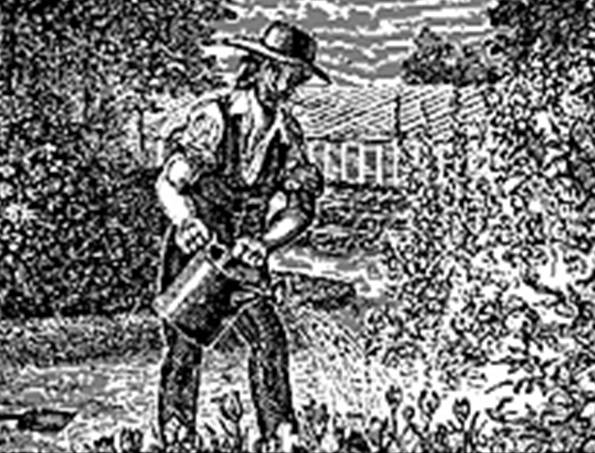
A rural
economy persisted, and an innate knowledge of the land allowed families to
continue to survive on small margins.
On light
evenings, after their tea-supper, the men worked for an hour or two in their
gardens or on the allotments. They were first-class gardeners and it was their
pride to have the earliest and best of the different kinds of vegetables. They
were helped in this by good soil and plenty of manure from their pigsties; but
good tilling also played its part. They considered keeping the soil constantly
stirred about the roots of growing things the secret of success and used the
Dutch hoe a good deal for this purpose. The process was called 'tickling'.
'Tickle up old Mother Earth and make her bear!' they would shout to each other
across the plots, or salute a busy neighbour in passing with: 'Just tickling
her up a bit, Jack?'
The
energy they brought to their gardening after a hard day's work in the fields
was marvellous. They grudged no effort and seemed never to tire. Often, on
moonlight nights in spring, the solitary fork of some one who had not been able
to tear himself away would be heard and the scent of his twitch fire smoke
would float in at the windows. It was pleasant, too, in summer twilight,
perhaps in hot weather when water was scarce, to hear the swish of water on
parched earth in a garden—water which had been fetched from the brook a quarter
of a mile distant. 'It's no good stintin' th' land,' they would say. 'If you
wants anything out you've got to put summat in, if 'tis only elbow-grease.'
The
allotment plots were divided into two, and one half planted with potatoes and
the other half with wheat or barley. The garden was reserved for green
vegetables, currant and gooseberry bushes, and a few old-fashioned flowers.
Proud as they were of their celery, peas and beans, cauliflowers and marrows,
and fine as were the specimens they could show of these, their potatoes were
their special care, for they had to grow enough to last the year round. They
grew all the old-fashioned varieties—ashleaf kidney, early rose, American rose,
magnum bonum, and the huge misshaped white elephant. Everybody knew the
elephant was an unsatisfactory potato, that it was awkward to handle when
paring and that it boiled down to a white pulp in cooking; but it produced tubers
of such astonishing size that none of the men could resist the temptation to
plant it. Every year specimens were taken to the inn to be weighed on the only
pair of scales in the hamlet, then handed round for guesses to be made of the
weight. As the men said, when a patch of elephants was dug up and spread out,
'You'd got summat to put in your eye and look at.'
Very
little money was spent on seed; there was little to spend, and they depended
mainly upon the seed saved from the previous year. Sometimes, to secure the
advantage of fresh soil, they would exchange a bag of seed potatoes with
friends living at a distance, and sometimes a gardener at one of the big houses
around would give one of them a few tubers of a new variety. These would be
carefully planted and tended, and, when the crop was dug up, specimens would be
presented to neighbours.
Most of
the men sang or whistled as they dug or hoed. There was a good deal of outdoor
singing in those days. Workmen sang at their jobs; men with horses and carts
sang on the road; the baker, the miller's man, and the fish-hawker sang as they
went from door to door; even the doctor and parson on their rounds hummed a
tune between their teeth. People were poorer and had not the comforts,
amusements, or knowledge we have to-day; but they were happier. Which seems to
suggest that happiness depends more upon the state of mind—and body,
perhaps—than upon circumstances and events. [18]
As well
as their flower garden, the women cultivated a herb corner, stocked with thyme
and parsley and sage for cooking, rosemary to flavour the home-made lard,
lavender to scent the best clothes, and peppermint, pennyroyal, horehound,
camomile, tansy, balm, and rue for physic. They made a good deal of camomile
tea, which they drank freely to ward off colds, to soothe the nerves, and as a
general tonic. A large jug of this was always prepared and stood ready for
heating up after confinements. The horehound was used with honey in a
preparation to be taken for sore throats and colds on the chest. Peppermint tea
was made rather as a luxury than a medicine; it was brought out on special
occasions and drunk from wine-glasses; and the women had a private use for the
pennyroyal, though, judging from appearances, it was not very effective. As
well as the garden herbs, still in general use, some of the older women used
wild ones, which they gathered in their seasons and dried.
All kinds
of home-made wines were brewed by all but the poorest. Sloes and blackberries
and elderberries could be picked from the hedgerows, dandelions and coltsfoot
and cowslips from the fields, and the garden provided rhubarb, currants and
gooseberries and parsnips. Jam was made from garden and hedgerow fruit. This
had to be made over an open fire and needed great care in the making; but the
result was generally good—too good, the women said, for the jam disappeared too
soon. Some notable housewives made jelly. Crab-apple jelly was a speciality at
the end house. Crab-apple trees abounded in the hedgerows and the children knew
just where to go for red crabs, red-and-yellow streaked crabs, or crabs which
hung like ropes of green onions on the branches.
A quickly
made delicacy was cowslip tea. This was made by picking the golden pips from a
handful of cowslips, pouring boiling water over them, and letting the tea stand
a few minutes to infuse. It could then be drunk either with or without sugar as
preferred.[19]
Every
house had a good vegetable garden and there were allotments for all; but only
three of the thirty cottages had their own water supply. The less fortunate
tenants obtained their water from a well on a vacant plot on the outskirts of
the hamlet, from which the cottage had disappeared. There was no public well or
pump. They just had to get their water where and how they could; the landlords
did not undertake to supply water. Against the wall of every well-kept cottage
stood a tarred or green-painted water butt to catch and store the rain-water
from the roof. This saved many journeys to the well with buckets, as it could
be used for cleaning and washing clothes and for watering small, precious
things in the garden. It was also valued for toilet purposes and the women
would hoard the last drops for themselves and their children to wash in.
Rain-water was supposed to be good for the complexion, and, though they had no
money to spend upon beautifying themselves, they were not too far gone in
poverty to neglect such means as they had to that end. For drinking water, and
for cleaning water, too, when the water butts failed, the women went to the
well in all weathers, drawing up the buckets with a windlass and carting them
home suspended from their shoulders by a yoke. Those were weary journeys 'round
the Rise' for water, and many were the rests and endless was the gossip, as
they stood at corners in their big white aprons and crossover shawls.[20]
Carbon
footprints barely registered for generations. The era of human consumption at
scale in the twenty first century is represented by a few grains of sand in the
flow of the hourglass of our history.
The Cosmic
Perspective
This
genealogical journey tells the story of one extended family, all related to
each other, albeit increasingly distantly. From that limited perspective, we
have encountered a multiplicity of stories, of struggle, initiative, tragedy,
achievement, ambition, of following calls to battle, taming home lands, and
travelling to new ones.
The
astronomer Carl Sagan[21]
left a cosmic perspective, to the multiplicity of human stories, when he
thought about a photograph of the earth taken by Voyager 1[22]
when it paused briefly to look backwards on its mission to the edge of the
solar system[23].
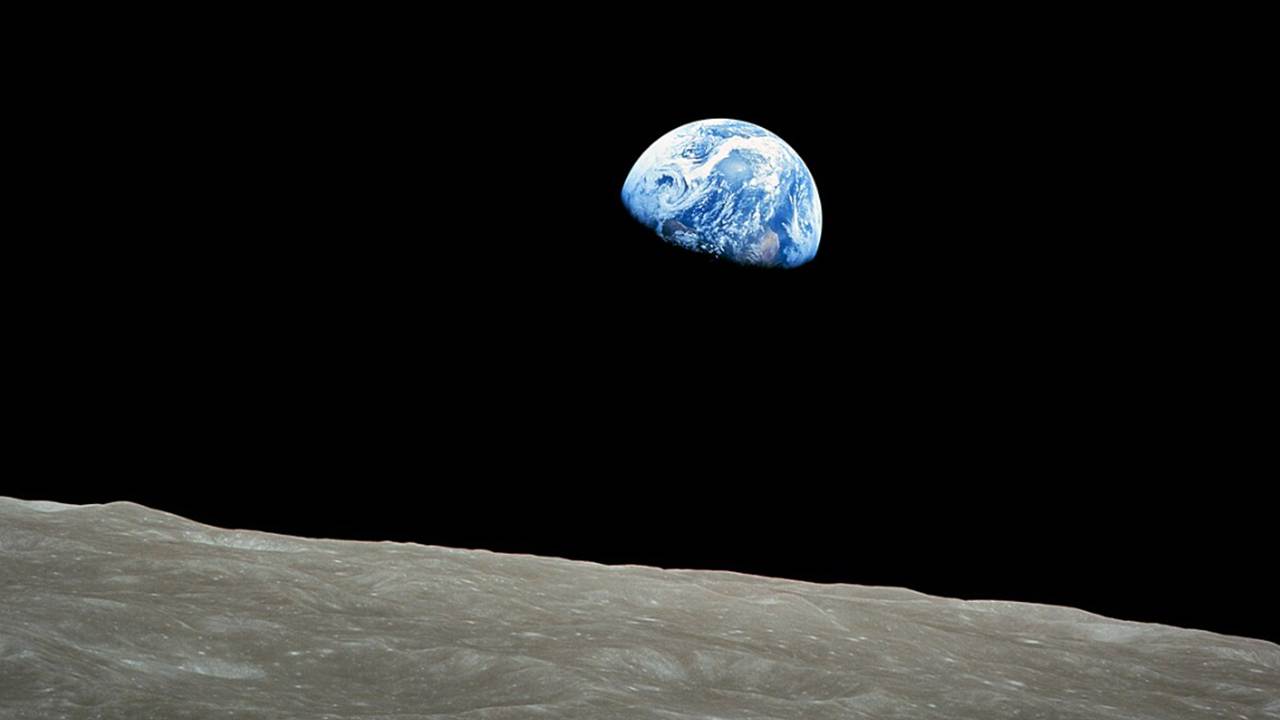

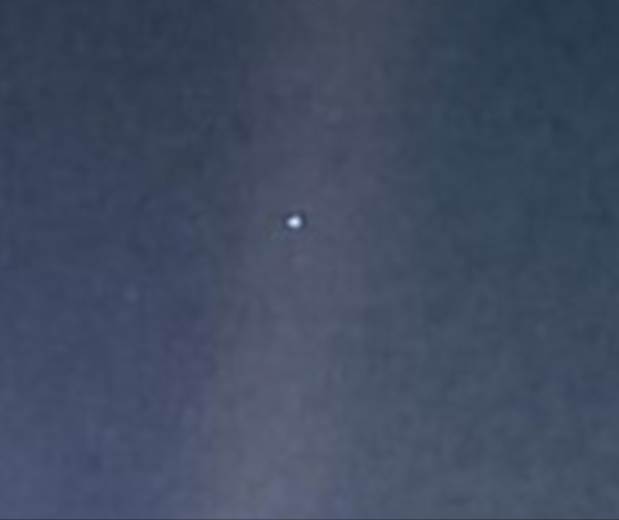
Earthrise,
William Anders, Apollo 8, 24 December 1968, from the far side of the moon The Pale Blue Dot,
Voyager 1, 14 February 1990, from beyond Neptune
From this
distant vantage point, the Earth might not seem of any particular interest. But
for us, it's different. Consider again that dot. That's here. That's home.
That's us. On it everyone you love, everyone you know, everyone you ever heard
of, every human being who ever was, lived out their lives. The aggregate of our
joy and suffering, thousands of confident religions, ideologies, and economic
doctrines, every hunter and forager, every hero and coward, every creator and
destroyer of civilization, every king and peasant, every young couple in love,
every mother and father, hopeful child, inventor and explorer, every teacher of
morals, every corrupt politician, every "superstar," every
"supreme leader," every saint and sinner in the history of our
species lived there – on a mote of dust suspended in a sunbeam.
The Earth
is a very small stage in a vast cosmic arena. Think of the rivers of blood
spilled by all those generals and emperors so that, in glory and triumph, they
could become the momentary masters of a fraction of a dot. Think of the endless
cruelties visited by the inhabitants of one corner of this pixel on the
scarcely distinguishable inhabitants of some other corner, how frequent their
misunderstandings, how eager they are to kill one another, how fervent their
hatreds.
Our
posturings, our imagined self-importance, the delusion that we have some
privileged position in the Universe, are challenged by this point of pale
light. Our planet is a lonely speck in the great enveloping cosmic dark. In our
obscurity, in all this vastness, there is no hint that help will come from
elsewhere to save us from ourselves.
The Earth
is the only world known so far to harbour life. There is nowhere else, at least
in the near future, to which our species could migrate. Visit, yes. Settle, not
yet. Like it or not, for the moment the Earth is where we make our stand.
It has
been said that astronomy is a humbling and character-building experience. There
is perhaps no better demonstration of the folly of human conceits than this
distant image of our tiny world. To me, it underscores our responsibility to
deal more kindly with one another, and to preserve and cherish the pale blue
dot, the only home we've ever known.[24]
Richness of
inheritance
It is of
course easy to romanticise an idyllic rural past. The reality was hard graft,
and our family story was often one of struggle, hardships, sometimes misery and
devastating loss. For all John Farndale’s
nostalgia for the passing of his dear Kilton, he was also
an admirer of Victorian innovation. Now much has changed, we oft times have
looked and looked again, but no corner of this large farm has been neglected.
Witness, this rich stack yard of 100 acres of wheat, the staff of life, and 100
more, oats, beans, peas, hay, clover, potatoes and turnips piled up against the
winter storms. In the fold are housed 100 head of sheep, a stable with 14
farming horses, besides the young horses, pigs and geese in abundance, carts,
wagons, ploughs and harrows and all implements[25].
Our ancestors did not expect us to end our path of progress.
Our historic
perspective is not an invitation to revert to old ways, but rather it is an
encouragement to appreciate the span of time; our ancestral inheritance; the
deeply rooted context of the lives we live today; and the experiences which our
ancestors can provide as we tackle the same old issues time and again.
Understanding the stories and experiences of our forebears provides a rich
perspective. It might enable us to make better decisions about what matters,
and understand those things that don’t.
We will each
have our own views of our obligations to future generations; our responsibility
for the planet; our duty to protect our community from external threat; the
steps needed to balance the extraordinary benefits which artificial
intelligence might bring against the potentially appalling risk of its misuse;
our political priorities. Whatever our views might be, we should remember to
use our evolutionary advantage - our ability to rely on our deep ancestral
inheritance, to inform us on our continued journey.
Remembering our
legacy
Although the
spirits of our ancestors, the actors in our revels, now melt back into the air
there is value in continuing to remember them and their stories, each of them
real individuals who had their own experiences, trials, and achievements. Their
experiences have value, to share and steer us through the chaotic challenges we
face, but which each of them faced before us. Each of them deserves more than
to be forgotten within a few years of their ending, except by a slab of
forgotten stone in a churchyard which no one visits any more. They are best
remembered by their stories, and that is the purpose of this website.
|
The
end of our Story |
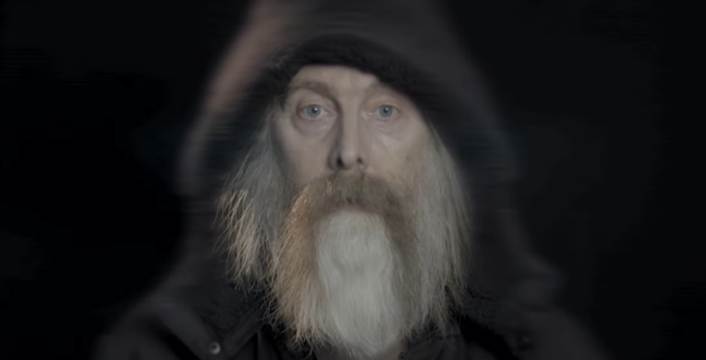
Our
revels now are ended.
These our
actors, as I foretold you, were all spirits and are melted into air, into thin
air and, like the baseless fabric of this vision, the cloud-capp'd towers, the
gorgeous palaces, the solemn temples, the great globe itself, yea, all which it
inherit, shall dissolve and, like this insubstantial pageant faded, leave not a
rack behind.
We are
such stuff as dreams are made on, and our little life is rounded with a sleep.[26]
|
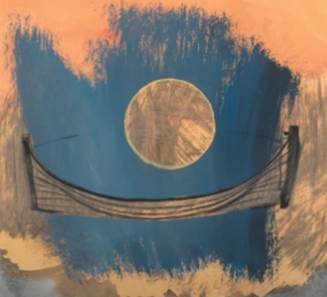
Laying our Ancestors Back in the sun
The
genealogist’s ambition |
|
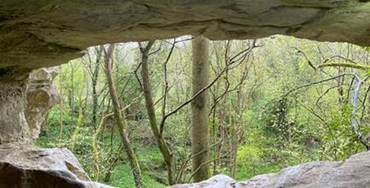
Peering
through chambers to our ghostly beginnings |
The Farndale
Story provides ideas for genealogical study and some additional pages are
intended to help debate and ideas on the genealogical method.
|
Some
reflections on new approaches to genealogy and historical research to allow
families to come into contact with their deep ancestral history |
|
Some
notes on the sources and methods used to compile and bring alive the lineage
of a family |
|
A
recognition of some restrictions to genealogical research before 1500, but
some ideas to help overcome the constraints |
|
Some
thoughts on the relationship between genealogical methods with historical
research, to uncover the full picture |
|
|
|
|
|
|
|
|
|
The Story of the Farndale Story Building
the story over two generations |
|
The
family history is remarkably complete. We explore here where it has been
necessary to rely on the most probable narrative where certainty has been
impossible |
|
|
|
Bibliography
You might
enjoy these books. You might, or might not, agree with all they say, but they
will provide you with an understanding of the perspective of time.
|
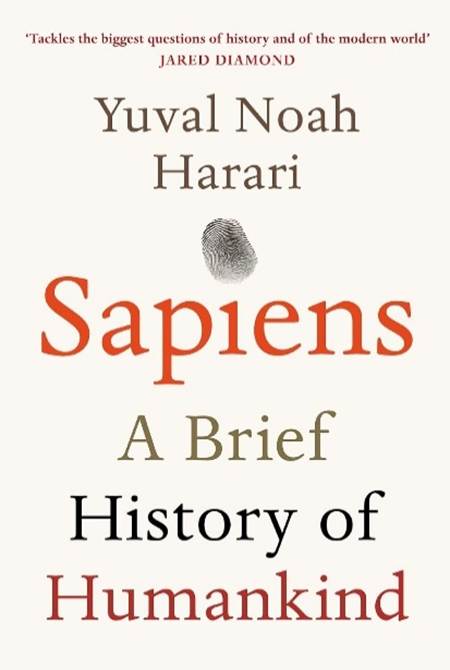
Yuval Noah Harari,
Sapiens,
a Brief History of Mankind, 2014
|
|
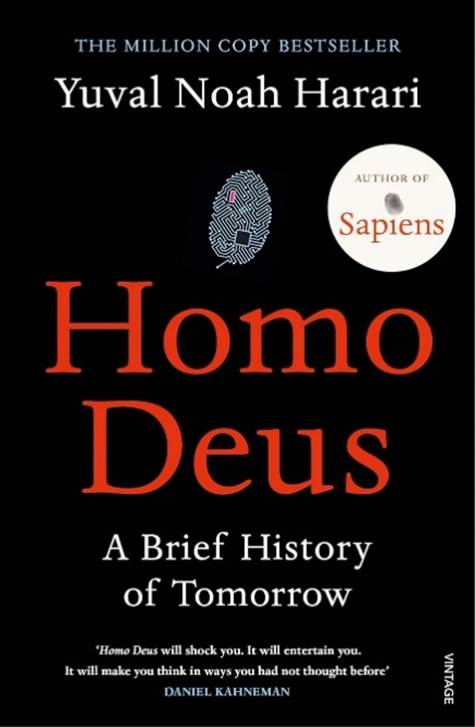
Yuval Noah Harari, Homo Deus, a Brief History of
Tomorrow, 2017
|
|
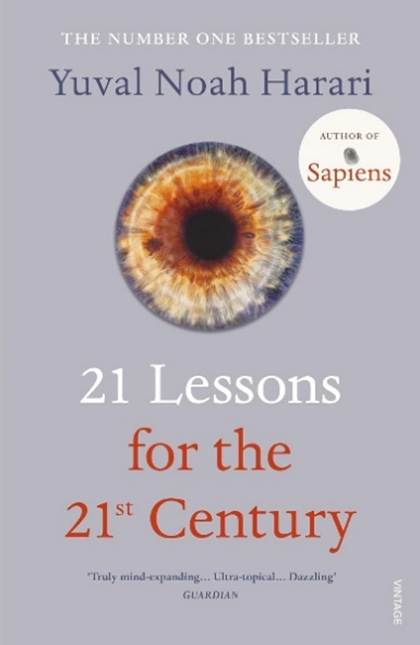
Yuval Noah Harari, Twenty one lessons for
the Twenty First Century, 2019
|
|
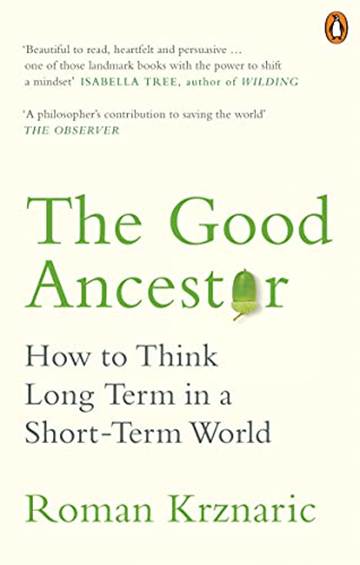
Roman Krznaric, The Good Ancestor,
2020
|
|
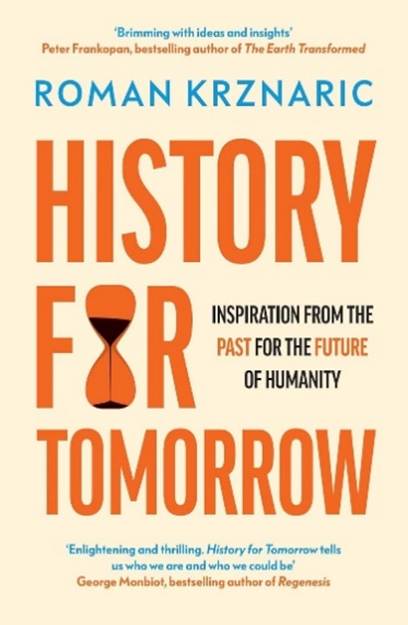
Roman Krznaric, History
for Tomorrow, 2024
|
|
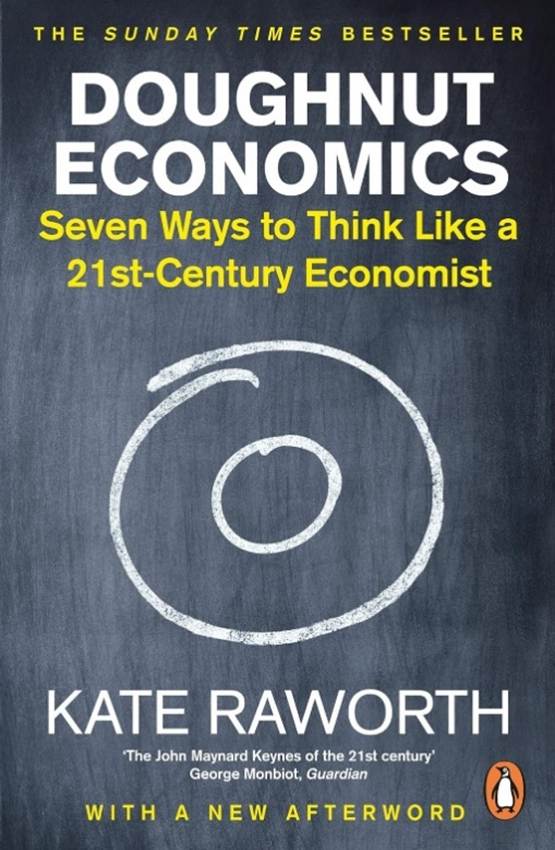
Kate Raworth, doughnut economics
|