Beadlam (“beed-
lam”)
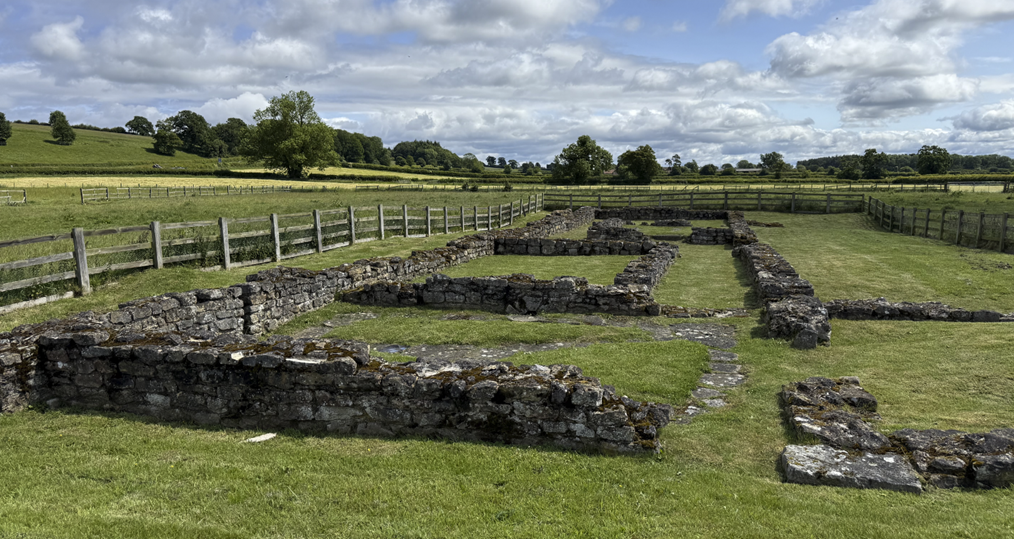
A Roman Villa close to Kirkdale in
the heart of our ancestral lands
|
Return to the Home Page of the Farndale Family
Website |
The story of one family’s journey through two
thousand years of British History |
The 83 family lines into which the family is divided.
Meet the whole family and how the wider family is related |
Members of the historical family ordered by date
of birth |
Links to other pages with historical research
and related material |
The story of the Bakers of Highfields, the
Chapmans, and other related families |


The
Discovery of a Roman Estate
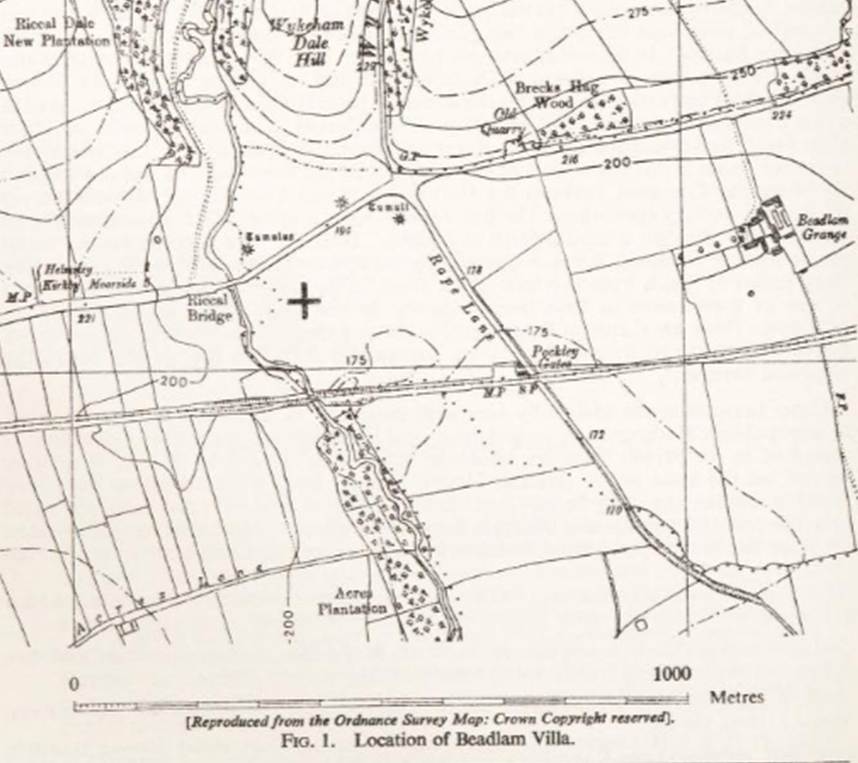
Only three kilometres
to the west of Kirkdale,
about ten kilometres south west of the entrance to Farndale, there is an area
within a field which is bounded by a wooden fence. At around the turn of the
twentieth century, the field was used for pasture and
it had not been ploughed in recent memory. The site became the military camp of
the Yorkshire Hussars, the Yorkshire Dragoons and the East Riding Yeomanry, as
they prepared to embark to the Boer War. The remains of some old buildings,
overgrown and covered in thistles, were dismissed as some old cart sheds.
It was not
until some archaeological
fieldwork in 1965 that fragments were identified as Roman so that
excavations started the following year, with major excavations taking place
over the summer of 1969. In
1964, however, and again in the following year, the field was ploughed.
Walking over it after the second ploughing A L Pacitto collected fragments of
flue tiles and pottery, several pieces of opus signinum and a large lump of
lead sheet -proof that the buildings were not Medieval, as archaeologists had
assumed, but Romano-British.
A brief
trial excavation in 1966 confirmed the Romano-British date, and uncovered part of
a mosaic pavement; and this was followed by a full-scale excavation in the
summer of 1969.
There was
some further work in 1972 and 1974 with minor excavations continuing until
1978. The excavations revealed three building ranges which enclosed an open
courtyard, facing south.
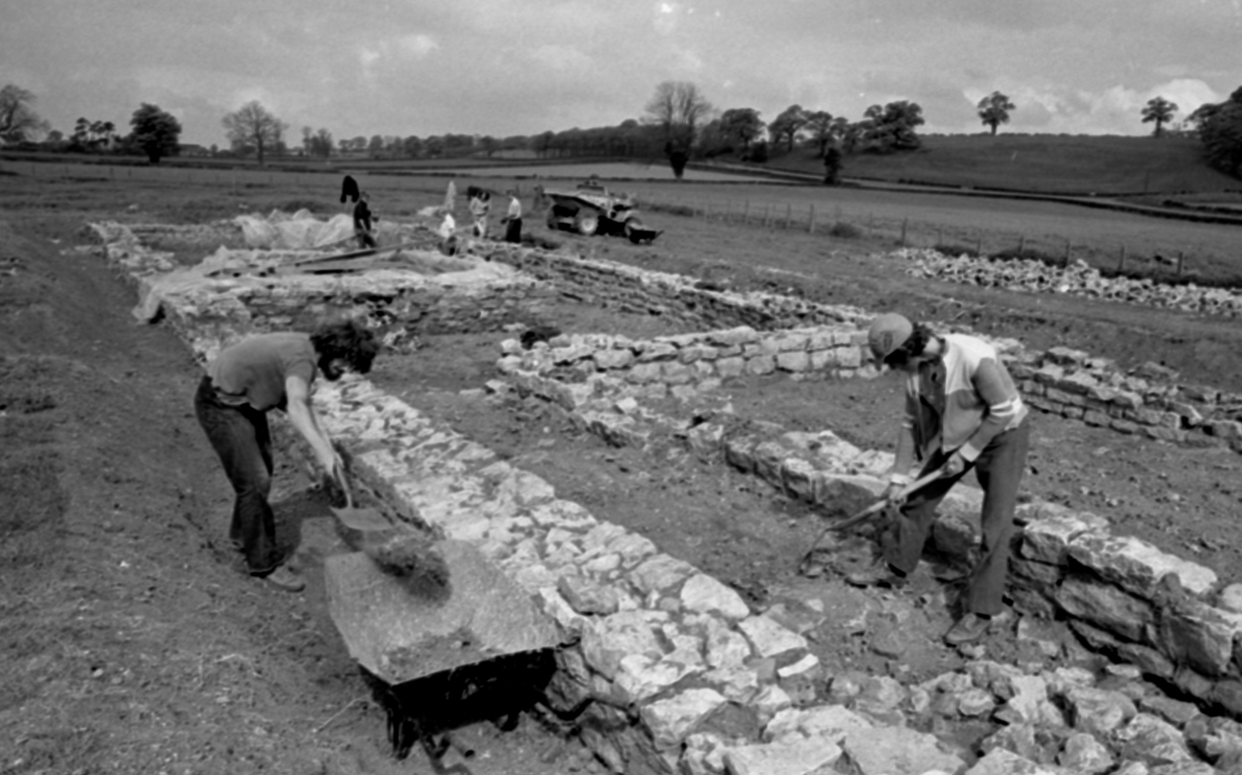
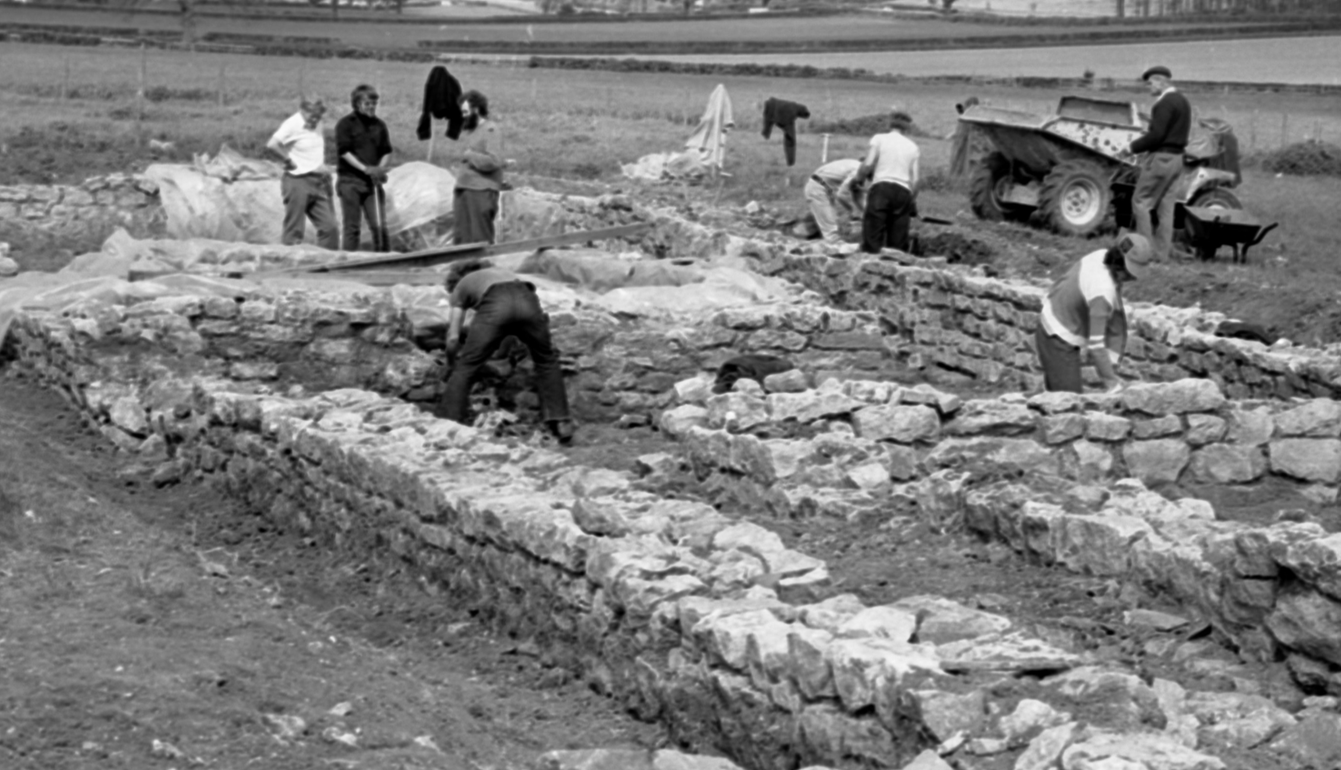
1974 Dig (pictures
kindly provided by the late John Pick’s son, Xavier)
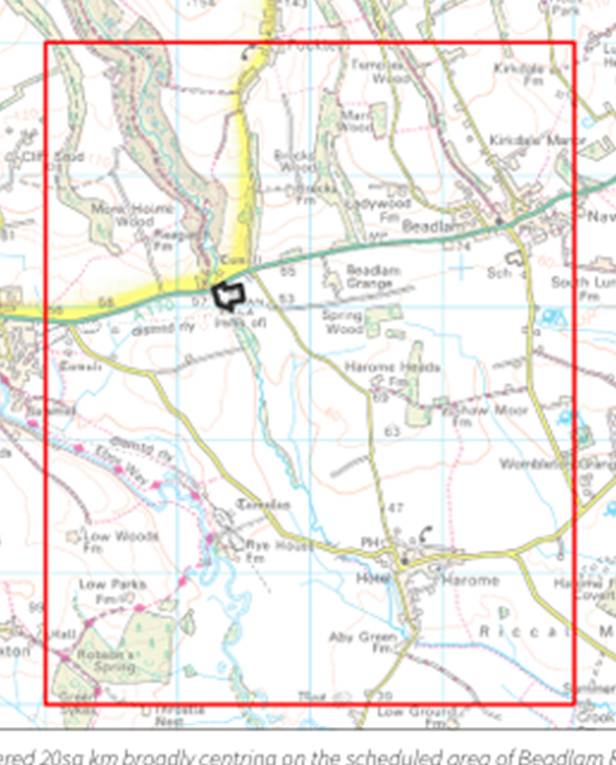
An aerial
survey arranged by Historic England, covering 20 square kilometres centred on
Beadlam, was undertaken, in 2021 and 2022.
Roman
Settlement in the Vale of Pickering
Beadlam
is one of a
cluster of villas in Ryedale including Langton Near
Malton, Oulston and Hovingham.
The northern regions were dominated by the Roman army, including the
fortification along Hadrian’s Wall. The Roman capital was only 25 km to the
south of Bedlam at Eboracum. These
villas were a cluster in rich agricultural land. Some 258 Roman settlements
have been found across Yorkshire, of which 213 were likely to have been
farmsteads, and about 20 included villas. Beadlam is amongst eleven villas
across the Vale of Pickering.
During the
Roman period, about 90% of the population lived in the countryside which was
exploited for arable, pasture and managed woodlands. A significant labour
supply would have supported this work.
Even closer
to the entrance to Farndale, between Hutton-le-Hole and Spaunton/Lastingham,
Roman remains
suggest that Romano British people were living in a clearing between tracts of forest
and moorland, on the site which may have been occupied in Neolithic through to
Bronze Age periods. The site was discovered in 1962 when pot sherds were found.
There was evidence of a domestic hearth or oven and animals
ones of ox, pig, horse, goat and red deer. There were some similarities to
finds at the villa at Langton. The more remote Spaunton
sites were likely to have been smallholder farmers producing for themselves,
but subject to Roman tax levies in corn or hides. A larger farmstead
was found nearby, which included primitive hypocausts. In all there were four
isolated farms in the Spaunton area. These were
probably small families of native Britons in touch with such Roman culture
whose daily life probably
varied little if at all from that of their early Celtic ancestors.
Only 5km
east of Lastingham was the Roman military site at Cawthorn.
There were two forts, one with an extension, and a temporary camp built to an
unusual plan. The earthworks date from the late first or early second century
CE. It has been suggested that they were built for practice rather than for
operational military use.
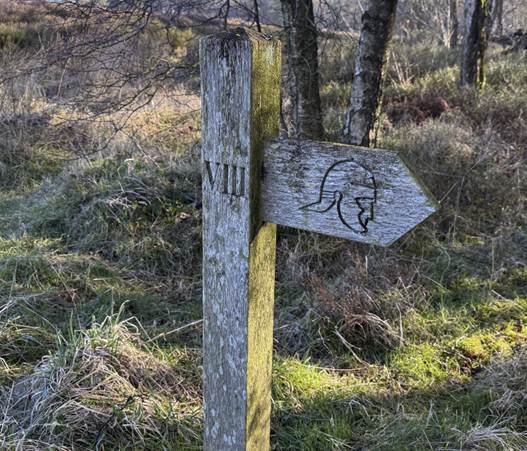
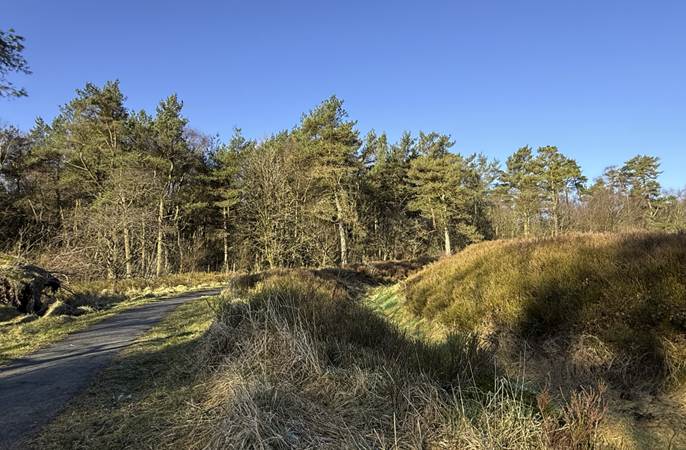
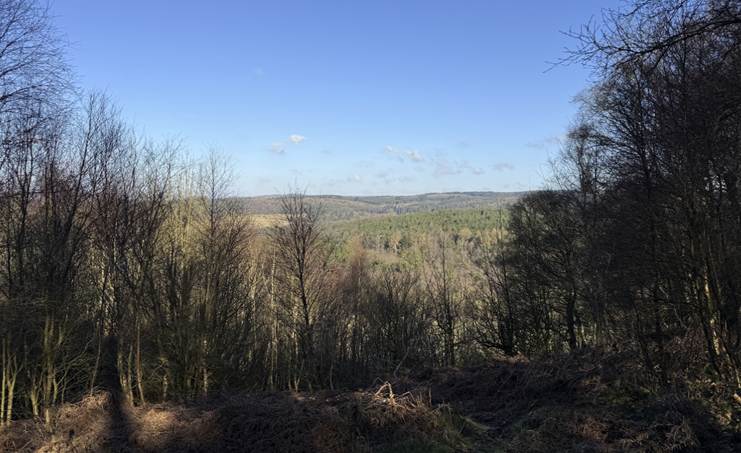
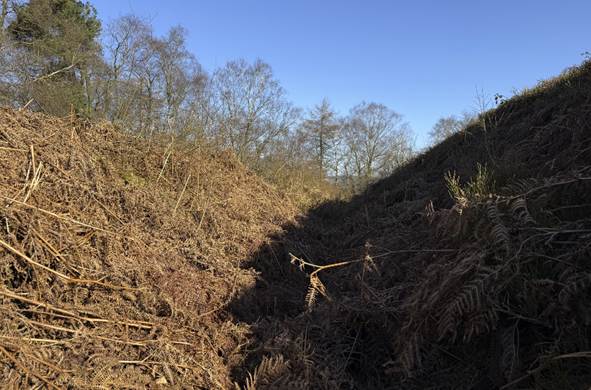
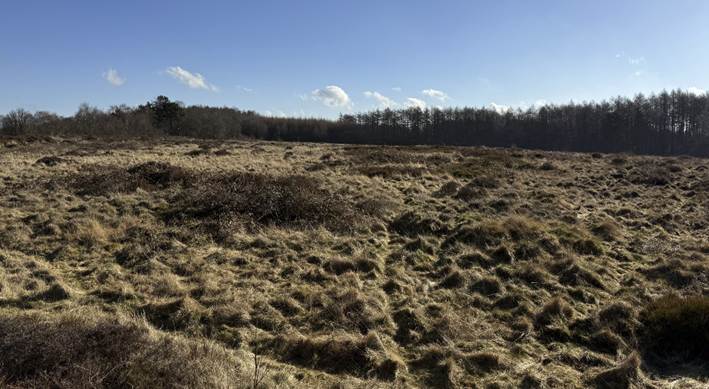
Cawthorne
For at least
two centuries before the end of the fifth century, Ryedale was a settled
northern region of the Roman Empire. More remote smallholder farmers seem to
have ventured into the wilder forested lands of the low dales.
Beadlam lay
within a Roman civitate (region) formerly
controlled by the Brigantes. After the Roman conquest, the region was
administered from the newly built Roman town of Isurium
Brigantum.
Iron Age
Beadlam
An enclosure
ditch and walled compounds for livestock at Beadlam pre-dated the villa,
suggesting the site was in use earlier. There have been finds of flint tools
(3,500 to 1,500 CE) and early bronze age tumuli within 150m of the villa. A pre Roman trackway has been identified to the east of the villa and a possible Iron Age circular building and
enclosure seems to predate the villa.
It was quite
common across Roman Britain for Iron Age farmsteads to evolve during the Roman
period to a Roman-style building.
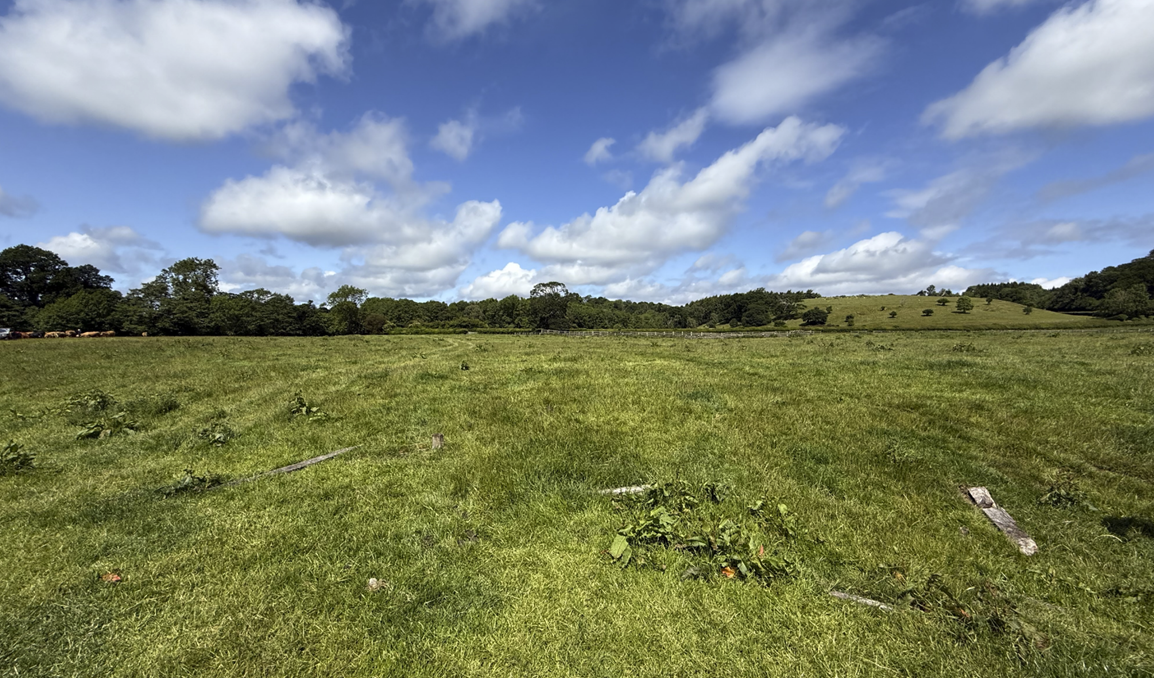
Encircling
the villa itself is evidence of an iron age ditch and there is also evidence of
iron age settlement on the mound at the top right of the picture
Beadlam
and its estate
It is likely
that the villa at Beadlam was the hub of a working estate that provided its
owners with an income. Comparable estates show evidence for arable farming and
pasture, the management of woodlands, quarrying and some industrial activity.
There is evidence of metalworking at Beadlam. Since most of the population of
Roman Britain lived in the countryside, it is likely that sites like Beadlam
would have played an important part in the rural economy. There was probably
trade with larger settlements such as Eboracum,
Malton or Isurium
Brigantium. Beadlam was probably a cattle and
possibly arable farm, and since Britain’s wool trade originated in Roman times,
it seems likely that woollen cloth and garments might have been exported from
this area. The villa suggests peace and economic prosperity.
Compared
to the south of Roman Britain, the north was largely dominated by the Roman
army, most notably the many forts along Hadrian’s Wall, and evidence of
elaborate civilian buildings like Beadlam is quite rare. However, Beadlam is
one of a cluster of potential villa sites in the Vale of Pickering around
Malton, which include Langton, Oulston and Hovingham.
Excavations
at each of them have revealed a rich array of
Roman objects, including jewellery, pottery and
expensive glassware, showing that such luxury items were in high demand even at
the farthest extent of the empire. Evidence of occupation at Beadlam before the
construction of the villa suggests that its owners were members of existing
elites who had now adopted a Roman lifestyle. It was quite common in Yorkshire
and across Roman Britain for Iron Age farmsteads to be developed with a
Roman-style building. Other possible owners could have been retired soldiers
who had been rewarded with land for their service, absentee landowners living
elsewhere in the empire, or even the Roman emperor himself, who owned various
estates in the province of Britannia.
The pottery
was mostly fourth century CE and 15 coins were found
that dated from 150 to 390 CE.
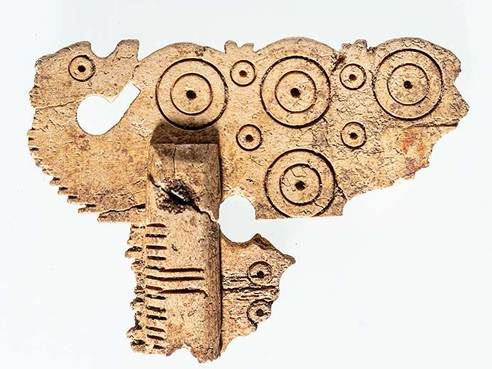
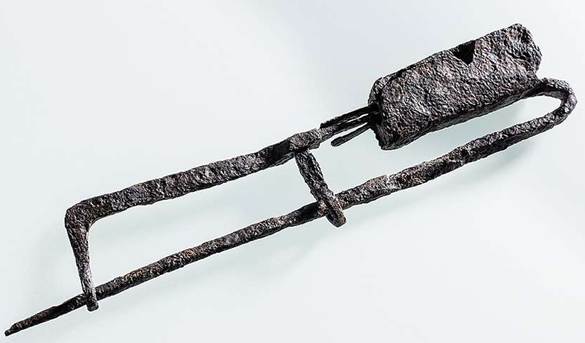
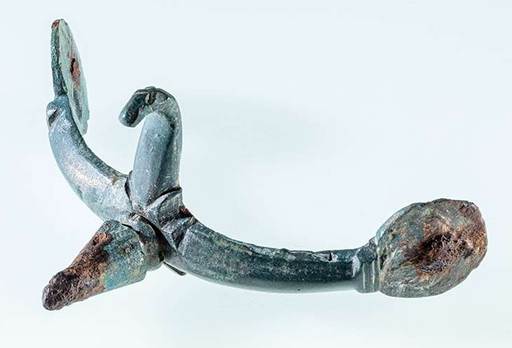
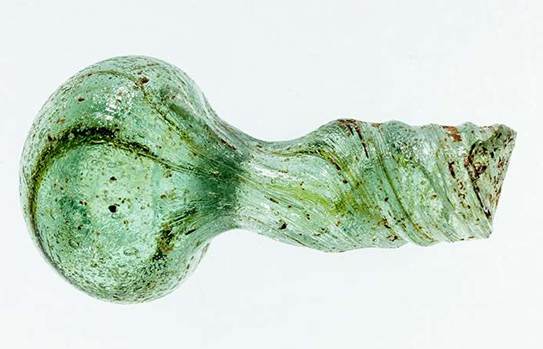
Bone comb
fragment
Padlock
Spur
Glass pin
The finds
included valuable objects and the padlock also
suggested the security of property of value. The large numbers of glass objects
have been interpreted as evidence of wealth so the
villa owners were likely to have been significant landowners with a surplus to
acquire status objects. The largest collection of vessel glass north of the
Humber was found at Beadlam.
Whilst, villas
such as Beadlam could have been the homes of retired soldiers who had been
rewarded with land for their service, absentee landowners living elsewhere in
the empire, or even the Roman emperor himself, who owned various estates in the
province of Britannia, evidence of occupation at Beadlam before the
construction of the villa suggests that its owners were likely to have been
members of existing elites who had adopted a Roman lifestyle. The presence of
the villa suggests the receiving, entertaining and impressing of visitors. The
villa is more likely to have been the property of an elite indigenous class,
who adopted Roman culture.
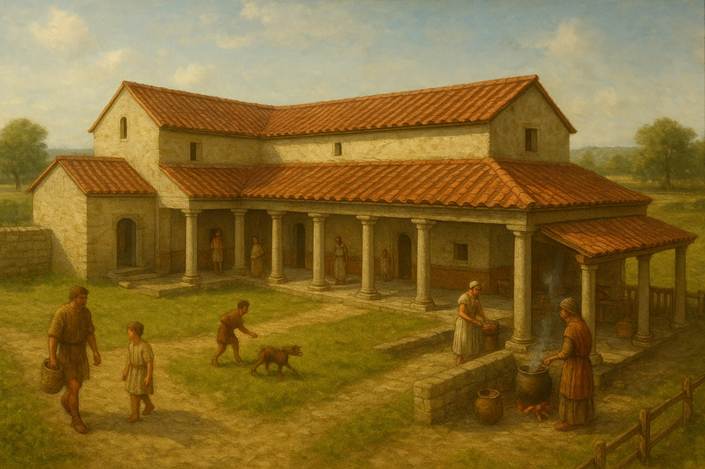
The
villa complex was probably constructed in about 300 CE and was occupied until
about 400 CE, just before the end of Roman Britain. The villa at Beadlam had
about 30 rooms, which were spread across three ranges built around a large
courtyard. The northern range, the only one visible today, is a typical
Romano-British winged-corridor house. This house comprised communal rooms in
the centre and two private suites of well-appointed rooms on either side,
connected by a long veranda.
The
western suite included a room with a heating system (hypocaust) and in the east
suite there was an elaborate reception room with a fine mosaic. It may be that
these suites were self-contained and belonged to different households, who
shared the use of the other rooms. A similar house lay just west of the courtyard
and may have been occupied by another household. On the eastern side were
further buildings that seem to have been used for industrial or agricultural
processes.
It
is remarkable that occupation continued until so late, evidenced by large
numbers of coins from the Valentinianic (364 to 378
CE) and Theodiosian (388 to 402 CE) periods. There
were similar late coin hoards at Langton and Hovingham.
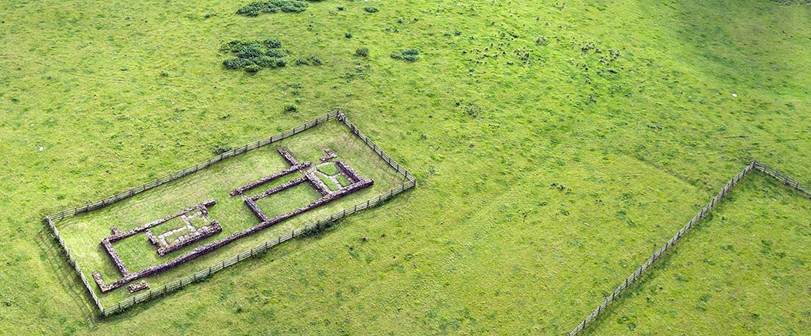
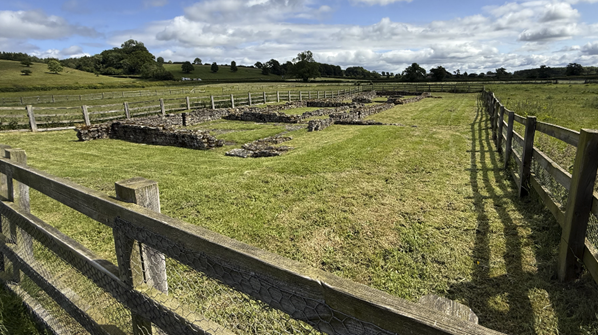
The
enclosure surrounds the excavated villa itself. The excavations in 1969 took place
over a few months in the summer and, given their limited budget, the rest of
the villa complex was backfilled and is no longer visible. The villa complex,
which included an impressive bath house (the West Range) and a block of
outhouses and worker accommodation (the East Range), therefore comprised a much
larger area than is visible today.
On the
surface the Romano-British buildings appear to occupy three
sides of a square, and they are on low ground, a little above the level of
the river which is less than 90m. away. Indeed the
hollows of ancient water-courses showed that at some
time the river had been even nearer to the buildings.
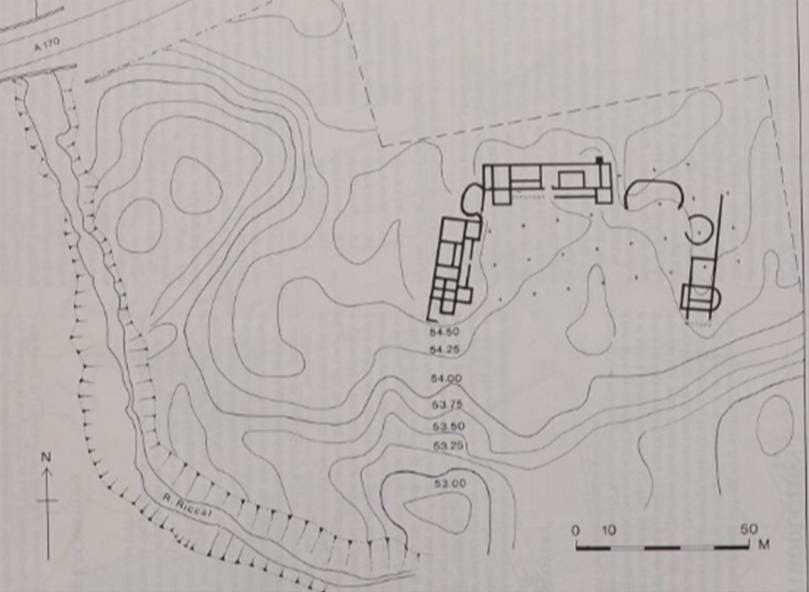
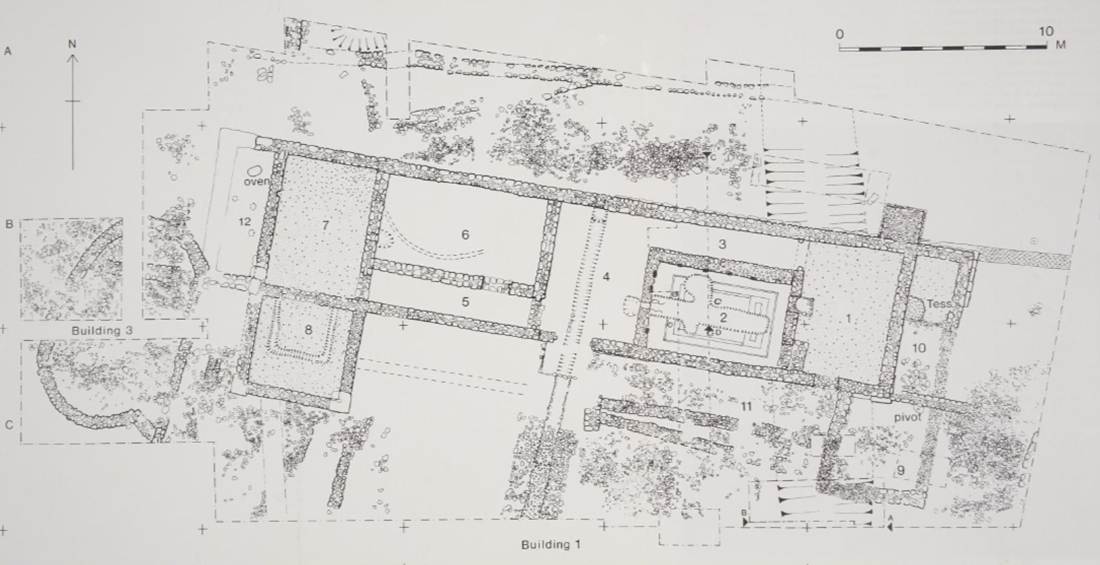
The villa
complex with the villa to the north, bath complex to the west, and outbuildings
to the east
The villa
The villa at
Beadlam had about 30 rooms, which were spread across three ranges built around
a large courtyard.
The North
Range, the only one visible today, is a typical Romano-British winged-corridor
house. This house comprised communal rooms in the centre and two private suites
of well-appointed rooms on either side, connected by a long veranda. There as a
remarkable mosaic pavement from Room 2, and some evidence of painted wall
plaster from Rooms 1 and 7.
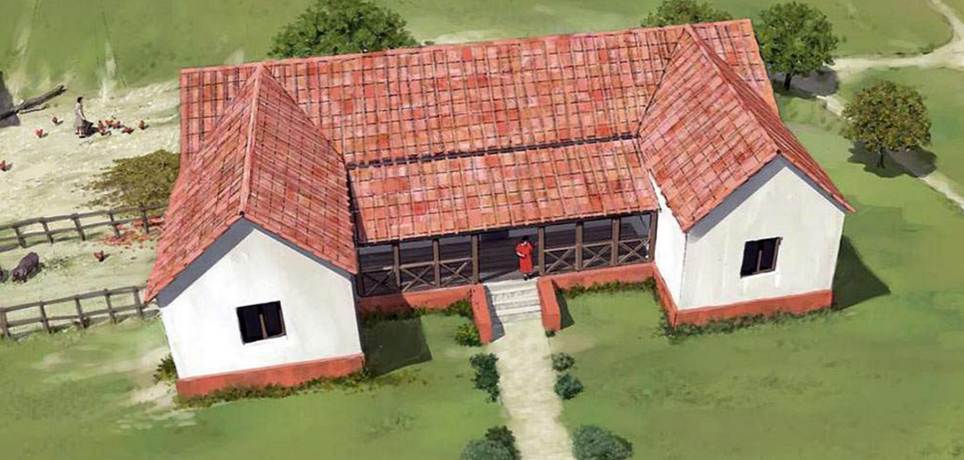
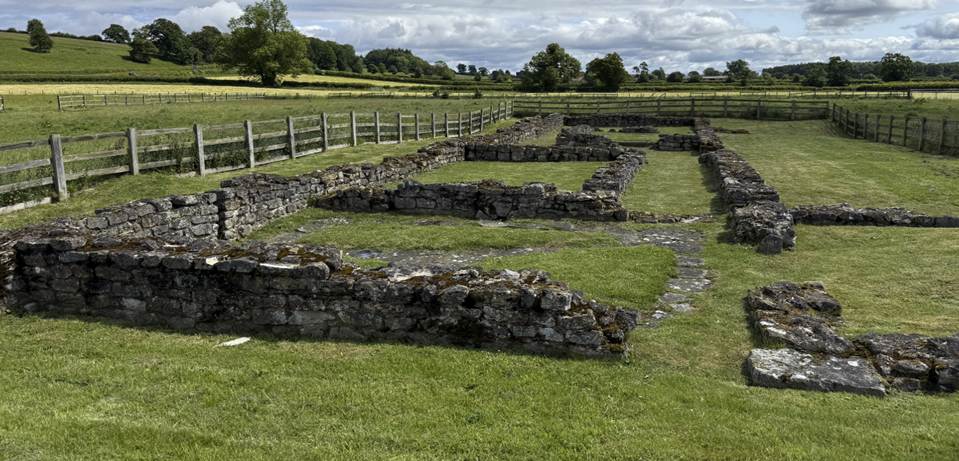
Roman
villa at Lullingstone, Kent, which was of similar
design to Beadlam Beadlam today
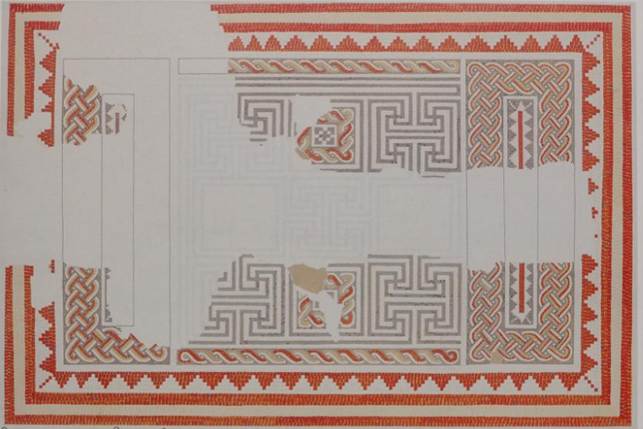
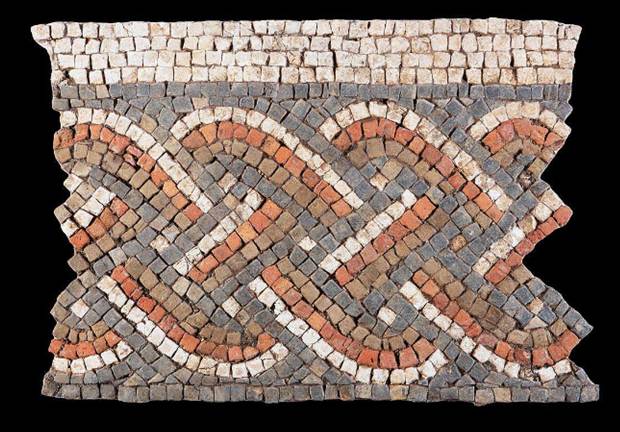
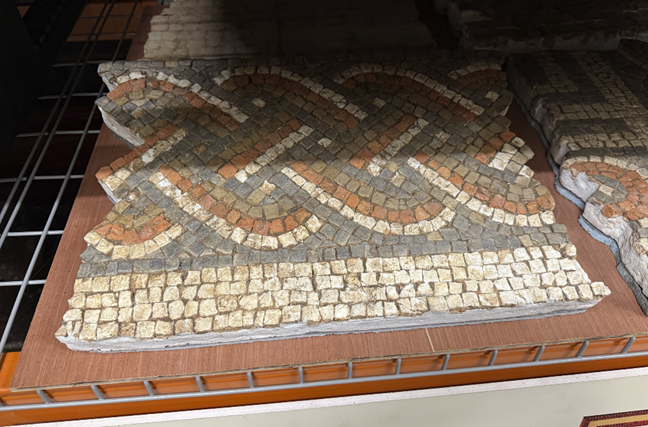
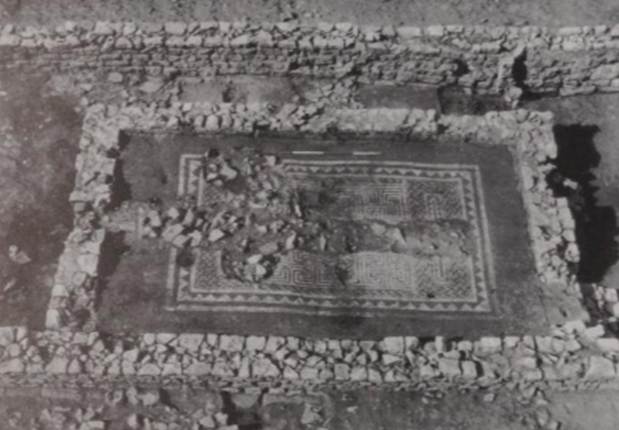
The
Beadlam mosaics (now held in the Archaeological Warehouse in Helmsley)
To the west
of the Range, Room 7 had a hypocaust heating system which had clearly failed,
since there was no evidence of soot. As an unheated room, it may have been used
for more mundane activity or guests who did not need to be impressed.
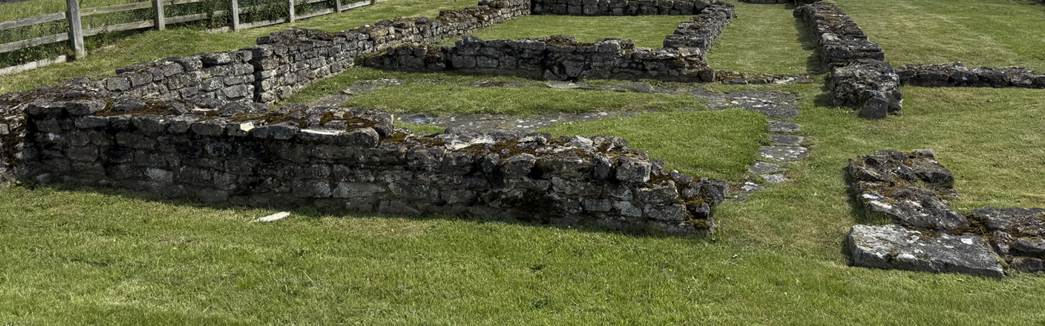
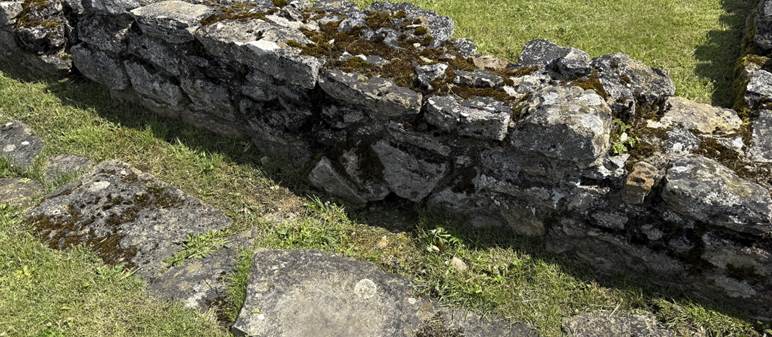
Room
7
Evidence
of the heating system
Room 2 was
successfully heated by a hypocaust system, and was the
room with the impressive mosaic. It was adjacent to a room used for cooking
(room 1). A gaming counter was found in this room suggesting a room used for
leisure activity.
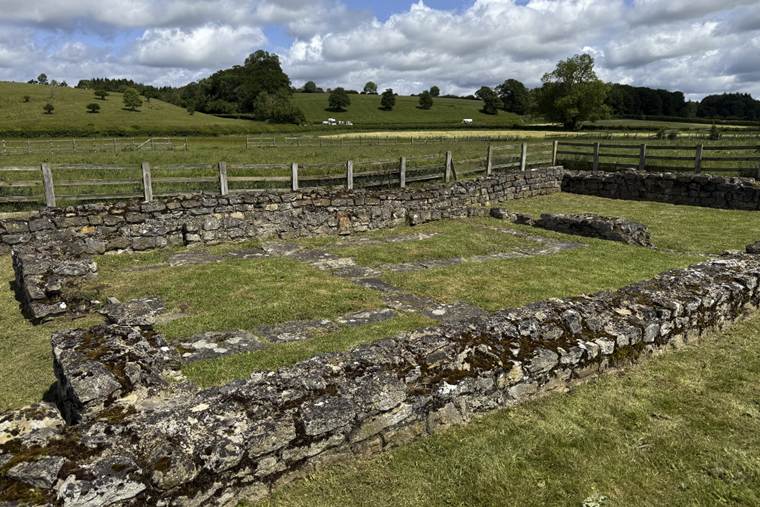
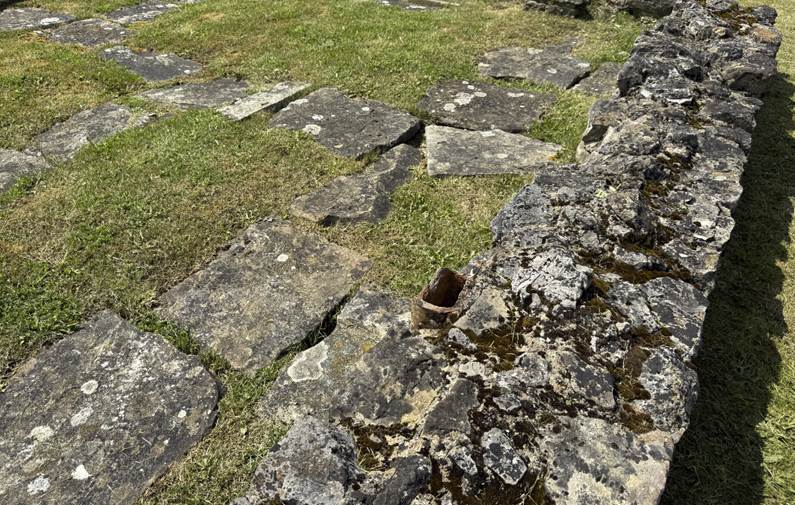
Room
2
Evidence of the heating system
The doorway was
later reduced in size by woodwork, perhaps because of the weather. The road to
the villa approached from the south.
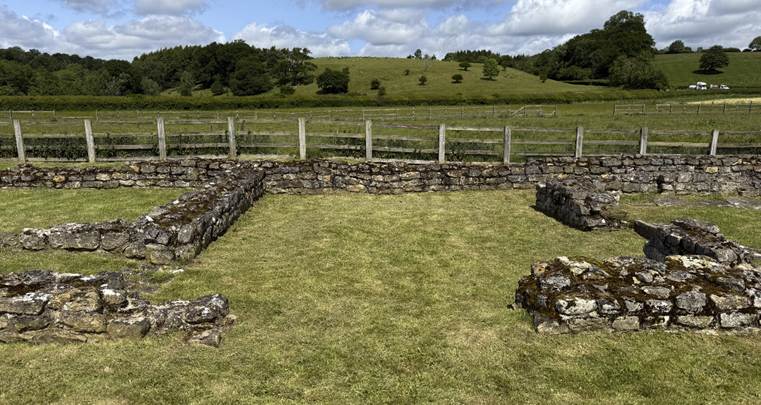
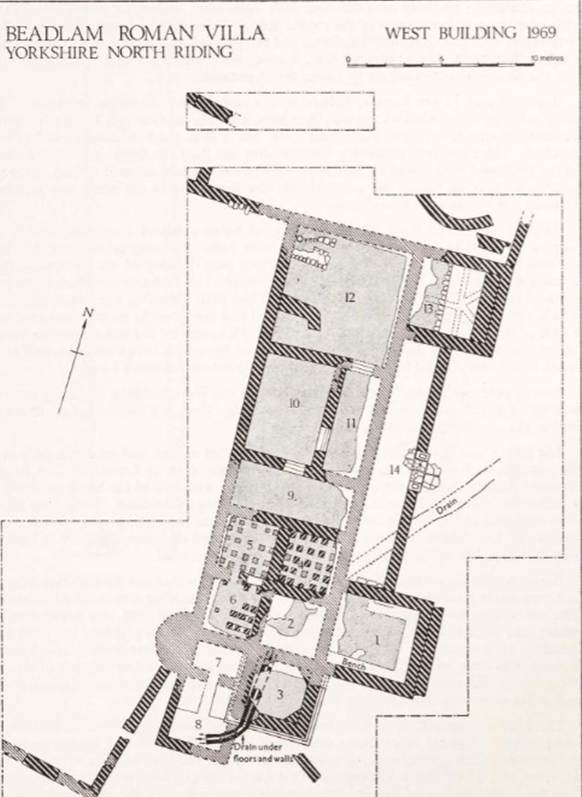
The West
Range also included a room with a heating system (hypocaust) suggesting a bath
house. The West Range seems to have been roofed with tiles, the other two
Ranges with stone slabs. Bath houses were prominent features in later
Romano-British villas. It would include hot, tepid and cold rooms as well as
hot and cold plunge-baths. Water could have been obtained from the nearby River
Riccal or from a well.
On the
eastern side were further buildings that seem to have been used for industrial
or agricultural processes. The presence of stock yards suggests an emphasis on
cattle, though the presence of scythes suggests this was accompanied by arable
and cereal production, though could have been associated with hay making.
Beadlam is one of five villas in the area with evidence of iron smelting based
on workshops. There was ample accommodation and the estate was probably
supported by a significant community. In the East Range there was an elaborate
reception room with another fine mosaic.
The three
ranges might have been self-contained or might have belonged to different
households, who shared the use of some rooms. It seems most likely that this
was a complex comprising a residential villa (the North Range), with a Bath
House (the West Range) and a complex of agricultural buildings and workhouses,
with accommodation for farm labourers (the East Range).
The evidence
suggests an estate run by a prosperous rural family who were likely to have
been literate, evidenced for instance by an ornamental stylus and the mosaics.
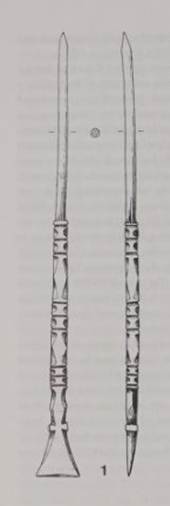
Ornamental
stylus
It is
possible that any Roman presence in nearby Kirkdale might have
been related to a place for the burial of the dead from Beadlam. It is not
clear whether late Roman Christianity might have reached Kirkdale. It was
evident in York and it was arguably present in the
excavations at the Beadlam villa, but this remains uncertain.
Beadlam was
likely to have been an important element of a regional economy centred on Isurium Brigantium. The military presence at Malton and signal
stations at Scarborough and Filey were likely to have been important elements
of the locality around Beadlam. The fort at Malton was rebuilt during the
fourth century CE and its military presence, probably including imperial
household cavalry, would have required provisions.
It
seems likely that there may have been some religious site at Kirkdale in the
late Roman period, whether pagan or Christian or an amalgam of both. There is
evidence of an early burial (including an infant) to the north
east of the church at “Trench NB”. The first recognised structural phase
is “Foundation P” at the north exterior of the church, which used blocks which
might have been from the fully Roman period (or might have been reused) and
might have been part of a detached structure, such as a funerary building or
mausoleum. It is not clear whether late Roman Christianity might have reached
Kirkdale. It was evident in York and it was arguably
present in the excavations at the nearby Beadlam villa, but this remains
uncertain.
It
is possible that any Roman presence in Kirkdale might have been related to a place
for the burial of the dead from Beadlam.
Hovingham
was a much more significant Roman villa, perhaps on a palatial scale, nearly
10km southwest from Kirkdale, and it could have had very extensive holdings,
which could have embraced a wider estate including Beadlam and Kirkdale.
Lastingham
might have had a Roman predecessor to the later monastery, possibly a nymphaeum.
Villas
at Appleton le Street, Blandsby Park and Langton
indicate that Ryedale was a major agricultural producer in the Roman period.
The landscape of the Vale of Pickering was likely well settled, and this might
have extended into the rural hinterland. Agricultural produce would have been required
at significant scale to support the northern Roman army.
In
the Roman period, the area around Kirkdale probably included a small number of
dominant settlements in this area of rural hinterland. The population would
have been within the military and administrative orbits of the Roman interests.
(St Gregory’s Minster, Kirkdale, North Yorkshire,
Archaeological Investigations and Historical Context, Philip Rahtz and Lorna Watts, 2021, 284 to 288).
A region
of rural stability from the Iron Age
The excavation
of Beadlam emphasises the importance of locations away from the centre of the
Vales of York and Pickering for settlement. In other words, the existence of
settlements at the edge of the Vale of Pickering, as the Vale meets the dales
and uplands, which would have been more secure, evidences the importance of
this area. It was the crucible of later settlement around Kirkdale and
Kirkbymoorside, for settlement and early agriculture. There is further
evidence, including enclosures at Harome and sites at
Welburn, which suggest this was an area which was intensively occupied in the
late Iron Age and the Roman periods. It seems likely that this was an area rich
in trackways and enclosures, still to be excavated. This was likely to have
been an intensively occupied area, of relative stability and security.
It is
therefore reasonable to assume that there was a rural community around Beadlam,
Kirkdale, and Kirkbymoorside, settled by the Iron Age period, through the Roman
Period, which continued in constant use through the Anglo Saxon and
Scandinavian periods. Its relative security, nestled at the edge of the dales
and uplands, but benefiting from the rich agricultural land of the Vales of Pickering
and York, meant that it was less impacted by the trauma of such periods as the
end of Roman occupation in the fifth century and the later Viking raids. It was
this area that was likely to have provided the generational expertise of
agricultural workers who started to settle the dales, including Farndale, in
the Twelfth and Thirteenth centuries. The ancestral lineage of the thirteenth
century inhabitants of Farndale is therefore likely to have flowed through the
rural communities around Kirkdale and Beadlam.
See also Roman Kirkdale or read about Eboracum (Roman York), the large nearby
villa of Hovingham, or the
regional capital of Isurium
Brigantum.
Excavations on the Roman Villa at
Beadlam, Yorkshire by David S Neal, Yorkshire Archaeological Report 2, 1996.
Beadlam
Roman Villa: Assessment of the Landscape Setting, Aerial Investigation and
Mapping Project,
David Knight and Andrew J Roberts, 2022.
History
of Beadlam Roman Villa, English Heritage.
Excavation Report:
A Romano British Site near Hutton le Hole, Raymond H Hayes, The Ryedale Historian, Vol 2, 1966.
Beadlam
Roman Villa: An Interim Report, I M Stead, Yorkshire Archaeological Journal, Volume 43,
1971, page
178.