Matthew Farndale
28 June 1850
to 27 February 1927
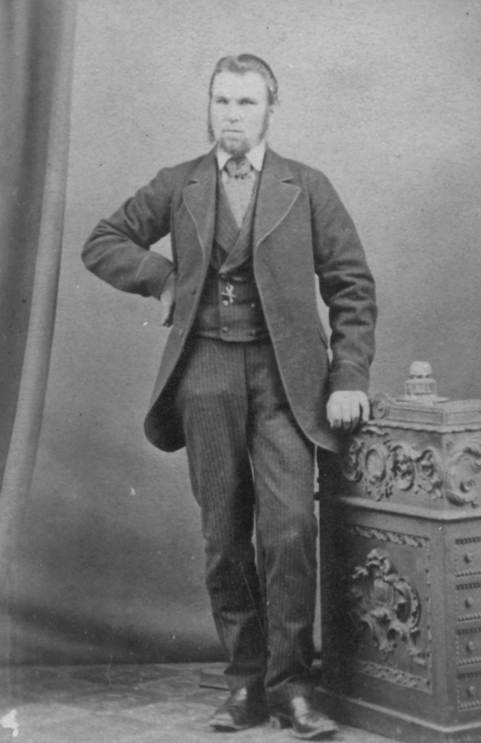
FAR00383
|
Return to the Home
Page of the Farndale Family Website |
The story of one
family’s journey through two thousand years of British History |
The 83 family lines
into which the family is divided. Meet the whole family and how the wider
family is related |
Members of the
historical family ordered by date of birth |
Links to other pages
with historical research and related material |
The story of the
Bakers of Highfields, the Chapmans, and other related families |
Dates are in red.
Hyperlinks to
other pages are in dark
blue.
Headlines are in brown.
References and
citations are in turquoise.
Context and local
history are in purple.
1850
Matthew
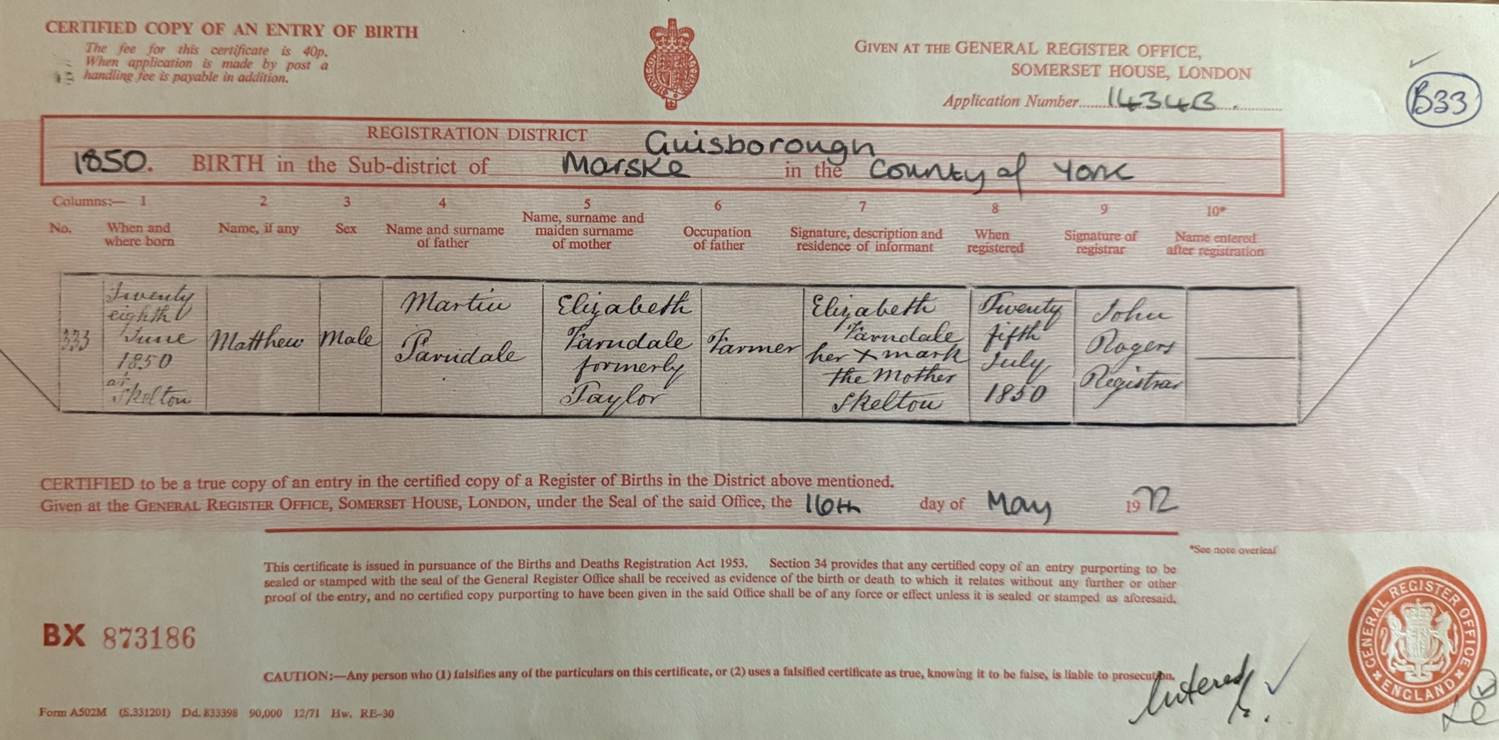
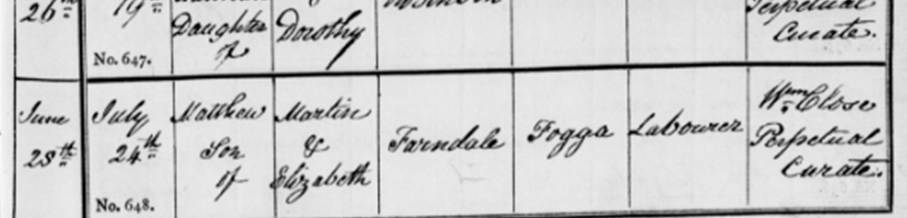
Farndale, the son of Martin and Elizabeth (nee Taylor) Farndale (FAR00264) of Fogga was born at
Skelton on 28 June 1850 and baptised at Skelton
on 24 July 1850 (Skelton PR). Martin was a labourer. Matthew
Farndale’s birth was registered at Guisborough in the third quarter of 1850 (GRO Vol 24 page 455).
In the 1913
parish rate book for Skelton in 1913, Fogga was described as North Skelton
and George
Harrison made a will regarding Fogga Farm in 1718 and it was the location
of a later ironstone mine, formally called Old Fogga on the 1856 ordnance
survey map.
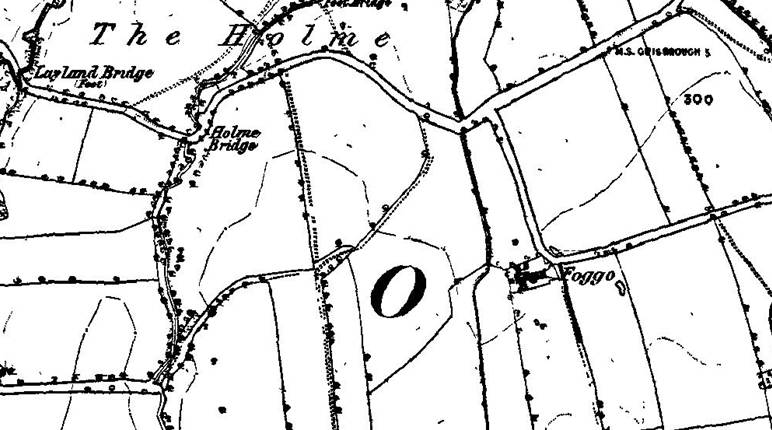
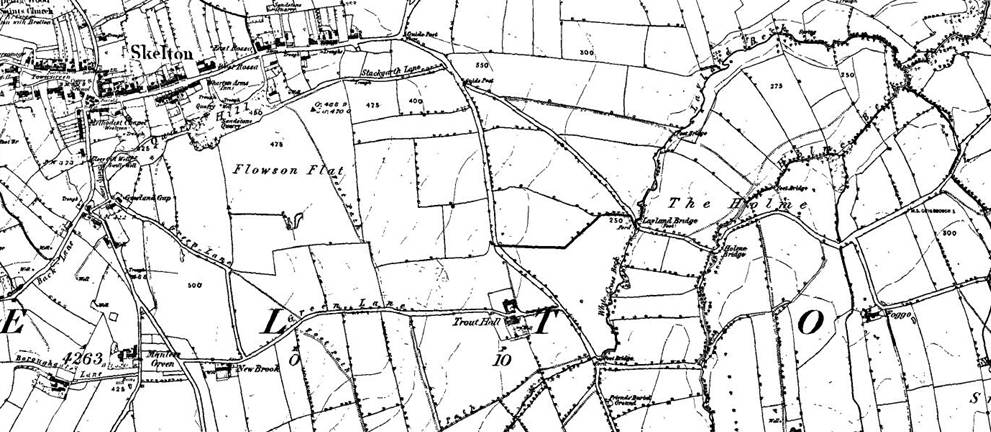
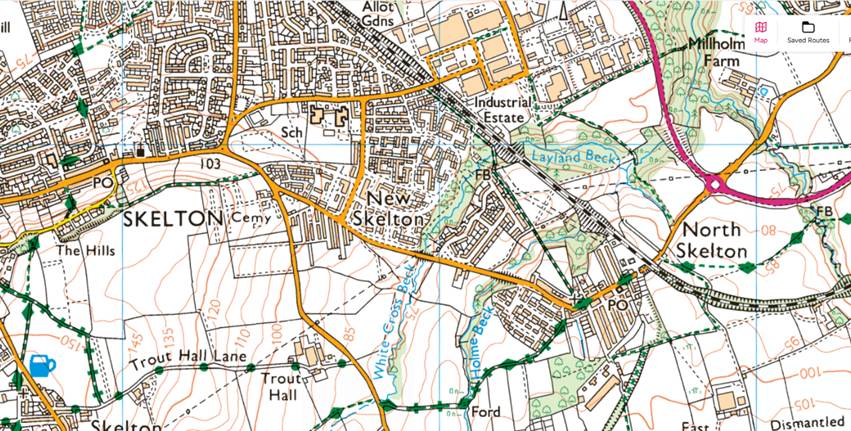
So Fogga farm is
where North Skelton (confusingly to the east of Skelton) now stands.
Martin was
probably sharing an interest with his father in law, James Taylor and was
variously described as the farmer in his own right and a labourer, presumably
working for or with Jame Taylor.
1851
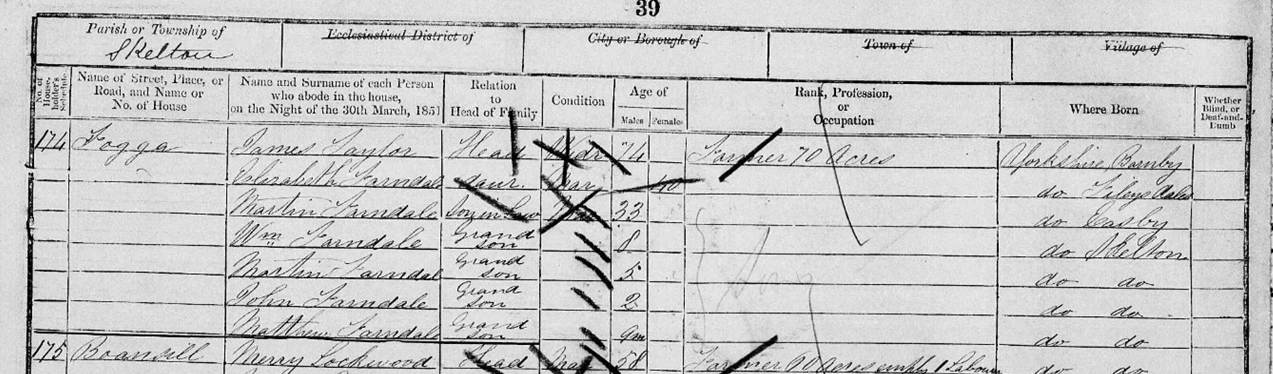
Census - 1851 - Skelton -
Fogga Farm:
James Taylor, head, age 74, widower, born Barnby, farmer 70 acres.
Elizabeth Farndale, 40, married, daughter and wife of Martin Farndale, born
Fylingdales (ie 1811).
Martin Farndale, 33, married, born Easby, Son-in-law (ie born 1818).
William Farndale, son of Martin, age 8, born Skelton, grandson (FAR00356).
Martin Farndale, son of Martin, age 5, born Skelton, grandson (FAR00364).
John Farndale, son of Martin, age 2, born Skelton, grandson (FAR00376).
Matthew Farndale, son of Martin, age 9 months, born Skelton, grandson (FAR00383).
1861
Census
1861 – 61
Galey Hill, Hutton Lowcross:
Martin Farndale, head; married; age 42; agricultural
labourer; born Easby (1819).
Elizabeth Farndale, wife; age 44; born Skelton (1817).
John Farndale, son; age 12; scholar; born Skelton (1849) (FAR00376).
Matthew Farndale, son; age 10; scholar; born Skelton (1851) (FAR00383).

1871
Census
1871 –
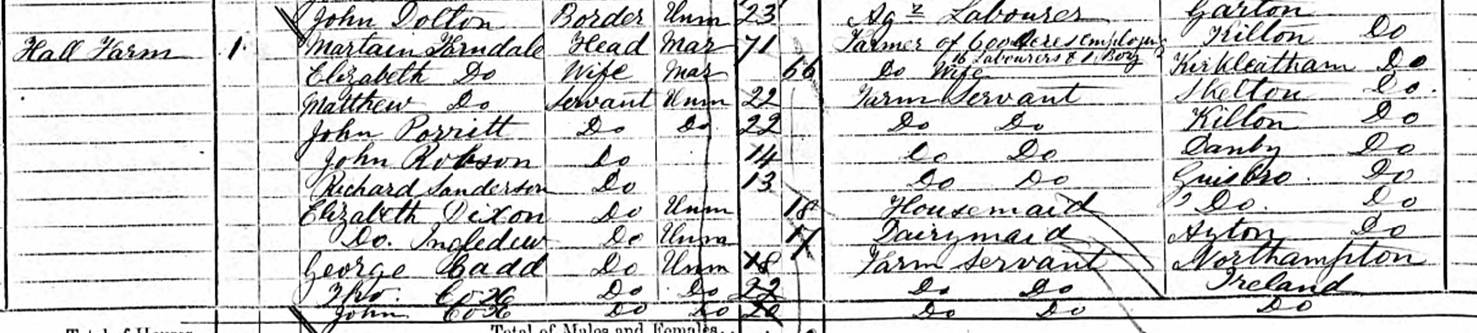
Hall Farm, Kilton
Martin Farndale,
aged 71 (this was FAR00236,
not his father Martin)
Elizabeth
Farndale (not his mother but his great uncle’s wife), 66
Matthew Farndale,
22, born 1849, a servant
Several other
servants working on the farm
1879
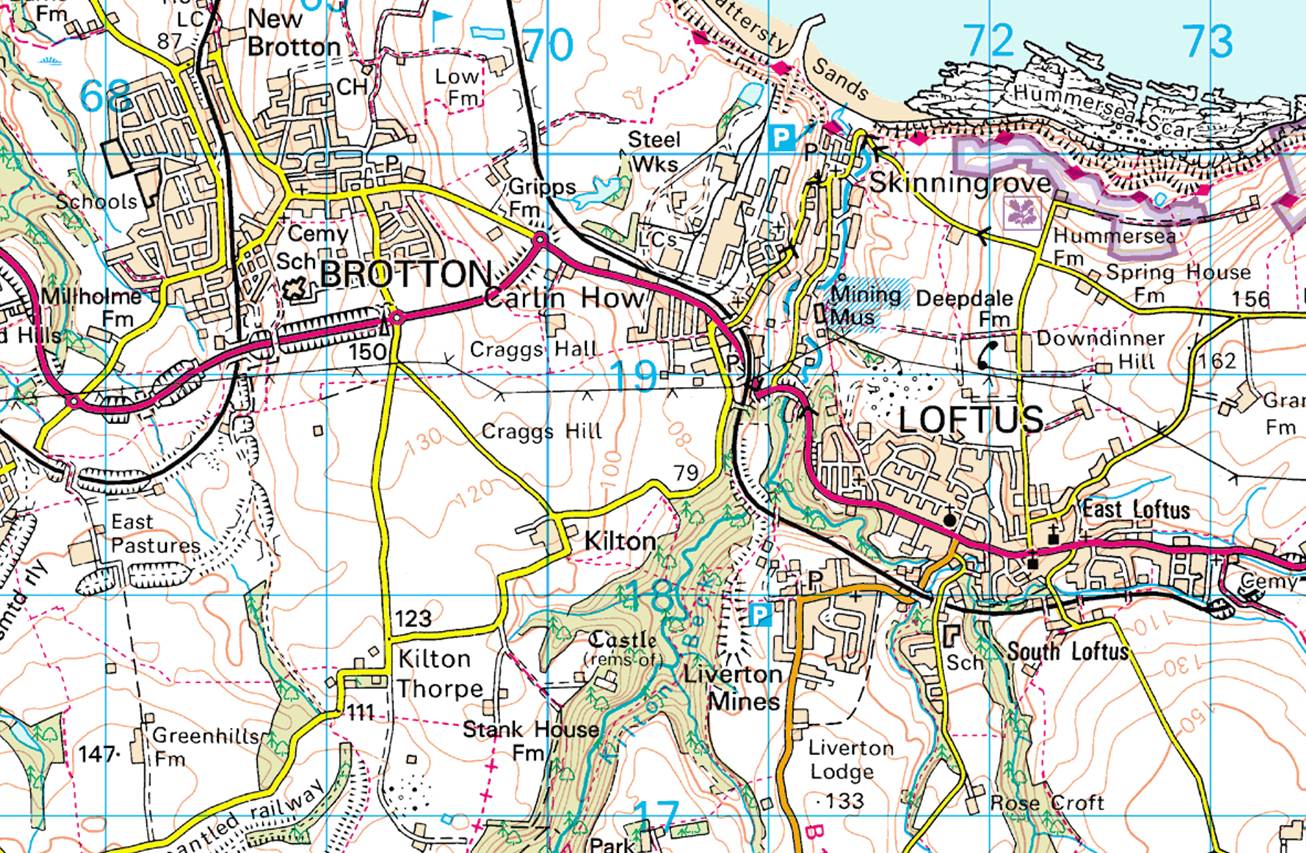
Martin
Farndale's (FAR00364) two
brothers lived nearby. John the next lived at Loftus and worked on the LNER and
Matthew farmed at Craggs Hall near Brotton.
There
is a story that, while living at Tranmire (or possibly before, in August 1879,
according to one record), Martin asked Matthew to go and take Craggs Hall for
him. On his return Matthew said that he had taken it, but for himself! It was
said that when Matthew came back and told Martin what he had done, they both
walked back to Kilton Thorpe without saying
a word. Martin however always spoke highly of his brother who helped him to get
to Tidkinhow, a farm on Wharton estate.
It is said that Matthew later lent Martin some money to acquire Tidkinhow Farm and that Martin took this in
part as repayment of his previous 'loan' and for the rest, Matthew used to come
to Tidkinhow each year for many years to
claim the three best lambs as part repayment (Family Knowledge).
Cragg Hall Farm is a Farmhouse,
probably late seventeenth with adaptations and alterations through the
eighteenth and nineteenth centuries. Sandstone, mainly laid to courses, with
pan tile roof and brick stacks. Plan: derived from longhouse tradition, now
referred to as 'false longhouse'. One and a half storey to the west forming the
house with washhouse at the western end, single storey to the east containing
the cross passage and gable entry byre. The house part of the range has two
cells, each with its own stairs to rooms above. Blocked doorways show that the
upper rooms of the house, washhouse and cross passage attic were formally
interconnected. Exterior, North façade: Two bay house with horizontal sliding
sashes at first floor. Ground floor has horizontal sliding sash to right and a
three over three vertical sliding sash to left with small fixed light fire
window to far left. Left gable wall with stone flagged coping and main stack.
Second stack to centre, for inner room. Horizontal building break at ground
floor lintel height with slightly better quality masonry above. Single bay
outbuilding to right of a building break with single, reduced, ground floor
window. Stone flagged coping to left gable wall with low brick stack. Cross
passage to left of house covered by single storey outshut with a single window.
Byre to left with stone buttress and stone flagged coping to gable.
Exterior,South façade: House part of the range has only one opening on the
south side: a single small fixed light for the inner room. To the left, at the
foot of the inner room stairs, there is a low blocked doorway. To the left of
this is the doorway to the washhouse with a small outshut to its left. Entry to
the house is via the cross passage to the right of the house. The external door
to the cross passage is C20. To the right there is a small four light window.
Vertical building breaks between the cross passage and both the byre and house.
Building break between the house and washhouse less clear. No apparent
horizontal building break to the house to correspond to that on the north
façade. Exterior, east gable end (byre): Stable door to left of centreline,
unglazed attic window to centre. Exterior, west gable end (washhouse): Small
blocked window at attic level to left of central stack. Small C20 fixed light
set in blocked doorway to outshut on the right. Building break between outshut
and washhouse. Interior, cross passage: Concrete floor. Exposed ceiling joists,
of which at least one appears riven, supporting broad planks with rolled edge
moulding. Planked doors to both outshut and house, that to the house using
narrow planks with bevelled edges. Interior, fore room: Stone flagged floor,
exposed ceiling joists with alternate joists riven and sawn, the sawn joists being
chamfered. Broad floor boards above with rolled edge detail. Similar broad
planks with rolled edge detail used for the screen between the hearth and the
door to the cross passage, and for the timber partition with doors for the
staircase. Hearth with small cast iron range. Salt box to left. Interior, Inner
parlour: Raised timber floor. Exposed ceiling joists, some roughly chamfered
supporting narrow floor boards with rolled edge mouldings. Timber partition for
staircase with narrow planks with bevelled edge, (similar to those used for the
door between the cross passage and fore room). Door between inner parlour and
foot of fore room stairs is also planked but uses narrow planks with rolled
edge moulding. Interior, washhouse: Brick and concrete surround for a solid
fuelled copper built in front of earlier hearth. Interior, byre: Cobble floor.
Remains of timber stalls (Royal Commission on the Historical
Monuments of England, 1987 "Houses of the North York Moors").
Construction of yeomen farmsteads following and developing
the medieval longhouse tradition (where animals and people shared the roof of a
linear building range) continued on the North York Moors up until about the mid
18th century. From the late 17th century, existing and new longhouses developed
piecemeal, improving the standard of accommodation for the farmer and
increasing the degree of separation from the animals. False longhouses were
those examples which were built with separate entrances for people and animals,
rather than being adapted from those where the entrance to the byre was
originally from the cross passage. Longhouse farmsteads were frequently adapted
as the needs and the wealth of the farmers changed over time. House parts were
often raised and extended. Outbuildings could come into domestic occupation or
be returned to auxiliary use. Accommodation was frequently subdivided to
provide for widows or joint heirs (as North York Moors yeomen frequently did
not employ primogeniture inheritance), and then recombined at a later date.
Cragg Hall Farm is an example of the continuation of the North
York Moors vernacular tradition of longhouse construction. The series of
modifications that are still identifiable by the various building breaks in the
masonry, blocked openings and styles of internal timberwork, all eloquently
demonstrate the evolutionary nature of longhouses through the 17th to 19th
centuries. It is this succession of alterations which make Cragg Hall Farm of
particular special architectural and historical interest, showing how adaptable
the longhouse tradition was to changing tastes and circumstances.
The Farndales had
associations with Craggs from the eighteenth century. For instance William
Farndale (FAR00130) had
farmed there.
1880
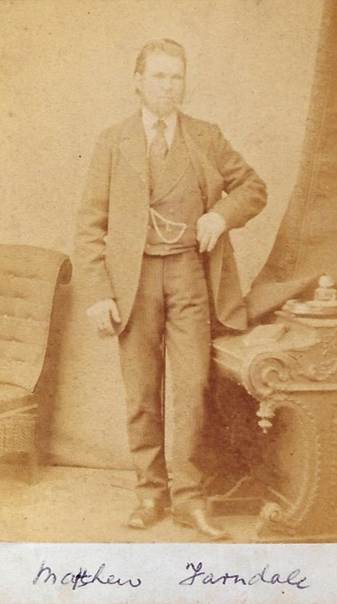
Matthew
Farndale of Craggs Hall aged about 30, 1880
1881
Census
1881 - 1,
Kilton Village:
‘Bessie’ Farndale, head; widow; age 70; born
Whitby.
John Farndale, son; unmarried; age 32; railway
porter; born Skelton (FAR00376).
Matthew Farndale, son unmarried; age 30; ag lab;
born Skelton (FAR00383).

1884
Matthew Farndale, married Mary Ann Liverseed in
1884 at Stockton District (GRO
Vol 10a page 122).
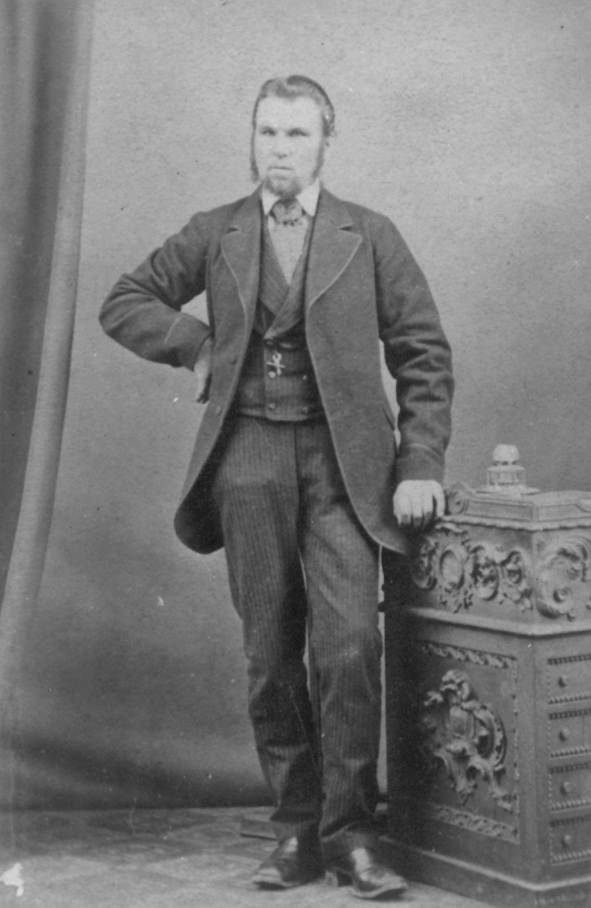
Matthew
Farndale at about the time of his marriage.
Mary
Ann Liverseed was born at Roxby in 1857, the daughter of Robert Liverseed (1810
to 1882) and Mary Ann Margaret (nee Hutchinson) Liverseed (1821 to
1905). Her grandparents were Thomas Liverseed (1781 to 1848) and Elizabeth (nee
Rowland) Liverseed (1790 to 1840) and her great grandparents were Ralph
Liverseed (born 1757) and Jane (nee Hall Liverseed. She was the youngest of
seven siblings.
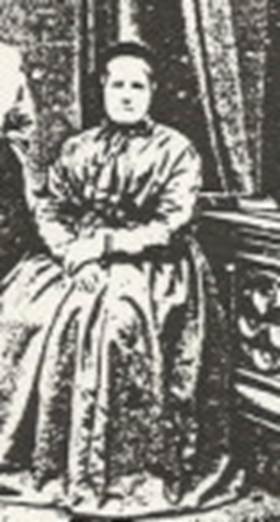
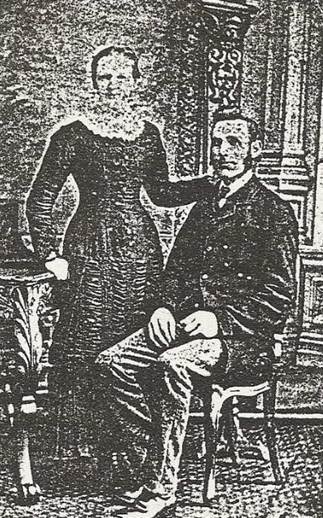
Mary
Ann Liverseed Senior, Mary’s mother
Andrew and Polly Liverseed. Andrew was Mary’s brother
1885
Robert Farndale (FAR00606) was born in Craggs
Hall Farm on 20 August 1885 (1939 Register).
Robert Farndale’s birth was registered in Stockton
District in the fourth quarter of 1885 (GRO Vol 10a page 60).

1886
Ruth Farndale (FAR00619) was born in Guisborough District on 14 December 1886 (BR, PR and family
knowledge). Ruth Farndale’s birth was registered at Guisborough District in the first quarter
of 1887 (GRO Vol 9d page 465).
1889
Ernest Farndale (FAR00633) was born in Brotton District in 1889. Ernest Farndale’s
birth was registered in Guisborough District in the first quarter of 1889 (GRO
Vol 9d page 468).

1891
Census
1891 - Craggs Hall Farm, Brotton:
Matthew Farndale, head, 40
Mary A Farndale, 34
Robert Farndale, 5
Ruth
Farndale, 4
Ernest
Farndale 2
Elizabeth
Farndale, widow; aged 80; born Whitby;
(1811).[Shown as mother to Matthew Farndale of Craggs Hall].
Annie
Mitchel, a domestic servant

Whitby
Gazette, 31 July 1891: CARLING HOW. PICNIC. The Wesleyan picnic, which had
been postponed from Wednesday, was held on Saturday last in a field near Craggs
Hall, kindly leant by Mr M Farndale. The children were regaled with milk and
the provisions that remained from the tea held on the Wednesday. A number of
games were indulged in until dusk.
1892
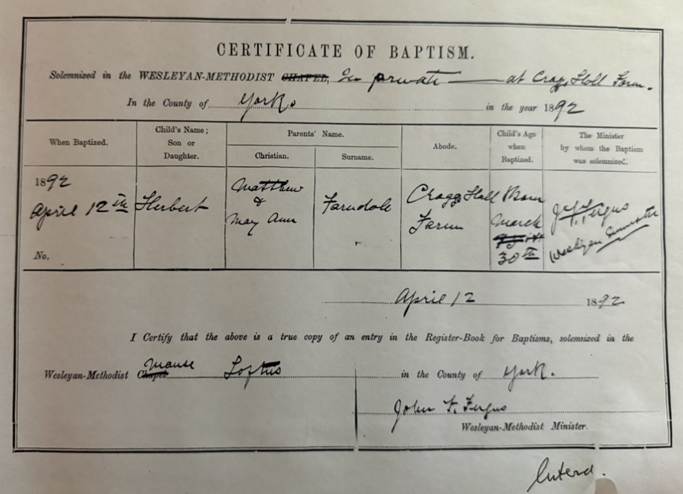
Herbert
Farndale (FAR00652) was
born on 30 March 1892 (1939 Register), and baptised on 12 April 1892
at a private service at Craggs Hall Farm, according to the rites of the
Wesleyan-Methodist Church. Herbert Farndale’s birth was registered in the
second quarter of 1892 (GRO Vol 9d page 503).
1894
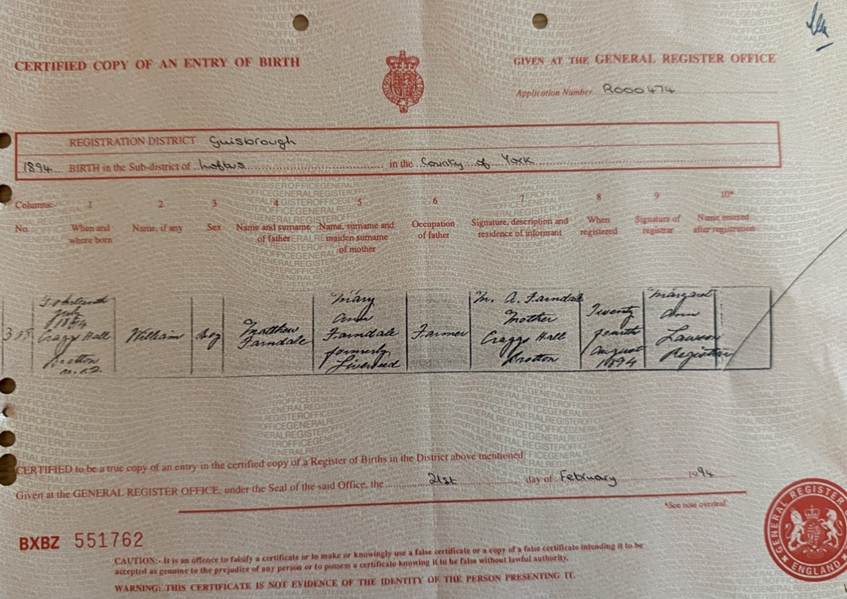
William Farndale (FAR00665) was born at
Craggs Hall Farm on 14 July 1894 (Birth Certificate, 1939
Register). William Farndale’s birth was registered at Guisborough District on 29 August 1894 (GRO
Vol 9d page 448).
1898
Edwin
Farndale (FAR00691) was born
in Guisborough District on 23 July 1898
(1939
Register). Edwin Farndale’s birth was registered in Guisborough District in the third quarter
of 1898 (GRO Vol 9d page 514).

1900
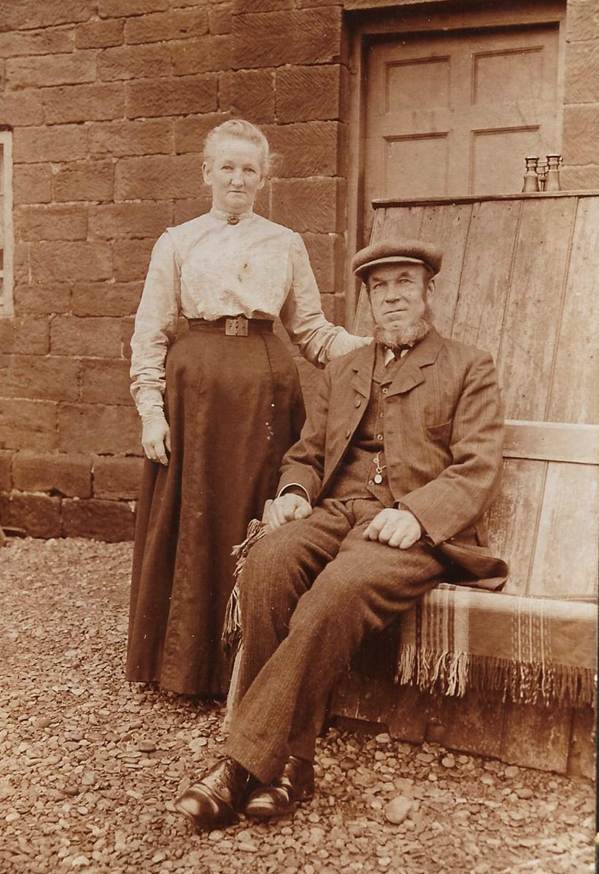
Matthew Farndale and his wife Mary
Ann (nee Liverseed) at Craggs Hall in about 1900
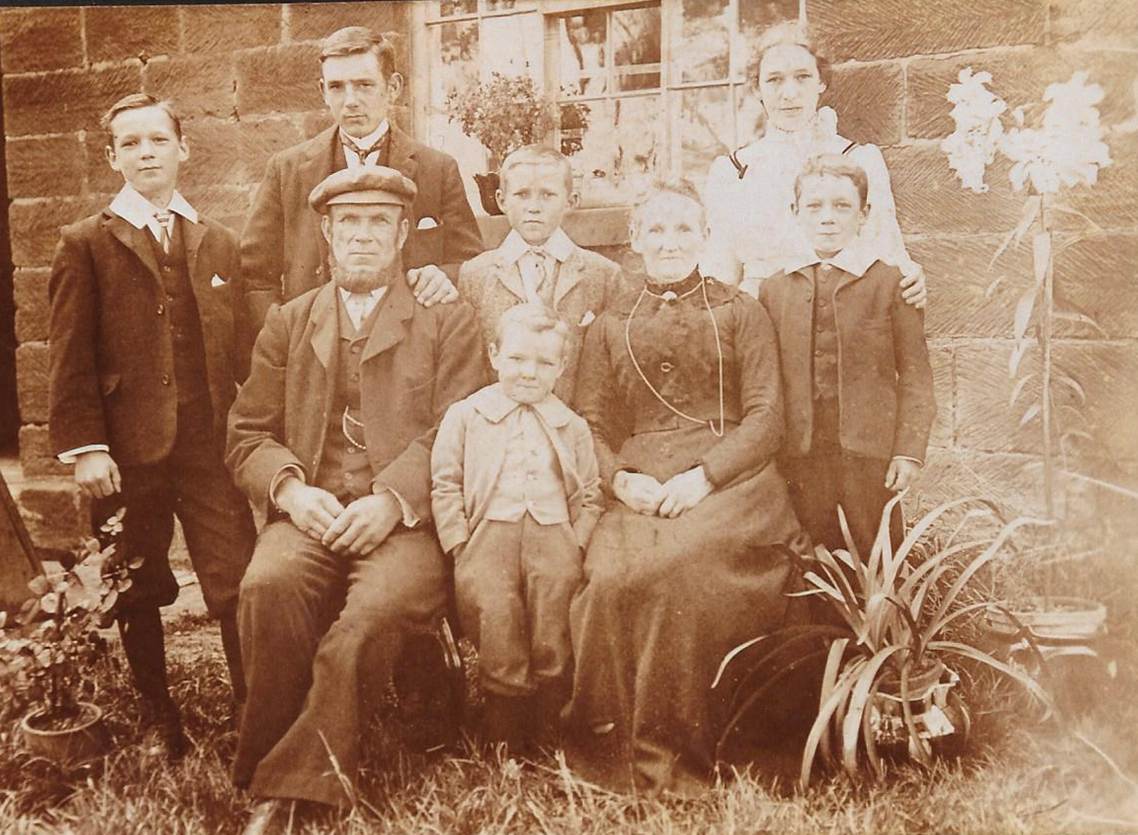
Matthew and Ann Farndale and their family at Craggs
Hall in about 1900
William
Robert
Ruth
Matthew Herbert Ann Ernest
Edwin
1901
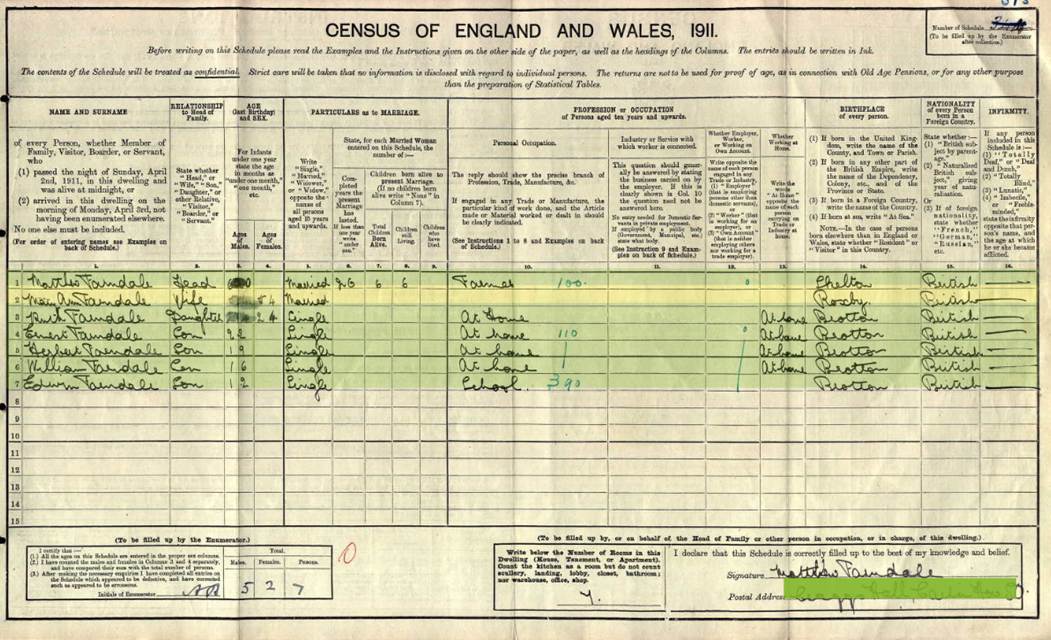
Census
1901, Craggs Hall Farm
Matthew
Farndale, head, 50, a farmer
Mary
A Farndale, 44
Robert
Farndale, 15, an assistant on the farm
Ruth
Farndale, 14
Ernest
Farndale, 12
Herbert
Farndale, 9
William
Farndale, 6
Edwin
Farndale, 2

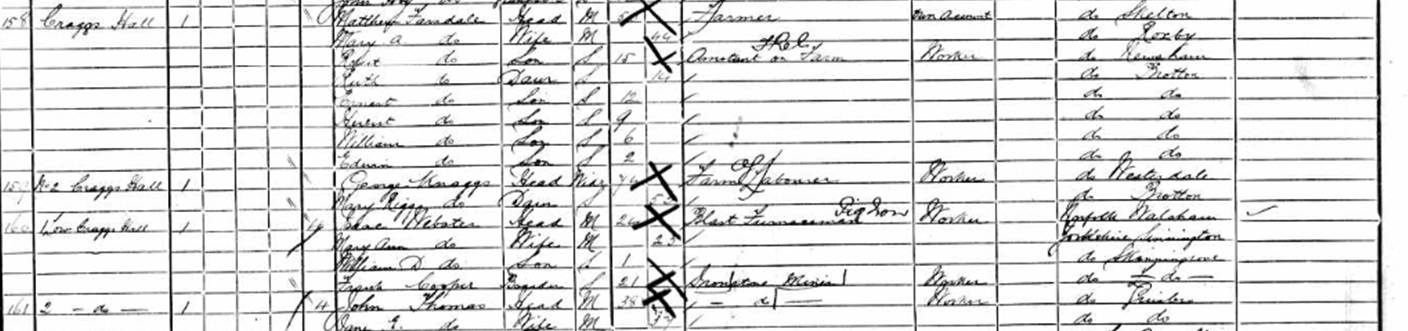
1911
Census
1911, Craggs Hall Farm
Matthew
Farndale, head, 60, a farmer
Mary
A Farndale, 54
Ruth
Farndale, 24, at home
Ernest
Farndale, 22, at home
Herbert
Farndale, 19, at home
William
Farndale, 16, at home
Edwin
Farndale, 12, school
The
Whitby Gazette, on 8 December 1911 reported: FOUNDATION
STONE LAYING AT CARLIN HOW. The Carlin How and Skinningrove District has grown
very rapidly during the last few years, and, in order to cope with the
increasing demand for accommodation, the friends of the Wesleyan body have
decided to build a new Wesleyan Church at Carlin How. The cost of the church
will be £850, £500 of which has already been raised or promised. Mr T C
Hutchinson, managing director of the Skinningrove iron works, has generously
given the site. The buildings will be of brick, and will accommodate about 250
people. Mr. A Farndale is the architect, and Mr J K Wilson is superintending
the work of erection. The foundation stone laying ceremony took place on
Wednesday, in the presence of a good company. The Rev W Powell, Loftus
conducted the ceremony, and stones were placed by Mrs M Moore, Westfield,
Loftus,… C Farndale …. M Farndale, Craggs Hall... Mr E Lofthouse laid a stone
in memory of the late Mr. A Murray weather, a prominent Brotton Wesleyan. The
Rev J C Adelard (Saltburn) gave an address and a public tea took place in the
preaching room, which has, for many years, done duty as a place of worship, but
is now totally inadequate to meet the demands made-up on it.
1915
Cragg Hall next comes into our history. This is where Mr Matthew Farndale
farmed, and where many happy Sunday School picnics were held. How well such
incidents as drawing water from the well near the door are thrillingly
remembered. (Wainwright,
Greta (1966), Brotton Methodist Church, 1866 to 1966).
Whitby
Gazette, 25 June 1915: BROTTON. A successful picnic for the Brotton
Wesleyan Sunday School was held at Craggs Hall on Wednesday, by permission of
Mr and Mrs M Farmdale. The event was attended by a number of parents, scholars
and others. Tea was provided and games were indulged in by young and old.
1916
Whitby Gazette, 22 September 1916. CARLING HOW. During the weekend, the Wesleyans at Carlin
Howl held their harvest festival services. On Sunday, the Rev H Mortimer,
Staithes, preached twice, and on Monday evening a public meeting was held. The
Rev H Mortimer addressed the meeting, and gave a helpful and inspiring address.
Mr Arthur Garnett presided. The sale of fruit and vegetables took place at the
close of the meetings. Collections were taken at all the services, which were
well attended, and the total proceeds, which amounted to £7, will be devoted to
the Trust Funds. The vote of thanks to all helpers and those who had given
fruit etc, was proposed by Mr Hutchinson, and seconded by Mr M Farndale. Miss
Pearson, “Mount Pleasant,” presided at the organ, and the chapel was tastefully
decorated for the occasion.
1917
Whitby
Gazette, 7 December 1917: A lecture entitled “Life amongst tramps and
social outcasts,” was given in the Carlin How Wesleyan Church, last week, by
the Rev Harry Mortimer, Staithes. The lecture, which was very interesting, was
a descriptive account of work in Manchester Wesleyan Mission, with which Mr
Mortimer was for some time identified. Mr M Farndale, Craggs Hall, presided.
1919
The
family continued to lice at Craggs Hall, Carlin How (Electoral
Registers, 1919).

1920
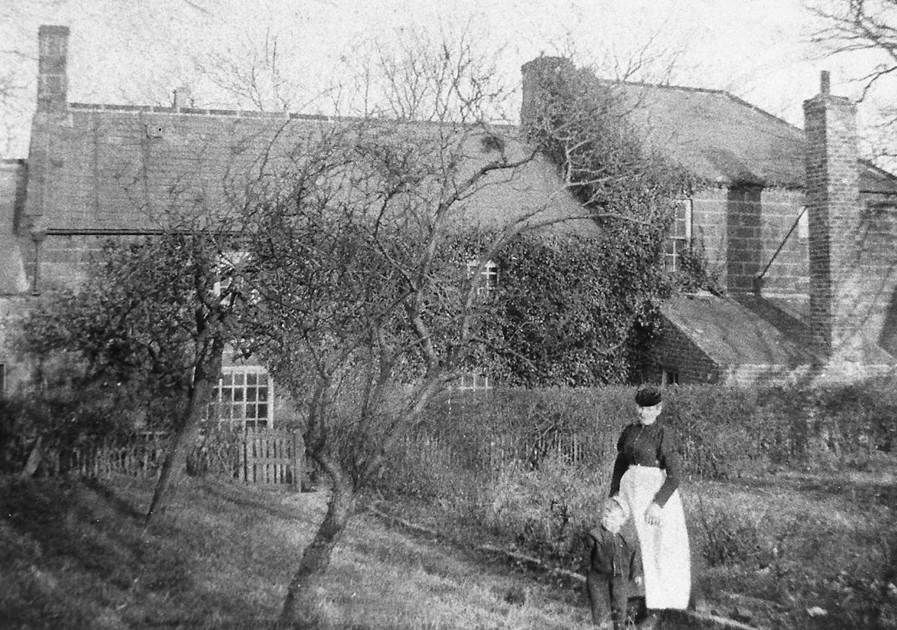
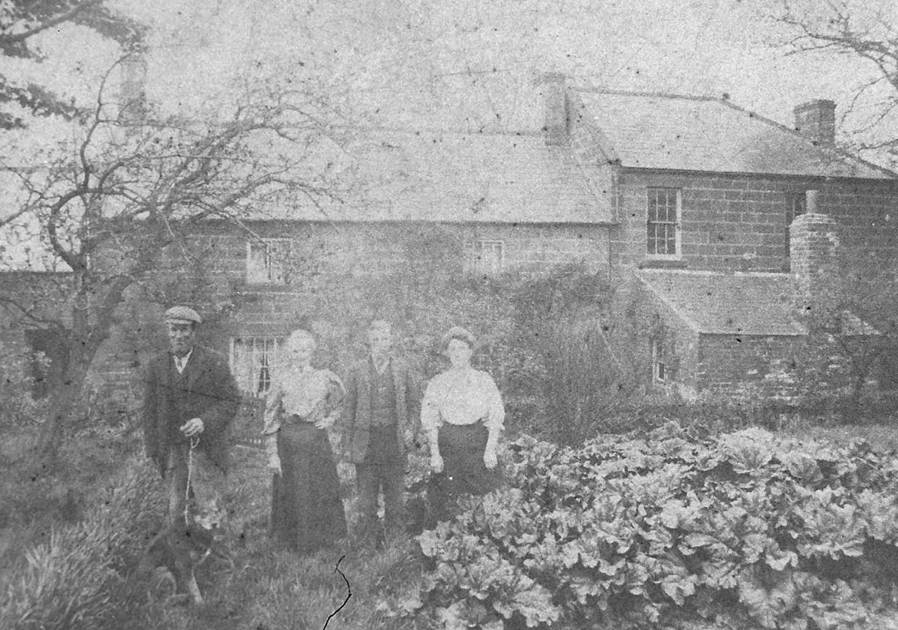
Mary
Ann Farndale in front of Craggs Hall in about 1920 Matthew Farndale, Ann
Farndale, Robert Farndale and Ruth Farndale, in front of Craggs Hall, about
1920
Mary Ann Farndale (FAR00397) had
vivid memories of holidays at Cragg Hall Farm. Mother
is adamant that she knew it is Cragg and not Craggs as on your site.
(Craggs is the usual usage, but there have been uses of Cragg as well, and Mary
Ann’s evidence suggests that it may have been called Cragg by the family). Matthew (FAR00383), affectionately
called Mattha by Mary Ann was an elderly widower by then and he appeared to
enjoy her fussing over him. My mother
remembers a beautiful rose garden hidden at the back of the farm seen only by
those at the farm, fruit bushes dripping
with berries, taking the farmworkers lunches out to the fields at midday, being
allowed to go shopping on her own to Carlin How or Brotton (an example of the
changes in society as she was only 5 or 6 at the time) and reading Pilgrims
Progress in the rarely used ‘front room’
A special treat was to be taken for rides in the side car of Herbert’s
(FAR00652) motor bike.
Herbert, Matthews’ son was presumably running the farm by this stage
(Record from Judith
Bremner).
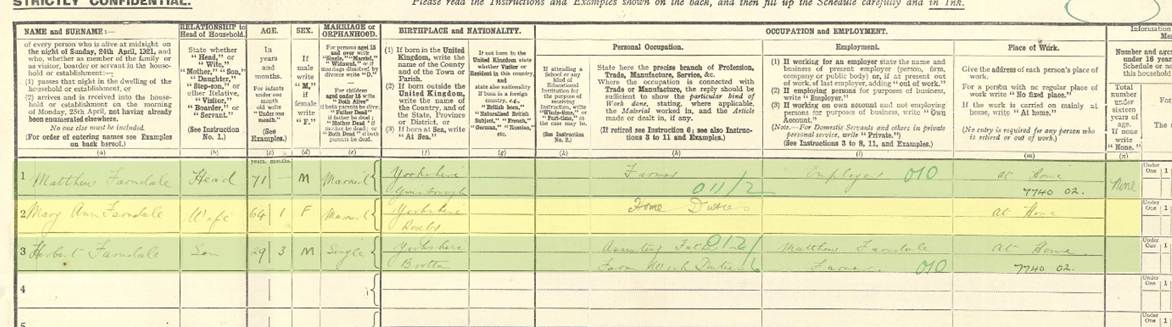
1921 Census – Craggs Hall, Carlin How
Matthew Farndale,
71
Mary Ann Farndale, 64 Years 1 Month
Herbert Farndale, 29 Years 3 Months
1923
Cleveland
Standard, 23 June 1923: PROPERTY MARKET. At Loftus on Wednesday, Mr T S
Patch, auctioneer, offered for sale the Craggs Hall Farm, situated between
Brotton and Carlin How. The purchase would only buy one half the revenue
derived from the estate. Mr H Farndale, son of Mr M Farndale, tenant of the
farm, became the purchaser for £1,500. The solicitor for the vendor was Mr
Julius Bertram, of London.
1927
Matthew Farndale, age 76, died at Craggs Hall on
27 February 1927 and the death was registered in Guisborough District in the
first quarter 1927 (Brotton PR, Monumental Record, GRO Vol 9d page
752).
THE FUNERAL AT
BROTTON OF MR MATTHEW FARNDALE. The funeral of Mr Matthew Farndale, of Craggs
Hall, Carlin How, took place at Brotton, yesterday afternoon, in the presence
of a considerable number of mourners. The chief mourners were Miss farndale, daughter,
Eastbourne; Mr Robert Farndale, Leeds, Mr William Farndale, Northallerton, Mr E
Farndale, Walbottle, sons; Mr M Farndale, Tidkinhow, Boosbeck, brother; Mr R
Liverseed, Loftus, Mr A Liverseed, Stockton, brothers in law. There were in the
cortege farmers and representatives of the agricultural interests from all
parts of Cleveland. The Rev John Hunt, Wesleyan Minister, Loftus conducted the
burial service in Brotton Wesleyan church.
Cleveland
Standard, 5 March 1927: The death has taken place at Craggs Halll,
Carling How, of Mr Matthew Farndale, a well known Cleveland farmer, who was 76
years of age, and had lived at Craggs Hall 44 years. Mr Farndale, who had been
in failing health for some time, had the reputation of being one of the best
cultivators of land and hedges in the district.
He
was buried on 2 March 1927 at Brotton.
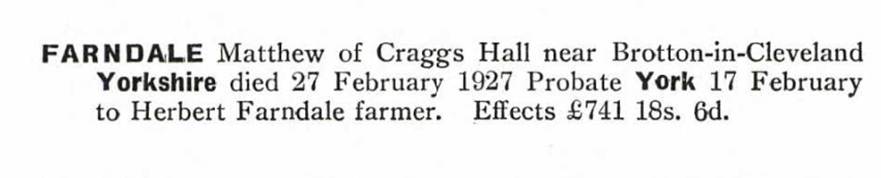
(Probate
Index)
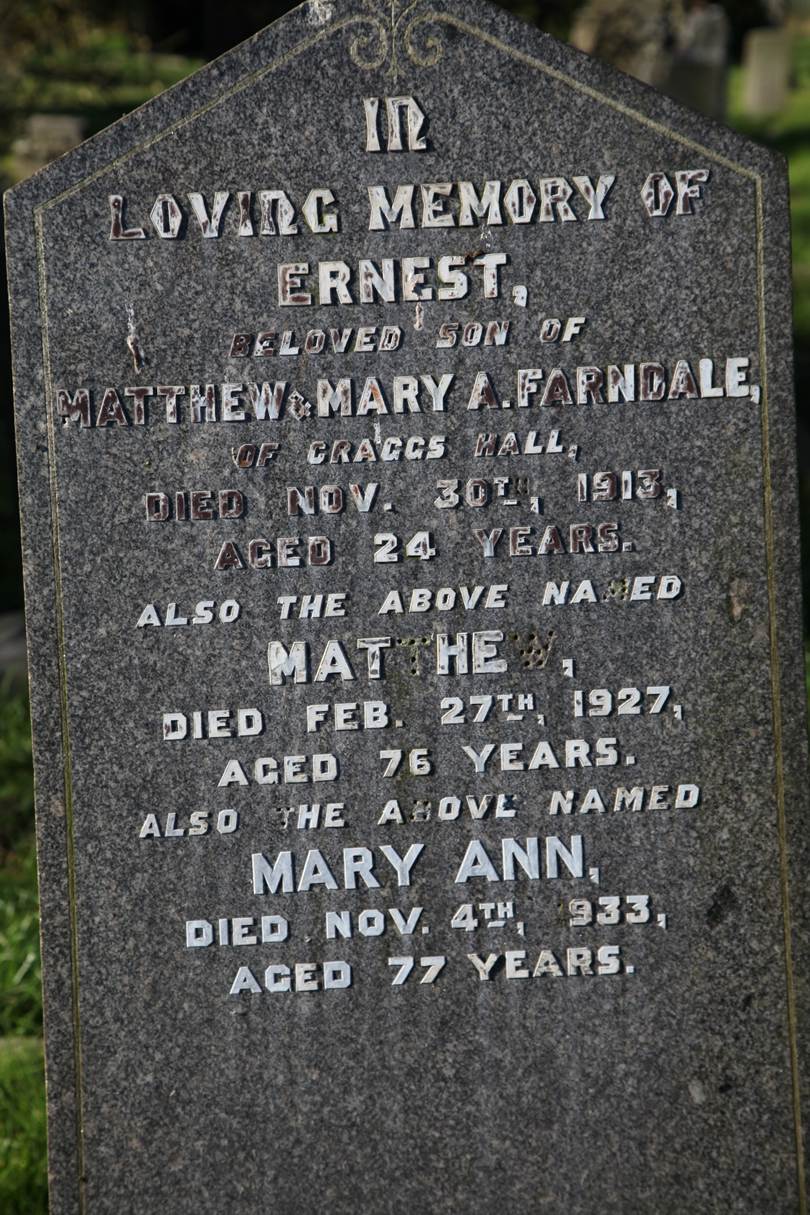
Gravestone
Brotton Old Churchyard;
In loving memory of
Ernest, beloved son of Matthew and Mary A Farndale of Craggs Hall who died 30
November 1913 aged 24 years. Also the above named Matthew who died 27th
February 1927 aged 76 years. Also the above named Mary Ann who died 4th
November 1933 aged 77 years (Monumental Record).
1933
Mary
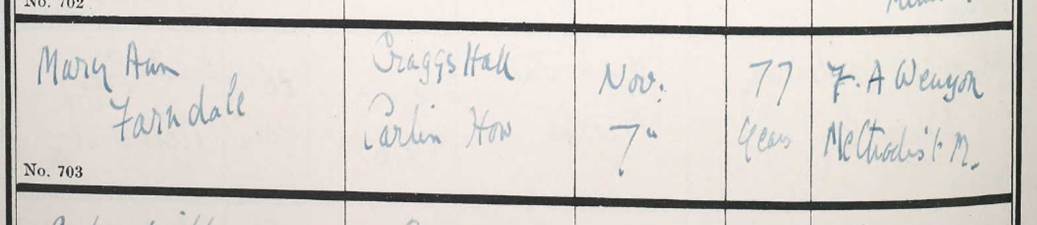
Farndale, Matthew’s widow, died at Craggs Hall on 4 November 1933 (Brotton
PR).
Cleveland
Standard, 11 November 1933: Funeral of Mrs M A Farndale. The funeral took place
this week of Mrs Mary Ann farndale, of Craggs Hall, Brotton, widow of the late
Mr Matthew Farndale, who was well known in Cleveland farming circles. A large
company was present at the Wesleyan Church, where the service was held. It was
conducted by the Rev F A Wenyon, of Loftus, and the Carlin How Methodist Church
choir was also present. Mr William Hedley, of Kilton Thorpe, was at the organ.
Internment took place that brought on churchyard.
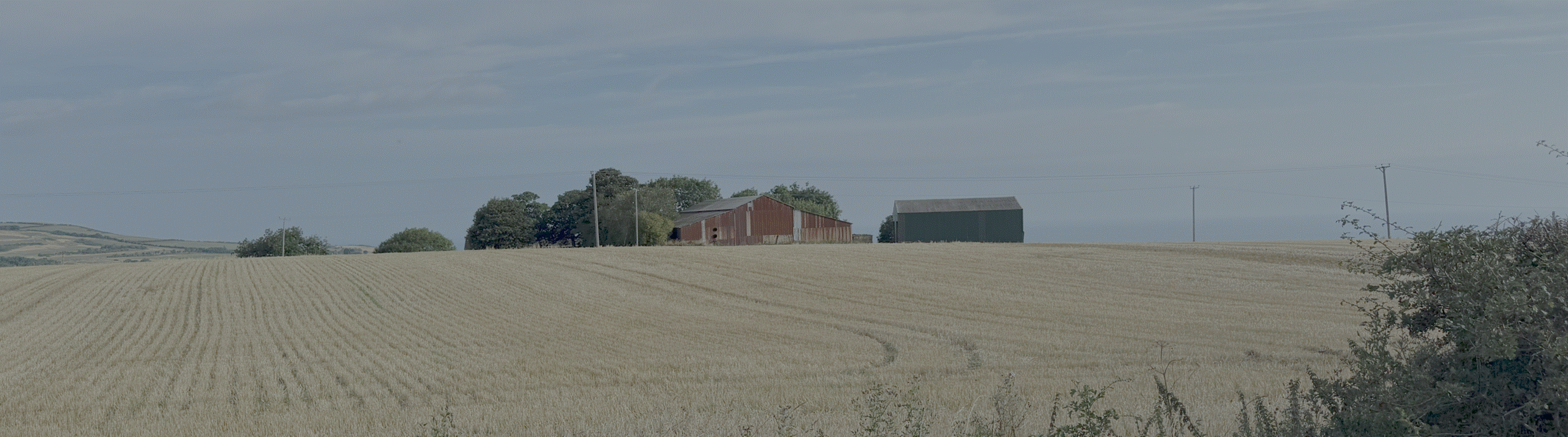
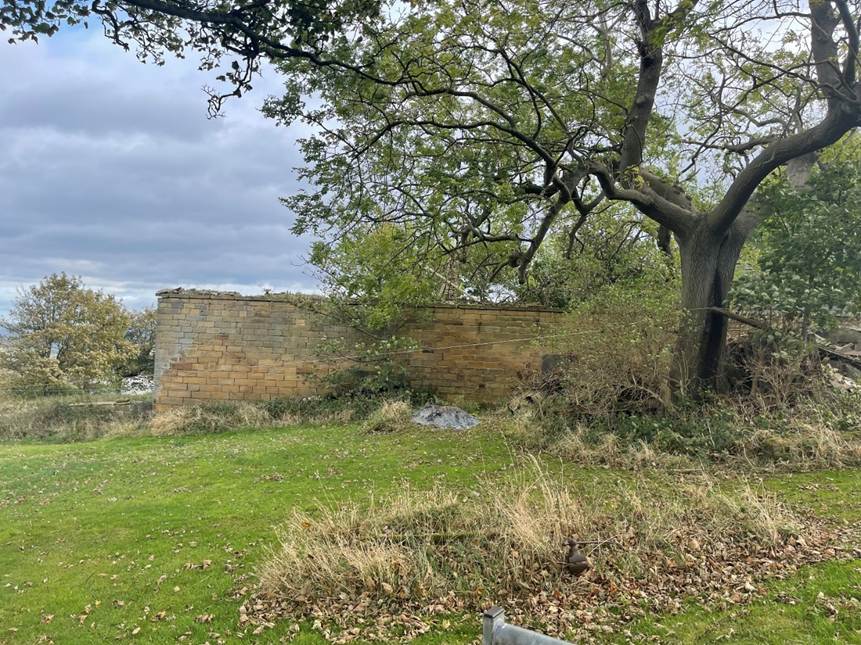
Craggs Hall Farm in 2021
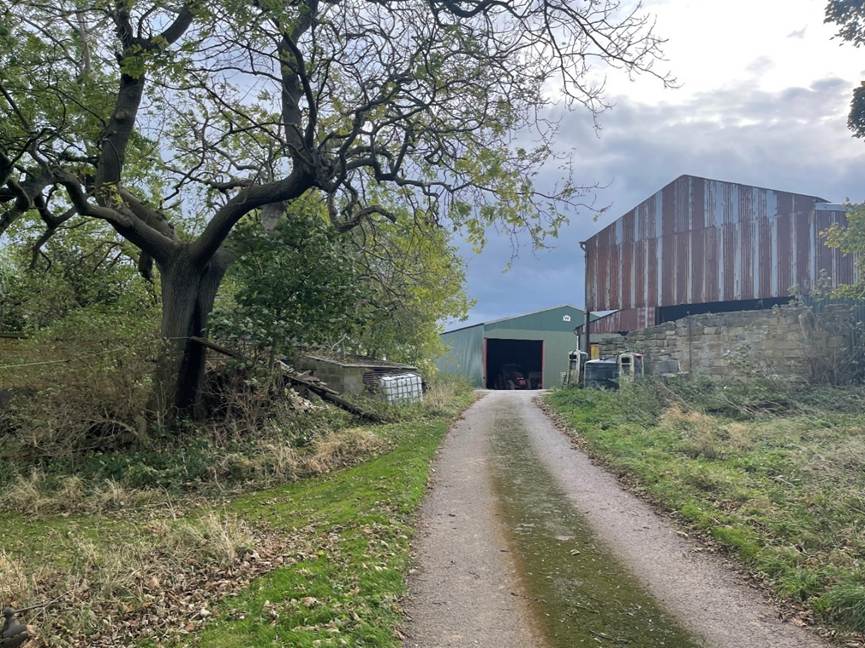
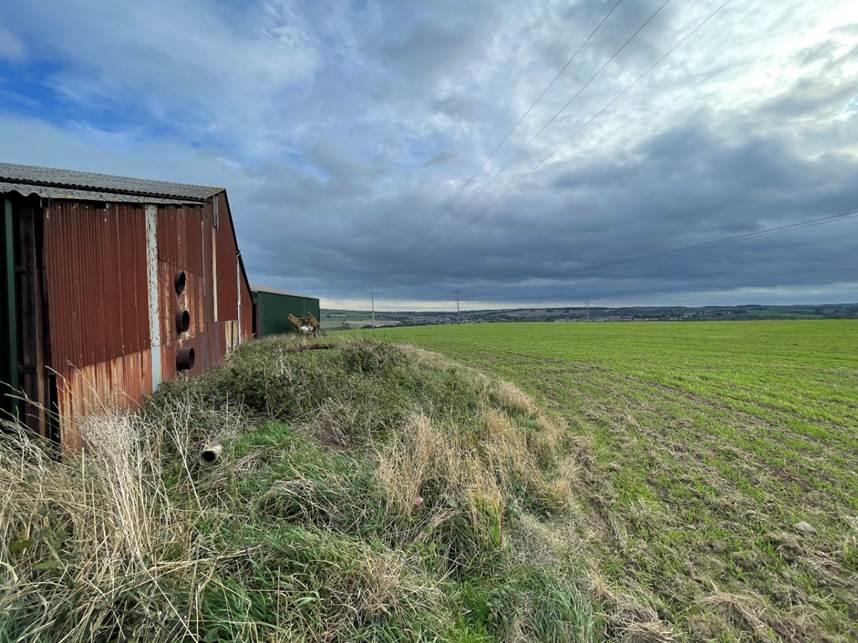
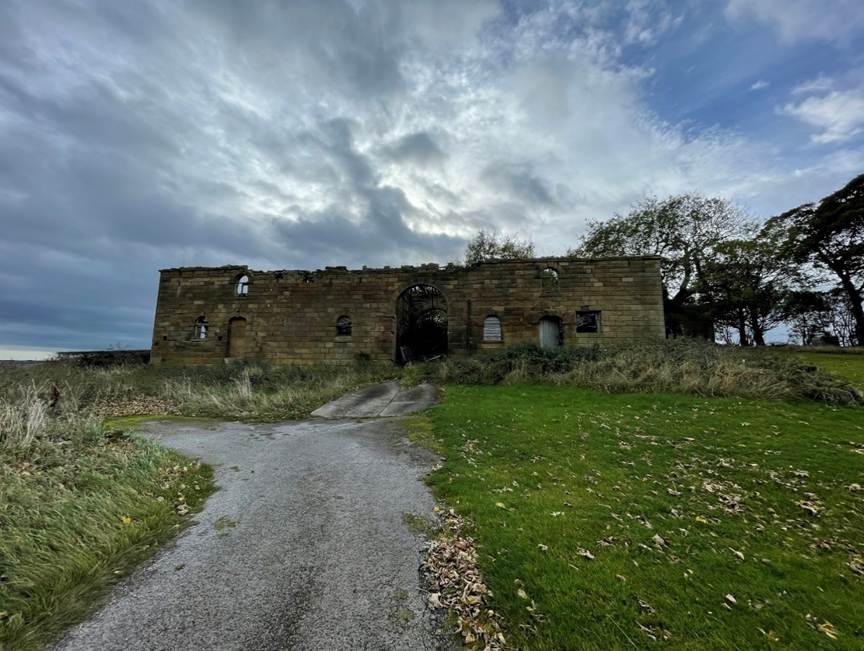
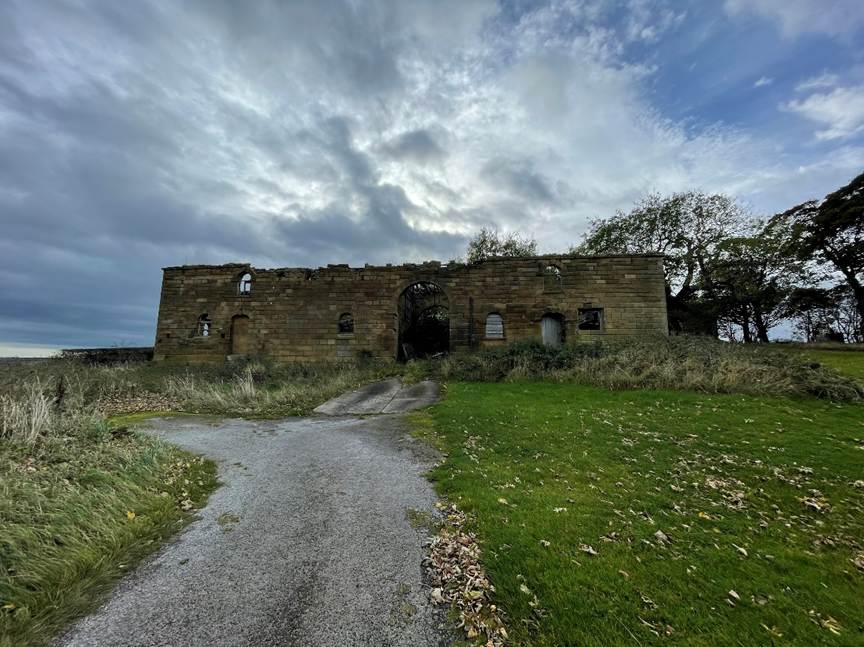
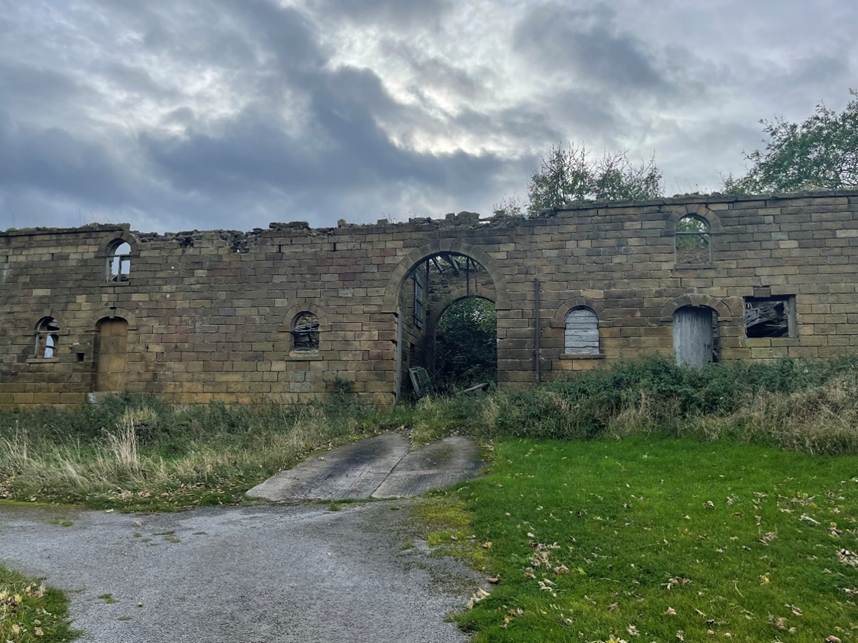
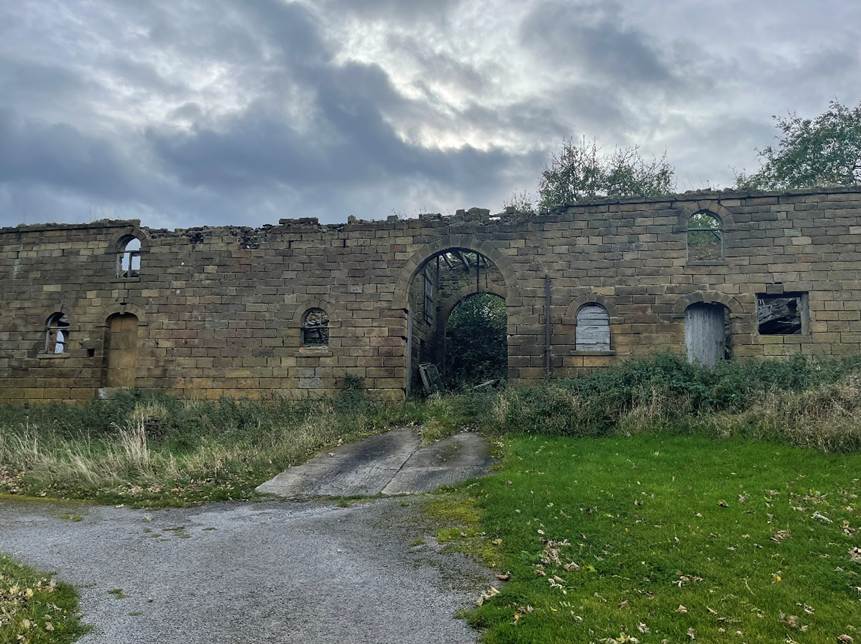
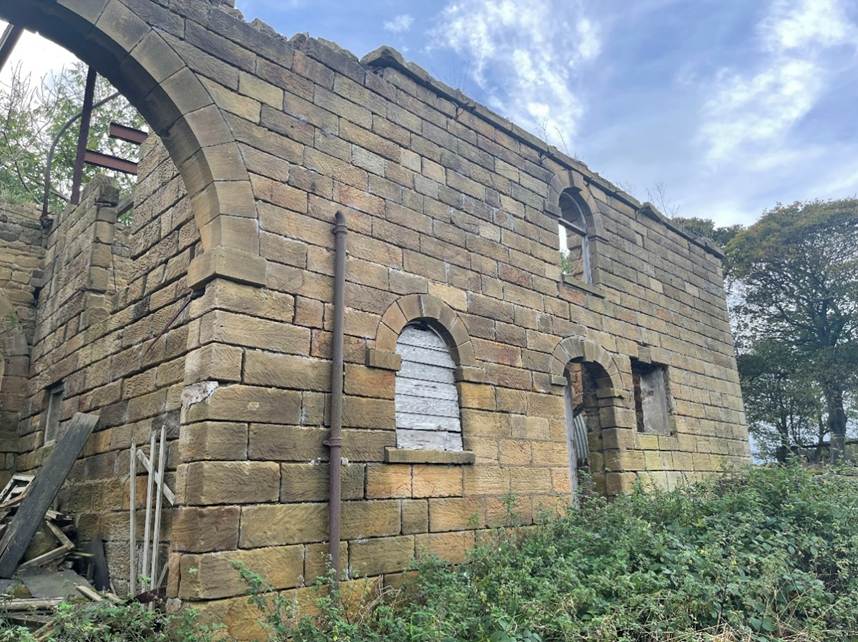
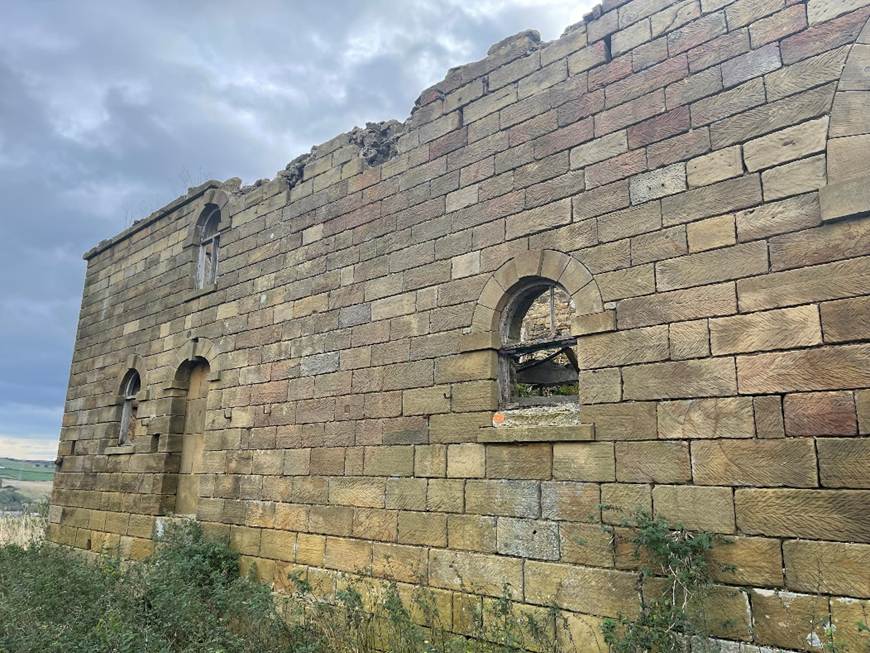
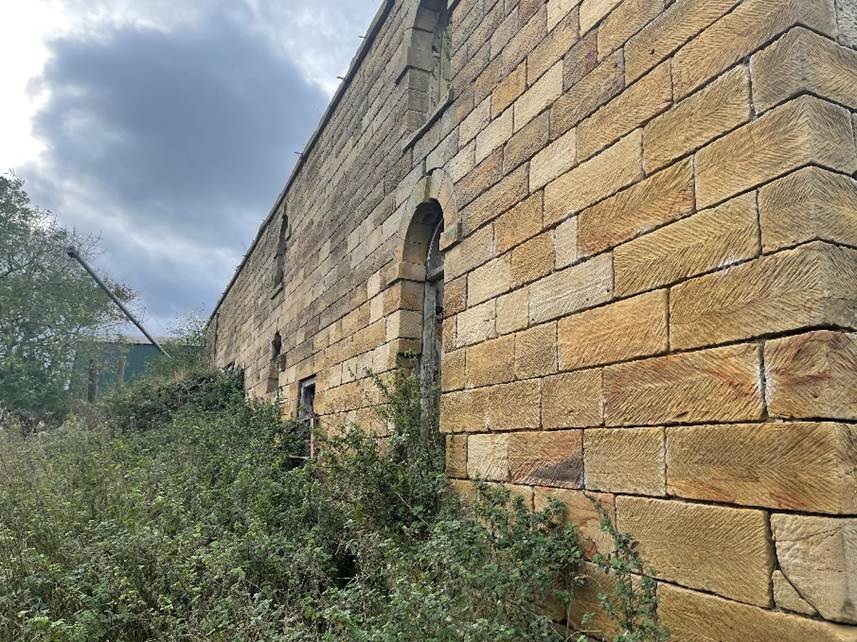
Craggs Hall Farm from
Cleveland Street off Kilton Lane in 2026