Act 23
The Australians
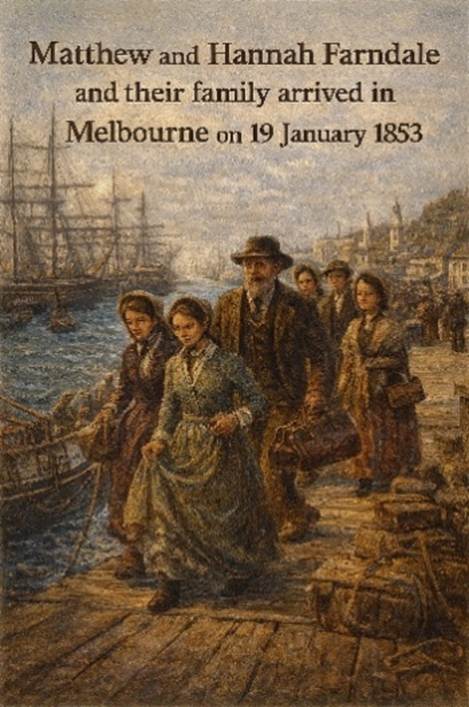
The emigrants to Australia
|
The
Gold Rush of the 1850s was the backdrop to Matthew and Hannah’s migration to
Australia in 1852 |
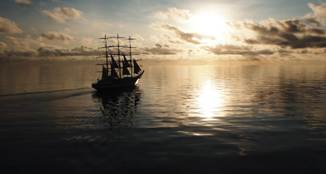
Scene 1 – Birregurra, Victoria
A Big
Decision
Matthew Farndale
was born on 30 September 1793[1], the twin of William Farndale,
son of William
and Mary Farndale of Kilton.
He was baptised at Brotton on 3 November
1793. We met him in Act
13 amongst the extended family of Kilton.
Matthew married Hannah Thompson in 1829[2], and they had two daughters, Mary Ann Farndale
born in 1831 and Elizabeth
Farndale born in 1832. Matthew and Hannah and their family remained at Kilton, on the family farm, until 1848, when
they moved to farm 150 acres at Kildale[3].
It was at
this time that advertisements encouraging emigration to Australia were
appearing in the Press. An advertisement in January 1851 referred to Line of
Packets from Liverpool, for Port Adelaide and Sydney, landing passengers at
Port Philip. Reduced Fares. 1st Cabin: £45; 2nd Cabin: £25; Intermediate: £15;
Steerage: £10. Accommodation, Provisioning and Equipment, second to None.
Condor, 1500 Tons, to sail 20th January 1851. Osprey (or other
Vessel), 20th March. A1 new ships, coppered and copper
fastened. For further particulars apply to the Owners. Gibbs Brigg & Co,
Liverpool or R Mills, 2 Blake Street, York.[4] Indeed Matthew’s brother John Farndale
advertised passage to Australia after Matthew had departed for Australia. In
1863 John touted a spare ticket for a passage warrant to Australia at half
price. Open until July 1863, for a single eligible young man. Apply (post paid) to John Farndale, 20 Park Row, Stockton on Tees.[5]
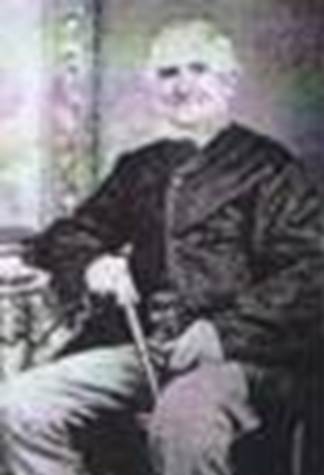
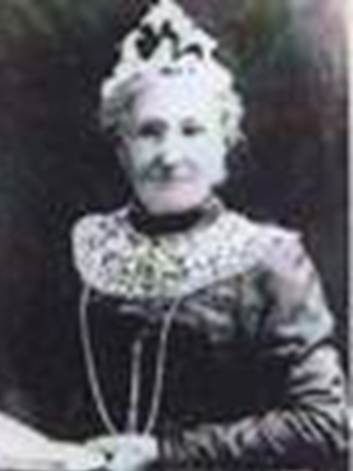
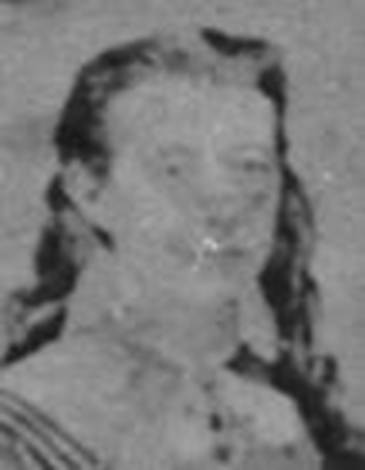
Matthew Farndale Hannah Farndale Elizabeth Farndale
We do not
know what it was that made Matthew and Hannah decide to emigrate to Australia.
Perhaps they had been thinking of this for some time, but whatever the reason
it was a major undertaking to look for a new life at the age of 57 and to leave
the extended family and all that they knew. Before leaving Kildale their eldest
daughter Mary Ann
Farndale married William Martin of Kildale who had been a butler at Ingleby
Manor.
Matthew’s
small family were the
Australia 1 (Birregurra) Line, and their descendants, thorough Mary Ann,
were the Martins of
Australia.
|
1793 to 1884
Matthew and Hannah
Farndale and their daughters Mary and Elizabeth embarked on a 14 week voyage to Melbourne to establish a new lineage in
Australia |
Voyage
In August
1852 the Liverpool Black Bell Line prepared an Australian Packet,
comprised the 1,800 ton South Sea to sail for Port Philip and Sydney on
25 August under Captain Brett; the 1,500 ton Northumberland to sail for
Melbourne and Port Philip on 5 September under Captain T Smith; the 2,000 ton Argo
to sail for Melbourne and Port Philip under Captain C Mills on 20 September;
and the 2,500 ton Beejapore to sail for
Melbourne and Port Philip on 15 October under Captain W M’Lay. It was promised
that they would be followed by equally good A1 ships. These
magnificent A1 frigate built ships have very lofty
well-ventilated between decks, splendid cabin accommodation, are commanded by
captains of great experience, who will carefully attend to the comfort and
health of the passengers, carry qualified surgeons, and will be despatched
under the inspection of her Majesty’s Emigration Agent. For further
particulars, apply to Hames Baines & Co, 6 Cook Street.[6]
By 23 August
1852 the Argo’s sailing date had slipped to 1 October[7]. She was described as the well known fast sailing favourite
New York Black Star Packet ship. Samuel Macoduck was by then to be the
ship’s Commander. She was described as 986 tons register, 1750 tons burthen;
open to the public for inspection. This splendid vessel was built by Smith and
Dimon, in New York, expressly for the packet service, without regard to
expense, her frame being entirely live oak, and copper fastened throughout. She
is now temporarily withdrawn from the line for one voyage to the gold regions.
Her cabin arrangements, which are unsurpassed by any ship in port, combine
comfort with elegance, no pains or expense being spared to have every possible
convenience for passengers. To ensure the comfort of those on board, the
advertisers wish to remark that it is intended to take first
and second class passengers only. The rates of passage are After Saloon:
£50; Forward Saloon: £45; Second Cabin: £20 and £25. These saloon staterooms
will be furnished with everything necessary. The second cabin passengers will
have to supply themselves with beds, bedding, linen etc. Superior stores will
be provided, and an experienced surgeon will be attached to the ship, which
will be dispatched under the superintendence of the government immigration
officer. Parties wishful to avail themselves of so desirable an opportunity are
requested to make early application to see Grimshaw and Co, 10, Goree piazzas.[8]
By 6
September 1852 Argo, 1030, Macoduck, C Grimshaw
was berthed at the Salthouse Dock[9].
By 2 October
1852, she was to sail positively on the 4th instant[10].
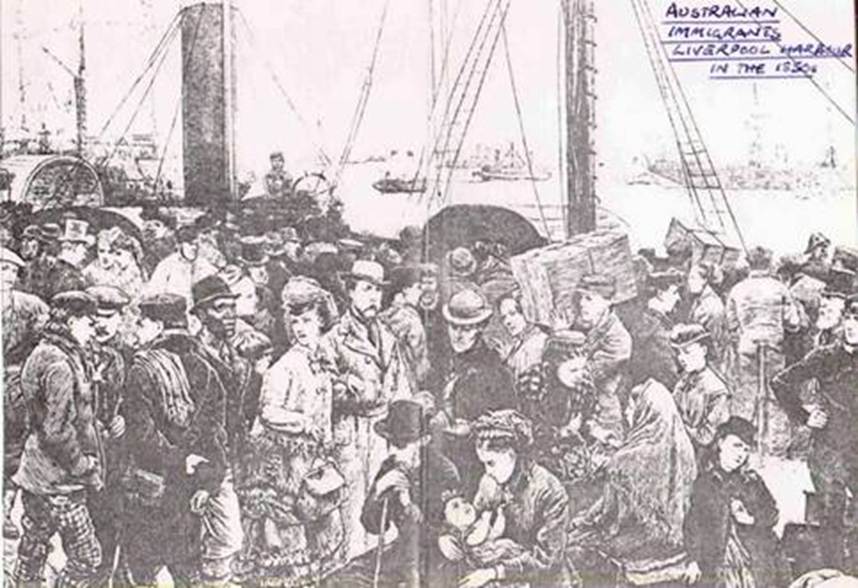
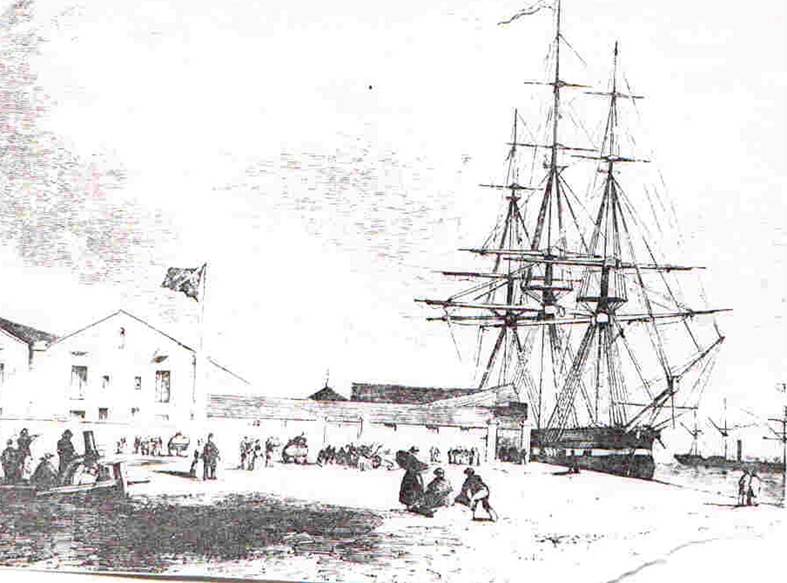
Australian
Emigrants, Liverpool Harbour in the 1850s The Bourneuf
at Liverpool Emigration depot in 1852. During its voyage, 88 passengers died of
consumption, diarrhoea, measles and other diseases
The SV
Argo was an American wooden sailing vessel designed for the trans-Atlantic
Packet trade, sailing regularly into New York in the 1840s. She ran aground off
Long Island in 1850 and lay there for a year until she was salvaged. She was
then sold to a new owner. She was operated by Caleb Grimshaw and Co in 1851 on
the New York route under Samuel Macoduck’s captaincy and transferred to the
Melbourne route, and the voyage to be joined by the Farndale family was the Argo’s
first voyage to Melbourne. About a year after her arrival in Melbourne, on 17
April 1854, the Argo met a violent hurricane somewhere in the vicinity
of Barbados, and she was abandoned, her resting place never found.
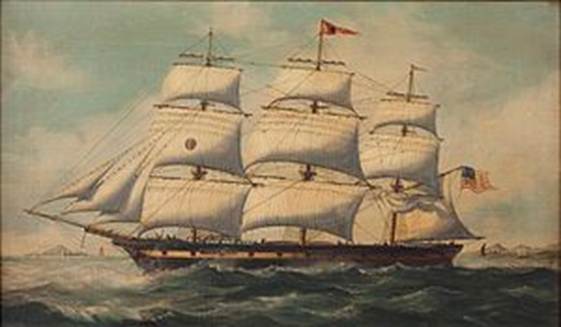
The
American packet ship Montezuma, built 1843, of similar size to Argo
The
Farndales must have felt the emotions and the excitement of their departure.
They would know little of Australia. Perhaps they had met a returning emigrant
and heard some stories. They were not looking for gold or a fortune, but simply
a new life. They knew of the perils of the journey, but for whatever reasons,
they left their homeland forever.
We must
presume that they travelled to Liverpool by a combination of railway and stage coach. It is unlikely that there was any family to see
them off, but their feelings must have been of great trepidation as the Argo
sailed out of Liverpool. Little remains now of what they took with them but we know they took a pillow case
woven from flax from Kilton which is still
with descendants in Australia. We know they took their feather beds and riding
saddles.
Aboard the Argo
were 242 passengers, each with a cabin trunk of tin or timber, a port-manteaux and hand luggage. The master was Sammuel
Macadock. The conditions would have been primitive, food simple and sickness
rife.
The Argo
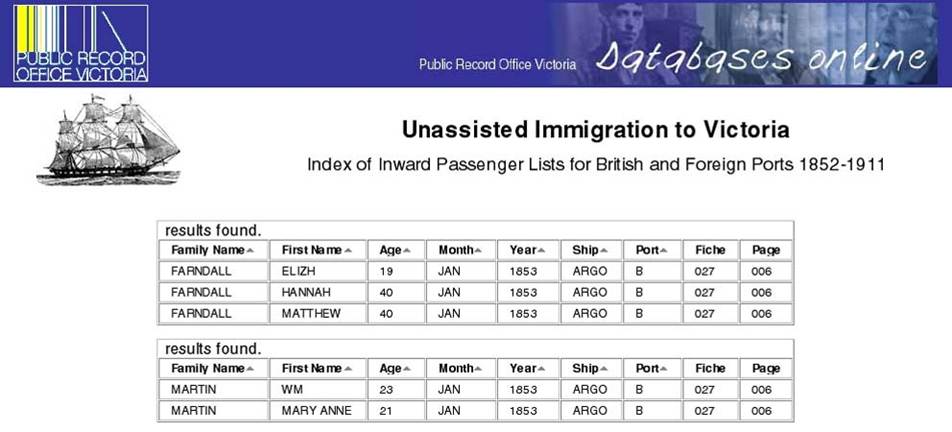
finally left Liverpool on 8 October 1852. Onboard were Matthew, Hannah, his
wife who was 45, Elizabeth, their youngest daughter who was 19 and Mary Ann
Martin, nee Farndale, who was 23, and her husband William Martin who was
also 23. On that day the Argo, 1030, Macoduck, C
Grimshaw, bound for Port Philip was in the River
outward Bound[11]. There was clearly an early problem
as there was a report on the same day that the Prince of Wales, and the Argo,
for Port Phillip, got in contact yesterday morning, while at anchor in the
river, owing to the latter breaking her shear. The Prince of Wales lost
funnel, quarter boats, bulwarks etc; but the Argo did not appear to have
sustained any damage.[12]
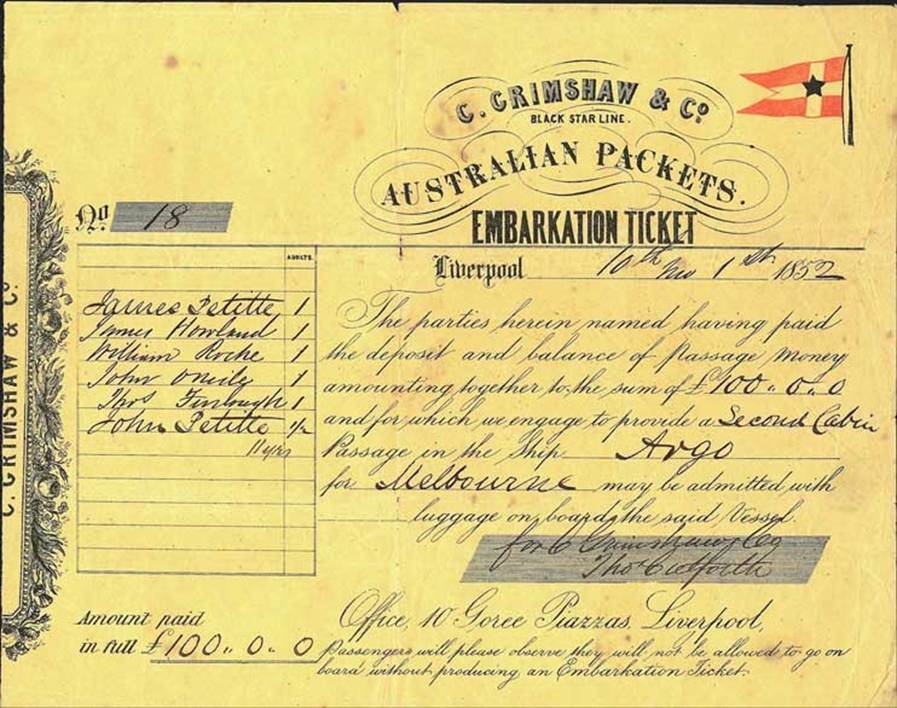
A fellow
genealogist, Andrew Pettit’s family were also on the Argo. His
great-great-grandfather and his son were also on the ship as part of a party of
ten travelling from Ireland to Melbourne[13].
By 12
October 1852 the Argo, for Port Philip was off Holyhead, at the tip of
Anglesey, at 8.30am.[14]
They would
be well out into the Bay of Biscay before they were used to the ship's routine
and much relieved to get their feet onto dry land at Cape Town, their likely
first port of call, probably some four weeks later. The voyage took 103 days or
just over 14 weeks. We do not know if they called into port again, perhaps
Freemantle in Western Australia, before they sailed up the Yarra
Yarra river to Melbourne. It was 19 January 1853, a
midsummer day, as they disembarked to a new life in a new world and to establish
the Farndale family in Australia.
The Argo
was a chartered American ship on its first voyage to Melbourne. The voyage
lasted 100 days arriving in Melbourne of 19 January 1853. It then departed
Melbourne on March 25, 1853, for Callas.
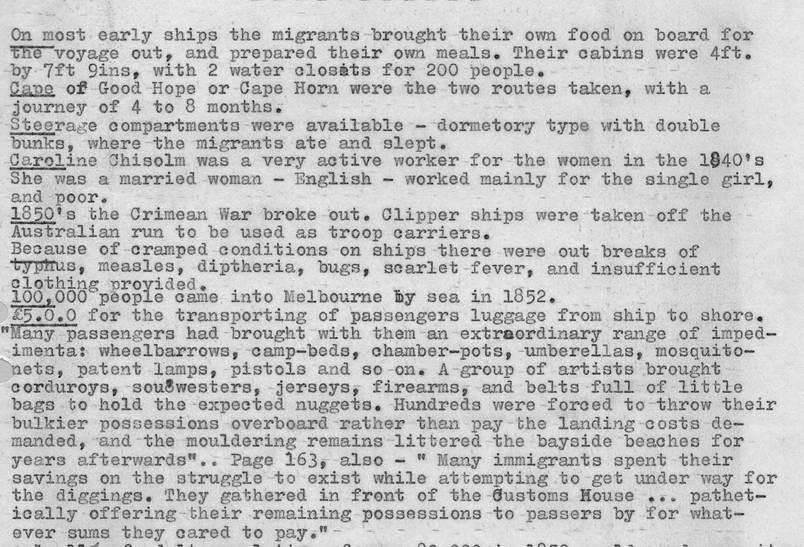
On most
early ships the migrants brought their own food on board for the voyage out and
prepared their own meals. Their cabins were 4ft. by 7ft. 9ins, with 2 water
closets for 200 people. Cape of Good Hope or Cape Horn were the two routes
taken, with a journey of 4 to 8 months. Steerage compartments were available -
dormitory type with double bunks, where the migrants ate and slept. 1850's: the
Crimean War broke out. Clipper ships were taken off the Australian run to be
used as troop carriers. Because of cramped conditions on ships there were out breaks of typhus, measles, diphtheria, bugs, scarlet
fever, and insufficient clothing provided. 100,000 people came into Melbourne
by sea in 1852. £5.00 for the transporting of passengers
luggage from ship to shore. "Many passengers had brought with them an
extraordinary range of impedimenta, wheelbarrows, camp-beds, chamber-pots,
umbrellas, mosquito-nets, patent lamps, pistols and so on. A group of artists
brought corduroys, sou'westers, jerseys, firearms, and belts full of little
bags to hold the expected nuggets. Hundreds were forced to throw their bulkier
possessions overboard rather than pay the landing costs demanded, and the
mouldering remains littered the bayside beaches for
years afterwards." "Many immigrants spent their summers in the
struggle to exist while attempting to get under way for the diggings. They
gathered in front of the Customs House for pathetically offering their
remaining possessions to passers by for whatever sums
they cared to pay."[15]
The rations
provided to passengers were quite good for the time and only two people died
during the voyage, two brothers named Custon who died
from diarrhoea.
By 1
November 1852, the voyage had reached Mauritius and encountered a hurricane
near Mauritius, but that in the same storm the Argo made part of her second
circuit, scudding round in the gale in the same direction[16]. They arrived in Melbourne Australia
on 19 January 1853, a journey of 103 days or some three months.
Melbourne
Melbourne, Boonwurrung, Woiwurrung or Naarm, is the capital of the
Australian state of Victoria, and today the second-most populous city in
Australia, after Sydney. The wider metropolitan area now stretches to 9,993
square kilometres and is known as Greater Melbourne. Indigenous Australians
have lived in the Melbourne area for about 40,000 years.
When
European settlers arrived in the early nineteenth century, about 2,000
hunter-gatherers from three regional tribes, the Wurundjeri,
Boonwurrung and Wathaurong, inhabited the
area. It was an important meeting place for the clans of the Kulin
nation alliance and an important source of food and water.
The first
British settlement in Victoria, then part of the penal colony of New South
Wales, was established by Colonel David Collins in October 1803, at Sullivan
Bay, near present-day Sorrento. The following year, due to a lack of resources,
these settlers relocated to Van Diemen's Land or present-day Tasmania and
founded the city of Hobart. It was then thirty years before another settlement
was attempted.
In May 1835,
John Batman, a leading member of the Port Phillip Association in Van Diemen's
Land, explored the Melbourne area. He claimed to have negotiated a purchase of
2,400 square kilometres with eight Wurundjeri
elders. Batman selected a site on the northern bank of the Yarra
River, declaring that this will be the place for a village before he
returned to Van Diemen's Land.
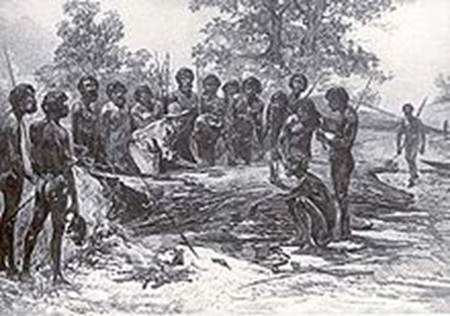
A late nineteenth
century artist's depiction of John Batman's treaty with a group of Wurundjeri elders
In August
1835, another group of Vandemonian settlers arrived in the area and established
a settlement at the site of the current Melbourne Immigration Museum. Batman
and his group arrived the following month and the two groups agreed to share
the settlement, initially known by the native name of Dootigala.
Batman's Treaty with the Aborigines was annulled by Richard Bourke, the
Governor of New South Wales, who at the time governed all of
eastern mainland Australia, with compensation paid to members of the association.
In 1836,
Bourke declared the city the administrative capital of the Port Phillip
District of New South Wales, and commissioned the first plan for its urban
layout, the Hoddle Grid, in 1837.
Known
briefly as Batmania, the settlement was named
Melbourne on 10 April 1837 by Governor Richard Bourke after the British Prime
Minister, William Lamb, 2nd Viscount Melbourne, whose seat was Melbourne Hall
in the market town of Melbourne, Derbyshire. That year, the settlement's
general post office officially opened with that name.
Between 1836
and 1842, Victorian Aboriginal groups were largely dispossessed of their land
by European settlers.
By January
1844, there were said to be 675 Aborigines resident in squalid camps in
Melbourne. The British Colonial Office appointed five Aboriginal Protectors for
the Aborigines of Victoria in 1839. However their work
was nullified by a land policy that favoured squatters who took possession of
Aboriginal lands.
By 1845,
fewer than 240 wealthy Europeans held all the pastoral licences then issued in
Victoria and became a powerful political and economic force in Victoria for
generations to come. Letters patent of Queen Victoria, issued on 25 June 1847,
declared Melbourne a city. On 1 July 1851, the Port Phillip District separated
from New South Wales to become the Colony of Victoria, with Melbourne as its
capital.
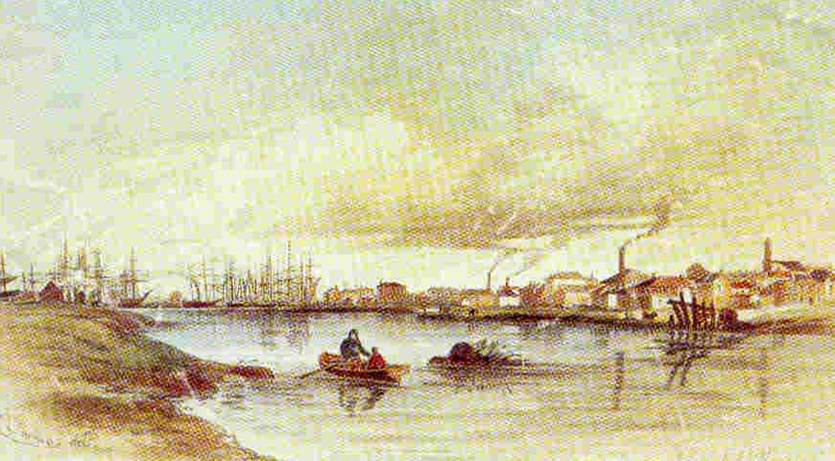
Melbourne,
1853 from below Princes Bridge
When the
Farndales arrived in Melbourne on 19 January 1853, they must have first spent some
time in Melbourne, perhaps first renting a house, hut or tent. There were still
only a few permanent buildings. Here they would have enquired after land.
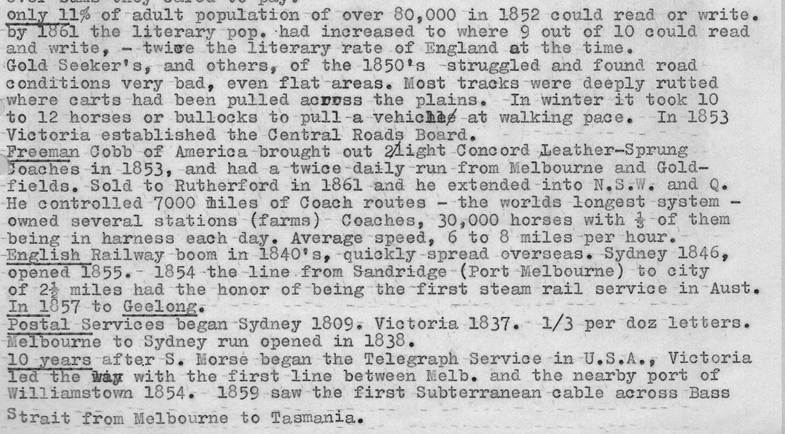
Only 11%
of adult population of over 80,000 in 1852 could read or write. By 1861 the
literary population had increased to 9 out of 10 able to read and write, twice
the literary rate of England at the time. Gold Seekers' and others of the
1850's struggled and found road conditions very bad, even flat areas. Most
tracks were deeply rutted where carts had been pulled across the plains. In
winter it took 10 to 12 horses or bullocks to pull a vehicle at walking pace.
In 1853 Victoria established the Central Roads Board. Freeman Cobb of America
brought out 2 light Concord Leather-Sprung Coaches in 1853 and had a
twice-daily run from Melbourne and Gold-Fields. Sold to Rutherford in 1861 and
he extended into New South Wales and Queensland. He controlled 7,000 miles of
Coach routes - the world’s longest system - owned several stations (farms).
Coaches, 30,000 horses with 1/3 of them being in harness each day. Average
speed, 6 (to 8) miles per hour. English Railway boom in 1840's, quickly-spread overseas. Sydney 1846, opened 1855. 1854 -
the line from Sandridge (Port Melbourne) to city of 2 miles had the honour of
being the first steam rail service in Aust. In 1857 to Geelong. Postal Services
began Sydney 1809, Victoria 1837. 1/3 per dozen letters. Melbourne to Sydney
run opened in 1838. 10 years after S. Morse began the Telegraph Service in
U.S.A, Victoria led the way with the first line between Melb.
and the nearby port of Williamstown 1854. 1859 saw the first Subterranean cable
across Bass Strait from Melbourne to Tasmania.[17]
The Gold
Rush
The
Farndales would have heard much of gold as they arrived since the Australian
Gold Rush was in full cry.
Gold had
been discovered in nearby Ballarat in 1851, causing the Geelong population to
grow to 23,000 people by the mid-1850s. To discourage the growing population to
the west, a false map was issued by Melbourne interests to new arrivals,
showing the quickest road to the goldfields as being via Melbourne. Melbourne,
the colony's major port, experienced rapid growth. Within months, the city's
population had nearly doubled from 25,000 to 40,000 inhabitants. Exponential
growth ensued, and by 1865 Melbourne had overtaken Sydney as Australia's most
populous city.
An influx of
intercolonial and international migrants, particularly from Europe and China,
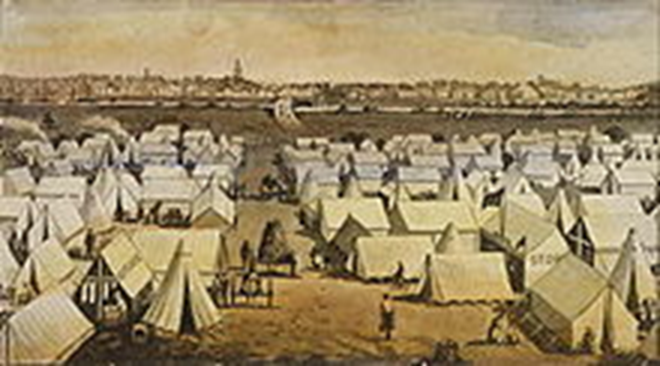
saw the establishment of slums, including Chinatown and a temporary tent
city on the southern banks of the Yarra.
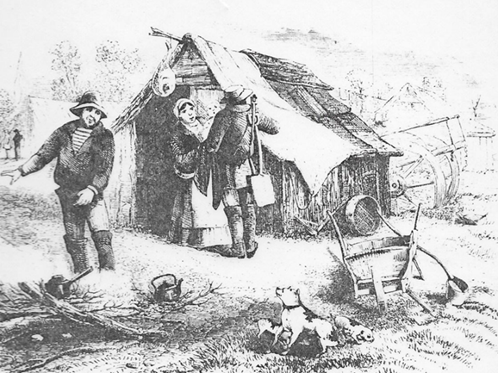
Life in
the Goldfields
South Melbourne's "Canvas Town" provided temporary
accommodation for the thousands of migrants who arrived each week during the 1850s
gold rush
In the
aftermath of the Eureka Rebellion in 1854[18], mass public-support for the plight
of the miners resulted in major political changes to the colony, including
improvements in working conditions across mining, agriculture, manufacturing
and other local industries. At least twenty nationalities took part in the
rebellion, giving some indication of immigration flows at the time.

A large
crowd outside the Victorian Supreme Court, celebrating the release of the
Eureka rebels in 1855
The
growth of Melbourne
With the
wealth brought in from the gold rush and the subsequent need for public
buildings, a programme of grand civic construction soon began. The 1850s and
1860s saw the commencement of Parliament House, the Treasury Building, the Old
Melbourne Gaol, Victoria Barracks, the State Library, University of Melbourne,
General Post Office, Customs House, the Melbourne Town Hall, St Patrick's
cathedral, though many remained uncompleted for decades. The layout of the
inner suburbs on a largely one-mile grid pattern, cut through by wide radial
boulevards and parklands surrounding the central city, was largely established
in the 1850s and 1860s. These areas rapidly filled with the terrace houses, as
well as with detached houses and grand mansions, while some of the major roads
developed as shopping streets.
In 1855, the
Melbourne Cricket Club secured possession of its now famous ground. Members of
the Melbourne Football Club codified Australian football in 1859, and in 1861,
the first Melbourne Cup race was held. Melbourne quickly became a major finance
centre, home to several banks, the Royal Mint, and in 1861 Australia's first
stock exchange.
With the
gold rush largely over by 1860, Melbourne continued to grow on the back of
continuing gold-mining, as the major port for
exporting the agricultural products of Victoria, especially wool, and with a
developing manufacturing sector protected by high tariffs. An extensive radial
railway network spread into the countryside from the late 1850s. Construction
started on further major public buildings in the 1860s and 1870s, such as the
Supreme Court, Government House, and the Queen Victoria Market. The central
city filled up with shops and offices, workshops, and warehouses. Large banks
and hotels faced the main streets, with fine townhouses in the east end of
Collins Street, contrasting with tiny cottages down laneways within the blocks.
The Aboriginal population continued to decline, with an estimated 80% total
decrease by 1863, due mainly to introduced diseases, particularly smallpox,
frontier violence and dispossession of their lands.
The decade
of the 1880s saw extraordinary growth, consumer confidence, easy access to
credit, and steep increases in land prices led to an enormous amount of
construction. During this land boom, Melbourne reputedly became the richest
city in the world, and the second largest after London in the British Empire.
The decade began with the Melbourne International Exhibition in 1880, held in
the large purpose-built Exhibition Building. In 1880 a telephone exchange was
established, and in the same year the foundations of St Paul's, were laid. In
1881 electric light was installed in the Eastern Market, and in the following
year a generating station capable of supplying 2,000 incandescent lamps was in
operation. In 1885 the Melbourne Tramway Trust built the first line of the
Melbourne cable tramway system, which became one of the world's most extensive
systems by 1890. In 1885 visiting English journalist George Augustus Henry Sala
coined the phrase Marvellous Melbourne. Melbourne's land-boom reached a
peak in 1888, fuelled by consumer confidence and escalating land-value. As a
result of the boom, large commercial buildings, grand edifices, banks, coffee
palaces, terrace housing and palatial mansions proliferated in the city. The
establishment of a hydraulic facility in 1887 allowed for the local manufacture
of elevators, resulting in the first construction of high-rise buildings; most
notably the APA Building, amongst the world's tallest commercial buildings upon
completion in 1889. This period also saw the expansion of a major radial
rail-based transport network. In 1888
the Exhibition Building hosted a second event, even larger than the first: the
Melbourne Centennial Exhibition. This spurred the construction of numerous
hotels, including the 500-room Federal Hotel, The Palace Hotel in Bourke
Street, and the doubling in size of the Grand Windsor.
A brash
boosterism that had typified Melbourne during this time ended in the early
1890s with a severe economic depression, sending the local finance and property
industries into a period of chaos, during which sixteen small land banks and
building societies collapsed, and 133 limited companies went into liquidation.
The Melbourne financial crisis was a contributing factor in the Australian
economic depression of the 1890s and in the Australian banking crisis of 1893.
The effects of the depression on the city were profound, with virtually no new
construction until the late 1890s.
Moving on
However the
Farndales did not settle in Melbourne when they arrived in Victoria in January
1853. Someone advised them to move west to Western Victoria around Colac. There
was not much there. It was a risk, but they took it. They moved to a land of
bush, huge gum trees, scrub, native wattle huts and bracken. There were no
roads, so they had to assemble stores, equipment and prepare to move. They
would probably have had a large wagon hauled by bullocks and a few horses. They
would have found their way across country, crossing rivers where they could,
until they came to Geelong, perhaps 60 miles into their route, which might have
taken about a week. They would have camped outdoors listening to the strange
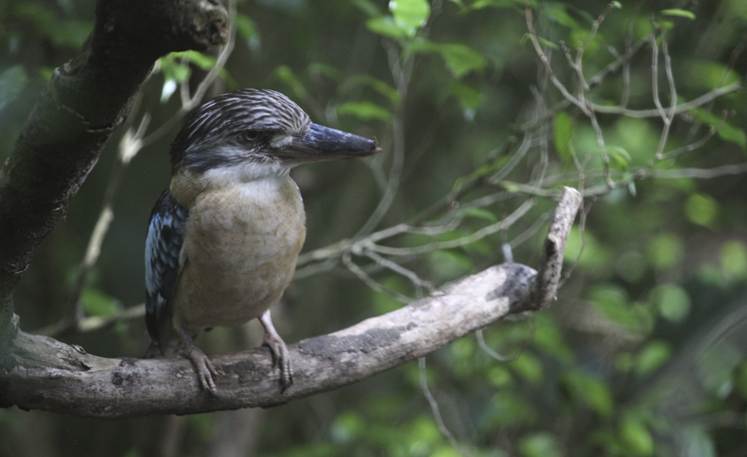
new sounds of a strange new land and seen unrecognised the birds. The most
unusual would have been the kookaburra with its hearty laugh, but magpies would
have reminded them of Yorkshire.
The land and
the sky, with the southern cross would all be new, strange and different. They
would have seen signs of aborigines who still lived in the area outside
Melbourne and would have seen the settlers with suspicion. The heat of the day
would be much more than anything they had ever experienced before and the
terrible insects and flies would have been difficult to bear. They would have
been dirty and weary, the women in their long skirts sweeping the ground when
they rested at Winchelsea. Then on to Colac where they must have stayed
sometime looking for land.
For whatever
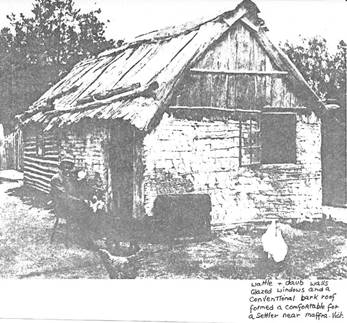
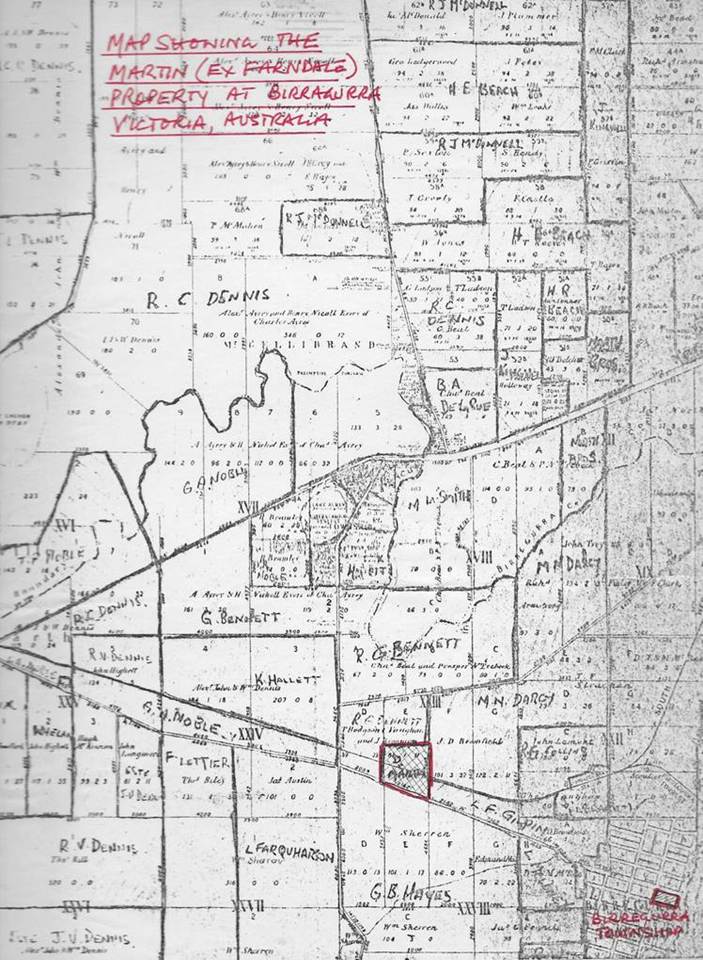
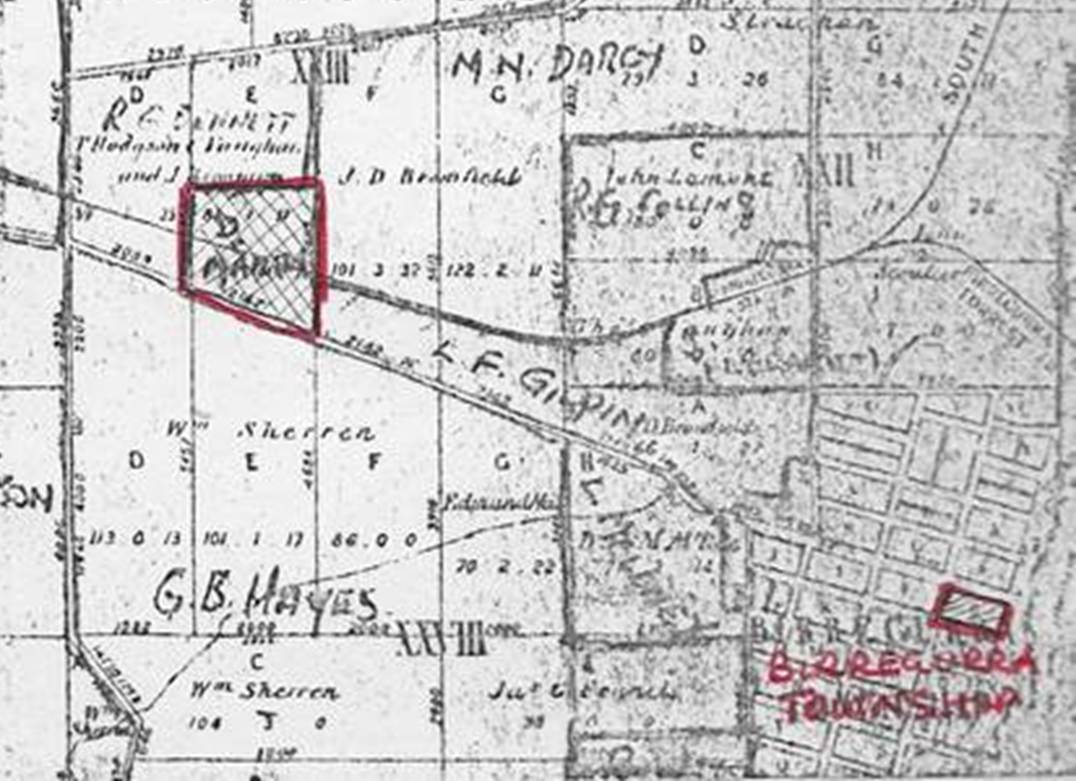
reason they ended up at Birregurra and selected land there. Their first task
was to build a house which they did made of earth, grass and water.
They must
then have planted crops and collected animals, in particular sheep. Sometime
later, perhaps a year or two, they built a small house of timber with a tin
roof. They called it Hawthorne from the hawthorn they had planted on
arrival. Hawthorn stills grows there.
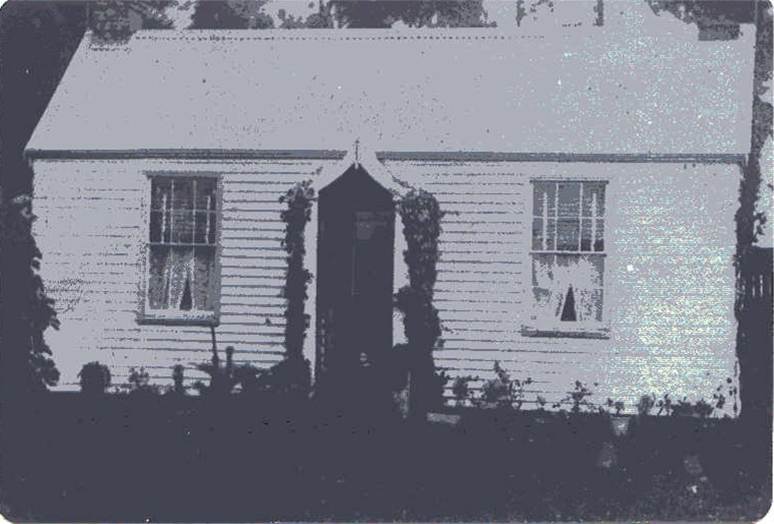
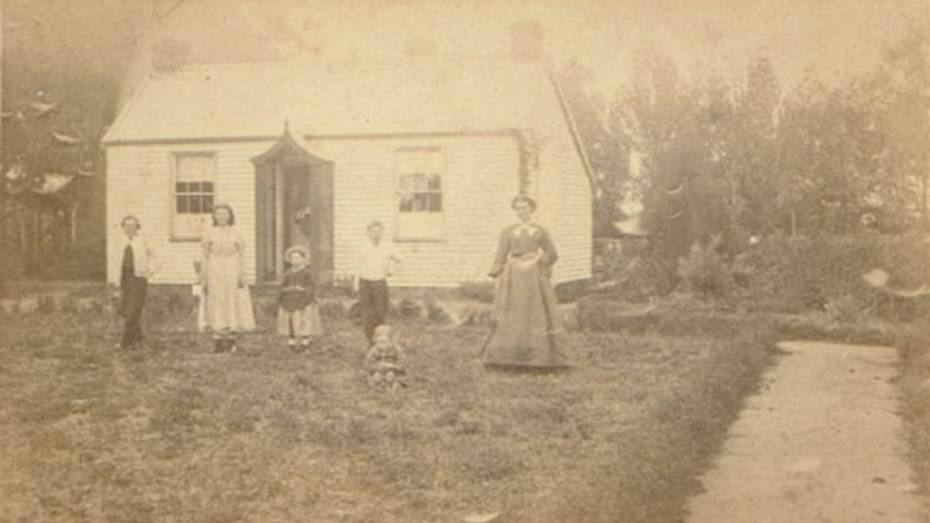
Hawthorne, Birregurra, The Garden of Eden
Birregurra is about 130 kilometres
southwest of Melbourne. The town is divided today between the Shire of Colac
Otway and the Surf Coast Shire. In 2016 Birregurra had a population of 828. Birregurra
is an Aboriginal word thought to mean kangaroo camp.
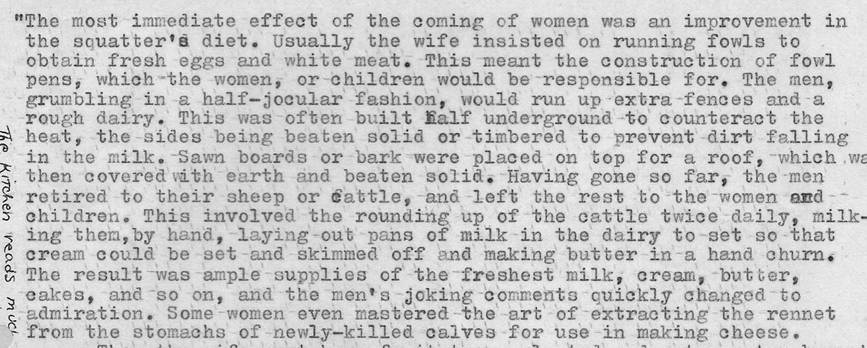
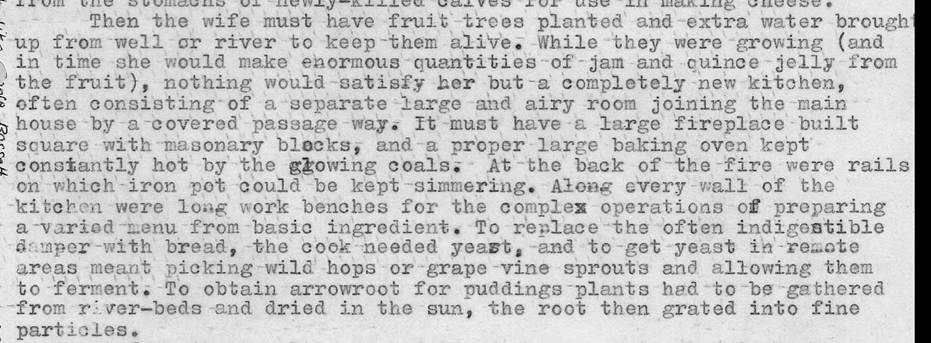
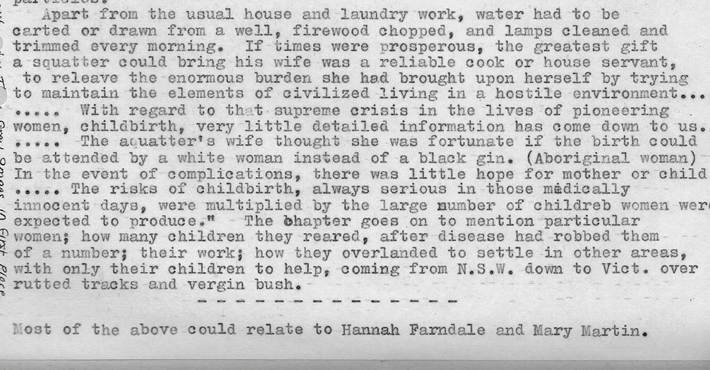
In 1839, the
Wesleyan missionaries and colonial government established the Buntingdale Mission Station in the area. This was
Victoria's first Aboriginal mission. A Post Office had opened in the area on 1
October 1858 and was renamed Mount Gellibrand in 1894, a few days before
another office nearby was opened as Birregurra.
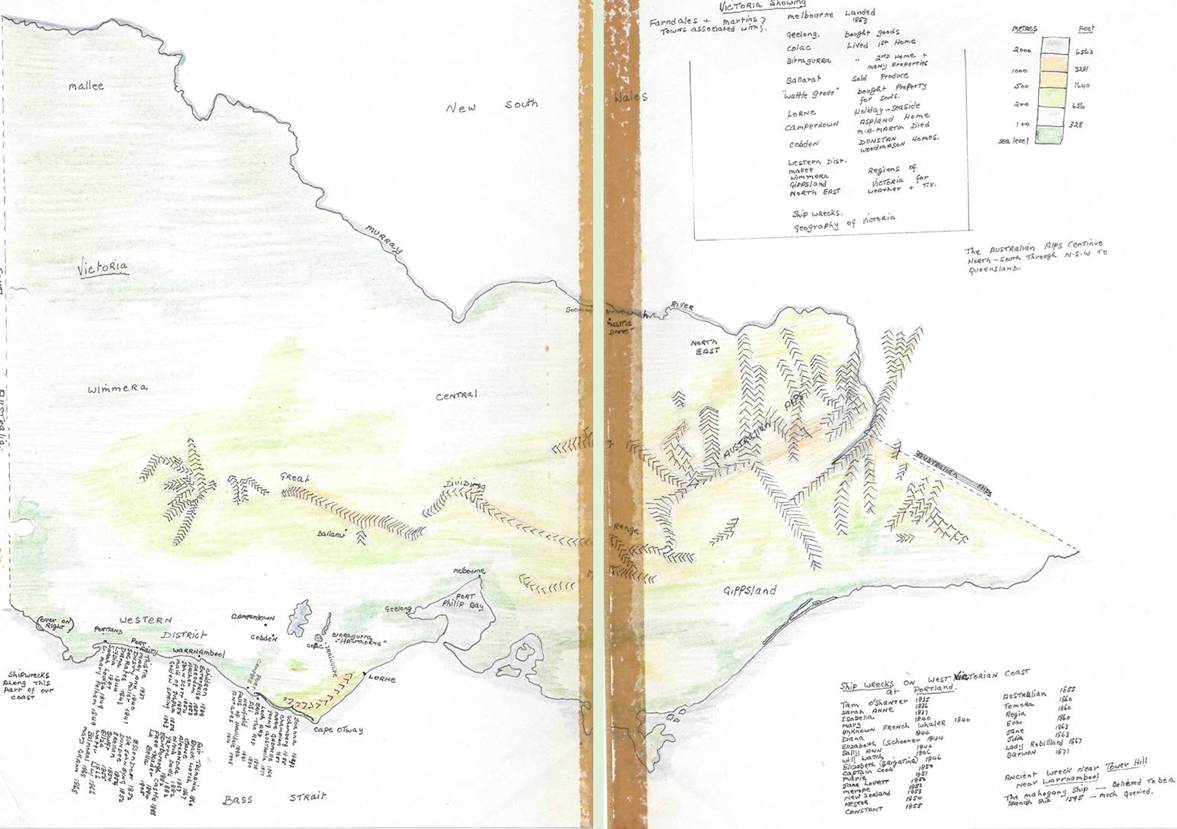
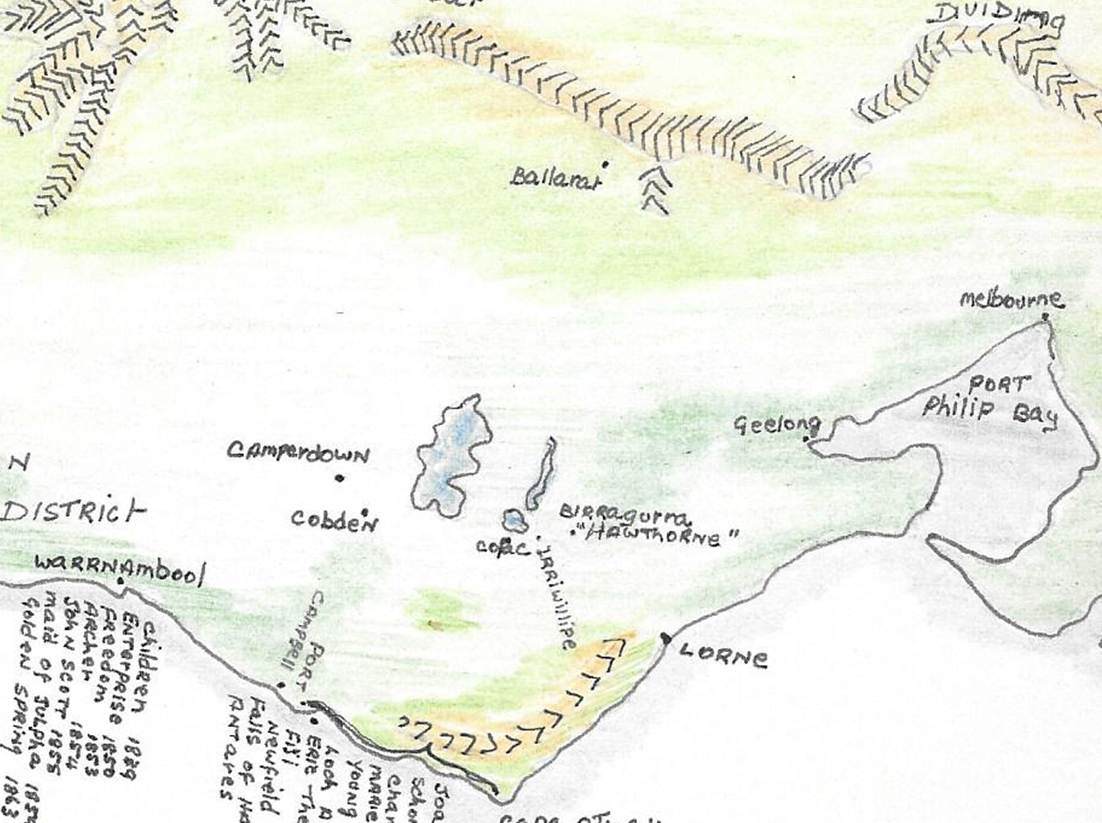
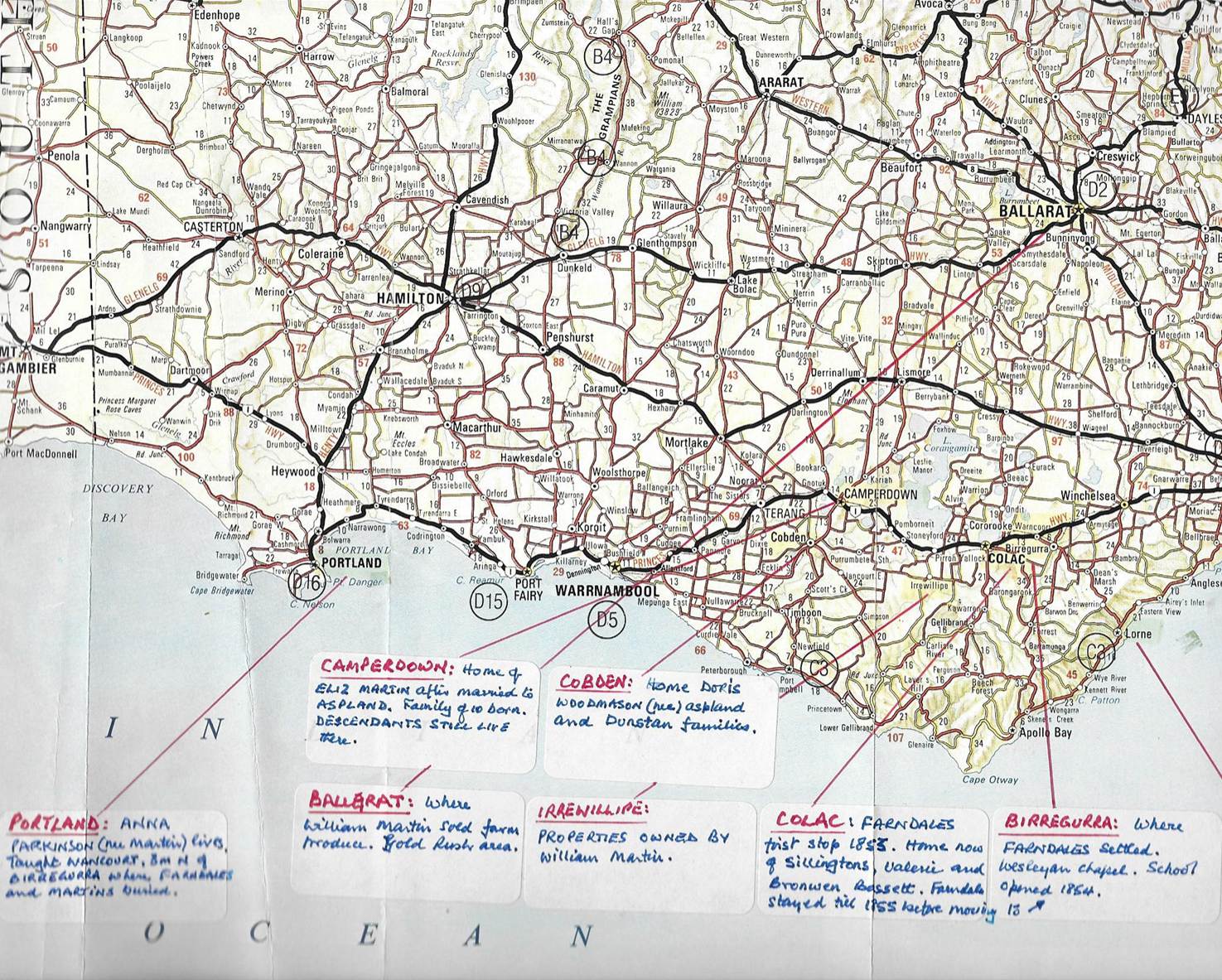
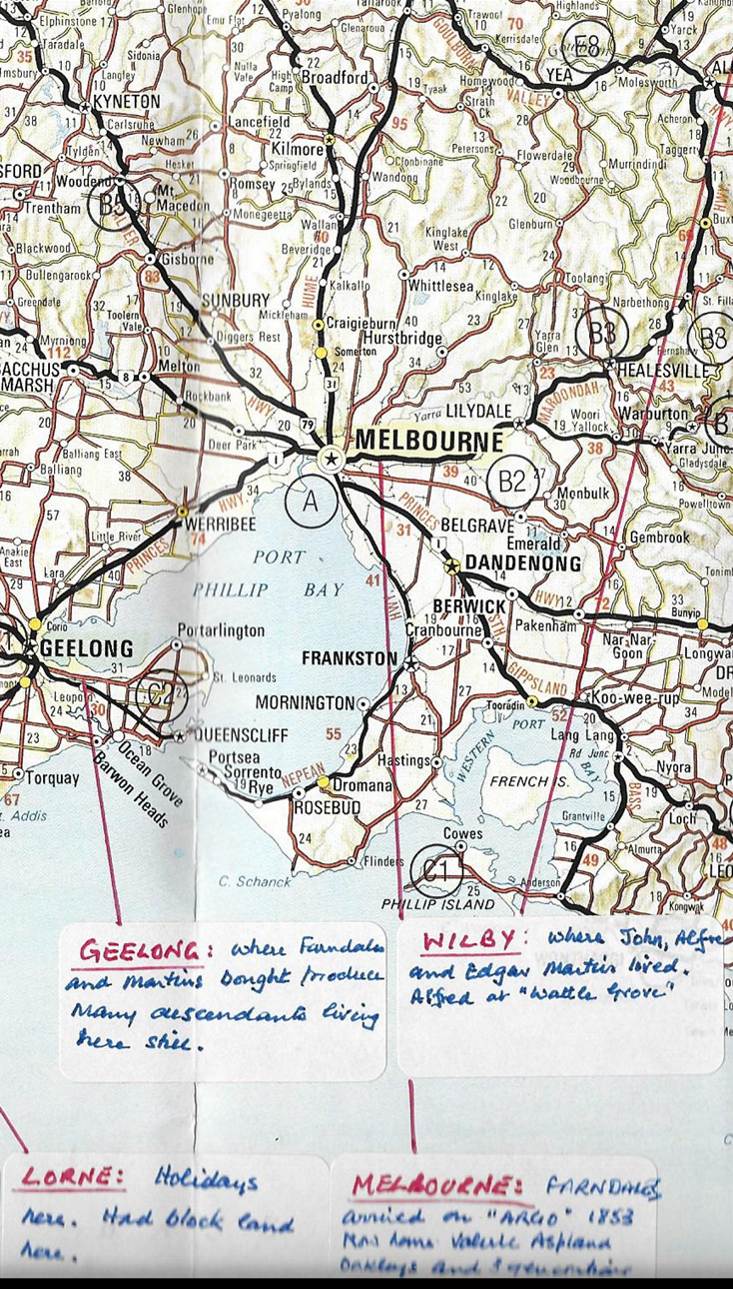
As the years
passed the farm grew. William Martin would take their produce to Ballarat and
Geelong and buy provisions. That was still a long cross
country journey lasting many days. Cows and pigs were added and the farm
buildings extended in size until it resembled a Yorkshire farm
house.
Geelong
Geelong was the
centre from where the Farndales and the Martins and their descendants
bought supplies.
Geelong is a
port city on Corio Bay and the Barwon River, seventy-five kilometres southwest
of Melbourne and the second largest Victorian city. Geelong was named in 1827,
from the local Wathaurong aboriginal name for
the region, Djillong, thought to mean tongue
of land or peninsula. The area was first surveyed in 1838, three weeks
after Melbourne. The post office was open by June 1840. The first wool store
was erected at this time and it became the port for
the wool industry of the Western District.
As to
Geelong, with many advantages over Melbourne, it is exceedingly backward. The
trade of this place compared with Melbourne is a mere nothing; our merchants
are few, but good honest sterling men; but suffering as they do, great
discontent prevails. Our ships and our letters generally go first to Melbourne;
the only obstacle to our shipping is the bar. For years and years application
has been made by the inhabitants to the Government for assistance in clearing
it away. Not one shilling has been expended, excepting by the inhabitants, who
have paid surveyors’ expenses time after time. Their work hangs in an office,
and the bar remains untouched, and is very likely to remain so for long and
many a day. If this bar was removed, and shipping came up to the town, Geelong
must become a place of vast importance. It has a fine harbour, and great
advantages over Melbourne. That most excellent Governor-General Sir R. Bourke,
made a choice, and placed Melbourne where it stands. He also visited Geelong.
He was delighted with the place and country.[19]
During the
gold rush, Geelong experienced a brief boom as the main port to the rich
goldfields of the Ballarat district. The city then diversified into
manufacturing, and during the 1860s, it became one of the largest manufacturing
centres in Australia with its wool mills, ropeworks, and paper mills. The first
issue of the Geelong Advertiser newspaper was published in 1840 by James
Harrison, who also built the world's first ether vapour compression cycle
ice-making and refrigeration machine in 1844, later being commissioned by a
brewery in 1856 to build a machine that cooled beer.
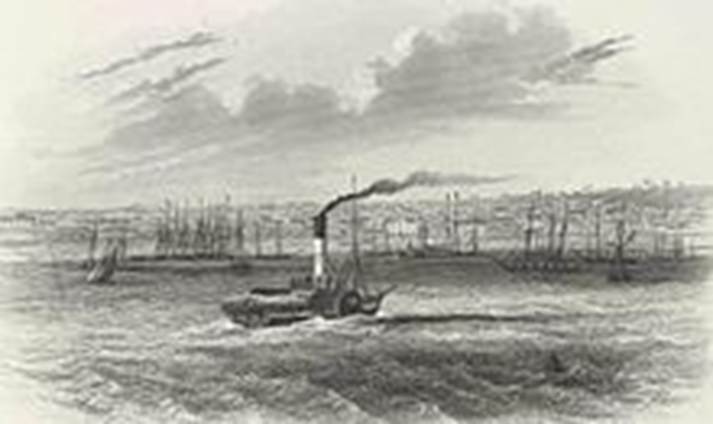
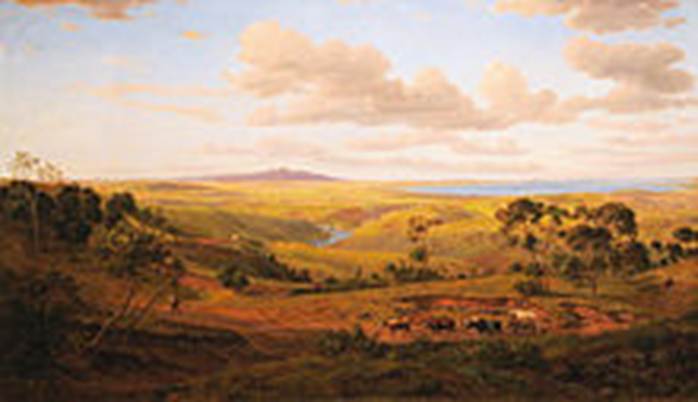
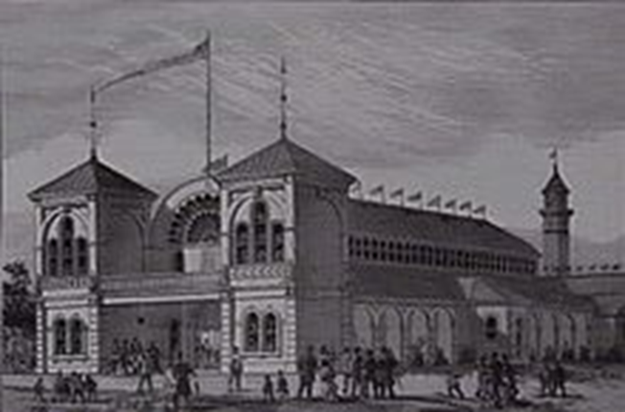
A paddle
steamer approaches Geelong Harbour in 1857 Geelong in 1856
Exhibition Building and Market Square Clocktower in 1879
The Geelong
Hospital was opened in 1852, and construction on the Geelong Town Hall began in
1855. Development of the Port of Geelong began with the creation of the first
shipping channel in Corio Bay in 1853. The Geelong to Melbourne railway was
built by the Geelong and Melbourne Railway Company in 1857.
Rabbits were
introduced to Australia in 1859 by Thomas Austin, who imported them from
England for hunting purposes at his Barwon Park property near Winchelsea.
One of
Geelong's best-known department stores, Bright and Hitchcocks,
was established in 1861, and the Her Majesty’s Prison Geelong built using
convict labour, was opened in 1864.
The gold
rush had seen Ballarat and Bendigo grow larger than Geelong in terms of
population. Melbourne critics dubbed Geelong Sleepy Hollow. A number of industries became established in Geelong,
including Victoria's first woollen mill at South Geelong in 1868. In 1869, the
clipper Lightning caught fire at the Yarra
Street pier and was cast adrift in Corio Bay to burn before finally sunk by
artillery fire. Improvements to transport saw Geelong emerge as the centre of
the Western District of Victoria, with railway lines extended towards Colac in
1876, and to Queenscliff in 1879. Construction of the
Hopetoun shipping channel began in 1881 and completed in 1893.
The Geelong
Cup was first held in 1872, and Victoria's first long-distance telephone call
was made from Geelong to Queenscliff on 8 January
1878, only one year after the invention of the device itself. Geelong was also
the home of a prosperous wine industry until the emergence of the grapevine
eating insect Phylloxera vastatrix in 1885,
which killed the industry until the 1960s. Between 1886 and 1889, the central
business district's major banks and insurance companies erected new premises.
Further industrial growth occurred with the Fyansford
cement works established in 1890.
The town
became known as the Pivot in the 1860s owing to its being a central rail
and shipping hub to Melbourne, Ballarat, and the western district. Inhabitants
of Geelong were often known as a Geelongites or Pivotonians.
Birregurra
Mathew’s
daughter Mary Ann
and her husband William Martin had their first child born on 19 December 1853,
Elizabeth Clarissa Teresa Martin[20]. Marion Amelia Susanna Martin
followed in 1856 and Anna Maria Martin in 1858. Their first son John Matthew Martin
was born in 1860 and Alfred Miro Vitericus Martin in 1863. Ada Melinda Martin
was born in 1864, Mary Matilda Martin in 1867 and Martin Edgar Martin , the youngest in 1869. John and Alfred took up
farming in the Booma Noomanah area.
|
The
descendants of Matthew and Hannah Farndale |
In May 1857,
there was tension in Colac politics when a group of the electorate, including
Matthew Farndale wrote, Sir, We the undersigned electors of the district of
Colac, having through our local committee now repeatedly requested you will
meet the electors, and you having declined attending their meetings, and
refused to acknowledge their rights to demand your attendance, and having
ignored the committee appointed by the almost unanimous voice of the people;
and, further, having absented yourself from the legislative assembly at this
most critical time, without consulting your constituents, we, therefore the
underside undersigned electors of the district of Colac, call upon you to
resign your seat in the legislative assembly.[21]
Old Matthew
was to see his second daughter Elizabeth Farndale
marry William Darby in 1859 and several of his daughter Mary Ann's family
also married before his death making him a great grandfather.
William
Darby was from Ely, England. William and Elizabeth had no children. William had
been involved in the gold rush but probably before his marriage. There was a
William Darby who was single who was born in 1830 and travelled to Melbourne on
the Invincible in 1858, aged 28.
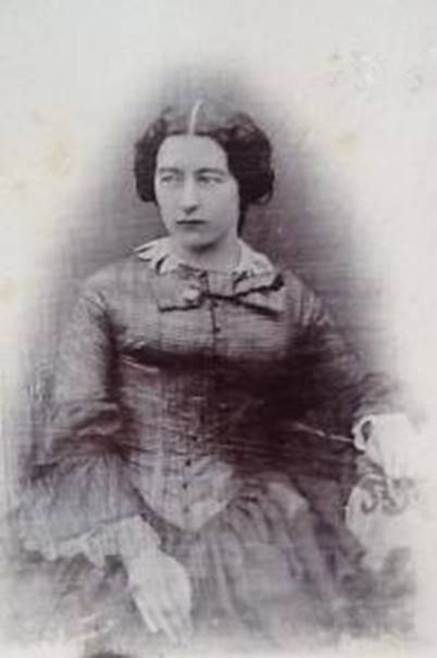
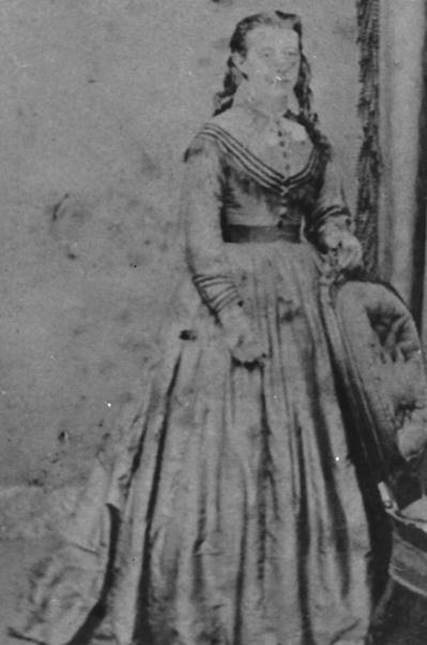
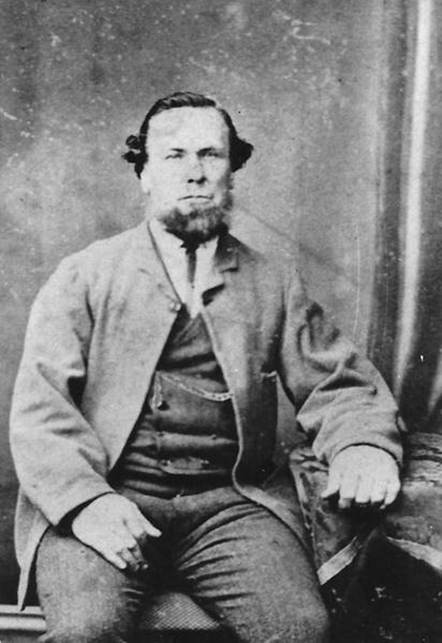
Elizabeth
Farndale who married William Darby William Darby of Ely
who married Elizabeth Farndale in Victoria, Australia
The Darbys
ran a general store at Colac East.
In 1870 the
railway reached Colac. In August 1874 a deputation, representing the
inhabitants of Birregurra, was introduced to the Commissioner for the Railways
yesterday by Mr Connor, MLA. They came to express their apprehension that the
black line, according to the survey now in progress, would not come nearer to
Birregurra than four miles, and they felt sure that the line as originally
surveyed, to run through the township, would be much more advantageous to the
inhabitants generally.[22]
The railway
did reach Birregurra in 1877 as part of the line to the south
west of the state. In October 1878 this morning’s train from Colac
broke down soon after leaving Birregurra, one of the valves of the engine
bursting.[23]
Matthew
Farndale helped to establish the Birregurra Methodist Church. In July 1878 Mr
Edward Darling, Clerk of Courts at Steiglitz, has
been appointed a Commissioner of the Supreme Court. The following have been
appointed trustees. Mr John Bell, for land temporarily reserved as a site for a
cemetery at Bambra, in the room of Mr J. Dennithorne,
who has left the colony; Messrs Alex. and Richard Dennis, Samuel Gilbert,
Samuel Talbot, and Matthew Farndale, for land temporarily reserved as a site
for Wesleyan Church purposes at Birregurra; Messrs Francis Orinon
and Chas. Shannon, for land reserved as a site for a Presbyterian place of
worship and minister's dwelling in the town of Geelong.
Methodism
was introduced to Birregurra by 1863. Birregurra, which this month
celebrates a centenary of methodism in the district, can claim to be the cradle
of Methodism in Victoria. Birregurra and its immediate neighbourhood will long
recall memories of the early Methodist Church in this state. Methodism was first
introduced there by the Wesleyan Missionary Society in London at the request of
the Reverend John Orton, when the Reverend Francis Tuckfield who arrived at
Port Philip in July 1838, took charge of the first mission to the aborigines in
Victoria. He established the headquarters of the Wesleyan Society in Port
Phillip district at Buntingdale
and it was from here that he, with the assistance of the Reverend Benjamin
Hurst, who arrived in February 1839, worked his huge circuit which extended to
the Yarra until 1840.
It is
also interesting to note that Mr Haskins who was familiarly known as the “Old
Bishop” conducted services In Mr Kettle’s barn prior to the erection of the
Wesleyan Chapel and that his son, John Haskins junior, opened the first
government school in Birregurra district during 1854.
Among
other staunch supporters of methodism in the circuit, who were also residents
of Birregurra and district in the early days were Mr and Mrs M Farndale and Mr
and Mrs Bramley. Mr Farndale was one of the usual leaders at the prayer
meetings conducted by Mr Usher at Colac from 1856 onward. These meetings were
held at the presbytery and place of worship or a Methodist Church with erected
there. [24]
In 1956 it
was recalled that it is nearly 100 years, in 1858, since the picturesque
church at Warncoort was built, a period which has
been most remarkable for the development which has occurred in the district. In
that century, the countryside has been completely transformed
and the wide almost unpopulated area has become a closely settled place
supporting thousands of people. At the unveiling ceremony, Mr Strickland
expressed his pleasure at renewing acquaintances with so many of the friends he
had made during his term in the Colac district and at being given the
opportunity of participating in that historic ceremony. He was glad to see the
present descendants of those of the original trustees, the late Messrs
Alexander Dennis, Matthew Farndale, and Thomas Butcher.[25]
It was also
later recalled that in these days when so much emphasis is being placed on
the importance of youth in business and national affairs, it is interesting to
quote an example from the early history of this district of a man whose
enterprise, courage and energy had not become extinguished at an age when
people now regard them as worn out. This man was the late Matthew Farndale one
of the very first trustees of the Warncoort Methodist
Church referred to in the recent ceremony at Warncoort.
From the
Dales of Yorkshire where his ancestors had been on the land for centuries, Mr
Farndale made up his mind to come to this distinct southern land, then in its
infancy. And so, more than a century ago accompanied by his two daughters, his
wife and a son-in-law, he sailed 12,000 miles in three months to make a new
home. The son-in-law married one of the daughters at the last minute when he
decided also to take part in the great adventure. Mr Farndale was buried in the
Warncoort cemetery in 1882. He was aged 90 when he
died. He left England when he was 62 years of age. At Warncoort
on Sunday a descendant placed a wreath on the grave of a great grand father she had never seen.
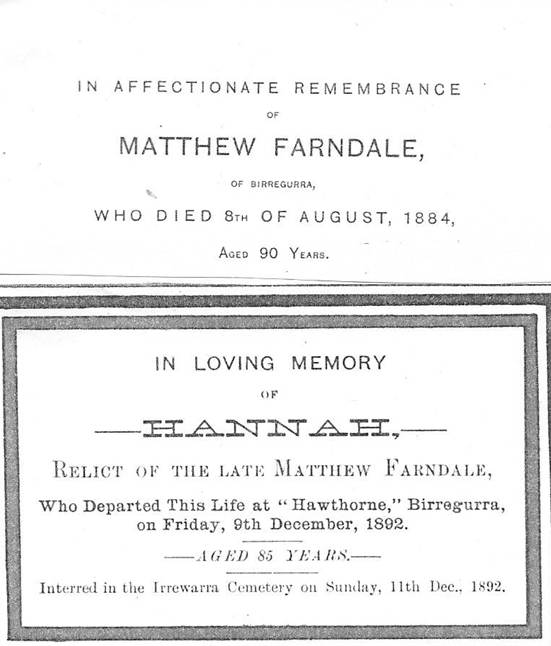
Matthew
Farndale died at the age of 90 at Birregurra, Australia on 8 August 1884. We
regret to record the death of Mr. Matthew Farndale, a very old and respected
resident of this district, which took place on Friday last at his residence,
Birregurra. Mr. Farndale, who had reached the great old age of 90 years, was a
wonderfully robust and sound constitutioned man, but,
of course, during late years a general breaking up of the system was taking
place, and his death was not unexpected. His remains were interred in the Irrewarra cemetery yesterday afternoon in the presence of a large number of friends and acquaintances of the family.[26]
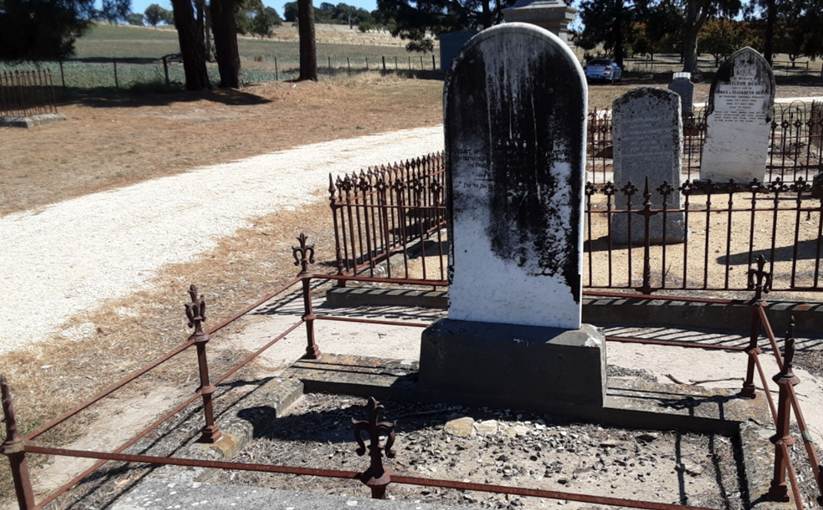
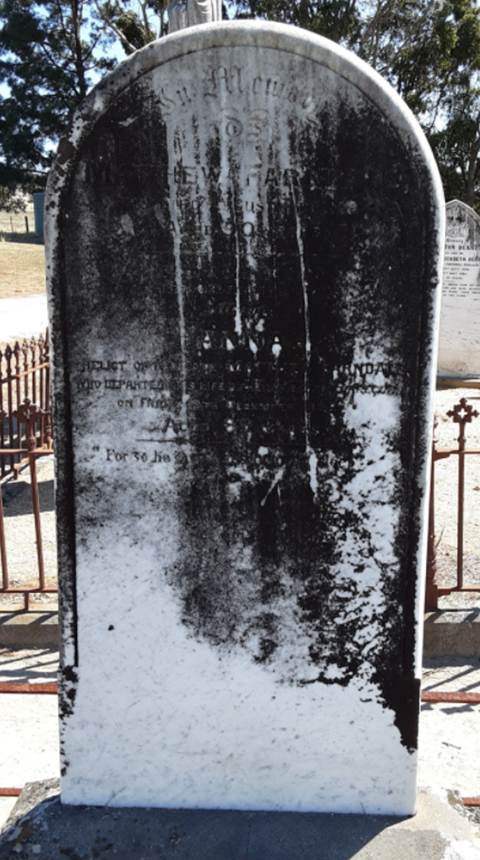
The grave of
Matthew and Hannah at Warncoort cemetery, Australia
reads In Memory Matthew Farndale Who died August 8th 1884 Aged 90 years
Blessed are the dead Who die in the Lord Also of Hannah Relict of the late
Matthew F Who departed this life at Hawthorne, Birrgurra
On Friday 9 December 1892 Aged 85 years For so he giveth is beloved sleep.[27]
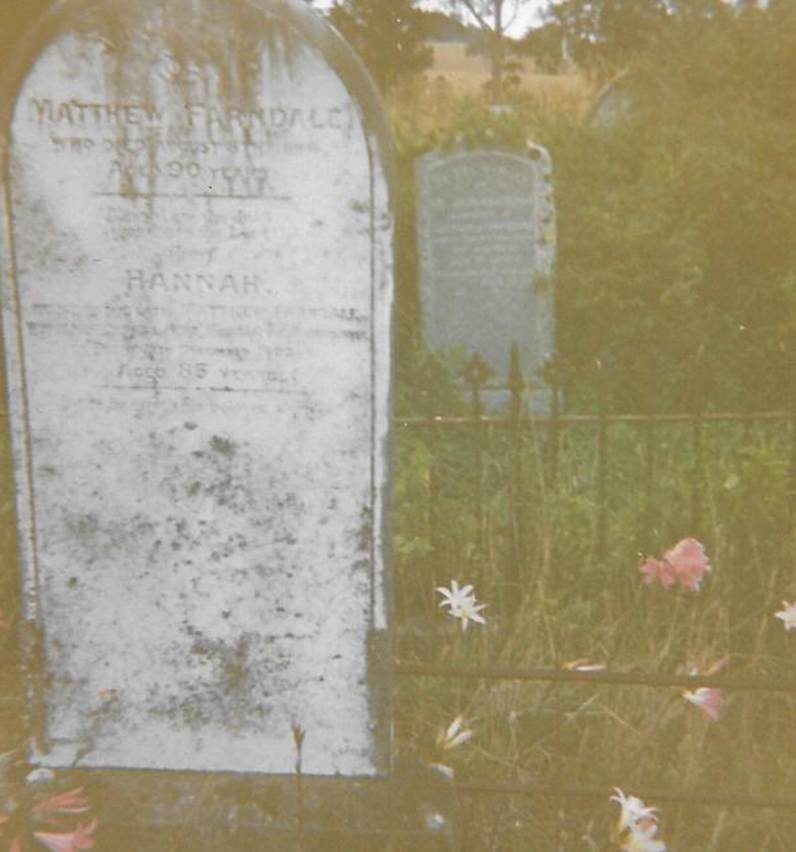
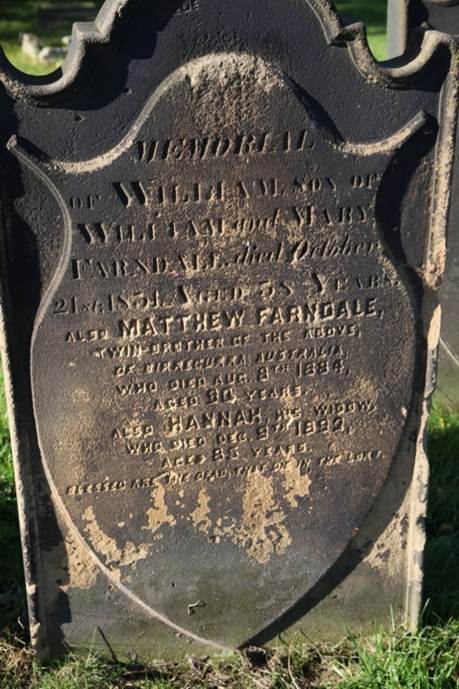
His death is
also memorialised on the tombstone of his twin brother William Farndale
at Brotton. Memorial of William, son of
William and Mary Farndale died 21 October 1831 aged 33 and
also to Mathew Farndale twin brother of the above of Birregurra,
Australia who died 8 August 1884 aged 90 years. Also
Hannah his widow who died Dec 9 1892 aged 85 years.[28]
Hannah
Farndale died at the age of 84 at Birregurra, Australia on 9 December 1892.
Hawthorne’s
End
Sadly the
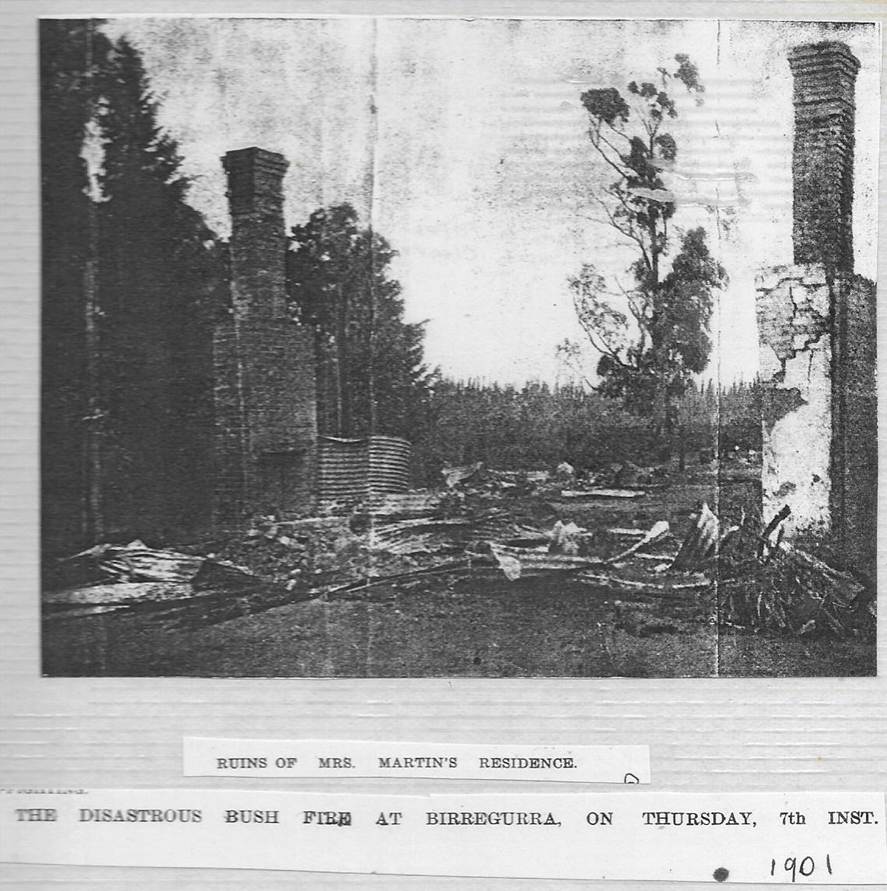
whole property at Birregurra was destroyed by a bush fire in 1901 when all
Western Victoria was set alight.
Elizabeth
Darby died at Colac, Victoria in 1918 at the age of 84. Mrs Wm. Darby, an old and well known resident of Colac for the past 65 years, passed
away on Thursday morning, at the advanced age of 84 years. The deceased lady
arrived in the town in 1853, in company with her parents (Mr and Mrs Farndale)
and her sister (Mrs W Martin) and a few years later married the late Mr W.
Darby, who for many years carried on a general store at Colac east. Mrs Darby
was of a kindly and genial disposition, and endeared
herself to a large circle of friends. For a considerable time past she suffered
from partial blindness, but she bore this affliction with more than ordinary
resignation. Nothing delighted her more than for some relative or friend to
drop in and read to her the news of the day, the changing fortunes of the war
being followed with keen interest. Even up to the last, though suffering
intense bodily pain, her bright and cheerful temperament still
remained with her, Christian fortitude and endurance being fully
exemplified. The funeral of deceased is timed to leave her late residence at
half past ten o'clock this (Saturday) morning, for the Colac cemetery.[29]
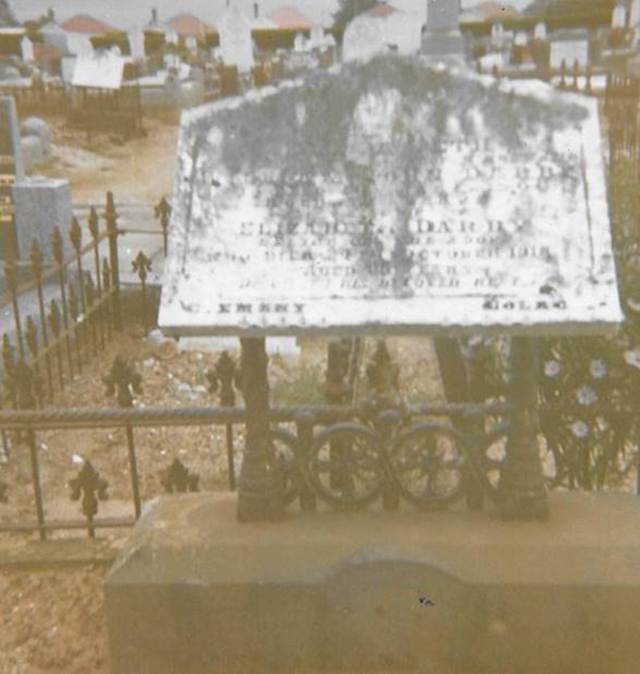
Grave of
William and Elizabeth Darby at Colac Cemetery, Victoria, Australia
Erected
By Elizabeth In memory of her beloved husband William
John Darby Died 16 January 1906 aged 79 years Also To
Elizabeth Wife of the above Who died on ? October 1918.
The
Martins
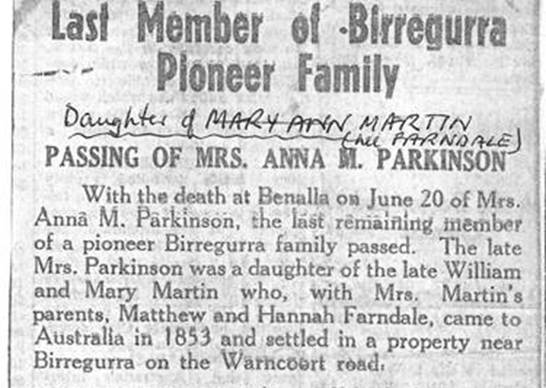
Mary Ann Martin
and William Martin had five daughters and three sons.
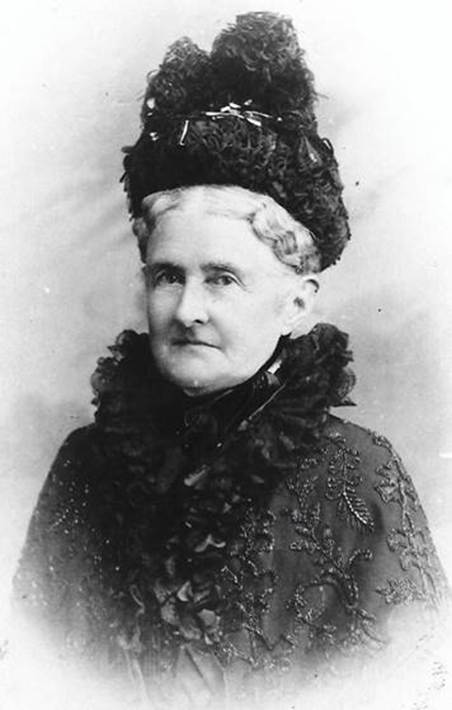
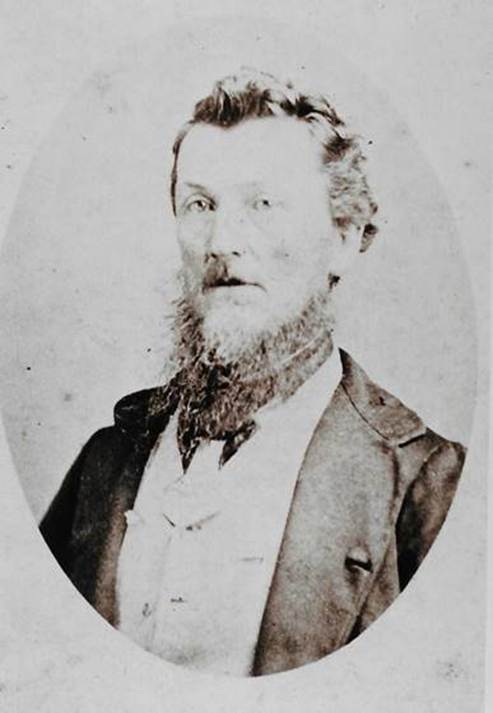
Mary Ann
Martin
William Martin
In 1887
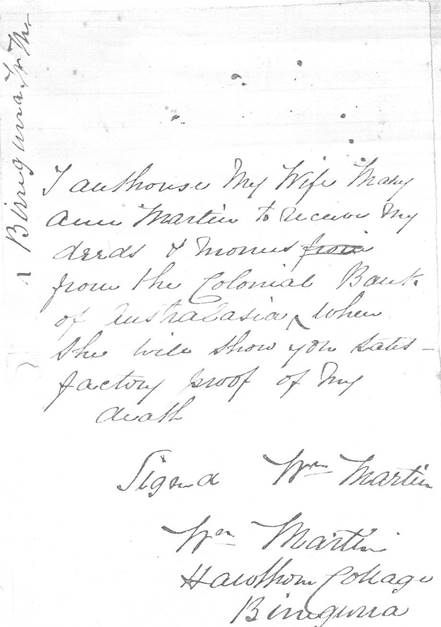
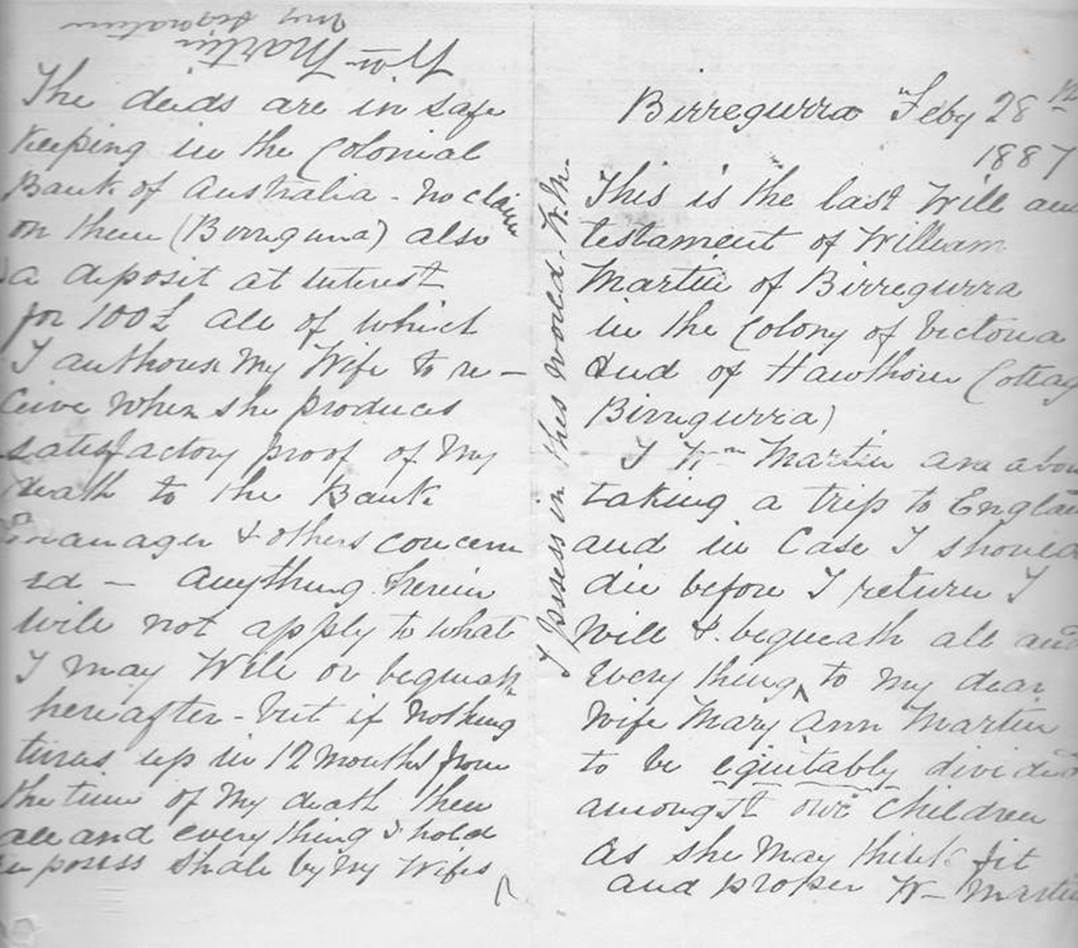
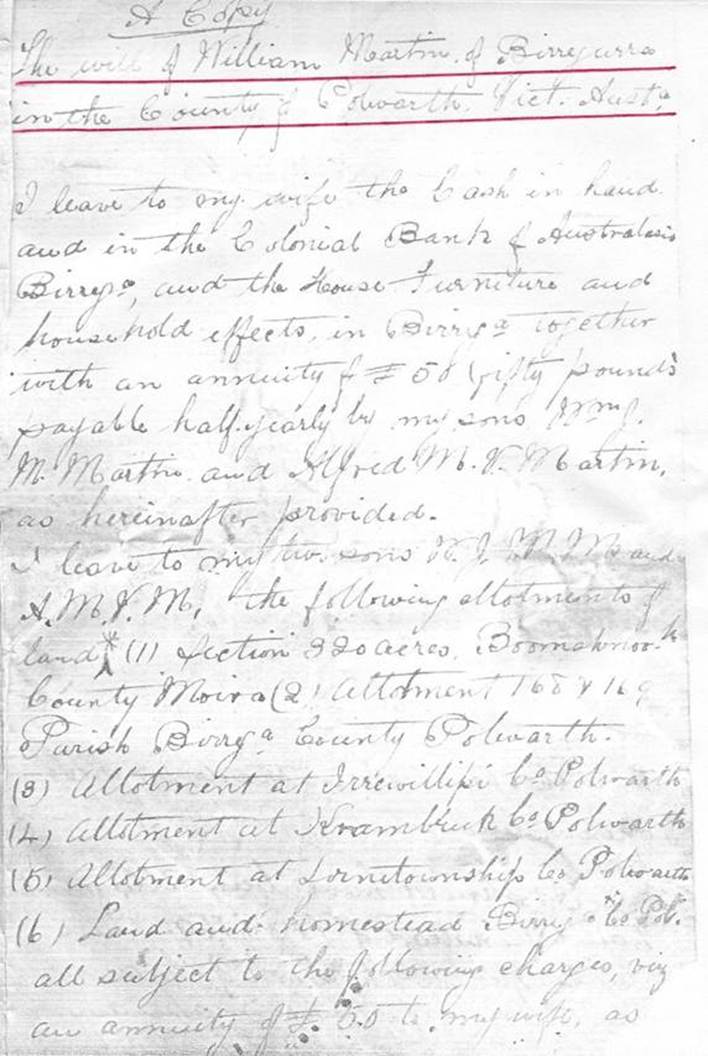
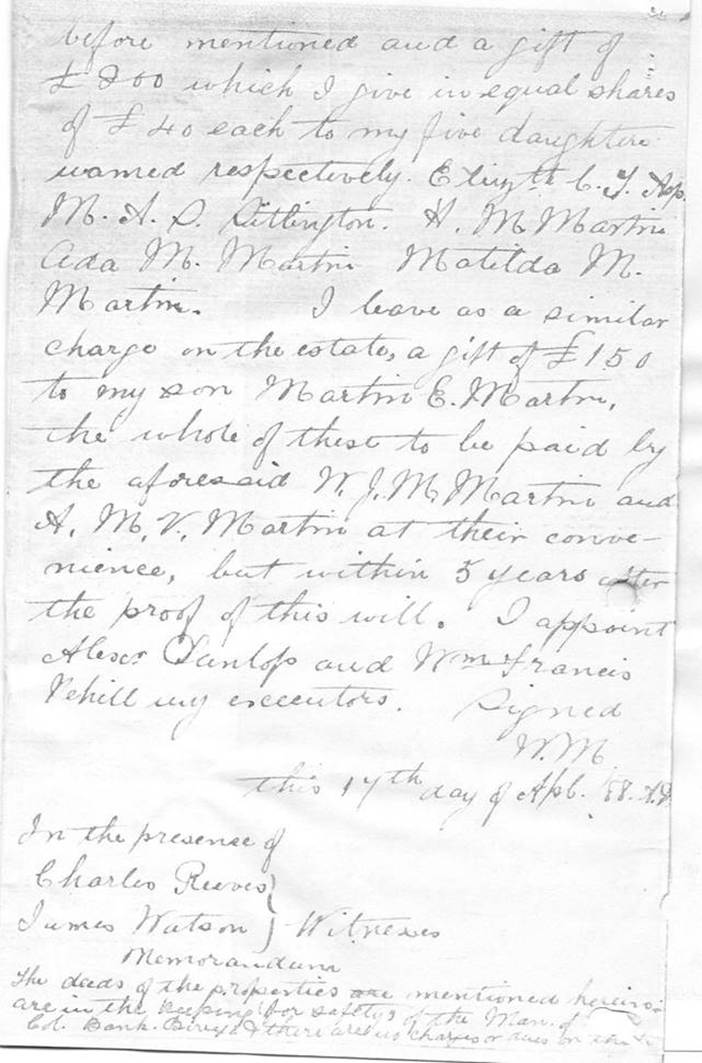
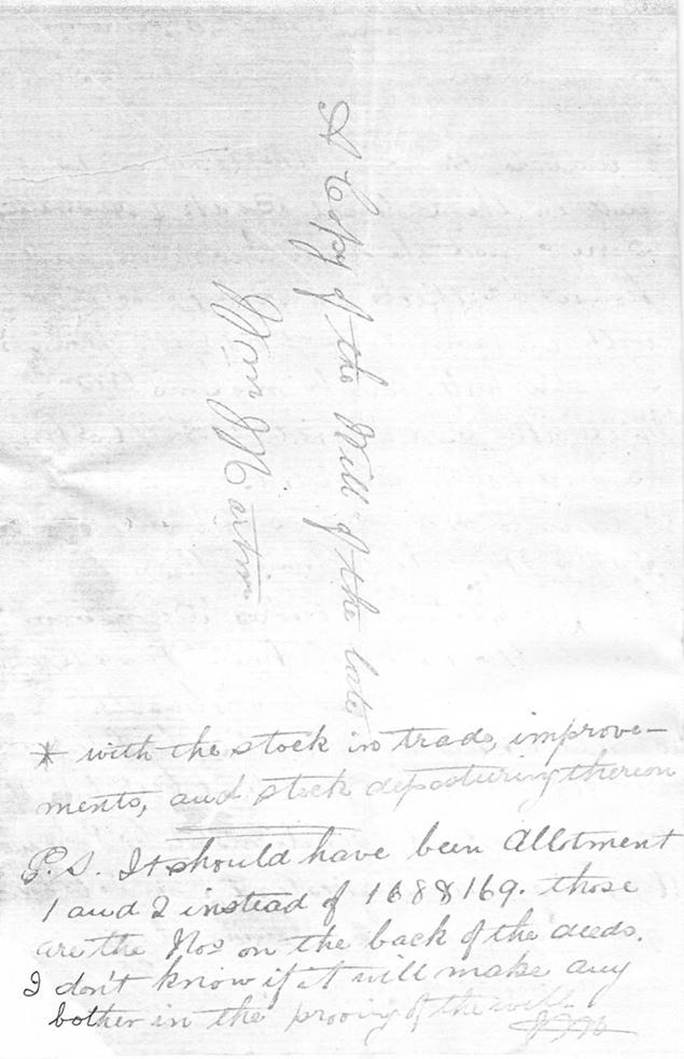
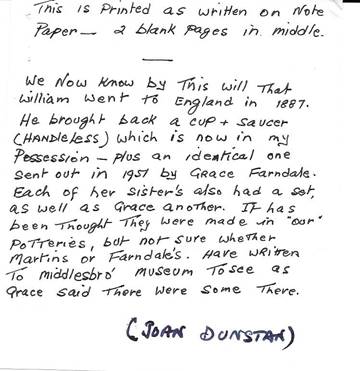
William paid a visit to England but did not take Mary Ann. However
he made a special will to her at Birregurra on 28 February 1887 in case
something happened to him while he was away. He then deposited it in the
Colonial Bank of Australia and left authorisation for is wife to draw it out on
giving proof of his death. He also brought back a cup and saucer.
William
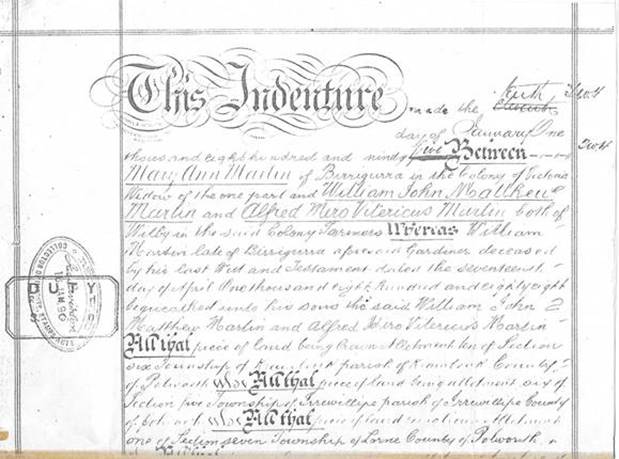
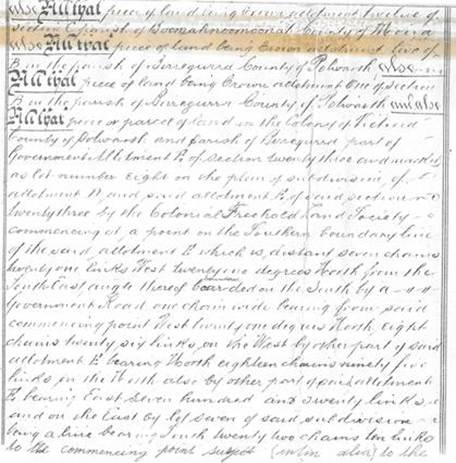
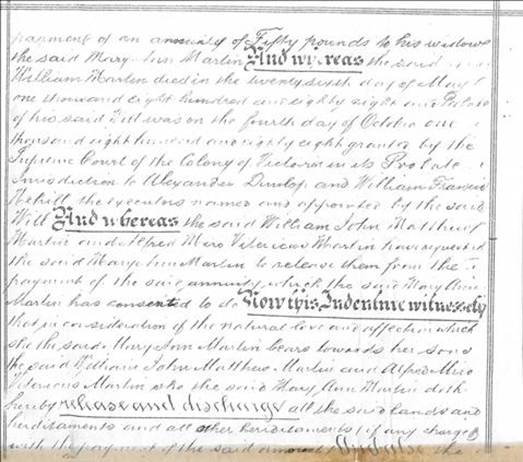
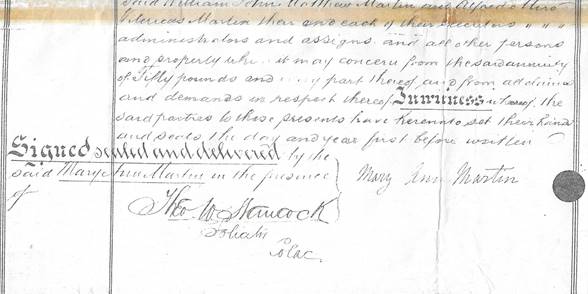
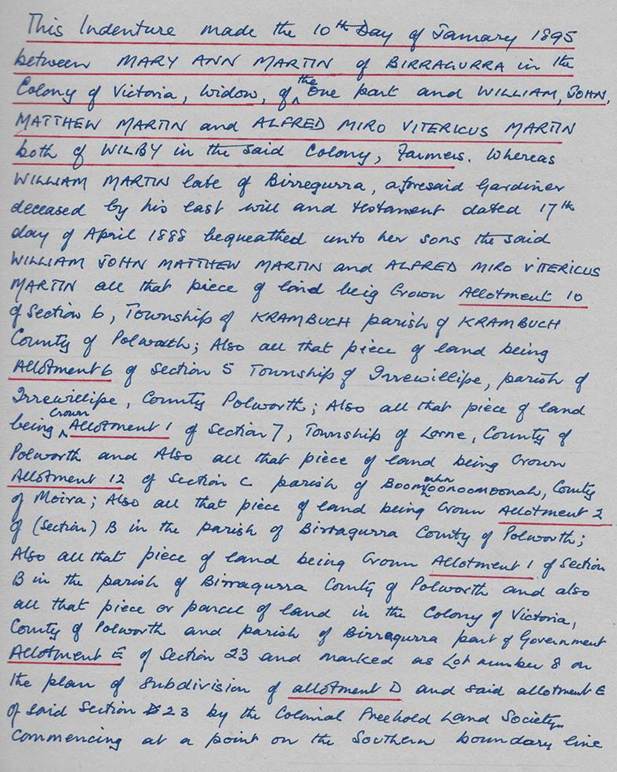
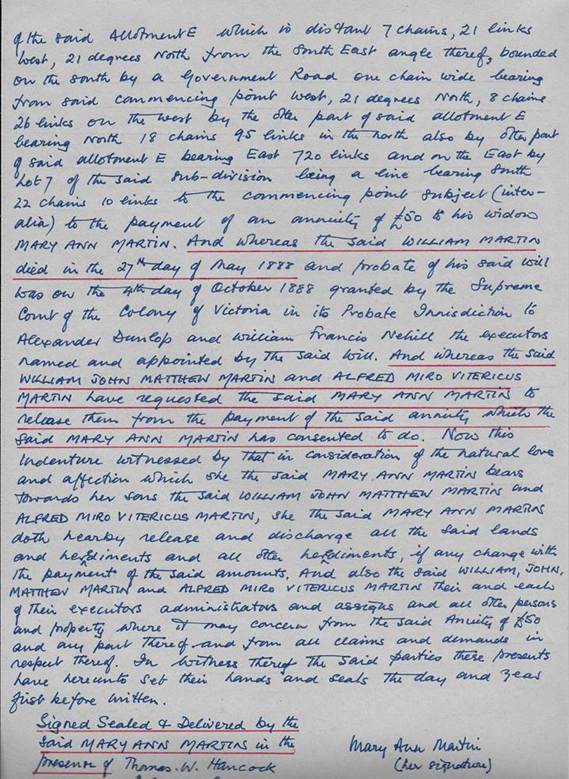
Martin died in Birregurra on 27 May 1888. In 1895 Mary Ann made over her
husband’s lands near Birregurra to her two sons William John Martin and Alfred
Miro Vitericus Martin, at the same time releasing them from paying her an
annuity.
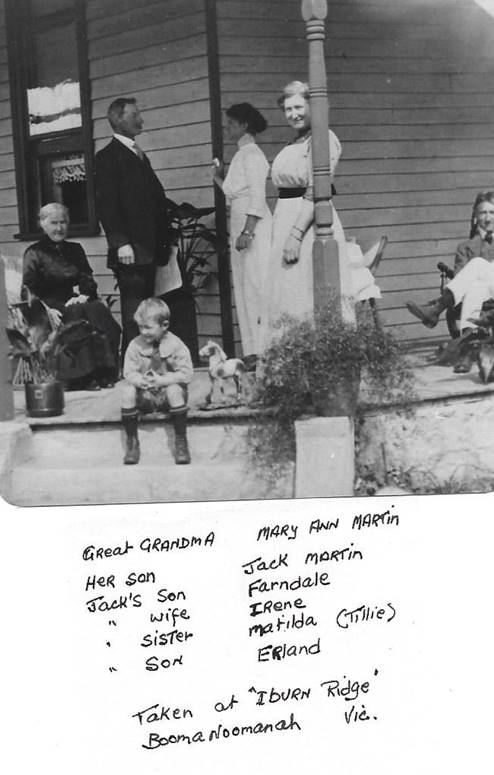
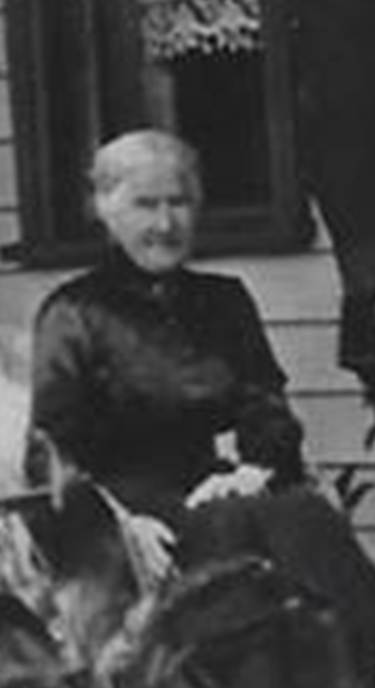
Mary Ann
Martin died on 20 January 1923, aged 92. On the 20th
January, 1923, at Hopetoun Street, Camperdown, Mary
Ann, widow of the late William Martin, formerly of Hawthorne, Birregurra, and
Newtown, Geelong, and elder daughter of the late Matthew and Hannah Farndale,
aged 92 years.
By the
death of Mrs Martin, which occurred at her daughter’ (Mrs Aspland) residence,
Camperdown, on Saturday afternoon, this district has lost one of its oldest
pioneers. Born at Kilton, Yorkshire, in
1831, Mrs Martin, immediately after her marriage to her late husband, Mr W
Martin came with her parents, Mr and Mrs W Farndale, and her sister, the late
Mrs Darby, of Colac, to Australia, arriving in 1853. The family first came to Colac, and subsequently took up their residence at
Birregurra. There was, of course, no railway line to Colac in those days, and
the party did the journey by road. Mr. Martin and Mr Farndale were their own
architects and carpenters, being compelled to erect their own houses out of any
material available. At a later date, more commodious
and up-to-date residences were erected, and many of the older residents of
Birregurra have tender memories of delightful days at Mr Martin’s residence,
“Hawthorne”, which, surrounded by a large orchard, was one of the best known houses around Birregurra. “Hawthorne” was
destroyed by the big fire about 1900, and Mrs Martin took up her residence in
Geelong, afterwards going to live with her daughter, Mrs Aspland, at
Camperdown, where she resided until the time of her death. Mrs Martin's husband
predeceased her about 35 years ago, but the family of eight, Mrs Aspland,
Camperdown, Mrs A J Sitlington, Colac, Mrs H Smith,
Melbourne, Mrs T Parkinson, Portland, Miss Emma Martin, Camperdown, and Edgar,
John and Alfred Martin, (Wilby) all survive, and much sympathy will be felt for
them in their bereavement. Although having reached the very advanced age of 92
years, Mrs Martin was wonderfully active, and was in
complete possession of her faculties. Her kindly nature and
always cheerful manner, endeared her to a host of friends, who found a
great deal of pleasure in a conversation with the warm
hearted old lady who, it might truthfully be said, was beloved by all.
Until a few months ago she had retained her physical powers to an amazing
degree, but an attack of pneumonia, which occurred during a visit to Portland,
affected her considerably, and it was evident to her friends that she was
failing rapidly. Her one concern, during the last few weeks of her life, was
that she, who had never considered herself in her services to others, was
unable to help herself. Happy and cheerful to the end, the deceased lady was
conversing with a friend a few minutes before her death. The late Mrs Martin
was one of the type of early settlers who were the
foundation of the Australian nation, and whose example might well be kept
before the present generation, and those yet to come. The funeral will take
place to the Warncoort cemetery today, passing
through Colac at about 10:30 am, and arriving at Warncoort
at 11 am.
The death
occurred on Saturday last at the residence of her daughter, Mrs Aspland, of Hopeton street, Camperdown, of Mrs M A Martin, relict of the
late Mr William Martin, formerly of Hawthorn, Birregurra and Newton, Geelong,
and elder daughter of the late Matthew and Hannah Farndale. The late Mrs
Martin, who had reached the venerable age of 92 years, was a native of
Yorkshire, England, but had resided in this state for a very long time, having
come to Victoria as a bride in the early days. She was sweet old lady possessed
of many sterling traits and a charm of manner that endeared her to all who had
the good fortune to call her friend, being possessed of a nobility of nature
very rare. To know her was to love her. Despite her great age, until a few
months back she was comparatively active and was capable of
taking long walks unattended. With her daughter, Miss M M Martin, she went to Portland sometime back to visit
another daughter, Mrs Parkinson, and while there her health failed seriously.
Some weeks ago she was brought back to Camperdown,
but, despite loving care and attention, gradually grew weaker until she passed
away as stated. She will be sincerely mourned by a host of ardent admirers, and
sincere and widespread sympathy will be felt for those bereaved. She leaves to
mourn their loss a family of grown up sons and
daughters. They are Messrs Alfred, John and Edgar Martin, Wilby, and the
daughters Mrs Aspland, Camperdown, Mrs A J Sitlington,
Colac, Mrs Ray Smith, Melbourne, Mrs T Parkinson, Portland, and Miss Martin,
Camperdown. The body will be laid to rest in Warncoort
cemetery today, whither it will be conveyed by motor hearse. The internment
will take place about 11:00 AM. Messrs Coley and Brennan have charge of the
Funeral arrangements.[30]
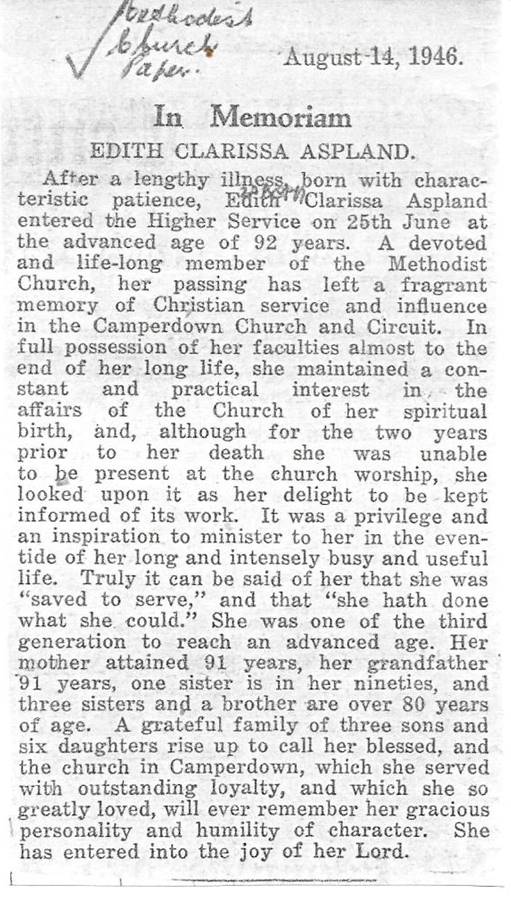
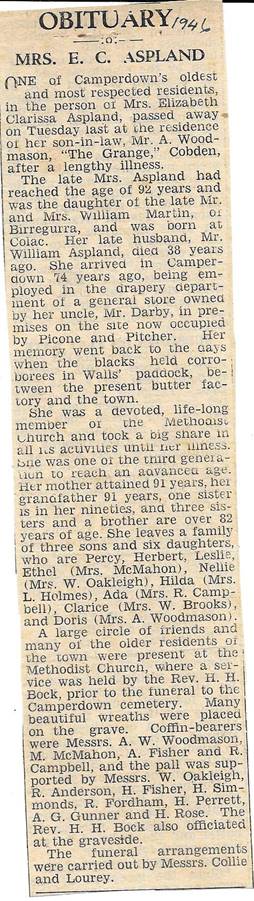
Elizabeth
Clarissa Teresa Martin (19 December 1853 to 26 July 1946) was born at Birregurra on 19 December
1853 exactly eleven months since the family landed at Melbourne after their
voyage from England. She lived most of her life in Camperdown and for a while
worked in the drapery department of her uncle’s Mr Dandy general store.
She grew up a devout and devoted Methodist and on 30 August 1876 she married
William Aspland. He had come from England to visit the Darbys and was a cabinet
maker by trade.
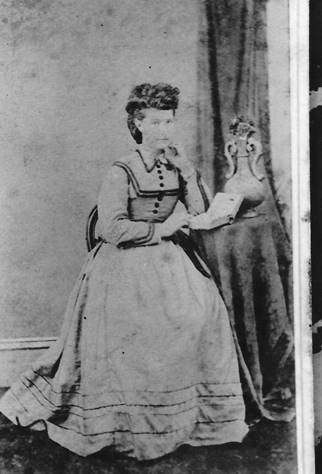
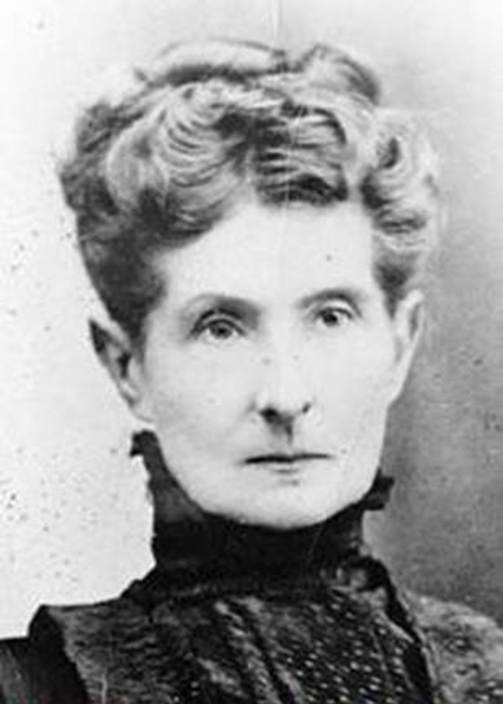
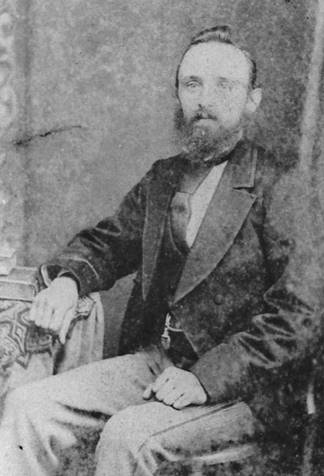
Elizabeth
Aspland
William Middleton Aspland, born 27 March 19850 (or 1852?) and died 11
July 1908
The Asplands had ten children. Percy Poole Aspland (1877 to
1968), Ethel Marion Aspland (1878 to 1955), Nellie Eliza Aspland (1880 to
1974), Hilda Mary Aspland (born 1881), Alice Amy Aspland(1853 to 1883) who was
blind, Alfred Herbert (born 1885), Ada Rebecca Aspland (1886 to 1955), Lesley
James Aspland (born 1890), Clarica Middleton Aspland (1893 to 1976) and Doris
Jean Aspland (b 1896).
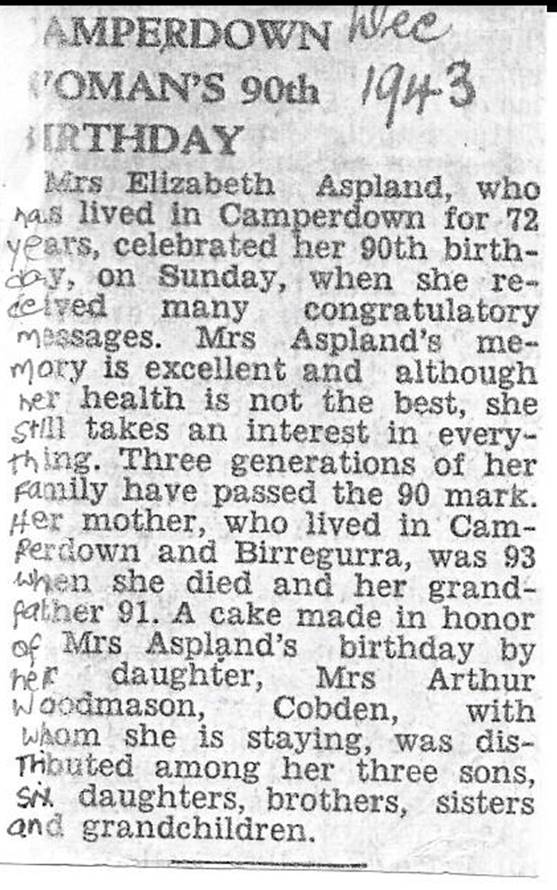
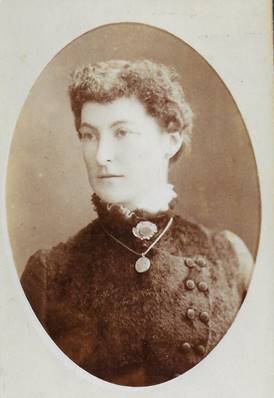
Marion
Amelia Susanna Martin (15 September 1856 to 1951) was the second daughter of William
and Mary Ann Martin and was born at Birregurra on 15 September 1856. We know
very little about her except that she married James Sitlington who worked in a
shop. Her family were Irene and Alex. Alex was killed in action with the
Australian army in World War 1.
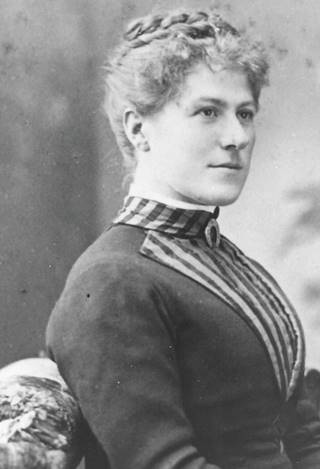
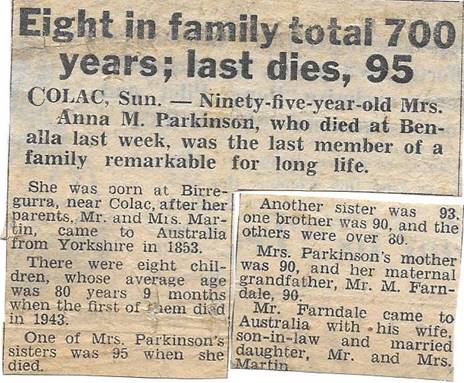
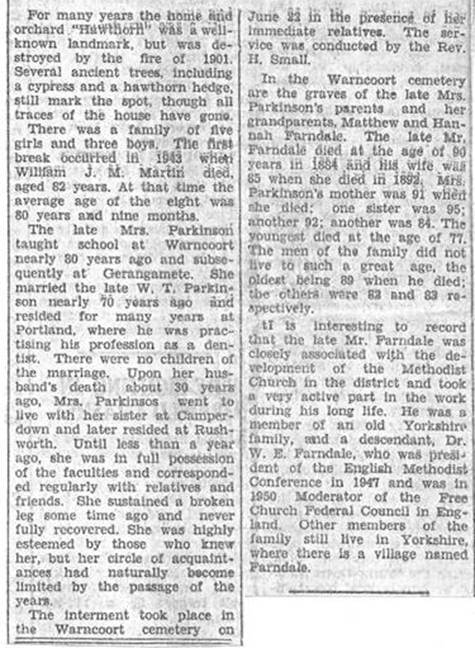
Anna Maria
Martin (b 1855) known as Marion was the third daughter to Mary Ann and William
Martin, born on 4 August 1858 at Birregurra. She married Thomas Parkinson, a
dentist of Portland, Australia. They had no family.
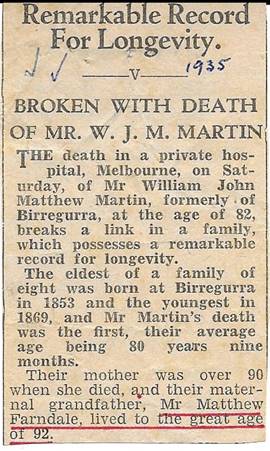
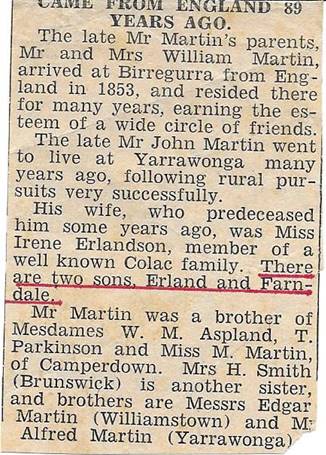
William John
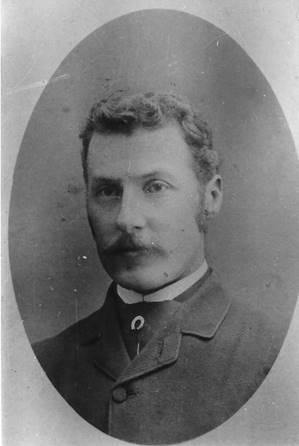
Matthew Martin (16 May 1860 to 1942) was the first son and fourth child of Mary
Ann and William Martin and born on 16 May 1860 at Colac, Australia. He lived
initially at Wilby and later took over his father’s farm in partnership with
his brother, Alfred at Birregurra. He married Irene Erlandson and they had two
children, Erland Martin and Farndale Martin.
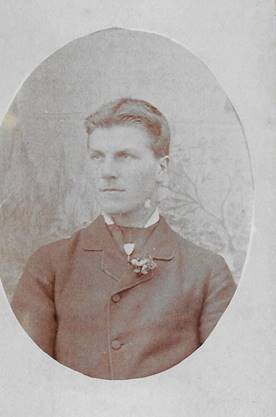
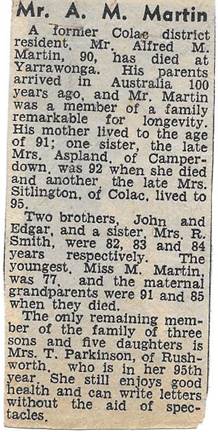
Alfred Miro
Vitiricus Martin (13 July 1863 to 28 June 1953) was the second son and fifth child to Mary Ann and
William Martin and born on 13 July 1863 at Birregurra, Australia. He first
lived at Wilby and later, according to the indenture with the record of his
mother, Mary, he jointly farmed at Birregurra. We are not sure who he married.
His family was Eva, Edgar, Alex and Finlay.
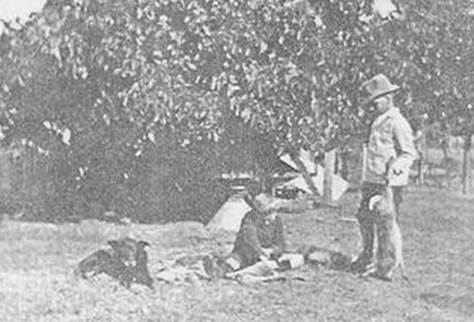
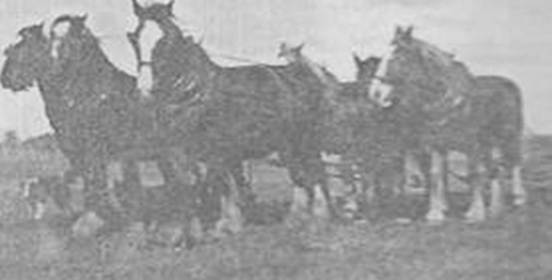
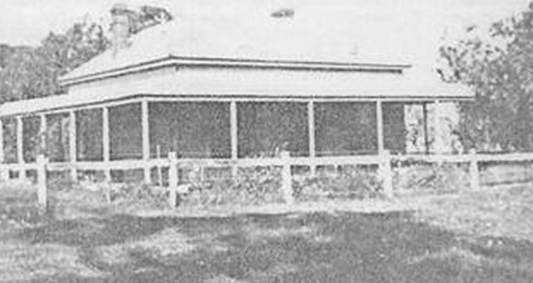
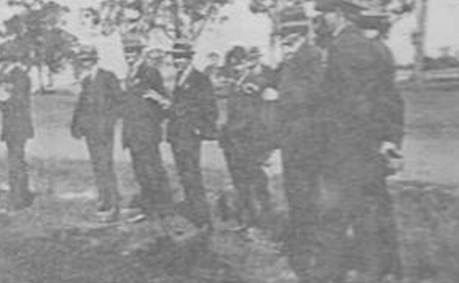
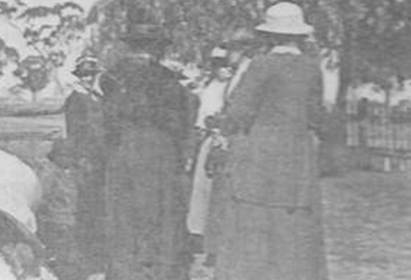
The
Hunters
Iburn Ridge
Wattle Grove 1918
At the church
Pictures
are of Wilby where William and Alfred lived for some time. Alfred lived at Iburn Ridge and his brother at Wattle Grove. They were
opposite each other. Both properties were sold many years ago, though Wattle
Grove has been kept much as it was
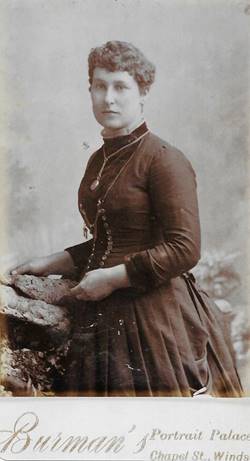
Ada Melinda
Martin (2 September 1864 to 5 November 1947) married Horatio Smith, a jeweller of Camperdown,
Victoria. They had five children Harold, Nellie, Ray, Eilleen and Victor.
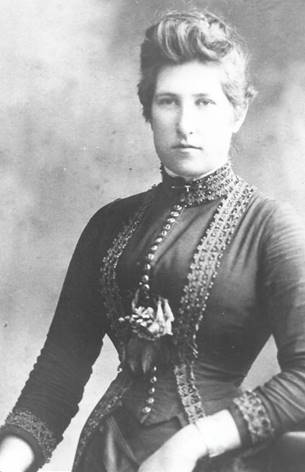
Mary Matilda
Martin (20 April 1867 to 11 March 1944) never married. She was always known as Tilly in the family.
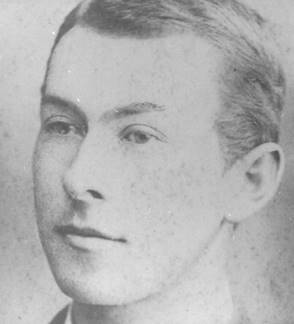
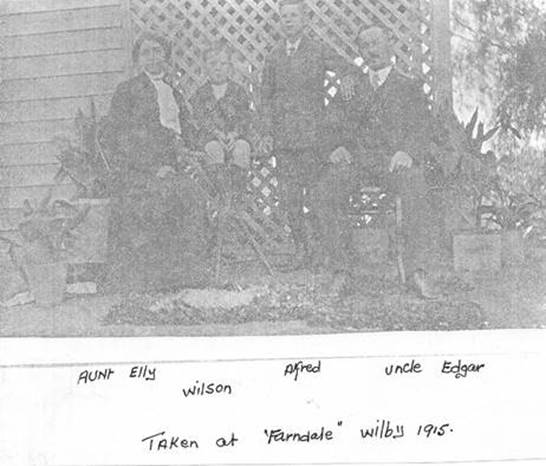
Martin Edgar
Martin (18 September 1869 to 1952) married Elly. He was a house decorator at Yarrawonga.
They had two children Alfred Milton Martin and Wilson Martin.
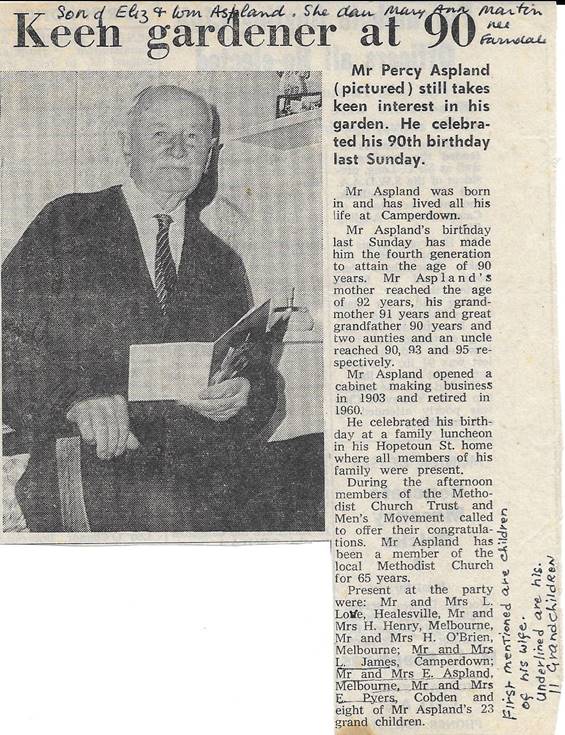
Of the
fourth generation, Percy Poole Aspland, son of Elizabeth and William Aspland
married Mary Ann Love in 1925 at the Methodist church in Camperdown. He was a
cabinet maker, opening a business in 1903 and he retired aged 99 in 1960.
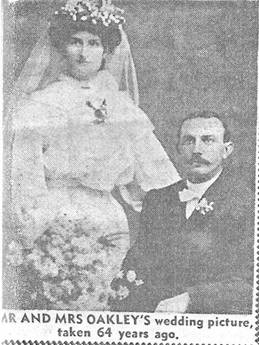
Nellie Eliza
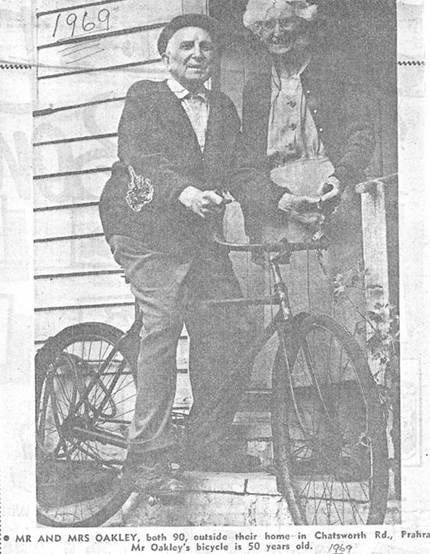
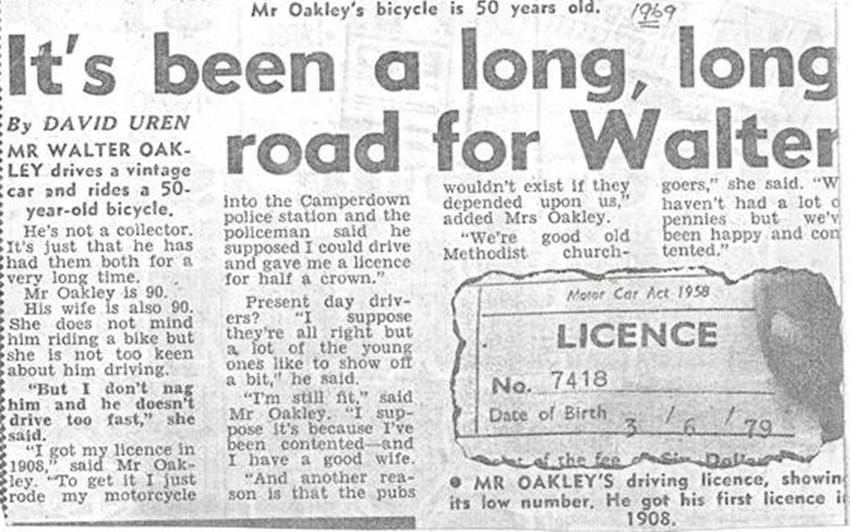
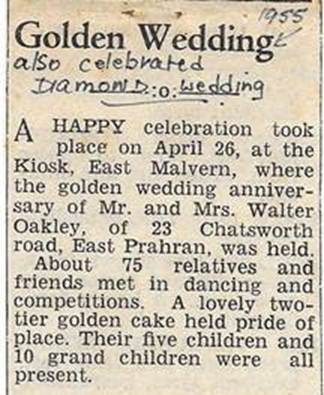
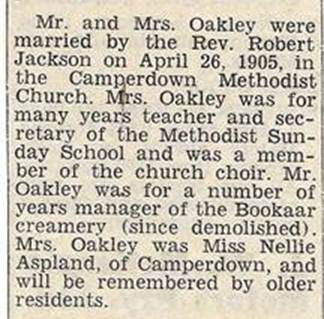
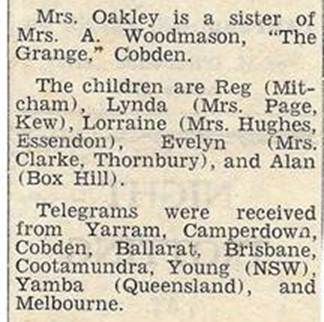
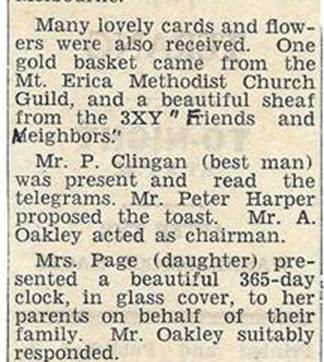
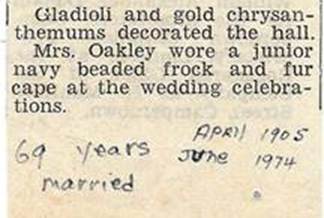
Aspland married Walter Oakley in the Camperdown Methodist church. They had six
children Reginald, Lynda, Lorraine, Evelyn, Allen and Clarissa.
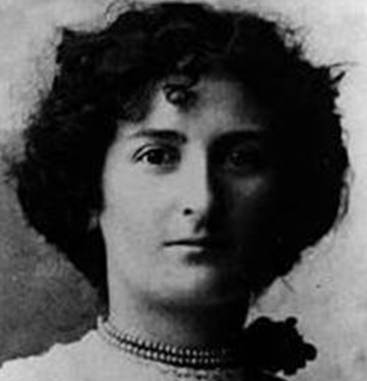
Joan Allbut
Woodmason was the eldest daughter to Arthur and Doris Jean Woodmason, of Colac,
Victoria and was born on 27 January 1927. Her mother was the youngest daughter of
Elizabeth Clarissa Teresa and William Aspland. She married John P Dunstand, a dairy farmer and they had 4 children, John
Richard Dunstand born 1956, Stuart Farndale Dunstand,
born 1958, Elwynne Elizabeth Dunstand born 1960 and
Rowena Doris Dunstand born 1962.
Joan Dunstan
took a great interest in the family history. She was of the fifth generation
from Matthew Farndale.
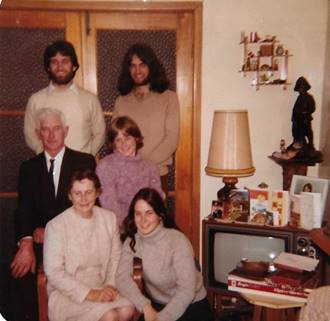
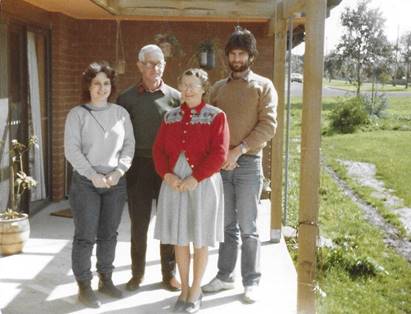
The
Dunstan family on 1 June 1979 at Stuart’s 21st birthday party The Dunstan Family
June 1983
John
(22) Stuart (21)
Elwynne, Jack, Joan, Stuart (on their return to Australia after three
years in England)
Jack Rowena (17)
Joan Elwynne (19)
Scene 2 – Other Australian ventures
James
Neville Farndale, was born on 6 December 1921 in the Camberwell District of
London[31]. He married Cecelia Patricia Bingham
in 1948 at Dartford[32]. In 1955 at the age of 34, then
trained as a moulder, James and Cecelia travelled to Melbourne, Australia on
the Moreton Bay of the Shaw Saville Line leaving Southampton on 30 April
1955. The ship arrived at Fremantle, Western Australia on 31 May 1955 and they
settled in Melbourne. [33]
Clifford
Farndale, the son of James and Mary Ann
(nee Fairbairn) Farndale, was born in Thornaby on 28 April 1927[34]. We met his father James Farndale,
who worked in animal
husbandry and served with animals in both world wars, in Act 16 Scene 5. Clifford
Farndale, married Kathleen Moira Gourlay on 9 July 1949 at St Patrick’s church,
Thornaby[35]. They had three children, James
Farndale, Cliff
Farndale and Angela
Farndale. The family emigrated to Australia in the mid
1960s[36]. This line of the family are the
Australia 2 Line and still live in South Australia.
There are
Farndales who remain in Australia and although none of Matthew and Hannah
Farndale’s descendants still have the Farndale surname, there are Martins and Asplands, Woodmasons, McMahons, Oakleys, Holmes, Campbells, Smiths and Dunstans
who are their descendants and therefore share the ancestry of the Farndale story. Some, such as Stuart
Farndale Dunstand continued to use the name.
or
Go Straight to Act 24 – The Ontarians
|
This
is a new experiment. Using Google’s Notebook LM, listen to an AI powered
podcast summarising this page. This should only be treated as an
introduction, and the AI generation sometimes gets the nuance a bit wrong.
There are a some instances in this podcast where
there are mistakes about the exact relationships and an overlap of
generations. There is an error in this podcast where the AI mistakes that it
was Matthew’s twin brother who married Hannah Thompson. However
it does provide an introduction to the themes of
this page, which are dealt with in more depth below. Listen to the podcast
for an overview, but it doesn’t replace the text below, which provides the
accurate historical record. |
|