Act 16
Return to the Vale of York

The story of the part of the family
who returned to Yearsley and the Ampleforth area, south of the North York Moors
and close to the family’s original ancestral home.
Ancestral
Dilemma
The fourth
and last family Hub settled around Yearsley,
south of Ampleforth in about
1786. Yearsley is only about ten
kilometres from Kirkdale
and within the agricultural lands of Kirkdaleland, where the Farndale Story
began. So this part of the family, which grew to become a sizeable part of the
modern family, returned to their
homelands.
|
|
|
|
1680 to
1973 Kilton, Brotton, and more widely
over time |
|
|
|
|
|
|
1728 to
Date Ampleforth
and more widely |
|
|
|
1797 to
1902 Pickering |
1788 to
Date Bishop
Wilton and more widely |
1826 to
Date Leeds and
around |
1849 to
1993 Stockton
and more widely |
1927 to
Date South
Australia, Northern Territory |
1936 to
Date Thornaby
and more widely |
|
|
|
|
|
|
|
|
1875 to
1948 Wetherby,
York, Northallerton |
1910 to
Date Bradford
and around |
|
1870 to
1933 Norwich and
area, and New Zealand |
1911 to
Date New Zealand |
1912 to
1945 Uxbridge
and area |
This Act of
the story focuses on the Ampleforth 1 Line, from which other lines of the
family descend, and the Bishop Wilton Line. The other lines of the family will generally
be picked up in later Acts of the Farndale Story. It might be helpful to have the Ampleforth 1 Line open in a
separate window, as you read Act 16.

The area
where the Ampleforth Farndales settled, initially clustered around Ampleforth,
and later clustered mostly south of Malton and east of Leeds.

Yearsley
and its environs, where the story began
It was Elias Farndale II
(1755 to 1831) who settled in the lands around Yearsley.
He was the son of Elias Farndale I
(1733 to 1783) who married Elizabeth Raper of Topcliffe in Thirsk on 28
February 1754 and then lived in Thirsk. I have not been able to find a record
of his birth, so I cannot be sure of his ancestry, which at first seems to
leave this important section of the Farndales, with a gap in their ancestry.
Since the Ampleforth Line of
Farndales emerged in the early eighteenth century in a region so close to the
original family lands, it is tempting to deduce that this was a family who
never left the Vale of York and were linked to our medieval history by unknown
families who had continued to live in this area. However although we struggle
with a birth record for Elias Farndale I,
there are good parish records from the mid sixteenth century and it is obvious
that by the end of the sixteenth century, the footprint of the family appeared
almost entirely in Cleveland for two hundred years until the early eighteenth
century. For that reason, it seems far more likely that this family moved back
to the Vale of York, and before their arrival in Thirsk and then the Yearsley
area, they had shared the family history with those who had settled in
Cleveland.
Given the
individuals who might have been candidates to have been parents of Elias Farndale I,
it seems most probable that Elias Farndale I’s
parents were William and Abigail (nee Gear)
Farndale (FAR00130) of the Kilton 1 Line. William and
Abigail married on 23 September 1733[1],
and it seems likely that Elias was the elder son born
in about 1734, twenty years before his marriage. This would also be consistent
with the birth of siblings in that family in 1735 and 1743. This part of the
Kilton family were also a family who spread geographically to Whitby and Great
Ayton, so it might not be surprising if Elias also left Kilton to move to
Thirsk. It therefore seems most likely that
the Ampleforth Line of Farndales trace their ancestry back through the Kilton 1 Line, who we met in Act 13 to William and Abigail.
Scene 1 – Return to the homelands
Elias Farndale I
(1734 to 1783) married
Elizabeth Raper (1732 to 1776) of Topcliffe, at Thirsk, on 28 February 1754[2].
In the mid-eighteenth century, Thirsk was a prosperous market and coaching
town. Its cobbled market square was the focal point for trade in sheep, cattle,
and horses from the surrounding grazing lands. The courts met regularly . There were many taverns. In
1763, the Methodist founder John Wesley preached in the market-place. A
poorhouse, described as squalid but humane, was established in or
about 1737. A disastrous flood hit the town in 1771.


Elias I and
Elizabeth had a son, Elias
Farndale II, who was baptised in Thirsk on 16 July 1755[3].

Elizabeth
Farndale died in 1777 at the age of 45 and was buried in Brotherton, near
Pontefract. Elias
Farndale I died in 1783.
Elias Farndale II appears
to have moved from Thirsk to Yearsley, about 20 kilometres to the southwest of
Thirsk, sometime before 1785. It is possible that he moved there after his
mother’s death in 1777 and following perhaps difficult years after the flooding
of the town. Perhaps he took work as a farm labourer in the area around Ampleforth
initially. He married
Dorothy Heseltine (1757 to 1840), daughter of Geoff Heseltine on 14 June 1785
at Ampleforth[4],
when Elias was about 30. Their first child, Ann Farndale, was born at Ampleforth in 1786[5].
By 1788 the
family had moved to Windgate Hill Farm, where William Farndale
(1788 to 1871) was born[6]
by which time William was farming there. This branch of the family often spelt
their surname Farnell in the early years, but there is little doubt that
they were part of the Farndale story.

Although
there is a Wildon Hill Farm, about two kilometres west of Coxwold, this must be
a reference to a farm in Yearsley. Some time later,
in 1835, an Edward Ewbank was seeking to prove his entitlement to land and he
gave evidence that the Ewbank land extended to a boundary with the ground of
Elisha Farndale in Yearsley by a small
stream. Mr Edward Ewbank, of Gilling, proved that his grandfather formerly
rented the Gilling Warren, and that his jurisdiction extended over the lands
now occupied by the appellants. He remembered a stone, having G on one side and
Y on the other, which was put down 26 years ago, in the place of an older one,
and which, along with some others cover formed the boundary between the
parishes (presumably Gilling and Yearsley). William Heseltine, 66 years
of age, was born at Gilling, and had lived there for all his life, his father
had a warren under Lord Fairfax, on whose estate there were three; he had
received information from his father respecting the boundaries; they were also separated
from Elisha Farndale by a small stream of water; his ground was in Yearsley,
and the witness’s in Gilling. John Trousdale, aged 68, had known Gilling 52
years last Martinmas, and knew the enclosures of the appellants; he had cut
turf there for the rector of Gilling; had never heard of the perambulation 38
years since, by the Yearsley people. John Rymer, who had known Gilling 39
years; and John Clark, who had lived with the rector of Gilling, 53 years ago,
corroborated the account of the former witnesses.
There is
also a property called Windygates near the High Lions
Lodge, so it is possible that this was the location of the farm, but it seems most
likely that Elias, sometimes called Elisha, farmed at what is today called Windyridge Farm at Yearsley,
close to a Bronze
Age barrow. It backs onto the woods and Gilling moor, which separate
Yearsley from Gilling, which links up to the 1835 evidence.
Elias
therefore started farming at Yearsley
which fell within the parish of Coxwold. In 1798 a land tax record of £1 11s 6d
recorded that Elias Farndale was the occupier of land at Yearsley, owned by Mr
Fairfax[7].
The
prominent Catholic Fairfax line, lords of East Gilling since the fourteenth
century, ended with the death of Anne, daughter of the 6th Viscount, in 1793.
Gilling Castle then passed to a cousin, Charles Gregory Fairfax who took
residence in Gilling Castle and by 1840 had 2,500 acres around Gilling,
including significant acreage in Yearsley. He was a prominent landowner, known
for his enclosure policy, with his family deeply rooted in the area for
centuries.
Descended
from the Gilling family, the Fairfaxes had established
themselves at Steeton, then Denton Hall in Yorkshire, supporting the House of
York during the Wars of the Roses. Sir Thomas Fairfax (1560-1640) was a staunch Protestant who
fought in the Netherlands and encouraged his grandson's military training.
Thomas Fairfax, 3rd Lord Fairfax (1612-1671) became Commander-in-Chief of the
New Model Army, and led Parliament to victory against Royalists, notably at
Naseby, but opposed Charles I's execution, resigned his command, and later
helped restore Charles II. By the eighteenth century through intermarriage with
Catholic families and the influence of Catholic relatives, the family had
become prominent Catholics. The family was known for entertaining other
Catholic families and actively participating in the local Catholic community,
which had a significant presence in Northern England.

|
The
home from the early eighteenth century of a large section of our family |
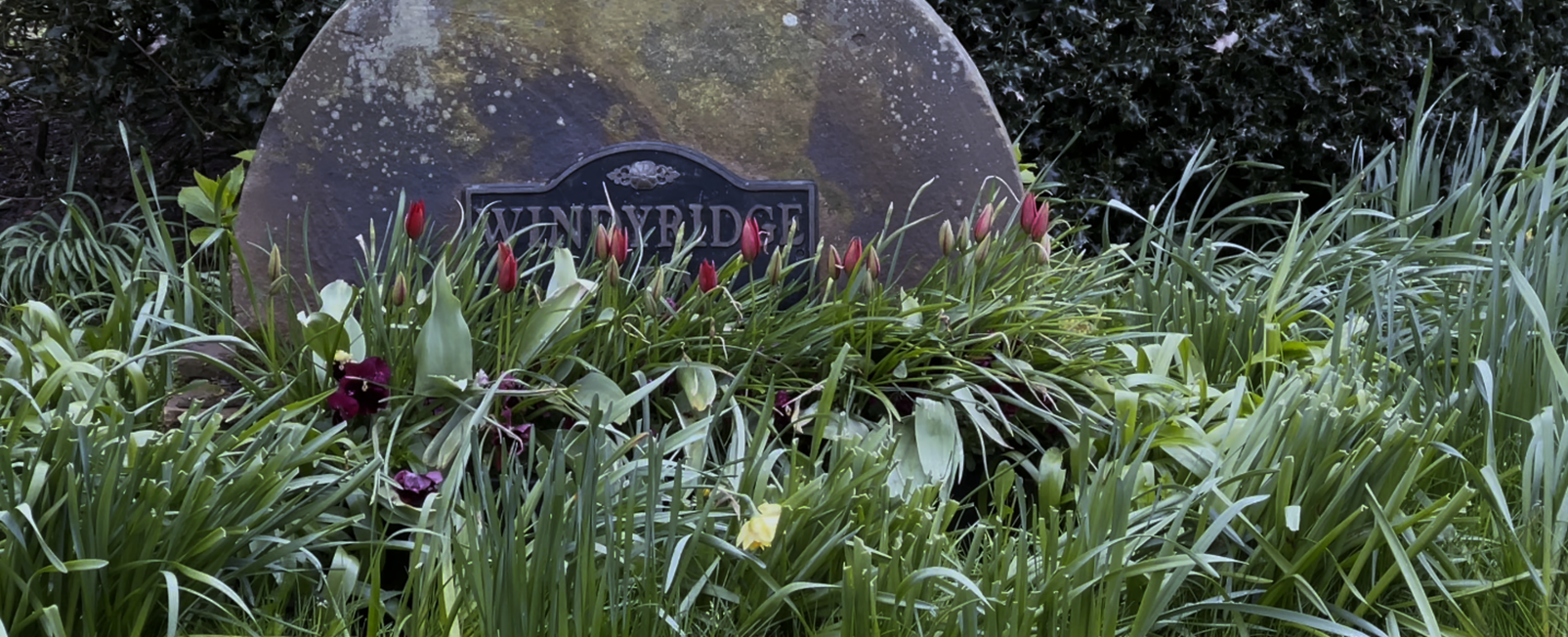

Windyridge Farm
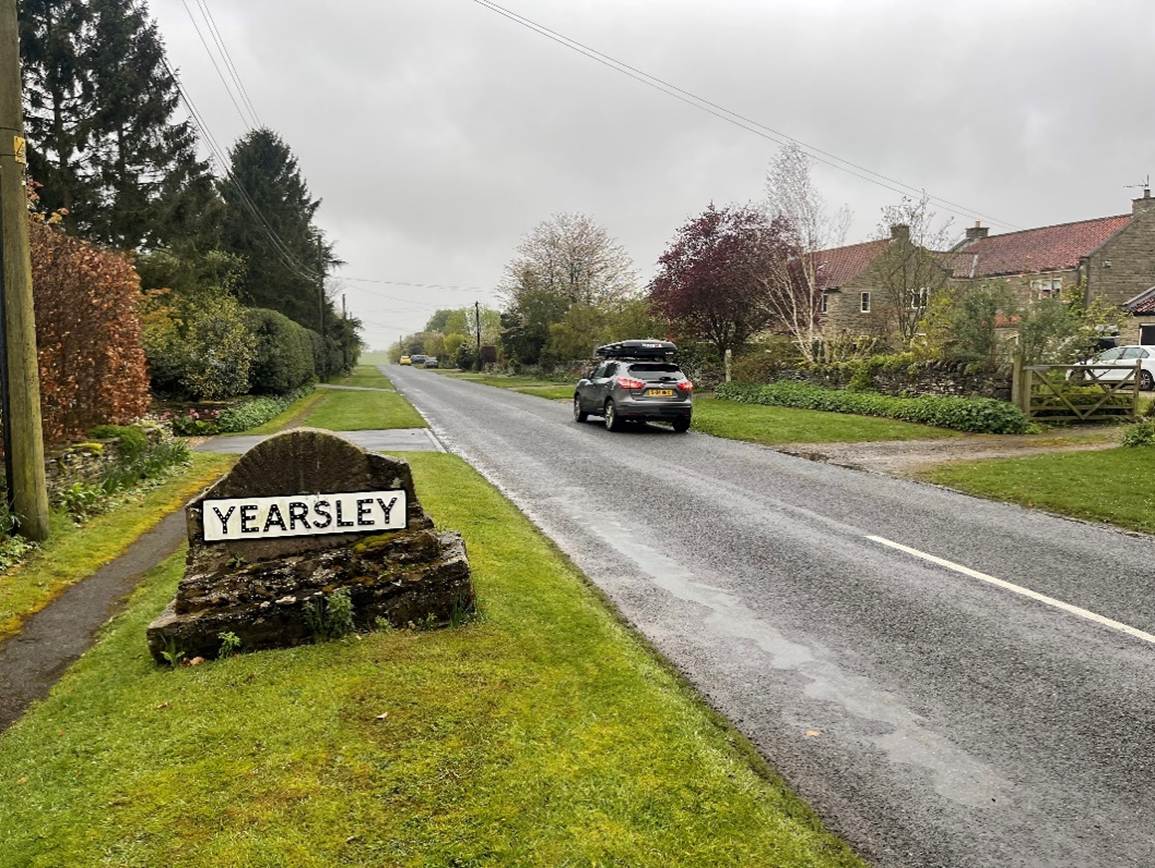

Yearsley
Elias and
Dorothy had a daughter and four sons.
William Farndale
(1788 to 1871) moved to Bishop Wilton, twenty kilometres east of York, and we will return to his family in Scene
2. The youngest son was Richard Farndale
who worked as a labourer in Pickering[8]
until he died aged 79 there in 1876[9].
Jethro Farndale
(1790 to 1882) was a farmer at Yearsley and Coxwold. Elias Farndale III
(1793 to 1857) was an agricultural labourer who also moved to Bishop Wilton.
Jethro’s
family
Jethro Farndale (1790 to 1882) married Alice Clarke at the parish church in
Coxwold on 29 July 1822[10]
and by 1824, when their son William Farndale
was baptised at Coxwold, Jethro was still farming at Yearsley where he continued to farm until at
least 1834[11].
Jethro and Alice also had five other children, all baptised at Coxwold, William, John, Mary, Elias, Alice and Elizabeth
Farndale[12].

By 1841
Jethro had moved to Coxwold where he worked as an agricultural labourer[13]
and he continued to pick up agricultural work at Coxwold until about 1880[14].
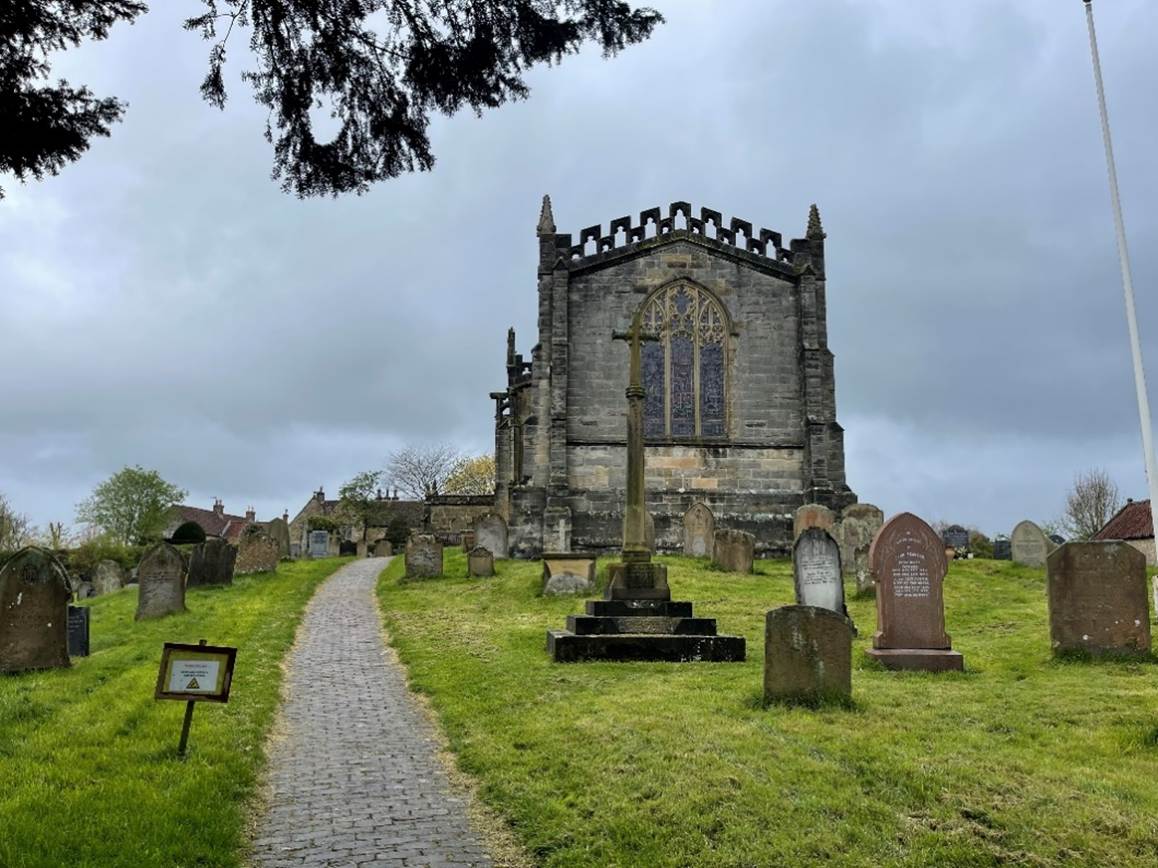
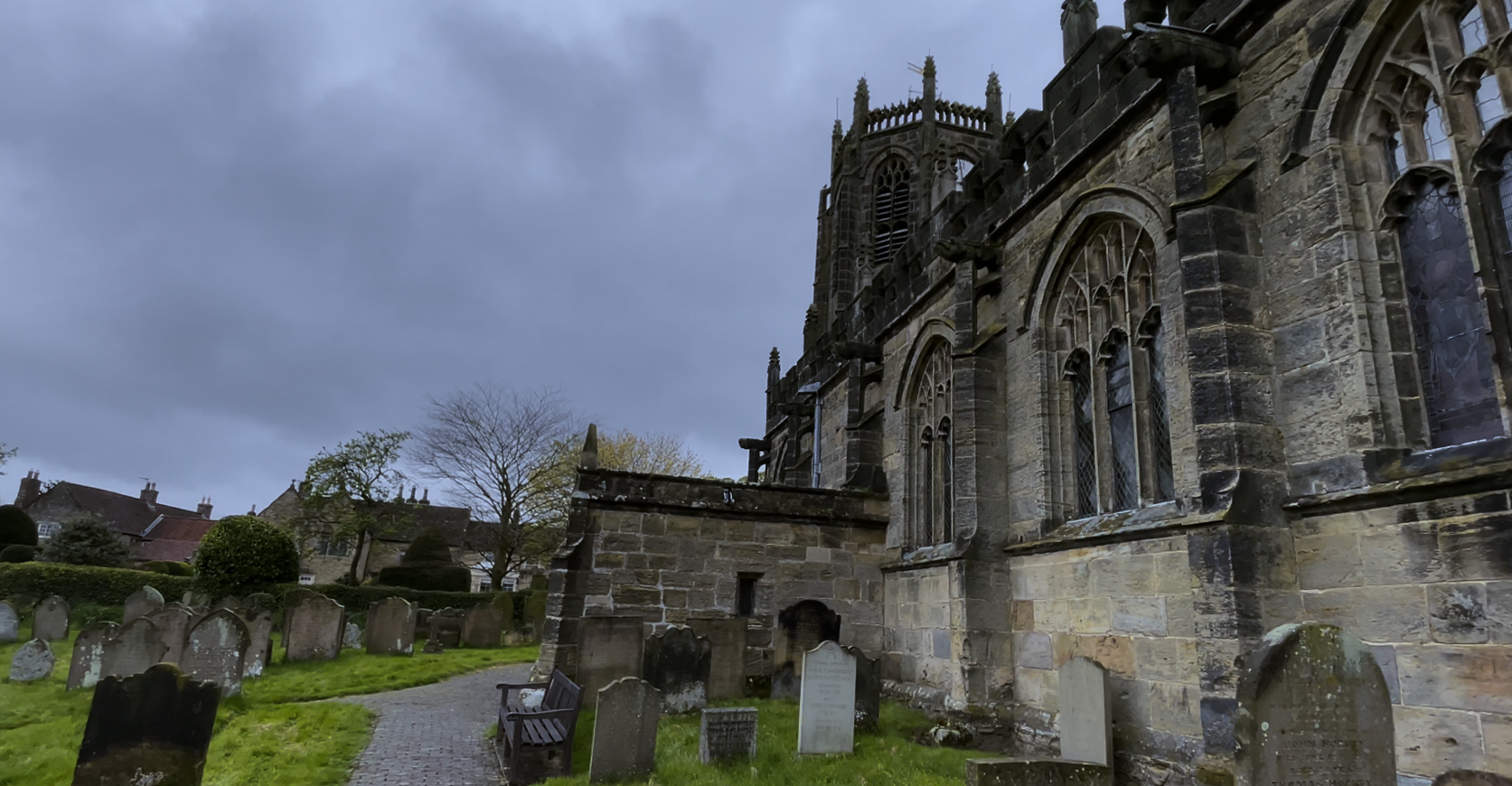

Coxwold
Parish Church
Coxwold
William was the eldest son who married Bessy
Langdale in 1847[15].
He set up a new home at Huttons Ambo, between York and Malton, and we will pick
up his story in Scene 3.
Their son, John Farndale
moved to Easingwold, a large town about seven kilometres southwest of Yearsley by 1841 at the age of 14, where the
Sivers family, who ran a shoe making business, had taken him on an apprentice[16].
In time, he became a cordwainer. A cordwainer was a shoemaker who made new
shoes from new leather. The cordwainer's trade was distinguished from the cobbler's
trade, according to a tradition which then restricted cobblers to repairing
shoes. Over time the term cobbler has become widely used for folk who both make
or repair shoes.

In 1856 John Farndale married Sarah Ann Brittain in Leeds[17] and they set up home in Bramley near Leeds, and we will meet them again in Act 19.
Jethro and Alice’s daughter Mary died in Yearsley in 1853 aged only 24[18]. Elias probably died at the age of one in 1830. Elizabeth Farndale died at Easingwold in 1855, when she was only 21[19].
While their
younger daughter, Alice
Farndale was still
single, she had two daughters and later married William Simpson who was a
farmer in Coxwold in 1866[20]. Her first
daughter Alice
Farndale, born in
1853[21] married William
Thirkill on 25 November 1871, a farm worker on a farm where she was a general
servant[22]. Her second
daughter Annie Farndale, born in 1863[23] lived with
her grandfather, Jethro[24], before
Annie married Thomas Horner on 31 July 1880[25]. Thomas and
Annie continued to live at Windygate Farm in
Yearsley, where Thomas worked until after 1911[26]. He
initially took on Jethro’s work there. It seems that the farm was no longer in
the family tenancy after about 1834, but Jethro and later his granddaughter’s
family had continued to work there. Thomas and Annie had a family of seven Horners.
In 1881
Yearsley
was still a small community of 30 houses with a population of 94 men and 67
women, a total of 161 people.
Jethro’s wife,
Alice died at Easingwold in 1880[27].
Jethro then
seems to have lived in retirement at Yearsley from an annuity[28]
and he died, also at Yearsley, in 1892, aged 91[29].
His death certificate was signed off by the mark of his grandson in law, Thomas
Horner.
Elias
III’s Family
Jethro’s
brother, Elias
Farndale III (1793 to 1861) married Jane (who came from Rosedale Abbey) on
24 November 1814 at Bishop Wilton[30],
about 20 kilometres to the east of York and they had six children. William, George, Ann, Elias were all
baptised in the Ampleforth area[31].
The family then moved to Bishop Wilton by 1831 where Jane,
John and
possibly Dorothy
were born. It seems to have been his brother William, who first settled in the
area to the east of York and south of Malton in about 1816 and the families of
both William and Elias III then became settled there. Elias worked as an
agricultural labourer at Bishop Wilton[32].
By 1851, he was a 56 year old shepherd, working for the farmer, Thomas Askwith,
at Greewick[33].
He died in Bishop Wilton aged 64 on 13 November 1857[34].

Greenwick
Lodge is on Garrowby Hill north of Bishop Wilton.
Bishop Wilton was an agricultural parish with a population of about 570 people
in 1850. The Sykes family, particularly Sir Mark Masterman Sykes and later Sir
Tatton Sykes, were the patrons of the church and held significant influence as
lords of the manor for most of the nineteenth century. St Edith's Church was restored
between 1858 and 1859, by the work of the architect J L Pearson, funded by Sir
Tatton Sykes, to preserve the building's medieval character.
Elias and
Jane’s eldest son, William Farndale
moved ten kilometres north from Bishop Wilton, to Birdsall in the Parish of
Wharram-le-street, south of Malton, by 1841, where he worked as an agricultural
labourer[35]
and on 24 November 1843 he married Ann Wilson of nearby Settrington[36].
They settled in a cottage in Settrington[37],
and they had a daughter Ann[38]
who married George Goodwill. Ann and George moved to Scarborough where George
took work as a gasworks engineer[39].
George Farndale
also headed Malton way and became a farm labourer there by 1841 when he married
Mary Milner[40].
He settled in Westgate in Old Malton which is immediately north of Malton
itself. They had a daughter, Mary Ann[41],
and George died of typhus fever on 4 February 1844[42].
Mary Ann died when she was only 17[43].
Ann was widowed
twice[44]
and later a nurse in East Tadcaster[45].
Elias Farndale IV
moved south to Thearne, just north of Hull and
married a lass of Thearne called Mary Ann Carling.
Their wedding was in nearby Beverley on 26 November 1846[46].
They then moved to Sculcoates which is now part of
the City of Hull and Elias worked as a farm labourer there[47]
until he died aged 78 in 1898 while sitting in a chair in the kitchen having
suffered from a bad cold[48].

Elias and
Mary had four daughters, Mary Jane, Fanny, Martha and Emma who all
settled in Sculcoates. Martha was the subject of
evidence in the divorce proceedings of Arthur James better known as Arthur
Dacre, a well known actor who later murdered his wife,
as he had been violent to Martha during an opium influenced incident in about
1883. Martha had suffered bruising[49].
Jane married John
Gill in Wharram Percy[50].
John was an
agricultural labourer in Bishop Wilton[51]
and later worked in Tadcaster at the Boot and Shoe Inn, living with a
publican who was his sister Ann’s son[52].
He died after falling off his horse while fetching cows from a field[53].
Dorothy died
at the age of 2 in Bishop Wilton[54].
So the
Ampleforth family slowly moved southeast to the area around Malton, northeast
of York, particularly at Settringham, Bishop Wilton, Huttons Ambo and later Kirkham Abbey.
We next turn
to Elias III’s brother, William’s family, who had led the way to Bishop Wilton.
Scene 2 – Bishop Wilton and Aberford
William Farndale
(1788 to 1871), born in at Wingate Hill Farm, Yearsley[55],
married Margaret Weard on 27 February 1816 at Acklam and Leavering[56],
north of Bishop Wilton. In 1822, they had their first child, another William Farndale
(1822 to 1899), at Bishop Wilton[57].
They had five other children also born in Bishop Wilton, Elizabeth, Sarah, Robert, Leonard and
probably another Elias[58].
The older William worked as a farm labourer in Bishop Wilton[59].

William was
a widower by 1861, aged 73, but was still working then. He died at Bishop
Wilton in 1871 at the age of 82[60].
The younger William Farndale
(1822 to 1899) married Mary Leppington of Wharram Percy by 1846[61].
He continued to rent a dwelling house which was situated on the north side
of the town of Bishop Wilton aforesaid; also the excellent garden, immediately
behind the said dwelling houses, and containing half an acre, more or less[62].
William and Mary had thirteen children, Ann, John,
Thomas, Mark, Margaret, George, Mary, Fred,
Alice and Minnie. There
was another John,
George and Thomas who
might have been part of this family, but as they share Christian names, this is
not certain. William
Farndale was a shepherd[63]
and he won the first prize for shepherding at the Wetherby Agricultural Show in
1863[64].

The family
moved to Aberford near Tadcaster by 1861[65]
and then to Barwick in Elmet by 1871[66],
when William continued to work as a shepherd.

A
Victorian Shepherd of about William’s age
William was
a widower and retired shepherd by 1891[67]
and died in 1899 at Barwick in Elmet[68].
So by 1863, this part of the family had moved to Aberford and Berwick in Elmet,
two small villages close to and east of Leeds.
William had adopted
his widowed wife, Mary’s son, William Leppington, who later used the name
Farndale[69].
William Leppington married Ann Mary Rockett in 1869[70]
and they had a family of 11, often alternating between Farndale and Farnell.

William
Leppington, aka Farndale and his family
William
Leppington-Farndale and Ann’s son Tom Farndale
was a horseman on a farm by the age of 17[71],
and a keen footballer[72].
Fred
Leppington Farndale was a pony driver in mines, underground[73]
who was run over by a set of tubs while trying to save his pony in a tragic
mining accident[74].

There was
also a George Farndale
(1877 to 1954), part of this family who worked as a farm labourer at Aberford[75] before he moving to Lancashire[76]. George married Mary Agnes Graham in
Burnley in 1906[77], and their daughter,
Gladys Farndale,
was a cotton weaver at a commercial mill in Blackburn, Lancashire by 1921[78]
who enjoyed amateur dramatics, performing in a comedy show, Oh Susannah!
In 1933[79].
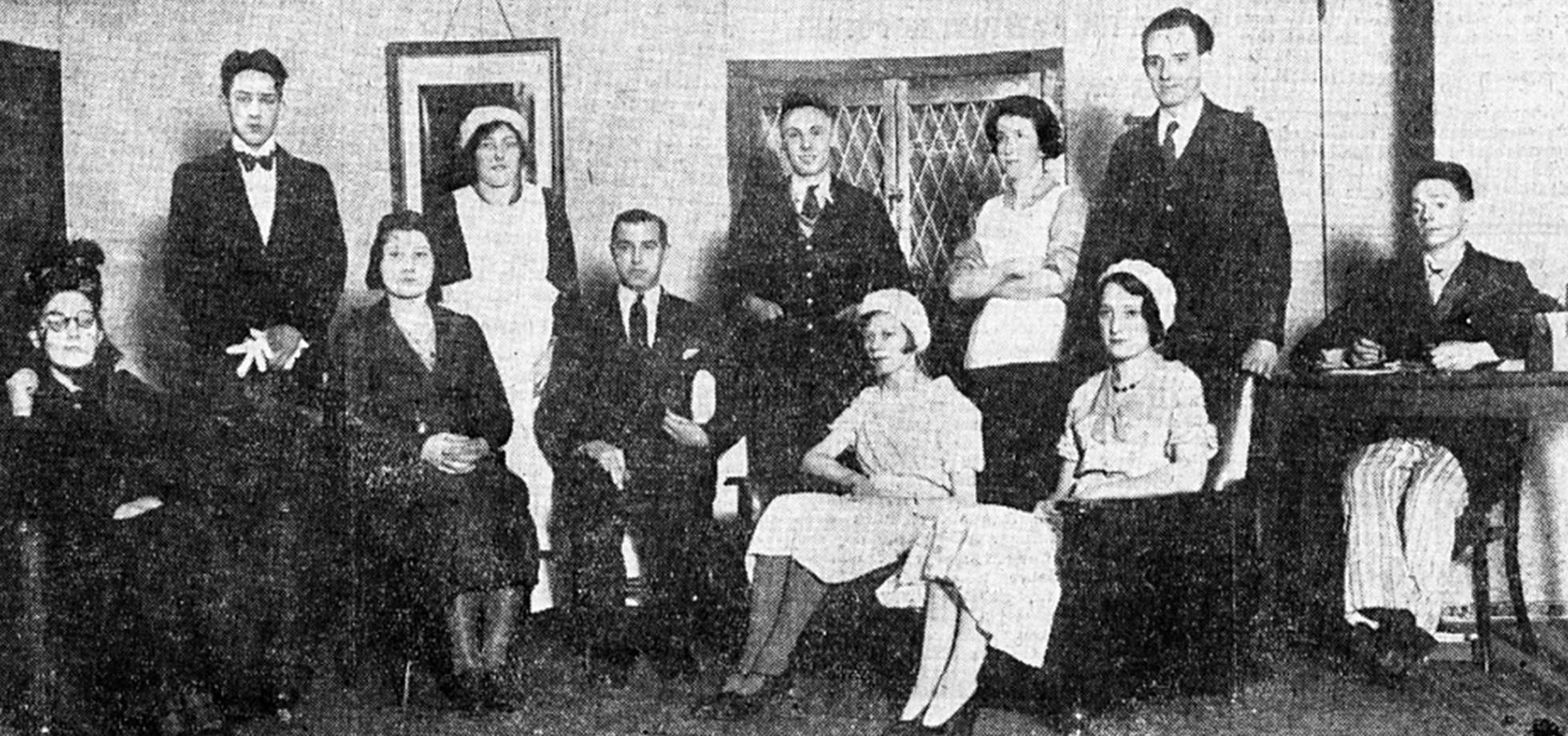

Gladys Farndale
performing in a comedy show, Oh Susannah! In 1933
William and Mary’s third child, William Leppington’s younger
brother, John Farndale became a worsted spinner at Clayton in Bradford and we will pick up his story in Act 19.
Thomas Farndale
married Mary Hannah Weighill[80]
and became a shepherd[81]
and later a cattleman at Colton[82],
further into the environs of modern Leeds.
Thomas and Mary had two children, Ethel, a
dressmaker in Hunslet, Leeds[83]
and George
Weighill Farndale, who was a member of the Colton Institute, which is a
cricket club in Leeds[84].
George was an infantryman in the first world war wounded in the first Battle of
the Somme in 1916, but the men's wounds are not of a serious nature. They
are all most cheerful[85].
In the following year, he was killed in action at Arras during the Third Battle
of the Scarpe[86].
We will meet George again in Act 32.
William and
Mary’s fifth child was Mark Farndale,
who married the daughter of the farmer who he worked, Hannah Varley, in 1874.
He was later a gas stoker in Barmet in Elmet[87]
and later a handyman at Potterton Hall[88]
who lived until 1944 when he was 88[89].

Mark and Hannah were probably the parents of John William Farndale (1875 to 1963) who became a horseman
on a farm at Aberford[90]. John married Annie Eliza Thompson
in 1898[91] and later Jane Elizabeth Wade in
1911[92]. He had two families through his two
marriages, the Wetherby 1 Line and they made a home at Boston Spa,
near Wetherby. John later worked as a domestic gardener for Lord Allerton at the
Firs, Wetherby[93]. When the smithy at Boston Spa
caught fire in 1952, the fire destroyed the village blacksmith shop of Mr J
W Harker, at Walton, near Boston Spa, at dawn today. A van and equipment also
were burnt out. Mr Harker was aroused by Mrs Farndale who is in her 70s, and
her daughter, Eileen. With neighbours he attacked the fire with buckets of
water until firemen arrived from Tadcaster[94]. John’s son Arthur Farndale was a patrol man on the LNER railway[95]. His daughter by Annie, called Lillie Farndale died in a tragic accident in Leeds[96]. On 7 April 1933, Accidental Death
was the verdict at a Leeds inquest today on Lily Farndale, 23, domestic servant
in the employ of Mrs Saffer, of Lidgett Lane, Moortown, who died from toxaemia
following burns. The girl’s father, John William Farndale, of Walton Boston Spa,
said his daughter told him she was in the kitchen at Mrs Saffer’s, playing with
Mrs Saffer’s 6 year old son, when a ball thrown by the boy, and which she
caught, caused her to overbalance onto the fire. Mrs Saffer said she
heard Farndale screamed, and saw her in flames. She helped to extinguish the
flames.

John’s son by Jane, Norman Farndale became a farm horseman at Wetherby[97] and another called John Farndale became a bus conductor in York[98].
Charles
Farndale was a shepherd[99],
farmer and publican of the Hares Inn, Bilbrough[100].
Hannah Farndale was a housemaid[101]
who married a plumber, William Scott Summersgill in 1883[102].
Margaret
Farndale was a lodgekeeper employed by Colonel Lane Fox of Bramham Park and
living at Black Fern Lodge near Aberford[103].
George Farndale
went to Londonderry in Ireland in 1900, where he married Minnie[104].

He later
returned to Black Fen Lodge[105]
and South Lodge at Bramham near Wetherby where he worked as a farm labourer[106].
George and Millie had two children.
George and Millie’s
eldest son was (William)
James Farndale (1900 to 1953) who was born in Ireland[107]
and joined the West Yorkshire Regiment in World War 1[108].
He was five feet and 2 inches tall, with brown hair, a fresh complexion and
hazel eyes with moderate flat feet. He was a market gardener[109]
and later worked as a gardener for the Lane Fox family at Bramham Park[110].
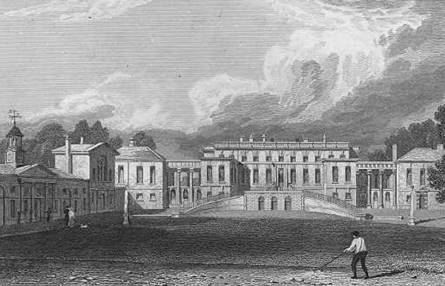

Bramham
Park
Bramham Park is an eighteenth century
country house between Leeds and Wetherby. The
house, constructed of limestone with stone slate roofs in a classical style, is
built to a linear plan with a main range linked by colonnades to flanking
pavilions. The house is surrounded by two hundred hectares of landscaped park
with a series of follies and avenues laid out in the eighteenth century
landscape tradition, surrounded by five hundred hectares of arable farmland.
The Baroque mansion was built in 1698 for Robert Benson, 1st Baron Bingley.
Following a serious fire in 1828 the Bramham Park house was then left empty and
derelict for eighty years until it was restored for George Lane-Fox in about
1908, about a decade before James
Farndale was working there. George Lane-Fox became 1st Baron Bingley when
the title was recreated in 1933.
James
Farndale worked in the Lane Fox gardens and was later referred to as an
estate gardener. He married Annie Thompson in 1933[111],
but they didn’t have children.
George and Millie’s
daughter was Margaret
Annie Farndale and she lived with George and Minnie at Bramham Park, where
she was a housekeeper[112],
and later married Ernest Smith, a gardener[113]
and they moved to Bradford[114].
Scene 3 – Huttons Ambo
Jethro and Alice
Farndale’s son William Farndale
(1824 to 1910) married
Bessy Langdale, a dressmaker of Barton-Le-Street, on 24 July 1847[115]
and William initially worked as an agricultural labourer living in the Langdale
household at Barton-le-Street, near Malton[116].
By 1861, he was a licensed hawker, or salesman, at nearby Appleton-le-Street,
where his family lived in a cottage which was part of a 93 acre farm[117].
The costermonger or hawker was someone who sold his wares by crying them out in
the street. By contrast, pedlars travelled the countryside with their wares.
The coming of the railway provided a fast and economical way to deliver
merchandise throughout the country and largely ended the travelling pedlars by
the latter part of the nineteenth century but costermongers and hawkers
continued to trade.
William and Bessy
Farndale had a large family of thirteen children, John, William, James, Mary, Elizabeth, James, George, Robert, Annie, Jane, Thomas, Charles and Alice[118].
In about
1864 the family moved to Huttons Ambo.
In the late nineteenth century, like eighteenth century Kilton, Huttons Ambo must have been a small
rural hamlet, crawling with Farndales. By 1866 William was working as both a
hawker and a letter carrier, and he later became the post master of Huttons Ambo[119].
In Medieval
times Huttons Ambo consisted of
three settlements, Hutton Bardolf, Hutton Colswayn
and Hutton Mynchon, which gradually evolved
into the current two villages, High Hutton and Low Hutton. Ambo is Latin for both, so Huttons
Ambo means Both Huttons. In the mid nineteenth century, Hutton Ambo was a small,
predominantly agricultural parish in North Riding, Yorkshire, consisting of the
two villages of High Hutton and Low Hutton, on the River Derwent.

The parish
comprised about 2,300 acres, mainly arable land and permanent grass, with splendid
rural scenery. The population was around 408 inhabitants in 1848, slightly
declining to 444 by 1870, living in approximately 86 houses. The villages were
physically separated by a steep hill. The parish church of St Margaret's in High Hutton, was
considered small in 1848. It was demolished and completely rebuilt in the Early
English style on a new site in 1856. A vicarage house was also built in 1868.
There were also chapels for Wesleyan Methodists in High Hutton and Primitive
Methodists in Low Hutton. A National School was built between the two villages
in 1856, largely funded by Joseph Starkey. Historically, Low Hutton had been the more important
settlement, but this reversed in the 19th century. A large, modern residence
called Hutton Hall was built in High Hutton around 1820 by the Starkey family,
who became significant landowners in the area along with G Foljambe.
A major
development was the arrival of the York and Scarborough railway line, which ran
through the south of the parish. Hutton station was opened on 5 July 1845,
connecting the settlement with York and Scarborough.
During the
Crimean War in 1853 to 1856, Miss Bilton of Huttons
Ambo sent 72 pairs of warm stockings to soldiers fighting in the conflict.
The second
son, William
Farndale (1849 to 1927) was a
footman in Huttons Ambo when he married Jane Gale at Bedale on
8 February 1870[120].

William and Jane had their own family of seven, the Stockton 3 Line. In about 1881, the family moved to Stockton, where William became a car man[121] and later a boilersmith labourer[122]. Their son William Farndale moved to Norwich, and we will meet him in Act 20. Their son, James Farndale worked in an iron foundry[123] and for a time in steam engine works[124] in Stockton. In 1909 James Farndale became a brother of the Order of Druids Friendly Society[125] and later joined their committee, during which time a resolution was
unanimously passed condemning the State Insurance Bill in its entirety, the
meeting pledging themselves to use their upmost legitimate powers towards its
repression[126].

The State Insurance scheme was
discussed in Parliament in August 1914 and related to the introduction of
National Insurance, originally a scheme for health insurance for industrial
workers. James joined the Royal Field Artillery in the First World War[127]. James had married Margaret Murray on 19 May 1902[128]. Their daughter Annie became a printer’s
assistant at Harrison Printing Works in Stockton[129].

Their son Albert
Farndale was an errand boy at 13[130] and then worked in the steel industry where he was
a doubler working on steel rolling mills[131].

Their youngest son James Farndale, a Private serving in the West Yorkshire Regiment, died of wounds, aged
24, on 16 March 1941 in Eritrea. He was buried at Keren War Cemetery.
William and Jane’s son Tom Farndale became a worked at the steam engine
works[132] and fitter’s worker[133] in Stockton whose children included Wilf Farndale who was an aircraft engineer who later emigrated to New Zealand and Tom Farndale Junior
who eventually moved to Uxbridge. We will pick up their stories in Act 29
and Act 20.

Tom
Farndale and his sons in the 1930s in Stockton-On-Tees.
Returning to
Huttons Ambo, William
and Bessy Farndale’s sixth child was James Farndale
(1857 to 1921) who worked for a farmer of 270 acres at Hinderley
Farm near Malton by the age of thirteen[134],
but settled with his family in Huttons
Ambo, where he took work as a gardener[135].
He married Elizabeth Shepherdson in Huttons
Ambo on 7 June 1890[136],
and they had ten children, Mary, John, Blanche,
George,
James,
Beatrice,
Thomas,
Charles, Julia and
Liby[137].
After a time working as an auxiliary postman[138],
presumably with his father, James was still working as a gardener, ‘jobbing’,
at the age of 53[139],
but was invalided by 1921 when he was 63[140].
Their children were all brought up in Huttons
Ambo. Their elder daughter, Mary, was
a domestic servant in Malton and Huttons Ambo[141]
and she then moved to Camberwell and Marylebone where she had four children out
of marriage[142],
one of whom James Neville Farndale,
emigrated to Australia[143].
John
was a farm wagoner in Huttons Ambo[144],
who became a driver in the Royal Field Artillery in the First World War[145].
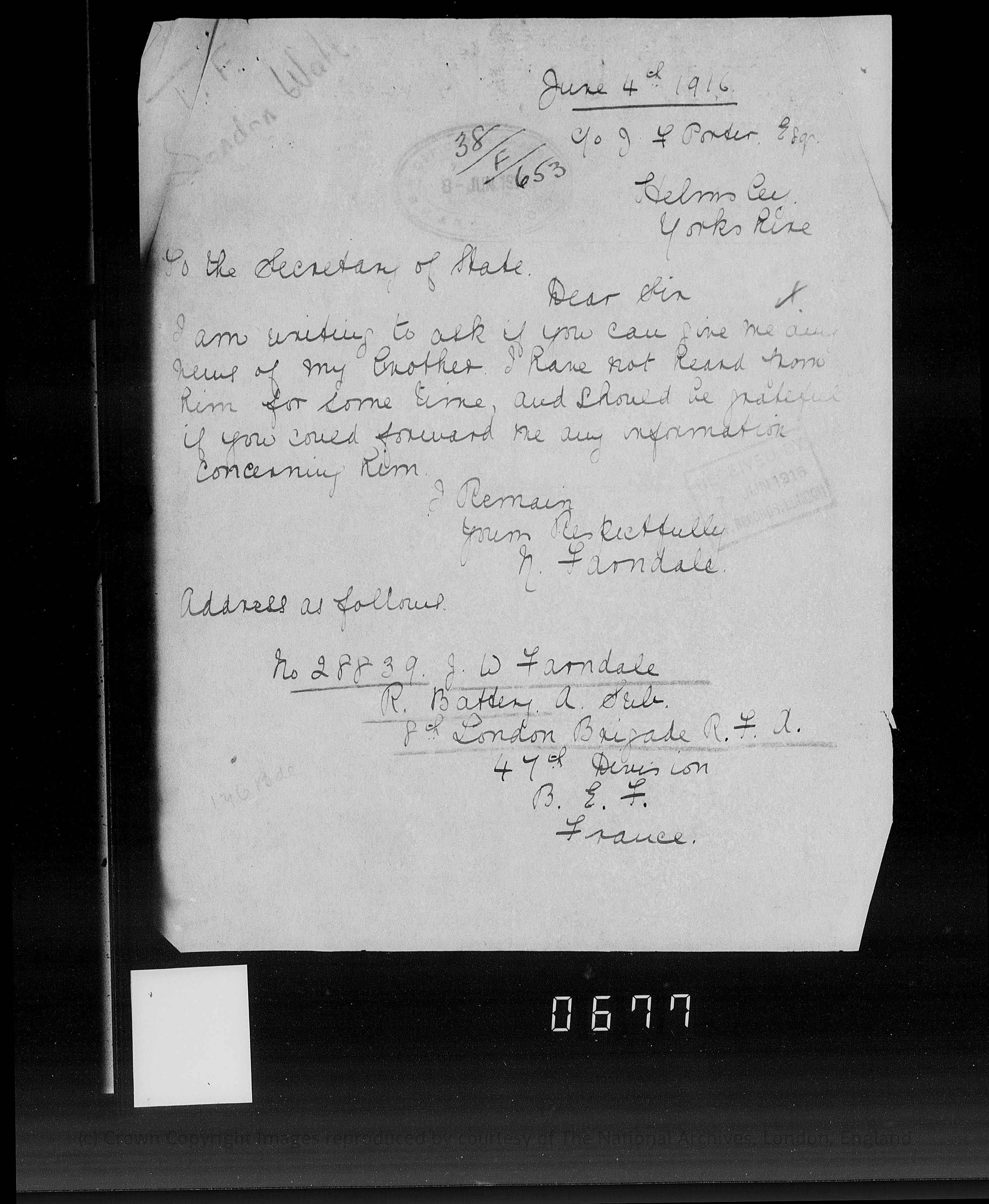
On 4 June 1916 his brother (it is not clear from the signature which
one) wrote
a letter to the Secretary of State asking for any news of John who
the family had not heard from for some time. Charles was a
stable boy and groom in Huttons Ambo[146]
who served in the Royal Tank Corps in the 1920s[147].
Charles’ son, John
Nicholas Farndale emigrated to Australia and starred alongside Mel Gibson
as Grinner in the original Mad Max Film in 1979, acting a memorable and
intense scene when tormented by the Toecutter gang. Julia
moved to Hampshire where she was house parlourmaid in the family of Captain
Brian Williams of the Life Guards[148]
before she married Cornelius Sykes in Paddington in 1946[149].
William and Bessy Farndale’s seventh child was George Farndale
(1859 to 1931) who became a footman at 34 Belgrave Square in London[150] before he returned to Kirkham, where he was
postman[151].
We will get back to George in Scene 4.
William and
Bessy’s eight son, Robert Farndale
(1863 to 1933) became a butler in Wales, eventually working for the Piercy
family at Marchwiel House
near Wrexham[152].
The current Marchwiel Hall was built in the 1840s
with five main reception rooms, a ballroom, and twelve bedrooms, with adjoining
stables and outbuildings set on 150 acres, 61 hectares, of estate grounds. In
1881, Benjamin Piercy, a well known engineer and
railway pioneer, purchased the Marchwiel Hall estate for
£18,437, when Robert was the butler. Piercy lived there with his wife Sarah and
their children, becoming a central figure in the village. An avid cricket
enthusiast, in 1883 Benjamin Piercy designed and laid out one of the finest
cricket grounds in the country at Marchwiel Hall to
attract visitors and local residents. He was also recognized as a skilled chess
player. Piercy dedicated his final years to revitalising North Wales railways,
many of which he had originally engineered. Piercy died on 24 March 1888, in
London while visiting the capital. Following his death, his widow Sarah
remained active in Wrexham society, and the family later donated a church organ
and pulpit to the Marchwiel church in his memory. In
1913, Sir Alfred McAlpine bought the property. Home to the Marchwiel
and Wrexham Cricket Club, Alfred developed it as one of the most picturesque
settings for playing the game in the country.
However by
1911, Robert Farndale was an inmate at the Workhouse near Wrexham, where he
found love in Sarah Samuel[153],
who he married in 1913[154].

They later
moved to Chester, where Robert became a waiter at the Grosvenor Hotel[155].
Thomas Farndale
was the eleventh child of William and Bessy
Farndale. Thomas worked on farms by the age of 15[156]
and by the age of 17 in 1883, a farmer of Ganton Wold
Farm near Pickering claimed £1 compensation from him when he ran away on 7
January 1883 after he could not settle[157].
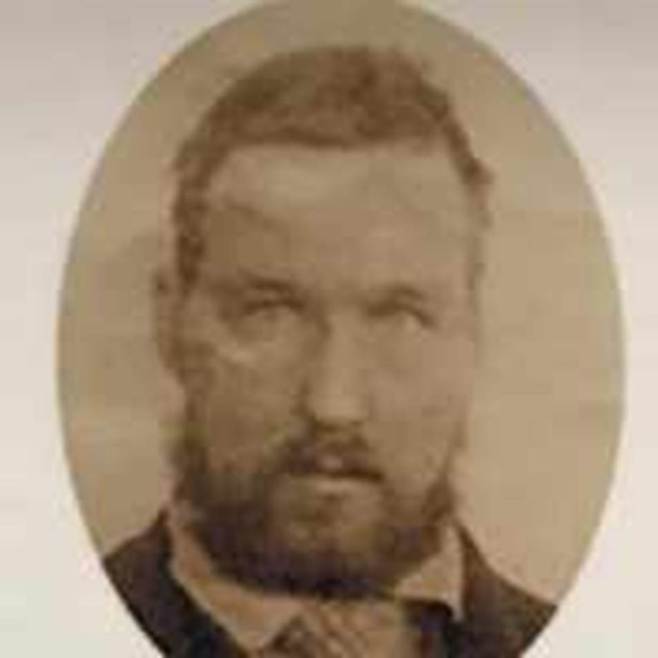

Thomas
Farndale
Sarah Pugh
He married
Sarah Pugh of Stockton on 5 December 1889[158]
and he worked on farms near Stokesley[159]
and later was a stocksman at Witterby
Gardens, Headlam, between Darlington and Barnard Castle[160].
He had a family of six, Thomas, Annie,
Robert,
James, Sarah
and Clara, who
eventually settled around Thornaby in Middlesbrough
and we will return to his family in Scene 5.
Alice Farndale
married John McLean of Malton in 1890[161],
where they settled[162],
and they had four children, Elizabeth, John, Henry and Edward who all
took the Farndale name, although a fifth, Alfred McLean took the paternal name.
In 1886 Alice and her father William were witnesses to a tragedy when a mother and her child were killed in
the local river at Huttons Ambo[163]. In case of what appears to be a deliberate murder and suicide
occurred at the village of Huttons Ambo, near Malton, on Thursday morning, and has
caused the greatest excitement in this usually quiet neighbourhood. It seems
that for about two years past there had lived in the village a Mrs Harriet
Stillborn, widow of the late Mr Charles Stillborn, whose family were highly
respectable farmers in the district. Mrs Stillborn, who was 40 years of age,
was left with two children, a girl and the boy, on the death of her husband
about two years ago, and she has since maintained the family by keeping a
little grocery shop in Low Hutton. Of late, it is stated, she has not acted
very rationally. On Thursday morning, just after half past eight o’clock, she
was seen by Miss Alice Farndale, a young lady resident in the village, to take
her two children by the hands and go across the fields in the direction of the
River Derwent, which flows very near her house. Miss Farndale states that the
children were screaming at the time, and seemed very reluctant to accompany
their mother. Fearing, therefore, that something was wrong, Miss Farndale ran
to tell her father, who immediately followed Mrs Stillborn, and was greatly
alarmed to see the children and Mrs Stillborn floating down the river.
Springing onto the overhanging branch of a tree, Mr Farndale succeeded in
getting hold of the youngest child, Arthur Ernest Stillborn, aged 4 ½ years,
whom he had once dragged out. Meanwhile two men, named Thomas Baker and Thomas
Dickinson, had seen the action of the unfortunate woman from the other side of
the river, and they ran down and tried to get the bodies of the mother and daughter
out of the water. The river, being somewhat rough and “wavy”, as well as
running rapidly, on account of the “fresh”, carried both bodies nearly a
quarter of a mile, down to a place called Laysike,
and both were got out before they sank. Of course the greatest excitement
prevailed for some time, but whilst Mr Farndale ran up to his house with the
body of the little boy, those on the bank did the best they could to restore
animation in the mother and daughter, who were laid by the river side. Dr W T
Colby, of Malton, was immediately telegraphed for, and the bodies of Mrs
Stillborn and the child who were carried to an empty cottage near her own
residence. The little lad meanwhile was seized with convulsions, and had
several fits, but his rescuers continued their efforts to restore him, and in
this they fortunately succeeded, as the poor little fellow about two hours
after he was taken out of the water had quite recovered consciousness. Dr
Cobly, with Sergeant Watson, of Malton, arrived on the scene shortly before
eleven o’clock, and at once set about to resuscitate Mrs Stillborn and the
other child, both of whose bodies were warm, but the efforts of both himself
and assistants were entirely useless. Dr Colby was of the opinion that Mrs
Stillborn had died partly from the shock and partly from the drowning. The
child Annie Stillborn, who was thus deprived of life, was a fine, bright,
healthy girl of nine years of age, whilst the mother did not appear to be of
strong physique.
By this time
William Farndale
had become the sub post master of Huttons
Ambo[164].
He was retired by 1901, and blind[165].
He died at Huttons Ambo on 27 September 1910, aged 85[166].
Scene 4 – Kirkham Abbey
George Farndale
(1859 to 1931), after serving as a footman at 34 Belgrave Square in London[167],
returned to the vicinity of Huttons Ambo
in the mid 1880s and settled in Kirkham, just across
the River Derwent from Huttons Ambo, where he became the postman[168].
In 1888 he married Eliza Warters of Scrayingham[169],
which is between Malton and York. In May 1895,
when conveying letters from Kirkham Abbey to Birdsall, George Farndale was
thrown from his horse and dislocated his shoulder. On Friday a rural
postman, named Farndale, who conveys the letters from Kirkham at Abbey to
Birdsall etc, was thrown from his horse and had his shoulder dislocated. Dr
Colby, Malton, attended to the injury[170].

George
and Eliza Farndale had four children, Lily, Ethel, William and Florence. In August 1902, Ethel Farndale,
whose conduct had been most praiseworthy in the Sunday School, and Ada Johnson,
who had achieved the same distinction in the day school, were crowned with
chaplets of beautiful roses in the school yard at Westow, near Kirkham Abbey,
by Mrs Speck, wife of the vicar of Langtoft. Songs and exercises, which
reflected much credit upon the head mistress, Mrs Fisher, and her assistants,
formed part of the proceedings. [171]

Ethel
became a book keeper in York[172]
and later a butcher’s clerk[173].
Lily also moved
to York, where she was a dressmaker by 1911. William
Farndale also moved to York by 1911 where
he became a gardener[174].
He served in the Royal Army Medical Corps in the First World War[175]
and was later an insurance agent with the Prudential[176].
Florence
also joined her siblings in York, where she
became a clerk to chemists at Collingate[177].
William’s
daughter, Denise Farndale
emigrated to USA and became a US citizen[178].
Scene 5 – Back to Cleveland again –
Thornaby, Middlesbrough
Thomas Farndale
(1866 to 1935) had married Sarah Pugh of Stockton
on 5 December 1889[179]
and he worked on farms near Stokesley[180]
and later was a stocksman at Witterby
Gardens, Headlam, Barnard Castle[181].
They had a family of six, Thomas, Annie,
Robert,
James, Sarah
and Clara, and
after a life working around Stokesley, Barnard
Castle, and then Hurworth on Tees, Darlington[182],
the family settled by 1921 at 29 Pottery Street at Thornaby-on-Tees by Middlesbrough[183].

Thomas and Sarah’s
eldest children, Thomas
and Annie,
died in infancy.
Robert
Farndale (1893 to 1975) married Violet Wood in Middlesbrough on 30 March 1918[184]
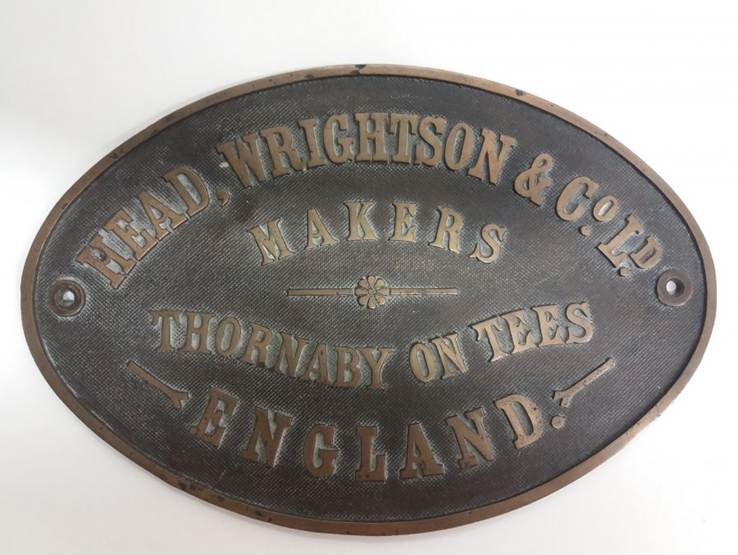
and Robert worked for the heavy industrial firm, Head
Wrightson and Co, at Thornaby on Tees[185],
which made large industrial products, which often needed special transport to
move them to site. The firm made bridges including Fulham Railway Bridge and
Barnes Railway Bridge in the late nineteenth century and during the early
twentieth century rearmament, they also built naval landing craft. Robert and
Violet had two daughters, Violet and Miriam.
Miriam was engaged to a boy she had known since school days, when she was taken
seriously ill in 1950. A young woman who has spent over five years in
hospital, whose heart stopped beating under an operation, and who then took a
“50-50” chance of recovery by undergoing another similar operation, will walk
up the aisle on Whit Monday for her wedding, planned nearly six years ago.
They finally married six years later after she recovered. He was there to cheer me up and give me
hope in my darkest moments,” she said. Miriam left hospital, cured, on
Christmas Eve. And last night, Harry, of High Street, Moorsholm, Yorkshire, was
decorating their cottage near Stanghow. “She was worth waiting for” he said.[186].
Miriam Bennetts lived to the age of 71[187]
and Harry, her husband, to 91[188].

Robert Farndale Violet Farndale, perhaps with Violet Farndale the Younger, though probably
Miriam
James Farndale
(1895 to 1977) worked in animal husbandry and served with animals in both world
wars[189].
He served in Egypt in 1915. He married Mary Fairburn in 1920[190]
and was a cartman in Thornaby working for a carting contractor, I D Harrison[191].
James and Mary
Farndale had nine children, James, Rubina, George,
Frederick,
Clifford,
Lillian,
Keith,
Rosalie
and Harold.
James ran a
business in the 1960s, James Farndale and Sons Limited[192].
Rubina and Rosalie[193]
were both nurses and Rubina worked on
the hospital ward at the Eston
Hospital[194].
Frederick lived in
New Zealand for a while. Clifford emigrated
to Australia[195] and his family are the
Australia 2 Line. Keith
Farndale married Doreen Delmer[196]
and had a large family, the Thornaby
Line. Harold
married Sandra Hampton[197]
and they settled in Stockton.

James Farndale
Four
Family Hubs
This large
section of the family, the
Ampleforth Line, who thus settled around Yearsley
in the late eighteenth century, had spread across the Vale of York to a cluster
around Malton and another east of Leeds, with
the Thornaby family moving back to Cleveland. We will meet some of their
descendants in later Acts of the Farndale Story.
We have now
met the four hubs of the family, into which the small family emerging around Kirkleatham and Wilton from the sixteenth
century, had grown. We have met the Kilton family
who dominated that small village for two and a half centuries. We have met the family of Brotton and
Loftus who spread across Cleveland often in transition from rural to urban
opportunities, sometimes struggling and often becoming influential players in
the new towns they settled in. We have met the mariners of Whitby,
and their adventures at sea. In this Act, we have met the family who chose to
return to the ancestral medieval homelands, probably unaware that they were
doing so, who themselves spread widely across the Vale of York and some
returned to Cleveland.
From these
four hubs, the family would encounter the challenges of industrial change, the
adventures of travel across the lands of a new empire, and the realities of
twentieth century warfare.
Go
Straight to Act 17 – John Farndale and the Industrial Revolution
or
|
This
is a new experiment. Using Google’s Notebook LM, listen to an AI powered
podcast summarising this page. This should only be treated as an
introduction, and the AI generation sometimes gets the nuance a bit wrong.
However it does provide an introduction to the themes of this page, which are
dealt with in more depth below. |
|