Bedale
Historical and geographical information
|
Return to the Home Page of the Farndale Family
Website |
The story of one family’s journey through two
thousand years of British History |
The 83 family lines into which the family is divided.
Meet the whole family and how the wider family is related |
Members of the historical family ordered by date of
birth |
Links to other pages with historical research and
related material |
The story of the Bakers of Highfields, the Chapmans,
and other related families |
Introduction
Dates are in red.
Hyperlinks to
other pages are in dark
blue.
Headlines of the
history of Bedale are in brown.
References and
citations are in turquoise.
Contextual
history is in purple.
The Farndales of Bedale
Whilst there is
no line of Farndales associated with Bedale, there are Farndales who lived or
are otherwise associated with the town: William Farndale (FAR00366);
William Farndale (FAR00499);
William Farndale (FAR00502A);
James Farndale (FAR00521);
Tom Farndale (FAR00536);
Hannah Farndale (FAR00628);
Ronald Farndale (FAR00925);
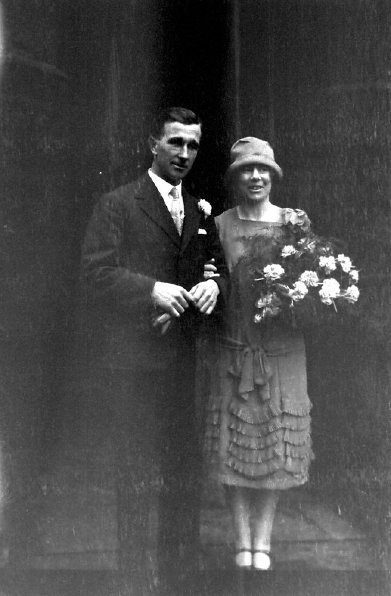
Alfred Farndale (FAR00683)
was married at Bedale Church shortly before he emigrated to Alberta.
Bedale
Bedale has been a
market town since 1251. It was mentioned in the Domesday Book. The town
was recorded as Bedell or Bedhal and derives
from 'Beda's Halh' which means the corner or place of
Beda. Its Georgian heyday is reflected in the elegant buildings lining the
historic market square.
In the 18th
century, Bedale was a centre of horseracing. It was the place where
three-year-old races were first introduced in England, since previously
horseracing was limited to older horses.
Before
the Harrying of the North, Bedale was held by Torpin
(Thorfinn), a patronym retained by the infamous Dick Turpin.
The 12th century
church, St Gregory’s, has been named as one of Britain’s best. The original 9th
century church escaped destruction in the Harrying of the North and was
recorded in the Domesday Book.
The recent
discovery of the Bedale Hoard provides further evidence of
high-status Anglo-Saxon and Viking age activity in the
area.
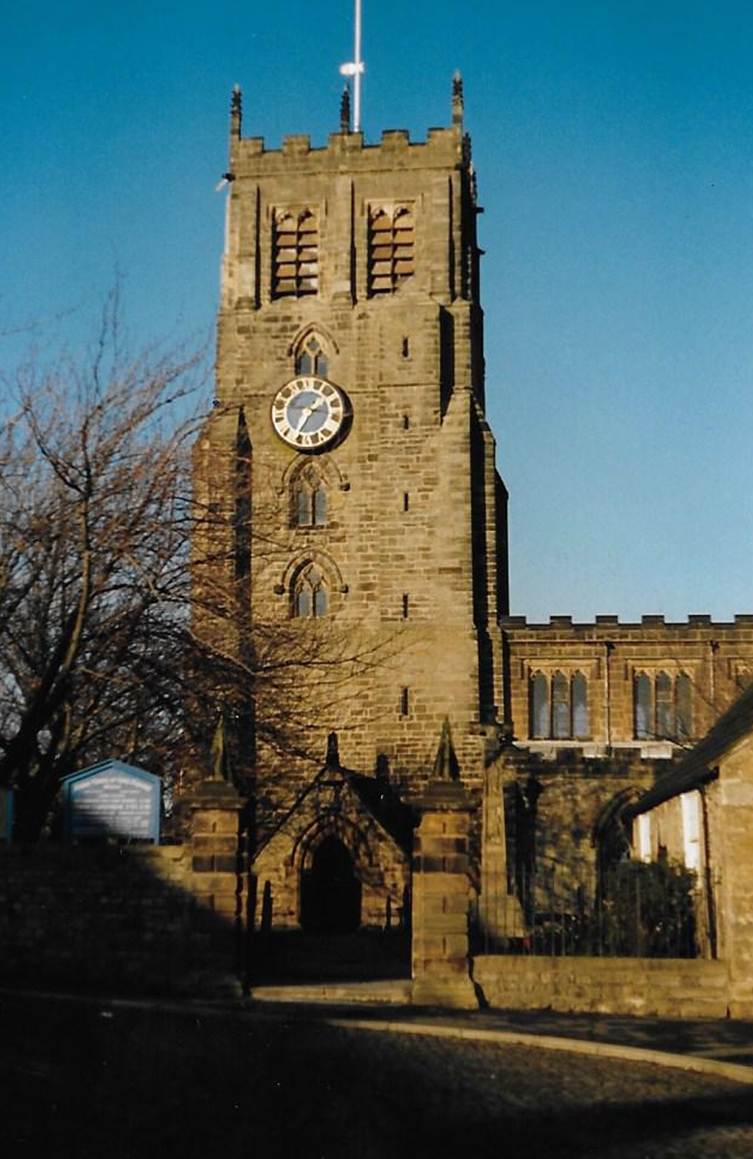
Bedale Church
taken in December 1986