William
Farndale, Vicar of Doncaster
c
1330 to c 1415
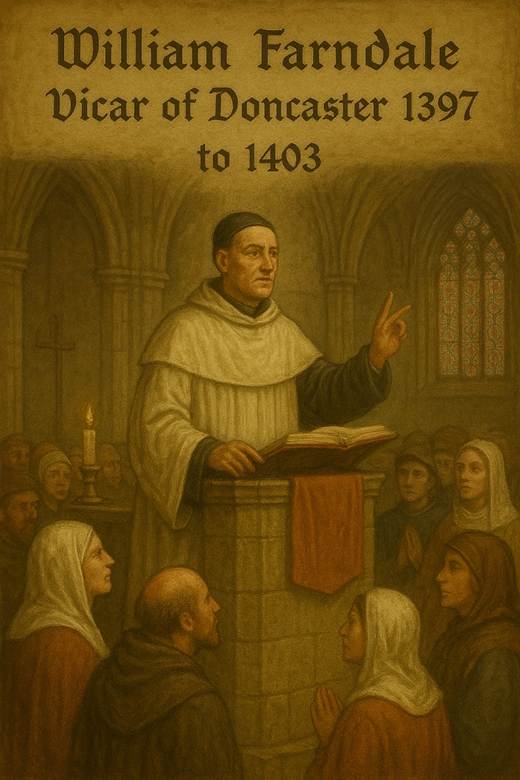
The Chaplain and Vicar of Doncaster, who held lands at Loversall, of whom
we have significant records
FAR00038
|
Return to the Home Page of the Farndale Family
Website |
The story of one family’s journey through two
thousand years of British History |
The 83 family lines into which the family is divided.
Meet the whole family and how the wider family is related |
Members of the historical family ordered by date of
birth |
Links to other pages with historical research and
related material |
The story of the Bakers of Highfields, the Chapmans,
and other related families |
Dates are in red.
Hyperlinks to other pages are in dark blue.
Headlines are in brown.
References and citations are in turquoise.
Context and local history are in purple.
If William was a chaplain by 1355, if he was 25 by that time, then
he might have been born in about 1330. William could have been the son of John
de Farndale (FAR00030), a saddler of York. On reaching maturity he might have moved
south to Doncaster, at about the time of the Black Death, perhaps just
afterwards.
Although
there are no records of his birth, the most likely candidate for his father is Johannes de
Farendale, whose family had left Farndale for Egton and then Rosedale. His
father had taken a substantial loan at Hovingham in 1336 after which he settled
in York and set up a business as a saddle maker. By 1363, Johannes de Farndale
had become a freeman of York, and his son, Johannes de
Farndall who may have been William’s younger brother, remained in York,
where he too became a freeman.
Nicholaus de ffarnedale (FAR00038A) might
have also been William’s younger brother.
By the 1330s
when William was born, Doncaster was the wealthiest town in southern Yorkshire
and the sixth in Yorkshire as a whole, even boasting its own banker. By the
1350s, it was recovering from the Black Death, which had reduced its population
to 1,500.
1343
There is a reference to a William, vicar of Doncaster in 1343, but this seems too early. Hugh Ravenyld, quer., Geoffrey de Pykenham and Maude his wife, def., of 2 acres of meadow in Bentelay near Donecastre : To hold (subject to the term of 8 years which Walter, vicar of the church of Donecastre, has in one acre and two thirds of the other acre, and to the life estate which Cicely Wyne holds in dower in one third of an acre) to Hugh and his heirs. Warranty by the deforciants for themselves and the heirs of Maude. (Feet of Fines for the county of York (1327 to 1347), Edited by W Pailey Baildon, Yorkshire Archaeological Society Record Series, volume 42, 1910, page 160).
Hugh
Ravenyld received full hereditary ownership of 2 acres of meadow in Bentley
near Doncaster but was required to respect several existing temporary rights
before enjoying the land outright. The land is was immediately free of
encumbrances. Two pre‑existing interests remained in force.
Walter, vicar of Doncaster held an 8‑year term in one full acre, and two‑thirds of the remaining acre. Cicely Wyne held a life estate in dower over one‑third of an acre. Hugh took ownership subject to these rights.
Once they expired (Walter’s term) or ended naturally (Cicely’s lifetime), the
land became fully his.
1349
The
Black Death hit Doncaster
badly between 1348 to 1351. William was likely to have been in his teens during the Black
Death. The experience of the Black Death (and his survival) might have turned
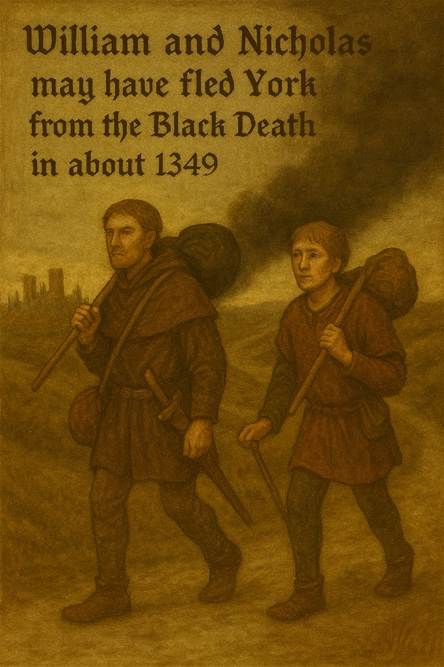
him to the church. The two brothers
William and Nicholas might have left York for Doncaster during the traumas of
the Black Death.
By
1334, Doncaster was the wealthiest town in southern Yorkshire and the sixth in
Yorkshire as a whole, even boasting its own banker. By 1379, it too was
recovering from the Black Death, which had reduced its population to 1,500.
The
Black Death hit Doncaster again in the late sixteenth century, with a deadly
outbreak in 1582, when about a third of the population died. But that is two
centuries later.
1356
We first
meet William Farndale as Chaplain to Walter de Thornton, the Vicar of
Doncaster, in 1356. If William had been aged about 25 in 1355, then he would
have been born in about 1330.
By 1356, William Farndale
was a chaplain at Doncaster (Nottinghamshire
Archives, Reference DD/FJ/1/291/5). He may have moved to Doncaster from York.
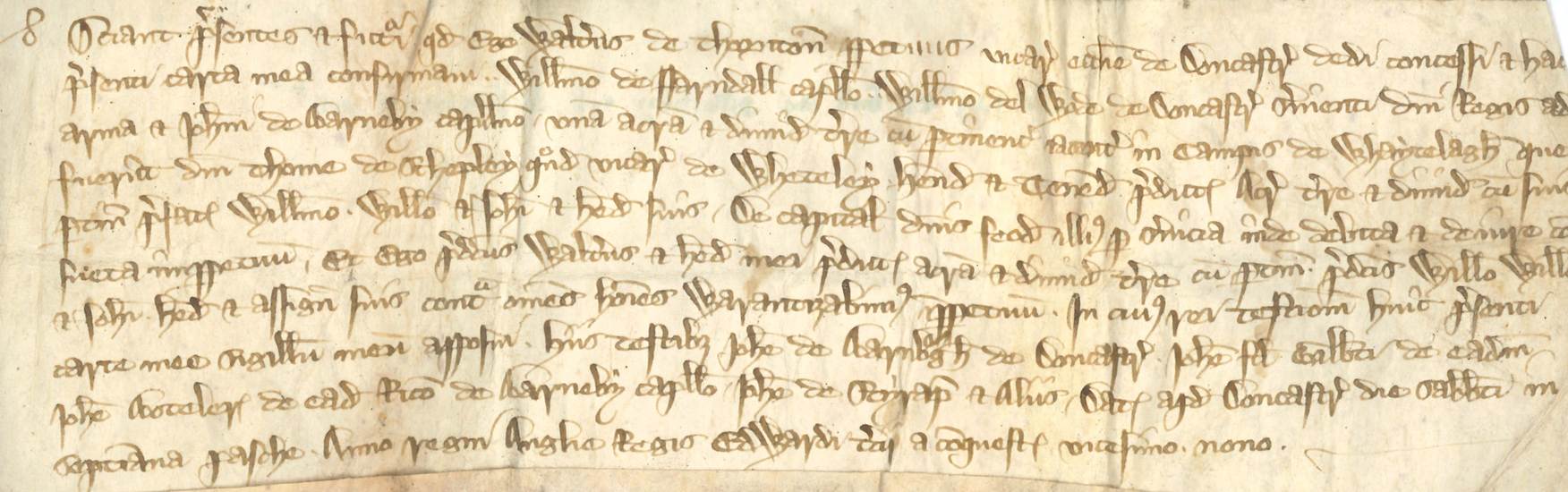

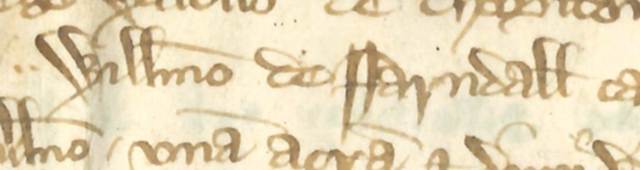
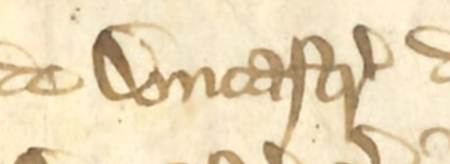
The text translated from Latin reads Grant. 1) Walter de
Thornton, vicar of Doncaster. 2) Wm. de Farndall,
chaplain. Wm. del Wode of Doncaster, King's
serjeant at arms. John de Barneby, chaplain. (1) to (2) 1½a. late belonging to
Sir Thos. de Schepley, late vicar of Whaytelagh, in Whaytelagh. Witn.: John de
Barnburgh of Doncaster, John Boteler, etc. At Doncaster, Sat. in Easter week,
29 Edw. III. Seal.
The 29th regnal
year of Edward III was late 1355 to 1356, so the Deed was dated 11
April 1356.
To check details of Sir Thomas of Shepley, and of
the location of Whaytelagh, perhaps Wheatley.
The
Parish Church of St George at Doncaster
There is a separate page with more information about
the
history of the Parish Church at Doncaster which explores in detail
how the church might have looked in William’s time, and
has more evidence about William Farndale.
The Parish Church of St George at
Doncaster was magnificent even in its medieval structure, well before the
rebuilt Victorian Church which has become today’s Doncaster Minster.
Its history
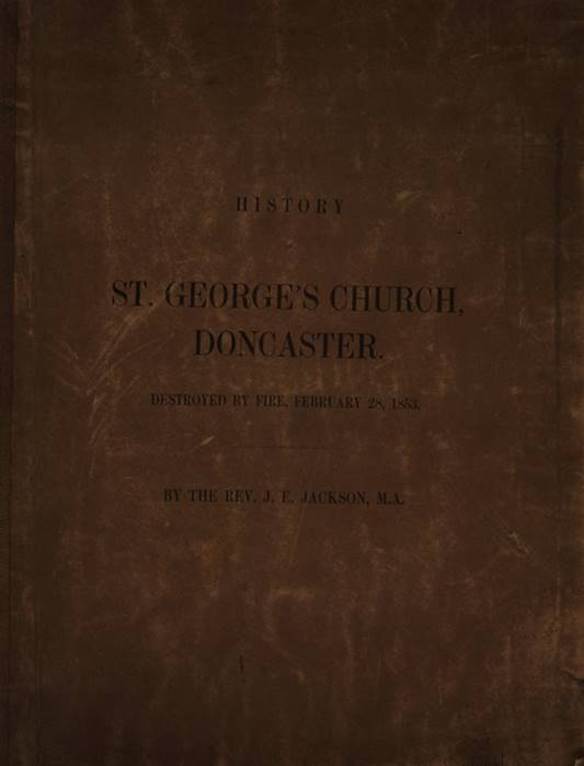
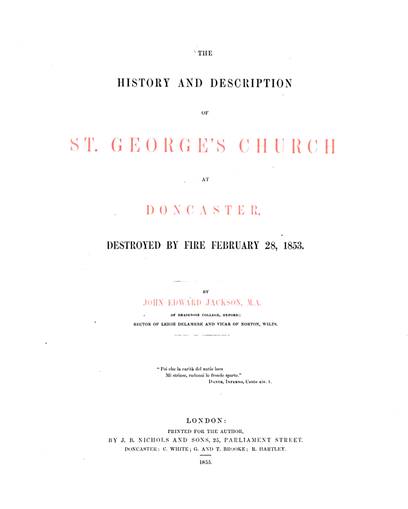
is the subject of The
History and Description of St George’s Church at Doncaster Destroyed by Fire
February 28, 1853, by John Edward Jackson MA, 1855.
1358
The Calendar of Patent Rolls, Edward III, 1358 to 1361, 32
Edward III – Part II, P110: October 15, Westminster. Pardon, for good
service done by the king’s sergeant at arms William atte
Wode, to the said William for having enfeoffed John
de Barneby and William de Farndale, chaplains, of the manor of Derleye, held in chief, and then re
entered into the manor, which they quit-claimed to him, without the king's
licence; and grant that he shall retain the same in fee. By K.
Darley
Manor is in Derbyshire, or this is may be a reference to a
place in the environs of Doncaster. However it was probably a reference to the
Harrogate area and this seems to be a different
William Farndale, who was also a chaplain (see FAR00036).
It is of course possible that the reference is to this William Farndale, but
the reference to Derley and Caleys
seems to be a reference to a different person, explored in FAR00036.
We don’t know if
or who William married. Nor do we have records of his offspring. However there is evidence of the earliest known direct
ancestors of modern Farndales living just north of Doncaster by about 1512
until about 1564, when the family moved to Kirkleatham in Cleveland. So it seems reasonable to suppose that there was a family of
modern Farndales’ ancestors living around Doncaster back to William’s times.
Perhaps William was an ancestor himself, and after a couple of generations,
Nicholas Farndale (FAR00059)
was born into that family. Or perhaps Sir William Farndale the vicar had
siblings, one of whom was a grandfather or great grandfather of Nicholas.
Well into the twelfth century as many of a quarter of the
secular clergy, bishops, archdeacons, and parish priests were married, despite
the attempt of the Church to impose sexual abstinence on the higher clergy. Lay
and clergy chose marriage as a union within which sexual relations were
sanctioned, albeit only for the creation of offspring. There was vocal
opposition by a substantial number of clergy against
chaste marriages or celibacy. The married clergy were not afraid to defend
their right to continue their marriages as sexual unions. By the fourteenth
century, the struggle to outlaw clerical marriage had largely
succeeded, though clerical concubinage was still commonplace. Over the
course of the fourteenth and fifteenth centuries secular governments in England
became increasingly involved in enforcing clerical celibacy.
It is possible
another descendant (perhaps his son or grandson) was William Farndale (FAR00056A) who
married Rose Farndale.
Well
into the twelfth century as many of a quarter of the secular clergy, bishops,
archdeacons, and parish priests were married, despite the attempt of the Church
to impose sexual abstinence on the higher clergy. Lay and clergy chose marriage
as a union within which sexual relations were sanctioned, albeit only for the
creation of offspring. Given evidence of vocal opposition of a substantial number
of clergy against chaste marriages it seems likely
that many clergy did not practice chaste marriage or celibacy. The married
clergy were not afraid to physically defend their right to continue their
marriages as sexual unions. A strong incentive may have had its roots in the
emotional attachment and love a married priest’s couple may have felt for each
other.
It is interesting
that we see the name William continue to be used down the known generations. William
was an extremely common name, but this adds to the evidence of our theory of
Farndale ancestry.
1361
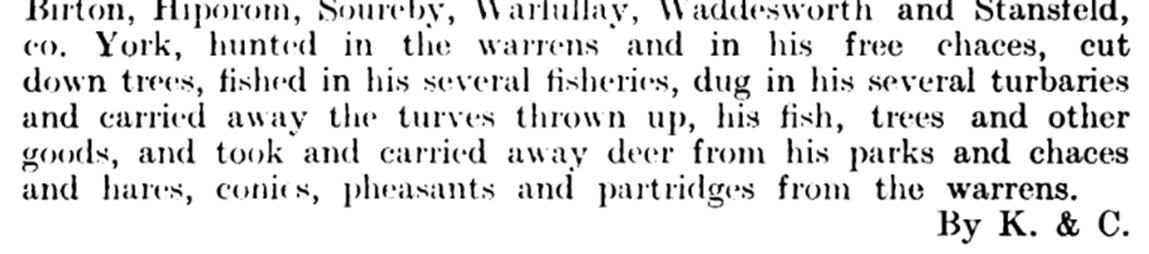
A Commission of
Oyer and Terminer was granted to John Mowbray and others on a complaint by
Edmund of Langley, the king’s son that a long list of chaplains and parsons,
including William de Fernedale, chaplain of Doncaster hunted in his chases and
cut down trees, fished in his fisheries, dug turbaries and carried away turves
(Patent Rolls
of the reign of Edward III, 1361 to 1364, pages 149,
150). Edmund of Langley was the ancestor of the House of York.


1368
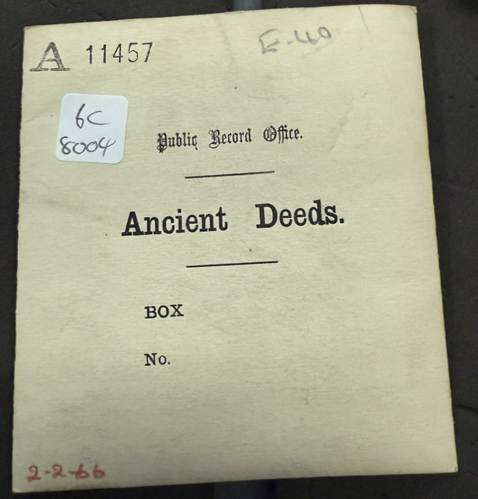
On 7 December 1368, Robert
Ripers transferred 5 acres of land at Loversall (just south of Doncaster) to
Sir William Farndale, who was still a chaplain. (Deed in the Records of the Exchequer, The National
Archives E 40/111457, Feoffment by Robert Ripers of Loversall to Sir William
Farendall, chaplain).
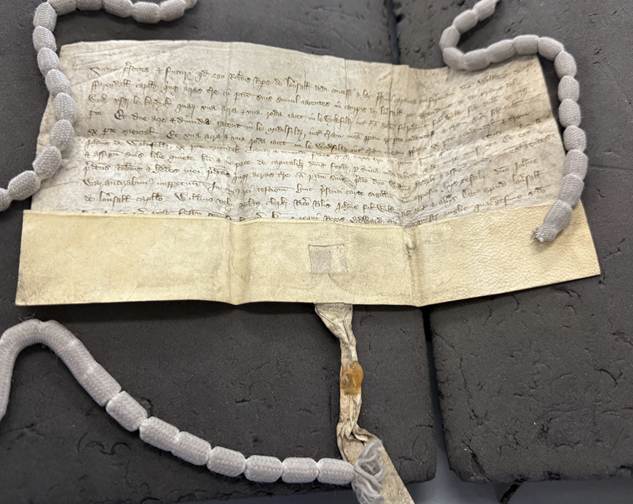
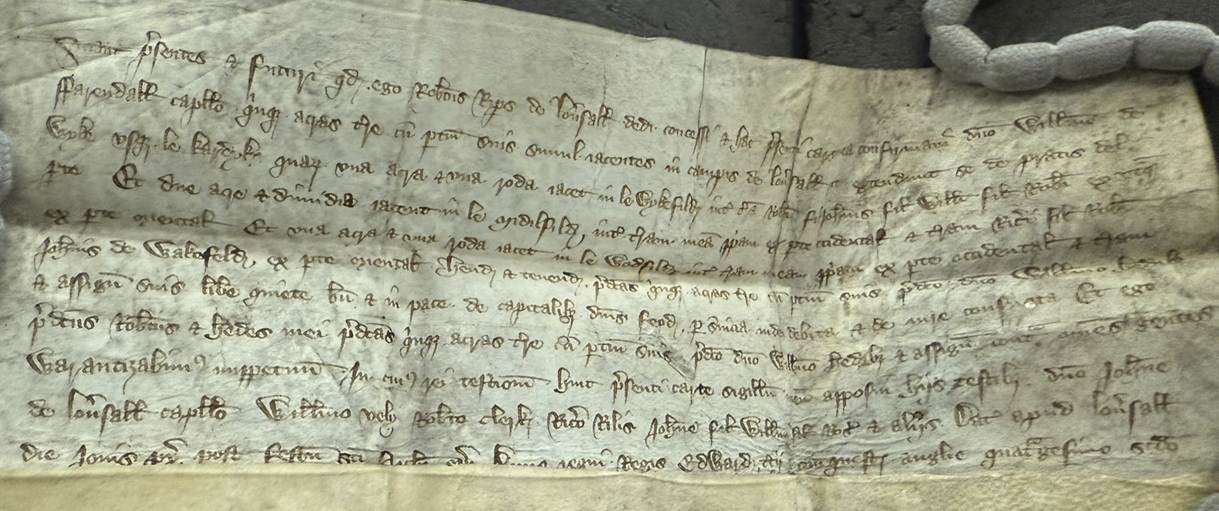
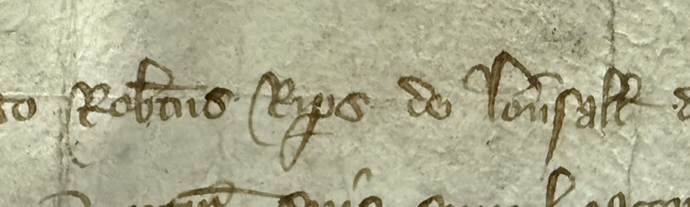
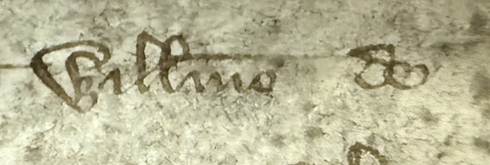
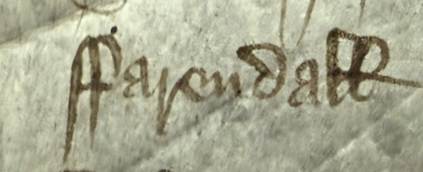
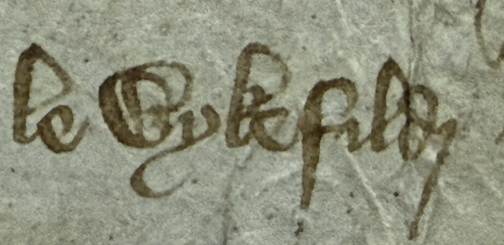
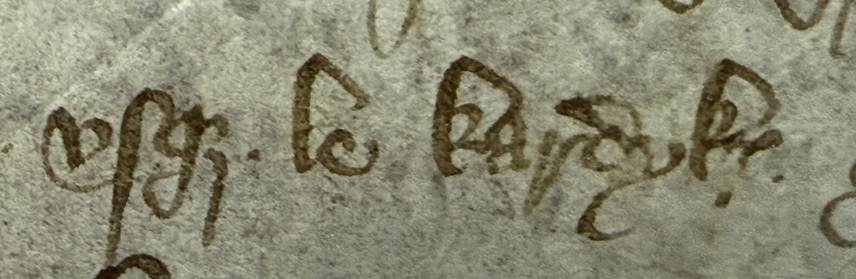
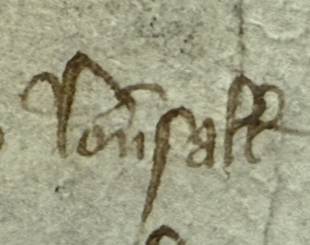
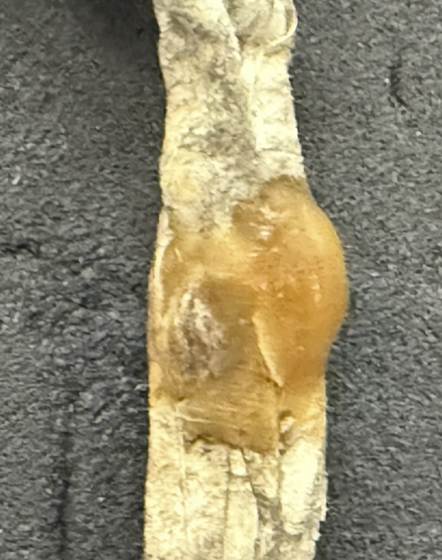
The Deeds reads Transfer
of land; ‘Know men present and to come that I Robert Ripers of Loversall have
given, granted, and by this my present charter confirmed to Sir William
Farndale, chaplain, 5 acres of land with appurtenances lying in the fields of
Loversall, extending from the meadows of the Wyke to the Kardyke, of which 1 acre 1 rood lie in Wykefield
between the land of Robert son of John son of William, son of Robert on both
sides. And 2 1/2 acres lying in the Midelfild between
my own land on the west and the land of Richard son of Robert on the east. And
1 rood lying in Wodfild between my own land on the
west and the land of John of Wakefield on the east. To have and to hold the
said 5 acres of land with appurtenances to the said William and his heirs and
assigns, freely, quietly, well and in peace, from the chief lords of the free
by the services then owed and customary by right. And I, said Robert, and my
heirs, will warrant the said 5 acres with appurtenances to the said Sir William,
his heirs and assigns against all men for ever. In witness whereof I have
affixed my seal to this present charter. These being in witness; Sir John of
Loversall, Chaplain; William Vely, Robert Clerk, Richard Rilis, John son of William son of Roger
and others. Given at Loversall on Thursday after the Feast of St Nicholas, 42
Edward III. (7 Dec 1368).’
Loversall
is a parish two kilometres south of Doncaster. There is more evidence of the
relationship between Lovershall and the Vicar of
Doncaster in the history of
Doncaster Parish Church.
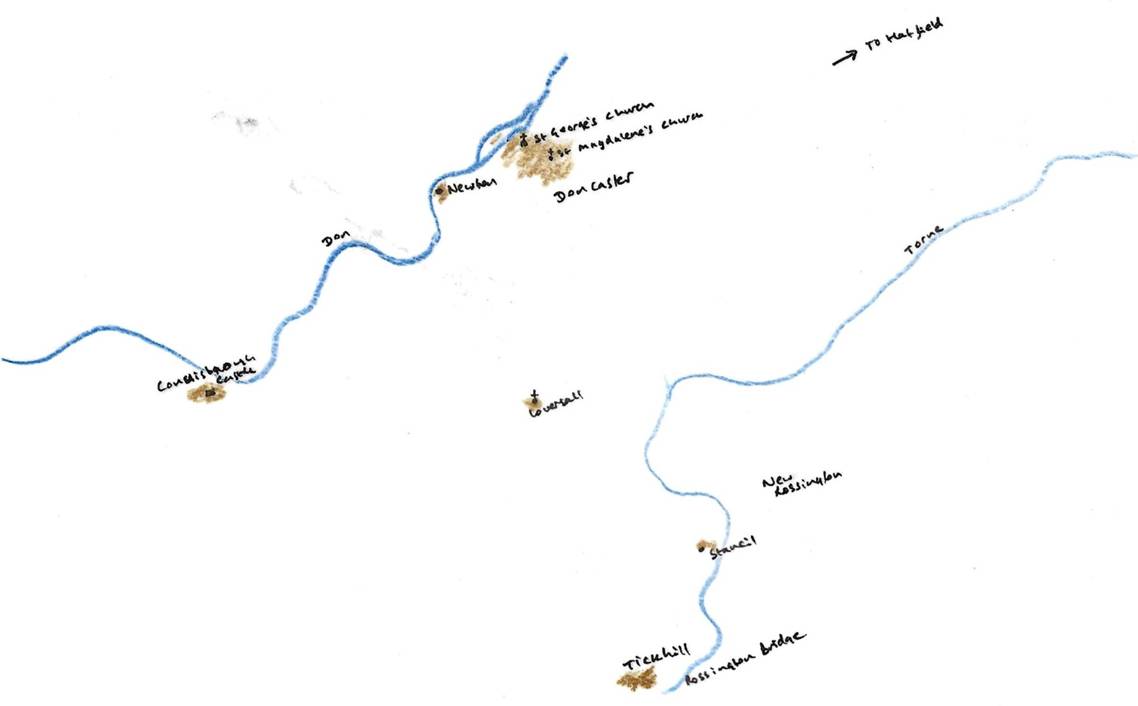
Initial sketch of
Doncaster and vicinity (to be further developed)
‘Sir’ was
generally used when referring to a vicar, so he was already being referred to
as Sir William Farndale by 1368, though he was still a chaplain then.
Still
to find any evidence in old maps of Middle Field, Wood Field, Wyke or Kardyke.
During the
fourteenth and fifteenth centuries, Robert Ripers (also recorded as de Ripariis or Rypers)
and his family were the dominant manorial landowners and gentry in the village
of Loversall, located just south of Doncaster in the West Riding of Yorkshire.
The family’s prominent status in Loversall began earlier in 1241, when the
mesne lord William de Middleton passed land to Robert de Ripariis. By 1277,
John de Ripariis was recorded as holding the fourth part of one fee in
Loversall. Property
and local legal records indicate the family securely retained their status as
Lords of Loversall during the 1300s. A legal record from 1331 highlights a land
arrangement (feoffment) involving a Robert, son of John de Rypers of
Loversall and his wife, Alice. On 7 December 1368, patent rolls record that
Robert Ripers transferred five acres of land in the fields of Loversall to Sir
William Farndale, a local chaplain. The deed meticulously maps out the
open-field system of medieval Loversall, referencing boundaries like the Wykefield, Midelfild,
and Wodfild.
By the fifteenth
century, the Ripers family consolidated their
influence through strategic marriages with other
powerful regional gentry. Records note that Thomas Ripers of Loversall had a
daughter, Ellen. Ellen married into the powerful Nottinghamshire gentry. She
married a prominent regional figure whose family served the estate of Knight
Edward Stanhope. This marriage produced two sons, Robert and Thomas. The Ripers family maintained continuous direct ownership of
their Loversall estates until the early sixteenth century. At this point, the
male line concluded or transferred its rights, and the manor passed to the Wyrall (or Wirrall) family, who
would later build the prominent Wyrall Chapel in the
local church.
The physical
legacy of Robert Ripers and his family remains visible today at St Katherine’s
Church in Loversall. The churchyard and interior house several early medieval
sepulchral stones explicitly associated with the Ripers
family. Most notably, an early 14th-century chest tomb (now Grade II listed)
and the tomb of a young Ripers child survive as
physical testaments to the family’s high status and religious patronage in the
parish during the fourteenth century.
1370
Sir William de
Farndale received a share in a messauage and land
(with goods and chattels) at Waytelagh, Doncaster
(presumably Wheatley a district in north Doncaster) from a grant made on 14 January
1370 by Joan, widow of Thomas Cote. In the same year he received another grant
of an acre and a half at Longneuton (presumably
Newton in west Doncaster). Deed No 20, AD 1370, Thursday after St Agnes, V
& M. Grant by Robert Denias and Richard de Barneby chaplain to Sir William
de Farendall, chaplain, of one acre and a half in Longneuton.
(Title Deeds, A Calendar to the Records of the
Borough of Doncaster, Volume 1, Royal Charters and Ancient Title Deeds).
William was clearly
a senior Chaplain by this time from two other chaplains.
There is also the following reference in the
Patent Rolls, 7
May 1370, 44 Edward III Part 1, page 393: May
7, Westminster. Pardon to William Farndale of Caleys
of the king’s suit for the death of John de Spaldyngton, whereof he is indicted
or appealed, and of any consequent outlawry. By p.s. This seems to be a different
William Farndale, who was also a chaplain (see FAR00036).
1397
Sir William Farndale became
the Vicar of Doncaster from 8 January 1397 (aged about 61) (Archbishop Registers, York, Register 14 f.62 (recto)
entry 4 dated 1397/01/08 (certain)).
He continued as
the Vicar of Doncaster until 31 August 1403 (aged about 68) when he resigned.
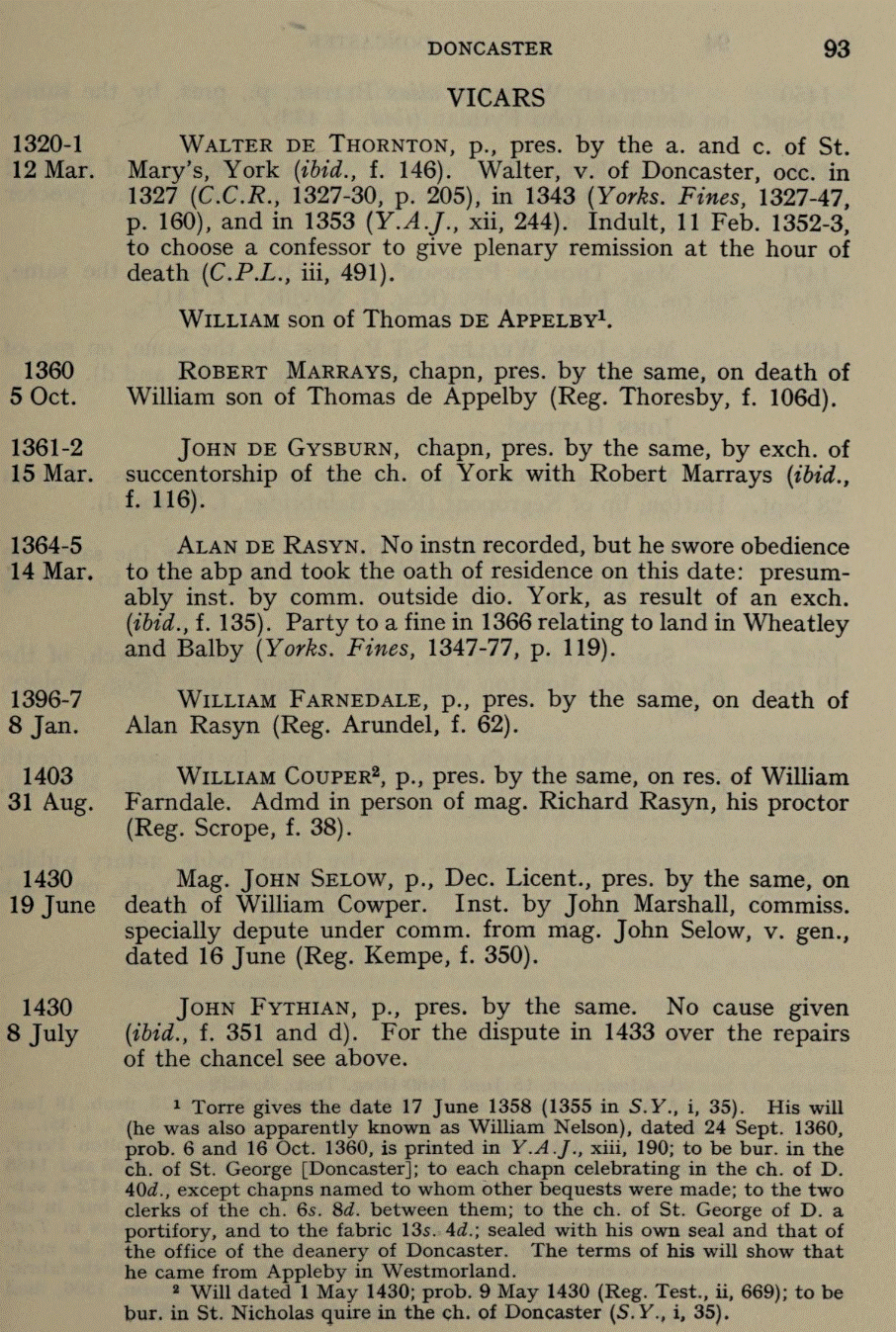
(Hamilton Thompson, A. 1933. Yorkshire Archaeological
Society Record Series Volume 85. Fasti Parochiales. Part 1. Notes
on the Advowsons and pre-Reformation Incumbents of the Parishes in the Deanery
of Doncaster, page 93)
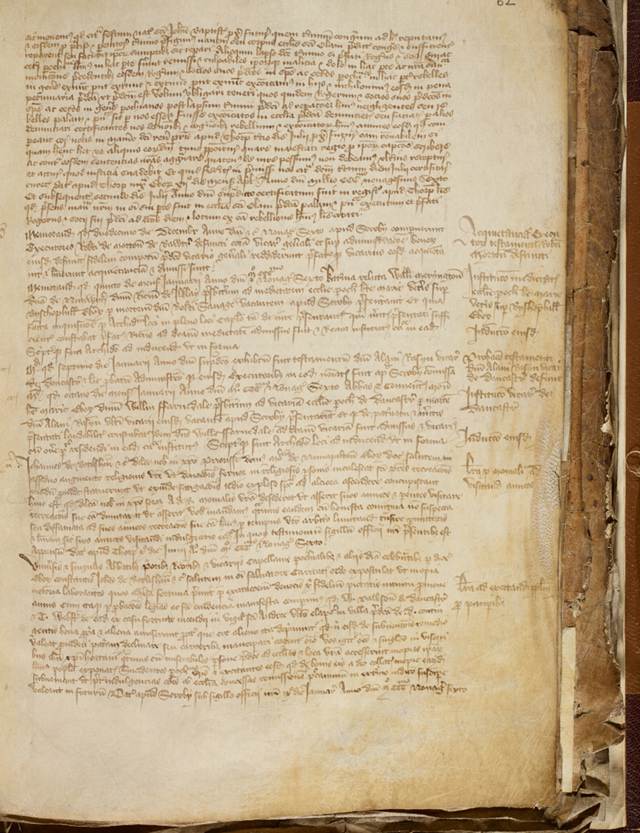
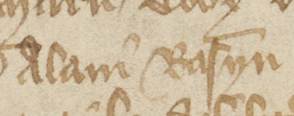
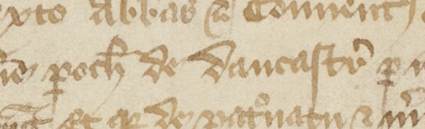
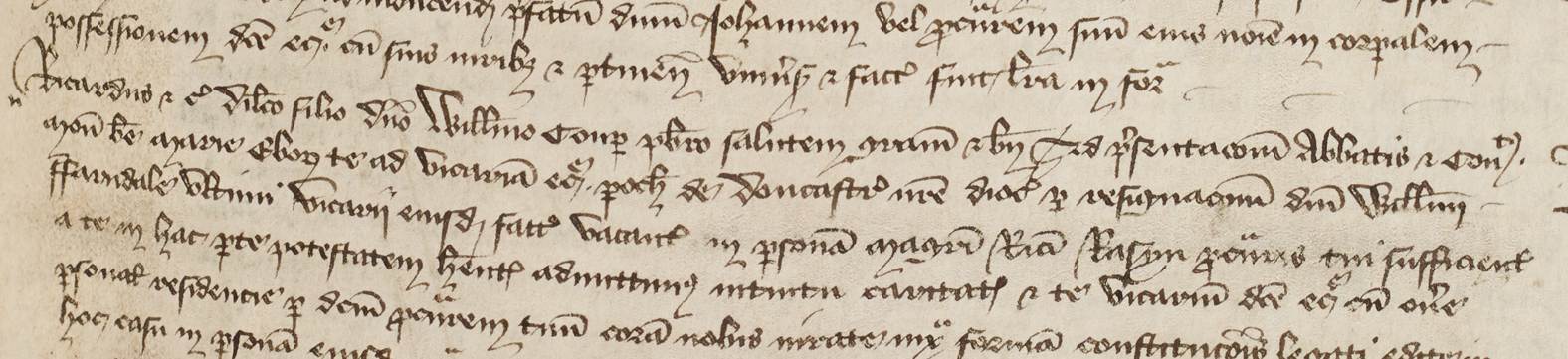
On 8 Jan 1397
William Farndale, priest was presented by the abbot of St Mary, York, on the
death of Alan Rasyn.
This was recorded
in a Memorandum
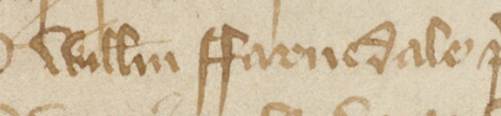
of the presentation by the abbot and convent of York, St Mary, of William
ffarnedale [Farndale], priest, to the vicarage of the
parish church of Doncaster, vacant by the death of Alan Rasyn, the last vicar,
followed by his admission and institution by the vicar general, and an order to
the archdeacon [? of York] for his induction (two entries) (York Archbishop Registers, Register 14 f.62 (recto) entry
4).


The
vicars of Doncaster are listed in Fasti Parochiales, and include William
Farndale.
(Fasti Parochiales Volume 1 (Yorkshire Archaeological Record Series
Volume 85, page 87 (Doncaster), page 93 (list of vicars including William Farndale))
The vicars,
including William Farndale, are also recorded in Rev Jackson’s core text on the
Parish of St George’s, Doncaster.
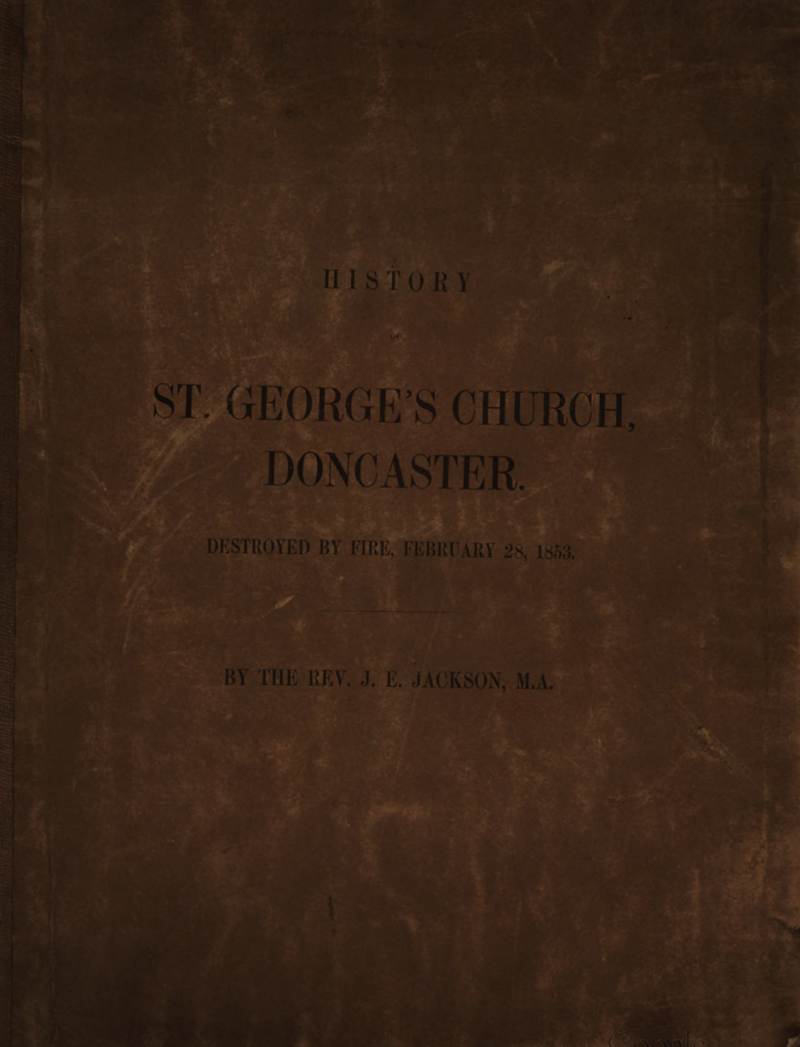
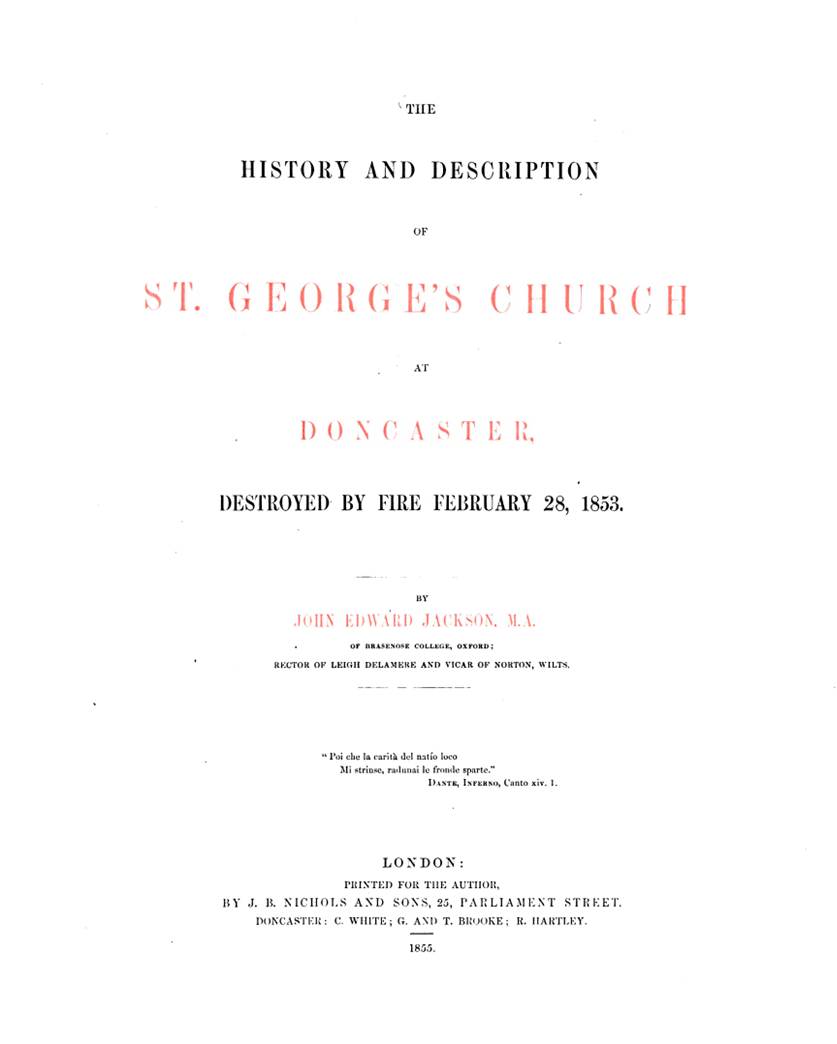
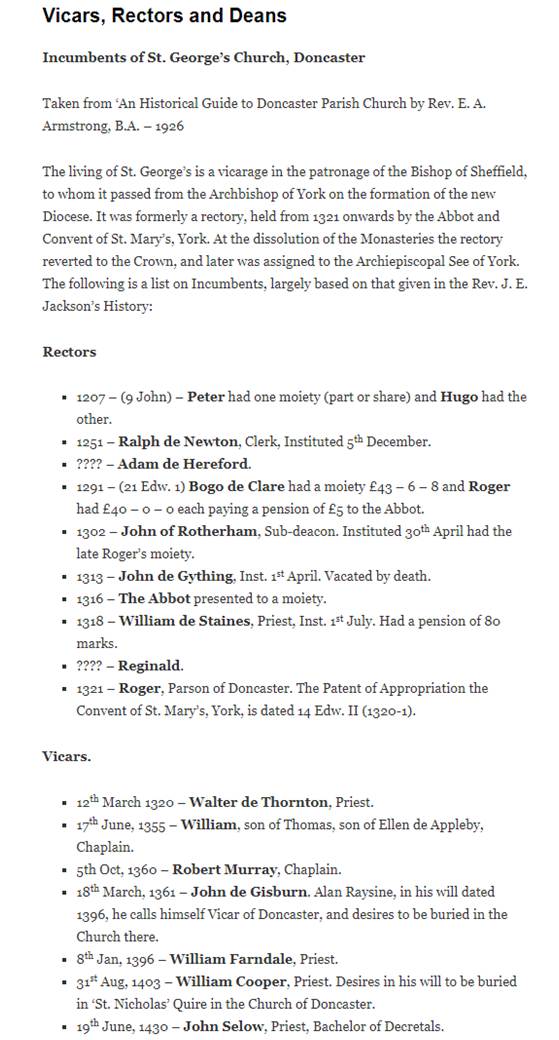
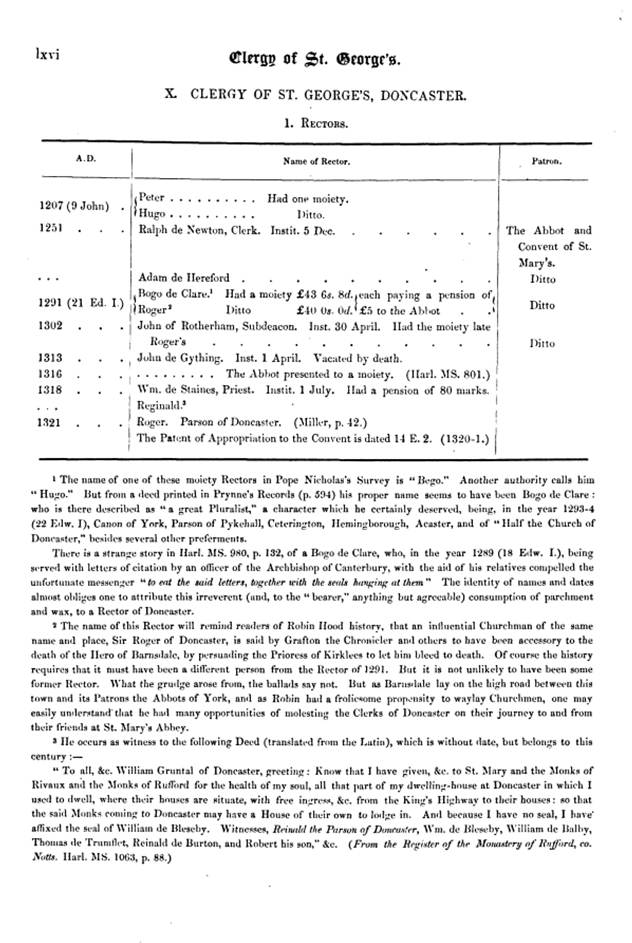
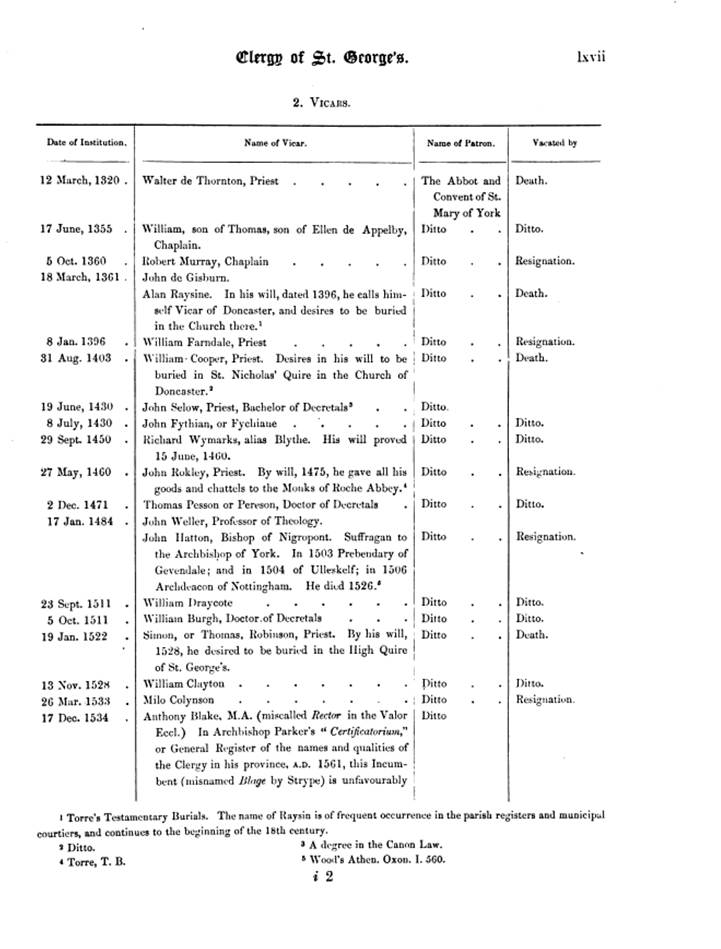
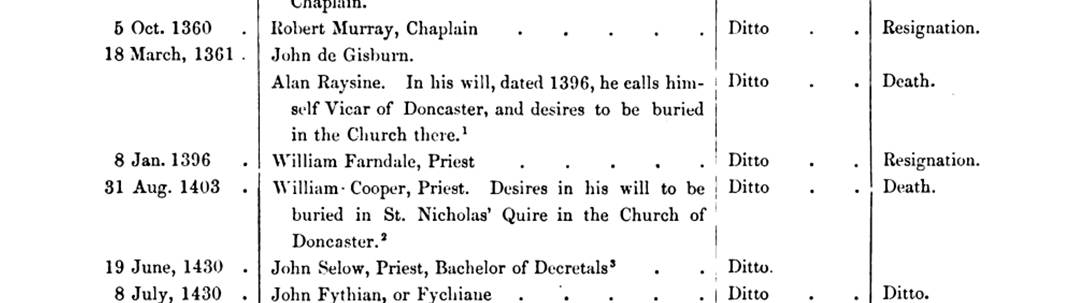
From Jackson’s 1855 History of Doncaster Parish Church
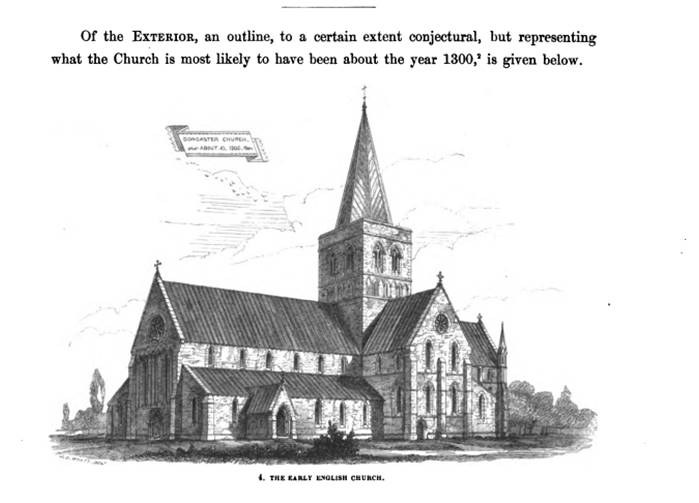
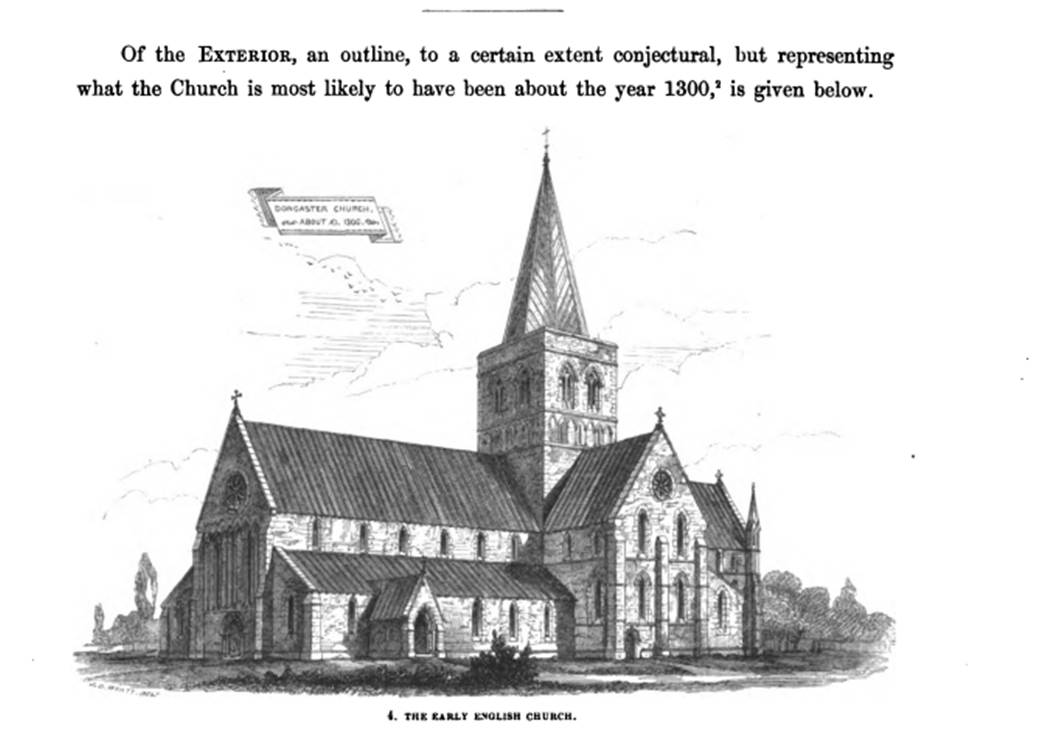
The
original chucrh was destroyed by fire in 1853, but Rev Jackson provides a
sketch of the substantial church of St George’s, Doncaster, as it may have
looked in about 1300.
1402
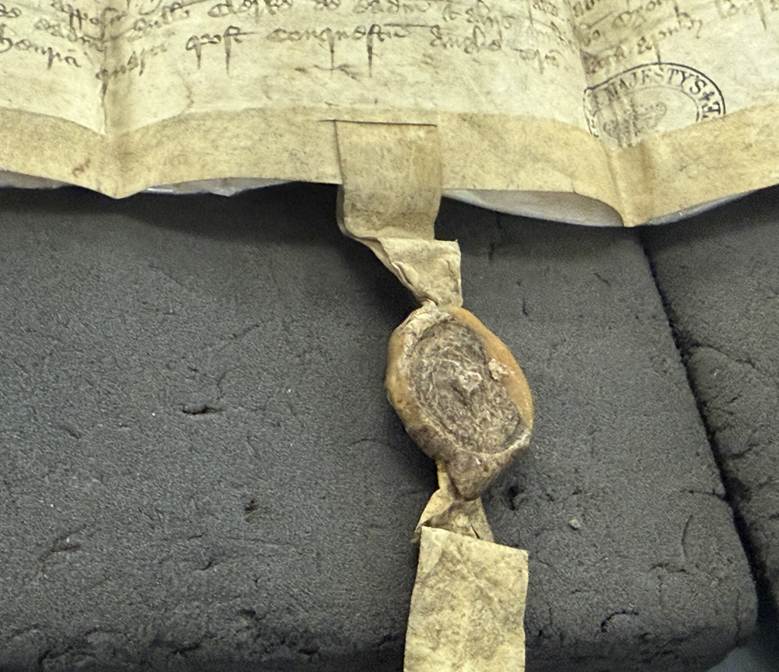
In 1402, William
Farndale transferred his 5 acres of land at Loversall to John Burton (Deed in the Records of the Exchequer, The National
Archives E 40/111458, Feoffment by William Farndale, Vicar of Doncaster to John
Burton). The original deed, which is a splendid document, can be viewed
at the National Archives.

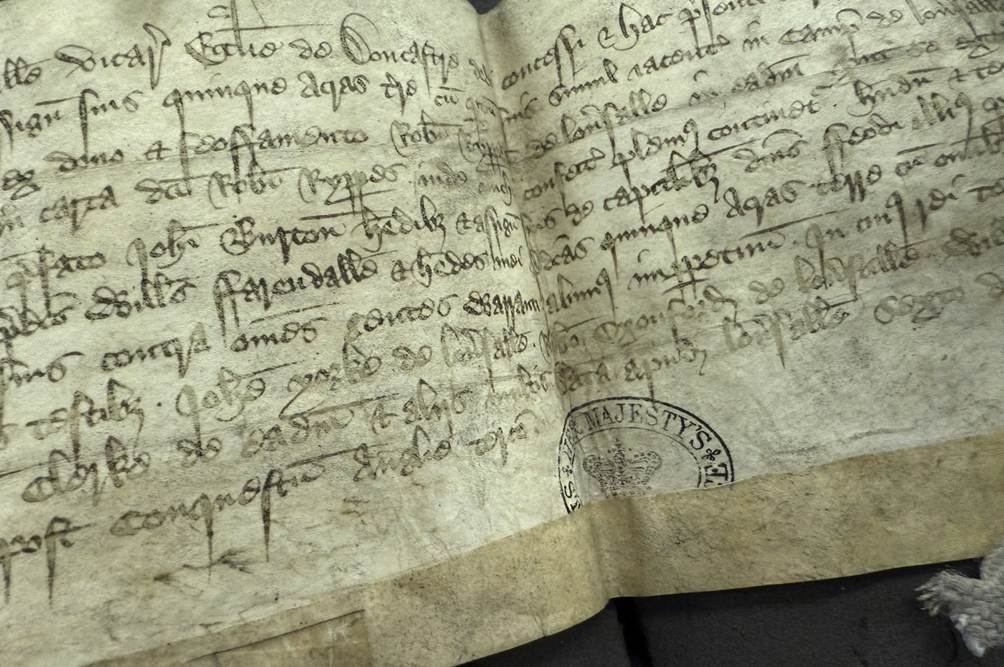

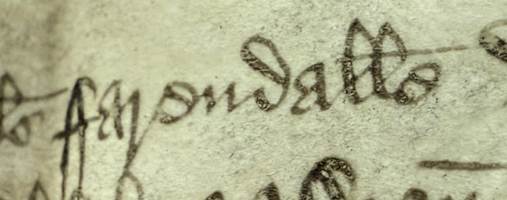
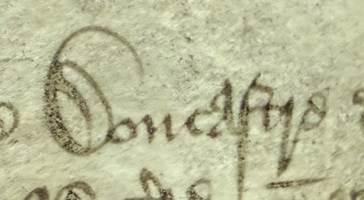
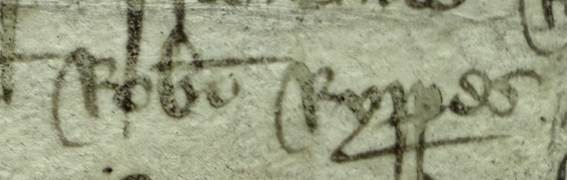
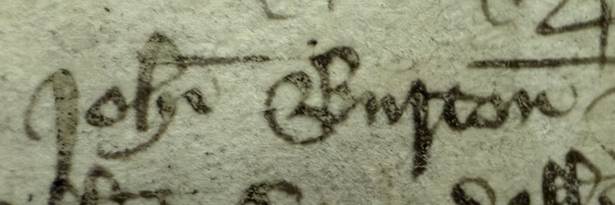
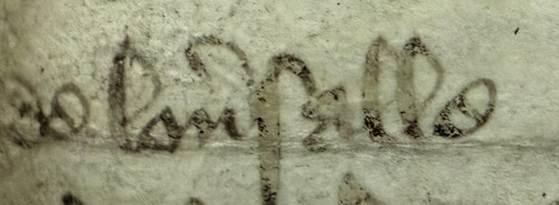
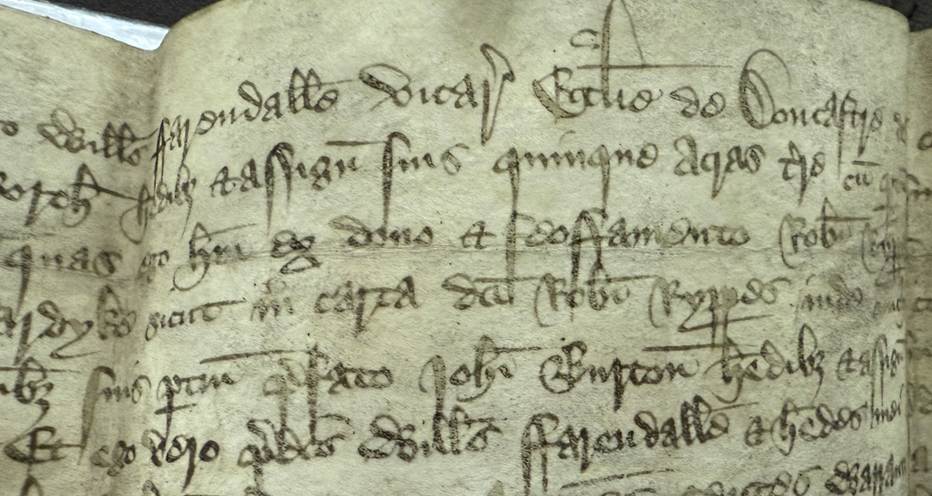
The Deed reads as
follows. Transfer of Land; ‘Know men present and to come that I, William
Farndalle, Vicar of the Church of Doncastre, have
given, granted and by this present charter confirmed to John Burton of Waddeworth, his heirs and assigns 5 acres of land with
appurtenances lying in the fields of Loversall. Viz, those 5 acres of land
which I had as gift and feoffment of Robert Ryppes of Loversalle
and which extend from the meadows of the Wyke to the Kardyke
as the charter drawn up for me by Robert Ryppes more fully sets out. To have
and to hold the said 5 acres of land with appurtenances to the said John
Burton, his heirs and assigns from the chief of the lords of the fee by the
services thence owed and customary by right. And I William Farndalle and my
heirs will warrant the said 5 acres of land with appurtenances to the said John
Burton, his heirs and assigns against all men for ever. In witness whereof I
have affixed my seal to this present charter. These being witnesses; John Yorke
of Loversalle, Robert Oxenford of Loversalle,
William Ryppes of the same, John Millotte of the same, William Clerk of the
same and many others. Given at Loversalle 6 April 3
Henry IV.
The third regnal year of Henry IV
was late 1401 to 1402, so the Deed was dated 6 April 1402.
If William de
Farndale, was born in 1355, then he was 67 when the second transfer was made,
would have been about 33 when the first transfer was made.
31
August 1403
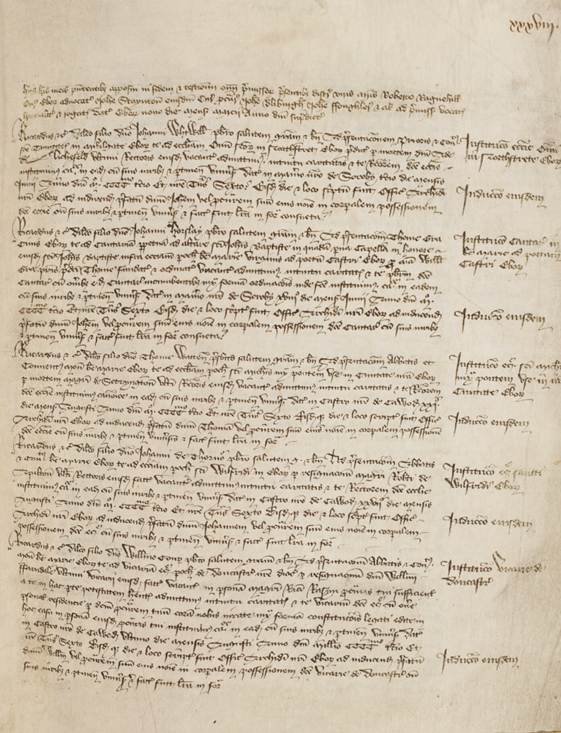
On 31 August
1403, on the resignation of William Farndale, William Cooper became the new
vicar of Doncaster.
Archdeaconry
of York. Institution, by Master Richard Rasyn, his proctor, and order
for induction of William Couper [Cooper], priest, to the vicarage of
Doncaster, vacant by the resignation of William Farndale, the previous vicar,
patron: abbot and convent of York, St Mary's Abbey (two entries) (York Archbishop Registers, Register 16 f.38 (recto) entry
5).
Most of the Doncaster
vicars had continued in the role until they died. Given the sale of his
Loversall land and his resignation in the same year, there might have been some
reason that William was forced to give up both lands and post at the same time.
He might have become ill perhaps.
1415
So William Farndale
died after 1403. If he lived to 85, then he would have died in about 1415,
about the time of the Battle of Agincourt.
He may have
started his life to experience the Black Death in his teens, which devastated
Doncaster, lived through the period of the Peasants Revolt, and heard reports
of the exploits of Henry V in France in his doting years.
The direct ancestors of
the modern Farndales were living just north of Doncaster by about 1512, and continued
to do so until about 1564, when the family moved to Kirkleatham in Cleveland. So it seems reasonable to suppose that there was a family of
modern Farndales’ ancestors living around Doncaster back to William’s time.
Perhaps William was an ancestor of the modern family himself, and after a
couple of generations, Nicholas Farndale was born into that family. It seems more
likely that William Farndale the vicar had siblings, one of whom was a
grandfather or great grandfather of Nicholas.
It therefore
seems most likely that the modern Farndales descend from Nicholas Farndale of Doncaster, who was contemporary
with William, and probably his brother.
We see the
names William and Nicholas continue to be used by the main family line from the
sixteenth century. William was an extremely common name, but the continuity
with the environs of Doncaster and the use of the names Nicholas and William
adds to the evidence that it was from this Doncastrian
family, that modern Farndales descend.
|
How does William Farndale, the Vicar of Doncaster
relate to the modern family? It is not possible to be accurate about the early family tree, before
the recording of births, marriages and deaths in parish records, but we do
have a lot of medieval material including important clues on relationships
between individuals. The matrix of the family before about 1550 is the most
probable model based on the available evidence. If it is accurate, William Farndale was related
to the thirteenth century ancestors of the modern Farndale family, and he
might have been related to the York
Line. William’s own family who settled in Doncaster might be on the
direct ancestral line of the
modern Farndales and his brother Nicholas
Farndale might be a direct ancestor. |