The
Medieval Inhabitants of Farndale
|
Return to the Home
Page of the Farndale Family Website |
The story of one
family’s journey through two thousand years of British History |
The 84 family lines
into which the family is divided. Meet the whole family and how the wider
family is related |
Members of the
historical family ordered by date of birth |
Links to other pages
with historical research and related material |
The story of the
Bakers of Highfields, the Chapmans, and other related families |
|
The wealth of medieval records There is such a wealth of
historical record about individuals who lived in Farndale in the thirteenth
and fourteenth century, together sometimes with records of the relationships
between these individuals, that it is a worthwhile exercise to build up a possible
matrix of the relationships between the known individuals who lived in
Farndale. This helps to identify patterns and to sense check models for the
likely pattern of the family. It is to be viewed as a model, to help our
understanding. We cannot be sure precisely how these individuals interlinked.
|
Real individuals and our best
guess at their interrelationships Before the age of Parish
Records (which began in the sixteenth century), it is impossible to be
certain of the whole mesh of relationships. It is though possible to assess
how individuals might have been related on a test of probability and
possibility. The exercise helps to make sense of the whole community, and to
trace lines of relationship that likely passed to the modern family who still
bear the name of the dale. All the individuals below are
historic figures and their stories are founded on historical evidence. Each
individual is therefore founded on the underlying documentary evidence. The
relationships may not always be correct, but help to identify patterns and
build up a model for the wider family and community. The individuals though,
are all real people, and we have historical records of each of them. |
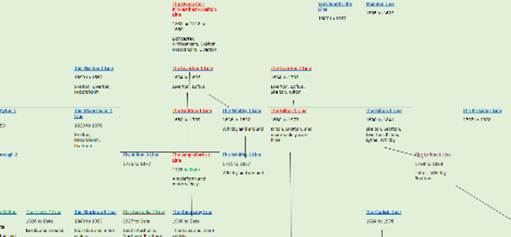
The Farndale Family To understand how some of the
Farndales, the ancestors of all modern Farndales, left the dale to settle in
other parts, the
First Farndale Family Tree,
takes the Farndales below into the centuries which followed. |
The wider inhabitants of the
dale The inhabitants of Farndale
are best perceived as: ·
The Farndales. Individuals who adopted the name ‘de Farndale’
to define themselves and might have been part of one larger family group, or
might have been a number of different families who used the name of the dale.
The survivors of this family or these families eventually emerged as a single
family who were the ancestors of the modern family. The Farndales included
millers and smiths, working at the heart of the medieval community. Many
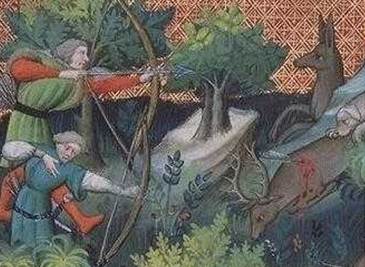
appeared in the records for poaching offences. ·
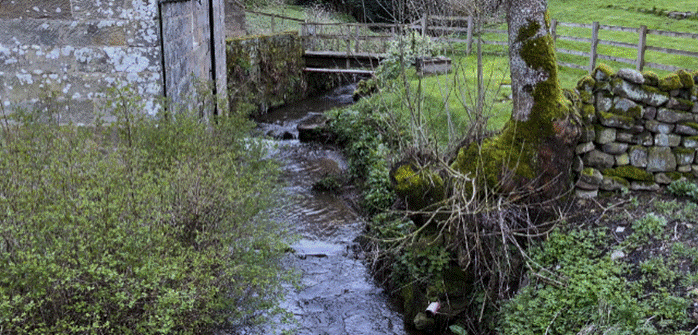
The Westgills. A separate family who can be identified as a
unit, who came from Westgill, probably in the area
of Low Mill today, in the heart of the dale. ·
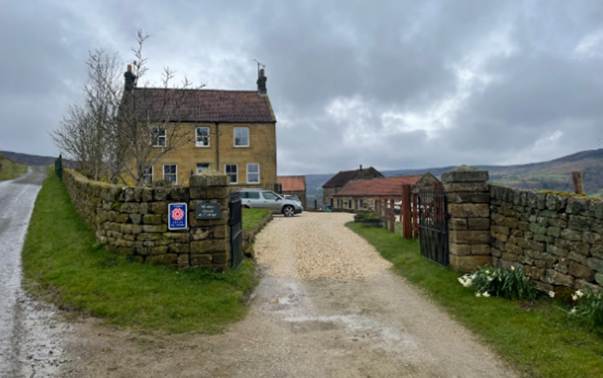
The Monkgates. An individual from Monkgate,
who probably had a family living a little up the dale, at the area of Monket House today. ·
The Wakelevedys. An individual from Wakelevedy,
who probably had a family living on the east side of the dale in the area of
Wake Lady Green today. ·
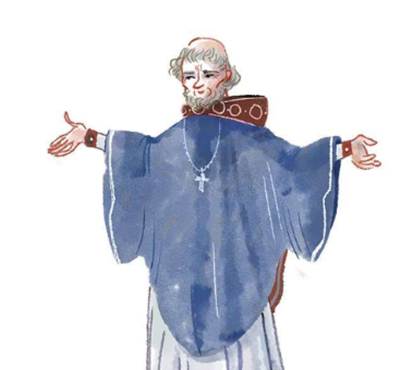
The Priest. De Willelmo Clerico
who was probably the priest of Farndale at the turn of the fourteenth
century. ·
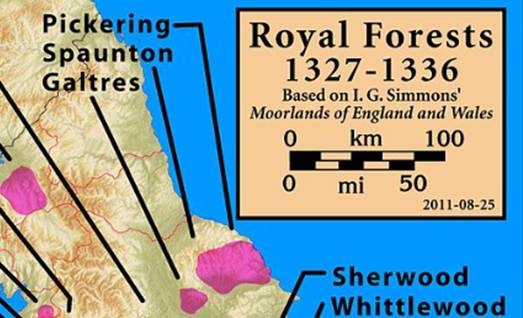
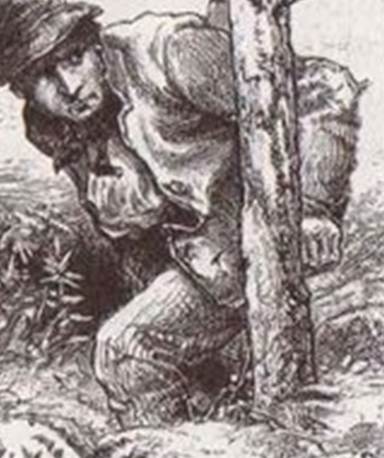
The Poachers. A number of individuals who had regular form
for poaching in Pickering Forest, along with members of the Farndale family. ·
The rest of the crowd. A large number of other individuals, who lived
in the Farndale community. They can’t be identified to particular locations
within Farndale, but sometimes the evidence suggests where they may have come
from before their arrival in Farndale. |
|
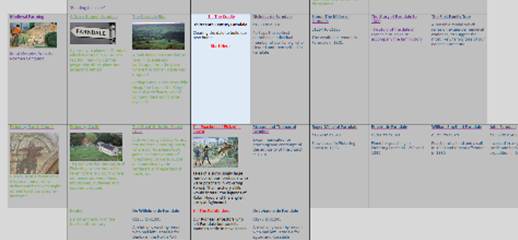
Navigating the matrix below The colour coding explores a possible
mesh of relationships as they might have flowed through the generations. The
*s show where individuals are certainly descended as shown, as their
parentage was recorded in the medieval evidence. The explanations in grey boxes and smaller font, provide some additional perspective
to the overall matrix. |
Estimated birth and death dates Each individual is also given possible
dates of birth or death. None of these can be evidenced from medieval sources
and can only be treated as nominal. It is nevertheless a useful exercise to
ascertain possible dates of each person, as a sense check for the wider
model. The dates are carefully assessed, based on the known facts, such as
dates of offences, dates when taxes were paid and amounts of tax, and other
evidence which might be suggestive of potential age. In general deaths are
assessed on a circa three score years and ten principle, also considering the
known evidence of their lives. A wealthy miller for instance might have been
expected to live longer than an outlawed poacher. |
The Model The possible genealogy below, and the
notional but logical dates for each individual therefore provide a model,
from which we can make more sense of the underlying facts. Each individual is
a real person whose life story is founded upon medieval documentary evidence.
|
Meet The Farndales We first meet the individuals who took the
name of the dale to define themselves, or were defined in such as way by
others. Names started to emerge by referring to individuals’ place of
residence, their characteristics, or their roles in the community. In the
thirteenth century, these names were likely to have been relatively fluid,
and the same individual might have been referred to differently from time to
time. Where the same individual was consistently referred to by reference to
the dale, it is likely that they were established members of the Farndale
community, and in time were the most likely individuals to adopt its name
more permanently. Recognisable individuals started to become
identifiable at the time when the system of names between non elite
communities had begun to evolve. Individuals started to differentiate between
themselves by nicknames, occupations and residence. As settlements grew in
size, names became more discerning. When de Farndale was no longer
sufficient to differentiate between those who all lived in Farndale, folk
were referred to by places within the dale such as Westgille
or by their occupation. In time it was those who left the dale to move to
other places who might use de Farndale as an identifier. As the new
practice bedded in, these names started to become hereditary and the de
was dropped. Our narrative of the history of Farndale, is therefore able to
enrich its depth with the stories of ordinary individuals at the very
earliest period when this became a possibility. |
The Time Traveller’s Matrix to the earliest history
of Farndale
|
|
The context of
the Palaeolithic Period or the Old Stone Age
Before
about 10,000 BCE |
The vicinity of Farndale in the Mesolithic Period
10,000 BCE to 3,000 BCE |
The vicinity of
Farndale in the Neolithic Period, the New Stone Age
3,000 BCE to 1,800 BCE |
The vicinity of
Farndale in the Bronze Age
1,800 BCE to 700 BCE |
The vicinity of
Farndale in the Iron Age
700 BCE to 70 CE |
The vicinity of Farndale and Roman Britain
70
CE to 400 CE |
|
|
|
|
|
|
|
|
|
The vicinity of
Farndale in the Anglo Saxon period
400 CE to 794 CE |
The vicinity of
Farndale in the Anglo Saxon Scandinavian Period
793 CE to 1066 |
|
|
Medieval Sources A
Bibliography
of source material used in this research |
|
The ancient routes across the moors
Exploring the ancient tracks and roads
across the moors around Farndale |
|
The
wider story of our ancestors |
|
An
Ancient History of the lands around Farndale
A
portal to the history of the dale before it was called Farndale |
The Game of Thrones and the
Estate of Kirkbymoorside
Kirkbymoorside
in a game of chess from 1066 |
|
|
|
|
|
|
|
|
|
|
|
|
|
|
|
|
|
The
first reference to Farndale
Rievaulx
Cartulary, 1154 |
|
|
|
|
|
|
|
|
|
|
|
|
|
|
|
Farndale
in 1276
The
Inquisition Post Mortem of Lady Joan de Stuteville provides evidence of the
extent of cultivated land |
Farndale in 1282
The
Inquisition Post Mortem of Baldwin Wake provides evidence of the extent of
cultivated land |
Farndale
in 1301
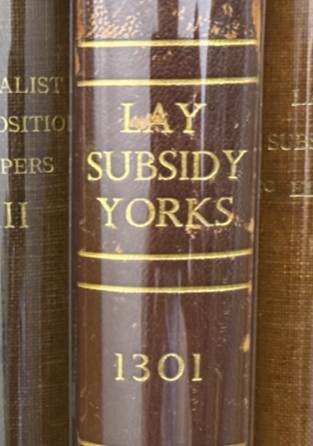
Detailed
evidence of the inhabitants of Farndale from the 1301 Yorkshire Subsidy |
We cannot know whether Simon, John, Nicholas,
Robert, Gilbert, Hugh and Alfred were brothers from the same family or each
representative of different families We explore here where their ancestors,
who we cannot identify individually, might have come from |
|
The
Forest of Farndale as a royal forest and monastic supply base 1128
to 1255
The
Crown’s insistence on a Royal Forest and gifts of clearings in Farndale to
monastic houses |
The
cultivation and early history of Farndale
c
1220 to 1400 The
lay settlement of Farndale |
|
|
|
|
|
|
|
|
|
|
|
|
c
1255 to c 1334
Perhaps
the first significant person we can identify who bore the Farndale name He
paid the highest rent of 7s 9d in Farndale in the 1301 Subsidy, suggesting as
miller, he was the wealthiest inhabitant Simon
had a servant, John, in 1301 We
know of four sons, two of whom left the dale to seek their fortunes
elsewhere, and two of whom became regular poachers, for which they were fined
and outlawed |
John the Miller of Farndale c
1256 to c 1330
John appears in the records as John the
Miller through the misdeeds of his poacher sons. He may have been John, the
servant of Simon the miller in 1301, who eventually became a more substantial
partner in the business, with both men later being referred to as the
miller. He may have been Simon’s brother, or
his servant or a business partner, or all of those things He also had poaching sons. |
Nicholas
of Farndale and of Ellrischaye c
1254 to c 1335
Probably
a tenant farmer who paid a significant rent in 1301 |
Adam de Ellerschae C 1235 to
c 1300 Paid
rent of 20s in the mid thirteenth century May
have been Nicholas’ father. |
Robert the Smith of Farndale c
1260 to c 1340
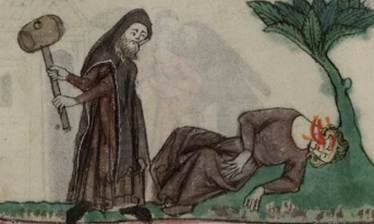
The Smith of Farndale, whose son
William probably continued his business and whose son Walter later moved to a
village near Scarborough, where he was murdered in 1327 |
Medieval Mills
The context of the mill industry
in Yorkshire and the evidence of mills in Farndale |
Gilbert
of Farndale c
1235 to c 1300 Possibly
oldest person bearing the Farndale name of whom we have a written record |
Hugh of Farndale
c 1260 to c 1330 Perhaps an early farmer of the dale, whose
son Henry was fined for letting six oxen, two bullocks and two beasts of
burden wander into the royal forest of Pickering |
Alfred de Farndale
c
1258 to c 1325 An
obscure member of the community who we know only through his son’s appearance
in court in 1334 |
|
|
|
Go under |
|
|
|
|
Go
Under |
Go Under |
|
|
Richard de Farndale * c 1275 to c 1345
John
had a gift of land in Marton in
1300 However
he was excommunicated for stealing on 12 August 1316 From
1323 he was in trouble for a string of poaching offences |
John
de Farndale * c
1277 to c 1350
Released
from excommunication on 23 February 1324, he was involved in several poaching
incidents in the 1330s |
Thomas
de Farndale c
1280 to c 1350
Excommunicated
for stealing on 12 August 1316 |
William the
Smith of Farndale c
1284 to c 1350
William
probably continued a family business at the Smithy which was probably located
at Low Mill William
and his sons enjoyed a spot of poaching, but his sons took poaching to a new
level and were later engaged in violent raiding expeditions |
Walter de Farndale * c 1277 to 1327
His
oxen strayed in Pickering Forest in 1310, for which he was fined He
later moved to Cayton near Scarborough, where he was murdered |
Roger the Miller of Farndale, the ‘Hard Bear’ * c
1255 to c 1345
The
miller of Farndale who probably worked at High Mill A
poacher by 1293 who was probably the person described as burly as a bear |
John Shepherd
of Farndale
c
1280 to c 1365 John
had a groom, Roger, and animals which included nine oxen, and at least three
cattle In
the 1330s he was a guarantor for several poachers who needed bail |
Peter of Farndale c
1275 to c 1335 His
son was a poacher |
|
|
Desperate times and
illegal hunting Don’t judge our ancestors too
harshly. These were desperate times and the rural folk of Farndale had few
options. |
From
Nicholas of Farndale |
|
|
Alice de Farndale *
c
1278 to c 1340 Perhaps the first female member of the
family who can be identified Had
one cow, worth 3s taken from her in Pickering Forest in 1310 |
Willelmo filio Rogeri * c 1276 to c 1340 Paid
3s 11d tax in 1301 |
|
|
|
|
|
|
|
|
|
|
From Hugh of Farndale Henry of Farndale * c 1285 to c 1350 Had 6 oxen, 2 bullocks and 2 beasts of
burden, worth 38s
taken from him in Pickering Forest in 1310 |
|
|
|
The Poachers of Pickering Forest The
story of the inhabitants of fourteenth century Farndale who were the
poachers of Pickering Forest. |
|
The Duchy of Lancaster and the Honour and Forest of
Pickering |
|
|
The 1334 to 1339 Eyre of Pickering Forest The
itinerant court which picked up about 40 years of prior business. |
The Start of the Hundred Years War 1337 to 1340 |
|
|
|
Waltero de Ellerscaye
Paid
2s 2d tax in 1301 |
Adam de Farndale * c 1280 to c 1350
Paid
a fine as guarantor of a poacher who didn’t turn up at court |
Alan de Farndale * c
1282 to c 1350
A
poacher who was also fined for the misdeeds of others |
|
|
|
|
|
|
|
Thomas Wake’s Planning
Dispute regarding Farndale and the Founding of a House of Friars 1325, 1347 |
Farndale after 1400 The dale in the Late Middle Ages |
|
Walter
de Farndale
c 1300 to c 1370 Vicar of Haltwhistle, Lazonby, Illisahaghe hospital, Upmeadon, Chelmsford |
John de Farndale *
c
1295 to c 1350 A
poacher and fined as the guarantor of other poachers who didn’t turn up to
court |
Nicholas de Farndale * c 1296 to c 1350 Fined
as a guarantor of poachers who didn’t turn up to court |
|
|
|
|
|
|
|
|
|
|
|
|
|
Adam de Farndale * c 1274 to c 1350
Adam
was accused of murder by the victim’s wife Agnes, and found himself in court
on many poaching charges |
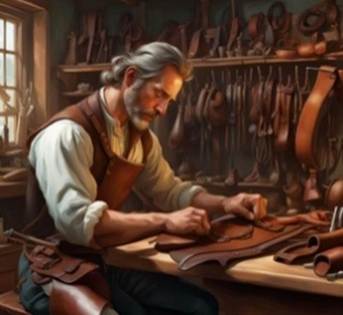
John de Farndale * c
1278 to 1372
John
left Farndale and settled in Egton for a while, before returning via Farndale
to live in Rosedale for many years, where he farmed 6 acres In
1336 he took a loan of £8 and perhaps shortly afterwards set up a business as
a saddler in York, of which city he later became a freeman |
Robert Farndale * c
1282 to c 1345
A
regular poacher, eventually outlawed |
Willelmo de Farndale
c
1279 to c 1340 A tenant in Danby in 1301 |
|
William Farndale of
Sheriff Hutton
c1332 to c1397 A chaplain of Darley near
Harrogate, pardoned for the death of John de Spaldington, he later moved to
Sheriff Hutton where his family found themselves in Neville lands during the
Hundred Years War and the Wars of the Roses |
The Fair at Farndale 1350 |
Farndale Folk 1350 to
1400 More poaching stories from
Farndale |
|
|
|
|
|
|
|
Settled at Sheriff Hutton at the
heart of the Neville lands during the Wars of the Roses |
|
|
|
|
Nicholas of Farndale * c
1292 to c 1350 Had
6 oxen and one cow, worth 27s seized in Pickering Forest in 1310 Gave
evidence on 3 October 1334 regarding the Westgill
boys |
Went
to Egton, Cropton in Rosedale, Hovingham and then York. Family also went to
Doncaster. This is the branch of the modern Farndale family |
Dispersal The
story of those who left the dale, including those who took the first steps of
the pioneering Farndale family. |
|
John de Farndale * c
1315 to c 1390
John Farndale was another of the family
poachers. He slew a hart in Leashow
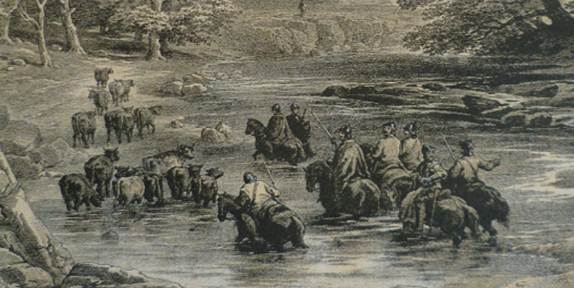
in 1331, promised to behave in 1334, but took a hind and calf in Rotemir in
1336. Then, in 1384, having raised his game
to a new scale, he took part in a major cattle rustling expedition in
Northumberland, assaulting and threatening the landlord’s servants |
William the Smith of Farndale the Younger * c
1317 to c 1375
|
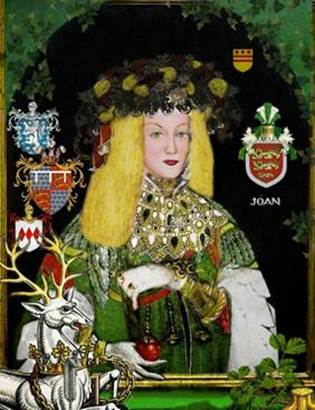
Joan the Fair Maid of
Kent
en
son temps la plus belle de tout la roiaulme d'Engleterre et la plus amoureuse The most glamorous owner of
Farndale |
|
Robert of Farndale * c
1300 to c 1360
Another
prolific poacher, eventually outlawed |
|
|
|
|
John Farndale c
1360 to c 1450
On
14 April 1445, by then residing at Stillington,
County Durham, he answered a hearing
on trespass in County Durham. |
|
|
|
From Alfred de Farndale Roger de Farndale c
1280 to c 1340 Son
of Alfred de Farndale Was
a guarantor but had died by a hearing on 3 October 1334 |



Meet the Westgills
|
|
|
Richard de Westgill c 1270 to c 1340
A farmer from the slopes around
Low Gill in Farndale who seems to have lived at Kirkbymoorside by the 1320s
alongside the elite classes, including the landowner, Lord Thomas Wake |
|
Radulpho de Westgille c
1272 to c 1345 Paid
3s 2d tax in Farndale in 1301 |
|
Willelmo Westgil
c
1273 to c 1345 Paid
2s 6d tax in Farndale in 1301 |
|
|
|
|
|
|
|
|
|
|
|
|
|
John
de Westgill c 1300 to c 1370 A prolific poacher
with his brother Robert |
Robert
Westgill c 1302 to c 1372 |
|
|
|
|
Meet the Monkegates
|
|
|
|
Willelmo de Monkegate
c 1275 to c 1335 Paid
3d tax in 1301 Associated
with the route onto Rudland Rigg from the dale known as monkegate,
possibly Monk’s Way or from mon or maen, a stone, and kett
or chett, a wood |
|
|
|
|
|
|
|
|
|
|
|
|
|
The Wakelevedys
|
|
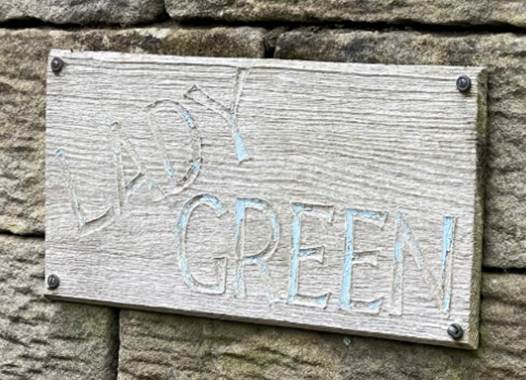
Willelmo Wakelevedy
c 1260 to c 1320 Paid 3s 2d tax in 1301 From Lady Wake’s Green Field, later Wake Lady Green
and later Lady Green |
|
|
|
|
|
|
The Cleric
|
|
Willelmo Clerico
c 1270 to c 1340 The clerk, but
perhaps the priest Paid 23d tax in 1301 |
|
|
|
Some other folk who regularly poached
in Pickering Forest
|
Walter
Blackhous of Farndale c 1275 to c 1350 A regular poacher
from 1293, the subject of the Eyre from 1334 and eventually outlawed William
Blackhous of Farndale c 1320 to c 1390 By the 1360s William Blackhous was carrying out regular violent raids to Danby
and beyond |
|
John
del Heued of Farndale c 1290 to c 1355 Provided a guarantee
at a hearing on 3 October 1334 |
Ralph
del Heued c 1291 to c 1350 A regular poacher
from 1293, the subject of the Eyre from 1334 and eventually outlawed HEU00002 |
|
|
Other Individuals of Farndale
|
Nicholas
Ruddock c 1260 to c 1320 Paid
4s 7d tax in 1301 |
William
Ruddock c 1262 to c 1330 Paid
2s 3d tax in 1301 |
|
Robert of Brakanthayt c 1265 to c 1340 Paid
4s 7d tax in 1301 |
|
Nicholas de Harland of Farndale c 1280 to c 1340 Had one ox and one bullock, worth 7s taken from him in
Pickering Forest in 1310 Harland moor is just south of Farndale Perhaps an ancestor of Raymond Harland Hayes From Harland Moor, a site of ancient settlement
evidenced by the stone circle Walter de Harland c 1302 to c 1350 |
|
Galfrido de Hoton
c 1250 to c 1320 Paid
3s 6d tax in 1301 Probably
from Hutton le Hole |
|||||||
|
Richard
Ruddock of Farndale c 1290 to c 1360 Fined 1 mark for
breaking into land at Egton, taking deer and stolen goods, and assaulting the
men and servants of the owner on 17 January 1348 |
|
William ad Portam
c 1260 to c 1315 Literally, ‘to the gate’, perhaps living at an
important gate or entrance to Farndale Paid 3s 3d tax in 1301 Had 5 oxen, worth 20s
taken from him in Pickering Forest in 1310 |
|
John
of Bransdale c 1275 to c 1340 Paid
2s 6d tax in 1301 From
neighbouring Bransdale |
|
John de Hutton c 1270 to c 1350 A poacher |
Willelmo de Hoton c 1275 to c 1340 Paid
5d tax in 1301 |
|||||||
|
|
Willelmo de Almeheved
c 1272 to c 1343 Paid
2s 9d tax in 1301 Almeheved is associated with Holme Head and later Elm House
at the head of the east dale road |
|
Roberto
ad Pontem c 1278 to c 1340 Literally,
‘to the bridge’, perhaps living at a bridge across
the Dove Might he have been the first inhabitant of Lowna at the entrance to the dale, later home of Sarkless Kitty or
perhaps at the dale end bridge Paid
6d tax in 1301 |
|
|
|
Thoma Kerelle c 1280 to c 1340 Paid 13d tax in 1301 |
|||||||
|
Richard de Beverley of Farndale c 1280 to c 1333 Paid
9d tax in 1301 Was a guarantor but had died by
a hearing on 3 October 1334 |
|
Thoma de Birkeheved
c 1278 to c 1340 Paid
6d tax in 1301 |
|
c 1270 to c 1340 Paid
2s 7d tax in 1301 Had 6 oxen, worth 24s
taken from him in Pickering Forest in 1310 |
|
William Stibbyng of Farndale c 1275 to c 1335 Had 6 oxen, which were of worth 24s taken from him in
Pickering Forest in 1310 Stibbing
is associated with Stepin Turn on Blakey Moor above
the dale |
|
|||||||
|
William
de Beverlaco c 1302 to 1353 We have some details
of his will |
|
|
Golde c 1245 to c 1299 Roberto filio
Golde c 1279 to c 1340 Paid 5d tax in 1301 |
|
Henry c 1248 to c 1300 |
|
Harpino Coyly c 1279 to c 1340 Paid 4d tax in 1301 |
|||||||
|
|
|
|
|
|
Willelmo filio
Henrici c 1280 to c 1340 Paid
5d tax in 1301 |
|
|
|||||||
|
Laurencio
Syffewrythe c 1279 to c 1340 Latin
for ‘suffocation’ Paid
4d tax in 1301 |
|
Syther and Syther' vidua
(Syther and his wife) c 1240 to c 1310 Paid 4d tax in 1301 vidua is Latin for widow |
|
Radulpho de Capite
c 1270 to c 1320 Paid
3d tax in 1301 |
|
Willelmo de Fademore c 1250 to c 1310 Paid
3d tax in 1301 Likely
to have moved to Farndale from Fadmoor immediately
to its south |
|
|||||||
|
|
|
|
|
|
|
|
|
|||||||
|
|
Galfrido Saunder c 1255 to c 1320 Paid 3d tax in 1301 |
|
John c 1256 to c 1320 |
|
Hugh
Leverok of Farndale c 1275 to c 1330 Had one cow and one stirk, worth 4s 8d taken from him
in Pickering Forest in 1310 |
|
William
de Waldehus of Farndale c 1265 to c 1320 Had 5 oxen, 4 cows
and 4 stirks, worth 38s 8d taken from him in Pickering Forest in
1310 Wold
House in Farndale |
|||||||
|
|
Nicholao filio
Galfridi c 1279 to c 1340 Paid
5d tax in 1301 |
|
Ada filio
Johannis c 1278 to c 1340 Paid 3d tax in 1301 |
|
|
|
|
|||||||
|
Alan
de Wrelton of Farndale c 1270 to c 1330 Had 4 oxen and two
cows, 19s taken from him in Pickering Forest in 1310 |
|
William c 1250 to c 1310 |
John
son of Abba c 1300 to c 1380 Guarantor at 1334
hearing Hearing for trespass
on 3 October 1334 Roger Farndale was
fined 20d on 3 October 1334 because John did not turn up |
Helewise c 1245 to c 1312 |
John
Wraghby of Farndale c 1290 to c 1360 Provided a security
for bail at a hearing against Richard and Adam de Farndale for trespass on 3
October 1334 |
|
Stephano
Alberd c 1265 to c 1330 Paid
2s 3d tax in 1301 |
|||||||
|
|
|
Stephen c 1275 to c 1340 Had 2 bullocks and one ox, worth 12s taken from him in
Pickering Forest in 1310 |
|
John c 1270 to c 1340 Had 4 oxen, 3 bullocks, one cow, 2 beasts of burden and
one stirk, worth 38s 8d taken from him in Pickering Forest in 1310 |
|
Roberto
Cokerell c 1270 to c 1340 Paid tax in 1327 and
1333 Subsidy in Cropton in Rosedale |
John
Alberd de Farndale c 1290 to c 1360 Provided a guarantee
at a hearing on 3 October 1334 |
|||||||
|
|
|
William Kyng of Farndale c 1265 to c 1333 Was a guarantor but had died by a hearing
on 3 October 1334 |
|
William Knyth
of Farndale c 1279 to c 1340 |
Elias Cockrell c 1290 to c 1350 Paid 1333 subsidy in Cropton in
Rosedale Paid a guarantee to bail poachers in
the 1334 Eyre Court |
|
||||||||
|
Hugh
Moigne of Farndale c 1330 to c 1390 Fined for poaching
Fish in 1366 |
|
c 1320 to c 1375 Involved in livestock
raiding in the 1350s |
|
|
John c 1310 to c 1370 Fined half a mark for
trespass and hunting on 30 November 1336 |
John
Cokrell the Younger of Farndale c 1315 to c 1380 |
||||||||
|
c 1345 to c 1400 Involved in a violent raid in Danby in
1372 |
|
Hugh Bailly of Farndale Involved in a violent raid in Danby in
1372 |
Adam Bailly of Farndale Involved in a violent raid in Danby in
1372 |
Pardoned
on 19 April 1396 for the death of John Hawlare of Kirkbymoorside The Wood Family still lived in the dale
in the seventeenth and eighteenth centuries and beyond |
|
Thomas Wolthwayt of Farndale c 1352 to c 1410 Involved in a violent raid in Danby in
1398 |
|
|||||||
|
|
|
c 1400 to c 1470 A trespasser in 1445 |
|
|
|
|
|
|
||||||