Sources for historical
research into Yorkshire’s past
Primary
and Secondary Sources relevant to the history of Yorkshire
With
more detailed references for Ryedale, Kirkbymoorside, Farndale, Pickering,
Rievaulx, Sheriff Hutton, York, Doncaster, Campsall, Kilton, Loversall.
Kirkdale.
These sources primarily cover the period up to the sixteenth century when Parish records started.
|
Return to the Home
Page of the Farndale Family Website |
The story of one
family’s journey through two thousand years of British History |
The 83 family lines
into which the family is divided. Meet the whole family and how the wider
family is related |
Members of the
historical family ordered by date of birth |
Links to other pages
with historical research and related material |
The story of the
Bakers of Highfields, the Chapmans, and other related families |

This
page may be useful to anyone researching history and genealogy in Yorkshire and
provides hyperlinked primary and secondary source material where they are
available online.
After
each source, I have identified particular sources
relevant to my own research. However the main list of
sources provides a general research tool for all research into early Yorkshire
history. In each case the list includes hyperlinks to the material where it is
available online.
If
you find this page useful, or if you identify additional sources not listed
here, please email me at rcfarndale@hotmail.com.
1 -
Primary Sources
1.1 –
Records of Government pertaining to England and to Yorkshire
Domesday Book
The Domesday Book was a land and wealth survey of
England. William the Conqueror ordered it to be compiled in 1085, and it was
completed in 1086. It detailed who owned each manor, the value of the land
before and after the Conquest, the number of tenants and serfs, and
agricultural assets like ploughs, mills, and livestock. The original Domesday
Book is held at The National Archives in Kew, London, where it is preserved
under controlled conditions and only shown in exceptional circumstances. However,
it is easily searchable through the Open Domesday Project.
Open Domesday, Anna Powell Smith
Kirkbymoorside (Chirchebi), Hutton-le-Hole (Chirchebi), Gillamoor (Chirchebi), Hoveton (Chirchebi), Fadmoor, Lastingham, Spaunton, Welburn, Nawton, Wombleton, Great Edstone, Little Edstone.
Kilton, Kilton Thorpe, Brotton, Skelton, Little Moorsholm
The National Archives: Kirkbymoorside (E 31/2/2/6262).
Inquisitions Post Mortem
Inquisitions post mortem
(Latin, after death) were official medieval and early modern
investigations conducted in England to determine the lands, property, and
economic dues owed by a deceased major landowner (tenant-in-chief) to the
Crown, as well as to identify their legal heir. There is a separate page which
explains Inquisitions
Post Mortem and an index to the inquisitions post mortem on the Medieval Genealogy website.
Mapping the
Medieval Countryside is a major research project dedicated to creating a
digital edition of the medieval English inquisitions post
mortem from 1236 to 1509.
Brown, William (1892), Yorkshire Archaeological
Society Record Series Volume 12. Yorkshire inquisitions of the reigns of Henry
III and Edward I, Volume 1, Pages 168, 249 (Farndale), pages 167, 168, 170, 246, 249, 252n, 253 (Kirkby Moorside), pages 20, 28, 30, 31, 45, 46, 84n, 158, 251n, 257 (Pickering).
Brown, William (1898), Yorkshire Archaeological
Society Record Series Volume 23. Yorkshire inquisitions (1275, 1277 and
1283-95) Volume 2, page 75 (Kirkby Moresheved,
Ryedale), pages 170, 171 (Kilton), pages 17, 65 (Pickering), page 27 (Rievaulx), page 106 (Sheriff Hutton).
Brown, William (1902), Yorkshire Archaeological
Society Record Series Volume 31. Yorkshire inquisitions post mortem Henry III
and Edward I (1245, 1282 and 1294-1303), Volume 3, Pages 154 to 165 (Mowbray inquisition), Pages 157, 164 (Kirkby Moresheved), pages 76, 102, 117 (Rievaulx).
Brown, William (1906), Yorkshire Archaeological
Society Record Series Volume 37. Yorkshire inquisitions post
mortem Henry III and Edward I (1300 to 1316), Volume 4, page 134 (Kirkbymoorside, forester between Dove and Seven),
page 86 (Pickering).
Baildon, W Paley and Clay, J W (1918), Yorkshire
Archaeological Society Record Series Volume 59. Yorkshire inquisitions post
mortem Henry IV and Henry V, Volume 5, pages 114, 146, 30, 31 (Campsall), pages 24, 31, 56, 96, 168, 114, 115 (Doncaster), page 125, 127 (Kirkby Moorside), page 126 (Farndale), page 101, 146, 159 (Loversall), 59, 142, 152, 87, 127 (Pickering), 10, 51, 134 (Sheriff Hutton).
Calendar of Inquisitions Post Mortem, Volume 1, (Henry III, 1236 to 1272).
Calendar
of Inquisitions Post Mortem, Volume 2,
(Edward I, 1272 to 1291), page 120 to
121 (Folio 195) (Farndale,
Joan de Stuteville, 1276), page 258 to
259 (Folio 439) (Farndale,
Baldwin Wake, 1282).
Calendar
of Inquisitions Post
Mortem, Volume 3, (Edward I, 1291 to 1300), page 356 and 363 (Kirkbymoorside,
Superiority by Roger Mowbray, held by Joan Stuteville), Kilton (Folio 213, page 139).
Calendar
of Inquisitions Post Mortem, Volume 4,
(Edward I, 1300 to 1307), page 123 (Folio
196) (Kirkbymoorside, Joan widow of John Wake, 1303/4).
Calendar of Inquisitions Post Mortem,
Volume 5, (Edward II 1307 to 1316) Page 323 (Kilton).
Calendar of Inquisitions Post Mortem,
Volume 6, (Edward II, 1316 to 1327). Folio 407 page 239 (Kilton).
Calendar
of Inquisitions Post Mortem, Volume 7,
(Edward III, 1327 to 1336), page 53 (Kirkbymoorside, Thomas Wake held of John Mowbray, 1328).
Calendar
of Inquisitions Post
Mortem, Volume 8, (Edward IIII, 1336 to 1347), page 201 (Folio 277) (William
de Thweng, decayed manor of Kilton), page 369 (Folio
525)
(Robert de Thweng, Kilton)
Calendar
of Inquisitions Post Mortem, Volume 9,
(Edward IIII, 1347 to 1352), page 202 to 203
(Folio 219)
(Kirkbymoorside, Farndale, Thomas Wake, 1349), page 235 (Folio
234)
(Kirkbymoorside, Farndale, Margaret Wake, 1349).
Calendar
of Inquisitions Post Mortem, Volume 10, (Edward III, 1352 to 1361), page 47 (Folio 46) (Kirkbymoorside, Farndale, John Wake, 1352), page 554 (Folio 657) (Kirkbymoorside, Farndale, Thomas Holland, 1360) Folio 43 page 27; Folio 35 (Kilton).
Calendar
of Inquisitions Post Mortem, Volume 11,
(Edward III, 1361 to 1365), page 260 (Folio
323),
(Kirkbymoorside held of the Black Prince, 1362).
Calendar
of Inquisitions Post Mortem, Volume 12, (Edward III, 1365 to 1370), page 98 (Kilton, Ralph Bulmer, 1367), page 225
(Kilton), page 136 and 137 (Ralph Neville, Sheriff Hutton, Kilton).
Calendar of Inquisitions Post Mortem,
Volume 13, (Edward III, 1370 to 1373), page 175, 250 (Wombleton/Kirkdale).
Calendar
of Inquisitions Post
Mortem, Volume 14, (Edward III, 1374 to 1377), page 56 (Folio 58) (Kilton, Thomas de Thweng, 1374), Folio 76
(Kilton, Robert de Lumley).
Calendar of Inquisitions Post Mortem,
Volume 15, (Richard II, 1377 to 1384).
Calendar
of Inquisitions Post Mortem, Volume 16,
(Richard II, 1384 to 1392), Folio 736 and 750 (John Neville, Kilton, 1388).
Calendar
of Inquisitions Post Mortem, Volume 17,
(Richard II, 1392 to 1399), Folio 815, 842 (Kirkbymoorside,
Thomas Holland, 1397).
Calendar of Inquisitions Post Mortem, Volume 18, (Henry IV, 1399 to 1405), Folio 955 (Kilton Thorpe, Castle and Manor).
Calendar of Inquisitions Post Mortem, Volume 19, (Henry IV, 1405 to 1413), Folios 107 to 109 and 387 (Kilton Thorpe).
Calendar of Inquisitions Post Mortem, Volume 20, (Henry V, 1413–1418), Folio 614 (Kirkbymoorside, Alice of Kent).
Calendar of Inquisitions Post Mortem, Volume 21, (Henry V, 1418 to 1422).
Calendar of Inquisitions Post Mortem, Volume 22 (Henry VI, 1422-1427), Folio 153 (Farndale and Kirkbymoorside, Chapel, 1423).
Calendar of Inquisitions Post Mortem, Volume 23 (Henry VI, 1427 to 1432).
Calendar of Inquisitions Post Mortem, Volume 24 (Henry VI, 1432 to 1437).
Calendar of Inquisitions Post Mortem, Volume 25 (Henry VI, 1437 to 1442), page 47 (Campsall/Fenwick).
Calendar of Inquisitions Post Mortem, Volume 26 (Henry VI, 1442 to 1447).
Calendar of inquisitions post mortem, Henry VII, Volume 1, Folio 500 (Kirkbymoorside, 1490).
Calendar of inquisitions post mortem, Henry VII, Volume 2, Folio 348 (Ralph Neville,
Kirkbymoorside and Farndale, 1500).
Calendar of inquisitions post
mortem, Henry VII, Volume 3, Folio 432 and Folio 262 (Kilton, George Lumley,
1507).
Calendarium inquisitionum post mortem sive escaetarum is a four-volume printed index and calendar of
medieval English records. Published between 1806 and 1828 by the British Record
Commission, it lists properties and heirs from royal death inquiries held from the
reigns of Henry III to Richard III.
Calendarium inquisitionum
post mortem sive escaetarum, Volume 1 (1216 to 1327), page 59 (View 66)(Farndale, Joan de Stuteville,
1276) ;
page 168 (View 175) (Kirkbymoorside, Roger de Mowbray tenant in chief 1300/1).
Calendarium inquisitionum post mortem sive escaetarum, Volume 2 (1327 to 1377), page 6 (Kirkbymoorside, John de Mowbray theoretical
superiority), page 152 (Kirkbymoorside, Thomas Wake of Liddell, 1349).
Calendarium inquisitionum post mortem sive escaetarum, Volume 3
(1377 to 1413), page 276 (end of Wakes, 1400), page 200 (Kirkbymoorside,
Thomas Holland, 1397), page 51, 296
(Kilton).
Calendarium inquisitionum post mortem sive escaetarum, Volume 4 (1413 to 1485), page 73 (Farndale,
Elizabeth Neville, Farndale and the chapel of Holy Charity), page 89 and page 98 (Farndale chapel), page 419 (Neville interest).
Collins, Francis and Sykes, John. 1885. Yorkshire
Archaeological Society Record Series Volume 1. A catalogue of the Inquisitions post mortem for the county of York, for the reigns of James
I and Charles I, in the courts of Chancery and of Wards and Liveries; a
catalogue of the Yorkshire wills at Somerset House for the years 1649 to 1660.
Patent Rolls
Medieval patent rolls were official administrative
registers maintained by the English Crown, starting in the reign of King John around
1201, to record file copies of letters patent. These were open, public letters
issued under the Great Seal that expressed the sovereign's will on matters of
public interest. There is a separate page which explains the Patent Rolls and an index to the Close Rolls is found in the Chancery Rolls Section on the Medieval Genealogy website.
Patent Rolls, 1201 to 1216, pages 165b, 79b, 113, 146b, 85b (Pickering)
Patent Rolls of the reign of Henry III, 1216 to 1225, pages 146, 361, 362 (Pickering Castle and Forest).
Patent Rolls of the reign of Henry III, 1225 to 1232, pages 22, 68 (Pickering Castle and Forest).
Patent Rolls of the reign of Henry III, 1232 to 1247, pages 15, 52, 159, 286 (Pickering Castle and Forest).
Patent Rolls of the reign of Henry III, 1247 to 1258, pages 385 (weekly market and yearly fair at Kirkby Moorside), 16, 146, 173, 194, 413, 417, 447, 524 to 525 (Pickering Castle and Forest).
Patent Rolls of the reign of Henry III, 1258 to 1266, pages 334 (Kirkby Moorside), 28 (Pickering and Blackhouse Moor), 47, 255, 334, 451, 588, 594 (Pickering manor and forest).
Patent Rolls of the reign of Henry III, 1266 to 1272, pages 430 (Pickering, Edmund, Templars of Pickering Vale).
Patent Rolls of the reign of Edward I, 1272 to 1281, pages 152, 264, 273 (Rievaulx); the unindexed omissions volumes still to
review.
Patent Rolls of the reign of Edward I, 1281 to 1292, pages 33, 254, 477 (Pickering, the last referring to Edmund’s holding of
the honour) 18, 19, 157, 180, 203, 250, 294 (Rievaulx, the last entry referring to Rievaulx taken
into king’s hands after falling into disrepair).
Patent Rolls of the reign of Edward I, 1292 to 1301, pages 391, 392 (Kirkby Moorside), 364, 529 (Pickering), 90, 174, 354 (Rievaulx).
Patent Rolls of the reign of Edward I, 1301 to 1307, pages 9, 196 (Kirkby Moorside), 1 (300 foot against the Scots from Blackhouse Moor and Pickering), 6 (1,000 foot against the Scots including from Blackhouse Moor and
Pickering), 52 (Rievaulx).
Patent Rolls of the reign of Edward II, 1307 to 1313, pages 219, 371, 388, 408, 410 (Kirkby Moorside), 301, 302 (Rosedale), 299 (Rievaulx).
Patent Rolls of the reign of Edward II, 1313 to 1317, pages 113, 133, 149 (Kirkby Moorside), 260, 539 (Rievaulx).
Patent Rolls of the reign of Edward II, 1317 to 1321, page 541 (Adam de Farnedale).
Patent Rolls of the reign of Edward II, 1321 to 1324, pages 133, 149, 329, 333, 336, 370, 421 (Pickering including the king’s visit), 61 (Rievaulx).
Patent Rolls of the reign of Edward II, 1324 to 1327, pages 143 (Pickering, and a porpoise on the coast), 125, 188, 344 (Rievaulx).
Patent Rolls of the reign of Edward III, 1327 to 1330, pages 112 (Walter de Farndale), 372, 513 (John de Farndon??), 190 (Nicholas de Farndon??), 223 (William de Farndon??), 286, 389 (Pickering), 20, 134 (Rievaulx)
Patent Rolls
of the reign of Edward III, 1330 to 1334, pages 364, 551, 552, 557 (Pickering), 47, 157, 316, 455, 474 (Rievaulx).
Patent Rolls of the reign of Edward III, 1334 to 1338, pages 1, 2, 137, 140-141, 172, 222 (Pickering), 578 (Rievaulx, commission to retrieve a vagabond monk),
186 (Campsall), 145 (Loversall and Donccaster,
including crime of the Ripers family of Loversall), 116, 329, 402, 523 (Doncaster, including crime of the Ripers family of Loversall), 15, 213, 385, 399 (York).
Patent Rolls of the reign of Edward III, 1338 to 1340, pages 246, 247 (Pickering), 105, 439 (William de
Loversall, barber of Doncaster and John son of Adam de Loversall), 225, 438 (Doncaster), 13, 166, 253, 255, 327, 330, 333, 393, 507, 516 (York).
Patent Rolls of the reign of Edward III, 1340 to 1343, pages 301, 302 (Doncaster), 115, 212, 255 (York).
Patent Rolls of the reign of Edward III, 1343 to 1345, pages 91 (Doncaster), 77, 98, 182, 573 (York).
Patent Rolls of the reign of Edward III, 1345 to 1348, pages 370, 471, 472 (Farndale), 259 (Kirkbymoorside), 37, 316, 382 (Pickering), 341 (Rievaulx), 518 (Doncaster), 456 (Thomas of Loversall), 108, 114 (York).
Patent Rolls of the reign of Edward III, 1348 to 1350, pages 277 (Walter de Farndale), 55, 77, 493 (Doncaster), 66 (Campsall and Fenwick), 34, 283, 471, 496, 497, 530, 550, 553, 584 (York including dispute over Bootham).
Patent Rolls of the reign of Edward III, 1350 to 1354, pages 48 (Walter Farndale), 541 (John Colinman of Farndale), 17, 391 (Campsall), 13, 15, 242, 478 (Doncaster).
Patent Rolls of the reign of Edward III, 1354 to 1358, pages 69 (John Colinman of Farndale), 494 (Pickering and Ryedale), 510 (Sheriff Hutton, parish church, the crooked oak), 374 (Doncaster).
Patent Rolls of the reign of Edward III, 1358 to 1361, pages 110 (William de Farndale), 170, 348 (Pickering), 17, 133, 146 (Doncaster), 8, 19, 154, 220 (York).
Patent Rolls of the reign of Edward III, 1361 to 1364, pages 480 (Kirkbymoorside, Cropton, Black Prince and Joan
licence to grant to Thomas Holland), 229, 286, 367, 454 (Pickering), 367, 454 (Campsall), 149, 150, 208 (Doncaster), 148 (Loversall), 81, 101, 233, 543 (York).
Patent Rolls of the reign of Edward III, 1364 to 1367, pages 281 (John Cokrell and others of Farndale), 146, 288, 402, 433 (Doncaster), 16, 17, 138, 208, 286, 383, 432 (York).
Patent Rolls of the reign of Edward III, 1367 to 1370, pages 63, 263 (Poachers of Farndale, Kirkbymoorside, Lastingham, Gillamoor), 393 (William Farndale of Caleys),
114 (Kirkbymoorside), 213 (Pickering, Rievaulx), 366 (Sheriff Hutton), 200 (Campsall, Moss and Fenwick), 60, 144, 457 (Doncaster) 288, 319, 404 (York).
Patent Rolls of the reign of Edward III, 1370 to 1374, pages 243 (Poachers of Farndale), 401, 475 (Ryedale), 60, 222 (Campsall), 67, 264 (York).
Patent Rolls of the reign of Edward III, 1374 to 1377, pages 316 (Kirkbymoorside, Fadmoor, Gillamoor), 223, 314, 315 (Pickering), 46, 193 (Doncaster), 110, 266 (York), 326 (John Bertrom of Kilton).
Patent Rolls of the reign of Richard II, 1377 to 1381, pages 529 (Pickering), 441, 442, 458 (Rievaulx), 633 (York).
Patent Rolls of the reign of Richard II, 1381 to 1385, pages 508 (John Farndale), 35 (Rievaulx), 44 (Gilling in Ryedale), 66, 358 (Doncaster), 500 (York).
Patent Rolls of the reign of Richard II, 1385 to 1389, pages 80 (John Farndale), 171 (Kirkbymoorside, town besieged by folk of Helmsley
and other places), 143 (Rievaulx), 171 (Sheriff Hutton).
Patent Rolls of the reign of Richard II, 1388 to 1392, pages 352 (John Farnales, probably not), 162 (Kirkbymoorside), 376 (Rievaulx), 452 (Campsall), 504 (Doncaster), 41 (York).
Patent Rolls of the reign of Richard II, 1391 to 1396, pages 695 (Robert de Wodde of Farndale, Kirkbymoorside), 719 (Kirkbymoorside), 376, 444 (Pickering), 546 (Campsall), 35, 479 (Doncaster), 314 (Loversall), 461 (York).
Patent Rolls of the reign of Richard II, 1396 to 1399, pages 365 (Thomas Wolthwayt of Farndale), 117 (Kirkbymoorside), 2, 501, 548 (Pickering, Lancaster Lordship at end of Richard II’s
reign), 66, 67 (Doncaster).
Patent Rolls of the reign of Henry IV, 1399 to 1401, pages 85, 191 (Pickering), 274, 325, 502 (Doncaster), 224, 354, 357, 409 (York).
Patent Rolls of the reign of Henry IV, 1401 to 1405, pages 124 (Doncaster), 15 (Pickering), 470 (Sheriff Hutton).
Patent Rolls of the reign of Henry IV, 1405 to 1408, pages 57 (Doncaster), 40 (York).
Patent Rolls of the reign of Henry IV, 1408 to 1413, pages 449 (Doncaster), 184 (Kilton), 20 (Pickering).
Patent Rolls of the reign of Henry V, 1413 to 1416, pages 183 (Campsall), 37 (Doncaster), 292 (Richard Farnell), 115 (William Farendon), 154 (York).
Patent Rolls of the reign of Henry V, 1416 to 1422, pages 379 (Campsall), 179, 397, 438 (Doncaster).
Patent Rolls of the reign of Henry VI, 1422 to 1429, pages 249 (Kirby on the moor), 300 (Rievaulx).
Patent Rolls of the reign of Henry VI, 1429 to 1436, pages 62 (Doncaster), 477 (Loversall).
Patent Rolls of the reign of Henry VI, 1436 to 1441, pages 132, 179 (Pickering), 496 (Sheriff Hutton).
Patent Rolls of the reign of Henry VI, 1441 to 1446, pages 383 (Campsall), 342 (Doncaster), 306 (Farndale, Laurence Hoggerson of Farndale, John
Farndale of Stillington, wright), 229, 305, 306 (Kirkbymoorside).
Patent Rolls of the reign of Henry VI, 1446 to 1452, pages 289 (Rievaulx), 337 (Sheriff Hutton), County of Yorkshire listed for first time, 597, 598 (Duchy of Lancaster in Yorkshire).
Patent Rolls of the reign of Henry VI, 1452 to 1461, pages 88, 89, 428, 584 (Doncaster), 530, 546, 579 (Sheriff Hutton), 219 (York rebels).
Patent Rolls of the reign of Edward IV, 1461 to 1467, pages 519 (Campsall), 223 (Doncaster), 348 (pirate ship and wool in northeast Yorkshire), 479 (Sheriff Hutton), 334 (York).
Patent Rolls of the reign of Edward IV and Henry IV, 1467 to 1477, pages 102, 103, 375, 441, 477 (Doncaster), 4 (Joan Ralegh, late Ferdell in Devon?), 2 (Kirkbymoorside, Pickering), 260, 266, 483, 486, 487 (Richard, Duke of Gloucester and Sheriff Hutton).
Patent Rolls of the reign of Edward IV, Edward V and Richard III, 1476 to 1485, pages 331 (Campsall), 35, 54, 325, 449 (Doncaster), 93 (Kirkby in Rydale), 14 (Kirkbymoorside), 456 (Rydale forest), 275, 376, 386, 392, 411, 412, 423, 450, 454, 455, 458, 471, 496, 514, 532, 538 (grants by Richard III from issues of Sheriff
Hutton), 409 (York).
Patent Rolls of the reign of Henry VII, 1485 to 1494, pages 4, 237, 238, 255, 266 (Doncaster), 71, 339 (Pickering), 265 (Rievaulx), 54, 55, 63, 71, 90, 144, 157, 192, 259 (Sheriff Hutton), 283, 297 (York).
Patent Rolls of the reign of Henry VII, 1494 to 1509, pages 207 (Campsall), 312, 418, 431 (Doncaster), 504 (Pickering), 614 (Rievaulx), 113, 203, 233, 269, 312, 418, 495, 496, 553 (Sheriff Hutton).
There is no Calendar of Patent for the reign of Henry
VIII but Letters and Papers of the Reign of Henry VIII. These are indexed in the Miscellaneous Public Records section on the Medieval Genealogy website.
Volume 1, Parts 1, 2 and 3 (index in Part 3) – 178, 192, 1205, 1679, 2031, 3845, 3939 (Doncaster), 76, 178, 180, 192, 230, 430, 1205, 3520, 3845, 4200, 4602, 4943 (Sheriff Hutton).
Volume 2, Parts 1 and 2 (index in Part 2) – 973, 1959, 3336, 3505, page 1452 (Doncaster), 3466 (Honor of Pickering, Kirbymoorside?),
973, 3505, 4283 (Sheriff Hutton).
Volume 3, Parts 1 and 2 (index in Part 2) – 1983, 2648 (item 24), 3214, p 1542, 3539 (Doncaster), 1084 (Pickering), 55 (item 19), 154 (item 16), 529 (item 16), 644 (item 24), 654, 716 (item 28), 1005 (item 28), 1262 (item 26), 1983, 2412, 2694 (item 21), 2992 (item 1), 3146 (item 25) (Sheriff Hutton).
Volume 4 – Parts 1, 2 and 3 (index in Part 3) – 694, 970, 4732, g 5510 (15), 6489, Appendix 8 (Doncaster).
Volume 5 – 986, 1435, 1065 (19) (Doncaster).
Volume 6 – 1159 (vicar of Doncaster), 417 (item 6) (woods of Sheriff Hutton).
Volume 7 – 1607 (Doncaster), 724 (Rievaulx), 419 (5), 922 (13), 1026 (8), Appendix 28 (Sheriff Hutton).
Volume 8 – 149 (13), 291 (2, 16), 481 (18) (Sheriff Hutton).
Volume 9 – 230 (White Friars of Doncaster),
Volume 10 – 172 (vicar of Doncaster), 364 (page 139) (Rievaulx or Ryvall,
visitation of the monasteries in 1536), 380, 597(1) (Sheriff Hutton).
Volume 11 – many Doncaster entries, 1138 (p456), 1380, 1410(4) (Sheriff Hutton, the last of these for appeasing and
quieting the commons of the north in 1536).
Volume 12 – Parts 1 and 2 (index in Part 2) – many Doncaster entries, II - 186(1) (Sheriff Hutton and Kirkbymoorside), II – 12 (Kilton), many Sheriff Hutton entries, I – 380(p179), 369, 481(p229), 1285, II – 181, 822 (Rievaulx). The Lincolnshire Rebellion of 1537 was a
brief armed revolt against King Henry VIII and Thomas Cromwell. It was
triggered by the Dissolution of the Monasteries and religious changes, serving
as the prelude to the broader Pilgrimage of Grace.
Volume 13 – Parts 1 and 2 (index in Part 2) – many Doncaster entries, I – 1282, 1350 (p 504)(Kirkbymoorside, William Wood evil speaking of the
King in Bransdale, see also I – 1326(2) and 1350 (p503)), II – 983, 1064, 1172 (Rievaulx, dissolution), I – 1326(2), 1350 (p503), p574, 1115(5) (Sheriff Hutton).
Volume 14 - Parts 1 and 2 (index in Part 2) – I – p318 (Campsall), II – 782 (p326)(Doncaster), I – p315, 651 (43b) (Farndale, Kirkbymoorside, Kirkdale), I – p315, 185, p603, 651(43b) (Rievaulx), I – 1170, 399 (Sheriff Hutton).
Volume 15 – page 557 (Kirkdale),
pages 540, 557, 558, 565, 282 (71), 613 (42), 733 (20)(Rievaulx), 612(11), 465(3)(Sheriff
Hutton).
Volume 16 – various Doncaster entries, 947(11)(Kirkdale,
Bransdale), 379(19), 947(11) (Rievaulx), 875(3), 503(40)(Sheriff
Hutton).
Volume 17 – page 703, Folios 940, 1143 ii (Doncaster),
page, 702, and Folio 881 (16)(Rievaulx), 750, 753, 827 (Sheriff
Hutton).
Volume 18 – Parts 1 and 2 (index in Part 2) – I - 226 (66), 981 (65-6) (Doncaster), I - 226 (66), II - 107 (8), 241 (19, 23)(Rievaulx), I – 537, 226 (66), 346 (17), 981 (65-6), II - 332, 395 (Sheriff Hutton).
Volume 19 – Parts 1 and 2 (index in Part 2) – I – 888, 610 (46), II – 541, 340 (41) (Doncaster), I - 443 (10)(Kirkdale), I - 413 (2), 532 (9 page 330), page 648; II - 340 (26)(Kirkbymoorside), I – pages 649-650, 443(10), 1035 (147), II - 166 (59), 340 (26, 57), 690 (67, pages 419 and 421), 800(5)(Rievaulx), I - 141 (22), 278 (11), 610 (15), 1035 (118)(Sheriff Hutton).
Volume 20 – Parts 1 and 2 (index in Part 2) – I – 465(55)(Campsall), several Doncaster references, I – 465 (39 page 215)(Farndale), I – 1081(28)(Kirkdale), I – 621(12 page 310), II – 1068 (19 page 536, 538)(Kirkbymoorside), several Rievaulx references, I – 176, 465(39 pages 214, 216), 846(6), 1081(26)(Sheriff Hutton).
Volume 21 - Parts 1 and 2 (index in Part 2) - I - 718(4 page 357)(lands of Thomas Farnell in Burley, Wharfedale), II – page 437 (Kirkbymoorside), II – page 436 (Rievaulx), I – 1166(5), II – 332(60), 771(23)(Sheriff Hutton).
Patent Rolls of the reign of Edward VI, Volume 1, 1547 to 1548 – 256 (Sherif Hutton), 355 (Kirkbymoorside).
Patent Rolls of the reign of Edward VI, Volume 2, 1548 to 1549 – 197, 198, 333, 379, 383 (Doncaster), 197, 206 (Sheriff Hutton).
Patent Rolls of the reign of Edward VI, Volume 3, 1549 to 1551 – 260, 262 (Campsall), 258, 262, 267, 273, 322, 374 (Doncaster), 187, 243 (Sheriff Hutton).
Patent Rolls of the reign of Edward VI, Volume 4, 1550 to 1553 – 437 (Campsall), 316, 317 (Doncaster),
Patent Rolls of the reign of Edward VI, Volume 5, 1547 to 1553 – 205, 206 to 207 (Doncaster), 246 (Kirkbymoorside), 40, 46, 104, 264 (Rievaulx), 15, 66, 104, 181, 341, 368 (Sheriff Hutton).
Index for Edward VI.
Patent Rolls of the reign of Philip and Mary, Volume 1, 1553 to 1554, page 157 to 159 (Kilton), 155, 388, 424 (Doncaster), 73 (Kirkbymoorside),
Patent Rolls of the reign of Philip and Mary, Volume 2, 1554 to 1555, pages 186, 263, 278, 356 (Sheriff Hutton).
Patent Rolls of the reign of Philip and Mary, Volume 3, 1555 to 1557, 144, 419 (Doncaster), 203, 436 (Rievaulx), 28, 102, 168, 264 (Sheriff Hutton).
Patent Rolls of the reign of Philip and Mary, Volume 4, 1557 to 1558, 319, 401 (Campsall), 275, 277 (Doncaster), 420 (Kirkdale), 287 (Kirkbymoorside), 287 (Rievaulx), 255, 260-261, 83, 303, 367 (Sheriff Hutton).
Patent Rolls of the reign of Elizabeth I, Volume 1, 1558 to 1560, 167 (Doncaster), 351 (Sheriff Hutton), 241 (Kirkbymoorside).
Patent Rolls of the reign of Elizabeth I, Volume 2, 1560 to 1563, 185, 245 (Doncaster), 559, 80, 152, 507, 534, 543 (Sheriff Hutton), 212, 241 (Rievaulx).
Patent Rolls of the reign of Elizabeth I, Volume 3, 1563 to 1566, 268 page 53, 1979 (Campsall), 268, 2625 page 476 (Doncaster), 268 page 53, 2340, 414, 1915 (Sheriff Hutton), 268 page 53, 789 (Kirkbymoorside).
Patent Rolls of the reign of Elizabeth I, Volume 4, 1566 to 1569, 372 (Campsall, Norton), 2417 (Thomas Farnell), 401 (Kirkdale, Muscoates,
Welburn), 2195, 753, 402, 910, 1028, 1862, 2277, 2616 (Sheriff Hutton).
Patent Rolls of the reign of Elizabeth I, Volume 5, 1569 to 1572, 1850, 1941, 2463 page 343 (Doncaster), 820, 822, 824 to 826, 1942 (Farndale), 2443, 50, 2231, 2542 (Sheriff Hutton), 1906, 2664 (Rievaulx), 982, 983, 2219, 1942 (Kirkbymoorside).
Patent Rolls of the reign of Elizabeth I, Volume 6, 1572 to 1575, 3083 (Campsall), 1660 page 323, 3138, 44, 368, 1137 (Sheriff Hutton), 1660, 2829 (Rievaulx).
Patent Rolls of the reign of Elizabeth I, Volume 7, 1575 to 1578, 597, 1366, 1420, 3687 (Sheriff Hutton), 42 (Kirkbymoorside), 1344, 2907 (Rievaulx), 1366 (Kirkdale).
Patent Rolls of the reign of Elizabeth I, 1578 to 1580, 288 (Doncaster), 1299, 460 (Campsall, Fenwick), 235 to 237, 412, 1602 (Sheriff Hutton), 2135 (Kirkbymoorside), 101 (see also 102), 2174 (Rievaulx).
Patent Rolls of the reign of Elizabeth I, 1580 to 1582, 1892 (Farndale, Kirkbymoorside, Kirkdale, Bransdale, all
still as the same estate in 1582), 397 (Sheriff Hutton), 634 (Rievaulx).
Close Rolls
Medieval
close rolls were administrative enrolment records kept by the English royal
Chancery starting in 1204 under King John. They contained copies of letters
close (litterae clausae),
which were private, folded, and sealed royal instructions sent to specific,
individual recipients rather than open public declarations. There is a separate
page which explains the Close Rolls and
an index to the Close Rolls is found in the Chancery Rolls
Section on
the Medieval Genealogy website.
Rotuli Litterarum Clausarum
in Turri Londinensi asservati, Volume 2, 1224 to 1227, page 142 (Farndale, 1225).
Close
Rolls of
the reign of Henry III, 1227 to 1231, page 225
(Farndale, 1228), page 5 and page 286 and page 568 (Royal use of Pickering, 1227, 1230 and 1231).
Close Rolls of the reign of Henry III, 1231 to 1234.
Close
Rolls of the reign of Henry III, 1234 to 1237, page 290 and page 444
(Pickering Forest and Castle 1236).
Close Rolls of the reign of Henry III, 1237 to 1242.
Close
Rolls of
the reign of Henry III, 1242 to 1247, page 93, page 115, page 335 (Pickering 1243, 1245).
Close
Rolls of
the reign of Henry III, 1247 to 1251, page 341, page 306, page 465
(Pickering, pasture, 1250).
Close
Rolls of the reign of Henry III, 1251 to 1253, page 368 (Farndale,
1253), page 124, page 385 (Pickering,
1252, 1253).
Close
Rolls of the reign of Henry
III, 1253 to 1254, page 263
(Pickering, 1264), page 57 (Kilton Thorpe).
Close
Rolls of the reign of Henry III, 1254 to 1256,
page 84 (Farndale,
1255), page 134 (Pickering
1255).
Close
Rolls of the reign of Henry III, 1256 to 1259, page 394, page 233
(Pickering, 1259).
Close
Rolls of the reign of Henry
III, 1259 to 1261, page 412 (Pickering 1261).
Close
Rolls of the reign of Henry
III, 1261 to 1264, page 72
(Pickering, 1262)
Close Rolls of the reign of Henry III, 1264 to 1268.
Close Rolls of the reign of Henry III, 1268 to 1272.
Close
Rolls of the reign of Edward I, 1272 to 1279, page 281
(Joan de Stuteville, 1276).
Close
Rolls of the reign of Edward I,
1279 to 1288, page 148, page 198 (Baldwin Wake, 1282).
Close
Rolls of the reign of Edward I, 1288 to 1296, page 68 (John Wake, 1290), page 421, page 464 (Lancaster and Pickering, 1295).
Close Rolls of the reign of Edward I, 1296 to 1302, page 401 (Thomas Wake, 1300), page 328, page 571
(Pickering, 1299, 1301).
Close
Rolls of the reign of Edward I, 1302 to 1307, page 177, page 252
(Pickering, 1304, 1305).
Close Rolls of the reign of Edward II, 1307 to 1313, page 111,
page 247 (Pickering, 1309), page 428 (Thomas Wake, Kirkbymoorside, 1312).
Close Rolls of the reign of Edward II, 1313 to 1318, page 13, page 22, page 413, page 603
(Thomas Wake, Kirkbymoorside, 1313, 1317).
Close
Rolls of the reign of Edward II, 1318 to 1323, page 643, page 633
(Pickering, 1323).
Close
Rolls of the reign of Edward
II, 1323 to 1327, page 15 to 16
(Farndale poachers, 1323).
Close
Rolls of the reign of Edward III, 1327 to 1330, page 78 (Pickering,
1327), page 437
(Thomas Wake, 1329).
Close
Rolls of the reign of Edward
III, 1330 to 1333, page 77
(Thomas Wake, 1330).
Close
Rolls of the reign of Edward III, 1333 to 1337, page 99
(muster against Scots, 1333), page 237, page 330, page 338, page 349, page 377, page 466, page 529, page 655, page 702, page 713, page 717 (Pickering Eyre 1334 to 1336), page 531
(Thomas Wake, 1335), page 111 (Kilton).
Close
Rolls of the reign of Edward III, 1337 to 1339, page 117, page 381
(Pickering Eyre, 1337).
Close
Rolls of the reign of Edward III, 1339 to 1341, page 13, page 91, page 137 (Pickering, 1339).
Close Rolls of the reign of Edward III, 1341 to 1343.
Close
Rolls of the reign of Edward III, 1343 to 1346, page 270
(Pickering, 1344).
Close
Rolls of the reign of Edward
III, 1346 to 1349, page 234
(Walter de Farndale).
Close Rolls of the reign of Edward III, 1349 to 1354, page 115, page 567 to 569
(Pickering, 1349, 1353), page 126 (Kirby
Misperton), page 49, page 53 (Thomas Wake), page 251
(Margaret Wake).
Close
Rolls of the reign of Edward
III, 1354 to 1360, page 569
(Joan of Kent).
Close Rolls of the reign of Edward III, 1360 to 1364, page 175 (Farndale, 1361), page 5, page 215, page 372, page 485 (Joan
of Kent), page 28
(Pickering).
Close Rolls of the reign of Edward III, 1364 to 1368.
Close Rolls of the reign of Edward III, 1369 to 1374, page 139 (Kilton Thorpe).
Close
Rolls of the reign of Edward
III, 1374 to 1377, page 403 (Joan of Kent).
Close
Rolls of
the reign of Richard II, 1377 to 1381, page 21
(Joan of Kent), page 339 (Kirkbymoorside), page 505
(Richard Fardell).
Close
Rolls of the reign of Richard II, 1381 to 1385, page 21 (Thomas Farndon), page 368 (William Farndon), page 572
(Thomas of Kent).
Close
Rolls of the reign of Richard II, 1385 to 1389, page 13
(Joan and Thomas of Kent).
Close Rolls of the reign of Richard II, 1389 to 1392, page 99, page 195
(Thomas of Kent), page 112, page 224
(Pickering).
Close
Rolls of
the reign of Richard II, 1392 to 1396,
page 27
(Folio 33, Doncaster), page 111, pager 358 (Thomas of Kent).
Close
Rolls of
the reign of Henry IV, 1399 to 1402, page 530
(Pickering).
Close
Rolls of the reign of Henry IV, 1402 to 1405, page 210 (Kirkbymoorside), page 65 (Pickering).
Close Rolls of
the reign of Henry IV, 1405 to 1409, page 164
(Kilton), page 359
(Doncaster).
Close
Rolls of the reign of Henry IV,
1409 to 1413, page 27
(Kilton).
Close Rolls Index 1399 to 1413.
Close
Rolls of the reign of Henry V, 1413 to 1419, page 209 (Kirby Misperton), page 436 (Pickering).
Close Rolls of the reign of Henry V, 1419 to 1422 including index for Henry V.
Close
Rolls of the reign of Henry VI, 1422 to 1429, page 300 (Pickering), page 238
(Sheriff Hutton).
Close Rolls of the reign of Henry VI, 1429 to 1435.
Close
Rolls of the reign of Henry VI,
1435 to 1441, page 236
(Doncaster).
Close Rolls of the reign of Henry VI, 1441 to 1447.
Close Rolls of the reign of Henry VI, 1447 to 1454.
Close Rolls of the reign of Henry VI, 1454 to 1461.
Close Rolls of the reign of Edward IV, 1461 to 1468.
Close Rolls of the reign of Edward IV, 1470 to 1471.
Close Rolls of the reign of Edward IV, Edward V and Richard III, 1476 to 1485.
Close Rolls of the reign of Henry VII, 1485 to 1500, page 355, Folio 1192 (Kirkeby Moreshede).
Close Rolls of the reign of Henry VII, 1500 to 1509, pages 178 (Folio 454), 277 (Folio 733), 289 (Folio 767)(Fenwick, Campsall).
Fine Rolls
The Fine Rolls were administrative records kept by the English
Chancery starting in the reign of King Henry III (1216–1272). They recorded fines
or agreements where a person offered money or gifts to the crown in exchange
for royal favours, lands, or legal rights.
Fine Rolls of the reign of King John, 1199 to 1216.
Fine Rolls of the reign of Henry III, 1216 to 1246, 24 (bottom) (Fadmoor). 5 May
1242 (26 Henry III): Following the death of the Earl of Lincoln, his young heir
Edmund de Lacy became a ward of the King. The Fine Rolls record the extensive
financial terms and values of the de Lacy estates committed to the Archbishop
of York. This entry includes the specific valuation of Campsall (noted as
rendering a rent plus a pair of gilded spurs) alongside neighbouring manors
like North Elmsall and Barwick. 2/8 (Kirkbymoorside) [No date]. Yorkshire. Cumberland.
Nicholas de Stuteville has made fine by 1000 m. for his ransom, to be rendered
at four terms, namely 250 m. at mid-Lent in the second year, 250 m. at
Pentecost following, 250 m. at St. Peter in Chains and 250 m. at Martinmas in
the third year, namely so that if he does not keep the first term, he has bound
his manors of Kirkbymoorside and Liddel under this form, that if he does not
keep the first term, 50 librates of land are to be
forfeited from the said manors. Similarly, if he does not keep the second term,
50 librates of land are to be forfeited from the same
manors. Similarly, if he does not keep the third term, 50 librates
of land are to be forfeited in the same manors. Similarly, if he does not keep
to the fourth term, 50 librates of land are to be
forfeited in the same manors. If the said two manors do not suffice to make
good 200 librates of land, he will supplement the
default from his other manors. Robert de Stuteville and Walter of Sowerby have mainperned for this fine in that if he does not keep a
term, all of their lands are to be forfeited
Fine Rolls of the reign of Henry III, 1246 to 1272. Campsall - 17 October 1253 (37 Henry III): A Fine
Roll entry records a payment of 10 marks to the Crown for bail involving local
figures connected to the knightly families whose estates included Campsall. 509 (Farndale) For
the abbot of St. Mary’s, York. Because the abbot of St. Mary’s, York, has
acquittance by the charters of the king’s predecessors, kings of England, as he
says, that he may not make regard in his wood of Farndale, the king has placed
that regard in respite until the quindene of
Michaelmas in the thirty-fourth year. Order to G. de Langley, justice of the
forest, to place that regard in respite in the meantime, so that he may then
come before the king ready to certify him more fully concerning that
acquittance. - The Timber Rights Order (1250 / 34 Henry III):
Recorded under reference C 60/47, this Fine Roll entry dictates explicit rules
and payments regarding royal oversight of the Farndale woodland. This was part
of an ongoing dispute handled by King Henry III regarding who held the right to
harvest or guard the timber and "greenhue"
in the valley. 405 [No date]. Concerning a fine for having a liberty.
Hugh le Bigod gives the king 500 m. for having the office of forester of
Farndale to him and his heirs and for having a certain liberty, namely that
with his own dogs he may hunt hares etc. throughout all the king’s forests in
the county of Yorkshire and of the aforesaid 500 m. he has paid Arnald de Muntpesaz £100 by the king’s order, and he will render 200
m. at the Exchequer of Michaelmas in thirty-ninth year and £100 at the
Exchequer of Easter next following, and for issues of the seal for the
aforesaid charter and liberty he will render 12 m. 2s. at Pentecost next. And
those 12 m. 2s. he has paid into the king’s Wardrobe by Wibert of Kent for gold
to be bought therefrom and thus he is quit of those 12 m. 2s. 1
Henry III Fine Rolls
Project.
Fine Rolls of the reign of Edward I, 1272 to 1307, 44 (John de Farendon), 170 (Pickering).
Fine Rolls of the reign of Edward II, 1307 to 1319, 106 (Kirkbymoorside), 180 (Rievaulx).
Fine Rolls of the reign of Edward II, 1319 to 1327, 184 (Campsall), 105, 107, 118, 134, 139, 148, 187 to 188, 233, 234, 244, 272, 323, 424 (Pickering).
Fine Rolls of the reign of Edward III, 1327 to 1337, 133 (Thomas and John de Farndon, probably not), 58 (Loversall).
Fine Rolls of the reign of Edward III, 1337 to 1347, 393, 435, 483 (John Frere de Doncaster).
Fine Rolls of the reign of Edward III, 1347 to 1356, 7, 45, 46 (Doncaster), 127, 128, 151 (John de Farendon, probably not), 406 (Pickering).
Fine Rolls of the reign of Edward III, 1356 to 1368, 164 (Campsall), 75, 106, 107 (Doncaster), 3, 164 (Pickering).
Fine Rolls of the reign of Edward III, 1368 to 1377 (index missing).
Fine Rolls of the reign of Richard II, 1377 to 1383, 56, 148, 337 (Doncaster).
Fine Rolls of the reign of Richard II, 1383 to 1391, 118 (Pickering).
Fine Rolls of the reign of Richard II, 1391 to 1399, 264 (Doncaster), 295 (Pickering).
Fine Rolls of the reign of Henry IV, 1399 to 1405, 199, 200 (Doncaster).
Fine Rolls of the reign of Henry IV, 1405 to 1413.
Fine Rolls of the reign of Henry V, 1413 to 1422, 26, 299, 417 (Doncaster), 151 (Campsall), 219, 300 (Pickering).
Fine Rolls of the reign of Henry VI, 1422 to 1430, 331 (Campsall), 6, 92 (Doncaster), 294, 331 (Pickering), 255 (Rievaulx).
Fine Rolls of the reign of Henry VI, 1430 to 1437, 23, 181 (Rievaulx).
Fine Rolls of the reign of Henry VI, 1437 to 1445, 91, 186, 188 (Pickering), 193 (Rievaulx).
Fine Rolls of the reign of Henry VI, 1445 to 1452, 155, 174 (Campsall/Fenwick), 39 (Farndale, Kirkbymoorside), 40 (Loversall),
Fine Rolls of the reign of Henry VI, 1452 to 1461.
Fine Rolls of the reign of Edward IV, 1461 to 1471. Not available online.
Fine Rolls of the reign of Edward IV, Edward V and Richard III,
1471 to 1485. Not available online.
Fine Rolls of the reign of Henry VII, 1485 to 1509, 137, 767 (Doncaster), 317 (Sheriff Hutton).
Fine Rolls of the reign of Edward VI, 1547 to 1553, no index.
Liberate Rolls
Medieval liberate rolls were administrative records
kept by the English Chancery that enrolled royal writs of liberate. These writs
ordered the Treasurer and barons of the Exchequer to disburse money from the
royal treasury to pay for state expenses, household costs, pensions, and
stipends.
Liberate Rolls in the reign of King John, 150 (Walter de Pickering), 159 (Pickering).
Liberate Rolls in the reign of Henry III, Volume 1 (1226 to 1240), 244 (Doncaster), 16, 24, 60, 82, 83, 154, 345 (Pickering).
Liberate Rolls in the reign of Henry III, Volume 2 (1240 to 1245), 236 (Doncaster), 51 (Pickering),
Liberate Rolls in the reign of Henry III, Volume 3 (1245 to 1251), 137, 368 (Pickering), 125, 368 (Doncaster),
Liberate Rolls in the reign of Henry III, Volume 4 (1251 to 1260), 13, 17, 225, 299 (Doncaster), 212 (Farndale), 138, 190, 8, 173, 416, 436 (Pickering),
Liberate Rolls in the reign of Henry III, Volume 5 (1260 to 1267), access restricted.
Liberate Rolls in the reign of Henry III, Volume 6 (1267 to 1272), access restricted.
Charter Rolls
Medieval charter rolls were official government records created by
the English Chancery starting in 1199 under King John. They consist of long
strips of parchment sewn together to record official copies (enrolments)
of royal charters—the most formal legal documents used to grant lands,
privileges, and market rights.
Calendar of Rotuli Chartarum, Volume 1, 1199–1216, page 86 (Farndale, 1201).
Calendar
of Charter Rolls, Volume 1, Henry
III, 1226 to 1257, page 445
to 446
(Farndale, 1255), page 472 (Kilton, 1257).
Calendar
of Charter Rolls, Volume 2, Henry III to Edward I, 1257 to 1300 page 428 (Kilton, 1292), page 78
(Pickering, 1267, House of Lancaster).
Calendar of Charter Rolls, Volume 3, Edward I and Edward II, 1300 to 1326.
Calendar of Charter Rolls, Volume 4, Edward III, 1327 to 1341.
Calendar of Charter Rolls, Volume 5, Edward III to Henry V, 1341 to 1417.
Calendar
of Charter Rolls, Volume 6, Henry
VI to Henry VIII, 1427 to 1516, page 218
to 220 (Doncaster, 1467).
Inquisitions Ad Quod Damnum
Inquisitions ad quod damnum (meaning to what damage
or according to the harm) were medieval English legal investigations
ordered by the Crown. Their purpose was to find out if a proposed royal grant,
land transfer, or local change would cause harm or financial loss to the king
or to other local citizens.
Inquisition Ad Quod Damnum, Part 1, Henry III to Edward III, 287 (Campsall), 69, 72, 157, 184, 225, 256, 277, 344 (Doncaster), 3, 237, 328 (Pickering).
Inquisition Ad Quod Damnum, Part 2 with index to two parts, Edward III to Richard III, 453 (Campsall), 454, 576, 710, 738 (Doncaster), 426 (Farndale).
Miscellaneous Inquisitions
The Calendar of Inquisitions Miscellaneous (Chancery)
is an eight volume set of English abstracts
documenting non-routine administrative and legal inquiries held by the Court of
Chancery between 1219 and 1485. It provides insights into medieval public
disorders, infrastructure decay, and Crown rights, serving as a primary source
for understanding social and political conditions during that era.
Calendar of Miscellaneous Inquisitions (chancery), Volume 1, Henry III and Edward I, 1760 (Doncaster), 119*, 175, 2262 (Pickering).
Calendar of Miscellaneous Inquisitions (chancery), Volume 2, Edward I to Edward III, 101, 536, 1188, 101, 582 (Campsall/Norton), 203 (Doncaster), 122 (Kirkbymoorside), 12, 472, 479, 685, 807 (Pickering), 891 (Rievaulx and Pickering).
Calendar of Miscellaneous Inquisitions (chancery), Volume 3, Edward III, 288 (Campsall), 242, 504, 505 (Doncaster, John de Ripers, Wadworth near Loversall),
357 (Pickering, Rievaulx).
Calendar of Miscellaneous Inquisitions (chancery), Volume 4, 1377 to 1388, 5 (Doncaster), 158 (Kirkleatham).
Calendar of Miscellaneous Inquisitions (chancery), Volume 5, 1387 to 1393.
Calendar of Miscellaneous Inquisitions (chancery), Volume 6, 1392 to 1399, 142 (Doncaster), 6 (Huttons Ambo).
Calendar of Miscellaneous Inquisitions (chancery), Volume 7, 1399 to 1422, Folio 54 (Kilton, Great Ayton, Kirkleatham), 616 (Doncaster, Loversall), 444 (Nicholas de Farnedon, probably not).
Calendar of Miscellaneous Inquisitions (chancery), Volume 8, 1422 to 1485, limited
search only.
Feet of Fines for Yorkshire
The feet of fines for Yorkshire are historical court
records of land transfers and property settlements. A foot of fine was the
official, archival copy of a land‑transfer agreement recorded by the king’s court in medieval and early‑modern England. Its core purpose was to make a
property conveyance legally indisputable, publicly recorded, and protected
against future challenges. A foot of fine created a court‑sanctioned record of a land transfer, usually by means
of a fictitious lawsuit, ensuring the new owner’s title could not easily be contested. A fictitious
lawsuit was brought whereby the buyer claimed the seller was withholding land. Both
parties had already agreed privately and the “dispute” was
simply a legal mechanism. The court accepted the settlement (the final
concord). The agreement was written three times on one parchment - one copy for
the buyer; one for the seller; and the foot of the fine kept by the court as
the authoritative record. These records span from the twelfth century through
the nineteenth century. There is a separate page which explains feet of fines and an index to the Yorkshire Feet of Fines on the Medieval Genealogy website.
Yorkshire Feet of Fines, Pedes Finium
Ebor, regnante Johanne (1199 to 1214), Edited by W. Brown, Surtees Society, volume 94, 1897, page 113 to 114 (Farndale, 1207), 139 (Campsall), 21, 22, 14-23, 113 (Doncaster), 49 (Kirkdale), 7, 34n, 40, 143 (Rievaulx).
Feet of Fines for the county of York (1218 to 1231), Edited by Col. John Parker, Yorkshire
Archaeological Society Record Series, volume 62, 1921, 9 (25) (Campsall), 27, 37, 65-72, 66n, 154n, 156n, 157n, 159n, 160n, 161n (Doncaster), 39 (Kirkbymoorside, Fadmoor),
5(n3), 51-53, 120 (Guisborough), 146 (Kirkleatham(Lyum)), 25 (and n), 160 (Loversall), 67n, 82, 162 (Rievaulx).
Feet of Fines for the county of York (1232 to 1246), Edited by Col. John Parker, Yorkshire
Archaeological Society Record Series, volume 67, 1925 page 7 (Farndale,
Kirkbymoorside 1233), 27, 65, 110, 123, 152 (Doncaster), 96 (Loversall, Robert de Ripers), 55 to 56 (Kirkleatham (Lyum), Guisborough and Skelton, Peter
de Brus), 139n (Pickering), 1n, 2n, 7n, 8, 39 to 40, 63, 80, 83, 99, 105 and n to 106, 116 and n, 117, 124, 136 and n, 165 and n to 166 (Rievaulx), viii (Shambles, York).
Feet of Fines for the county of York (1246 to 1272), Edited by Col. John Parker, Yorkshire
Archaeological Society Record Series, volume 82, 1932, 87, 131 (Campsall), 69, 121, 165 (Doncaster), 70 (Loversall), 24 and n, 38, 43, 53 and n, 60 and n, 67, 155 (Rievaulx).
Feet of Fines for the county of York (1272 to 1300), Edited by F H Slingsby, Yorkshire
Archaeological Society Record Series, volume 121, 1956, 109 (Campsall), 29, 56, 76, 101, 113, 114, 119, 128, 141, 147 (Doncaster), 100, 104 (Hugh de Kirkdale), 117 (Loversall), 142 (Pickering), 20, 55, 62, 77 (Rievaulx).
Feet of Fines for the county of York (1300 to 1314), volume 127 (1965/1966), edited by M. Roper. Limited search only.
Feet of Fines for the county of York (1314 to 1326), Volume 158, issued in 2006, edited by
Michael Roper and Christopher Kitching for the Yorkshire Archaeological Society
Record Series. Not online.
Feet of Fines for the county of York (1327 to 1347), Edited by W Pailey Baildon, Yorkshire
Archaeological Society Record Series, volume 42, 1910, page 160 (Walter Vicar of Doncaster), 82, 97, 168, 176 (Campsall), 4 (Kilton), 4, 41, 50, 57, 107 (Kirkleatham, Lyum), 63 (Rievaulx), 41 (Skelton), 57 (Doncaster).
Feet
of Fines for the county of York
(1347 to 1377), Edited by W Pailey Baildon, Yorkshire Archaeological Society
Record Series, volume 52, 1915, page 14 (Kilton), 73 (chaplain of Campsall), 111 (Kirkbymoorside to Thomas Holland), 119 (Alan de Rasyn vicar of Doncaster).
For the period immediately following 1377 (the reign
of Richard II and onwards), comprehensive printed local record series for
Yorkshire feet of fines stop, and researchers must consult the original
documents held at The National Archives in series CP 25/1 or unindexed national
manuscript resources.
Feet of Fines (1405), CP 25/1/279/150, number 24 and 30 (Campsall and chaplain of Campsall),
8, 27, 54 (Doncaster).
Feet of Fines (1408), CP 25/1/279/151, number 9 (Ralph Neville and castle and manor of Sheriff
Hutton), 28 (Campsall).
Feet of Fines (1428), CP 25/1/280/156, number 8 (Brotton).
Feet of Fines (1466), CP 25/1/281/162, number 4,
26
(Loversall), 4 (Doncaster), 17 (Sheriff Hutton).
Feet of Fines (1473), CP 25/1/281/163, number 31 (Loversall), 29 (Doncaster).
Feet of Fines for the county of York (1486 to 1570), Volume 1, Edited by Francis Collins,
Yorkshire Archaeological Society Record Series, Volume 2, Part 1
(1887), 69, 70, 72, 73, 121, 164, 173, 174, 192, 194, 204, 209, 269, 301, 327, 371, 372, 374 (Campsall), multiple references (Doncaster), 245 (Fernedale, le Estsyde and Westsyde de), 230, 245, 380 (Kirkbymoorside), 38, 146, 152, 248, 323 (Loversall), 244, 256, 323 (Pickering) 362 (Sheriff Hutton).
Feet of Fines for the county of York (1571 to 1582), Volume 2, Edited by Francis Collins,
Yorkshire Archaeological Society Record Series, Volume 5, 39, 49, 52, 62, 66, 68, 72, 79, 85, 88, 119, 125, 143, 170, 185, 186, 187, 193 (Campsall, Whartons at 52), multiple references (Doncaster), 47, 49, 114, 169 (Kirkleatham), 71 (Kilton, Tidkinhow, Kirkleatham), 14, 104 (Loversall), 45, 116, 138, 179 (Pickering), 22, 36 (Sheriff Hutton).
Feet of Fines for the county of York (1583 to 1594),
Volume 3, Edited by Francis Collins, Yorkshire Archaeological Society Record
Series, Volume 7, 24, 57, 60, 131, 132, 171, 185, 193, 194 (Campsall), multiple references (Doncaster), 77 (Kirkleatham), 121 (Kilton).
Feet of Fines for the county of York (1594 to 1603),
Volume 4, Edited by Francis Collins, Yorkshire Archaeological Society Record
Series, Volume 8, multiple references (Campsall), multiple references (Doncaster), 26, 48, 76, 124, 138 (Brotton), 52, 131 (Kirkleatham/Churcheletham) 29, 67, 68, 107, 110, 122, 145 (Loftus), 73, 83, 138 (Skelton), 73 (Kilton).
Yorkshire Fines for the Stuart Period, Volume 1 (1603 to 1614), Edited by William Brigg,
Yorkshire Archaeological Society Record Series, volume 53, 1915, page 26 (Folio 33 – land in Farndale 1604),
page 37 (Folio 44, Wilton in Cleveland), page 65 (Folio 72, Kilton and Moorsholm), page 162
(Folio 169,
Moorsholm).
Yorkshire
Fines for the Stuart Period, Volume 2 (1614 to 1625), Edited by William Brigg,
Yorkshire Archaeological Society Record Series, volume 58, 1917, page 2 (Folio 5, Kirkbymoorside 1614), page 78
(Folio 79,
Kirkleatham) and others, page 60 (Folio 61, Skelton).
Pipe Rolls
The pipe rolls were the annual financial records of
the English Crown. Maintained by the Exchequer, they recorded royal revenues,
debts owed, and local payments from 1130 to 1833. Named for their pipe-like
shape when rolled for storage, they are the oldest continuous public records of
English governance. There is a separate page which explains Pipe Rolls and an index to the Pipe Rolls on the Medieval Genealogy website.
The
Great Roll of the Pipe, Henry II (1155).
The
Great Roll of the Pipe, Henry II (1156).
The
Great Roll of the Pipe, Henry II (1157).
The
Great Roll of the Pipe, Henry II (1158).
The
Great Roll of the Pipe, Henry II (1158 to 1159).
The
Great Roll of the Pipe, Henry II (1159 to 1160).
The
Great Roll of the Pipe, Henry II (1160 to 1161).
The
Great Roll of the Pipe, Henry II (1161 to 1162).
The
Great Roll of the Pipe, Henry II (1162 to 1163).
The
Great Roll of the Pipe, Henry II (1163 to 1164).
The
Great Roll of the Pipe, Henry II (1164 to 1165).
The
Great Roll of the Pipe, Henry II (1165 to 1166).
The
Great Roll of the Pipe, Henry II (1166 to 1167).
The
Great Roll of the Pipe, Henry II (1167 to 1168).
The
Great Roll of the Pipe, Henry II (1168 to 1169).
The
Great Roll of the Pipe, Henry II (1169 to 1170).
The
Great Roll of the Pipe, Henry II (1170 to 1171).
The
Great Roll of the Pipe, Henry II (1171 to 1172).
The
Great Roll of the Pipe, Henry II (1172 to 1173).
The
Great Roll of the Pipe, Henry II (1173 to 1174).
The
Great Roll of the Pipe, Henry II (1174 to 1175).
The
Great Roll of the Pipe, Henry II (1175 to 1176), page 100
(Geoffrey of Neville and Bertram de Bulmer).
The Great Roll of the Pipe, Henry II (1176 to 1177).
The Great Roll of the Pipe, Henry II (1177 to 1178).
The Great Roll of the Pipe, Henry II (1178 to 1179).
The Great Roll of the Pipe, Henry II (1179 to 1180).
The Great Roll of the Pipe, Henry II (1180 to 1181), page 35 (Danby and Egton).
The Great Roll of the Pipe, Henry II (1181 to 1182).
The Great Roll of the Pipe, Henry II (1182 to 1183).
The Great Roll of the Pipe, Henry II (1183 to 1184), page 31 (forest tax from Pickering for six months)
The Great Roll of the Pipe, Henry II (1184 to 1185), pages 62 and 70 (Pickering Forest).
The Great Roll of the Pipe, Henry II (1185 to 1186) pages 86 and 87 (the King’s Houses and Bridge of Pickering Castle and
forest tax).
The Great Roll of the Pipe, Henry II (1186 to 1187), page 83 (Pickering forest tax from
census).
The Great Roll of the Pipe, Richard I (1189 to 1190).
The Great Roll of the Pipe, John (1200 to 1201), page 58 (Willemus de Kilton).
The
Great Roll of the Pipe, Henry III (1241 to 1242), page 118 to 120
(Pickering Forest, liberation of lands to Joan, wife of Hugh Wake).
The Great Roll of the Pipe, Henry III (1259).
Curia Regis Rolls
The Curia Regis (Latin, King's Court) was the
central council and court of law in medieval England and other European
monarchies, established after the Norman Conquest in 1066. It brought together
top nobles, church leaders, and royal officers to help the monarch make laws,
manage finances, and judge legal cases. There is a separate page which explains
the Curia Regis Rolls.
Curia Regis Rolls of the reigns of Richard I. and John, Volume 1 and Volume 2 Pages 4 and 380 (Pickering, William de Stuteville, William de
Mowbray, Welburn, Kirkebi).
…
Eyre Court
A general eyre (from the old French eire, meaning a journey) was a medieval royal
court in England. It was held by itinerant judges sent out from Westminster to
travel across counties and hear both civil and criminal pleas, inspect local
administration, and enforce royal law.
There is also a thesis, An Introduction to and edition of the Hugh Bigod Eyre Rolls, June 1258 to
February 1259 Volumes 1 (especially pages 20 and 24, Farndale and Pickering), and 2. …
Legal History Yearbooks
Year Book of Edward II (1314), Page 98 (Joan Scut, Kirkbymoorside, Pickering Court).
Year Book for 17 Edward III (1343 to 1344) Page 558 (Earl of Lancaster as lord of Pickering).
1379 Poll Tax
The 1379 poll
tax was a graduated tax levied by King Richard II to fund the ongoing Hundred
Years' War against France. Unlike the flat-rate 1377 tax, the 1379 assessment
scaled payments according to social rank and wealth, ranging from rich dukes
down to the minimum fourpence (often referred to as one groat) paid by
peasants.
Genuki Poll Tax Records for Yorkshire including Doncaster (Nicholas and Alicia de Farndale), Campsall.
Black Prince Records
The Black Prince's Register is a four-volume
collection of official administrative records and letters from 1346 to 1365
concerning Edward of Woodstock. These records detail the management of his
estates in England and Wales, specifically covering the Duchy of Cornwall and
the Palatinate of Chester. See also the Royal Collection Trust.
The
Black Prince’s Register,
Part IV (1351 to 1365), page 517
(Farndale). …
Feudal Aids
Inquisitions and assessments relating to feudal aids,
with other analogous documents preserved in the Public
record office; A.D. 1284-1431, Volume 6, York page 543.
The Hundred Roll
The Hundred Rolls are a detailed census and inquiry of
England taken in the late thirteenth century under kings Henry III and Edward
I. Often called a second Domesday Book, they record land ownership, feudal
services, and local government abuses across regional administrative districts
known as hundreds.
Rotuli Hundredorum Temp. Hen. III. & Edw. I. in Turr' Lond' et in Curia Receptae Scaccarij Westm. Asservati. Volume 1 (1812) …
Rotuli Hundredorum Temp. Hen. III.
& Edw. I. in Turr' Lond' et in Curia Receptae Scaccarij Westm. Asservati. Volume 2 (1818) …
1.2 –
Records and Charters particular to the history of Yorkshire
Early Yorkshire Charters
Farrer, W. 1914. Early Yorkshire Charters Volume 1. (Kirkby Moorside, Kerkeby,
Kirkabi, I 263, 272), Pickering (313 to 315, 320 to
321, Rievaulx (317 to 320, 440). …
Farrer, W. 1915. Early Yorkshire Charters Volume 2. (Kilton, Chilton, -tun, II, 67-9 chantry, IL, 67, 69 manor, II, 19, 67 family, II, ix Adam de, II, 67-8 Ilger de, II, 66-9, 98-9 Matilda de, wife of Richard de Hauterive
and Robert de Thwing, II, 67-9 Osbert de, II, 67-8 Roger de, IL, 67 William de, II, 22, 26, 66-9, 99, 239 , Alice wife of, II, 69. Kilton Thorpe, II, 69, 356 manor, II, 19, 356). …
Farrer, W. 1916. Early Yorkshire Charters Volume 3. …
Clay, C T. 1942. Early Yorkshire Charters Indexes. …
Clay, C T. 1952. Early Yorkshire Charters. Stuteville. …
Clay, C T. 1963. Early Yorkshire Charters. The Percy Fee. …
The Percy Cartulary. 1911.
Duchy of Lancaster Records, Honour and Forest of
Pickering series
The Duchy of Lancaster records form one of Britain's
largest surviving private medieval archives, documenting land administration,
royal charters, and court proceedings across England and Wales from the
eleventh century onwards. Most of the collection is housed at The National
Archives in Kew.
The
Duchy of Lancaster Records, from the North Riding Record Society, The Honour and Forest of Pickering, Edited by
Robert Bell Turton.
· Volume I, 1894,
pages xix to xiv.
· Volume II, 1895,
pages xxxiii to xl.
· Volume III,
1896, pages xi to xxvii.
· Volume IV, 1897,
pages xi to xliv.
Ducatrus Lancastriae, Part 3, Calendar of Pleadings, Depositions etc,
Henry VII to 13 Elizabeth I, page 342 (Campsall),
page 362
(Doncaster).
Ducatrus Lancastriae, Part 4,
Calendar of Pleadings, 14 to 45 Elizabeth I, page 327
(Campsall).
Yorkshire
Archaeological Society Record Series …
The Yorkshire Archaeological and Historical Society’s
Record Series comprises over 165 book length volumes of transcribed historical
and archaeological source materials for Yorkshire. Each edited volume features expert introductions, full indexing, and deep
documentation crucial for local, family, and medieval historians.
Catalogue of the
Record Series, 1885 to 1946.
Links
to Record Series, Internet Archive.
Yorkshire
Lay Subsidies
The
Yorkshire lay subsidies were taxes levied by the English Crown on the movable
goods, lands, and wages of laypeople from the thirteenth through to the
seventeenth centuries. Voted on by Parliament to fund royal wars and government
costs, these records list individual taxpayers and communities, serving as
vital historical and genealogical tools for tracking local wealth and
residency.
Brown,
William. 1894. Yorkshire Archaeological Society Record Series Volume 16. Yorkshire
Lay Subsidy being a ninth collected in 1297 in the reign of Edward I.
Brown,
William. 1894. Yorkshire Archaeological Society Record Series Volume 21. Yorkshire
Lay Subsidy being a fifteenth collected in 1301 in the reign of Edward I.
Brown,
William. 1892. Yorkshire Archaeological Society Record Series Volume 12. Yorkshire
Inquisitions in the reigns of Henry I and Edward I. Volume 1.
Yorkshire
Sessions of the Peace
Putnam,
Bertha. 1939. Yorkshire Archaeological Society Record Series Volume 100. Yorkshire
Sessions of the Peace, 1361 to 1364
(Farndale, 85 …).
Yorkshire
Deeds
Brown, William. 1909. Yorkshire Archaeological Society
Record Series Volume 39. Yorkshire Deeds, Volume 1.
Brown, William. 1914. Yorkshire Archaeological Society
Record Series Volume 50. Yorkshire Deeds, Volume 2.
Brown, William. 1922. Yorkshire Archaeological Society
Record Series Volume 63. Yorkshire Deeds, Volume 3.
Clay, Charles Travis. 1924. Yorkshire Archaeological
Society Record Series Volume 65. Yorkshire Deeds, Volume 4.
Clay, Charles Travis. 1926. Yorkshire Archaeological
Society Record Series Volume 69. Yorkshire Deeds, Volume 5.
Clay, Charles Travis. 1930. Yorkshire Archaeological
Society Record Series Volume 76. Yorkshire Deeds, Volume 6.
Clay, Charles Travis. 1932. Yorkshire Archaeological
Society Record Series Volume 83. Yorkshire Deeds, Volume 7.
Clay, Charles Travis. 1940. Yorkshire Archaeological
Society Record Series Volume 102. Yorkshire Deeds, Volume 8.
Hebditch, M J. 1948. Yorkshire Archaeological Society
Record Series Volume 111. Yorkshire Deeds, Volume 9.
Stanley Price, M J. 1955. Yorkshire Archaeological
Society Record Series Volume 120. Yorkshire Deeds, Volume 10.
Indexes of Wills
Charlesworth, John and Hudson, Arthur. 1937. Yorkshire
Archaeological Society Record Series Volume 93. Index of Wills in the York Registry, 1316 to 1822.
Collins, Francis. 1889. Yorkshire Archaeological
Society Record Series Volume 6. Index of Wills in the York Registry, 1389 to 1514.
Collins, Francis. 1891. Yorkshire Archaeological
Society Record Series Volume 11. Index of Wills in the York Registry, 1514 to 1553.
Gibbons, A. 1893. Yorkshire Archaeological Society
Record Series Volume 14. Index of Wills in the York Registry, 1554 to 1568.
Collins, Francis. 1895. Yorkshire Archaeological
Society Record Series Volume 19. Index of Wills in the York Registry, 1568 to 1585.
Collins, Francis. 1897. Yorkshire Archaeological
Society Record Series Volume 22. Index of Wills in the York Registry, 1585 to 1594.
Collins, Francis. 1898. Yorkshire Archaeological
Society Record Series Volume 24. Index of Wills in the York Registry, 1594 to 1602.
Collins, Francis. 1899. Yorkshire Archaeological
Society Record Series Volume 26. Index of Wills in the York Registry, 1603 to 1611.
Collins, Francis. 1900. Yorkshire Archaeological
Society Record Series Volume 28. Index of Wills in the York Registry, 1612 to 1619.
Collins, Francis. 1902. Yorkshire Archaeological
Society Record Series Volume 32. Index of Wills in the York Registry, 1620 to 1627.
Collins, Francis. 1905. Yorkshire Archaeological
Society Record Series Volume 35. Index of Wills in the York Registry, 1627 to 1636
(1652).
Collins, Francis. 1888. Yorkshire Archaeological
Society Record Series Volume 4. Index of Wills in the York Registry, 1636 to 1652.
Collins, Francis. 1907. Yorkshire Archaeological
Society Record Series Volume 38. Index of Wills from the Dean and Chapter’s court at
York, 1321 to 1636, 1524 to 1724.
Crossley, E W. 1913. Yorkshire Archaeological Society
Record Series Volume 49. Index of wills in the York Registry, 1660 to 1665, and
unregistered wills and the probate acts, 1663 1634.
Crossley, E W. 1920. Yorkshire Archaeological Society
Record Series Volume 60. Index of wills, administrations and probate acts in
the York registry 1666-1672.
Crossley, E W. 1926. Yorkshire Archaeological Society
Record Series Volume 68. Index of wills, administrations and probate acts in the
York registry 1673-1680 (Page 38, William Farnedaile, Little Ayton, 22 January 1677).
…
Clay, John William. 1890. Yorkshire Archaeological
Society Record Series Volume 9. Abstracts of Yorkshire wills in the time of the
Commonwealth at Somerset House, London, chiefly illustrative of Sir William
Dugdale's Visitation of Yorkshire in 1665-6.
Pavers Marriage Licences
The Pavers Marriage Licences are a collection of
genealogical extracts of Church of England marriage licenses from the Diocese
of York, spanning the years 1567 to 1714. They were copied by genealogist
William Paver (1802 to 1871) from original registries in York that are now
largely lost or missing. The manuscripts are held by the British Museum (Add MSS 29667-8).
Clay, John William. 1909. Yorkshire Archaeological
Society Record Series Volume 40. Pavers Marriage Licences. Volume 1, 1630 to 1644.
Clay, John William. 1911. Yorkshire Archaeological
Society Record Series Volume 43. Pavers Marriage Licences. Volume 2, 1660 to 1674.
Clay, John William. 1912. Yorkshire Archaeological
Society Record Series Volume 46. Pavers Marriage Licences. Volume 3, 1674 to 1714.
York Civic Records
Raine, Angelo. 1941. Yorkshire Archaeological Society
Record Series Volume 103. York Civic Records, Volume 2, 1487 to 1504.
Raine, Angelo. 1942. Yorkshire Archaeological Society
Record Series Volume 106. York Civic Records, Volume 3, 1503 to 1528.
Raine, Angelo. 1943. Yorkshire Archaeological Society
Record Series Volume 108. York Civic Records, Volume 4, 1536 to 1548.
Raine, Angelo. 1946. Yorkshire Archaeological Society
Record Series Volume 110. York Civic Records, Volume 5, 1548 to 1558.
Raine, Angelo. 1948. Yorkshire Archaeological Society
Record Series Volume 112. York Civic Records, Volume 6, 1558 to 1569.
Raine, Angelo. 1950. Yorkshire Archaeological Society
Record Series Volume 115. York Civic Records, Volume 7, 1569 to 1578.
Raine, Angelo. 1953. Yorkshire Archaeological Society
Record Series Volume 119. York Civic Records, Volume 8, 1569 to 1578.
Yorkshire Surveys
William, TS. 1941. Yorkshire Archaeological Society
Record Series Volume 104. Three Seventeenth Century Yorkshire Surveys (Wensleydale, Middleham and Richmond).
Records of Religious Houses
Hamilton Thompson, A. 1942. Yorkshire Archaeological
Society Record Series Volume 107. Fasti Parochiales.
Part 1. Notes on the Advowsons and pre-Reformation
Incumbents of the Parishes in the Deanery of Doncaster.
Hamilton Thompson, A. 1933. Yorkshire Archaeological
Society Record Series Volume 85. Fasti Parochiales. Part 1.
Notes on the Advowsons and pre-Reformation Incumbents of the Parishes in the
Deanery of Doncaster.
Clay, Charles Travis. 1958. Yorkshire Archaeological
Society Record Series Volume 123. York Minster Fasti. Volume 1.
Clay, Charles Travis. 1959. Yorkshire Archaeological
Society Record Series Volume 124. York Minster Fasti. Volume 2.
Baildon, William Paley. 1895. Yorkshire Archaeological
Society Record Series Volume 17. Notes on the Religious and Secular Houses of
Yorkshire. Volume 1.
Baildon, William Paley (The Late). 1931. Yorkshire
Archaeological Society Record Series Volume 81. Notes on the Religious and
Secular Houses of Yorkshire. Volume 2.
Clay, John William. 1904. Yorkshire Archaeological
Society Record Series Volume 34. Yorkshire Church Notes 1619 to 1631 by Roger
Dodsworth.
Clay, John William. 1912. Yorkshire Archaeological
Society Record Series Volume 48. Yorkshire Monasteries: suppression papers.
Purvis, J S. 1934. Yorkshire Archaeological Society
Record Series Volume 88. Monastic chancery proceedings, Yorkshire, late 14th
century to 1540.
Schools
Leach, Arthur Francis. 1899. Yorkshire Archaeological
Society Record Series Volume 27. Early Yorkshire Schools, Volume 1 (York, Beverley, Ripon).
Leach, Arthur Francis. 1903. Yorkshire Archaeological
Society Record Series Volume 33. Early Yorkshire Schools, Volume 2 (Pontefract,
Howden, Northallerton, Acaster, Rotherham, Giggleswick,
Sedbergh).
Tithes
Purvis, J S. 1949. Yorkshire Archaeological Society
Record Series Volume 114. Select Sixteenth Century Causes in Tithe from the
York Diocesan Registry.
Tudor
Dickens, A G. 1959. Yorkshire Archaeological Society
Record Series Volume 125. Tudor Treatises (Reformation).
Brown, William. 1909. Yorkshire Archaeological Society
Record Series Volume 41. Yorkshire Star Chamber Proceedings, Volume 1.
McCall, H B. 1911. Yorkshire Archaeological Society
Record Series Volume 45. Yorkshire Star Chamber Proceedings, Volume 2.
Brown, William. 1914. Yorkshire Archaeological Society
Record Series Volume 51. Yorkshire Star Chamber Proceedings, Volume 3.
Lister, John. 1927. Yorkshire Archaeological Society
Record Series Volume 70. Yorkshire Star Chamber Proceedings, Volume 4.
English Civil War
Clay, John William. 1893. Yorkshire Archaeological
Society Record Series Volume 15. Yorkshire Royalist Composition Papers. Volume 1.
Clay, John William. 1895. Yorkshire Archaeological
Society Record Series Volume 18. Yorkshire Royalist Composition Papers. Volume 2, pages 184 to
185 (Kilton).
Clay, John William. 1896. Yorkshire Archaeological
Society Record Series Volume 20. Yorkshire Royalist Composition Papers. Volume 3.
Other
Whitaker, Harold. 1971. Yorkshire Archaeological
Society Record Series Volume 86. A descriptive list of the printed maps of Yorkshire
and its Ridings 1577 – 1900.
Clay, Charles Travis. 1911. Yorkshire Archaeological
Society Record Series Volume 44. Three Yorkshire assize rolls for the reigns of King
John and King Henry III.
Crossley, E W. 1928. Yorkshire Archaeological Society
Record Series Volume 73. Index of original documents in the Consistory Court
of York 1427 to 1658 and administrative acts in the court of the Dean of York
1604 to 1722.
Walker, J W. 1929. Yorkshire Archaeological Society
Record Series Volume 74. Miscellaneous Volume 2, including Lay Subsidy Rolls
I Edward III North Riding of Yorkshire and the City of York.
1937. Yorkshire Archaeological Society Record Series Volume 94. Miscellaneous Volume 4.
Gooder, A. 1935. Yorkshire Archaeological Society
Record Series Volume 91. The parliamentary representation of the County of
York, 1258-1832, Volume 1.
Gooder, A. 1938. Yorkshire Archaeological Society
Record Series Volume 96. The parliamentary representation of the County of
York, 1258-1832, Volume 2.
Raine, Angelo. 1938. Yorkshire Archaeological Society
Record Series Volume 98. York civic records, 1475-87. Volume 1.
Sutton, Deborah. 1976. Record Series Volume 138. York
Civic Records Volume 9.
The Surtees Society is a historical text publication
group based in Durham. Founded in 1834, it prints old manuscripts about the
ancient kingdom of Northumbria, focusing on County Durham and Northumberland.
Surtees Society. 1853. The Pontifical of Egbert, Archbishop of York, AD 732 to 766.
Surtees Society. 1855. A Selection of Wills from the
Registry at York, Volume 2.
Surtees Society. 1865. A Selection of Wills from the
Registry at York, Volume 3.
Surtees Society. 1902. A Selection of Wills from the
Registry at York, Volume 6.
Surtees Society Volume 96. 1897. Register of the
Freemen of the City of York, Volume 1, 1272 to 1558 (Farndale, 58, 59, 101).
Surtees Society Volume 102. 1900. Register of the
Freemen of the City of York, Volume 2, 1559 to 1759.
Surtees Society Volume 129. 1917. York Mercers and
merchant adventurers, 1356 to 1917.
Surtees Society. 1905. Chronicle of the war between the English and the Scots, 1173
and 1174.
Surtees Society Volume 69 and Volume 72. Chartulary of
Whitby Abbey in 2 parts.
Surtees Society Volume 86 and 89. Chartulary of
Gisborough Priory in 2 parts.
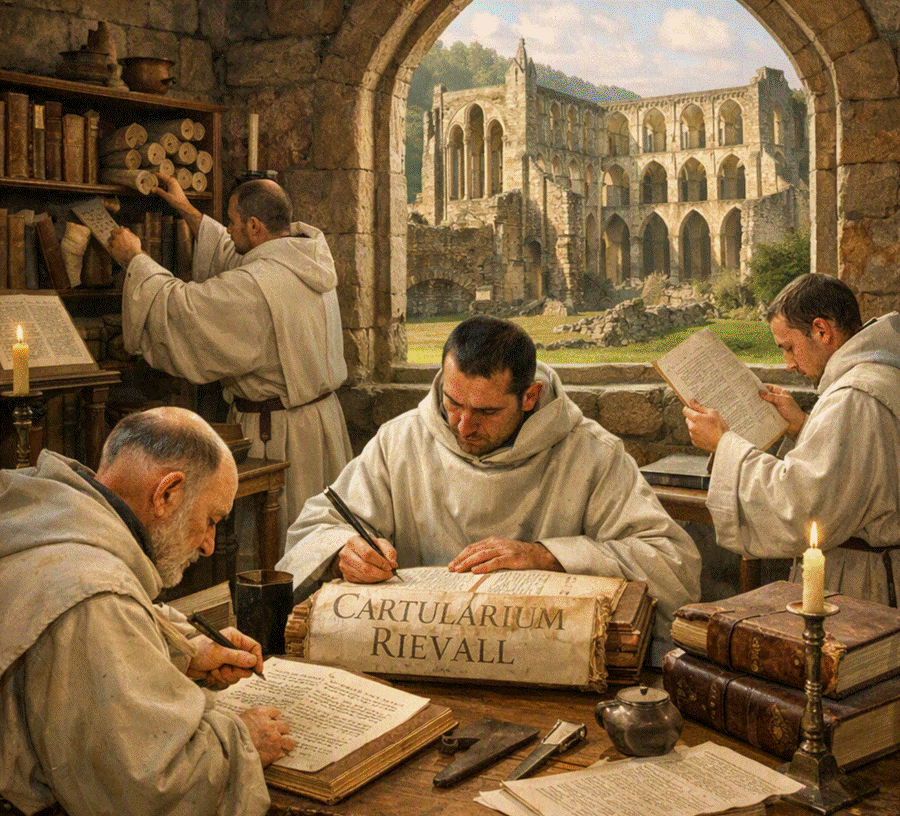
Cartulary of Rievaulx Abbey
The Rievaulx Cartulary (British Library, Cotton Julius D. i) is a 12th-century manuscript containing 245 primary
land and property charters. Compiled in the 1180s, it acts as a legal record of
the abbey's growth from a pioneer monastery into a wealthy northern landowner,
mapping social networks, local families, and estate boundaries in medieval
Yorkshire.
Atkinson, J, 1889. Cartularium
Abbathiae Rievalle.
Durham, Surtees Society, Volume 83.
Doncaster Records
The Calendar to the Records of the Borough of
Doncaster is a four-volume historical publication spanning municipal
manuscripts, court rolls, rentals, and council proceedings from the late
fifteenth century through the eighteenth century, preserved today by the City
of Doncaster Archives.
A Calendar to the Records of the Borough of Doncaster
(1899), Volume 1. Covers early charters, royal grants, and ancient court rolls
detailing the foundational governance of Doncaster
A Calendar to the Records of the Borough of Doncaster
(1898 to 1899), Volume 2. Focuses on the medieval town and manorial Great Court
records, listing civic elections, mayoral duties, and local infractions.
A Calendar to the Records of the Borough of Doncaster
(1901), Volume 3. Extends the chronological cataloguing of civic ordinances,
property deeds, and community life.
A Calendar to the Records of the Borough of Doncaster
(1903), Volume 4, 228 (Campsall).
(Available through the National Library of Scotland).
Maps
Whitaker, Harold (1971), A descriptive list of the
printed maps of Yorkshire and its Ridings 1577 – 1900 in Yorkshire
Archaeological Society Record Series Volume 86.
Saxton, Christopher (1579), Atlas of the Counties of England and Wales, Eboracensis.
Mercator, Gerardus (1595), Anglia, Scotia et Hibernia.
Speed, John (1610), The North and East Ridings of Yorkshire.
Langeren, Jacob van (1635), A Direction for the English Traveller, University of Oxford Text Archive, and Plate X.
Camden, William (1695), Britannia, page 749 (North Riding Map), page 751 (Kilton), page 754 (Blackamore, Pickering).
Miscellaneous
Langdale’s Yorkshire Dictionary, 1822 - A List of Viscounts and High Sheriffs of the County of York
Kirkby’s Inquest, The Surtees Society, Volume 49, 1867, the survey of
the county of York taken by John de Kirkby in 1284–1285 during the 13th year of
the reign of King Edward I, commonly called Kirkby's inquest; also inquisitions of knights' fees, the Nomina villarum for Yorkshire, and an appendix of illustrative
documents.
Greenway, Diana E
(1972), Mowbray Charters Nos. 236n 18 pages 162 to 164. Charters of the
Honour of Mowbray 1107-1191,
Records of Social and Economic History.
1.3 -
General Sources of Primary Documents
There are a number of online projects which reproduce primary
historical sources and most of the cross references above are to these sources.
You can also go directly to these sources to use their own search tools to
identify sources particular to your research.
Internet Archive – the go to site to find original historical
documents.
Project Gutenberg – another excellent site for free access to primary
sources.
Haiti Trust – a third source for original material.
British History
Online (“BHO”).
The Medieval and
Classical Literature Library.
The Soldier in
Medieval England.
Bede
Sellar,
A M (1907), Ecclesiastical
History of England, London, G. Bell and Sons. Lastingham – Book
3, Chapter 23, page 287 to 288 (Founding of Lastingham, and Farndale as a
wilderness) and also xxxiii,
4,
316,
336
to 338, 522.
McClure,
Judith and Collins, Roger (1999), The Ecclesiastical History of the English
People, The Greater Chronicle, Bede’s Letter to Egbert, Oxford University
Press.
Colgrave, Bertram and Mynors, R A B
(1969), Bede’s
Ecclesiastical History of the English People, Oxford at the Clarendon
Press.
The Anglo Saxon Chronicle
Swanton,
Michael (translation and edit) (1996), The Anglo-Saxon Chronicle, J M Dent.
Ingram
J and Giles J A (2021), The
Anglo-Saxon Chronicle, Project Gutenberg.
Thomas
of Elmham
Historia
Monasterii St Augustini Cantuariensis,
Longmans, and Roberts, 1858 - Lastingham – page 197, 273 - Edwin
baptised in York – page 165
Jean de Froissart
Gildas
De Excidio Britanniae, On the ruin of Britain
Edward
Hall
The
Union of the two noble and illustrious families of Lancaster and York,
1550
John
Leland
The
Itinerary of John Leland in or about the years 1535-1543 – Introduction
– Part
1: Yorkshire: pages 34
to 69, 77
to 88, 90
to 91 – York (page
54 ff), Blakemoor and Pickering (page
57 and 63),
Egton (page
58), Sheriff Hutton (page
65) – Part 4: pages 1
to 19 -
William
of Malmesbury
Chronicle
of the Kings of England, the Anglo Saxon Kings
Geoffrey
of Monmouth
History
of the Kings of England
Sir
Thomas More
Nennius
William
of Newburgh
Matthew
Paris
Monachi Sancti Albani, Chronica majora, To
1066, 1067
to 1216, 1216
to 1239, 1240
to 1247, 1248
to 1259, Appendices,
Glossary-Index
English
History 1235 to 1273, Volume
1, 2
and 3
Roger
of Wendover
Chronica,
sive Flores Historiarum, Flowers
of History, Volume
1, 2
Alfred
the Great’s scholars
Herald
of Sir John Chandos
Alcuin
and Egbert
Stephen
Allot, 1974. Alcuin of York, AD 732 to 804: his life and letters. York,
William Sessions, 1974.
Letter
from Pope Paul to Egbert and Aeadbert, AD 757/8 in
A.W. Haddon and W. Stubbs, Councils and Ecclesiastical Documents relating to
Great Britain and Ireland, 1869, Volume 3. Oxford, Clarendon Press.
Symeon
of Durham. Historia Regum. 56.
Monkwearmouth-Jarrow
White,
Carolinne (2024), Two
Lives of Ceolfrith, Abbot of Monkwearmouth-Jarrow, Cambridge University
Press, The Cambridge Anthology of British Medieval Latin, page 174 to 190.
Wulfstan
Wulfstan’s
Sermon to the English People in Bradley S A J, 2011, When
the Danes most greatly persecuted them, Friends of St Gregory’s Minster,
Kirkdale.
2 - Secondary Sources
2.1 – Periods of History
Palaeolithic,
Mesolithic, Neolithic
Elgee, Frank (1930), Early Man in North-East Yorkshire, Gloucester:
John Bellows.
Spratt, DA (1982), Prehistoric
and Roman Archaeology of North-East Yorkshire, British
Archaeological Reports British Series 104.
Spratt, D A (1979), The
Archaeology of Cleveland, Middlesbrough Borough Council.
Bronze
Age
Crawford, G M (1990), Bronze
Age Burial Mounds in Cleveland, Cleveland County Council.
Cooper,
R G (1978), The Discovery and exploration of the North Yorkshire Windypits in Ryedale Historian, Volume 9 , page 10.
Hornsby, William and
Stanton, Richard (1918), British Barrows near Brotton in Yorkshire
Archaeological Journal Volume 24 Page 263-268.
Vyner, Blaise (2024), An
Indication of Northern Souls: Revisiting the ‘Territory of Ritual’ in
Offa’s Dyke Journal, Volume 6, page
10-53.
Brotton
Howe, Brotton, Cleveland, North Yorkshire, The Northern Antiquarian.
Iron
Age
Hayes,
Raymond H (1974), Querns: a survey of quern finds in North
east Yorkshire in Ryedale Historian, Volume 7, page 22.
Sherlock, Stephen John (2010),
An
Examination of Late Prehistoric Settlement in North East England with Specific
Emphasis on the Settlements of the Tees Valley, University of
Leicester, School of Archaeology and Ancient History.
Roman
Chrystal,
Paul (2019), The Romans in the North of England, Destinworld.
Harris,
Jennifer J and Woods, Andrew R (2016 to 2017), A Severan Coin Hoard
from the Helmsley Area, Ryedale Historian, Volume 28, page 6.
Hayes,
Raymond and Heningway, J (1984), The Glass Holes
of Spaunton Moor in Ryedale Historian, Volume 12,
page 5.
Hayes, Raymond
(1966), Excavation Report: A Romano-British Site near Hutton le Hole in
Ryedale Historian, Volume 2, page
12.
Hayes, Raymond
(1986), Excavations at Spaunton
Moor, Raymond Hayes, Ryedale Historian,
Volume 13, page 4.
Knight,
Dave and Roberts, Andrew J (2022), Beadlam Roman Villa: Assessment of the
landscape Setting, Aerial Investigation and Mapping Report. Historic
England, Research Report Series 36.
Lee,
Graham (1998 to 1999), Cawthorne Roman Military Complex, an update, , Ryedale Historian, Volume 19, page 6.
Neal,
David S (1996), Excavations on the Roman Villa at Beadlam, Yorkshire, Yorkshire Archaeological
Report No 2, Leeds, Yorkshire Archaeological Society.
Powlesland, Dominic (2014), Hovingham
Angel Frieze, 3d model.
Rahtz, Philip (1998 to 1999), The excavation at
Beadlam Roman Villa, Ryedale Historian, Volume 19, page
24.
Whitaker, Arthur
H (1967), The excavation of a Romano British villa at Spaunton in Ryedale Historian, Volume 3, page 12.
Wilson,
Pete (2000 to 2001), Cawthorne Camps, trial excavations 1999,
Ryedale Historian, Volume 20, page 5.
Roman Roads Research Association
(launched 2018), including Itinera Publications and the Roads of Roman Britain Gazeteer.
Landscape Research Centre (2013), Roman
Bath House re-discovered at Hovingham, North Yorkshire more than 250 years
after it was first uncovered.
Anglo-Saxon-Scandinavian
Adams,
Max, and O’Brien, Colm (2025), Northumbria AD 367–867. Edinburgh: Birlinn.
Adams,
Max (2020), The King of the North: The Life and Times of Oswald of
Northumbria, Head of Zeus Limited.
Brooks,
Nicholas (1999), Bede and the English, Jarrow Lecture.
Brown,
George Hardin (1996), Bede the Educator, Jarrow Lecture.
Burton,
Janet (2010), Monasteries and Parishes in Medieval Yorkshire, Friends of
St Gregory’s Minster, Kirkdale.
Hunter
Blair, P (1949), The boundary between Bernicia and Deira, in Archaeologia Aeliana,
Series 4, Volume 27 pages
46 to 59.
Breeze, Andrew (2009), The name of Bernicia,
Antiquities Journal, Volume 89, pages
73 to 79.
Breeze,
Andrew (2021), 633: Hatfield Chase and British Victory at Doncaster; 634:
Hefenfeld and British defeat in Northumberland; 642:
Maserfelth and King Oswald’s Death at Forden, Powys;
937: Brunanburh and English Triumph at Lanchester, County Durham, in British
Battles 493–937, Senchus, Berlinn.
Cavill,
Paul and Harding Stephen (2025), Finding the Battle of Brunanburh.
Chester: University of Chester Press.
Colls,
Robert (2019), Northumbria: History and Identity 547 to 2000, Phillamore.
Cramp,
Rosemary (1995), The Making of Oswald’s Northumbria in Oswald,
Northumbrian King to European Saint, ed. Clare Stancliffe and Eric
Cambridge. Stamford: Paul Watkins.
Farndale,
Richard (2026), England’s
1100th: Deira and the Idea of Anglo-Saxon Unification, Yorkshire
Archaeological Journal, 1–6.
Fleming,
Robert (2011), Britain after Rome: The Fall and Rise, 400 to 1070,
Penguin.
Fletcher,
Eric (1981), Benedict Biscop, Jarrow Lecture.
Frank,
George (1888), Ryedale
and North Yorkshire Antiquities, York, Sampson Brothers.
Holland,
Tom (2018), Athelstan, Penguin.
Higham,
Nicholas J and Ryan, Martin J (2015), The Anglo-Saxon World, Yale
University Press.
Higham,
N J (1995), An English Empire: Bede, the Britons and the Anglo-Saxon Kings,
Manchester University Press.
Higham,
N J (2026), How England Began, Yale: Yale University Press.
Hindley,
Geoffrey (2015), A Brief History of the Anglo-Saxons, The beginnings of the
English nation, Constable and Robinson Limited.
Hunter
Blair, Peter (1959), Bede’s Ecclesiastical History of the English Nation and
its importance today, Jarrow Lecture.
Kirby,
D P (2020), The Earliest English Kings, Revised, London: Routledge.
Leff,
Gordon (1994), Alcuin of York and the Foundations of Medieval Education,
Friends of St Gregory’s Minster, Kirkdale.
Loyn, H R (1991), The Making of the English Nation,
London: Thames and Hudson.
Miles,
David (2006), The Tribes of Britain, Weidenfeld and Nicholson.
Morris,
Marc (2021), The Anglo-Saxons, A History of the Beginnings of England,
Penguin.
Pickles,
Thomas (2009), Locating
Ingetlingum and Suthgedling: Gilling West and Gilling
East, Northern History, 46 no. 2 (2009), 324–325.
Pickles,
Thomas (2009), Power, Religious Patronage and Pastoral Care: Religious Communities,
Mother Parishes and Local Churches in Ryedale c 650 to c 1250, Friends of
St Gregory’s Minster, Kirkdale.
Pryor,
Francis (2007), Britain in the Middle Ages, An Archaeological History,
London: Harper Perennial.
Morris,
Richard (2004), Journeys from Jarrow, Jarrow Lecture, Jarrow: St. Paul’s
Jarrow.
Rahtz, P and Watts, L (2021. St Gregory’s Minster,
Kirkdale, North Yorkshire, Archaeological Investigations and Historical Context,
Oxford, Archeopress.
Stancliffe,
Clare, (1995), Oswald, Most Holy and Most Victorious King of the
Northumbrians in Oswald: Northumbrian King to European Saint,
Stamford, Paul Watkins.
Stevens,
Wesley M (1985), Bede’s Scientific Achievement, Jarrow Lecture.
Townend,
Matthew (2007), Scandinavian Culture in Eleventh Century Yorkshire,
Friends of St Gregory’s Minster.
Wood,
Ian N (2008), Monasteries
and the geography of power in the age of Bede, Northern History, 45, no.
1 (2008), 11–25.
Wood,
Ian (2016), East Coast Connections, The Thirteenth Lastingham Lecture,
Friends of Lastingham Church.
Wood,
Michael (2013), Searching for Brunanburh: The Yorkshire Context of the
‘Great War’ of 937, Yorkshire Archaeological Journal, vol. 85, pages
138–159.
Woodman,
David. 2025. The First King of England: Æthelstan
and the Birth of a Kingdom. Oxford and Princeton, Princeton University
Press.
Norman
Darby, H C and Maxwell, I
S (1962), Domesday
Geography of Northern England, Darby and Maxwell, page 82 (Kirkbymoorside), page 98 (Farndale).
Morris, John (1986), Domesday
Book, Yorkshire Parts 1 and 2, Chichester: Phillamore.
Plantagenet
Castor, Helen (2024), The
Eagle and the Hart, Penguin.
Jones, Dan (2012), The
Plantagenets, William Collins.
Jones, Dan (2015), Realm
Divided, Head of Zeus Limited.
Wars of the Roses
Jones, Dan (2015), The
Hollow Crown, Faber and Faber.
Tudor
De Lisle, Leanda (2014), Tudor:
the family story, London: Vintage Books.
Civil War
Keay, Anna (2022), The
Restless Republic, William Collins.
General
Barton, Ingrid (2024), The Little History of
Yorkshire, Cornwall: T J Books Limited.
Edwards, William (1924), The Early History of the North
Riding, page 137.
Hastings, R P (1983), More Essays in North Riding
History, North Yorkshire County Records Office Publications No 34.
Morris, Richard (2018), Yorkshire: A Lyrical
History of England’s Greatest County, Weidenfeld and Nicolson.
Pettifer, Adrian (1995), Yorkshire in English
Counties, A Guide by Counties, Boydell Press.
Pocock, Michael (1978), A History of
Yorkshire, Dalesman Books.
Singleton, F B and Awnsley,
S R (1986), A
History of Yorkshire, Chichester:
Phillimore.
Smith, AH (1928), The
Place Names of the North Riding of Yorkshire, Cambridge: University
Press.
Tombs, Robert (2023), The
English and their History, Penguin Books.
Victoria
County History, North Riding of
Yorkshire, British History Online.
Vyner, B E (ed) (1990), Medieval Rural Settlement
in North East England, Architectural and Archaeological Society of Durham
and Northumberland Research Report No 2.
2.2 – Yorkshire Themes
Travel
and communication
Hayes,
Raymond H (1988), Old Roads and Pannierways
in North East Yorkshire. The British Library has a
copy (YA.2000.b.3130).
Community
Waltes, Bryan (1982), Medieval Fairs and Markets
in Northeast Yorkshire, Ryedale Historian, Volume 11, page 3.
Agriculture
Hasbach W (1894), A
History of the English Agricultural Labourer.
Nasse,
Erwin (1872, republished 2003), On
The Agricultural Community of the Middle Ages, and Inclosures of the Sixteenth Century in England.
Power,
Eileen Edna LePoer (1941), The
Wool Trade in English Medieval History.
Mills
Holt, Richard (1988), Mills
of Medieval England, page 31.
Alum
Appleton,
Peter (2023), The Alum Folk, Boroughgate Books.
Populations
The Propography of Anglo
Saxon England (PASE) – structured record of all known individuals
in Britain from late sixth to late eleventh century.
Forest
Law and Pickering Forest
Counsell, David (1988), Medieval Forests in North-East Yorkshire, the Ryedale
Historian, Volume 14, page 9.
Grant, Raymond (1991), The Royal Forests of England, Wolfeboro
Falls.
Hudson, John (2012), Forest Laws from Anglo-Saxon England to the Early Thirteenth
Century, chapter 19 of The Oxford History of the Laws of England:
871-1216.
Manning, Roger B (1993), Hunters and Poachers: A Social and Cultural History of Unlawful
Hunting in England 1485-1640, Oxford: Clarendon Press.
Rivard, Derek (1996), The Poachers of Pickering Forest 1282—1338, Medieval
Prosopography, Vol. 17, No. 2, pages 97-144.
Wright, Elizabeth
C (1928), Common Law in the
Thirteenth Century English Royal Forests, Philadelphia.
Young, Charles R
(1979), The Royal Forests
of Medieval England, Philadelphia.
Young, Charles (1974), The Forest Eyre
in England during the Thirteenth Century, , American Journal
of Legal History Volume 18, , pages 321-31.
Who Poached the
King's Deer? A
Study in Thirteenth Century Crime, Midland History (1982), pages 9 to 25.
Hunters and
Poachers: A Social and Cultural History of Unlawful Hunting in England
1485-1640, Roger B. Manning, (August 1993).
A website about
Robin Hood provides its own summary of Forest Law.
2.2 – Places in Yorkshire
Eilert
Ekwall (1960), The
Concise Oxford Dictionary of English Place Names, Oxford: Clarendon
Press.
Aldborough
English
Heritage, Aldborough Roman Site and Town.
Brotton
Darnton, R (2010), East
Cleveland Photographic Memories.
Wall, M (1987), Know Your
Parish: Brotton, Cleveland Family History Society, Journal volume 3 number
7.
Victoria County History
(1923), The
wapentake of Langbaurgh (east): Brotton in A History of the County
of York North Riding: Volume 2, ed. William Page. London. British History
Online.
Campsall
Synan, Edward A, (1968), The Works of
Richard Campsall, volume 1: Questiones super librum Priorum Analeticorum: MS Gonville and Caius 668, ed., Toronto:
Pontifical Institute of Mediaeval Studies. (1982), The Works of Richard
Campsall, volume 2.
Cleveland
Atkinson, Rev J C (1874), History
of Cleveland Ancient and Modern, Volume 1, Barrow in Furness: J Richardson.
Graves, Rev John (1808),
The
History of Cleveland. Carlisle: F Jollie and Sons. *
Historic England, North
Yorkshire Moors and Cleveland Hills. National Charatcter Area 25.
Horton, Minnie C (1979), The
Story of Cleveland, History, anecdote and legend, Cleveland County
Libraries.
Ord, John Walker (1846), History
and Antiquities of of Cleveland. London: Simpkin and Marshall.
Tweddell, George Markham
(1872), The
people's history of Cleveland and its vicinage, Stokesley: Tweddell
& Sons.
Wilson, Chris Scott and
Butler, Ray (1984), Cleveland’s History. *
Danby
Victoria County History
(1923), The
wapentake of Langbaurgh (east): Danby in A History of the County of
York North Riding: Volume 2, ed. William Page. London. British History
Online.
Atkinson, Canon John
Christopher (1891), Forty
Years in a Moorland Parish: Reminiscences and Researches in Danby in Cleveland.
Doncaster
Barber, Brian
(2007), A History of Doncaster, Chichester: Phillimore & Co Ltd.
Hey, David (1979), The
Making of South Yorkshire.
Hey, David (2005), A
History of Yorkshire, “County of the
Broad Acres”.
Hey, D (2003),
Medieval South Yorkshire, Ashbourne, page 130.
Hunter, Rev Joseph (1828), South Yorkshire, the History
and Topography of the Deanery of Doncaster in the Diocese and County of York.
Goldberg PJP (1994), From Conquest to
Corporation, in G. Martin and others, Doncaster: A borough and its
charters, Doncaster, pages 55 to 57.
Jackson, Rev J E (1855), History of St
George’s Church, Doncaster, Destroyed by Fire, February 28, 1853, London: J R Nichols and Sons.
Miller, E (1804), The History and Antiquities of
Doncaster, Doncaster, page 71.
Smith, Gordon, Doncaster
History.
Tomlinson, John
(1887), Doncaster from the Roman Occupation to the Present Time.
(Available through the National Library
of Scotland).
Tomlinson, John (1883), A waif of Roman Danum,
Yorkshire Archaeological Journal, Volume 8, page 158 to 159.
The Archaeology of Doncaster 2: The Medieval and Later
Town, British Archaeological Reports
British Series, 202, 1989, pages 49 to 50 and especially page 52.
Egton
Laurence,
Alistair (2018), Old Egton: A New History, Whitby: Jetprint.
Victoria County
History (1923), The
wapentake of Langbaurgh (east): Egton in A History of the County of
York North Riding: Volume 2, ed. William Page. London. British History Online
Farndale
Capron, John
T (1967), Lowna Mill, Gillamoor, , Ryedale
Historian, Volume 3, page 42.
Farndale, Richard
(2024), Farndale and its Medieval Beginnings in Medieval Yorkshire
Second Series Issue 11.
Hayes,
Raymond (1961), Farndale, unpublished, held by Ryedale Folk Museum
Archives.
Whitaker, Arthur
H (1965), Notes on the History of Farndale in the Middle Ages, Ryedale
Historian, Volume 1, page 7.
Whitaker, Arthur
H (1966), Notes on the History of Farndale in the Middle Ages, Ryedale
Historian, Volume 2, page
57.
Gilling
Pickles, Thomas (2009), Locating Ingetlingum and Suthgedling:
Gilling West and Gilling East, Northern History, Volume 46,
Issue 2, pages 313 to 325.
Great Ayton
Victoria County History (1923), The
wapentake of Langbaurgh (west): Great Ayton in A History of the
County of York North Riding: Volume 2, ed. William Page. London. British
History Online.
Guisborough
Brown, W (1895), The
Brus Cenotaph at Guisborough, Yorkshire Archaeological Journal, volume 13 pages 226–61.
Darnton, R
(2011), Guisborough: Photographic Memories.
Dixon, G (1983), Guisborough
in Memory.
Harrison, B and
Dixon, G (1981), Guisborough Before 1900.
Heslop, D H (1987),
Gisborough Priory: Initial excavation of the priory church 1985,
Yorkshire Archaeological Journal, volume 59, pages 175–8.
O’Sullivan,
D (1990), Robert Pursglove of Guisborough and his Hospital
1990.
Wilson, P and
Smith, P (2005), Guisborough Past and Present.
Victoria County History (1923), The
wapentake of Langbaurgh (east): Guisborough in A History of the
County of York North Riding: Volume 2, ed. William Page. London. British
History Online.
Helmsley
L’Anson, William M (1917), Helmsley Castle, Yorkshire Archaeological
Journal, Volume 24, page 325.
Kenton, John R, Helmsley Castle, English
Heritage.
Williams, Ernest and Robinson, Tom (2017), A Guide
to Helmsley Parish Church.
Wilson, P R (1989), Excavations at Helmsley Castle,
Yorkshire Archaeological Journal, Volume 61, page 29.
Helmsley Parish Guide.
Hutton le Hole
Hayes, Raymond and Hurst, Joseph (2005), A History
of Hutton le Hole, North York Moors National Park.
Huttons
Ambo
Victoria
County History (1923), The
wapentake of Bulmer: Huttons Ambo in A History of the County of York
North Riding: Volume 2, ed. William Page. London. British History Online.
Kilton
L’Anson, William M (1913), Kilton
Castle in Yorkshire Archeaological Journal, Volume 22,
page 55.
Daniels, Robin (1990), Kilton:
A Survey of a Moorland Fringe Township in Medieval Rural Settlement in
North-East England, page 33.
Dowey, Janet. Impact of
Agricultural Change on the Rural Community - a case study of Kilton circa
1770-1870. No longer available, but notes can be found on my website.
Farndale,
John (1870), The History of
Kilton, With a Sketch of the Neighbouring Villages, By
the Returned Emigrant, Dedicated to the Rev William Jolley. Toronto,
Canada, America, Middlesbrough, Burnett & Hood, “Exchange” Printing
Offices.
Farndale,
John (1864), Guide
to Saltburn by the Sea and the Surrounding District, With
remarks on its picturesque scenery, Fifth Edition, Dedicated to John
Thomas Wharton Esq of Skelton. Late of Skelton Castle Farm, Darlington, Printed
by Charles W Hird.
Hebditch, W (1939), The Origin and
Early History of the Kilton Fee in Yorkshire Archealogical Journal, Volume
34, page 296.
Tullie, Joseph (1767), Joseph Tullie’s Estate Plan, A map of an Estate belonging to John Hall Stephenson Esq lying at Skelton and Brotton in Cleveland in the North Riding of the County of York, hangs on the Wall as Skelton and Gilling Estates Office.
Map of an Estate belonging to John Hall Stevenson Esq lying at Skelton and Brotton in Cleveland in the North Riding of Yorkshire produced in 1773 after a survey by Watson and Seagrave, copy held by Tees Archaeology.
Victoria County History (1923), The wapentake of Langbaurgh (east): Brotton in A History of the County of York North Riding: Volume 2, ed. William Page. London. British History Online.
Kirkbymoorside
Hayes,
Raymond (1966), A Sceat from All Saints Church, Kirkbymoorside,
Yorkshire Archaeological Journal, Volume 41, pages 566 to
567.
Parker,
Tom (1982), History of Kirkdale and Vicinity, Part III, Kirkbymoorside,
Ryedale Historian, Volume 11, page 10.
Williams, R A H (1977), An Excavation
at Neville Castle, Kirkbymoorside 1974, Yorkshire Archaeological Journal,
Volume 49, page
87.
Kirkdale
Bradley
(2021), Orm Gamalson’s Sundial, Friends of St
Gregory’s Minster, Kirkdale.
Fletcher,
Richard (2003), St Gregory’s Minster, Kirkdale, Friends of St Gregory’s
Minster, Kirkdale.
King,
Cyril (1974), Notes on Ryedale Churches, Kirkdale revisited, Ryedale
Historian, Volume 7, page 42.
Parker,
Thomas (1980), Kirkdale and Welburn, Ryedale Historian, Volume 10, page 4.
Penn,
Arthur (1983), St Gregory’s Minster, Kirkdale, Helmsley: Ryedale
Printing Works.
Rahtz, Philip and Watts, Lorna (2021), St Gregory’s
Minster, Kirkdale, North Yorkshire: Archaeological Investigations and
Historical Context, Archaeopress Publishing
Limited.
Rahtz, Philip (1998 to 1999), Ghosts at Kirkdale,
Ryedale Historian, Volume 19, page
17.
Watts,
Lorna (1998 to 1999), Runes at Kirkdale, Ryedale Historian, Volume
19, page
21.
Watts
Lorna (2014 to 2015), St Gregory’s Minster, Kirkdale, Ryedale
Historian, Volume 27, page 54.
Watts,
Lorna, Grenville, Jane and Rahtz, Philip (1996), Archaeology at Kirkdale,
Supplement to the Ryedale Historian.
Archaeology at Kirkdale,
Supplement to the Ryedale Historian Volume 18, 1996 to 1997.
Kirkdale Archaeology,
supplement to the Ryedale Historian Volume 19, 1998 to 1999.
Kirkleatham
Victoria
County History (1923), The
wapentake of Langbaurgh (east): Kirkleatham in A History of the County
of York North Riding: Volume 2, ed. William Page. London. British History
Online.
Lastingham and Spaunton
Charles-Edwards,
T M (1974), The foundation of Lastingham, Ryedale Historian, Volume 7, page 13.
Hayes,
Raymond and Heningway, J (1984), The Glass Holes
of Spaunton Moor, Ryedale Historian, Volume 12, page 5.
O’Donaghue,
Heather (2016), Viking Age Lastingham, Lastingham Lecture, Friends of
Lastingham Church.
Pacitto, Anthony
L (1966), Excavation Report: Rudland Close, site of a medieval aisled barn
on the North York Moors, Interim Report, Ryedale Historian, Volume 2, page
20.
Wood,
Ian (2008), Lastingham in Its Sacred Landscapes, The Fifth Lastingham
Lecture, Friends of Lastingham Church.
Loftus
Victoria
County History (1923), The
wapentake of Langbaurgh (east): Loftus in A History of the County of
York North Riding: Volume 2, ed. William Page. London. British History
Online.
Middleham
English
Heritage, Middleham Castle.
North York
Moors/Blackamore
Burns,
Tom Scott (1991), Round and About the North Yorkshire Moors, A Glimpse
of the Past, M T D Rigg Publications.
Elgee, Frank (1912), The Moorlands of North Eastern Yorkshire.
Hartley,
Maria and Ingilby, Joan (1972), Life in the Moorlands of North-east Yorkshire,
London: J M Dent and Sons Limited.
Spratt,
D A and Harrison BJD (1989), The North York Moors: Landscape Heritage,
London: David and Charles.
Pickering
Home, Gordon (1905), Pickering: The Evolution of an English Town, Project Gutenberg.
Victoria
County History (1923), The
wapentake of Pickering Lythe: Pickering in A History of the County
of York North Riding: Volume 2, ed. William Page. London. British History
Online.
English
Heritage, Pickering Castle.
Rievaulx
Clay, CV T (1955), Early Abbots of the Yorkshire
Cistercian Houses, Yorkshire Archaeological Journal, Volume 38, page
31.
Daniel, Walter (1950), Life
of Ailred of Rievaulx.
Ferguson,
Peter, Coppack, Glyn, Harrison, Stuart and Carter,
Michael, Rievaulx Abbey, English
Heritage.
Knowles, Monastic Order in England, pages 240
to 245, 257
to 266.
Mickelthwaite, J T (1900), The
Cistercian Order, Yorkshire Archaeological Journal, Volume 15, page 245 to 268.
Speight, Sarah (1993), Family,
Faith and Fortification: Yorkshire 1066-1250, page 70.
Waites, Bryan (1960), Monastic Settlement of North East Yorkshire, Yorkshire Archaeological Journal,
Volume 40, page 478, especially page 488.
Waites, Bryan (1960), Monastic Grange as a factor in
the settlement of North East Yorkshire, Yorkshire
Archaeological Journal, Volume 40, page 627.
Houses of Cistercian monks: Rievaulx, Victoria County History: Yorkshire, A History of the
County of York, Volume 3, 1974, pages 149 to
153.
Ryedale
Allison, Madge (2010 to 2011), Anglo Saxon Assembly
Places in Ryedale, Ryedale Historian, Volume 25, page 32.
Hamilton-Dalrymple,
W B (1984), A look at Ryedale Settlement Patterns, Ryedale Historian,
Volume 12, page 31.
Hayes,
Raymond H (1969), The story of Gillamoor and Fadmoor, Ryedale Historian, Volume 4, page 7.
Hayes,
Raymond and Allison, Madge (1988 to 1989), Harome,
the history of a village, Ryedale Historian, Volume 14, page 18.
Hodgson,
R I (1980), Medieval Colonisation in Ryedale, Ryedale Historian,
Volume 10, page 47.
Frank,
George (1888), Ryedale and North
Yorkshire antiquities, York: Sampson Brothers.
McDonnell,
J (1963), A History of Helmsley Rievaulx and District.
Rushton, John (2003), The History of Ryedale, North
Yorkshire, Blackthorne Press.
Rushton,
J H (1976), Life in Ryedale in the 14th century, Ryedale
Historian, Volume 8, page 19.
Rushton,
J H (1978), Life in Ryedale in the 14th century, Ryedale
Historian, Volume 9, page
29.
Rushton,
J H (1965) Keldholme Priory: the early years, The Ryedale Historian,
Volume 1, page
15.
Wall, John (1997), Anglo Saxon Sundials in Ryedale, Yorkshire Archaeological Journal, Volume 69, page 93.
Skelton
in Cleveland
Danby,
Bill (2020 and continuing), Skelton
in Cleveland History.
Victoria
County History (1923), The
wapentake of Langbaurgh (east): Skelton in A History of the County
of York North Riding: Volume 2, ed. William Page. London. British History
Online.
Saltburn-by-the-Sea
Farndale,
John (1864), Guide
to Saltburn by the Sea and the Surrounding District, With
remarks on its picturesque scenery, Fifth Edition, Dedicated to John
Thomas Wharton Esq of Skelton. Late of Skelton Castle Farm, Darlington, Printed
by Charles W Hird.
Wilson, Chris Scott (1983 revised 2021), The History
of Saltburn from the Bronze Age to the Millennium, Middlesbrough: Quoin.
Wingham, Jim
(2021), Saltburn-by-the-Sea, A Town in Time, Dorchester: Henry Ling
Limited.
Sheriff Hutton
Howarth, Richard W (1993), Some notes on the Castle at
Sheriff Hutton.
Senior, Janet (2000), Sheriff Hutton and its Lords,
Rosalba Press.
Sheriff Hutton Impressions of a History, a collection of essays written in 2000 to form a book
about the history of the village.
Sheriff Hutton Website – History page.
Richard
III Society – Yorkshire Branch.
Victoria County History (1923), The
wapentake of Bulmer: Sheriff Hutton in A History of the County of
York North Riding: Volume 2, ed. William Page. London. British History
Online.
Sheriff
Hutton Manorial Records at the National Archives.
Parish
Records of Sheriff Hutton at the University of York.
Sheriff Hutton
Deeds (WYL100/SH Sheriff Hutton within the Temple Newsham Collection (National
Archives WYL100, held by North Yorkshire Archives Service, Leeds).
Street House
Sherlock, Stephen J, The Saxon Princess, Exhibition
Guidebook, Kirkleatham Museum.
Whitby
Cornish, Anthony (2008), The Voyages of Captain Cook.
Finch, Roger (1973), Coals from Newcastle, Terence
Dalton, Lavenham, Suffolk.
Willan T S (1938), The English coasting trade
1600 – 1750, Manchester University.
Young, Rev George (1840), A Picture of Whitby and
its environs, copy from Yorkshire CD Books.
Young, Rev George (1817), A History of Whitby and Streoneshalh Abbey, Whitby: Clark and Medd.
Young George (1817), History of Whitby, two
volumes, Whitby: Clark and Medd.
Weatherill, Richard (1908), The
Ancient Port of Whitby and Its Shipping, Whitby: Horne and Son, Haithi Trust. (J T Farndale was a subscriber)
Captain Cook Memorial Museum (2018), Whitby in the
time of Cook: the making of a seaman.
York
Alsford,
Stephen, History of
Medieval York.
Nuttgens, Patrick (ed)(2007), The
History of York From Earliest Times to the Year 2000,
Blackthorn Press.
Rowntree, Seebohm (1901), Poverty, A Study of Town Life.
2.3 Yorkshire People
Biographical Dictionaries
Ellis, AS (1877), Biographical Notes on the
Yorkshire Tenants named in Domesday Book, Yorkshire Archaeological Journal,
Volume 4, page
114 - page 237
(Hugh, son of Baldric), page 406
(Robert de Brus).
Lee, Sidney (1909), Dictionary of National
Biography in multiple
volumes. Volume 1
(Ab to Be), Volume 2
(Be to Br), Volume 3,
(Br to Ch), Volume 4
(Ch to Cr), Volume 5
(Cr to Dr), Volume 6
(Dr to Fi), Volume 7
(Fi to Gl), Volume 8
(Gl to Ha), Volume 9 (Ha to Ho), Volume 10 (Ho to Ke), Volume 11
(Ke to Ll), Volume 12
(Ll to Ma), Volume 13
(Ma to My), Volume 14 (My to Ow), Volume 15
(Ow to Po), Volume 16
(P/R), Volume
17 (Ro to Sh), Volume 18
(Sh to St), Volume 19
(St to Ty), Volume 20
(Ub to Wh), Volume 21
(Wh to Zu), Volume 22
(supplement).
The Complete Peerage of England, Scotland, Ireland,
Great Britain and the United Kingdom,
Volume 1
(A to Bo), Volume
2 ( Bra to C), Volume 3 (D
to F), Volume
4 (L to M), Volume
5 (L to M), Volume
6 (N to R), Volume
7 (S to T).
Yorkshire Historians
Frank
Elgee
Dr
Frank Watson Elgee (1880–1944) was a distinguished
English archaeologist, geologist, and naturalist who dedicated his life to
uncovering the prehistoric and environmental history of the North York Moors
and the Cleveland region. Despite severe lifelong health struggles that cut
short his formal education, he became an authoritative pioneer in landscape
archaeology, mapping how human activity shaped Yorkshire's iconic moorlands
from the Bronze Age onward.
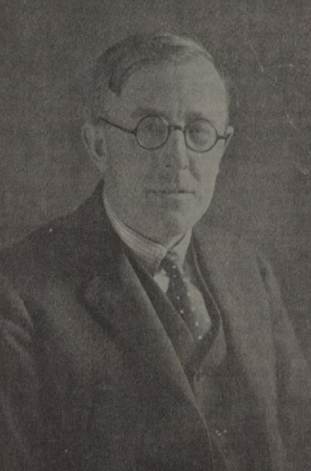
Raymond Hayes
Raymond Harland
Hayes MBE (1909–2000) was a highly respected British landscape
archaeologist, photographer, and local historian who dedicated over six decades
to exploring and documenting the North York Moors. Operating largely in an
amateur capacity with minimal resources, his rigorous field research,
collaborative spirit, and exceptional photographic work earned him a reputation
on par with the region's top academic scholars. Born in York, he moved to the
village of Hutton-le-Hole as an infant and apprenticed under his father, a
professional photographer. This training gave him the precise visual skills he
later applied to archaeological surveying. He introduced Professor Geoffrey
Dimbleby to key sites across the moors, providing the crucial field data needed
for Dimbleby's groundbreaking historical pollen analysis. He was one of the
core founders of the popular Ryedale Folk Museum in his home village of
Hutton-le-Hole.
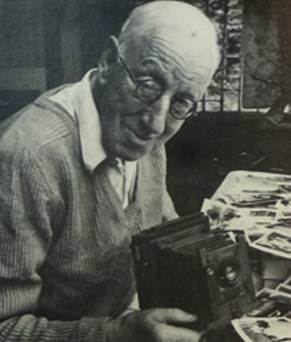
John
Walker Ord
John
Walker Ord (1811–1853) was an English topographer, journalist, and poet who is
best remembered as the definitive nineteenth century historian of the Cleveland
region in the North Riding of Yorkshire. Born in Guisborough to a wealthy
family of leather merchants, Ord was a romantic intellectual whose monumental
written works remain a vital cornerstone for studying the heritage, geography, and
genealogy of Northeast Yorkshire.