Giles Farndale
18 October 1713 (baptised) to 9 May 1741
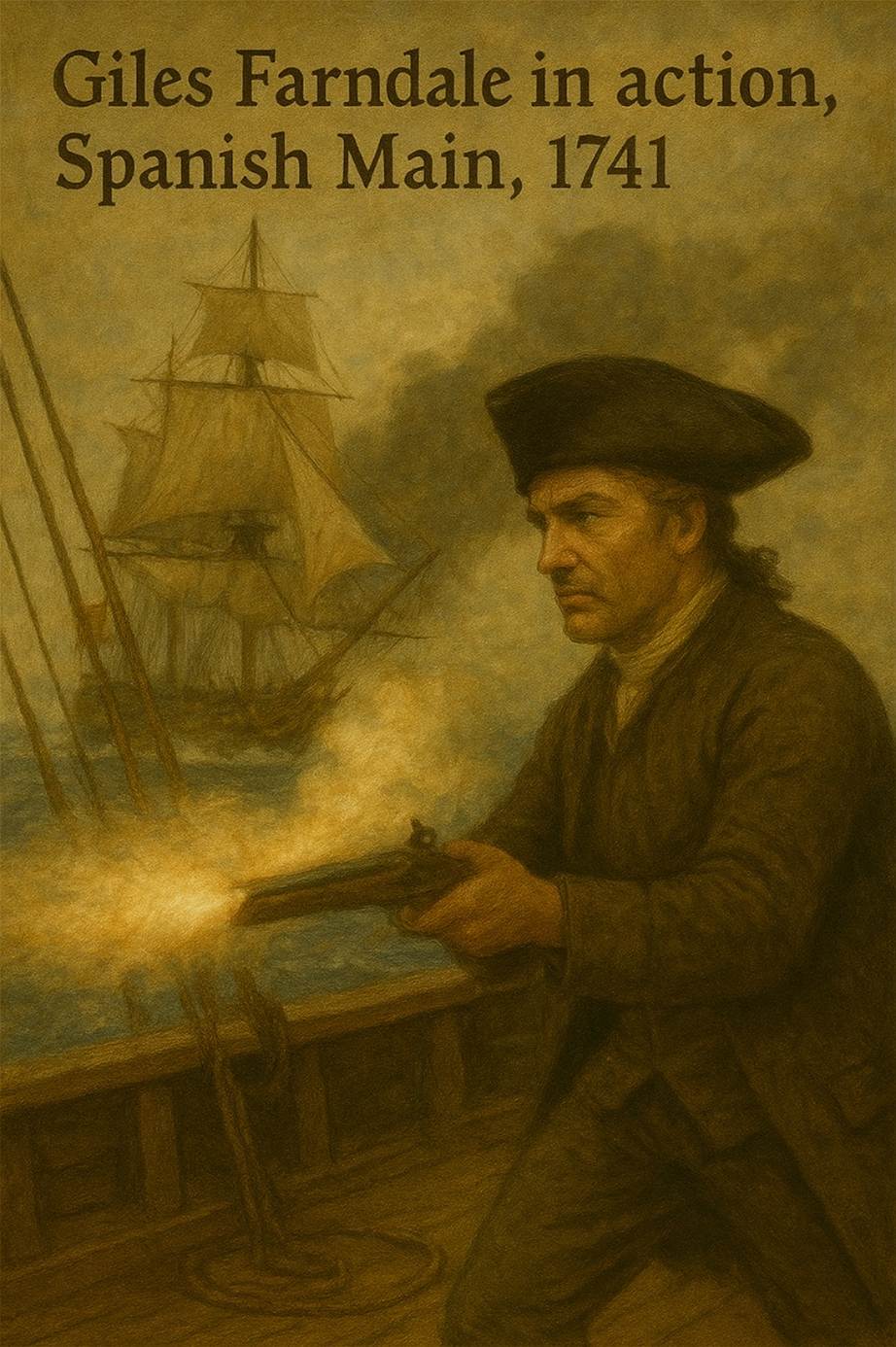

Press
ganged into the navy, Giles served on HMS Experiment in the Spanish Main during
the Wear of Jenkins Ear where he died and was buried at sea
FAR00137
|
Return to the Home
Page of the Farndale Family Website |
The story of one
family’s journey through two thousand years of British History |
The 83 family lines
into which the family is divided. Meet the whole family and how the wider
family is related |
Members of the
historical family ordered by date of birth |
Links to other pages
with historical research and related material |
The story of the
Bakers of Highfields, the Chapmans, and other related families |
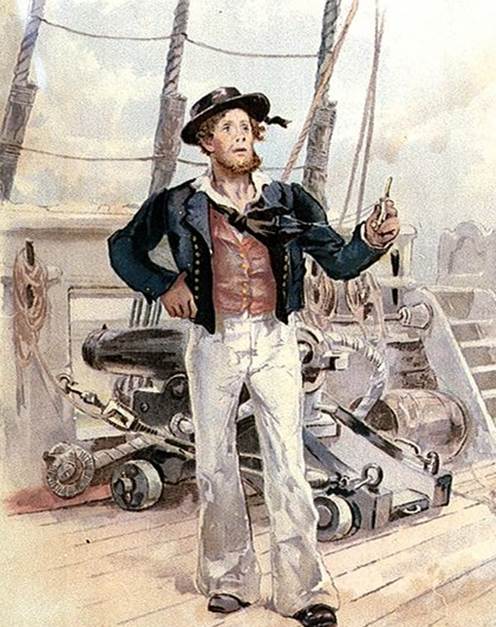
A press ganged
sailor in the Caribbean, who served on HMS Experiment between 1740 and
1742 and almost certainly fought in the battle for Cartagena de Indias, during
the War of Jenkins’ Ear, and died at sea.
The
Story of Giles Farndale is told as part of the Farndale
Story.
This page provides the more detailed research notes.
Dates are in red.
Hyperlinks to
other pages are in dark
blue.
Headlines of
Giles’ life are in brown.
References and
citations are in turquoise.
Context and local
history are in purple.
1713
Giles Farndale was baptised
at Whitby on 18 October 1813, the son of
Thomas and Sarah (nee Perkins) Farndale (FAR00118), carpenter (Whitby PR).

1740
Giles Farndale
served in the Royal Navy. It seems very likely that he was press-ganged at
Whitby, probably in 1740 when he would have been 27 years old. The Muster
Book for HMS Experiment, a brig with a compliment of 130, shows Giles Farndell
as No 101 Able Seaman, impressed (press-ganged) and coming onto the
ship’s muster on 29 June 1740. On 29 June 1740 the Experiment was at The Nore, where Giles
Farndell (also Farndale, he is listed under both names in different Muster
Books) came on compliment.
Since Giles
was not recorded as from…another ship this was probably his first
experience in the Royal Navy.

Press gang, mid eighteenth century
Since Giles was not recorded as from another ship
he probably had not served on another ship beforehand.
The Experiment was commissioned under Captain Hughes at Deptford between March
and June 1740. On 29
June 1740 the ‘Experiment’ was at The Nore (see below), where Giles Farndell
(or Farndale; he is listed under both names in different Muster Books), came on
complement. From
there she sailed for Port Royal, Jamaica (see below) where she arrived on
15 September 1740. From there until June 1741 the ship was either in Port
Royal, at sea, or in Cartagena (Adm 36/1081 &
1082).
Described as a 20 gun ship, the newly
commissioned vessel was given to the command of Captain Rentone, who had
recently been paid £200 for reporting the news of Admiral Vernon’s taking of
Porto Bellow.
Thirteen ships of the Royal Navy have borne the name HMS "Experiment".
HMS
Experiment of 1740 was
a 24 gun, sixth rate ship, of the Royal Navy. She was launched on 18 April 1740
and sold in 1763. At the time of her
commissioning and during the relevant period of the Spanish wars, she was
described as a 20 gun vessel. She was built in Plymouth dockyard by Henry Bird.
In historical naval usage, a long
gun was the standard type of cannon mounted by a sailing vessel, distinguished
from the much shorter carronades. The long gun was known for its increased
range and improved mobility. This allowed the long gun to establish itself as
the best form of artillery to pursue an enemy.
Cannons were fired through a
laborious process that involved a large crew. The process began by cleaning out
the barrel of the cannon with a wet swab. This ensured that any left over
embers from the last firing were extinguished before the gunpowder was put in.
Once the barrel was clean, the gunpowder was put into the base of the cannon,
either loosely or in cloth bags. A piece of cloth or rope was put in after the
gunpowder to ensure that it stayed tightly packed. This was quite a coarse
grained powder for a longer duration of burn. The cannon ball followed then
there was added a piece of wool or cotton. This secondary piece of cotton
helped to keep the cannonball in place and secure with the explosives.
Long guns, were extremely heavy
when fully loaded and ready to fire, and had to be moved into position after
being loaded. This typically took the full effort from the group of men. The
cannon was then pushed forward until it was in full contact with the side of
the ship, and the barrel was pointed through the gun port.
Once in position, a small hole in
the back of the cannon was lined with a small amount of gunpowder. This process
was called priming. From there, the cannon operator stood back from the cannon
and held a string until the cannon was lined up with the enemy's ship. Once
aimed in the right direction, the operator pulled the lanyard in order to fire
the gun. The gun could typically only be fired two to three times in five
minutes, so it was important to hit target.
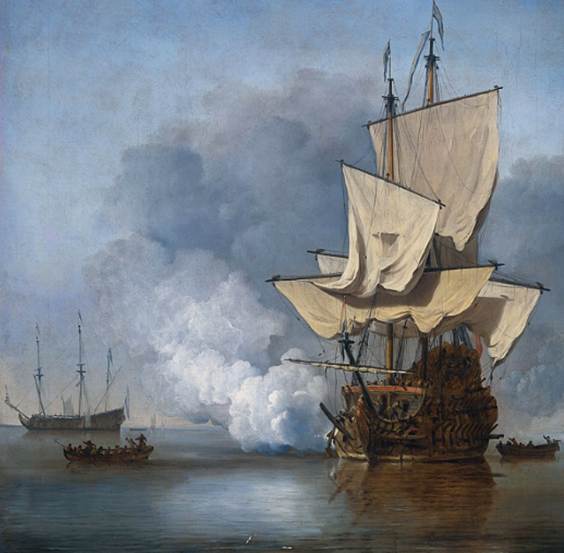
In informal usage, the length was combined with the weight of
shot, yielding terms like long nines, referring to full-length,
9-pounder guns
HMS Experiment had a complement of 140 men.
Stastically it
seems most likely that Giles Farndale was part of the gun crew.

In addition to the captain, James Rentone, Lieutenant Thomas
Cleland served from 17 April 1740, who had been in service since 1735.

(The Ipswich
Journal, 28 June 1740)
She later captured the French privateer, Telemaque in 1757 and had the young John Jervis serving on board her.
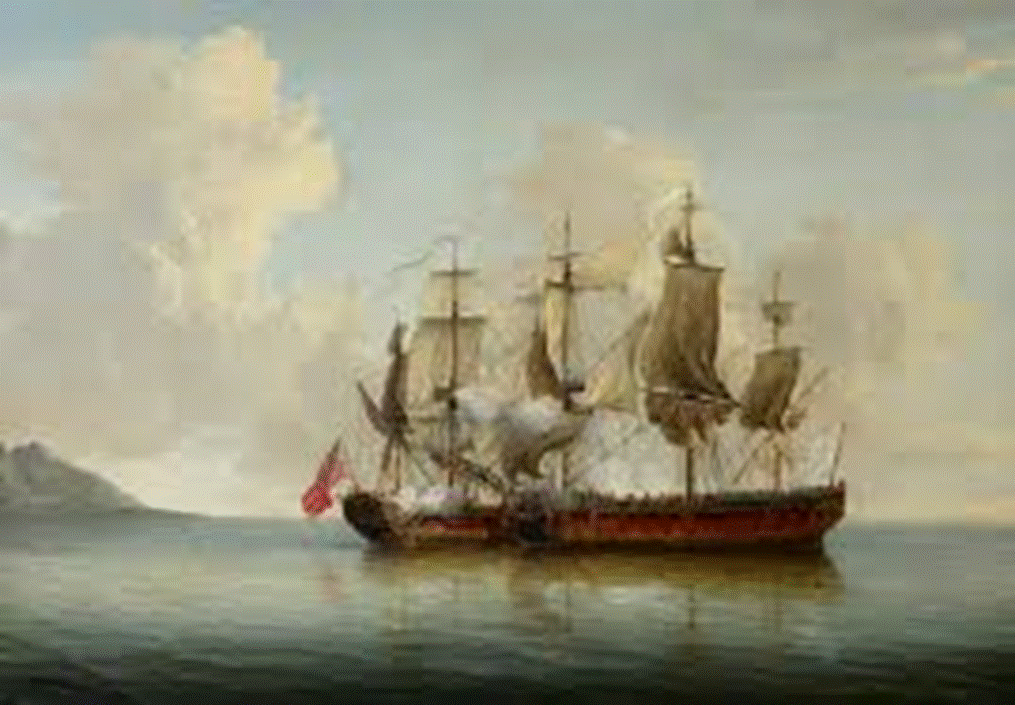

HMS Experiment taking the Telemaque, 8 July 1757
Giles
Farndale is shown in the Muster Book of HMS Experiment a brig with a compliment
of 130 officers and men as impressed (ie Press-Ganged), on 29 June 1740, almost
certainly at Whitby. He is present every day until 9th May 1741 when he is
marked Discharged Dead. No circumstances are recorded which probably means that
he died of sickness. The Captain was Captain Hughes. Giles Farndale joined her
at ‘The Nore’ from where she sailed to the West Indies and was at Port Royal on
15th September 1740. From there she was either at sea, at Port Royal or at
Cartagena. I have his will and more details about his family if you would like
them?

(The Ipswich Journal, 26 July 1740)
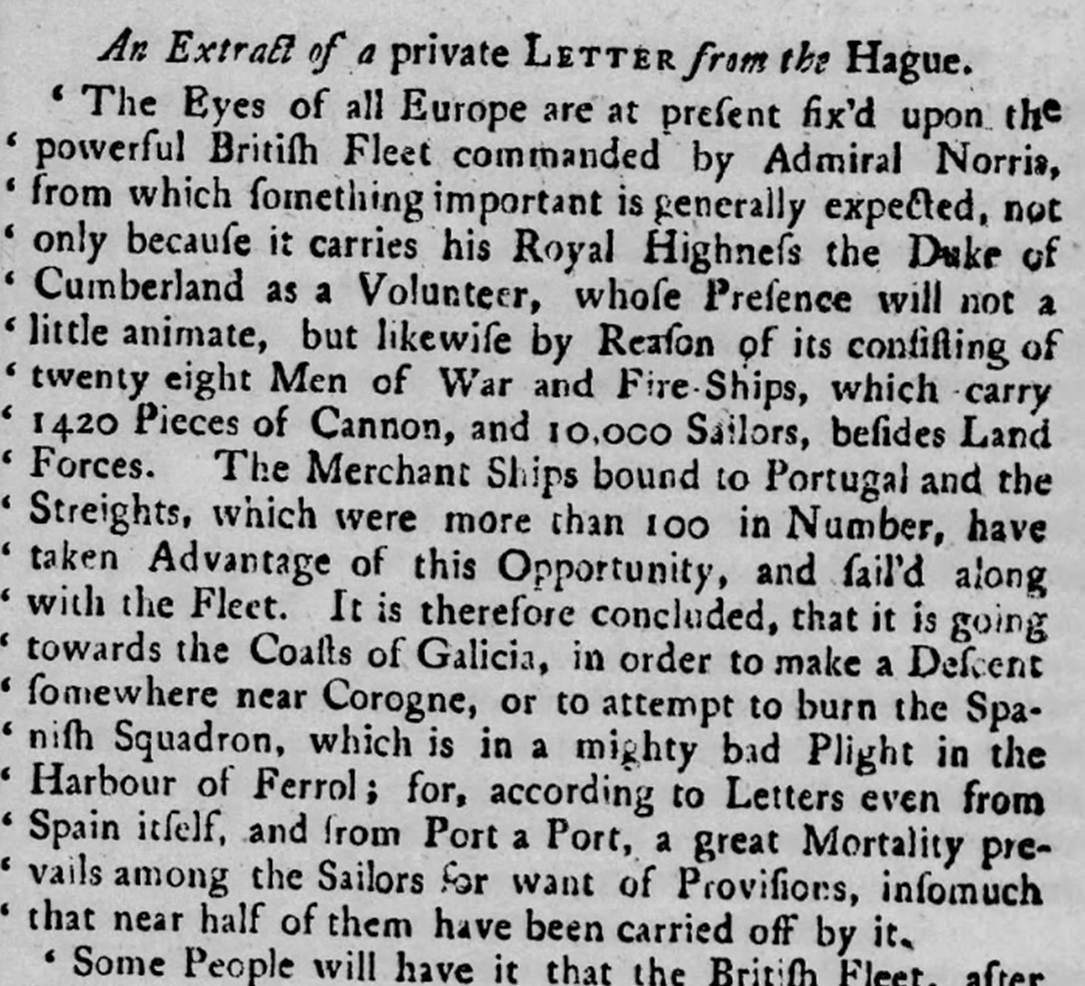

(The Gloucester Journal, 5 August 1740)
The Nore is a sandbank at
the mouth of the Thames Estuary, England.
It marks the point where the River Thames meets
the North Sea,
roughly halfway between Havengore Creek in Essex and Warden Point on the Isle of Sheppey in
Kent. The Nore gives its name to the anchorage, or open roadstead,
used by the Royal Navy's North Sea Fleet, and to the RN Command based
there. It was the site of a notorious
mutiny in 1797. The Nore is a hazard to shipping, so in 1732 the
world's first lightship was moored over it in an experiment by Robert
Hamblin, who patented the idea. The Nore
has been the site of a Royal Navy anchorage since the age of sail,
being adjacent to both the city and port of London and
to the Medway,
England's principal naval base and dockyard on the North Sea.

In
June 1740, HMS Experiment was commissioned under Captain Hughes at Deptford,
and then sailed to The Nore, an anchorage in the Thames estuary. From
there, the ship sailed for Port Royal, Jamaica, where it arrived on
15 September 1740. The ship was part of a squadron
sent to the Caribbean to support Admiral Vernon's operations against the
Spanish during the War of Jenkins' Ear.
From Nore the Experiment
sailed for Port Royal, Jamaica where she arrived on 15 September 1740. She was
at Spithead off Portsmouth on 16 July 1740. From there until June 1741 the ship
was either in Port Royal, at sea, or in Cartagena.
In
November 1740 she was reported as having lost her masts in a storm off Jamaica.
Giles Farndale was present every day
until 9 May 1741 when he was marked Discharged Dead. No circumstances
are recorded which probably means that he died of sickness. There is also a
reference to Captain was Captain Hughes, but the newspaper reports seem
consistently to report on Captain Rentone being her
captain.

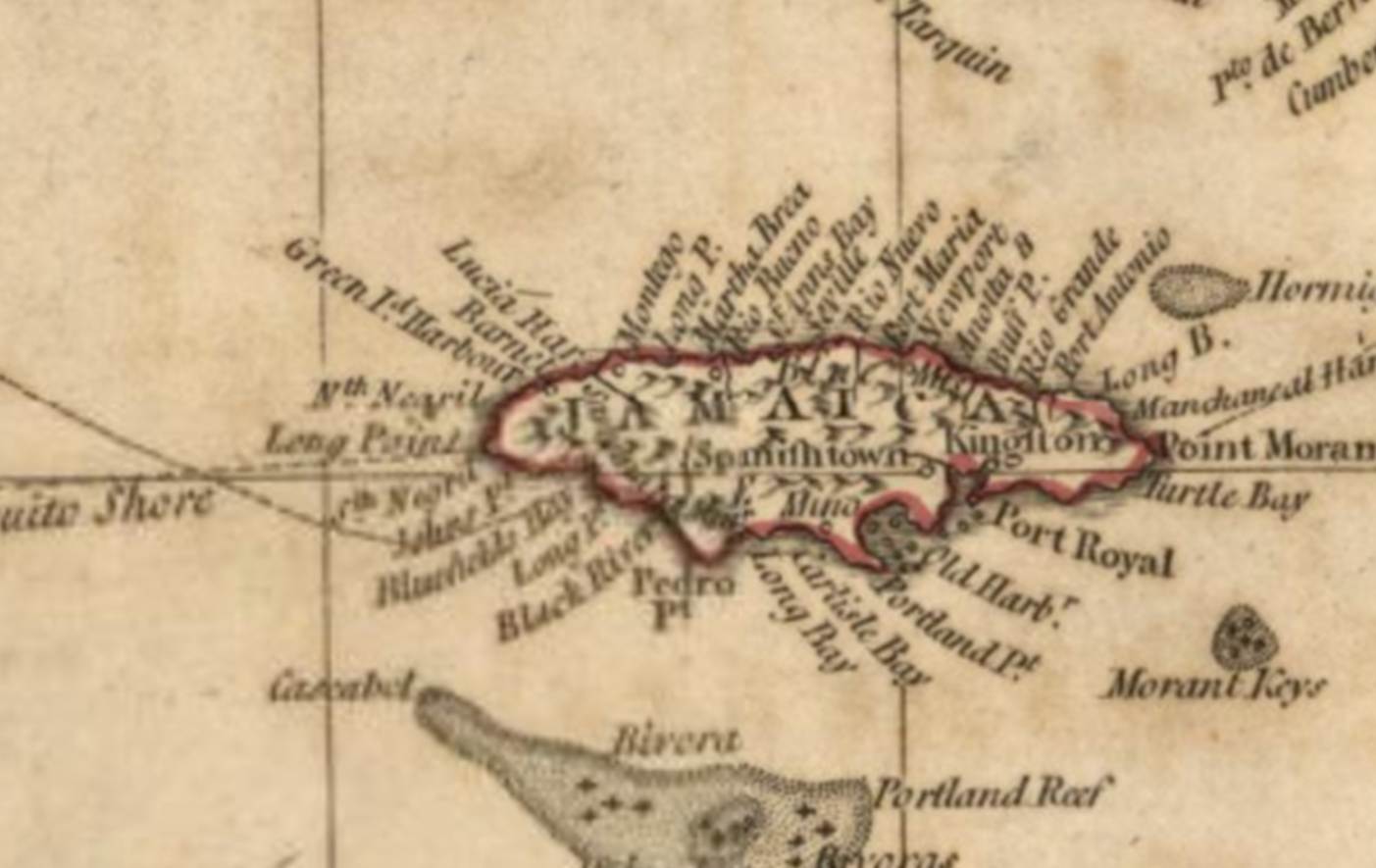
Pirate land
Port Royal is a village located at the
end of the Palisadoes at the mouth of the Kingston Harbour, in southeastern Jamaica. Founded in 1518 by the Spanish, it was once the largest city in
the Caribbean, functioning as the centre of shipping and commerce in the
Caribbean Sea by the latter half of the 17th century. It was destroyed by
an earthquake on June
7, 1692, which had an accompanying tsunami. Severe hurricanes have regularly
damaged it. Port Royal was once home to privateers who were encouraged to
attack Habsburg Spain's vessels at a time when smaller European powers dared not
make war on Spain directly. As a port city, it was notorious for its gaudy
displays of wealth and loose morals. It was a popular homeport for the English
and Dutch-sponsored privateers to spend their treasure during the 17th century.
When those governments abandoned the practice of issuing letters of marque to privateers against the
Spanish treasure fleets and possessions in the later 16th century, many of the
crews turned pirate. They continued to use the city as their main base during
the 17th century. Pirates from around the world congregated at Port Royal,
coming from waters as far away as Madagascar.

An 18th-century pirate flag (Calico Jack Rackham).
Port Royal lies
at the mouth of Kingston Harbour, in southeastern Jamaica. Founded in 1518 by
the Spanish, it was once the largest settlement in the Caribbean, functioning
as the centre of shipping and commerce by the end of the seventeenth century.
The settlement was destroyed by an earthquake and tsunami on 7 June 1692. It
regularly suffered hurricane damage.
Port Royal had been a launch site for
privateers to attack Habsburg Spain's vessels when smaller European powers did
not dare to make war on Spain directly. As a port city, it was notorious for
its gaudy displays of wealth and loose morals. It was a popular homeport for
the English and Dutch-sponsored privateers to spend their treasure.
When those governments abandoned the practice of issuing letters of
marque to privateers against the Spanish treasure fleets and possessions in the
later sixteenth century, many of the crews turned pirate. They continued to use
the city as their main base during the seventeenth century. Pirates from around
the world congregated at Port Royal, coming from waters as far away as
Madagascar.
Buccaneers found Port Royal appealing. It was close to lucrative trade
routes and to the only safe passages giving access to the Spanish Main from the
Atlantic. The harbour was large enough
to accommodate their ships and provided a place to repair their vessels.
From Port Royal, Christopher Myngs had sacked
Campeche and Henry Morgan attacked Panama, Portobello, and Maracaibo. The
buccaneers Roche Brasiliano, John Davis and Edward
Mansvelt used Port Royal as a base of operations.
The Jamaican governors eventually turned to the pirates to defend their
city. By the 1660s the city had, for some, become a pirate utopia and had
gained a reputation as the Sodom of the New World, where most residents
were pirates, cutthroats, or prostitutes. When Charles Leslie wrote New and Exact Account of Jamaica, 1740, he included a description of the pirates of Port Royal.
Following Henry Morgan’s appointment as lieutenant governor, Port Royal
began to change. Upstanding citizens disliked the reputation the city had
acquired. In 1687, Jamaica passed anti-piracy laws. Consequently, instead of
being a safe haven for pirates, Port Royal became noted as their place of
execution. Gallows Point welcomed many to their death, including Charles Vane
and Calico Jack, who were hanged in 1720. About five months later, the famous
woman pirate Mary Read died in the Jamaican prison in Port Royal. Two years
later, 41 pirates met their death in one month.
Under British rule the Royal Navy made use of the wharf at Port Royal and
rented a building on the foreshore to serve as a storehouse. From 1675, a
resident Naval Officer was appointed to oversee these facilities, though they
were damaged by the 1692 earthquake.
By 1735, Port Royal had once more became the focus of the Admiralty's
attention. New wharves and storehouses were built and housing for the officers
of the Yard. Over the next thirty years, more facilities were added including
cooperages, workshops, sawpits, canteen and accommodation for the crews of
ships being careened there. A Royal Naval Hospital was also established on land
a little to the west of the Naval Yard.
Port Royal provided a safe harbour initially for privateers and subsequently for pirates plying the shipping lanes to and from Spain and Panama. Buccaneers found Port Royal appealing for several reasons. Its
proximity to trade routes allowed them easy access to prey, but the most
important advantage was the port's proximity to several of the only safe
passages or straits giving access to the Spanish Main from the Atlantic.
The harbour was large enough to accommodate their ships and provided a
place to careen and repair these vessels. It was also ideally situated
for launching raids on Spanish settlements. From Port Royal, Christopher Myngs sacked Campeche and Henry Morgan attacked Panama, Portobello, and Maracaibo. Additionally, buccaneers Roche Brasiliano, John Davis and Edward Mansvelt used Port Royal as a base of operations.
Since the English lacked sufficient troops to prevent either
the Spanish or French from seizing it, the Jamaican governors eventually turned to the pirates to defend
the city. By the 1660s the city
had, for some, become a pirate utopia and
had gained a reputation as the "Sodom of
the New World", where most residents were pirates, cutthroats, or prostitutes. When Charles Leslie wrote
his history of Jamaica, he included a description of the pirates of Port Royal.
Following Henry Morgan’s appointment as lieutenant
governor, Port Royal began to change. Pirates were no longer needed to defend
the city. The selling of slaves took on greater importance.
Upstanding citizens disliked the reputation the city had acquired. In 1687, Jamaica passed anti-piracy laws.
Consequently, instead of being a safe haven for pirates, Port Royal became
noted as their place of execution. Gallows Point welcomed many to their death, including Charles Vane and Calico Jack, who were hanged in 1720. About
five months later, the famous woman pirate Mary Read died in the Jamaican prison
in Port Royal. Two years later, 41 pirates met their death in one month.
Under British rule the Royal Navy made use of a careening wharf at Port Royal and
rented a building on the foreshore to serve as a storehouse. From 1675, a
resident Naval Officer was appointed to oversee these facilities; however,
development was cut short by the 1692 earthquake. After the earthquake, an
attempt was made to establish a naval base at Port Antonio instead, but the climate
there proved disagreeable. From 1735,
Port Royal once more became the focus of the Admiralty's attention. New wharves and storehouses were built at
this time, as well as housing for the officers of the Yard. Over the next
thirty years, more facilities were added: cooperages, workshops, sawpits, and accommodation (including a
canteen) for the crews of ships being careened there. A Royal Naval Hospital was also established on land a little to the west of
the Naval Yard; and by the end of the 18th century a small Victualling Yard had been added to the east
(prior to this ships had had to go to Kingston and other settlements to take
on supplies).
The War of Jenkins
Ear on the Spanish Main
Admiral
Vernon was a Royal Navy officer and politician who lived from 1684 to
1757. He had a long and distinguished career, rising to the rank of admiral
after 46 years of service. He was known for his bold and aggressive actions
against the Spanish and the French during the War of the Spanish Succession,
the War of Jenkins' Ear, and the War of the Austrian Succession.
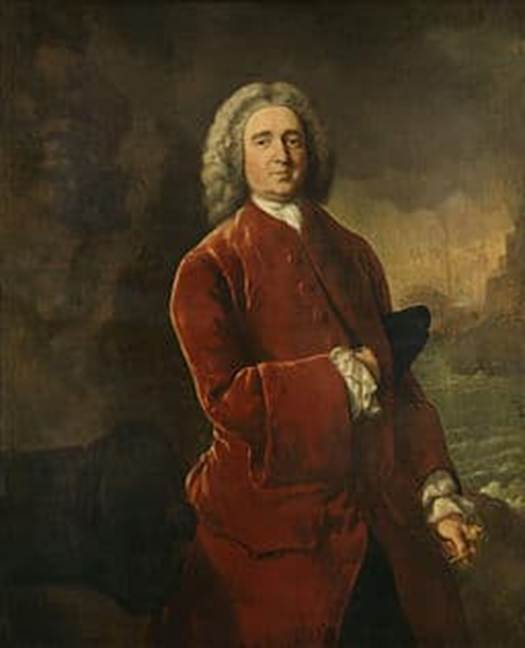
He
was also famous for introducing grog, a mixture of rum and water, to his
sailors to prevent scurvy and drunkenness. He earned the nickname of "Old Grog"
because he wore coats made of grogram cloth.
He was a member of parliament for Penryn and Ipswich, and was outspoken on
naval matters in parliament, making him a controversial figure.
He
was a friend and patron of James Cook, the explorer and navigator, who
served under him as a master's mate on HMS Pembroke during the capture of
Louisburg in 1758. He was also the eponym of George Washington's estate
Mount Vernon, which was named after him by Washington's brother Lawrence
who served under him in the Caribbean.
He
achieved his most famous victory in November 1739, when he captured
the port of Porto Bello in Panama with only six ships, against a much
larger Spanish force. This exploit made him a national hero in Britain, and he
was awarded the Freedom of the City of London and a medal by Parliament.

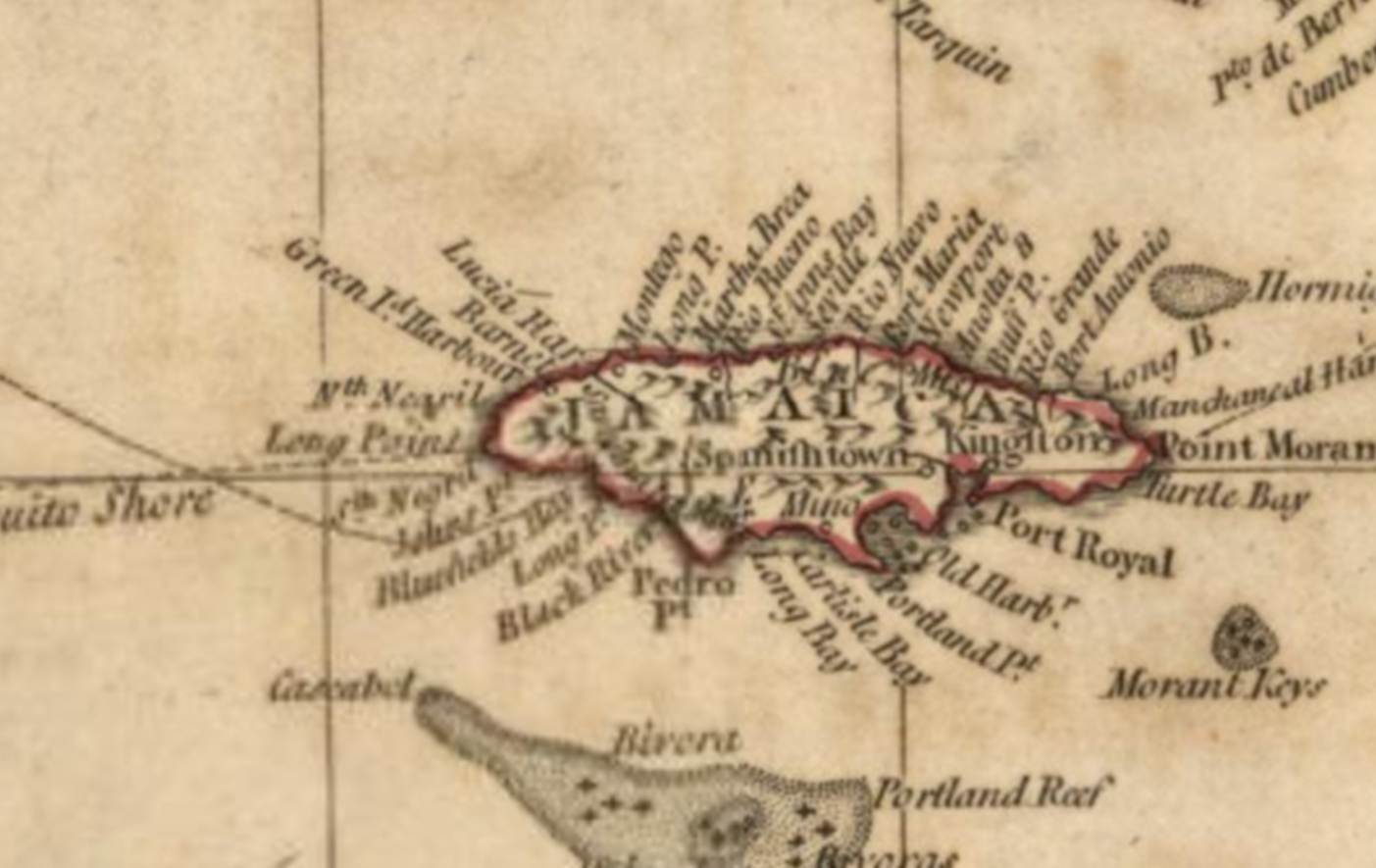
Port royal was to the southeast of Jamaica at the mouth of
the bay to Kingston.

Let’s remind ourselves that Giles Farndale was present at
every muster until 9 May 1741 when he is marked DD (Discharged Dead).
The Experiment was involved in a number of early
actions over the winter of 1740 to 1741. A number of ships including the
Experiment had failed to muster with Admiral Vernon’s fleet in October
1740, but by January was clearly part of his force. In December 1740, Admiral
Vernon sent the Experiment on a reconnaissance mission to report on the
erection of batteries by the French at Donna Maria Bay. In February 1741, the
Experiment, presumably with Giles Farndale as part of her crew, engaged in
a false flag operation (disguis’d under
false colours) and took an enemy Advice Boat bound from Cartegena
to Hispaniola before it was able to throw their Dispatches overboard,
and recovered information of Matters of so great Consequence, that the
Admiral felt it important to transport them to England.
Admiral Vernon suffered his most
humiliating defeat in March 1741, when he led a large amphibious operation
against the port of Cartagena de Indias in Colombia. Despite having a superior
naval and land force, he was unable to overcome the strong Spanish defences led
by Blas de Lezo, and was forced to withdraw after losing thousands of men to
disease and combat.
He also attempted to invade Cuba in
1741, but failed to take Santiago de Cuba and Havana. He then returned to
Jamaica, where he remained until 1742. He was recalled to Britain in 1746, and
retired from active service.
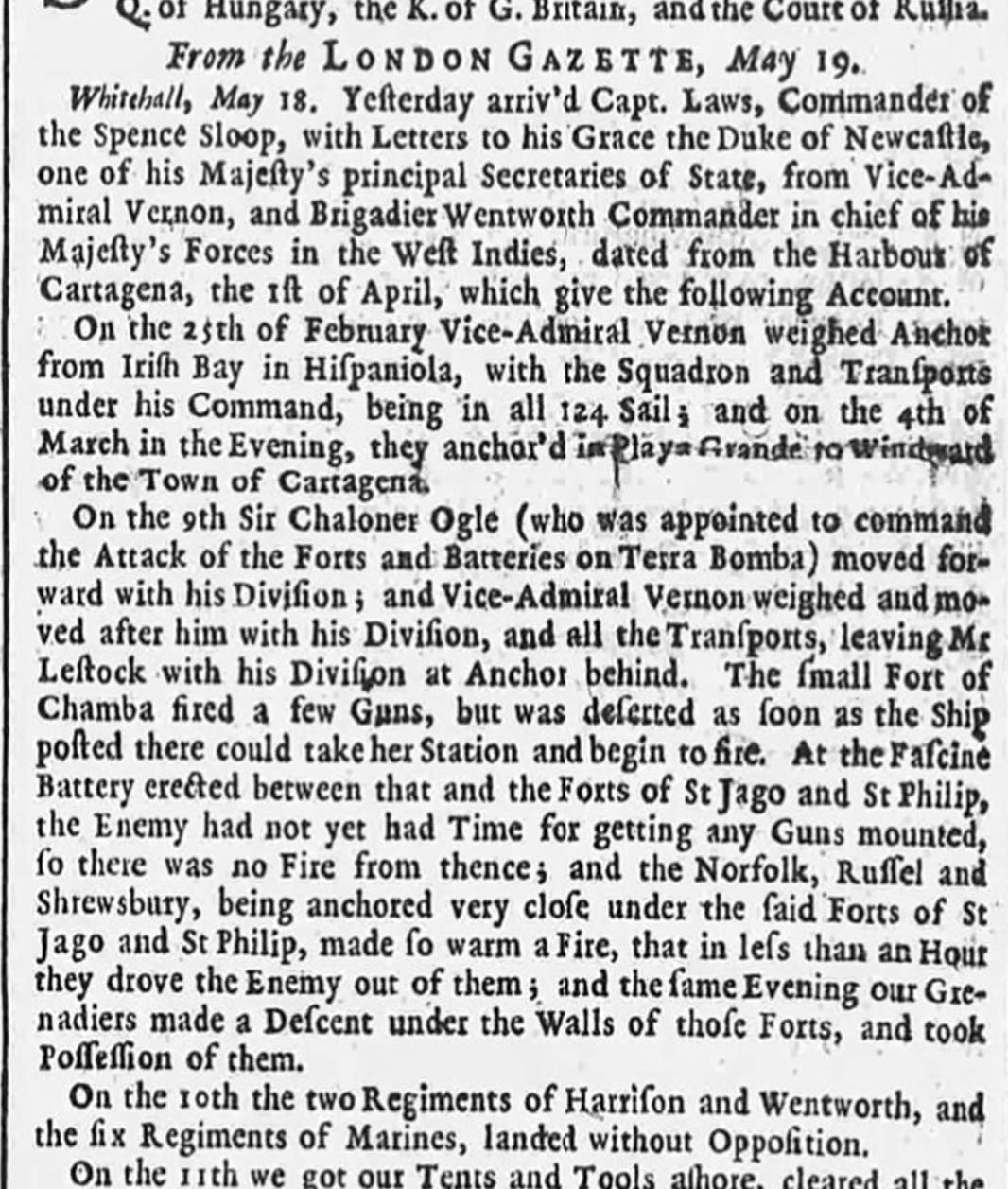
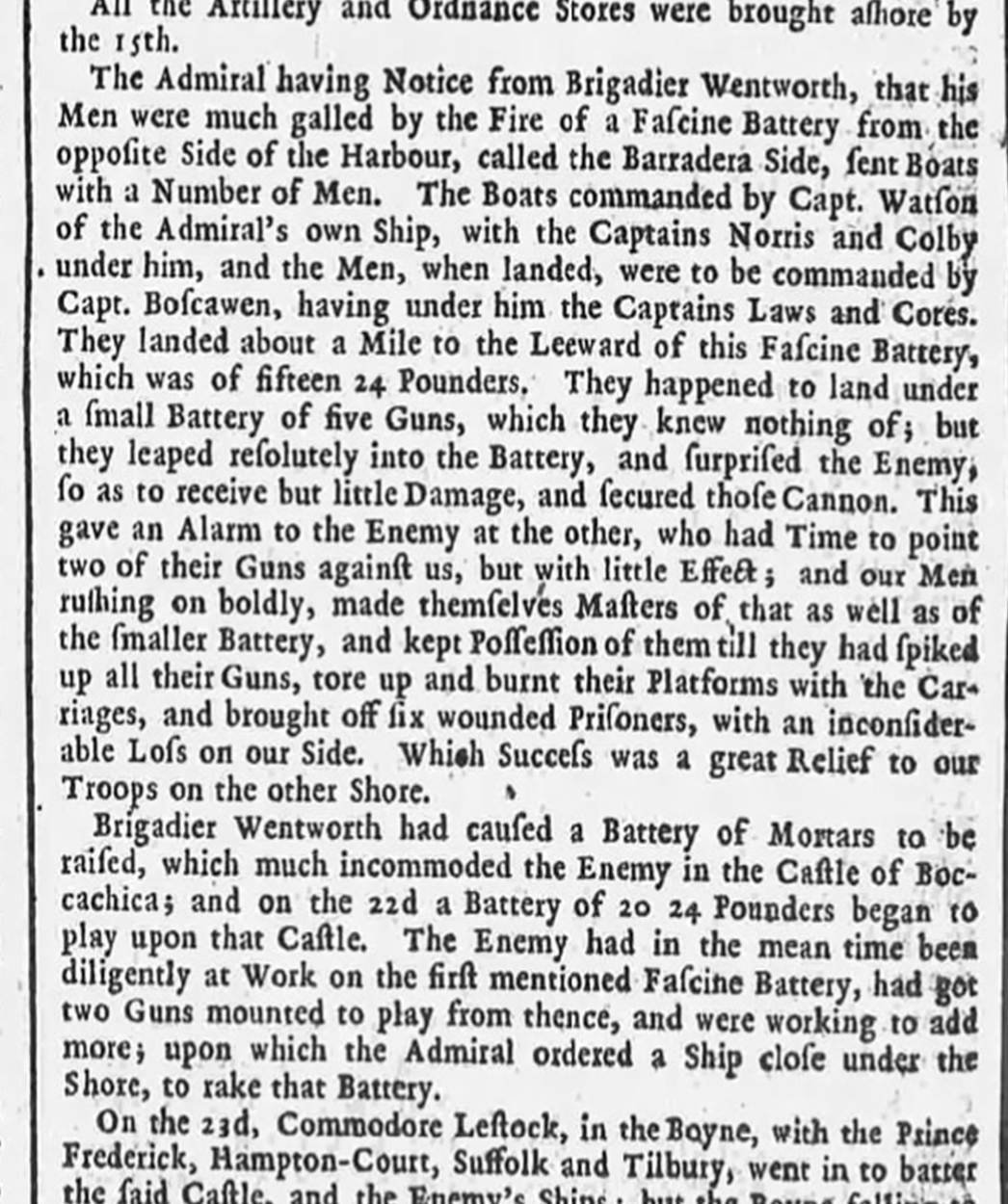
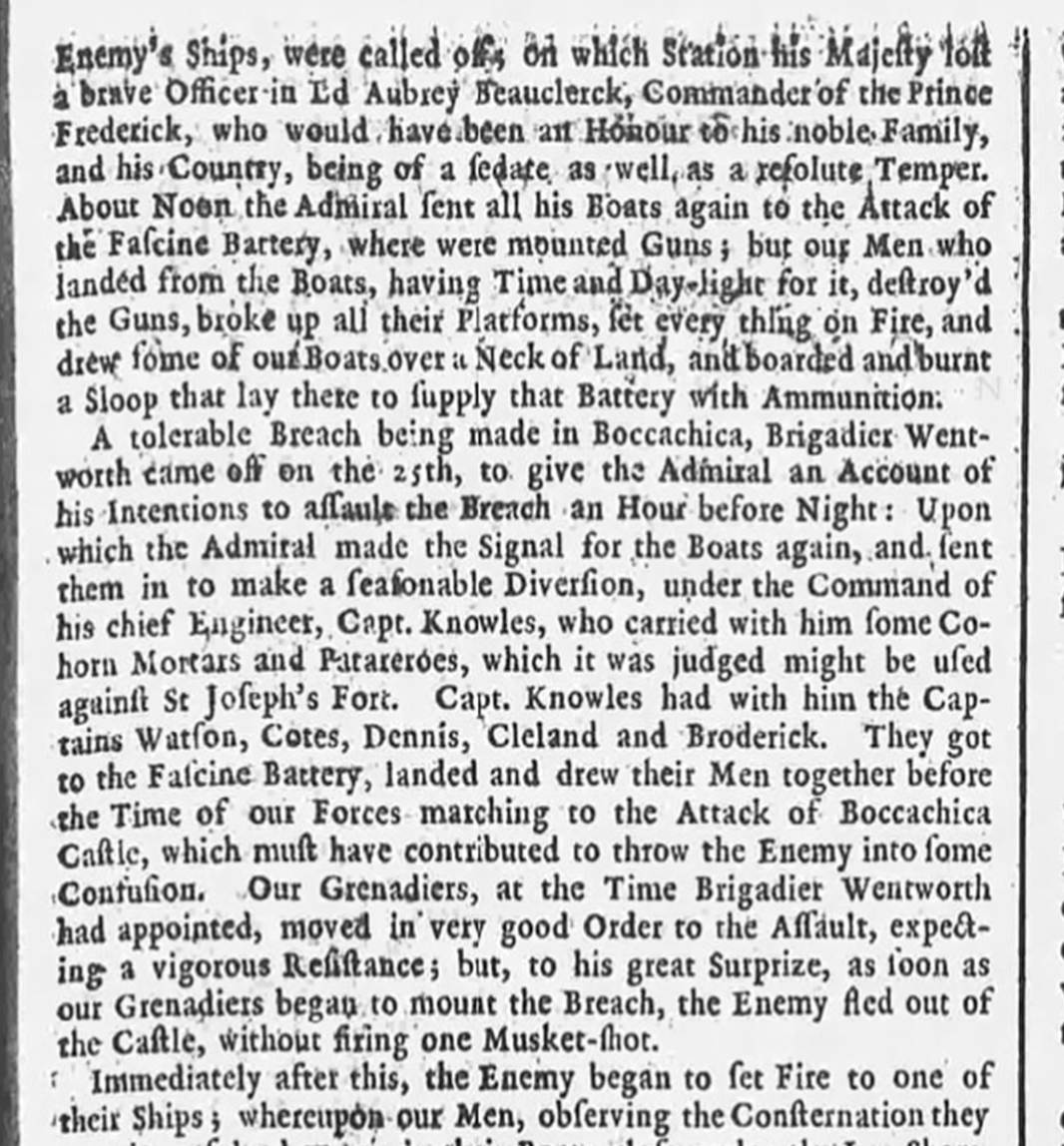
The Battle of Cartagena de Indias, which started on 13 March 1741 and
lasted for two months, was a major naval and land engagement during the War of Jenkins' Ear. It was part of Admiral Vernon's attempt to capture the Spanish port
city of Cartagena de Indias, which was a key trading and military centre in the
Caribbean.

HMS Experiment, with 20 guns, commanded by James Rentone, took part in the battle.
The Spanish defenders were led by
Admiral Blas de Lezo, a veteran officer who had lost an eye, an arm, and a leg
in previous battles. He had only 6 ships of the line and about 2,700 soldiers
and 600 sailors, but he also had the advantage of strong fortifications around
the city and the bay. He also had the help of 600 native archers and some local
militia.
The battle lasted for more than two
months, and involved several naval and land attacks by the British, as well as
counterattacks by the Spanish. The British managed to capture some of the outer
forts and batteries, but they failed to breach the main defences of the city.
They also suffered heavy losses from disease, especially yellow fever and
malaria.
Cartagena's defensive fortifications
had been repaired and improved over the past year. Given overwhelming force
against them, the Spanish conducted a fighting withdrawal to delay the British
until the start of the rainy season at the end of April. The tropical downpours
would delay campaigning for another two months. The longer the enemy had to
remain, mostly crowded on ships at sea and in the open on land, the more likely
that insufficient supply, discomfort and disease would mar the British threat.
The rains came and the British had to
board their ships, where close quarters made disease even more deadly. By 25
April 1741, Vernon and the council decided to retreat to Jamaica, and by
mid-May they were gone. By 7 May 1741, only 1,700 men of the land forces were
fit for service and no more than 1,000 in condition to land against the enemy.
Within a month of leaving Cartagena, another 1,100 died. British strength was
reduced to 1,400 and American to 1,300.
Giles Farndale succumbed on 9 May
1741. We don’t know how he died, but we might imagine he died in appalling
circumstances, perhaps of disease, perhaps in an engagement from the cannon
deck. Presumably Giles took part in the Battle for Cartagena de Indias and died
shortly before the end of the Cartagena engagement.
The expedition and battle lasted for
67 days and ended with the British fleet withdrawing in defeat, with 18,000
dead or incapacitated, mostly by disease
The British finally gave up on 20 May
1741, only eleven days after Giles’ death, after a failed assault on the
Castillo San Felipe de Barajas, the largest fort in the city. They retreated
with about 9,500 to 11,500 dead and 7,500 wounded. The Spanish lost about 800
dead and 1,200 wounded.
The battle was a decisive victory for
Spain, and a major setback for Britain. It prevented Britain from gaining
control of the Caribbean trade and colonies, and it boosted the morale and
prestige of Spain. It also showed that Spain could defend its interests against
a superior naval power.
The
Warren Papers,
1736 to 1752, Entry from the Squirrel, Jamaica, 5 March 1741
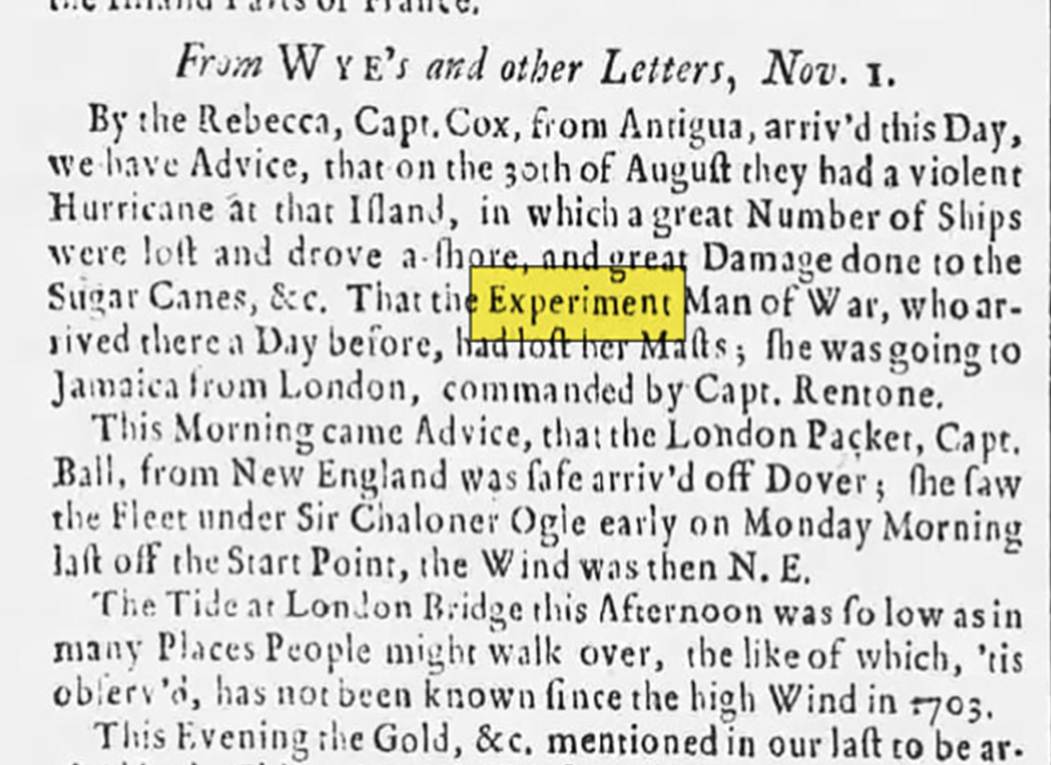

(The Newcastle Weekly
Courant, 8 November 1740) (The Gloucester Journal, 11 November 1740)
1741
Giles
Farndale had thus joined the Experiment at The Nore from where she
sailed to the West Indies and was at Port Royal on 15 September 1740. From
there she was either at sea, at Port Royal or at Cartagena.

The muster
records that Giles was discharged dead on 9 May 1741.
Giles was present
at every muster until 9 May 1741 when he is marked ‘DD’ (Discharged Dead). The
later records suggest he died in January 1742, but this was probably the time
of the first formal record of his death.

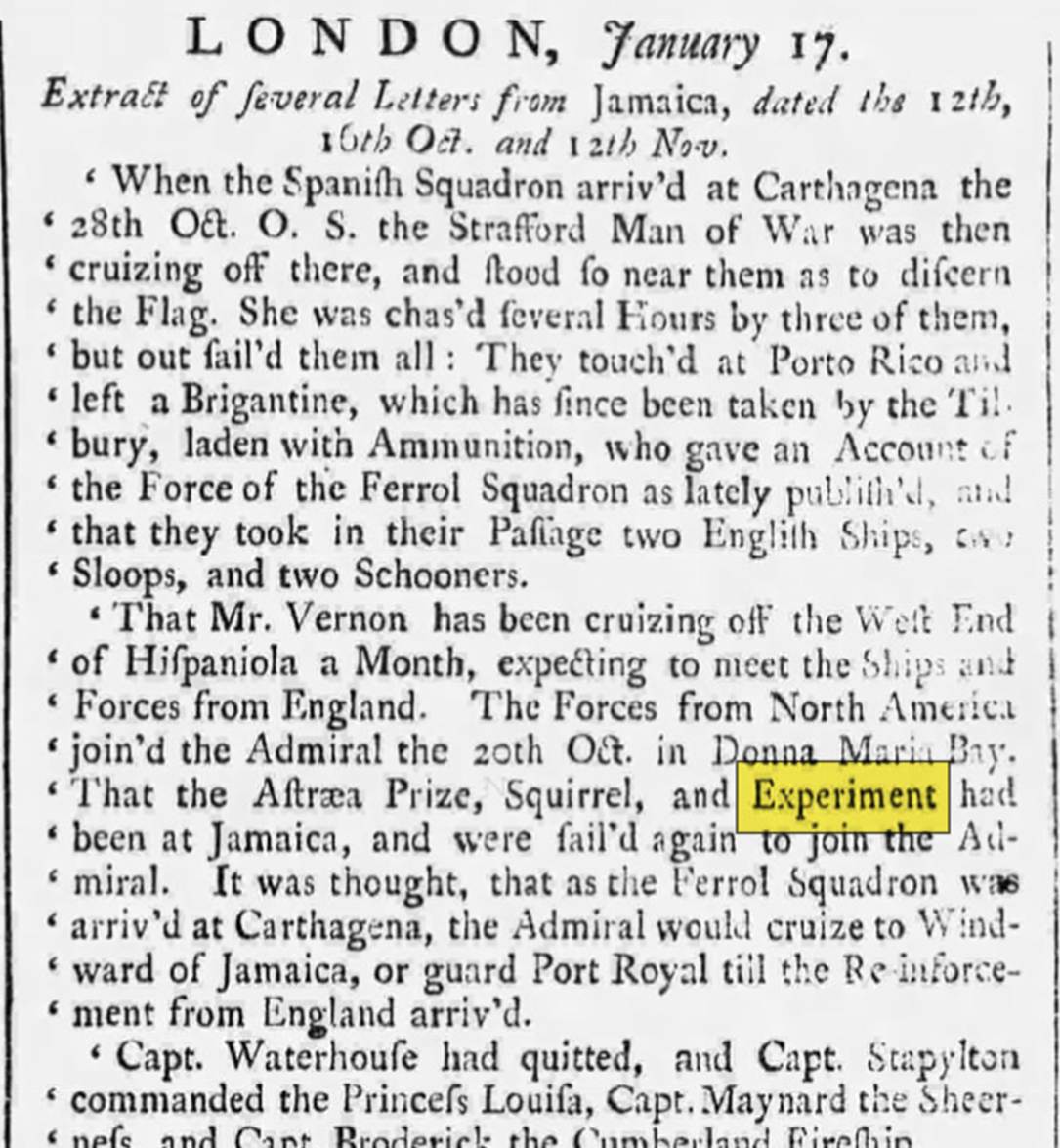
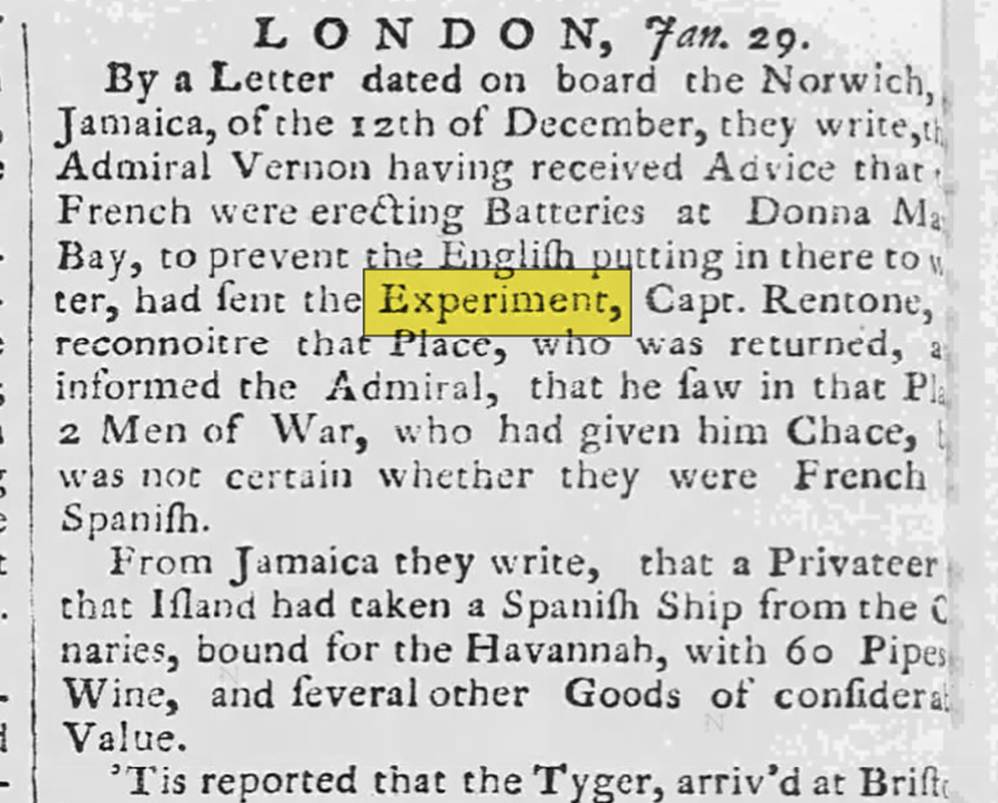

(The Ipswich Journal, 24
January 1741) (The Caledonian Mercury, 3 February 1741) (The
Gloucester Journal, 3 February 1741)
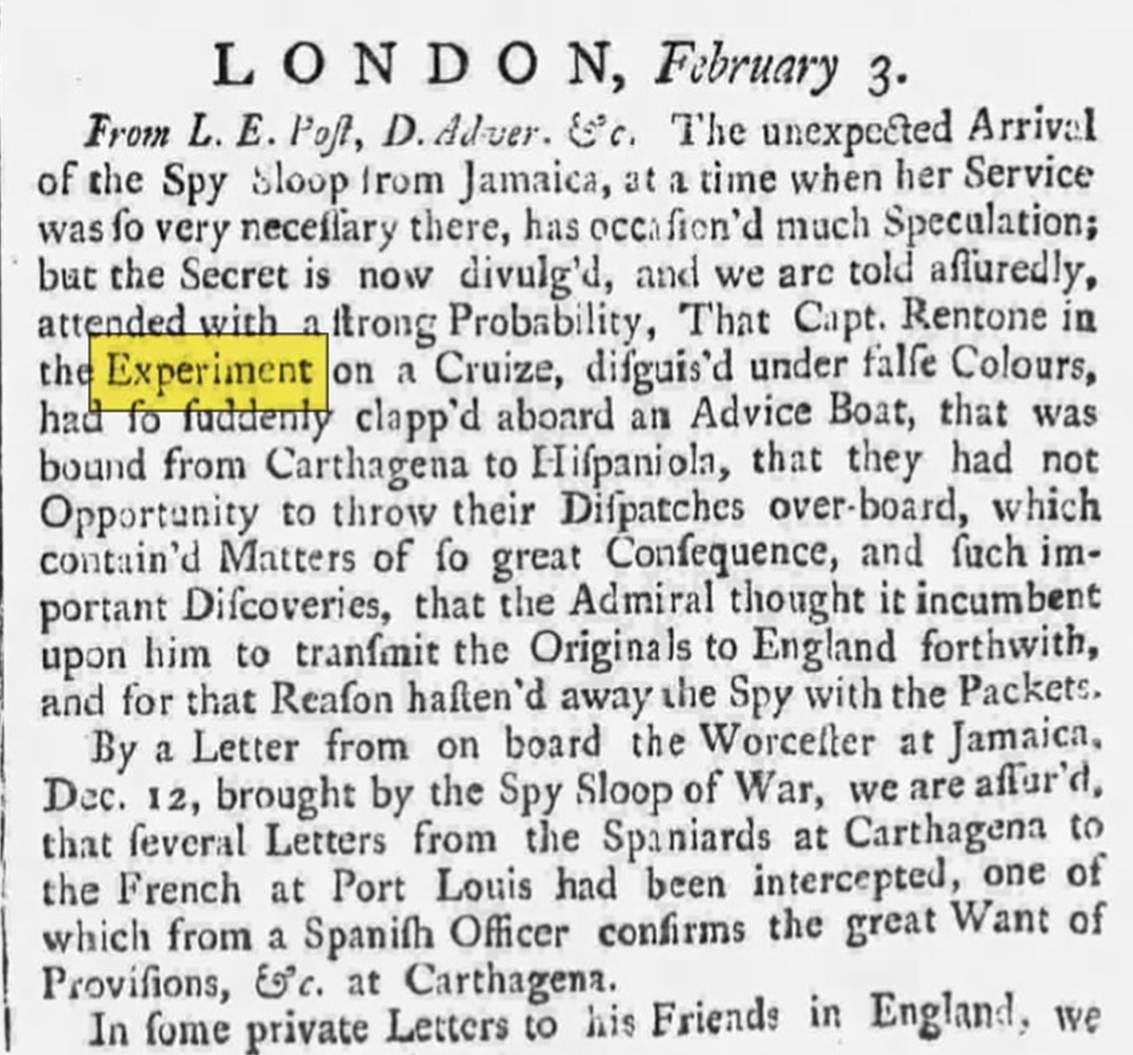

(The Ipswich Journal, 7
February 1741) (The Newcastle Weekly Courant, 7 February 1741)
Admiral Vernon suffered his most humiliating defeat
in March 1741,
when he led a large amphibious operation against the port of Cartagena de
Indias in Colombia. Despite having a superior naval and land force, he was
unable to overcome the strong Spanish defences led by Blas de Lezo, and was
forced to withdraw after losing thousands of men to disease and combat.
He
also attempted to invade Cuba in 1741, but failed to take Santiago de
Cuba and Havana. He then returned to Jamaica, where he remained until 1742. He
was recalled to Britain in 1746, and retired from active service.
The Battle of Cartagena de Indias was a major naval and land engagement that took
place in March 1741, during the War of Jenkins' Ear. It was part of
Admiral Vernon's attempt to capture the Spanish port city of Cartagena de
Indias, which was a key trading and military centre in the Caribbean.

Vernon had a large force of 29 ships of the line,
22 frigates, 71 sloops-of-war, 80 troop ships, and 50 merchant ships,
carrying about 12,000 soldiers and 15,000 sailors. He also had the
support of 4,000 colonial troops from Virginia and Jamaica.
The Spanish defenders were led by Admiral Blas de
Lezo, a veteran officer who had lost an eye, an arm, and a leg in previous
battles. He had only 6 ships of the line and about 2,700 soldiers and 600
sailors, but he also had the advantage of strong fortifications around the city
and the bay. He also had the help of 600 Indian archers and some local militia.
The battle lasted for more than two months, and involved several naval and land attacks by the
British, as well as counterattacks by the Spanish. The British managed to
capture some of the outer forts and batteries, but they failed to breach the
main defences of the city. They also suffered heavy losses from disease,
especially yellow fever and malaria.
The British finally gave up on 20 May 1741, after a failed assault on the Castillo San Felipe
de Barajas, the largest fort in the city. They retreated with about
9,500–11,500 dead and 7,500 wounded. The Spanish lost about 800 dead and 1,200
wounded.
The
battle was a decisive victory for Spain, and a major setback for Britain. It
prevented Britain from gaining control of the Caribbean trade and colonies, and
it boosted the morale and prestige of Spain. It also showed that Spain could
defend its interests against a superior naval power.
Presumably Giles
took part in the Battle for Cartagena de Indias.
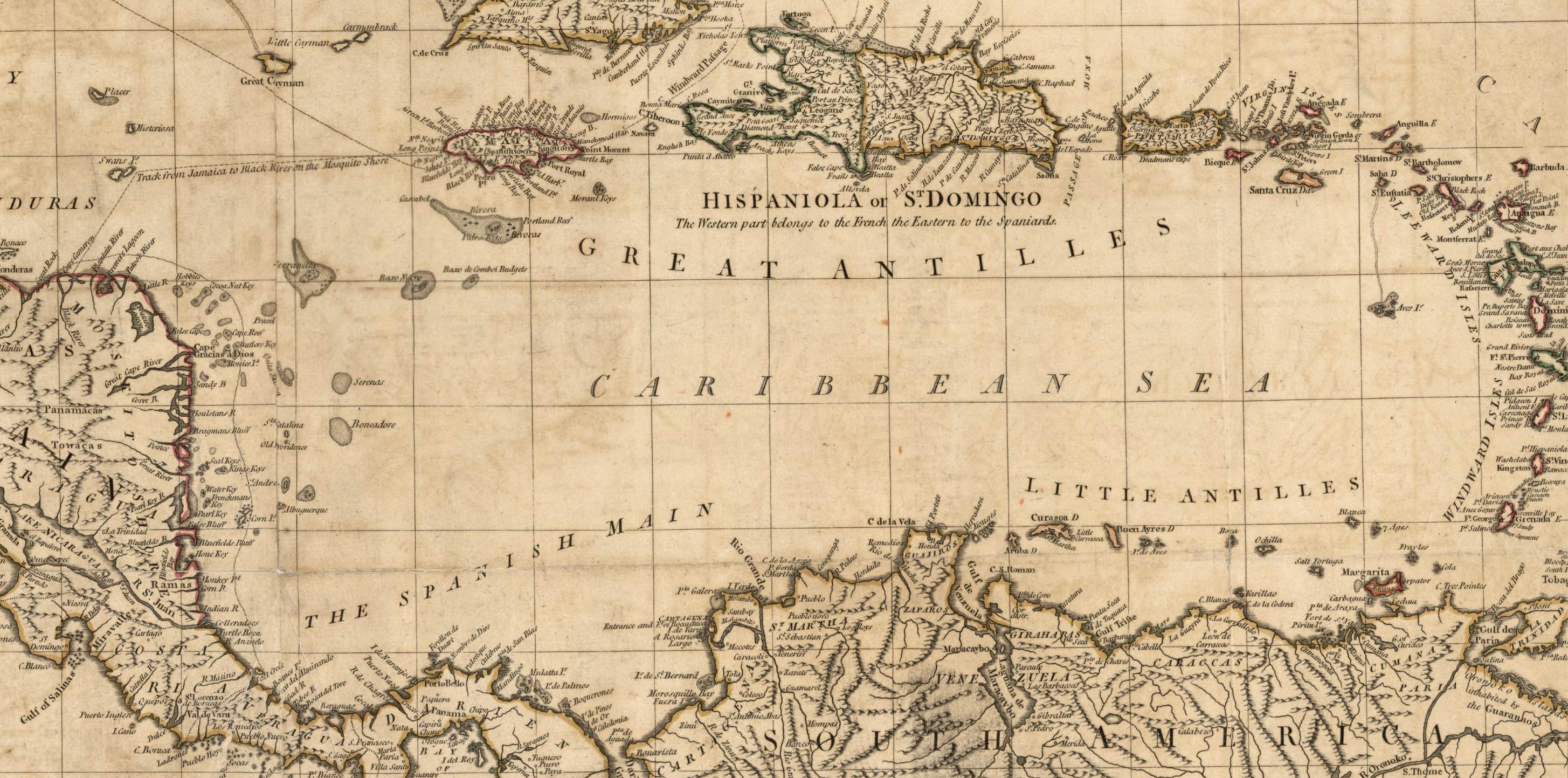

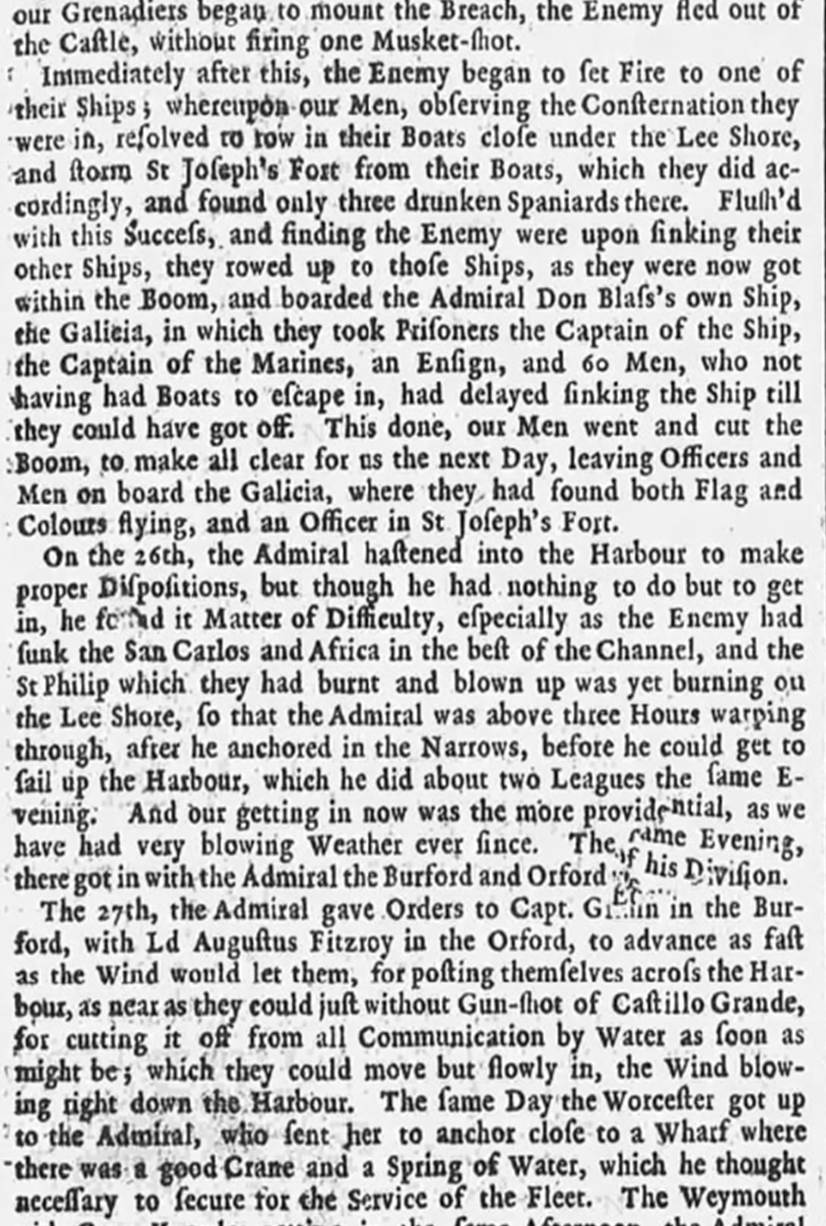
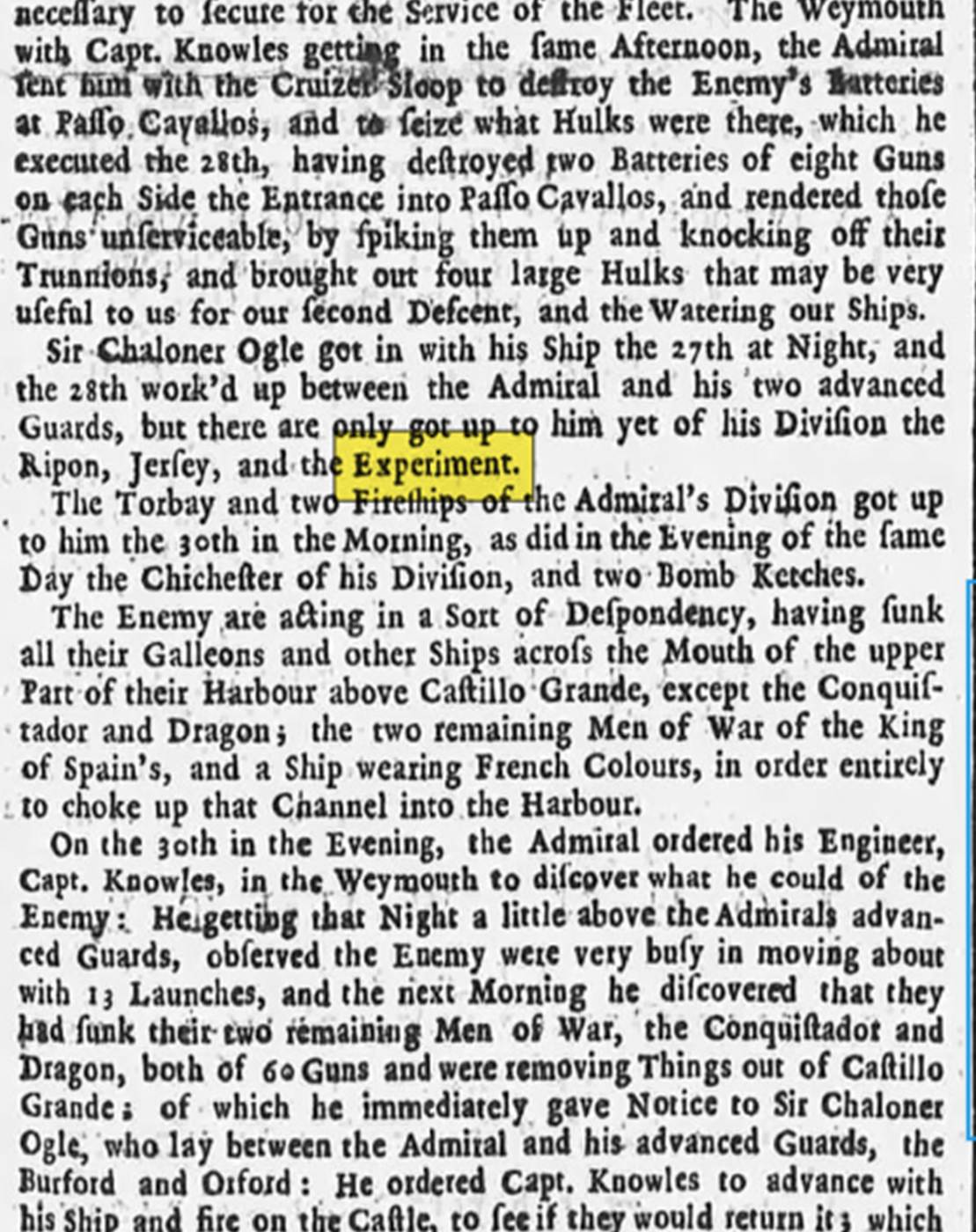

(The Newcastle Courant, 16 May 1741)

(The Caledonian Mercury, 14 July 1741)
1742
Giles Farndale of Whitby, a
mariner, died on board the HMS Experiment in January 1742 (Borthwick Institute, York
Prerogative & Exchequer Courts, Will, vol.87, f., Index reference
1741031745070083.tif/1, Prerogative & Exchequer Courts Of York Probate
Index, 1688-1858)
.
1741/2. January. Farndale, Giles of Whitby, but dying in board the
Experiment, Mariner. Acual 20 L.

Giles Farndale, deceased of Port Whitby, mariner, died on board HMS ‘Experiment.’
Will: ‘Know all men that
we Thomas Farndale of Whitby in the County of York, carpenter, Robert Easton of
Whitby aforesaid Master Mariner and Edward Brand of Whitby aforesaid
Mariner………£31…….dated 25 Jan 1742. The condition of this obligation is that the
above bound Thomas Farndale, father, next of kin and administrator of
all goods, chattels and credits of Giles Farndale, late of the Parish of
Whitby, in the Diocese of York, Mariner deceased, who died at sea in His
Majesty’s service belonging to HMS Experiment.
Signed
Thomas Farndalle
INVENTORY:
Apparel £2 10s 0d
Wages £13 0s 0d
(Cleveland Act Books
1700-70)
After Giles’ death

(The Derby Mercury, 24 February 1742)

(The Gloucester Journal, 30 November 1742)

(The Gloucester Journal, 1
March 1743)
|
How does Giles Farndale relate to the modern
family? Giles Farndale died at sea and had no offspring.
Giles was part of the branch of the family called the Whitby 1 Line and his brother
John Farndale had
a family, the Whitby 2 Line
and there were no Farndale descendants of either line. However Giles was the great grandson of Richard Farndale (1604
to 1685), of the Moorsholm family recently settled in Cleveland, so this was
a branch of the wider family. |