Kirkdale Saxon Artefacts
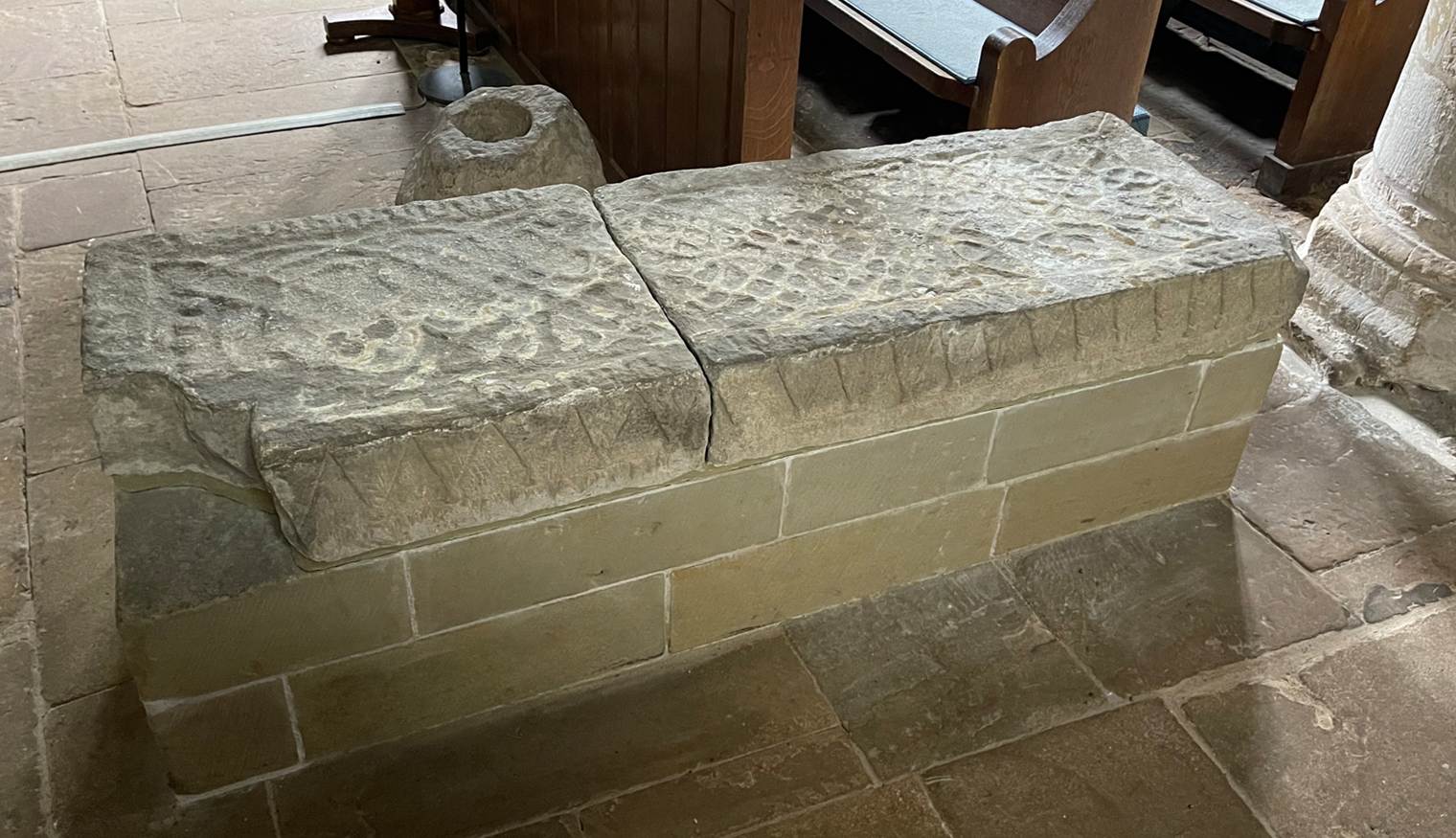
Ornate sarcophagus lids and Saxon
artefacts to be found in Kirkdale Minster and embedded into its walls which
will transport you to the Eighth century CE
|
Return to the Home Page of the Farndale Family
Website |
The story of one family’s journey through two
thousand years of British History |
The 83 family lines into which the family is
divided. Meet the whole family and how the wider family is related |
Members of the historical family ordered by date
of birth |
Links to other pages with historical research
and related material |
The story of the Bakers of Highfields, the
Chapmans, and other related families |
Dates
are in red.
Hyperlinks
to other pages are in dark
blue.
Headlines
are in brown.
References
and citations are in turquoise.
Context
and local history are in purple.
The history of
Kirkdale is told across six webpages.
·
The Kirkdale Anglo
Saxon artefacts
· Anglo-Saxon Scandinavian
Kirkdale
Introduction
The earlier
history of the church is evidenced by artefacts at Kirkdale dating to as early
as the late eighth century CE. This page explores the artefacts which you can
find and see at Kirkdale today. This page will help you to observe the features
that still mark the Anglo Saxon characteristics of this ancient place.
Characteristically Anglo-Saxon architectural features include the height and
narrowness of the western arch; and the simplicity of the bases and capitals of
the angle-shafts of the western and chancel arches.
The page
about the Kirkdale Sundial
explains how to get to Kirkdale Church. You can read about Anglo Saxon Kirkdale and about the Anglo Saxon Community of
Kirkdale.
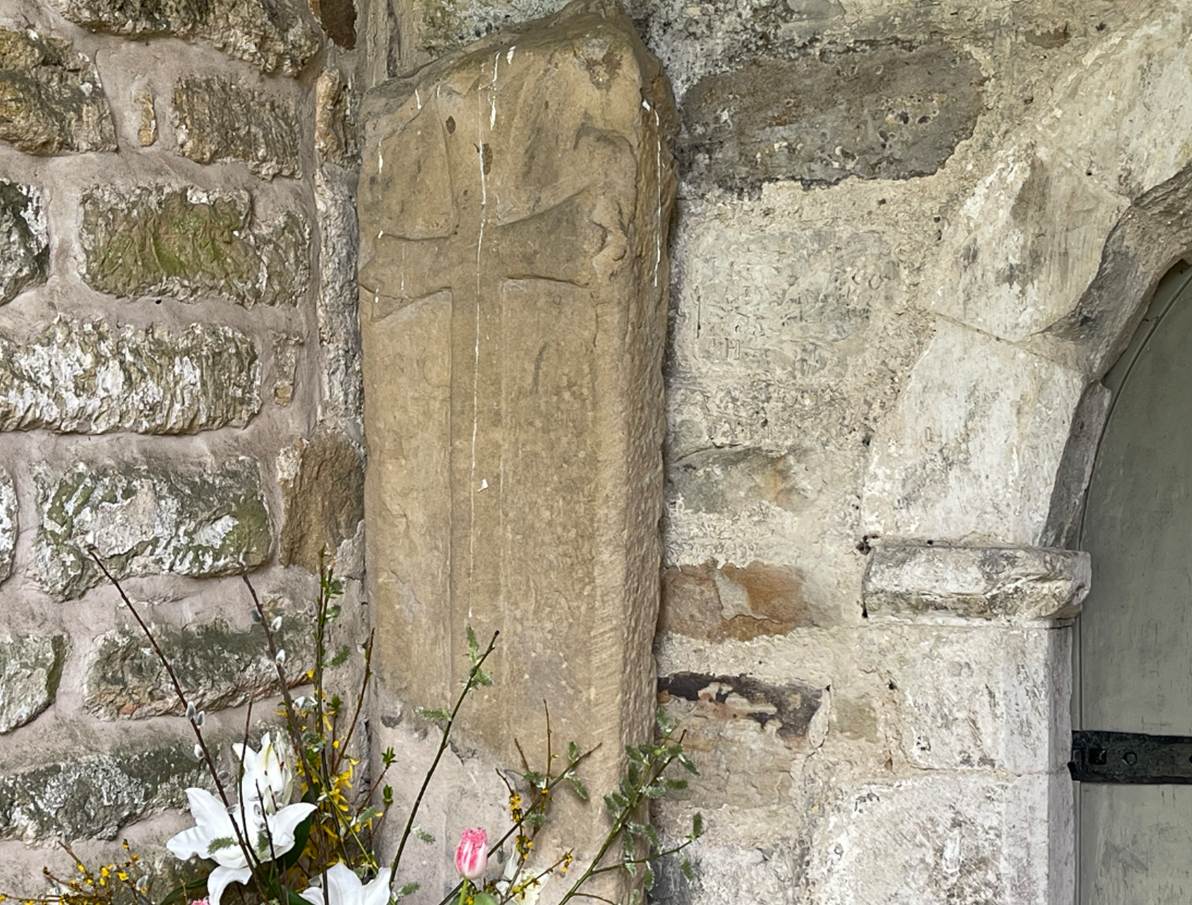
Crosses built into
the walls
Close scrutiny of the surviving fabric
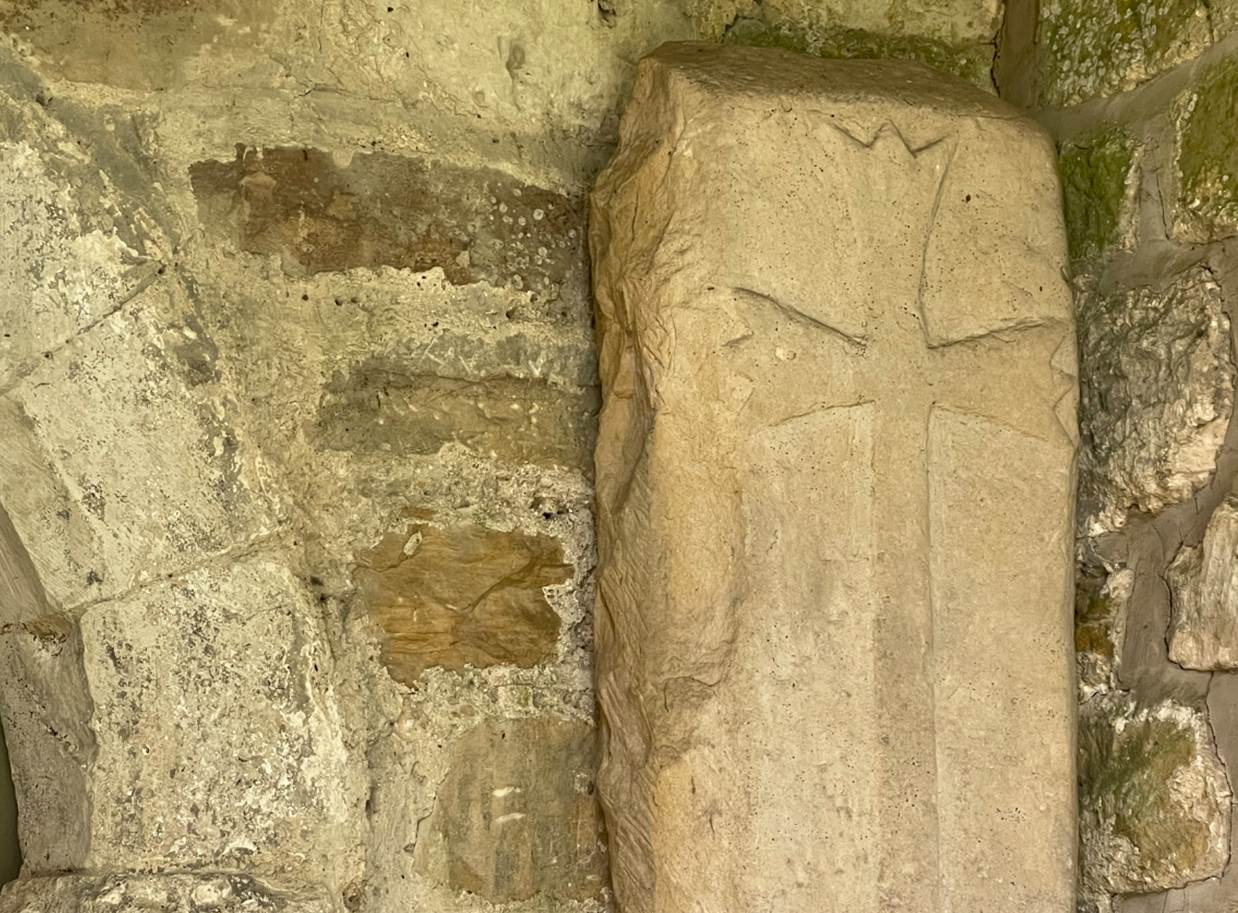
of Orm's church reveals three large stone crosses, much weathered, built into
it, two in the outside of the south wall of the nave and one in the outside of
the west wall to the north of the tower.
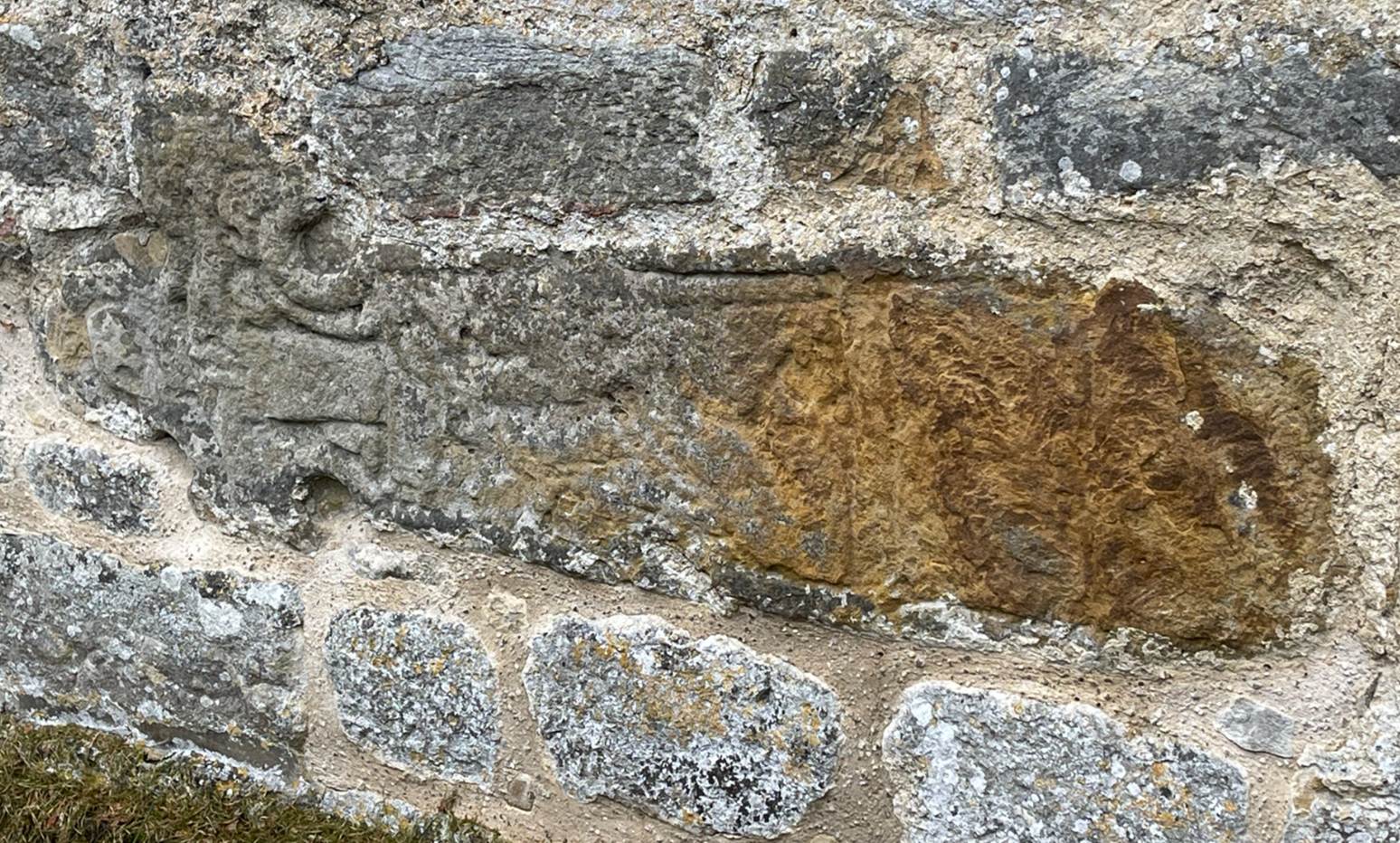
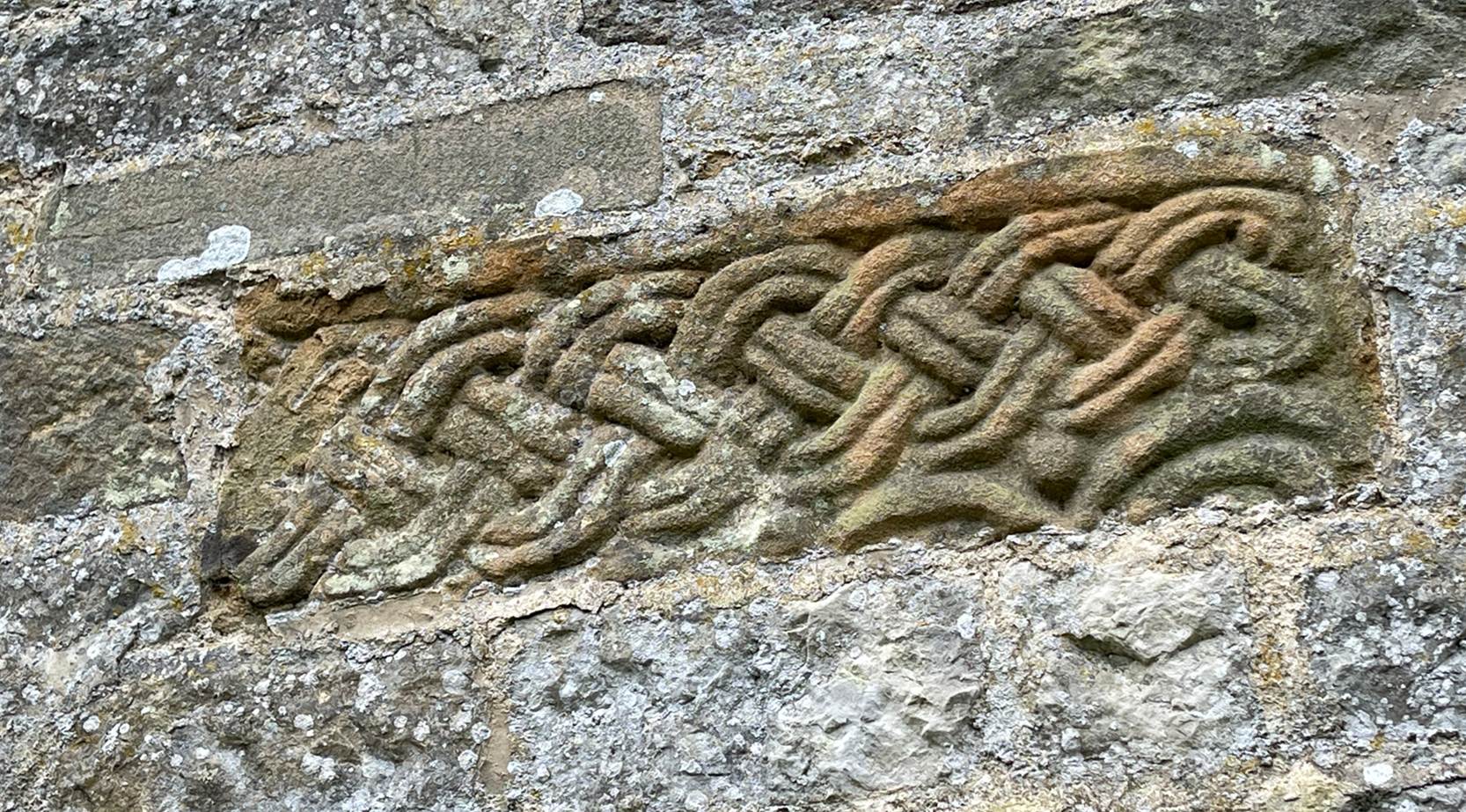
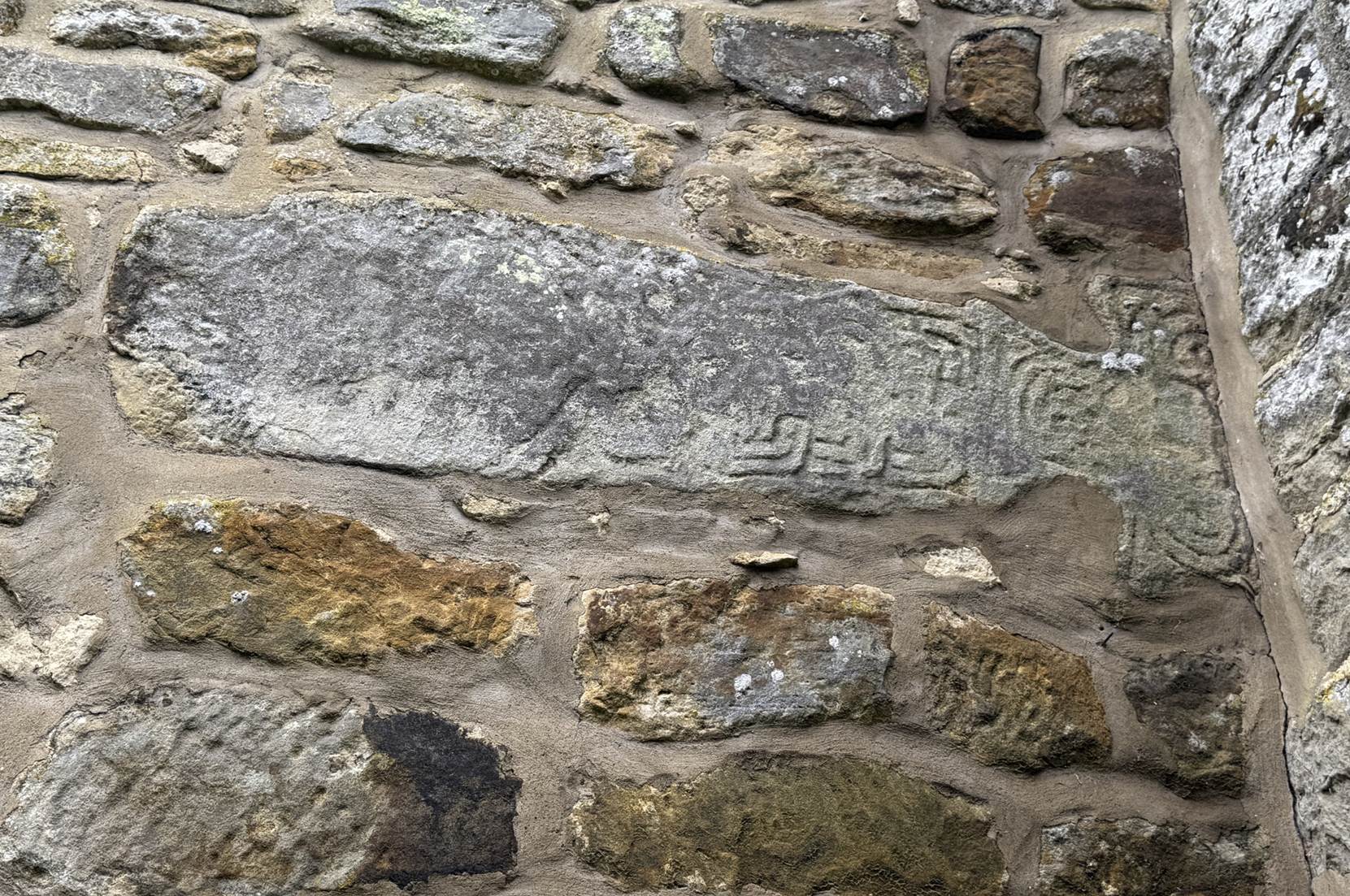
These are gravestones of
Anglo-Scandinavian design introduced to northern and eastern England by the
Danes and Norwegians who settled here in the late ninth and early tenth
centuries. They are most probably to be dated to the tenth century or early
eleventh, and presumably were gravestones in the cemetery of the church which
preceded Orm's rebuilding.
Heather O’Donaghue (Viking Age Lastingham, Heather O’Donaghue, Professor of
Old Norse at the University of Oxford, 2016) refers to the Christ like
figure on the Kirkdale cross, built in to the wall of the church, having a
forked beard, suggesting Scandinavian influence.
It
may seem a little odd to us that builders should use among their materials
gravestones which had been erected in the fairly recent past, especially at a
place where good building stone lies ready to hand: but the practice was not
uncommon in buildings of this period. There is a nearby parallel, for example,
in the church at Middleton between Kirkbymoorside and Pickering.
Grave Covers
Two elaborate grave covers, have been
called the Cedd Stone and the Ethelwald Stone. These
two tomb-slabs are to be seen inside the church, under the arcade which
separates the nave from the north aisle.
These too were incorporated into the
fabric at Orm's rebuilding. They were moved to their present position at the
time of the restoration of 1907 to 1909. Scholarly opinion dates these to the
Anglian or pre-Scandinavian period, that is before about 870 CE. One of them
appears to be of the eighth century and the other of the ninth. On the strength
of this dating, the history of the church on this site may be taken back to
about 750 CE, but conceivably even earlier. For their day they are very
handsome pieces which display craftsmanship of a high order. Furthermore,
certain features of their design strongly suggest that they originally stood
inside a church. These indications show that the persons once buried beneath
them were of significant status and prestige. The church, which originally
housed these tombs, may well have been an imposing one.
One
of these, upon which is a fine cross, was said, a century ago, to bear the
inscription in runic characters, Cyning Æthilwald, but no writing is now
decipherable. This inscription was one of the foundations of the theory that
Kirkdale was the true site of the monastery founded by Cedd in the Seventh Century. However the theory
is not generally accepted.
The above
ground grave structures were designated ST 7 and ST 8 by the archaeologists.
They were found at the west exterior of the Church and have been interpreted to
have been significant above ground grave structures, likely associated with
elite members of society. Their position in the building might have been
focused with vibrant paint and possibly the play of light.
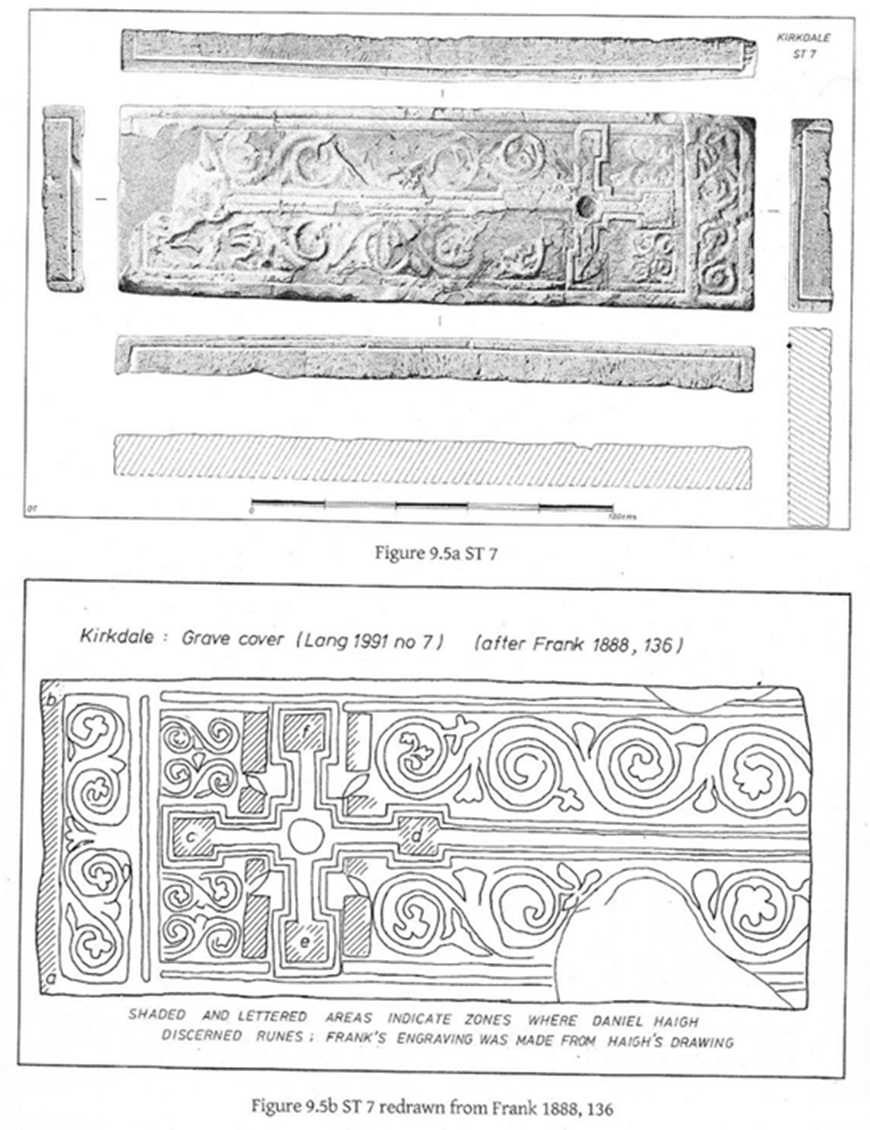
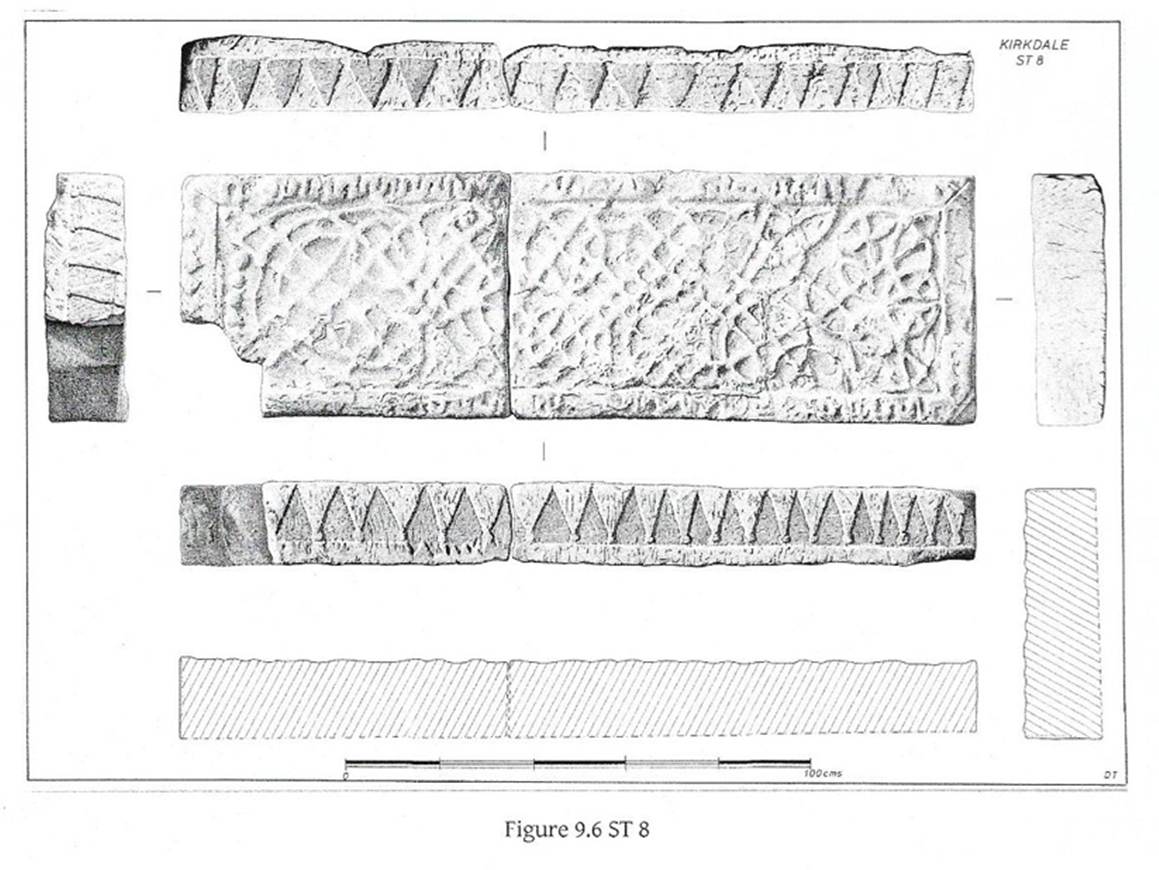
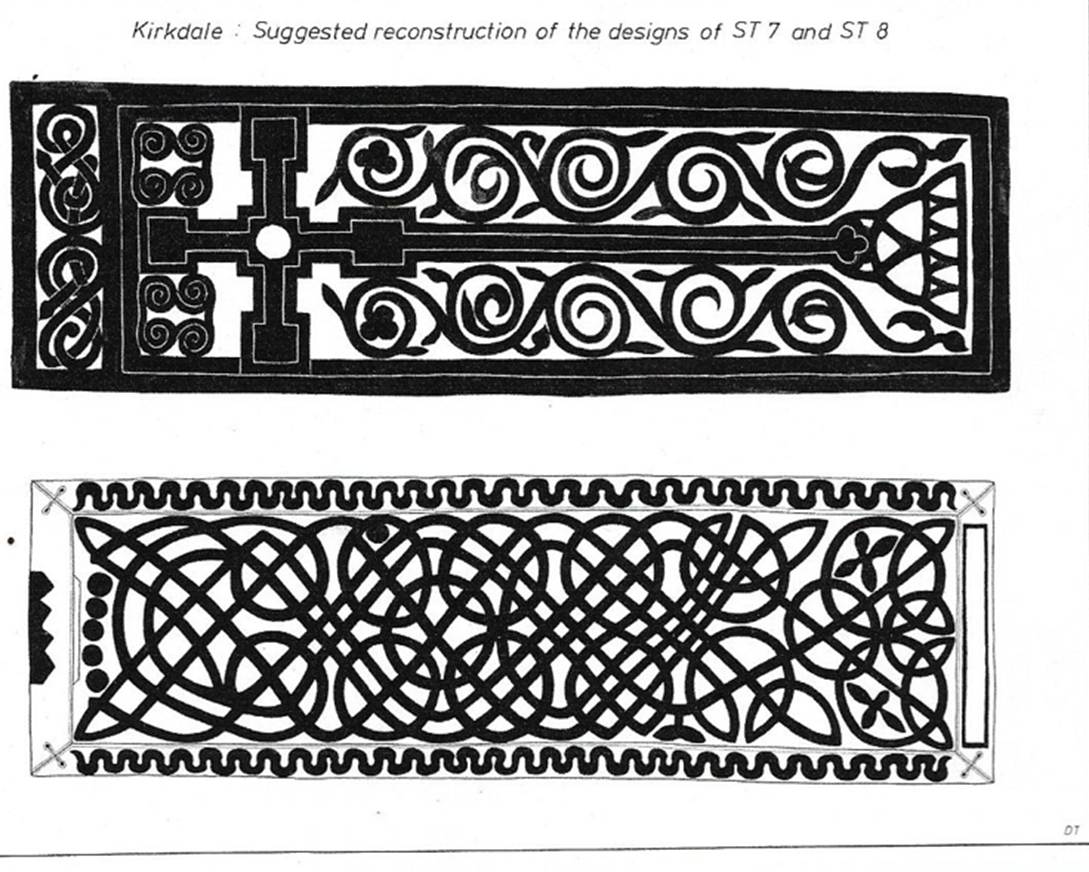
Artefact
ST 7
Artefact ST 8
Reconstructed designs of ST7 and ST 8
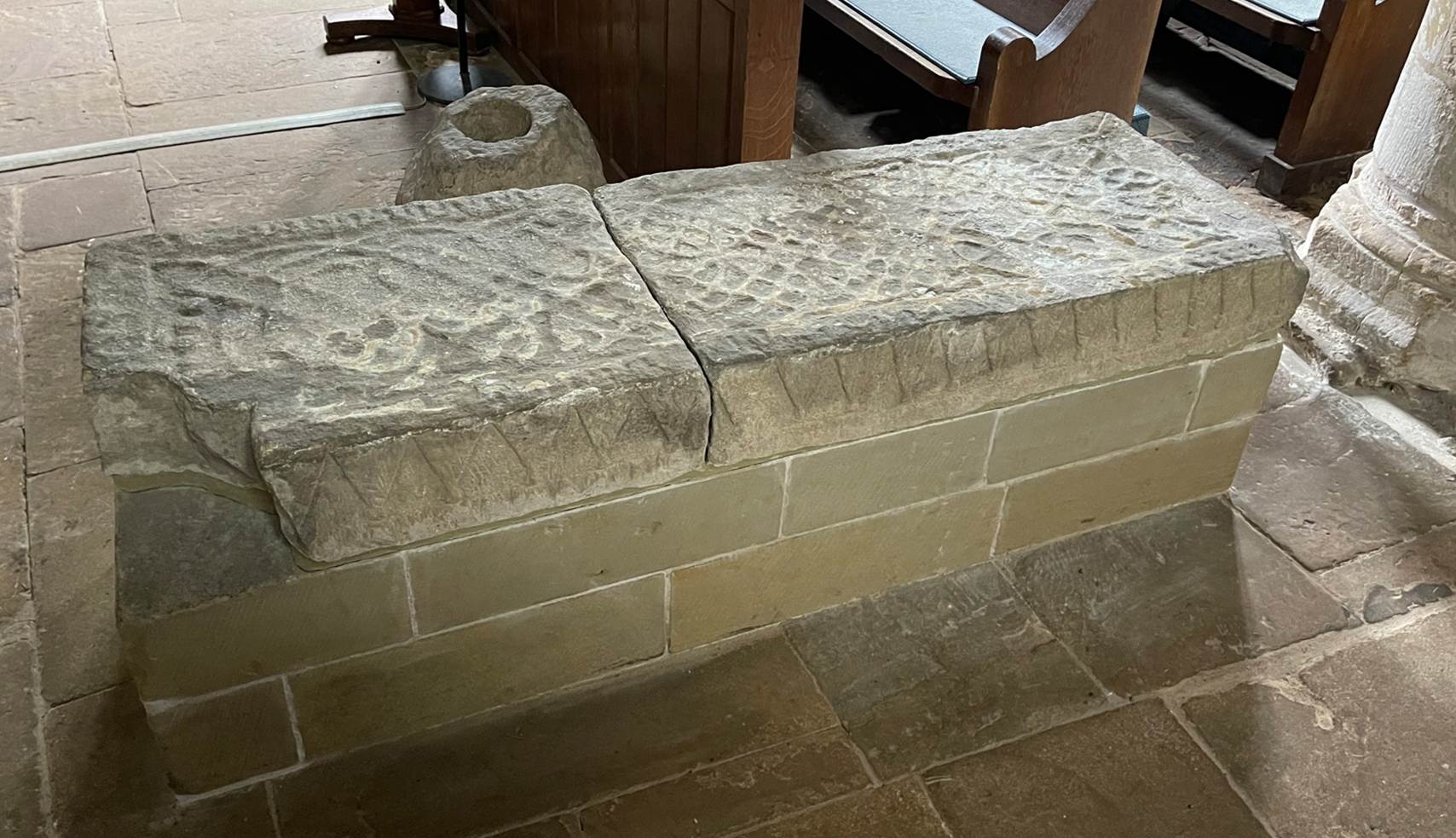
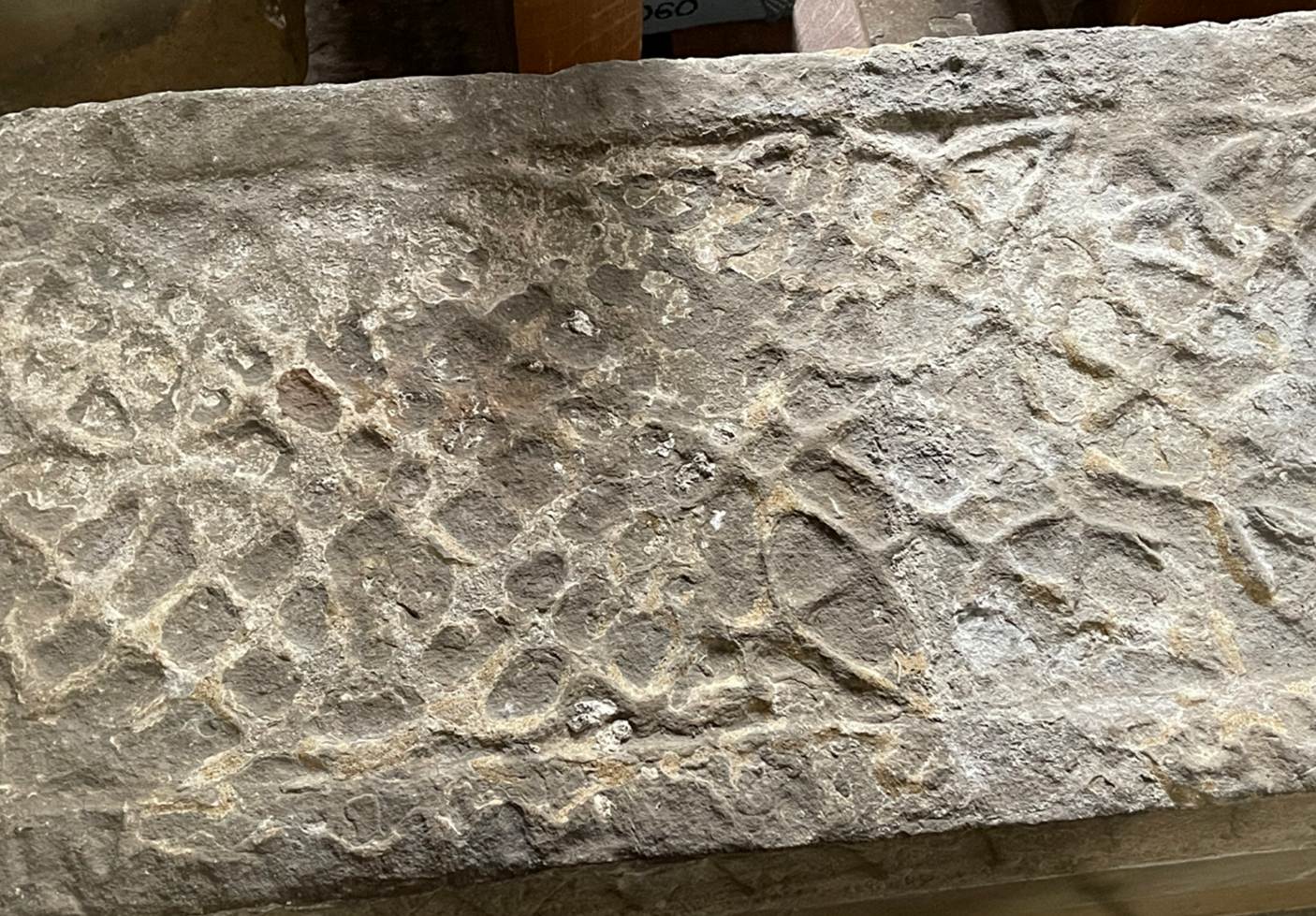
ST 8
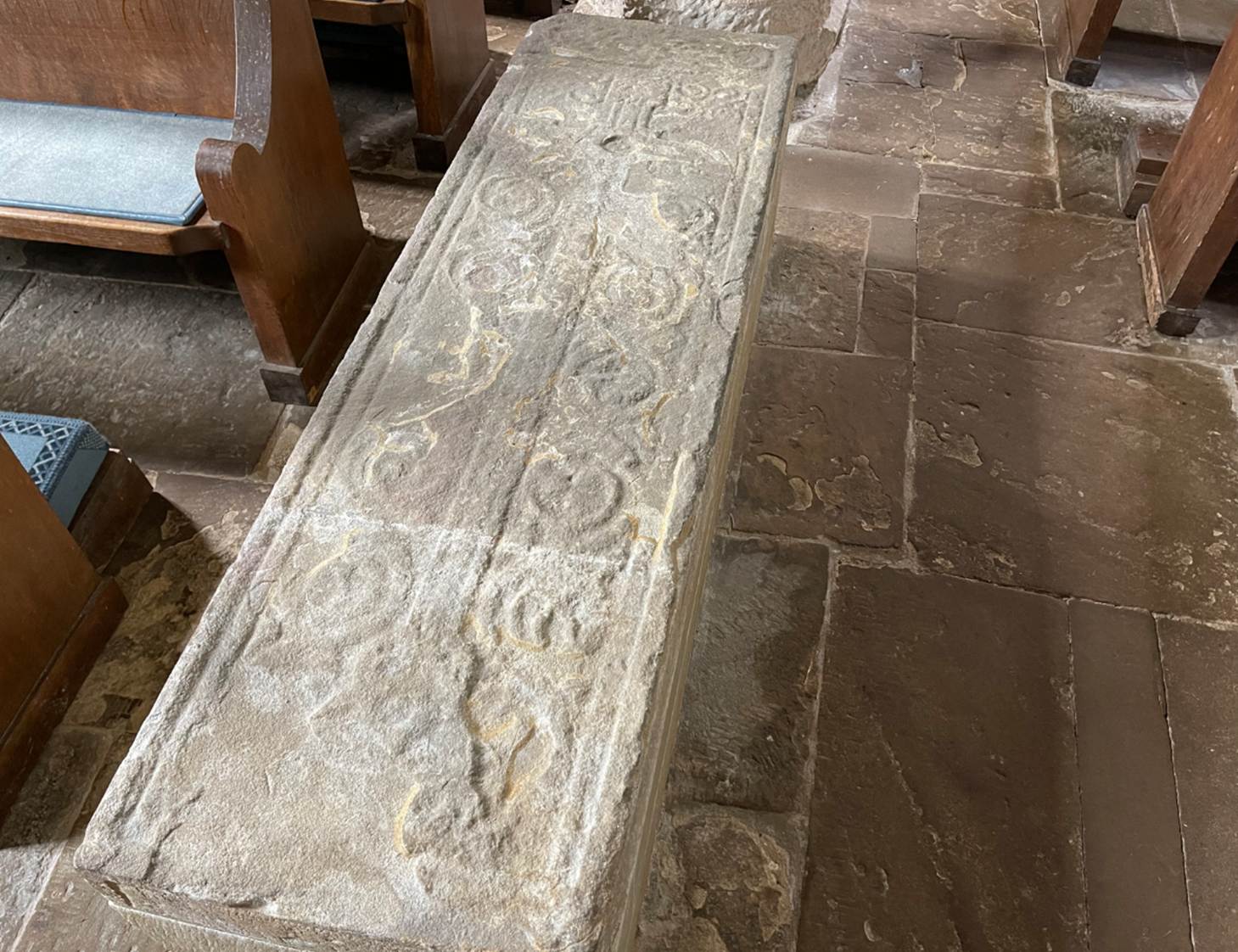
ST 7
The
symbolism of these finds was likely understood by an informed audience. A design
on ST 12 was probably reference to a chalice. Designs on ST 7 and ST 8 were
probably theological messages. Symbolism on ST 7 has been linked to Bedean end
of the world millenarianism. There was also symbolism associated with the dead
themselves, marked out as ‘special’ dead, of more than usual value in the
community, particularly associated with ST 8, probably also ST 7 and OM 3. ST 8
has been interpreted to be associated with some local recognition of sainthood.
Other artefacts
Other
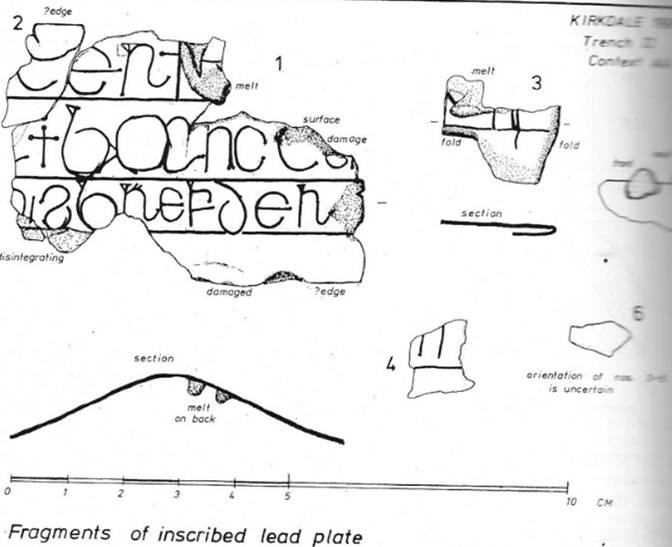
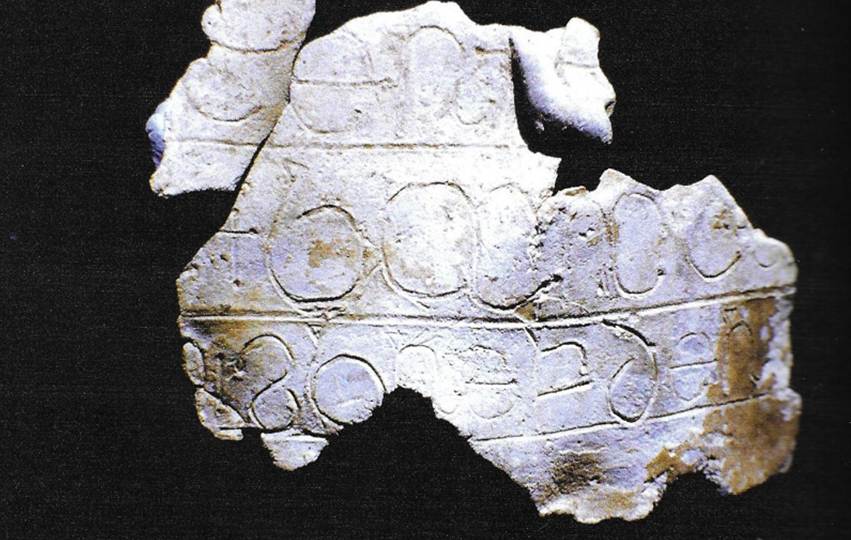
artefacts which can’t be seen at the church today include pieces which suggest
Roman associations and are probably of the late eighth to early ninth century.
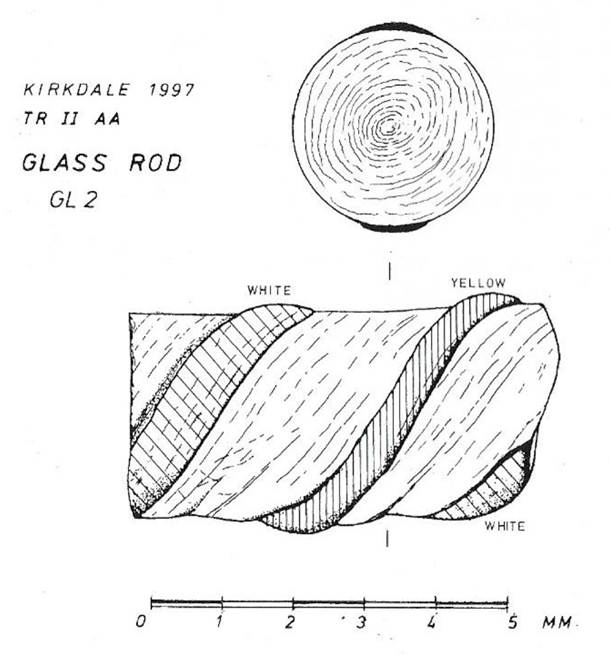
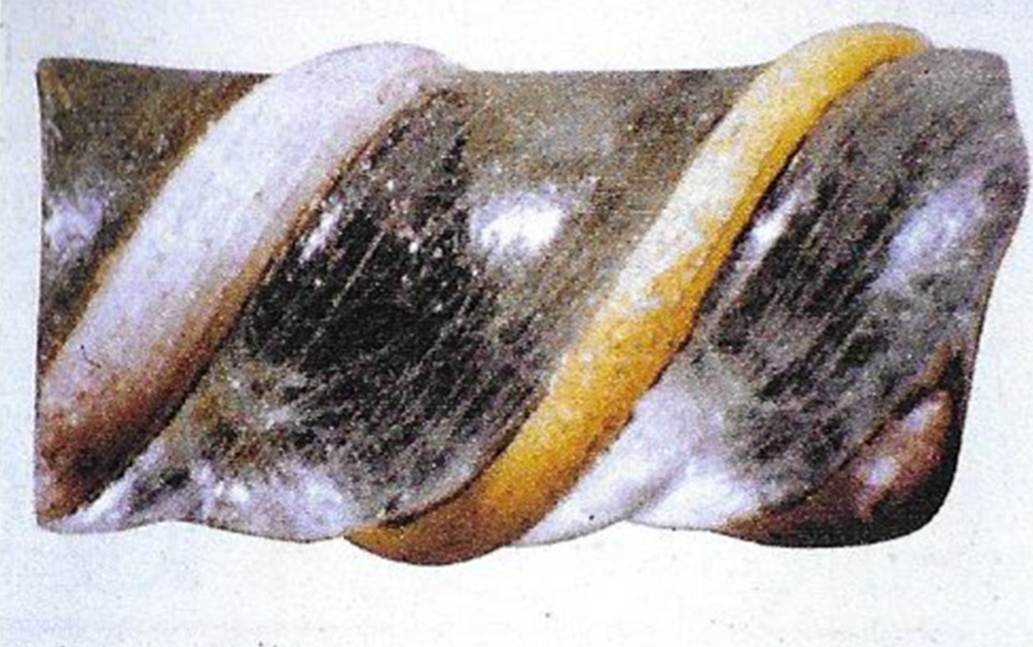
Artefact
GL2
Find ST 42,
found in Trench II, stands out from other stone found at Kirkdale. It may have
been imported from a significant, possibly Italian centre and was perhaps a
relic fragment.
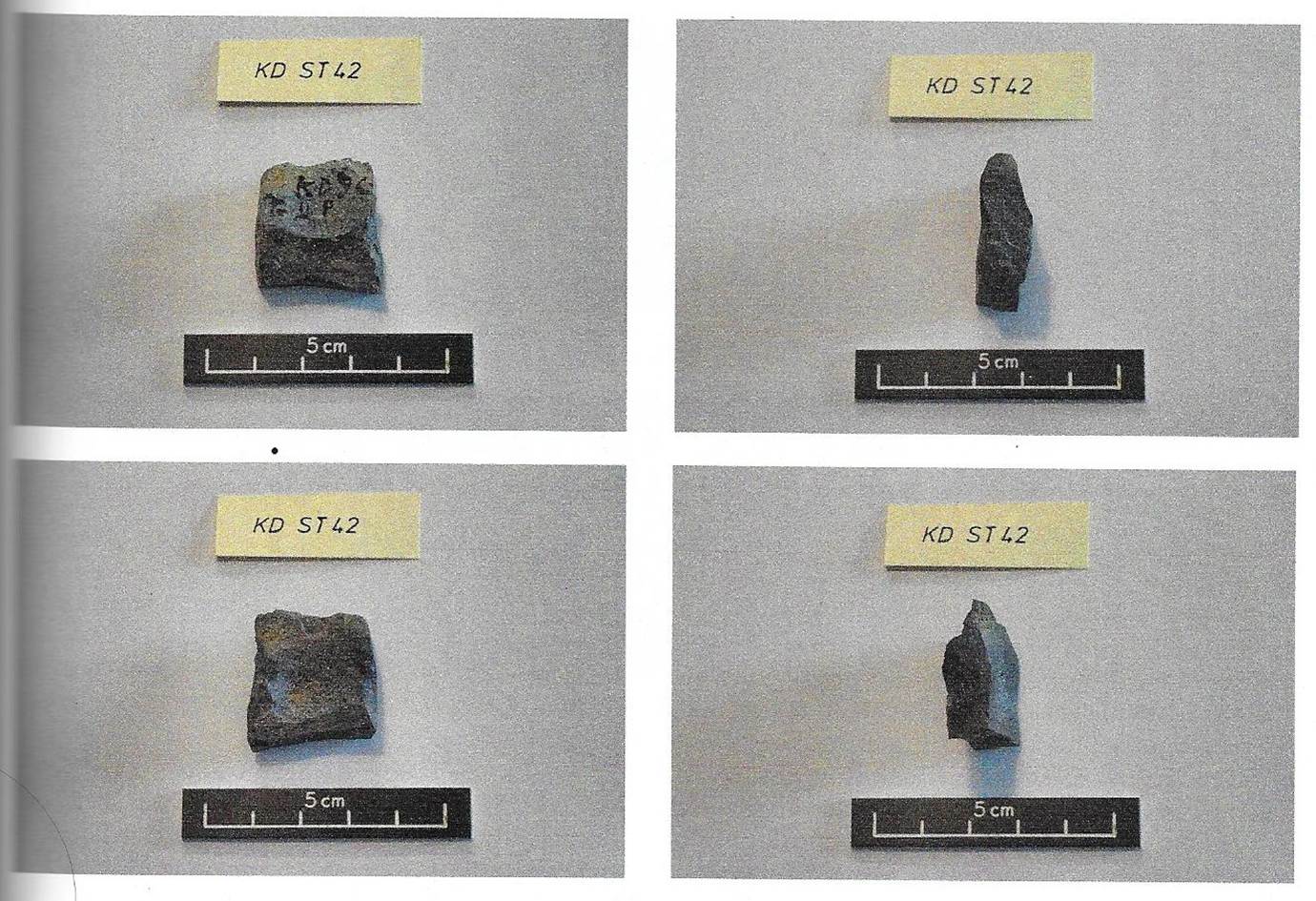
Artefact
ST 42
Artefact
OM 3
You can next
read about Anglo-Saxon
Scandinavian Kirkdale.
The history of
Kirkdale is told across the following webpages.
· The Kirkdale Anglo Saxon
artefacts
·
Anglo-Saxon Scandinavian Kirkdale
There are
related webpages:
· Alcuin and the birth of modern
education