Helmsley
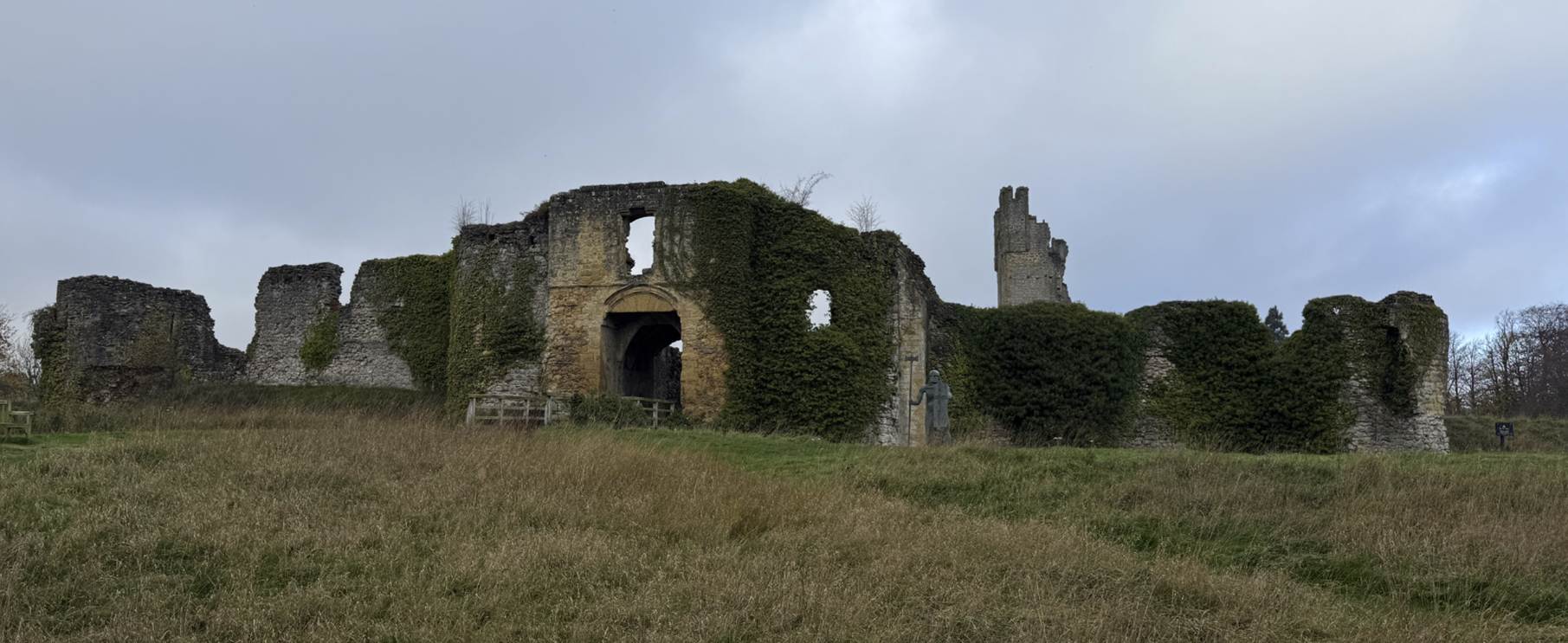
A History of Helmsley to about 1500
|
Return to the Home Page of the Farndale Family
Website |
The story of one family’s journey through two
thousand years of British History |
The 83 family lines into which the family is divided.
Meet the whole family and how the wider family is related |
Members of the historical family ordered by date of
birth |
Links to other pages with historical research and
related material |
The story of the Bakers of Highfields, the Chapmans,
and other related families |
Headlines are in brown.
Dates are in red.
Hyperlinks to
other pages are in dark
blue.
References and
citations are in turquoise.
Context and local
history are in purple.
Geographical
context is in green.
Helmsley was Elmeslac at the time of the Norman Conquest, and has
also been recorded as Hamelak, Hamlake and Haunesley.
The suffix ly or ley generally referred
to a wood or woodland clearing in Old English (Anglo-Saxon). Helm was likely to
have been an Old English personal name.
The Old English
suffix -lāc generally referred to some
form of practice or ritual. As a noun, the Old English lāc
means "play, sport," deriving from an earlier meaning of
"sacrificial ritual or hymn" (Proto-Germanic laikaz).
This meaning survives today only in words like "wedlock" and "bridelock," and is very rare as a place name suffix.
Some of the earlier derivations of the name may therefore suggest a place of
ritual.
The usual form of
the name of the town is most likely to refer to Helm’s woodland clearing, but
there may be some ritual activity suggested by some forms of the name.
3,000
BCE
Archaeological
discoveries suggest that the area around Helmsley was first settled in around
3,000 BC and small farming communities existed here during the Neolithic, Bronze
and Iron
Ages and into Roman
times.
c 500
BCE
Finds of beehive
rotary querns evidence agriculture and the milling of grain during the Iron Age.
218 CE
A hoard of 34
Roman coins, including a gold coin of Antoninus Pius (138 to 161 CE) and silver
denarii were found in the vicarage garden in Helmsley and probably date
to around 218 CE. The Roman villa of Beadlam
is about three kilometres to the west of Helmsley.
c 640
CE
St Aidan of
Lindisfarne (died 31 August 651) visited Helmsley.
c 950
CE
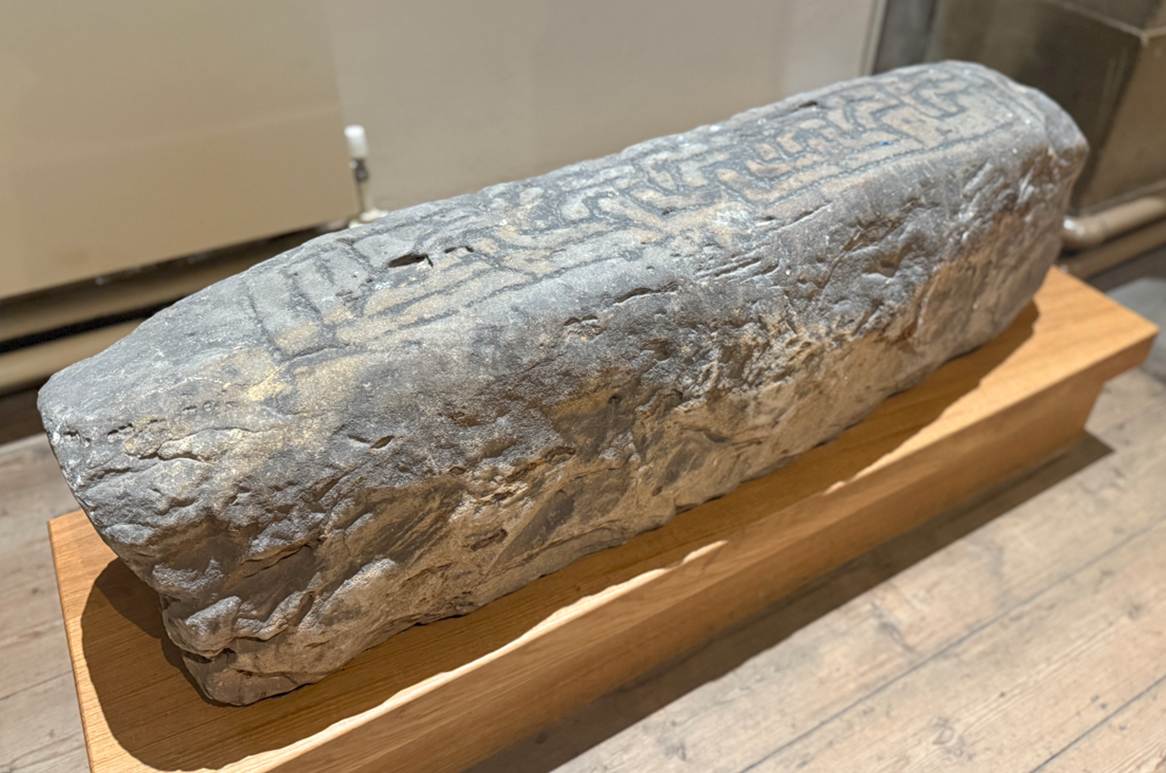
A Hogsback
tombstone dates to about the tenth century CE. There are also three stone
Anglo-Saxon stones, which were bases for upright posts for a Saxon church of
wattle which have been incorporated into the church itself and into the
Feversham Monument in the market square, suggesting an earlier church.
1065
The owner of the
lands which included Helmsley before the Conquest was Uhtred.
1079
William the
Conqueror was lost on Ropa Moor, north of Helmsley, during the Harrying of the
North (History of the Norman Conquest, Freeman).
1086
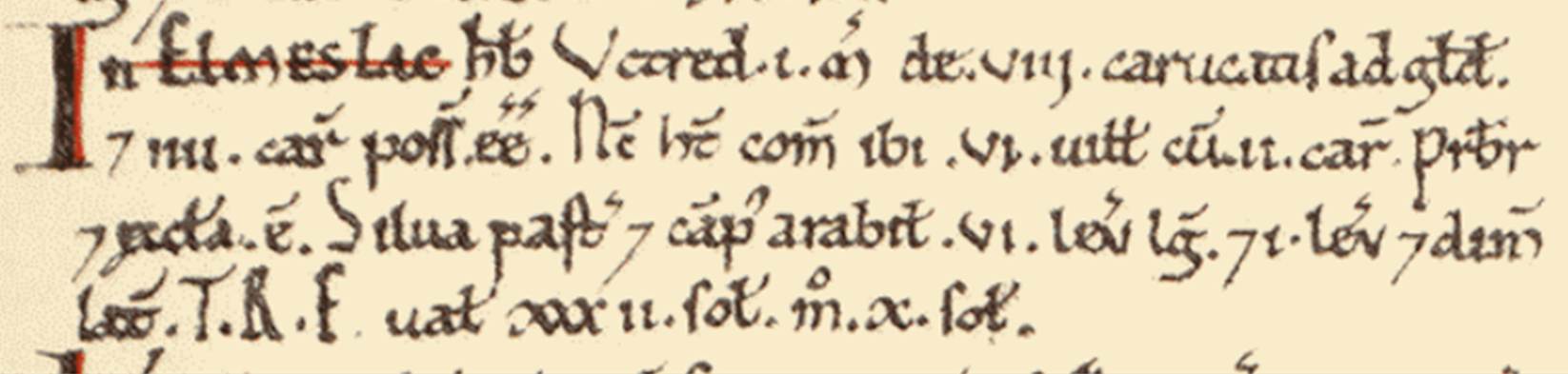
Helmsley was a
settlement in the hundred of Maneshou,
by the time of Domesday
Book. One part of the landholding was wasteland, possibly with two areas of
ploughable field. The second part included four ploughlands served by two men’s
plough teams, with a large area of woodland, 6 x 1.5 (about 40 km by 10 km)
leagues in area. There were six villagers (and therefore households) and a
priest and there was a church.
Like most of the
area, Helmsley suffered during the Harrying of the North,
though perhaps not to the extent of other areas that were completely wasted.
Its annual value before the Conquest was £1 12s, reduced to 10s in 1086.
By 1086, the
owner of the lands which included Helmsley was Count Robert of Mortain, half brother of William the Conqueror. Robert was one of
the few proven companions of William the Conqueror at the Battle of Hastings in
1066, and the Domesday Book evidences that he became one of the greatest
landholders in England.

1088
Count Robert of
Mortain rebelled against William II (William Rufus) in 1088 and lost his
estate, but was later pardoned and his estates were restored.
1106
Robert’s son
William rebelled against Henry I, but was captured at the Battle of Tinchebrai in 1106 and stripped of his estates, being
imprisoned in the Tower of London and later became a Cluniac monk at Bermondsey
Abbey.
1113
Early Cistercian
visitors to the area described the land as all bog and fen, the roads mere
byways and the forests the haunts of robbers and wild beasts.
1122
The Mortain lands
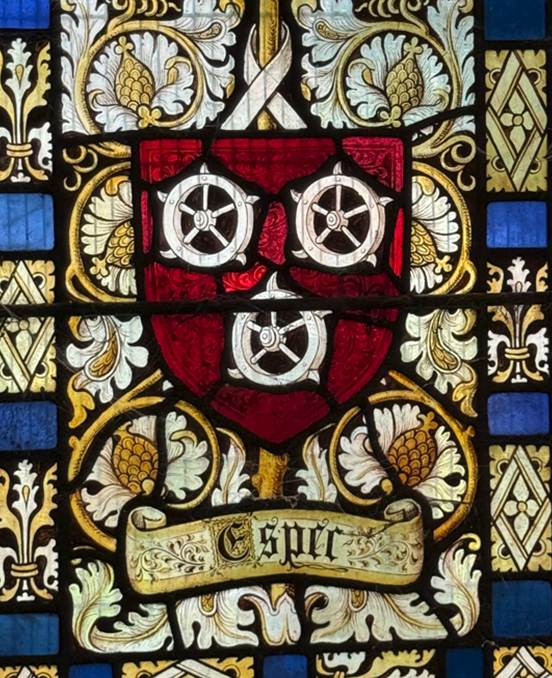
were granted to Walter Espec whop also held land at Wark on the River Tweed.
|
|
|
|
William Speche Part of the Norman army with William the Conqueror Feudal Baron of Old Warden by 1086 |
|
|
|
|
|
|
|
|
|
|
|
|
|
|
|
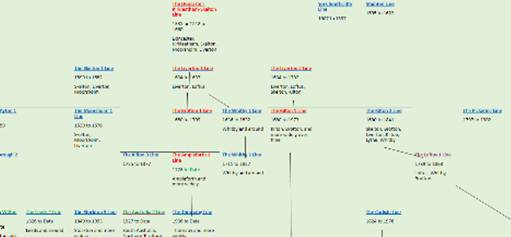
Walter Espec
Buried on 9 March 1153 Founded Kirkham Priory and Rievaulx Abbey |
Adelina Espec |
Peter de Ros I Died 1157 That Peter, the Ancestor of this great and noble
family, did originally assume his surname in the time of Henry I, from that
lordship of Holderness, called Roos, where he then
had his residence, needeth
not be doubted (William Dugdale) A steward of William of Albemarle Buried in Rievaulx Abbey |
|
|
|
|
|
|
|
|
|
|
|
|
|
|
|
Robert de Ros I Died 1167 Paid a thousand marks of silver to the King for
livery of the lands inherited by his mother from her brother, Walter Espec Munificent benefactor to the Knights Templar. |
|
|
|
|
|
|
|
|
|
|
|
|
|
|
|
Everard de Ros c 1145 to c 1182 Lord of the Hamlake (now
Helmsley) As a minor, ward to Ranulph de Granville Married Rose Trusbut, of Wartre,
in Holderness |
|
|
|
|
|
|
|
|
|
|
|
|
|
|
Sir Robert de Ros II (Furnan) c 1182 to 1227 Imprisoned in Normandy during the reign of Richard
I and had to pay a significance ransom Regained the whole barony of Walter Espec including
Helmsley Castle, Wark Castle, Northumberland and Hamlake
Castle, Yorkshire Rebuilt Helmsley Castle Commissioner to conduct William, King of Scotland,
to England Married Isabella, daughter of William the Lion,
King of Scotland One of the twenty-five barons who guaranteed the
observance of Magna Carta |
Another son |
|
|
|
|
|
|
|
|
|
|
|
|
|
William de Ros I of Helmsley Died c 1264 Married Lucy FitzPeter |
Robert de Ros of Wark |
Alexander de Ros |
Peter de Ros |
|
|
|
|
|
|
|
|
|
|
|
|
Sir Robert de Ros III c 1225 to 13 May 1285 He was one of the rebels against Henry III in the
Baron’s Revolt and summoned to the Parliament after the Battle of Lewes Married Isabel d’Aubigny,
heiress of the Belvoir Estate |
Peter, William, Alexander, Herbert, John, Lucy and
Alice Ros |
|
|
|
|
|
|
|
|
|
|
|
|
|
|
William Ros II 1st Baron de Ros of Helmsley c 1255 to 6 or 8 August 1316 Unsuccessful competitor for the Crown of Scotland
in 1292 Faught in Edward I’s Welsh Wars in 1277 and 1282
and in Scotland Married Maud, daughter of John Vaux |
|
|
|
|
|
|
|
|
|
|
|
|
|
|
|
William Ros III 2nd Baron de Ros of Helmsley c 1285 to 3 February 1343 Commissioner whop negotiated with Robert Bruce,
King of Scotland on the orders of Edward III Married Margery of Leeds Castle |
|
|
|
|
|
|
|
|
|
|
|
|
|
|
|
William Ros IV 3rd Baron de Ros of Helmsley c 19 May 1329 to before 29 September 1352 Led the second division of the English army at the
Battle of Crécy in 1346 and also fought at the Battle of Neville’s Cross that
same year Married Margaret Neville, daughter of Ralph Neville Died on Crusade without heir |
Thomas Ros I 4th Baron de Ros of Helmsley 13 January 1335 to 8 June 1384 Married Beatrice Stafford Buried at Rievaulx |
|
|
|
|
|
|
|
|
|
|
|
|
|
|
|
John Ros I 5th Baron de Ros of Helmsley c 1360 to 6 August 1393 Died in Cyprus No issue Body returned to be buried at Rievaulx |
William Ros V 6th Baron de Ros of Helmsley c 1370 to 1 November 1414 Lord Treasurer of England under Henry IV Married Margaret FitzAlan Belvoir Castle, Leicestershire became the main
residence of the Ros family who previously had resided at Helmsley Castle |
|
|
|
|
|
|
|
|
|
|
|
|
|
|
|
John Ros II 7th Baron de Ros of Helmsley c 1397 to 22 March 1421 1421 Married Margery, daughter of Philip, 2nd
Baron le Despencer |
Thomas Ros II 8th Baron de Ros of Helmsley c 1405 to 1431 Married Eleanor daughter of Richard, 13th
Earl of Warwick |
|
|
|
|
|
|
|
|
|
|
|
|
Thomas Ros III 9th Baron de Ros of Helmsley c 1427 to 1464 Married Philippa Tiptoft |
|
|
|
|
|
|
|
The barony of Ros lay under the attainder until the
complete triumph of the Lancastrians, by the accession of Henry VII, when the
elder son of the late Baron obtained an act of parliament, annulling and
making entirely void, the act by which his father was attainted, and
restoring to him all the estates and honours of the family |
|
|
|
|
|
|
Two younger sisters Died without issue |
Edmund Ros 10th Baron de Ros
of Helmsley c 1455 to 23 October 1508 1508 Unmarried Estates overseen by Sir Thomas Lovell |
Eleanor Ros |
Sir Robert Manners Married Eleanor Ros |
|
|
|
|
|
|
|
|
|
|
|
|
|
|
|
Sir George Manners of Etal 11th Baron de Ros
of Helmsley c 1470 to 23 October 1513 Married Ann (daughter of Thomas St Leger and Ann
Plantagenet (sister of Edward IV) George died in the Siege of Tournai |
|
|
|
|
|
|
|
|
|
|
|
|
|
|
|
Thomas Manners 12th Baron de Ros of Helmsley, 1st Earl
of Rutland c 1497 to 20 September 1543 A member of Henry VIII’s court Earl of Rutland from 1525 and Knight of the Garter Married Eleanor Paston |
|
|
|
|
|
|
|
|
|
|
|
|
|
|
|
Henry Manners 13th Baron de Ros of Helmsley and 2nd
Earl of Rutland 23 September 1526 to 17 September 1563 Married Lady Margaret Neville, daughter of Ralph
Neville, 4th Earl of Westmorland |
|
|
|
|
|
|
|
|
|
|
|
|
|
|
William Cecil 2nd Earl of Exeter |
Elizabeth Manners 15th Baroness de Ros of Helmsley C 1572 to 1591 |
John Manners 4th Earl of Rutland c 1559 to 24 February 1588 |
|
|
|
|
|
|
|
|
|
|
|
|
|
William Cecil 16th Baron de Ros of Helmsley 1590 to 1618 |
|
Francis Manners 6th Earl of Rutland, 17th
Baron de Ros of Helmsley 1578 to 17 December 1632 Married Frances Knyvet and later Cecily Tufton In 1618 three women, the Witches of Belvoir,
were accused of witchcraft for having allegedly caused the deaths of his two
young sons |
|
|
|
|
|
|
|
|
|
|
|
|
|
|
George Villiers 1st Duke of Buckingham 20 August 1592 to 23 August 1628 Master of the Horse, Lord High Admiral, Lord
Lieutenant of Buckinghamshire, Middlesex and Kent Assassinated |
Katherine Manners 18th Baroness de Ros of Helmsley 1603 to 1649 Married George Villiers and later Randall
MacDonnell, 1st Marquis of Antrim |
|
|
|
|
|
|
|
|
|
|
|
|
|
|
George Villiers 2nd Duke of Buckingham, 19th
Baron de Ros of Helmsley 30 January 1628 to 16 April 1687 |
|
1122
The Augustinian
priory at Kirkham,
on the River Derwent, was founded in c 1122 by Walter Espec. The endowment
included the church and three houses at Helmsley. Canon’s
Garth, north of Helmsley church, may have been built as a residence of the
canons of Kirkham, later rebuilt in stone in the sixteenth century.
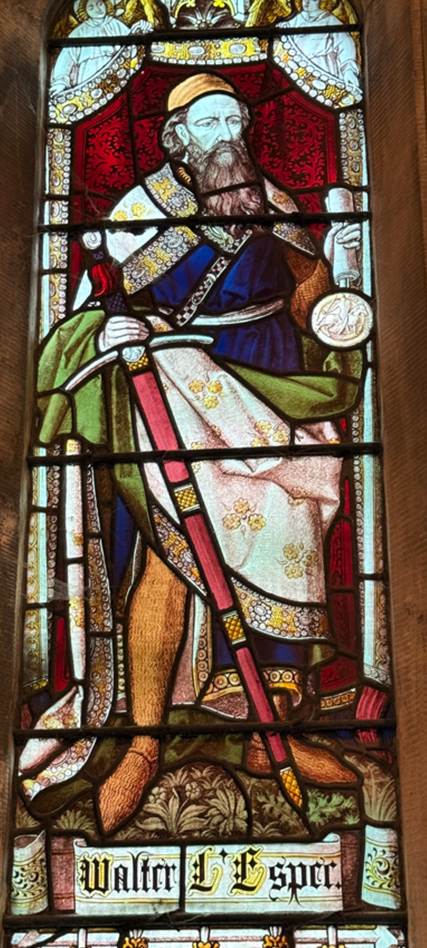
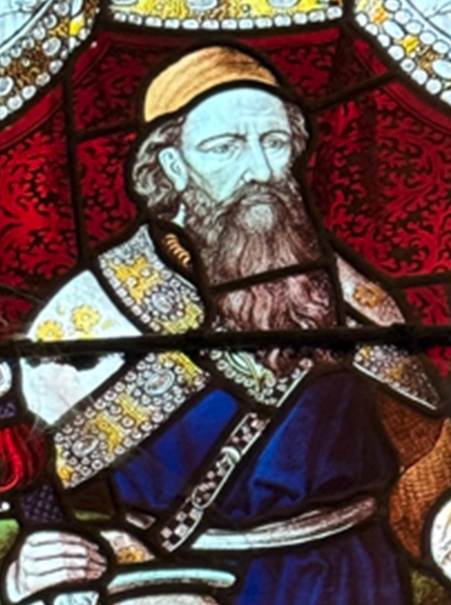
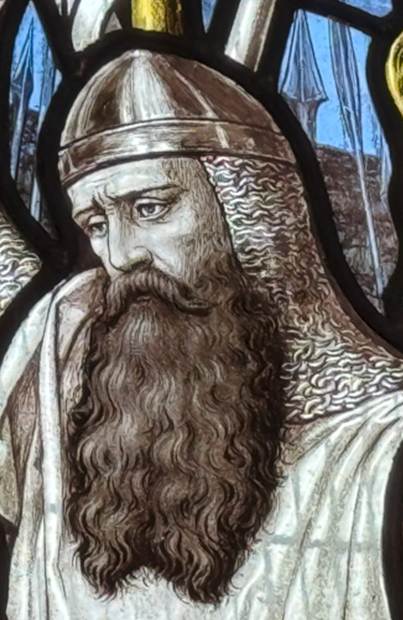
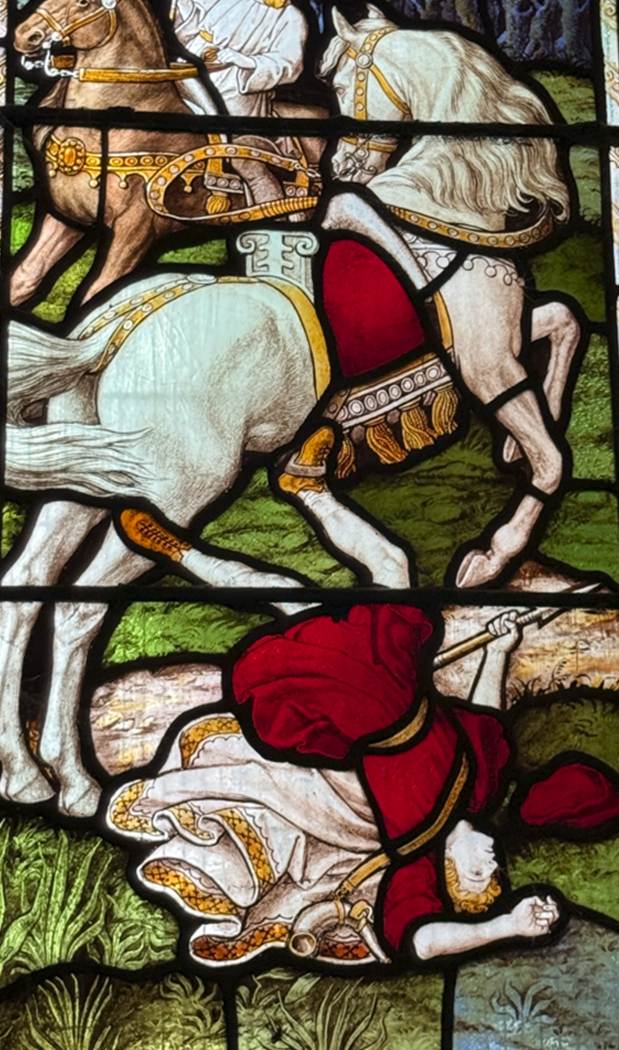
Walter Espec
(Stained Glass window at Helmsley Parish Church)
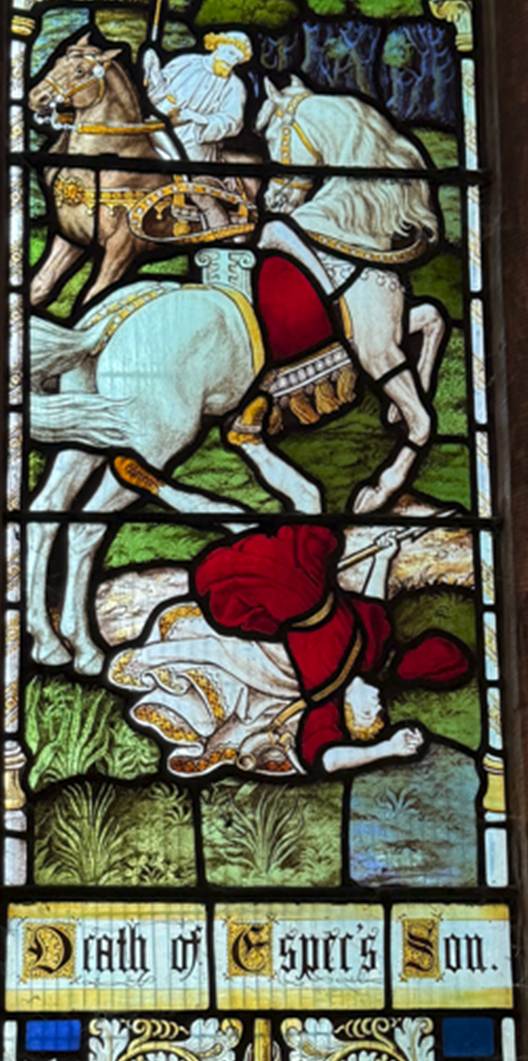
There is a
traditional story that Walter Espec had a son who was killed whilst hunting
near Kirkham. A local play had Walter say of his son’s death, There on the
spot, where this dear corpse was found, An altar I will raise and an abbey
church Where saintly men shall pray in chant and psalm For my boy’s soul, that
all may be forgiven.
Walter Espec built
the first castle at Helmsley. It stood on the rocky ridge overlooking the River
Rye. It may have been of a structure described more generally by Aelred of Rievaulx. Three things make a castle
strong: a moat, a wall, and a tower. First the moat, then the wall rising above
the moat, and finally the tower, which is stronger and more significant than the other two.
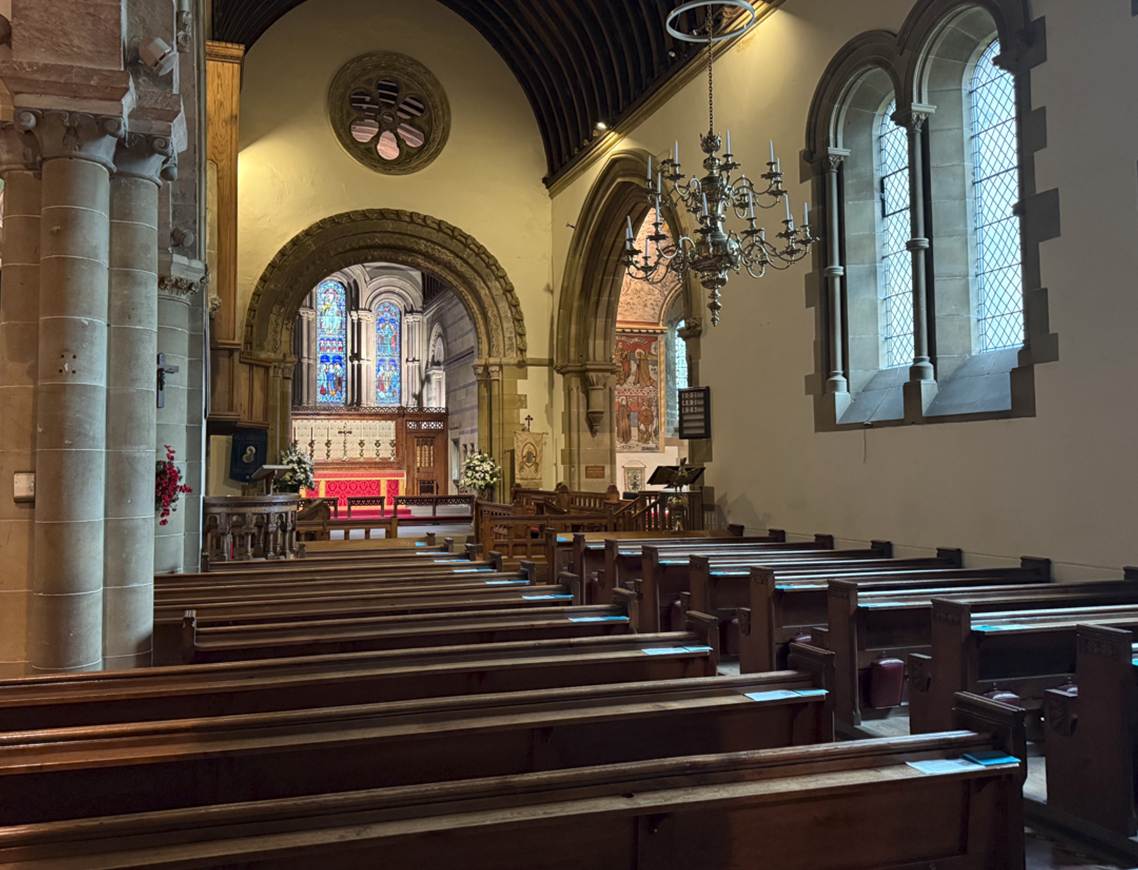
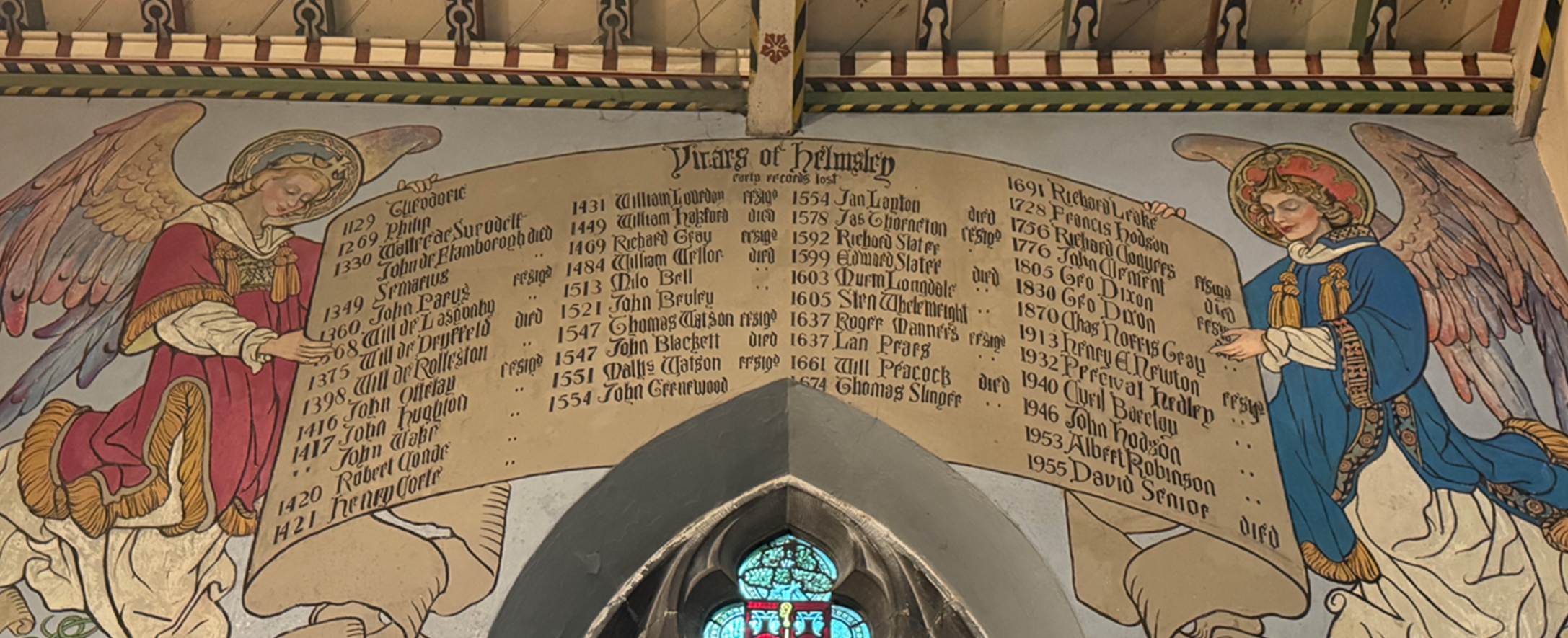
1129
The earliest
record of the Norman church at Helmsley is 1129.
1132
Rievaulx Abbey was founded as the base of the
Cistercian monks, an abbot, 12 monks and 10 lay brothers. Walter Espec was the
patron of the monastery and granted land to build the abbey and establish its
early estates.
With the founding
and later expansion of Rievaulx and its daughter houses, Helmsley must have
found itself in a more widely connected world.
1138
As High Sheriff
of Yorkshire, Walter Espec fought against the Scots at the Battle of the
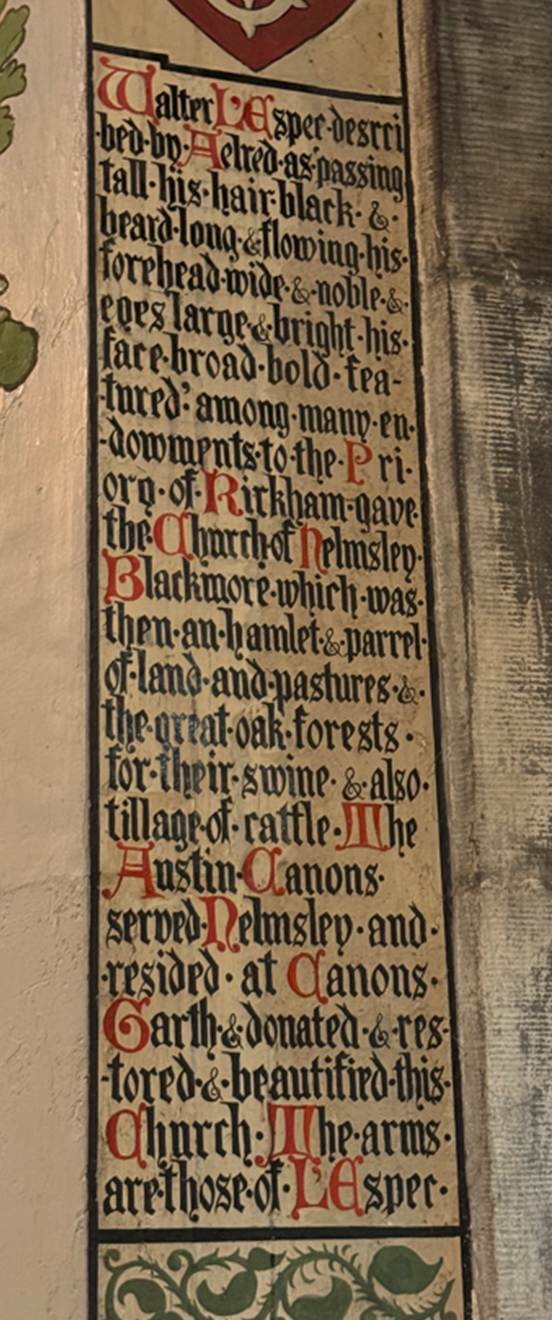
Standard, near Northallerton in 1138. Also present was Walter Espec, an old
man, and full of days, sharp witted, wise in his advice, restrained in times of
peace, farsighted in war, steadfast in his friendship towards allies and in his
constant loyalty to kings. He was of immense physical stature, all his limbs of
such size that they exceeded the norm; and were in proportion to his great
height; his hair was black; his beard abundant; his forehead broad and noble;
his eyes large, and sharp sighted; his face very broad, but well
shaped; his voice like a trumpet, combining the eloquence which came
easily to him with a certain grandeur of sound. Moreover he was distinguished
physically. But more so for his Christian piety; of course although he lacked
children and heirs, he certainly didn’t lack vigorous descendants of each of
his best estates, he made Christ his heir; for in a most charming place,
Kirkham by name, he founded a monastery regular of clerics, embellishing it
with many endowments and enriching it with estates. (Aelred of Rievaulx).
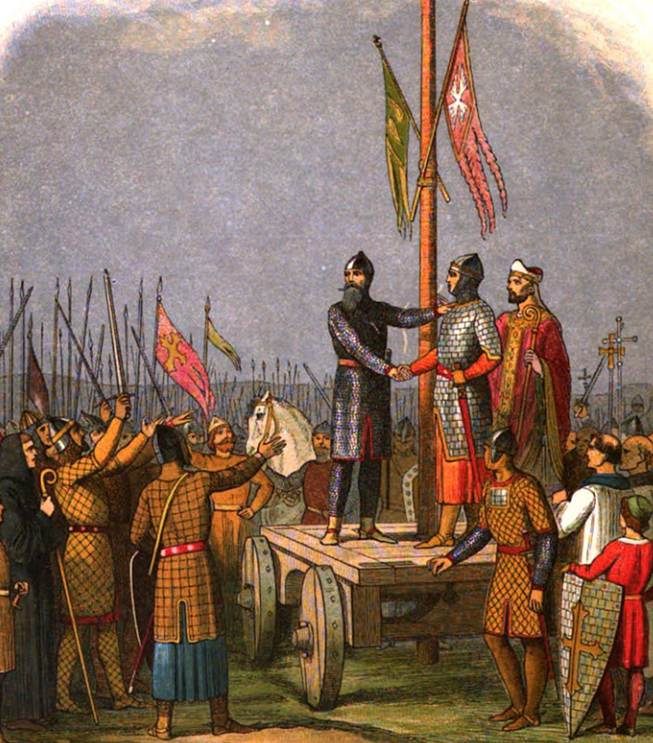
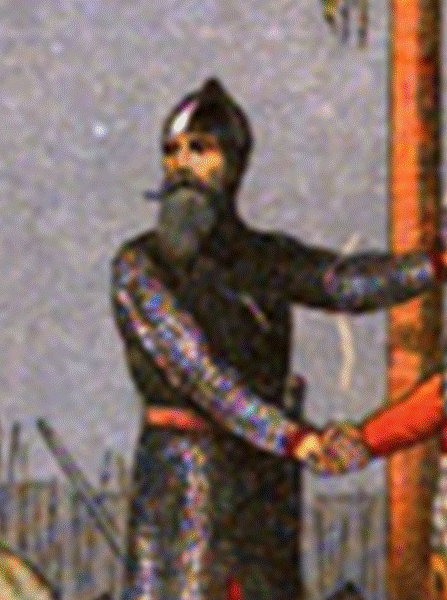
Walter Espec
swore to conquer or be killed by the Scots, while shaking the hand of William
of Albemarle, just before the Battle of the Standard
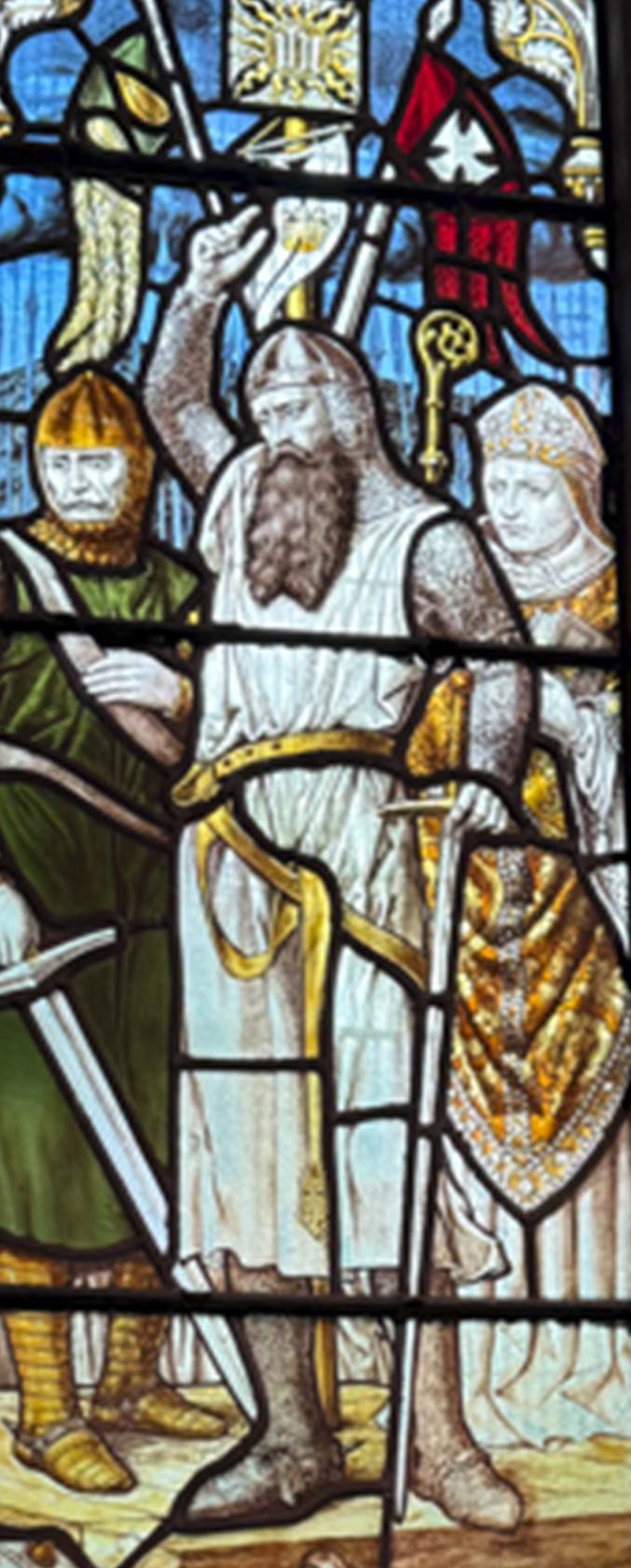
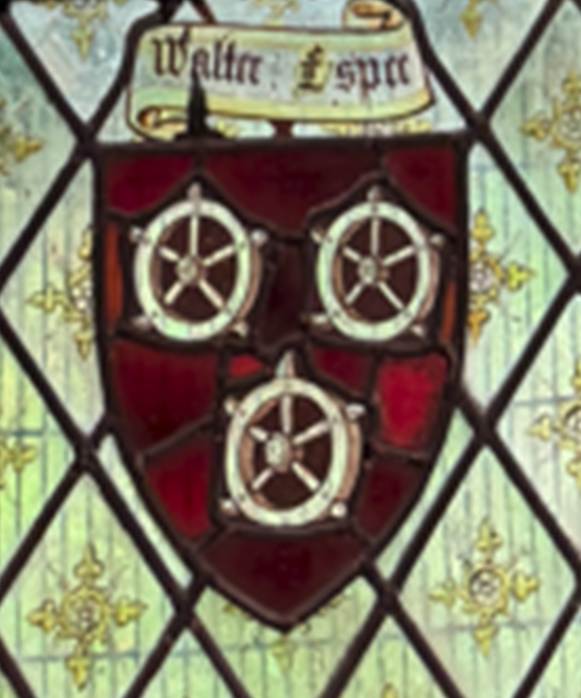
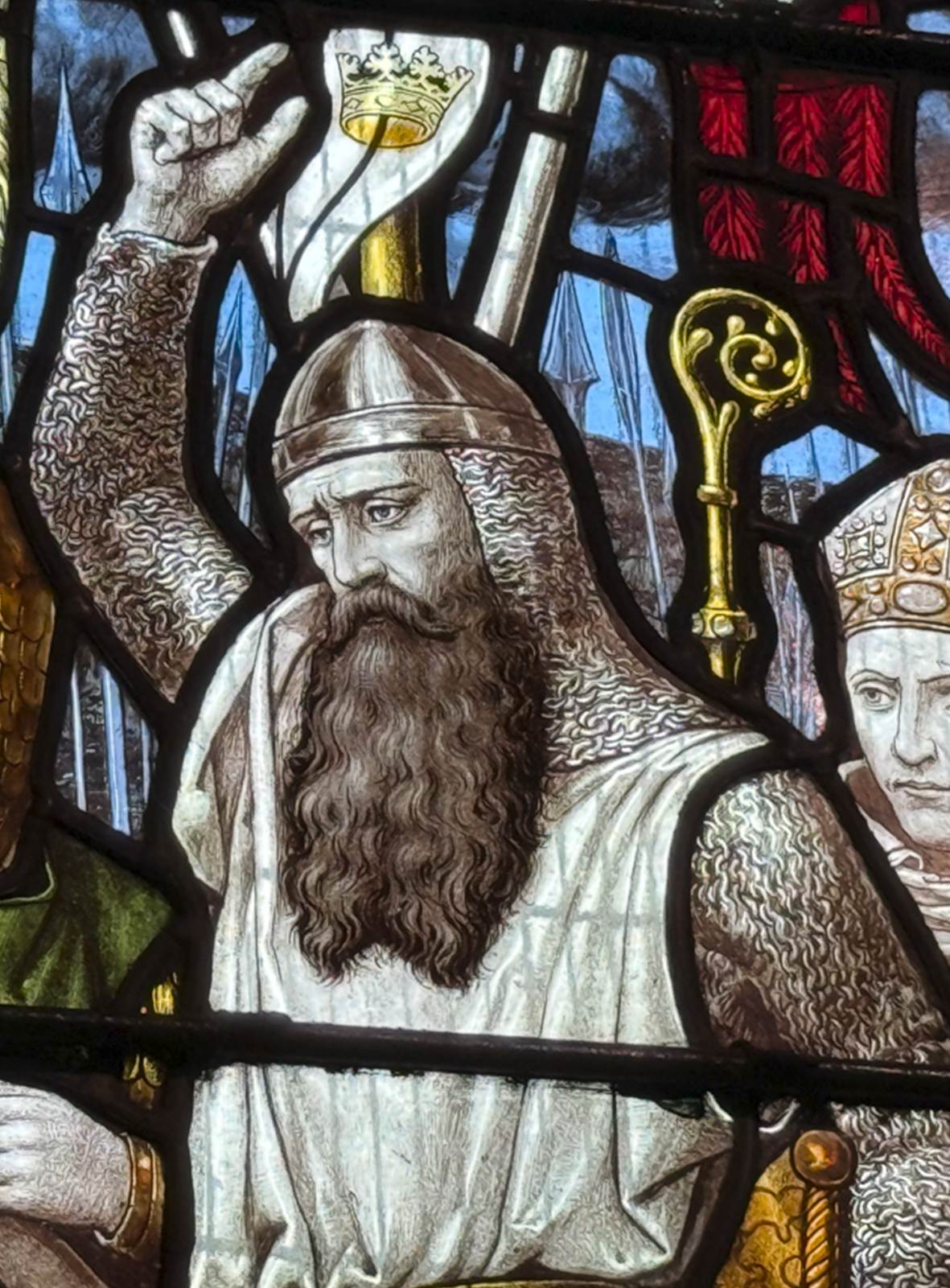
Walter Espec at
the Battle of the Standard, 22 August 1138 (Stained Glass window at Helmsley
Parish Church)
1150s
Walter Espec
retired to Rievaulx Abbey.
1153
Walter Espec died
on 9 March 1153.
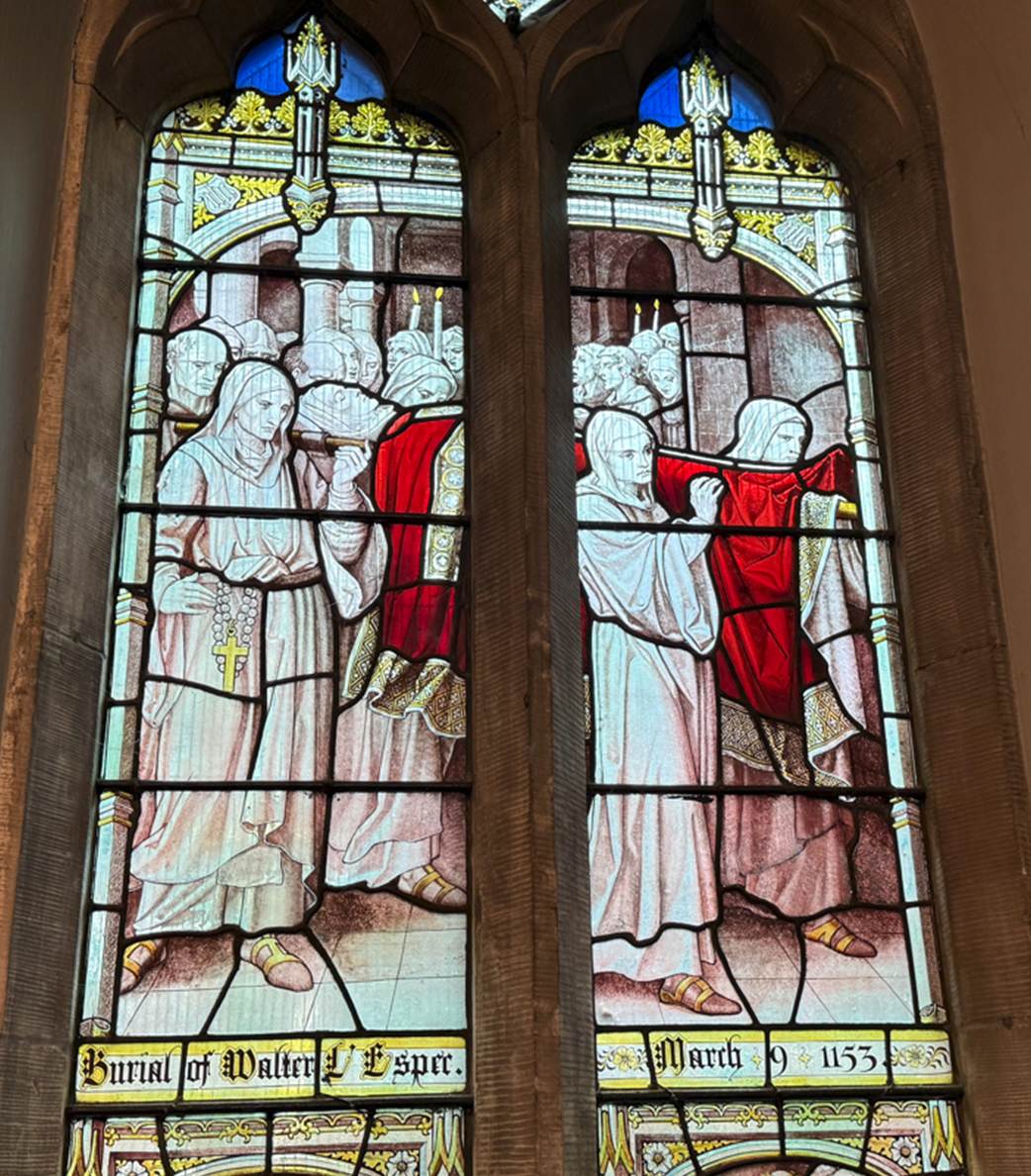
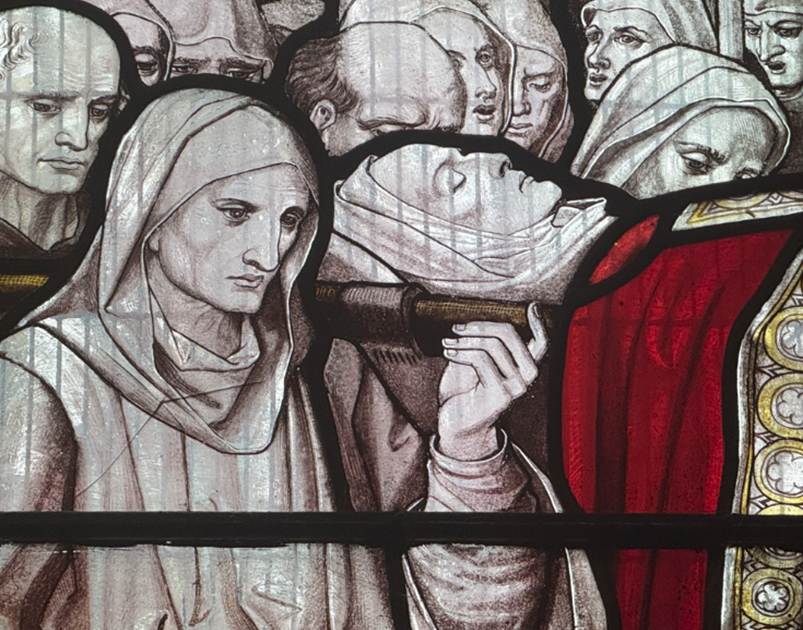
Burial of Walter
Espec (Stained Glass window at Helmsley Parish Church)
Helmsley Castle
passed to Walter’s brother in law, Peter de Ros I. The de Ros family then
became Lords of Helmsley, continued patrons of Rievaulx
Abbey and Kirkham Priory.
1157
Peter de Ros I
died and was buried at Rievaulx.
Helmsley Castle
passed to Robert de Ros I.
1165
There were some
640 monks and lay brothers at Rievaulx, so that Helmsley had become part of a
much larger local community.
1182
Helmsley Castle
passed to Everard de Ros.
Personal names of
more ordinary folk began to appear including, at Helmsley – Goduin; Drew, son
of Thockeman; Master William; Robert the chaplain; and Robert , Dean of
Helmsley (The History of Ryedale, John Rushton, 2003, page 60).
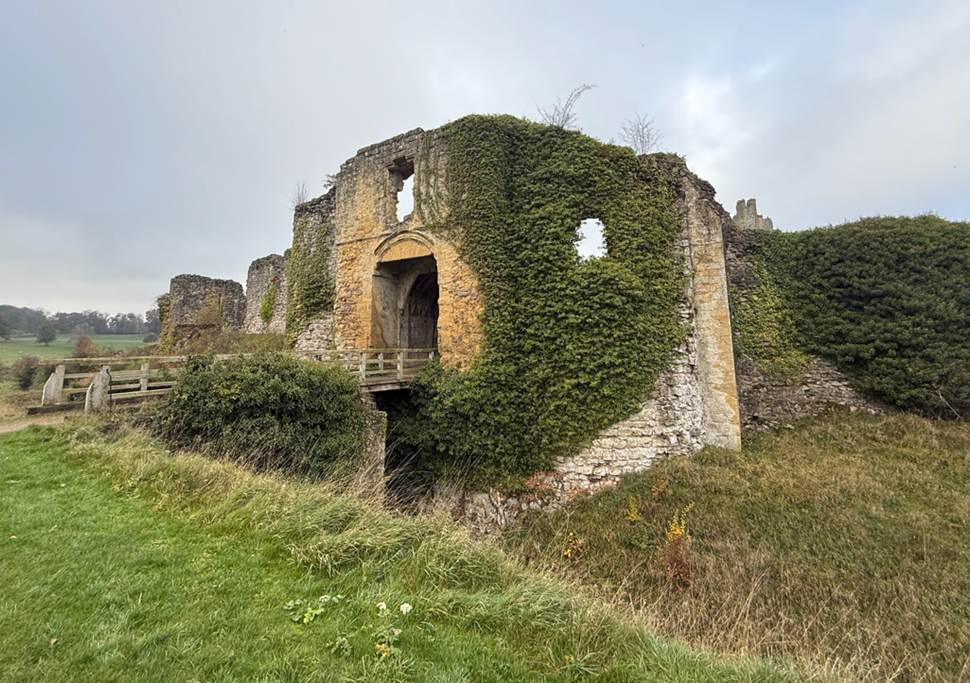
1191
Helmsley Castle
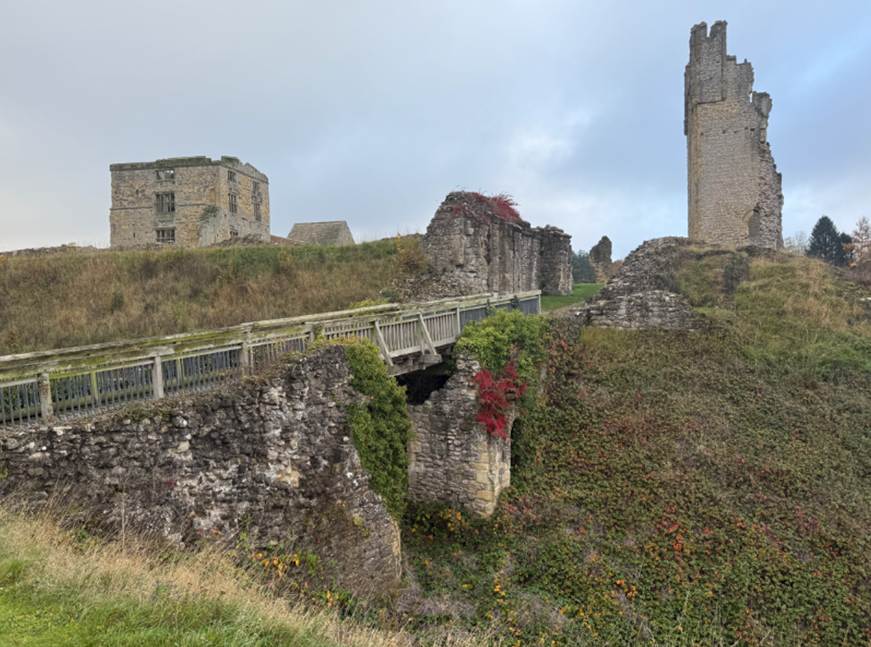
passed to Robert de Ros II. He raised the castles of Helmislay
and of Wark (Rievaulx Chartulary). With rich
estates across England and his marriage to Isabella, daughter of William the
Lion, King of Scotland, Robert had the funds to rebuild the castle in stone, to
the form which largely survives today. The earth and timber ramparts of Walter
Espec’s castle were replaced by a stone curtain wall, with towers and
gatehouses. Most of the work was undertaken by Robert, those his son and
grandson, William and Robert III continued to strengthen the castle
defences.
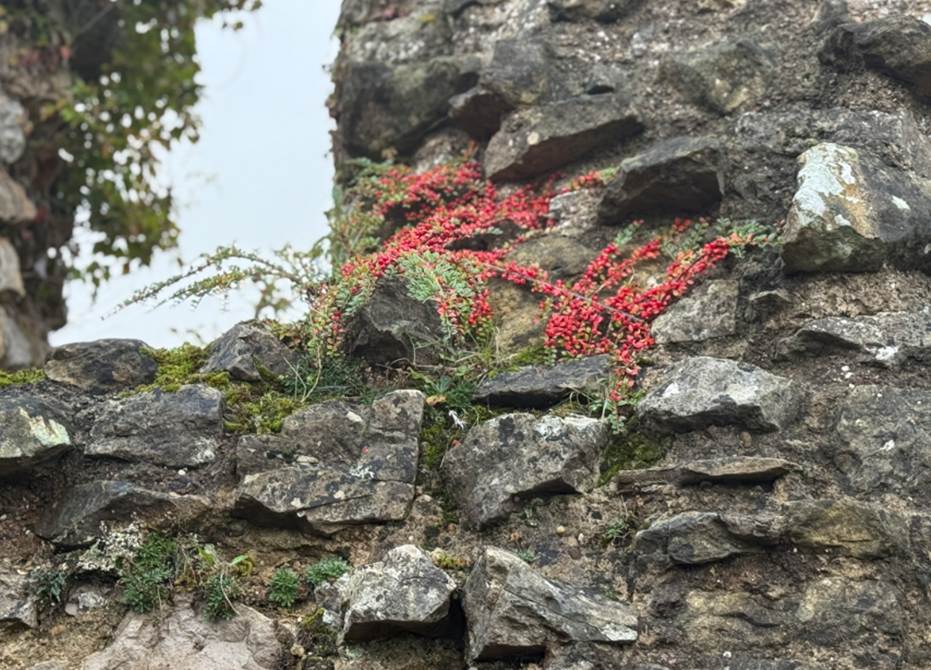
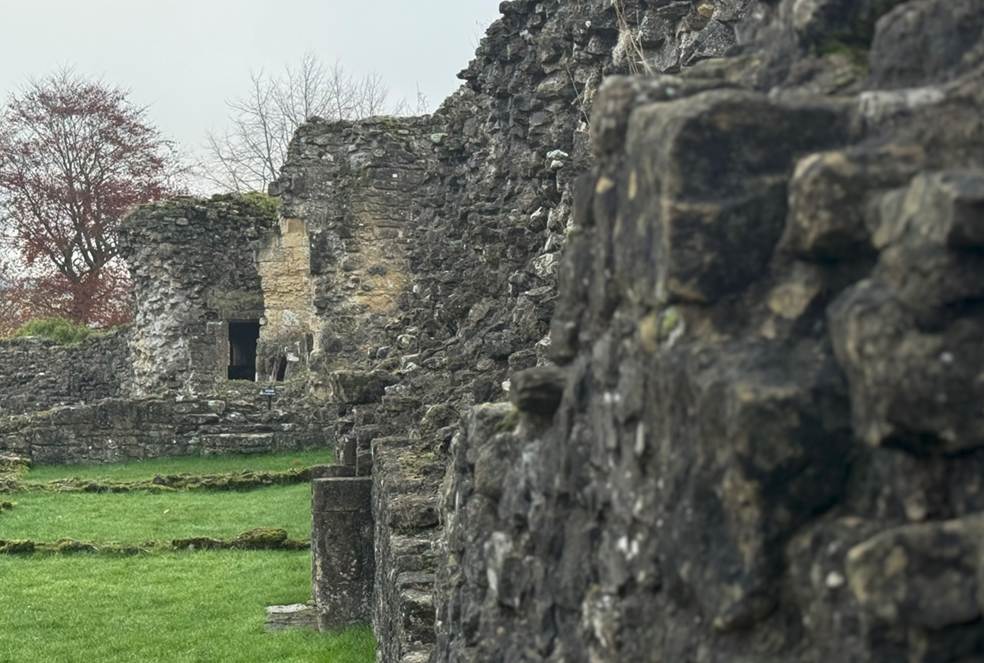
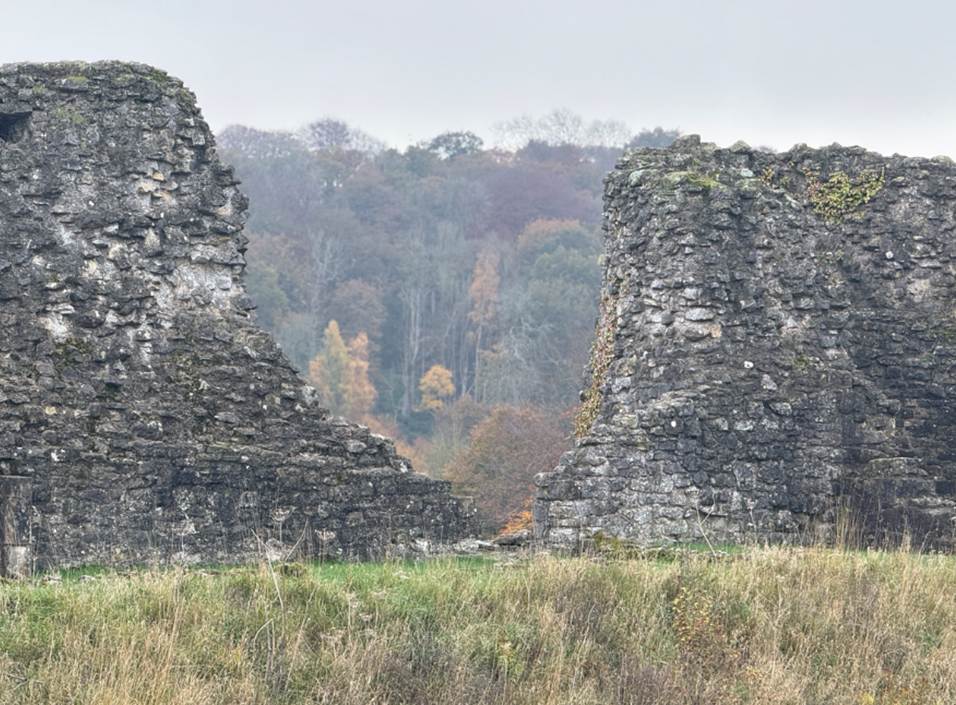
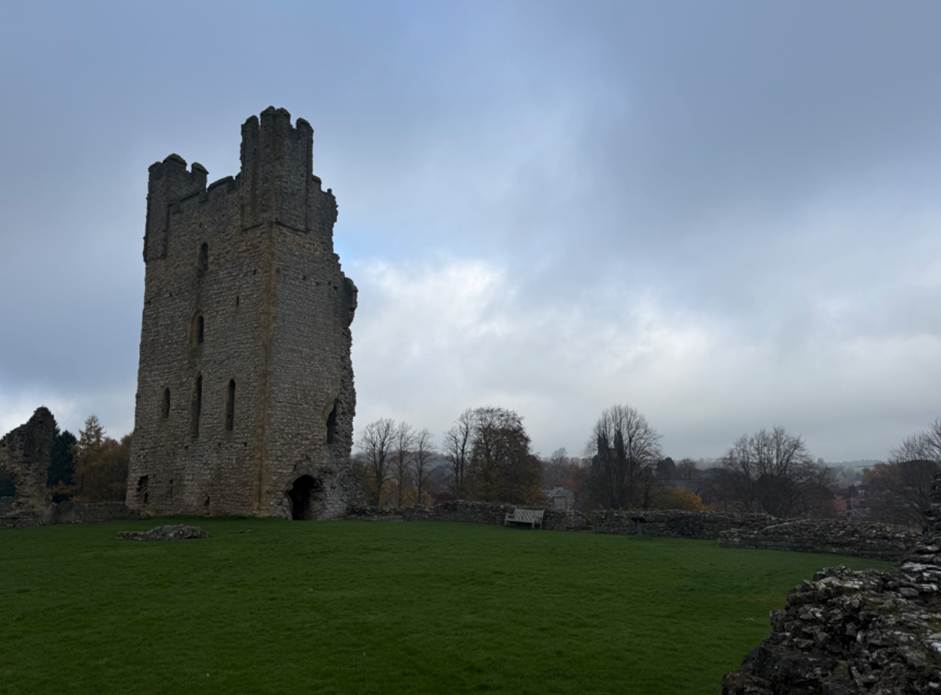
Helmsley Castle
was Robert de Ros’ main residence and he probably spent most of his time at
Helmsley.
In a borough
charter, Robert de Ros have the burgesses of Helmsley burgage tenure which
allowed greater freedom from the traditional feudal system, and allowed them
their own court, market, pastureland and extraction of wood for building and
fuel.
The smaller
Helmsley borough was not laid out till around 1191 by Robert de Ros who had
inherited the lordship by marriage with Espec’s sister, Adeline. Boroughgate
marks a narrow street of small toft plots east of the castle. Tradition claimed
that Helmsley market moved from the churchyard where Boroughgate and Bondgate
meet to the generously laid out market square, but there is no hint of when
this might have happened. The burgesses paid £11 for customs which were
described, presumably rather loosely, as based on those of York. (The History of Ryedale,
John Rushton, 2003, page 62).
1210
Robert de Ros was
loyal to King John, and campaigned with him in Ireland in 1210.
1215
As Sheriff of
Cumberland, Robert de Ros eventually joined the Northern Barons who took John
to task. He was one of the 25 barons who was selected to oversee compliance of
the King with Magna Carta.
1216
Robert held
Helmsley Castle against King John in his northern expedition in 1216 (Matthew Paris).
On Henry III’s
assumption of the Crown, Robert’s son William continued to support Prince Louis
of France’s invasion of England and was taken prisoner at the Battle of Lincoln
in May 1217, but he was released later that year.
1225
Robert de Ros was
a witness to the 1225 issue of Magna Carta.
Robert de Ros
joined the order of the Knights’ Templar.
1227
William de Ros I
became lord of Helmsley.
1264
Robert de Ros III
became lord of Helmsley.
1275
Rievaulx was
selling 60 sacks if wool, which suggests a huge flock of about 14,000 sheep.
1285
There were still
only 13 burgesses in Helmsley. The
church was rebuilt on a larger scale at about this time.
1322
The Scots seem to
have avoided the castle for its strength after their success at the Battle
of Old Byland on 14 October 1322 when Edward II flew from Rievaulx and when
Rievaulx itself was sacked.
1334
Edward III may have
stayed in the east tower of Hemsley Castle for about five days in 1334.
1343
An Inquisition Post Mortem on the death of William de
Ros III referred to parks and orchards around Helmsley Castle, and a constable,
a parker and a chaplain. It seems to have been in reasonable repair, with an
annual maintenance cost of only £6 13s 4d.
1353
After the Black Death, most of the tenants
are dead through the great mortality of men lately in those parts (Inquisition Post Mortem on the death of William de Ros).
1377
The population
had grown back to 282 adults in Helmsley and its neighbourhood, including
brewers, a tailor, a fuller, a dyer, comber, smith, tanner, cook and baker.
1393
Belvoir Castle in
Leicestershire became the main residence of the Ros family after William de Ros
V inherited Helmsley Castle. The Ros family previously had their main residence
at Helmsley Castle.
1446
Thomas de Ros III
inherited the estate and served in the Hundred Years War, returning in 1449.
1455
During the Wars
of the Roses, Thomas de Ros II joined the Percy family of Northumberland and
supported the Lancastrian Henry VI.
1461
After the Yorkist
victory at the Battle of Towton in March 1461, Thomas Ros fled to Scotland
1464
Thomas Ros fought
at the Battle of Hexham, and was captured and then executed at Newcastle.
Helmsley Castle was in the possession of the Crown.
1478
Helmsley Castle
was granted to Richard, Duke of Gloucester (later Richard III).
1485
After the defeat
of Richard III at the Battle of Bosworth, the Helmsley lands were restored to
the Ros family, to Edmund., but overseen by Sir Thomas Lovell, due to Edmund’s
perceived incapacity.
1538
After the
Dissolution of Rievaulx Abbey, Thomas Manners brought the site and transferred
the west window of the abbey church to Helmsley Castle.
1563
Edward Manners
mainly resided at Belvoir Castle and turned Helmsley Castle into a grand
country house.
1578
The refurbishment
works were progressing slowly. Your buildings at Helmsley Castle here do not
proceed so speedily as the mason supposed (William
Segrave, Edward Manners’ agent). The refurbishment probably continued
until the late 1580s.
Bibliography
Helmsley Castle, English Heritage,
John R Kenyon.
Excavations at
Helmsley Castle, P R Wilson, Yorkshire Archaeological Journal, Volume 61, 1989, page 29.
Helmsley Castle, William M
L’Anson, , Yorkshire Archaeological Journal, Volume 24, 1917, page 325.