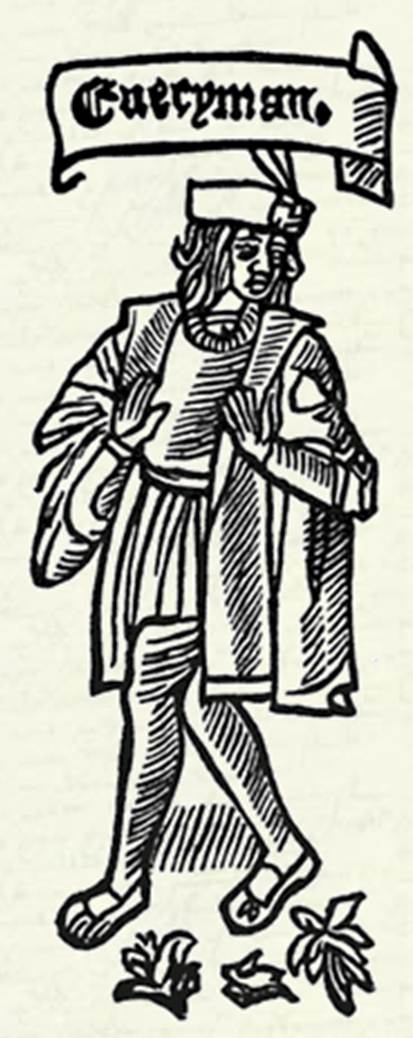
Everyman
A unique history, which is shared
with countless other similar stories
|
Return
to the Home Page of the Farndale Family Website |
The
story of one family’s journey through two thousand years of British History |
The 84
family lines into which the family is divided. Meet the whole family and how
the wider family is related |
Members
of the historical family ordered by date of birth |
Links to
other pages with historical research and related material |
The
story of the Bakers of Highfields, the Chapmans, and other related families |
The
Time Traveller’s Journey through North Yorkshire
The History of the North York Moors,
Ryedale, York, Cleveland and beyond |
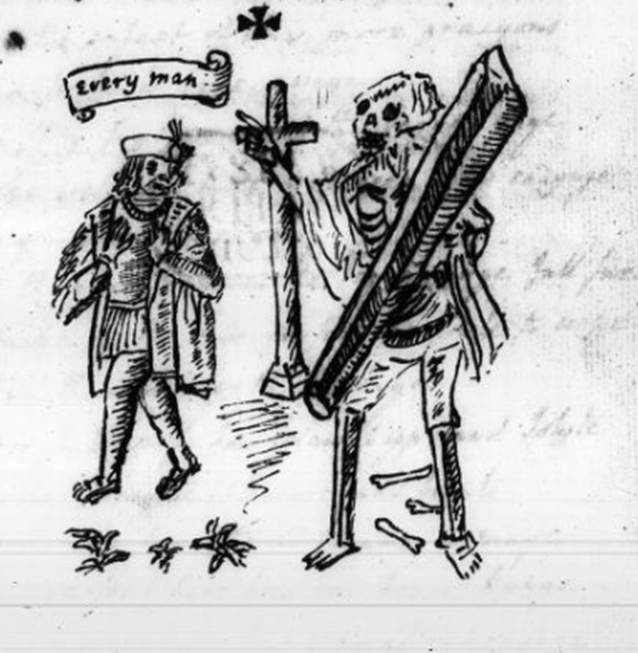
The Somonyng of Everyman was a late fifteenth century
morality play by an anonymous English author, printed in about 1529. The play
is the allegorical account of the life of Everyman, who represents all
mankind. In the course of the play, Everyman tries to convince other
characters to accompany him in the hope of improving his life. It is a story of
conflict between good and evil and the interactions between characters.
The play was
written in Middle English during the Tudor period, but the identity of the
author is not known.
The use of
the term everyman from the early twentieth century refers to the
portrayal of an ordinary person as a personification of the journeys of many. The
idea of everywoman
was used by George Bernard Shaw to describe the character Ann Whitefield in his
play Man
and Superman.
|
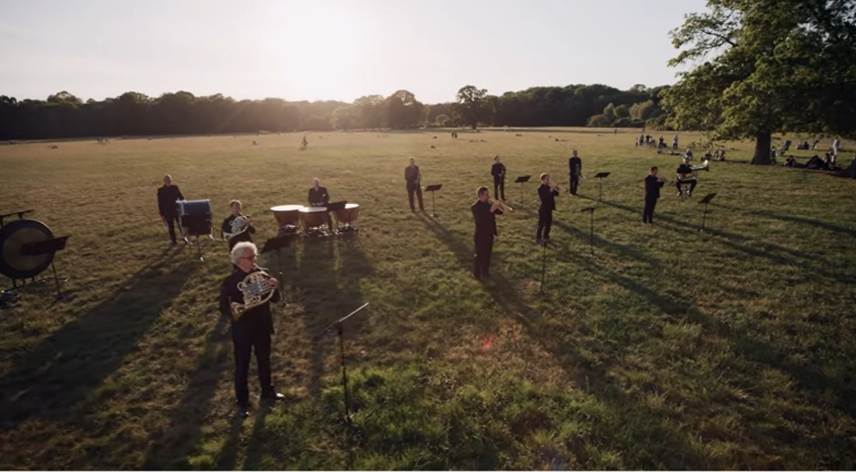
Aaron
Copland’s composition written during the Second World War proclaiming the
dawning of the Century of the Common Man. |
The Farndale
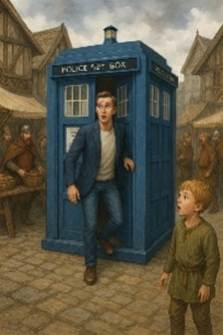
Story is the unique history of a single family, but it is also a story of many
families who experienced local and national change over centuries around the
North York Moors, across Yorkshire and more widely across Britain. It is an everyman
story which follows a path through the national historical journey.