Education
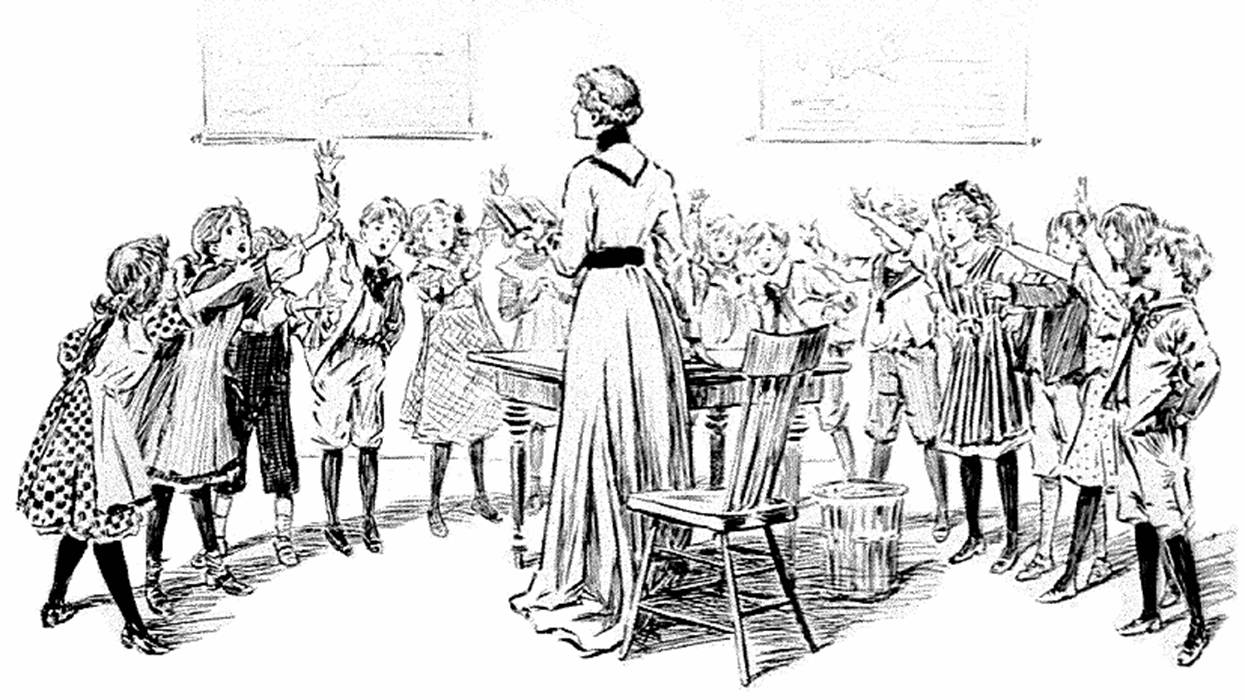
How our ancestors were educated
|
Return to the Home Page of the Farndale Family
Website |
The story of one family’s journey through two
thousand years of British History |
The 83 family lines into which the family is divided.
Meet the whole family and how the wider family is related |
Members of the historical family ordered by date of
birth |
Links to other pages with historical research and
related material |
The story of the Bakers of Highfields, the Chapmans,
and other related families |
Farndales and
education
Alfred Farndale’s memories of school at the turn of the twentieth
century: “I remember going to school at Charltons near Tidkinhow.
We then went to Standard 1 at Boosbeck.
We stayed there until we were 14. It was a two mile walk each day. The
headmaster was Mr Ranson. I remember Jim, my elder brother catching me fishing
and playing truant. He just said "Get in" (he was in a pony and trap)
and he took me to a day’s marketing at Stokesley. I remember the second masters
name was Ackroyd. I got a fork through my leg and he sucked it out. We were
always inspected as we arrived at school. We had to walk past the Bainbridge
place and people used to say that he had more sheep on the moor
than he was allowed. I remember William looking after me at mother's funeral. I
was crying and very upset.”
Rosamund
Farndale (FAR00920),
born 1931 (later Rosamund Martin and Rosamund Kwalker
Pomevie) from Northumberland became a headmistress in Hampstead, London.
In a talk between Alfred Farndale and his son, Martin
on 29 July 1982, Alfred Farndale (FAR00683) recalled, "I
remember going to school at Charltons near Tidkinhow.
We then went to Standard 1 at Boosbeck. We stayed
there until we were 14. It was a two mile walk each day. The headmaster was Mr
Ranson. I remember Jim, my elder brother catching me fishing and playing
truant. He just said "Get in" (he was in a pony and trap) and he took
me to a days marketing at Stokesley. I remember the
second masters name was Ackroyd. I got a fork through my leg and he sucked it
out. We were always inspected as we arrived at school. …”
His
son Martin Farndale (FAR00911)
recalled: Every day Anne and I, and later Geoffrey as well, were driven into
Northallerton, which was five miles away, to school and we were collected in
the evening. School was a very new adventure and not easy going for me. Mrs
Lord was a hard but far task master, insisting on high standards. Much was
learnt by heart – poems, hymns and tables. Mr Lordtaught
history ad geography and these quickly became my
favourite subjects. On Friday afternoons the school walked in a long crocodile
to the village of Romanby, there to sit and watch
lantern slides given by a Mr and Mrs Linton about their travels to the Holy
Land and Egypt. These were wonderful, hazy black and a browny
colour and white, but they opened up the idea of travel and excitement. They
also taught us a great deal and left a deep impression on me. It was at Wensley
House school that I made my first friends. Richard Sawfell was the son of the
county surveyor whose mother knew my mother before they were both married.
David Ramsden was the son of a farmer near Northallerton. Jack Errington came
with his mother during the school holidays to stay with his Grandmother in
Thornton-Le-Moor.
Eighteenth century
education
Charity schools
In the early
eighteenth century many charity schools were founded to teach poorer children.
Before this schools were mainly for the middle and upper classes.
Some charity
schools provided board and lodging. Most were small schools such as the
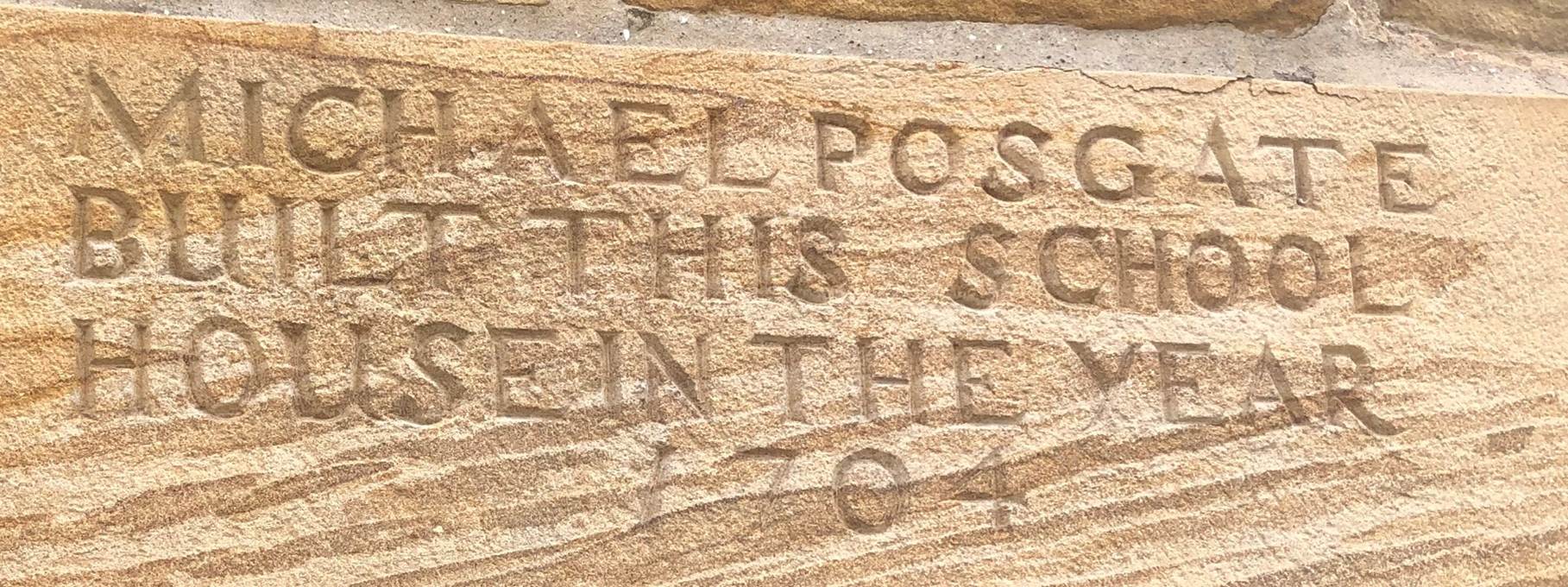
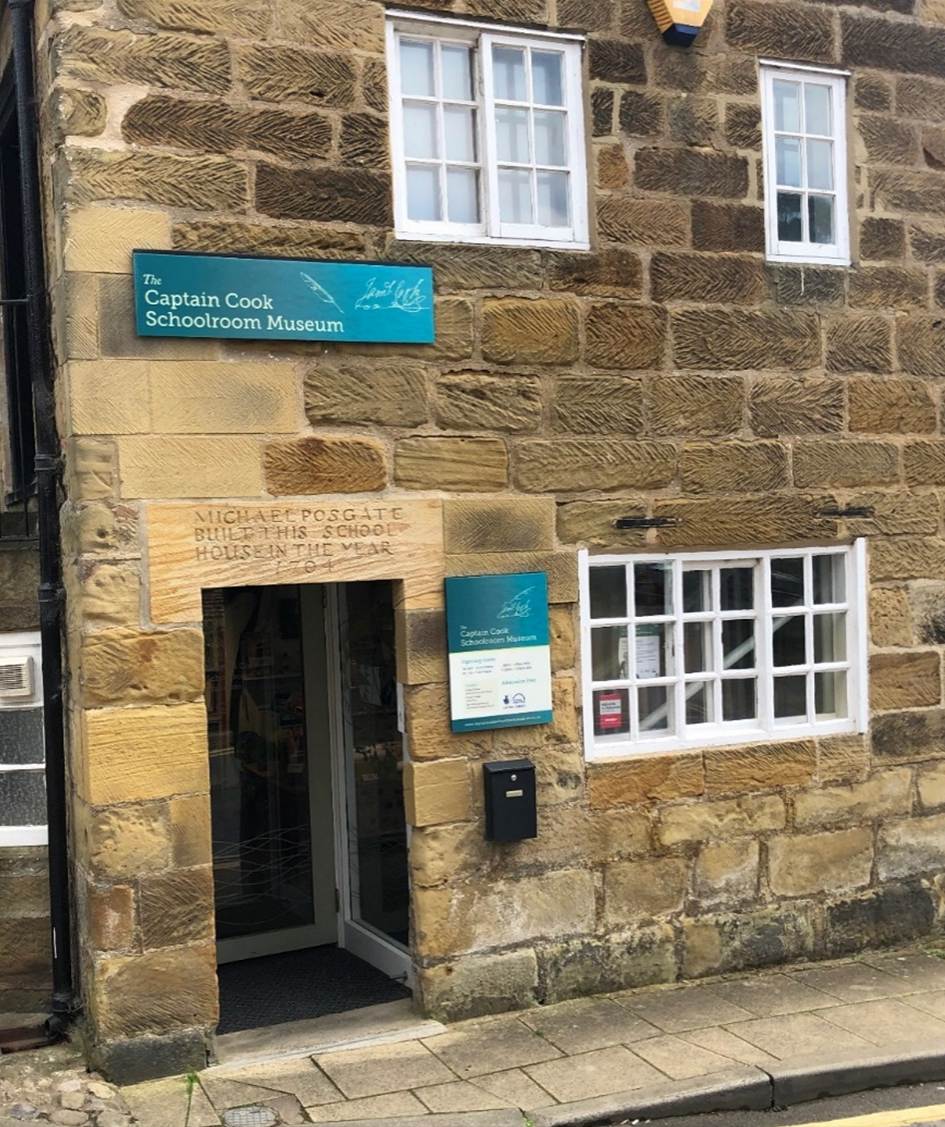
Postgate School in Great Ayton, which is today a museum in Great Ayton. Charity schools gave the poor their only
chance of schooling. James Cook may never have gone on to achieve as he did
without the opportunity to break away from his farming background. Some
contemporaries objected to the education of the poor arguing that “The ore a
shepherd and ploughman know of the world, the less fitted he’ll be to go
through the fatigue and hardship of it with cheerfulness and equanimity.”
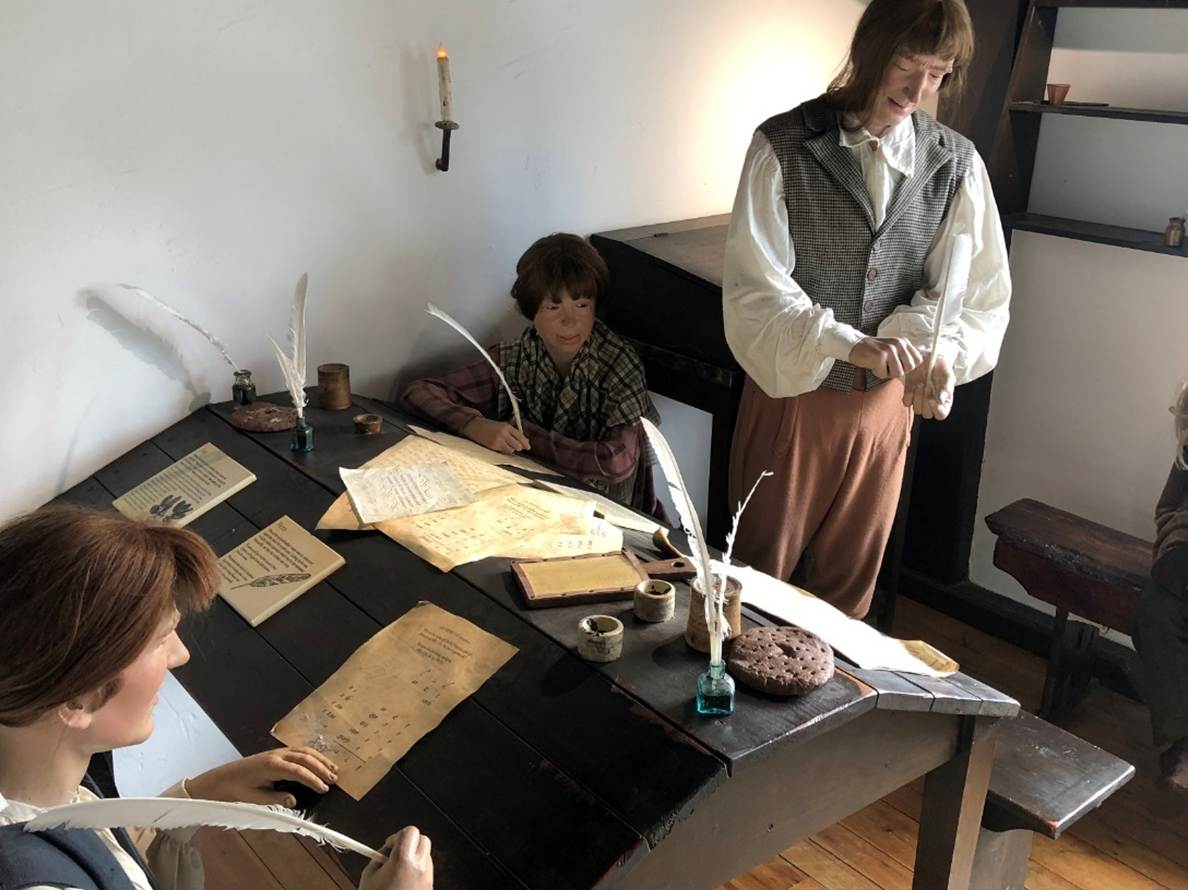
The curriculum
Most of the
teaching in charity schools was one to one. The teacher would listen to a child
recite or read, or test by questions and answers, while other children got on
with their work. The main purpose of charity schools was religious education so
pupils were taught to read so that they could read the Bible and prayer books.
Those who stayed on at school may have learnt to write.
Children had to
spend many hours at their copybooks, copying out letters or words written for
them at the top of the page by the teacher.
They were also
taught the basics of arithmetic.
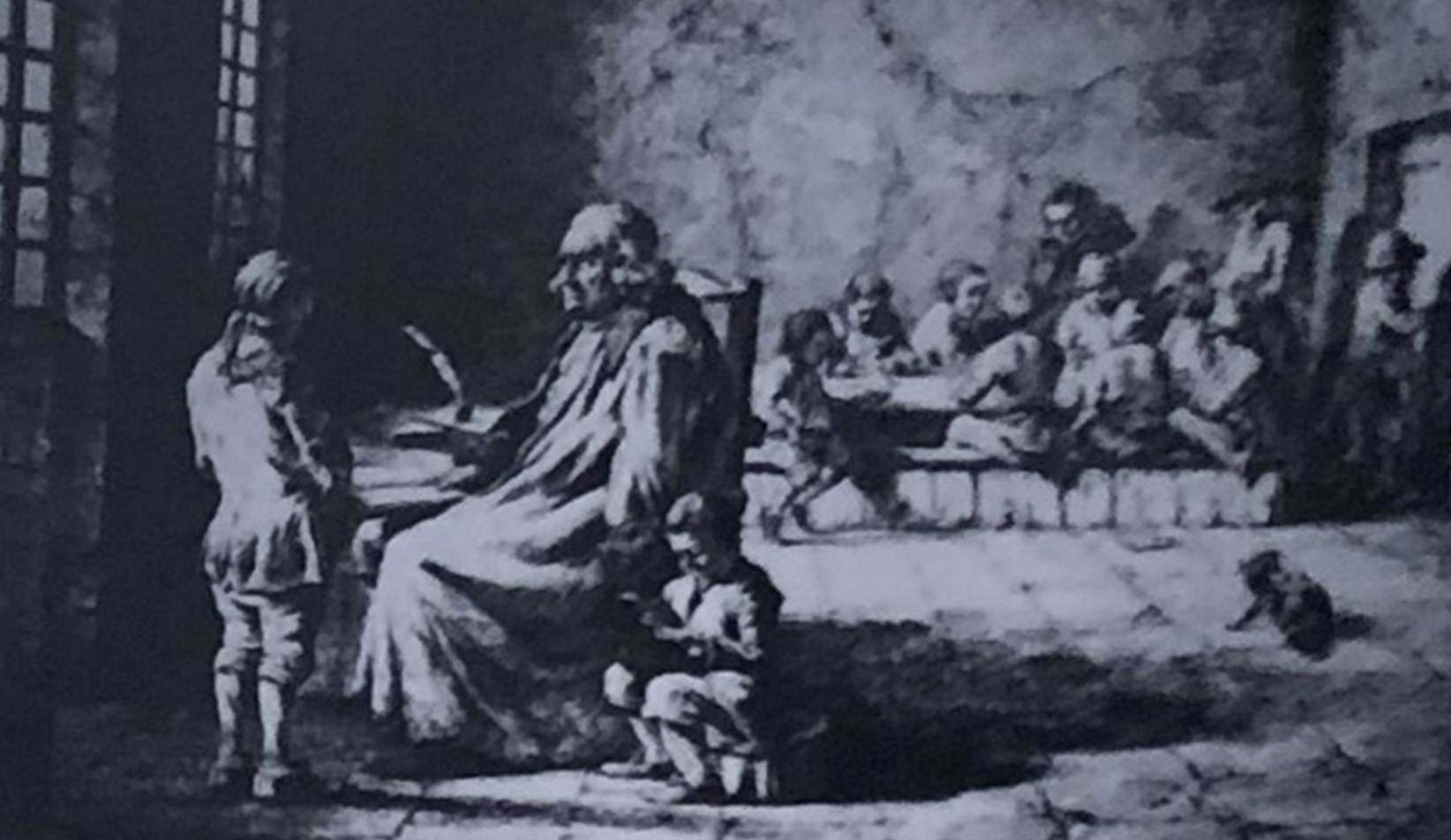
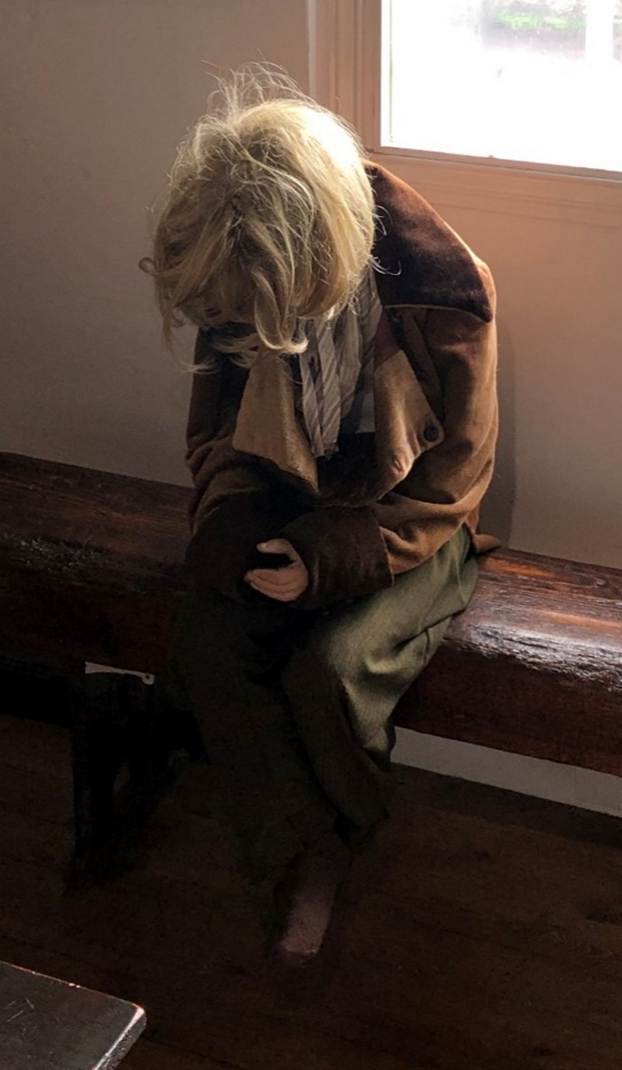
An eighteenth
century engraving of a charity schoolroom
Reading
Reading and
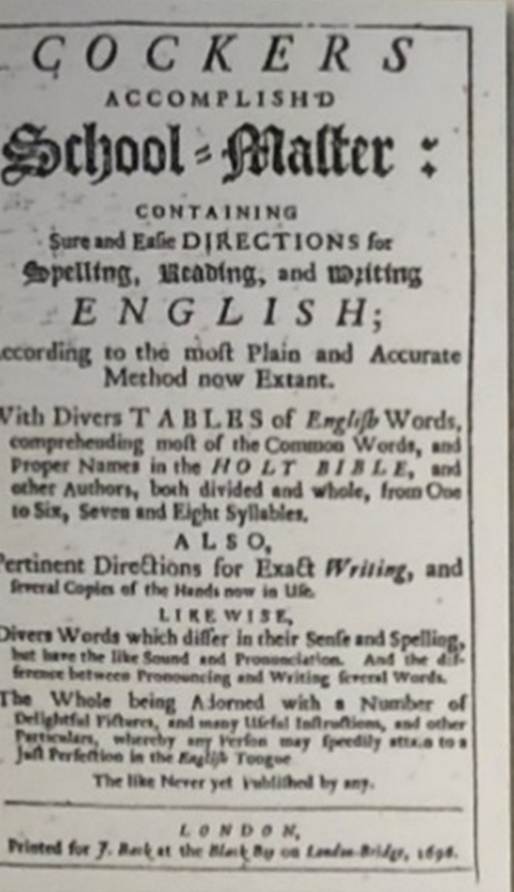
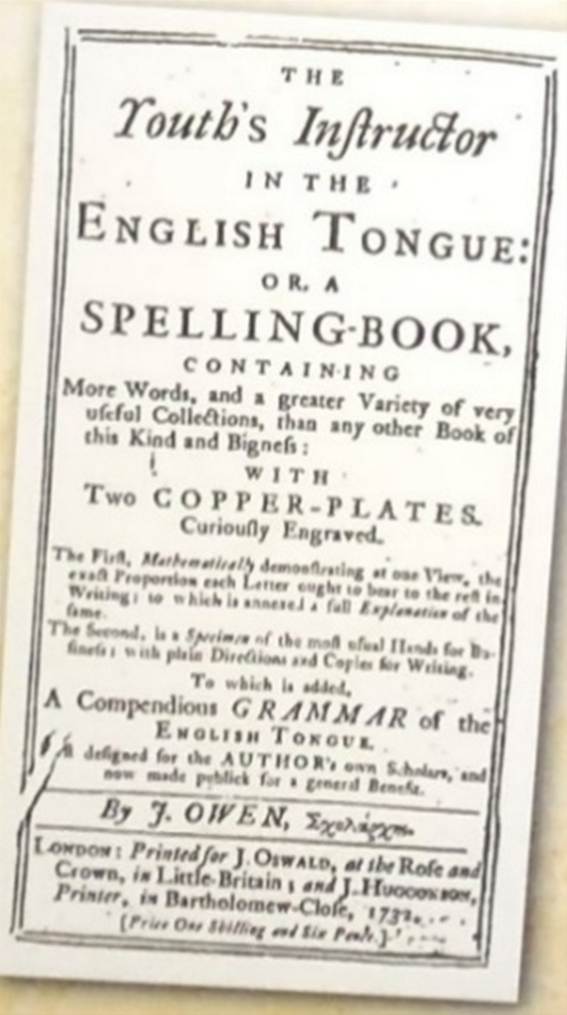
writing were taught separately and reading came first. Books were scarce,
learning to read started at an oral skill, an exercise in memory. Children had
to say aloud letters and syllables, and also spell long and complicated words
before they learnt to read stories from books.
They started off
with a hornbook, and then went on to the spelling book which contained long
lists of words with one syllable, then two syllables etc. All these had to be
mastered first.
Only when pupils
were considered to be ready, were they allowed to read passages from the Bible
or another book that was often used was Aesop’s Fables.
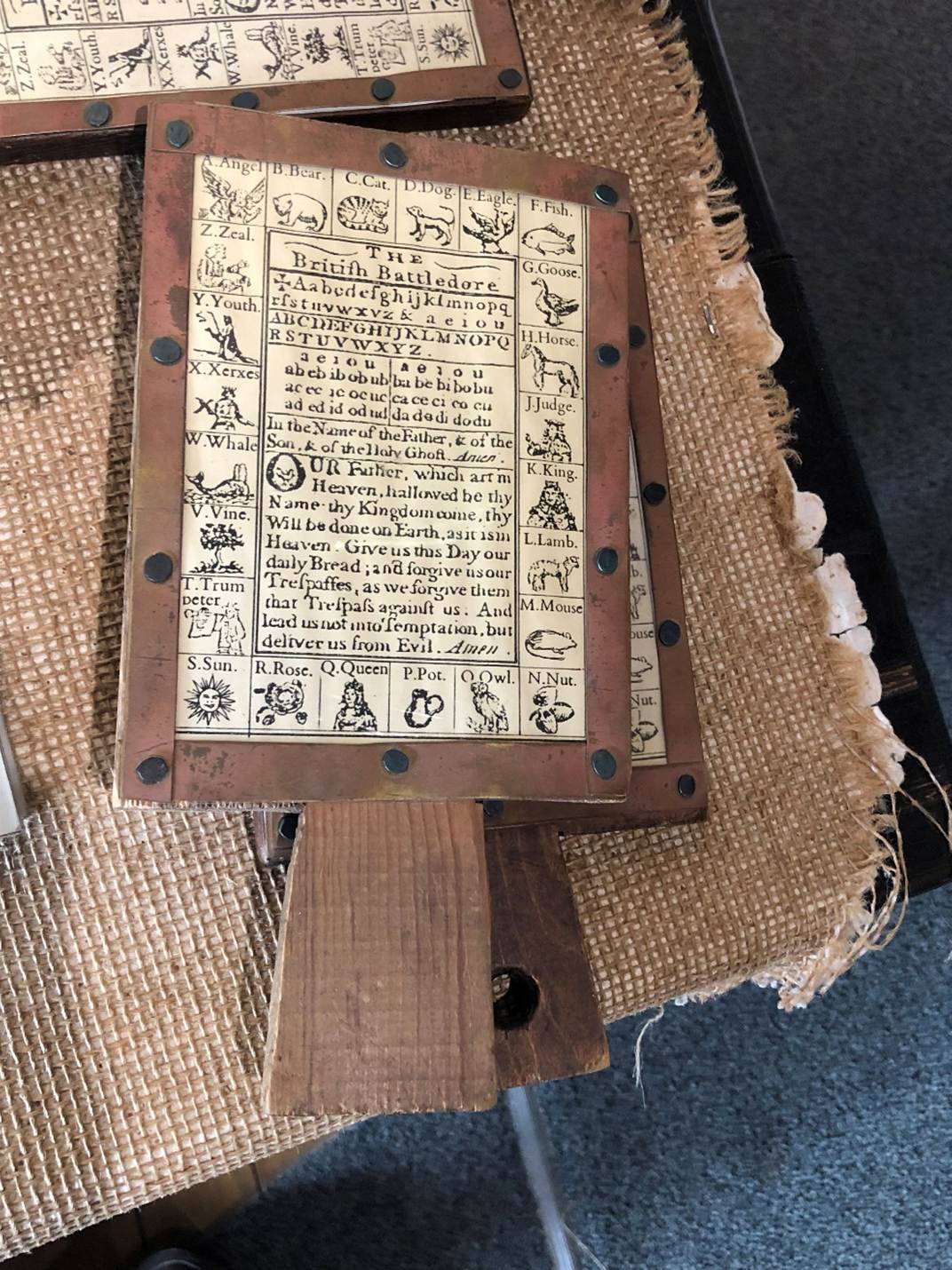
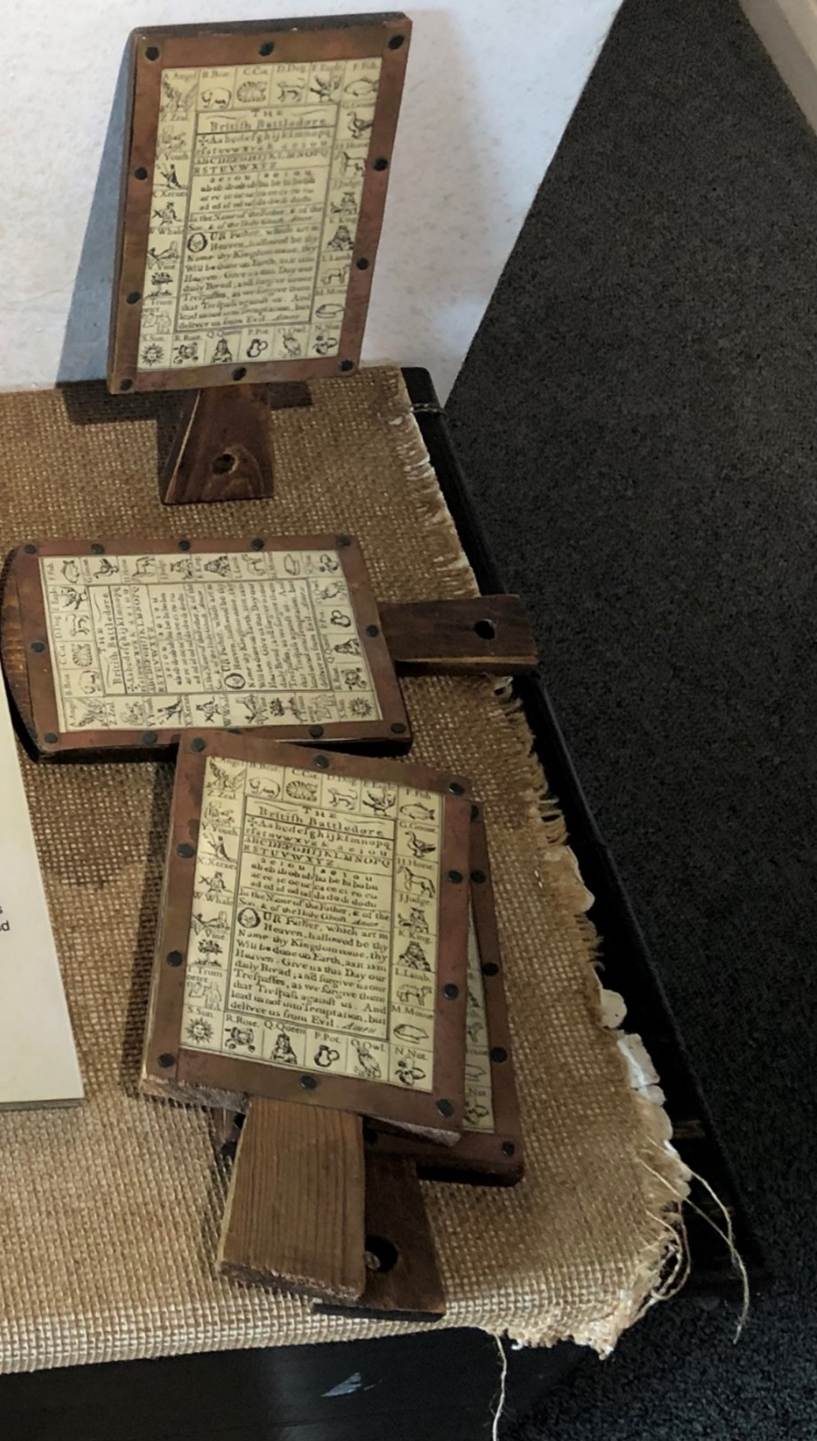
Hornbooks
The education of
girls
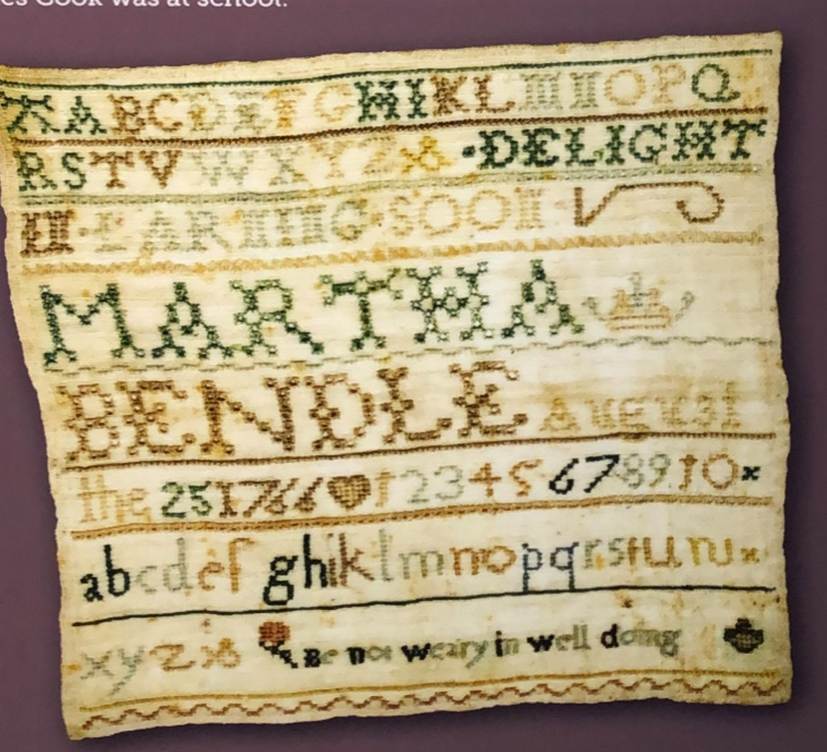
In the eighteenth
century, literacy in England amongst women was lower than for men. If they went
to school at all, girls tended to leave as soon as they could read. At home
they learnt household skills from their mothers and gradndothers.
These ight include cokking
and preserving food, needlework, knitting and spinning flax as Ayton was a
local centre of the linen industry.
Victorian education
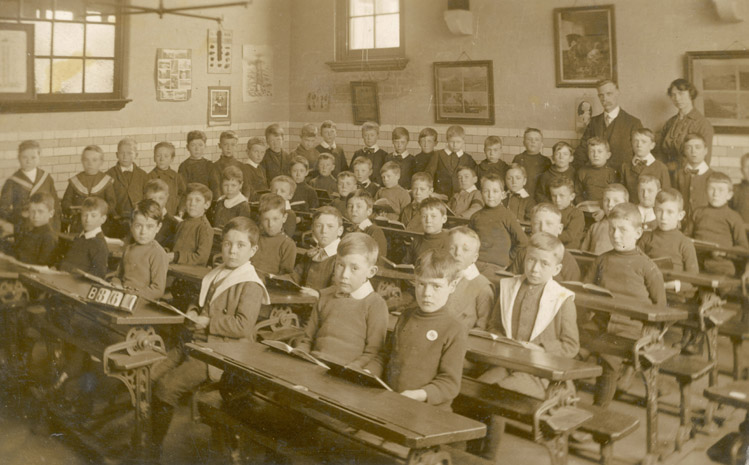
In early
Victorian Britain, many children did not go to school, which had not yet become
compulsory. Children from poorer families often worked. Poorer families often
relied on their children to bring in extra money that they needed to survive.
Girls, whether rich or poor, tended not to go to school in early Victorian
times. With the exception of a small number of very wealthy girls who attended
boarding school, most girls either worked if they were poor or if they were
wealthy were taught by a governess at home.
The Victorian
governments made gradual steps towards a more robust schooling system in
Britain. In 1839, the first groups of school inspectors were employed.
Families living in the big cities around Britain found it
particularly difficult to send their children to school because of the fees
they would have to pay as well as losing the income that their children would
bring in if they were working.
In the mid-1840s,
the idea of Ragged Schools, a type of volunteer-led school, spread to London.
They were the only possibility of education for those families who had been
turned away from other charitable or church schools and who couldn’t pay for
their children to learn. Children who went to Ragged Schools tended to be poor
and commonly came from families where parents were abusive or drunks. Some
pupils were orphans and some pupils’ parents were in prison so they had taken
to sleeping on the streets. The Ragged Schools gave free meals and clothing to
their pupils and taught them a trade such as shoemaking or domestic skills.
In 1846 the government began to help pay for teacher training
too, which would serve to help more teachers get the training they needed to
successfully teach this generation of young people who were to, one day, lead
the country to new heights
By the 1860s,
more than 40,000 of London’s poorest children were taught at Ragged Schools and
by 1861, there were lots more schools available for children to attend,
generally set up by individuals or organisations, but most of them not free.
Although there were no schools fully funded by the government yet, parliament
was allocating more money than ever for education in the 1860s. The annual
funding for schools at this time was more than £800,000. In 1862, parliament
also made it compulsory for head teachers to keep daily and weekly records of
what happened at their school in a log book. This was a good way to check that
progress and attendance were being monitored. Head teachers were being made
more responsible for the students under their care. However, with no laws still
to make children attend, progress was difficult and was not helped by a
continued lack of teaching resources and staff.
In 1857 Hughes’ Tom
Brown’s Schooldays immortalised Dr Thomas Arnold’s Rugby School of the
1830s. A focus in public schools emerged of the relative autonomy of boys,
training for adult life. Grammar schools were cheaper and non
boarding, and publicly funded Board schools copied their ethos. There
was an emphasis on games, toughness, independence and a code of silence which
tolerated bullying.
Stories for
children were spawned by Thom Brown, such as Kipling’s Stalky and Co in 1899.
The Education Act
1870 initiated a national system of Elementary Schools, run by elected School
Boards. This was opposed by non conformists as it
gave financial support to Anglican and Catholic schools. It was criticised for
its narrow curricula, but working class parents were generally enthusiastic.
Most remembered their teachers positively. Teaching included the 3Rs and
English literature.
Literacy rose
steadily from the 1830s and very sharply from the 850s (55%) to the 1890s
(about 90%).
(Robert Tombs, The English and their History, 2023, 514 to
515).
Lark Rise, Flora Thomson, Chapter II, A Hamlet
Childhood: There were not
many books in the house, although in this respect the family was better off
than its neighbours; for, in addition to 'Father's books', mostly unreadable as
yet, and Mother's Bible and Pilgrim's Progress, there were a few children's
books which the Johnstones had turned out from their nursery when they left the
neighbourhood. So, in time, she was able to read Grimms' Fairy Tales,
Gulliver's Travels, The Daisy Chain, and Mrs. Molesworth's Cuckoo Clock and
Carrots.
'Schools
be the places for teaching, and you'll likely get wrong for him doing it when
governess finds out.'
But
that happy time of discovery did not last. A woman, the frequent absences from
school of whose child had brought the dreaded Attendance Officer to her door,
informed him of the end house scandal, and he went there and threatened Laura's
mother with all manner of penalties if Laura was not in school at nine o'clock
the next Monday morning.
Lark Rise, Flora Thomson, Chapter XI, School: School began at nine o'clock,
but the hamlet children set out on their mile-and-a-half walk there as soon as
possible after their seven o'clock breakfast, partly because they liked plenty
of time to play on the road and partly because their mothers wanted them out of
the way before house-cleaning began. Up the long, straight road they straggled,
in twos and threes and in gangs, their flat, rush dinner-baskets over their
shoulders and their shabby little coats on their arms against rain. In cold
weather some of them carried two hot potatoes which had been in the oven, or in
the ashes, all night, to warm their hands on the way and to serve as a light
lunch on arrival. They were strong, lusty children, let loose from control; and
there was plenty of shouting, quarrelling, and often fighting among
them. In more peaceful moments they would squat in the dust of the road and
play marbles, or sit on a stone heap and play dibs with pebbles, or climb into
the hedges after birds' nests or blackberries, or to pull long trails of bryony
to wreathe round their hats. In winter they would slide on the ice on the
puddles, or make snowballs—soft ones for their friends, and hard ones with a
stone inside for their enemies. After the first mile or so the
dinner-baskets would be raided; or they would creep through the bars of the
padlocked field gates for turnips to pare with the teeth and munch, or for
handfuls of green pea shucks, or ears of wheat, to rub out the sweet, milky
grain between the hands and devour. In spring they ate the young green from the
hawthorn hedges, which they called 'bread and cheese', and sorrel leaves from
the wayside, which they called 'sour grass', and in autumn there was an
abundance of haws and blackberries and sloes and crabapples
for them to feast upon. There was always something to eat, and they ate, not so
much because they were hungry as from habit and relish of the wild food. At
that early hour there was little traffic upon the road. Sometimes, in winter,
the children would hear the pounding of galloping hoofs and a string of
hunters, blanketed up to the ears and ridden and led by grooms, would loom up
out of the mist and thunder past on the grass verges. At other times the steady
tramp and jingle of the teams going afield would approach, and, as they passed,
fathers would pretend to flick their offspring with whips, saying, 'There!
that's for that time you deserved it an' didn't get it'; while elder brothers,
themselves at school only a few months before, would look patronizingly down
from the horses' backs and call: 'Get out o' th' way,
you kids!' Going home in the afternoon there was more to be seen. A farmer's
gig, on the way home from market, would stir up the dust; or the miller's van
or the brewer's dray, drawn by four immense, hairy-legged, satin-backed
carthorses. More exciting was the rare sight of Squire Harrison's four-in-hand,
with ladies in bright, summer dresses, like a garden of flowers, on the top of
the coach, and Squire himself, pink-cheeked and white-hatted, handling the four
greys. When the four-in-hand passed, the children drew back and saluted, the
Squire would gravely touch the brim of his hat with his whip, and the ladies
would lean from their high seats to smile on the curtseying children. A more
familiar sight was the lady on a white horse who rode slowly on the same grass
verge in the same direction every Monday and Thursday. It was whispered among
the children that she was engaged to a farmer living at a distance, and that
they met half-way between their two homes. If so, it must have been a long
engagement, for she rode past at exactly the same hour twice a week throughout
Laura's schooldays, her face getting whiter and her figure getting fuller and
her old white horse also putting on weight. It has been said that every child
is born a little savage and has to be civilized. The process of civilization
had not gone very far with some of the hamlet children; although one
civilization had them in hand at home and another at school, they were able to
throw off both on the road between the two places and revert to a state of
Nature.
Fordlow National School was a small grey one-storied
building, standing at the cross-roads at the entrance to the village. The one
large classroom which served all purposes was well lighted with several
windows, including the large one which filled the end of the building which
faced the road. Beside, and joined on to the school, was a tiny two-roomed
cottage for the schoolmistress, and beyond that a playground with birch trees
and turf, bald in places, the whole being enclosed within pointed,
white-painted palings.
The
average attendance was about forty-five.
Every
morning, when school had assembled, and Governess, with her starched apron
and bobbing curls appeared in the doorway, there was a great rustling and
scraping of curtseying and pulling of forelocks. 'Good morning, children,'
'Good morning, ma'am,' were the formal, old-fashioned greetings.
Reading,
writing, and arithmetic were the principal subjects, with a
Scripture lesson every morning, and needlework every afternoon for the girls.
Every
morning at ten o'clock the Rector arrived to take the older children for
Scripture. He was a parson of the old school; a commanding figure, tall and
stout, with white hair, ruddy cheeks and an aristocratically beaked nose, and
he was as far as possible removed by birth, education, and worldly
circumstances from the lambs of his flock. He spoke to them from a great
height, physical, mental, and spiritual.
His
lesson consisted of Bible reading, turn and turn about round the class, of
reciting from memory the names of the kings of Israel and repeating the Church
Catechism.
The
writing lesson consisted of the copying of copperplate maxims.
History
was not taught formally.
There
were no geography readers.
Those
children who read fluently, and there were several of them in every class, read
in a monotonous sing-song, without expression, and apparently without interest.
It
must be remembered that in those days a boy of eleven was nearing the end of
his school life.
Miss
Holmes carried her cane about with her. A poor method of enforcing discipline,
according to modern educational ideas; but it served. It may be that she and
her like all over the country at that time were breaking up the ground that
other, later comers to the field, with a knowledge of child psychology and with
tradition and experiment behind them, might sow the good seed.
'Oh,
Laura! What a dunce you are!' Miss Holmes used to say every time she examined
it.
Lark Rise, Flora Thomson, Chapter XII, Her Majesty’s
Inspector: Her Majesty's
Inspector of Schools came once a year on a date of which previous notice had
been given.
Her
Majesty's Inspector was an elderly clergyman, a little man with an immense
paunch and tiny grey eyes like gimlets. He had the reputation of being
'strict', but that was a mild way of describing his autocratic demeanour and
scathing judgement. His voice was an exasperated roar and his criticism was a
blend of outraged learning and sarcasm. Fortunately, nine out of ten of his
examinees were proof against the latter. He looked at the rows of children as
if he hated them and at the mistress as if he despised her. The Assistant
Inspector was also a clergyman, but younger, and, in comparison, almost human.
Black eyes and very red lips shone through the bushiness of the whiskers which
almost covered his face. The children in the lower classes, which he examined,
were considered fortunate.
What
kind of a man the Inspector really was it is impossible to say. He may have
been a great scholar, a good parish priest, and a good friend and neighbour to
people of his own class. One thing, however, is
certain, he did not care for or understand children, at least not national
school children.
Education in Great
Ayton
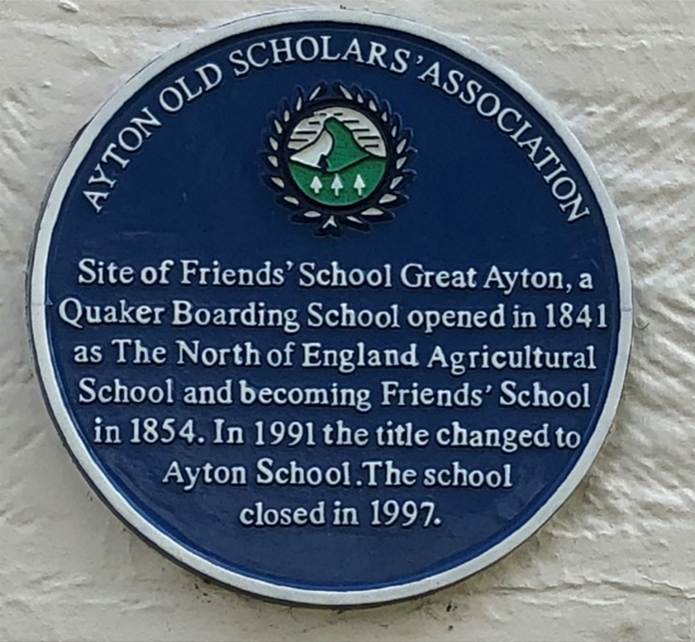
By the late
1860s, lots more voluntary schools had been opened. Many working-class children
now went to school for some of their childhood. Even though some children still
did not attend school, this was now a minority. It became clear was that more
schools were needed. There was still an unacceptable amount of illiteracy in
Britain and those children who lived in the urban slums and more remote areas
still weren’t able to access a school. Britain was going through an amazing,
prosperous period of industrialisation and the British Empire was growing.
There was a serious need to educate all the British people to help drive
Britain forward and be able to show off its citizens to the World. These young
people were the future of Great Britain, the then capital of the World. The
days were gone in which it was acceptable to worry that by letting poorer
children go to school to learn they would become unhappy with their social
standing.
In 1870, the
government passed an Education Act to deal with the education of Britain’s
young generation. It had been decided that it was crucial for the future of the
country and its citizens that education be provided throughout the nation.
Every child was to be given a place at school and school buildings had to be of
a reasonable quality. Head teachers now had to be qualified too. Schools
throughout the nation were inspected and checked to make sure that the
education they were offering met the new standards. New rules now meant that
school boards could make school compulsory for children between five and ten
years old and later thirteen.
Over the next ten
years, new schools were set up in areas where there had been none before making
education accessible for everyone. School boards were set up to manage and
build these.
The next big step
towards education becoming compulsory came in 1880 with the Elementary
Education Act. Ten years had passed during which school boards had been given
the choice over whether to make children go to school. Now, the government had
taken the decision out of their hands: these new laws meant that every child
had to attend school.
One of the most important Education Acts to be passed towards
the end of the century was the 1891 Elementary Education Act. This established
new rules declaring that elementary education was to be free for all and not
just for those in severe poverty.
What
school was like
Unlike school
today, as a Victorian child you could expect to be cold at school as there may
not have been a fire to heat your room or school hall. If there was, you may
have been sat so far away that the warmth didn’t reach you! Having most
probably walked to school, you might spend much of your time in wet, cold
clothes from your journey in depending on the time of year and you would
certainly be tired – sometimes, children would have to walk a long way to
school! When you got there, you would fully expect to be inspected by your
teacher and would have to be smartly turned out. Respect for your teacher was
very important and you would bow or curtsy to them during registration.
Lessons would be in the three ‘R’s: Reading, writing and
arithmetic. Sometimes, schools would teach geography, history and ‘drill’, the
Victorian equivalent of PE. You probably wouldn’t have had your own books;
instead, they would be shared among the whole class and kept by the teacher on
his or her desk, which would be at the front of the room. Depending on which
school you went to, you may or may not have a break time! During lessons, you
would be expected to pay attention and work to a high standard. If you made a
mistake, such as a wrong spelling or even writing with your left hand,
punishments would either be painful or humiliating and might be either a sharp
rap across the knuckles with a cane or being sent to the corner to wear the
dunce’s cap – often with your face to the wall in shame. If you accidentally
fell asleep in class, you could expect to receive a nasty snap of the master’s
ruler or perhaps even being woken up with some very cold water
Twentieth century
education
The Education
Act 1944 (The Butler Act) established tripartite education system of
grammar schools, secondary modern schools and technical schools. The change was
led by the Tory, R A Butler. It set up a new Ministry of Education with
hundreds of small Local Education Authorities,. The new model was based on
three types of state secondary education – grammar, technical and ‘secondary
modern’, driven by a single aptitude test, the eleven plus, at age 11, which
were intended to work together with the types of school often located together.
It never worked as intended and in practice left a divide between grammar and
secondary modern schools.
There is an In Our Time podcast on
the history of education
which examines whether its modern purpose is to teach us the nature of reality,
or to give us the tools to deal with it.