Stank House Farm, Kilton
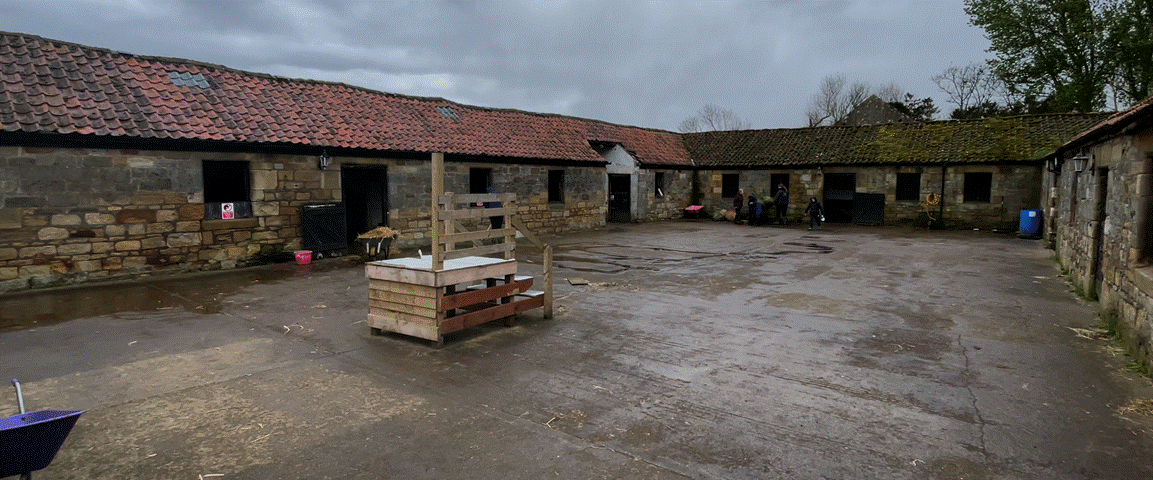
Stank House Farm in 2024
|
Return to the Home Page of the Farndale Family
Website |
The story of one family’s journey through two
thousand years of British History |
The 83 family lines into which the family is divided.
Meet the whole family and how the wider family is related |
Members of the historical family ordered by date of
birth |
Links to other pages with historical research and
related material |
The story of the Bakers of Highfields, the Chapmans,
and other related families |
Dates are in red.
Hyperlinks to
other pages are in dark
blue.
Headlines of are
in brown.
References and
citations are in turquoise.
Contextual
history is in purple.
A considerable amount of ridge and furrow evidence in the vicinity
of the present Stank House Farm and the earthworks suggest a medieval farmstead
in two fields to the east of the present farm. The name of the farm suggests a fish pond and was probably derived from the fish pond at the Castle, which is close to the site. (Robert Daniels. 1990. Kilton: A Survey of Moorland Fringe
Township in Medieval Rural Settlement in North East
England. Architectural and Archaeological Society of Durham and
Northumberland Research Report No 2, edited by B E Vyner, page 35).
Two farms are
shown on the 1767 map, one on the site of the medieval earthworks and the other
to the west. In 1767 the farmhouse stood at the head of a long close, just to
the west of a post medieval track. It had no outbuildings. The building was
much the same in 1845, but by 1856 it had gained a courtyard arrangement of
outbuildings.
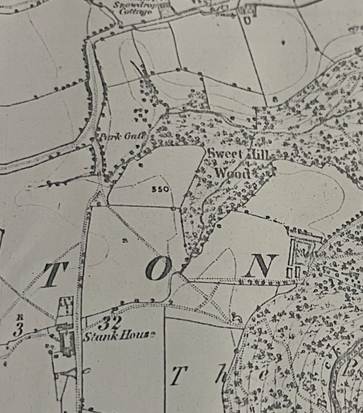
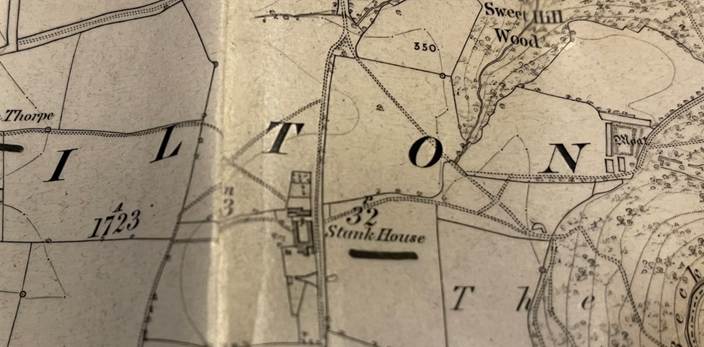
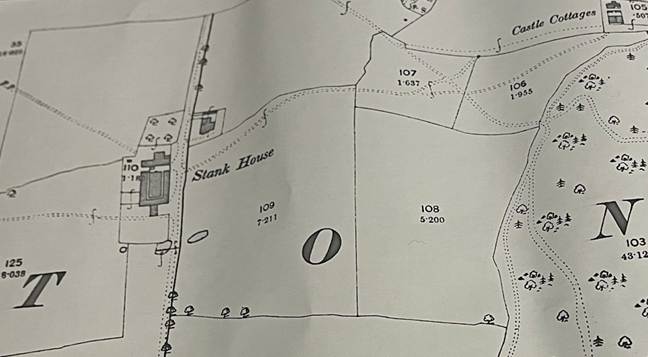
Stank House,
1853
Stank House 1856
Stank House in 1893
In 1882 a fine brick farmhouse, more redolent of railway than
rural architecture, was constructed to the east of the eighteenth-century farmhouse
and probably contemporary with this an extra block of buildings was inserted
into the courtyard arrangement. The farm stands like this today with no trace
of the 18th century farmhouse. (Robert Daniels. 1990. Kilton: A Survey of Moorland
Fringe Township in Medieval Rural Settlement in North
East England. Architectural and Archaeological Society of Durham and
Northumberland Research Report No 2, edited by B E Vyner, page 55).
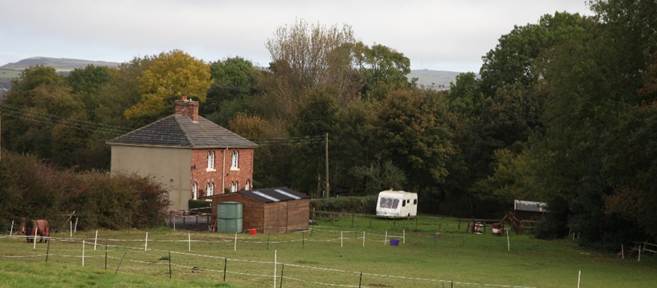
The Cottage near
the Castle at Stank in 2016
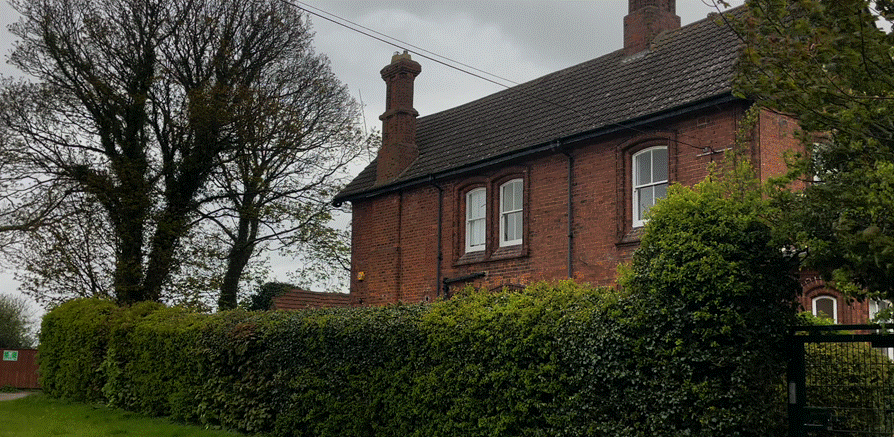
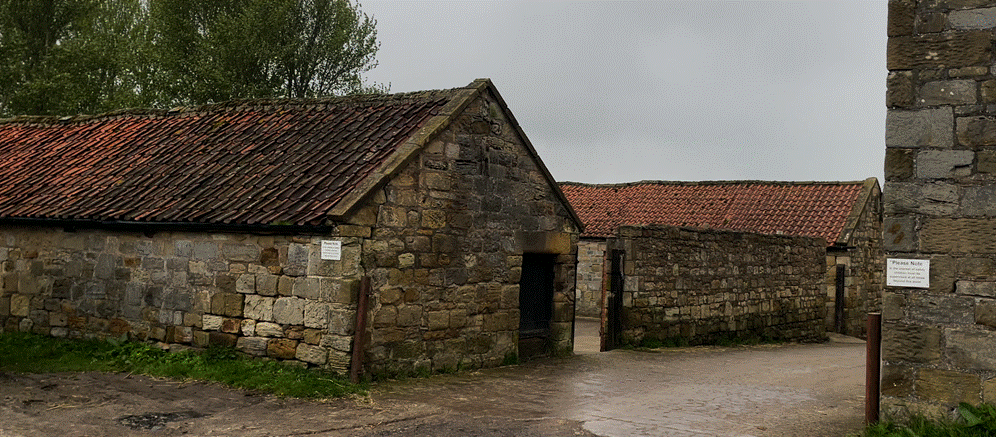
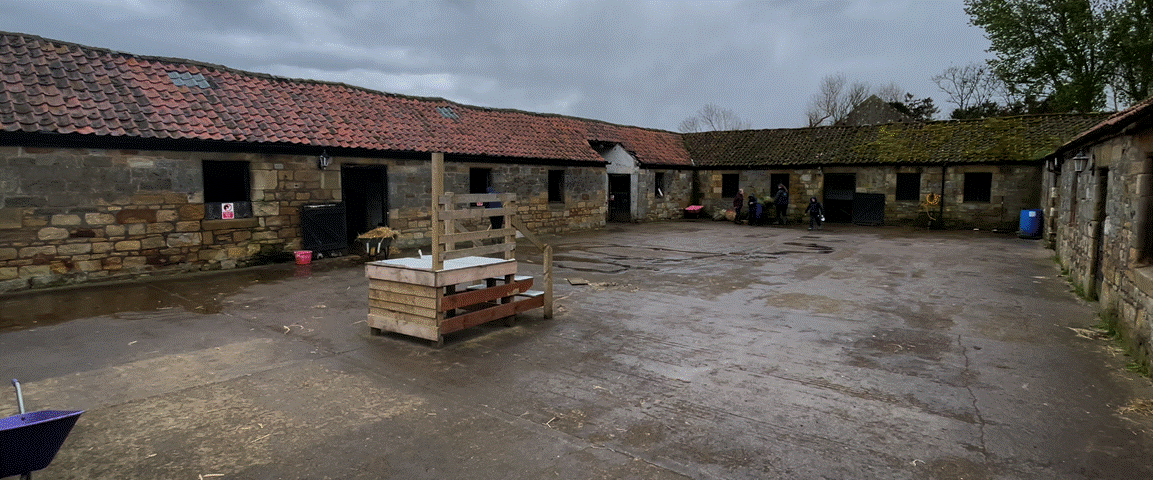
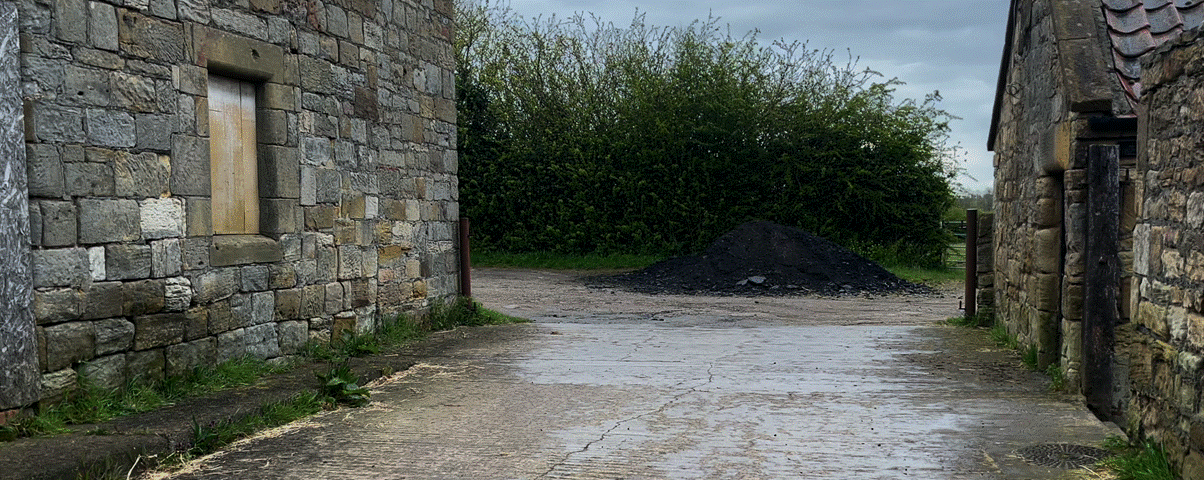
Stank House Farm
in 2024
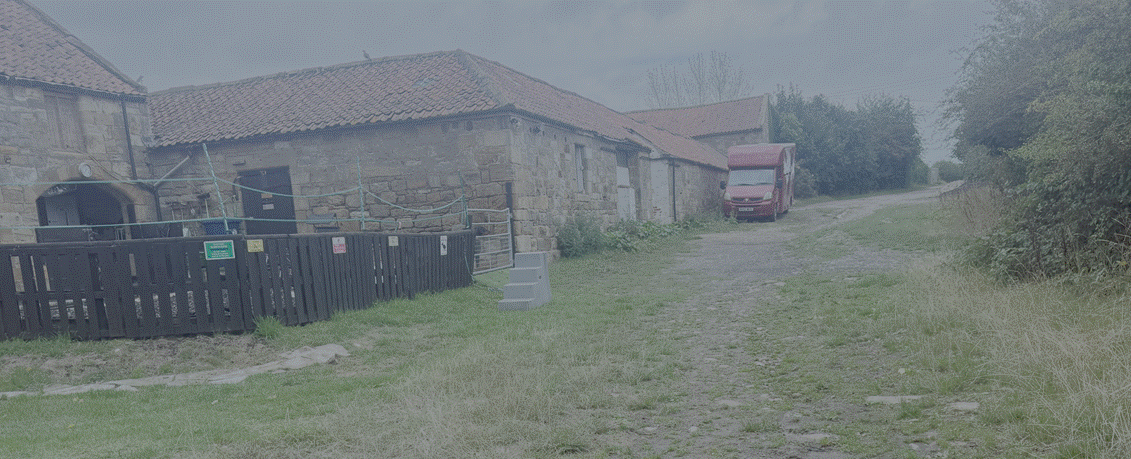
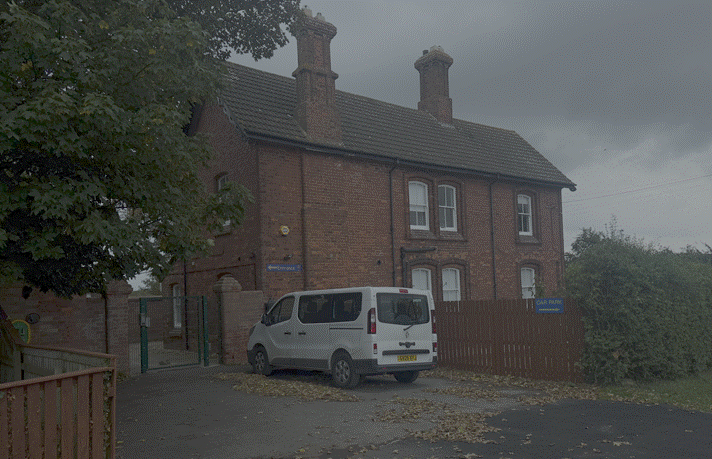
Stank House Farm in 2026