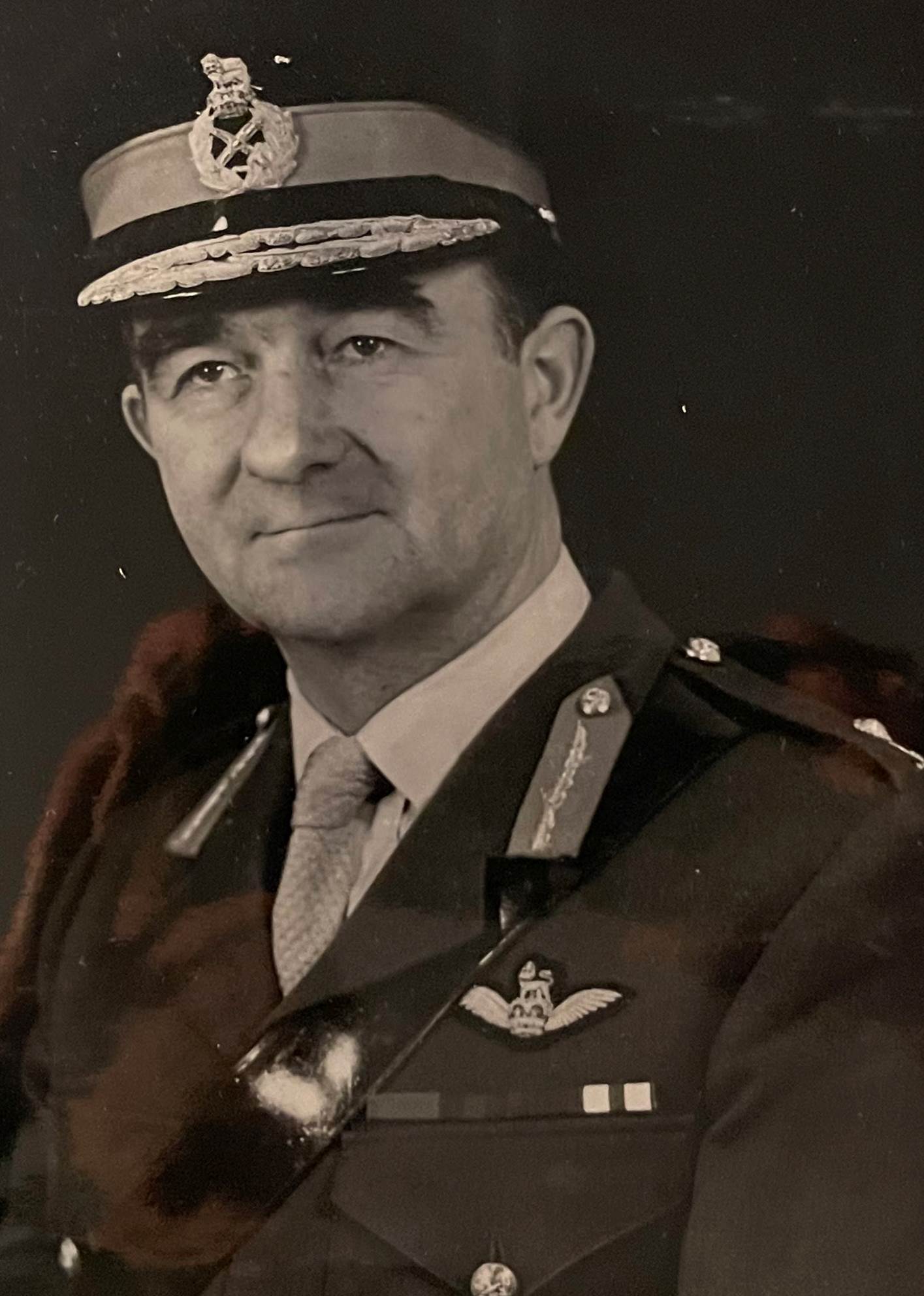
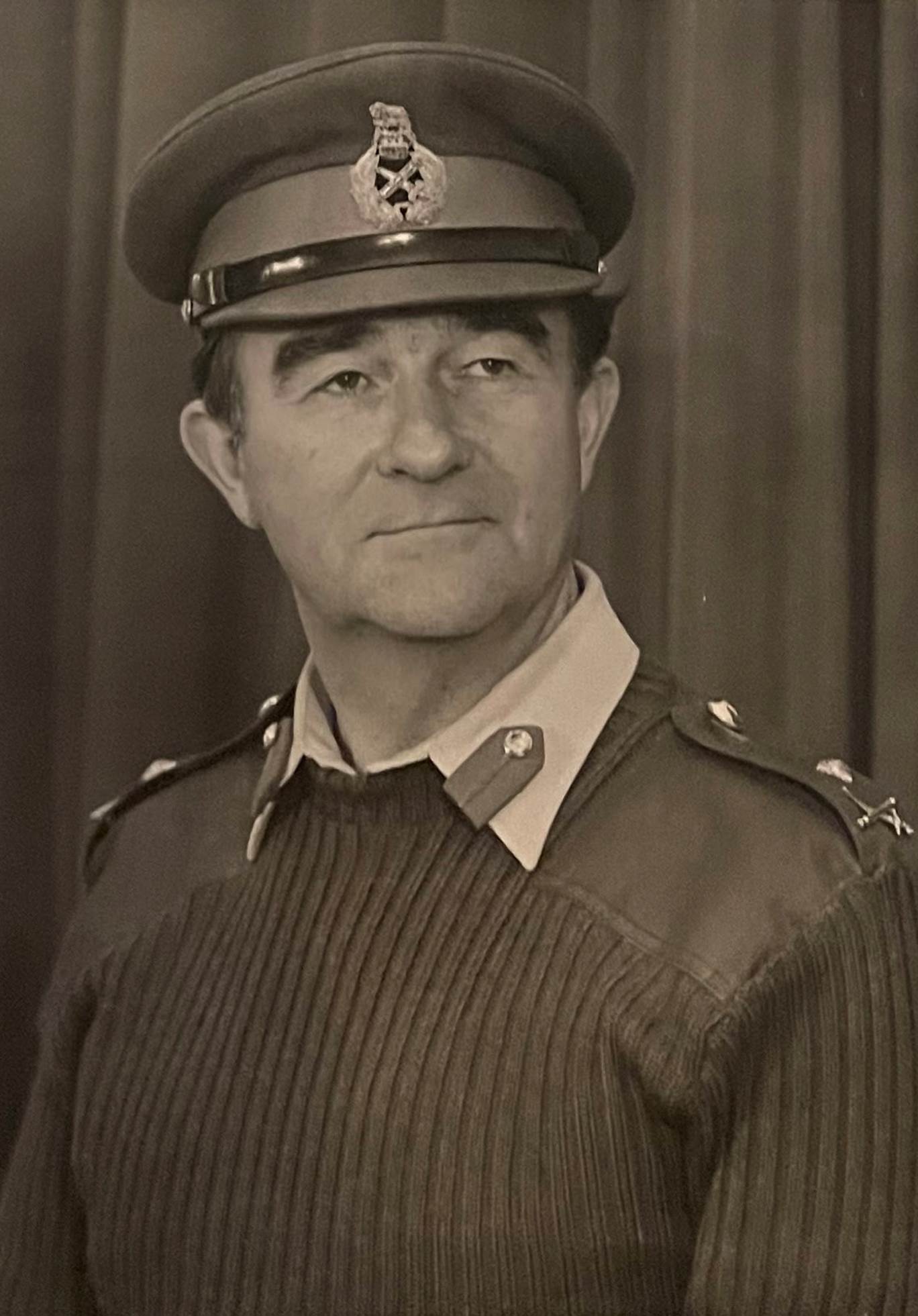
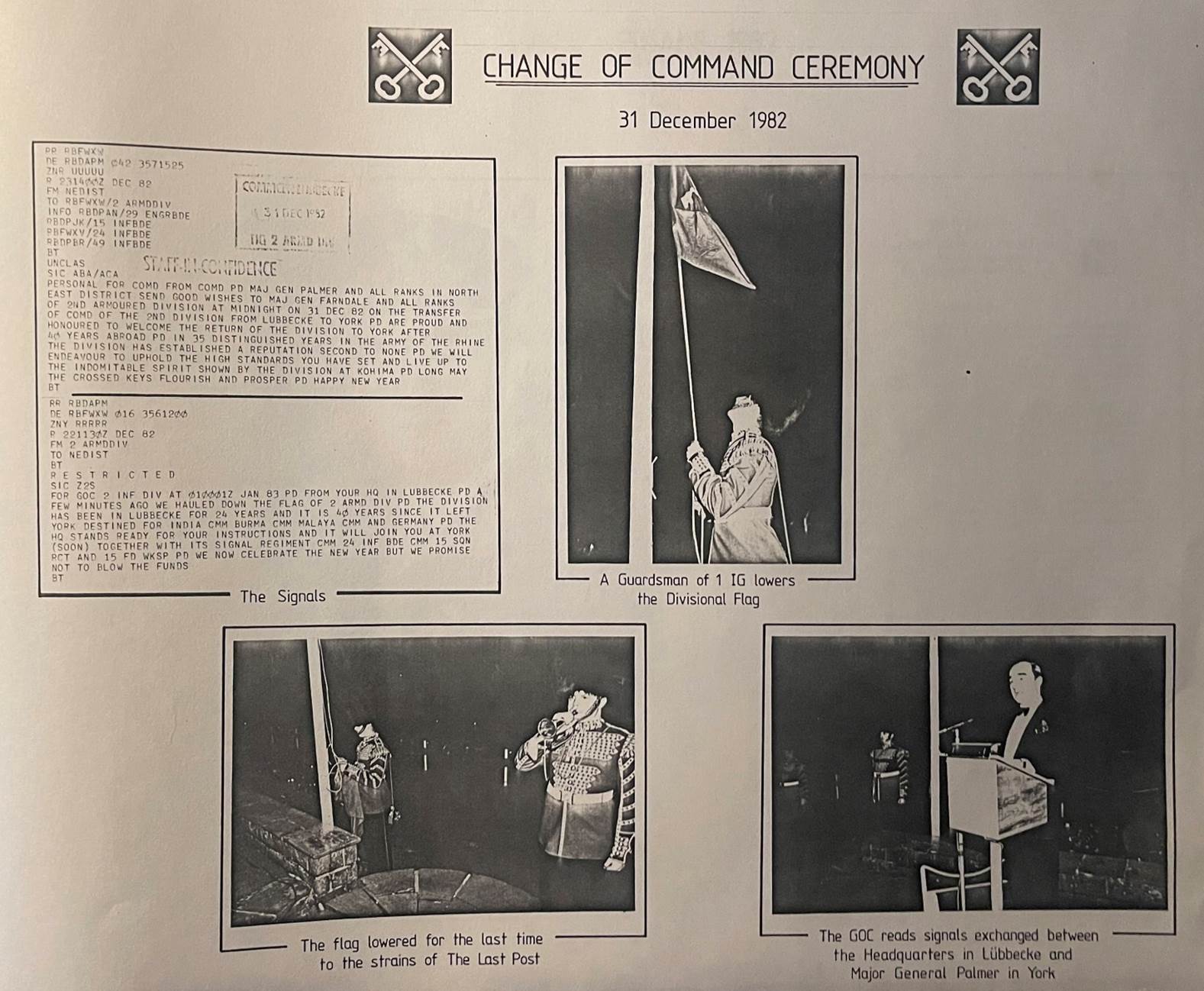
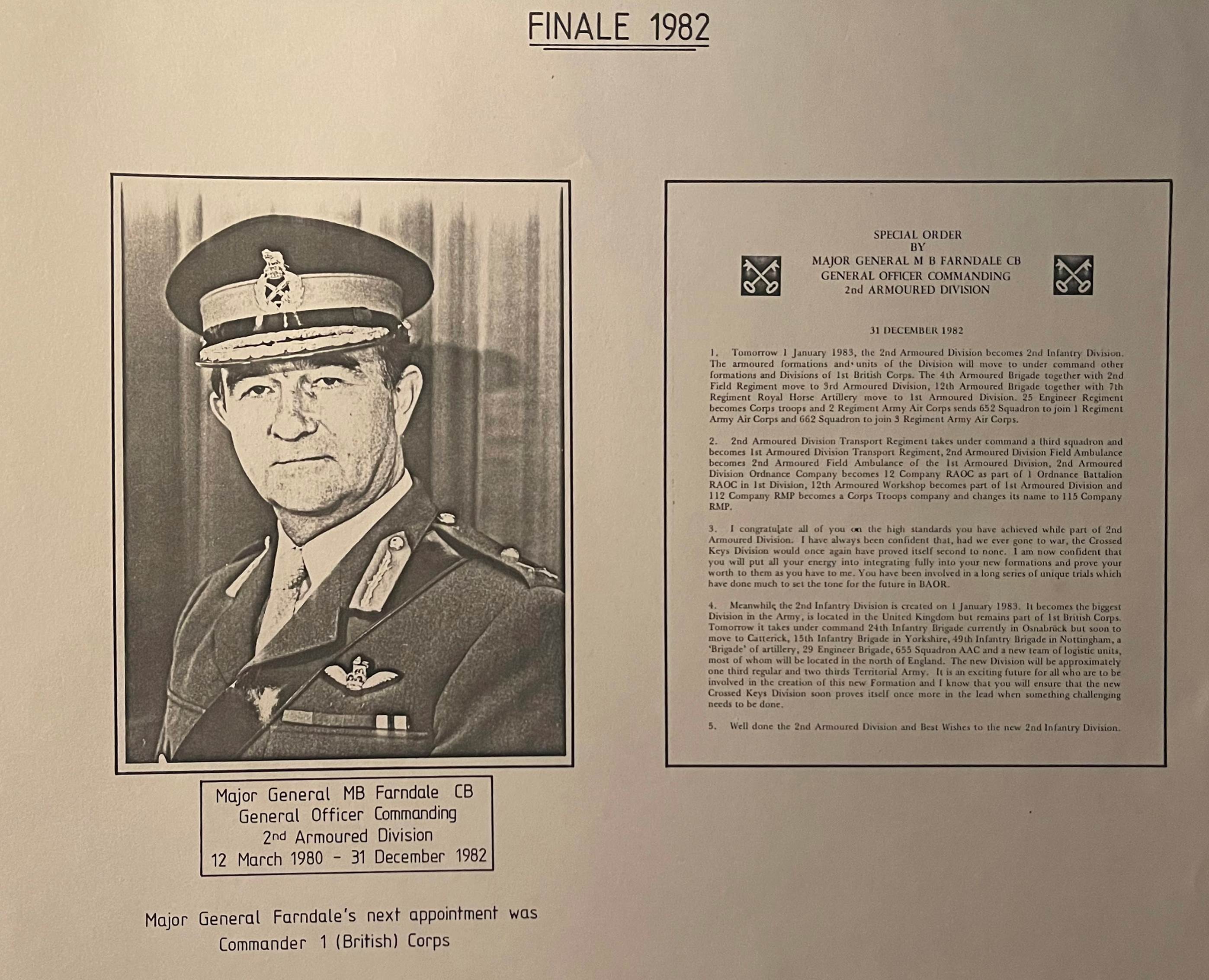
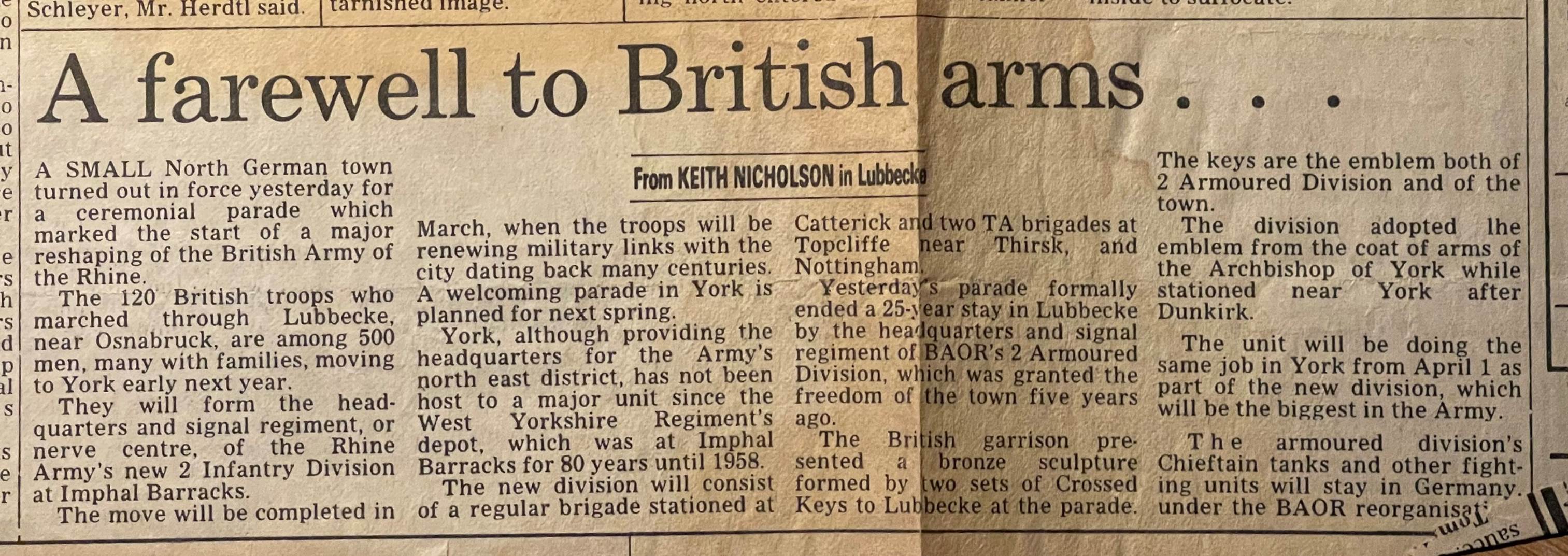
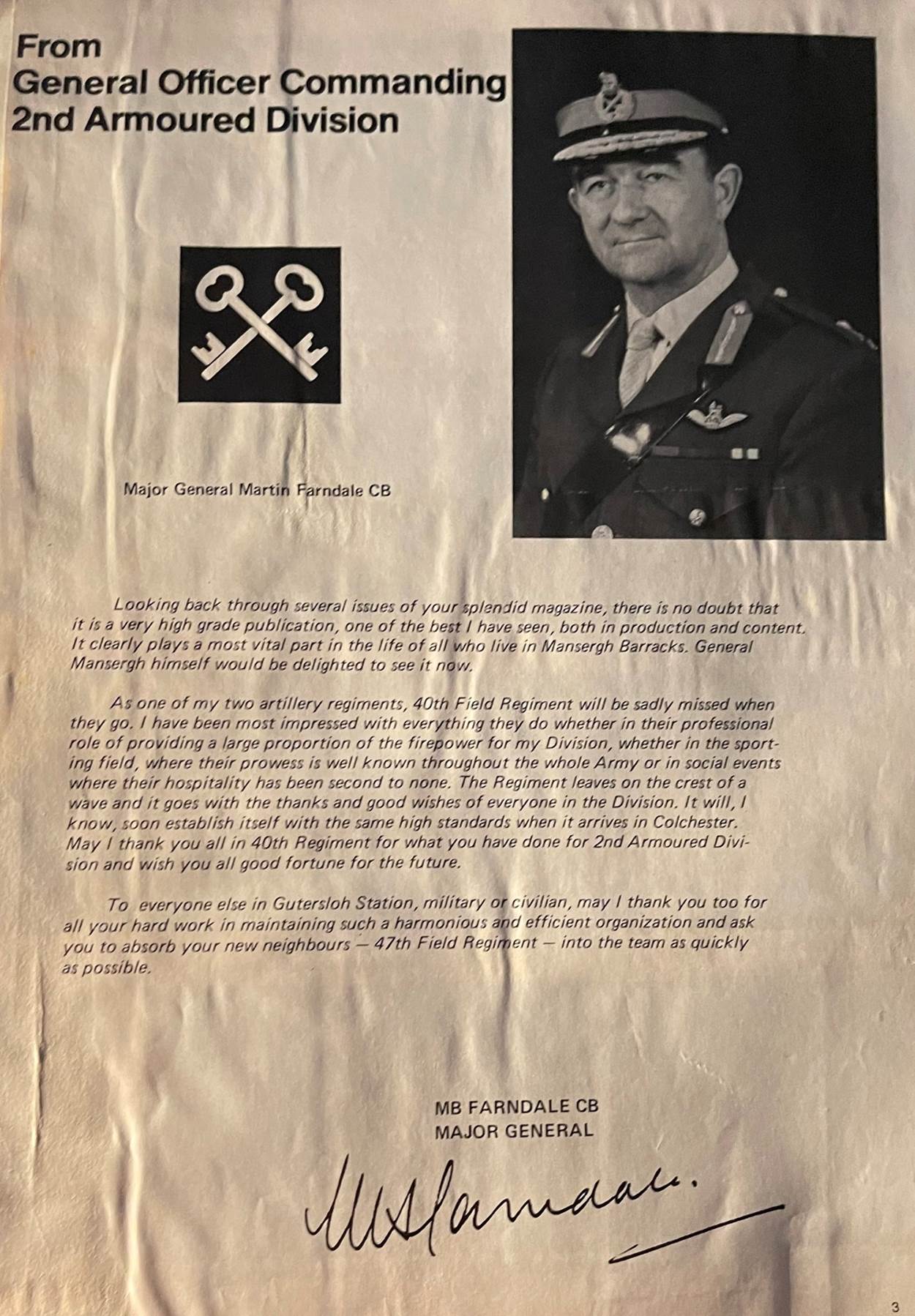
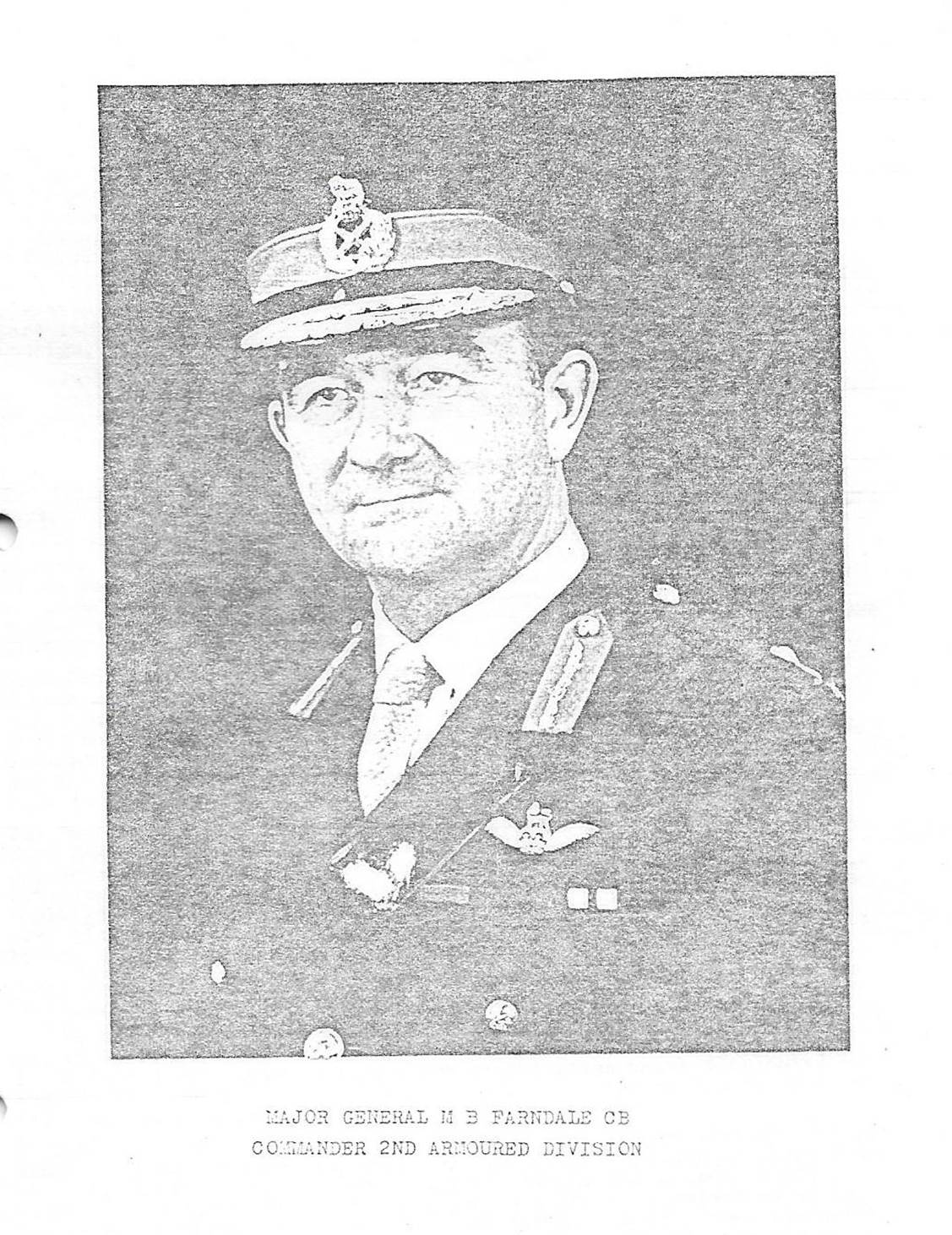
Major General Martin Farndale
Commander Second Armoured Brigade
Lubbecke, West Germany
1980 to 1983
FAR00911
|
Return to the Home
Page of the Farndale Family Website |
The story of one
family’s journey through two thousand years of British History |
The 83 family lines
into which the family is divided. Meet the whole family and how the wider
family is related |
Members of the
historical family ordered by date of birth |
Links to other pages
with historical research and related material |
The story of the
Bakers of Highfields, the Chapmans, and other related families |

1980
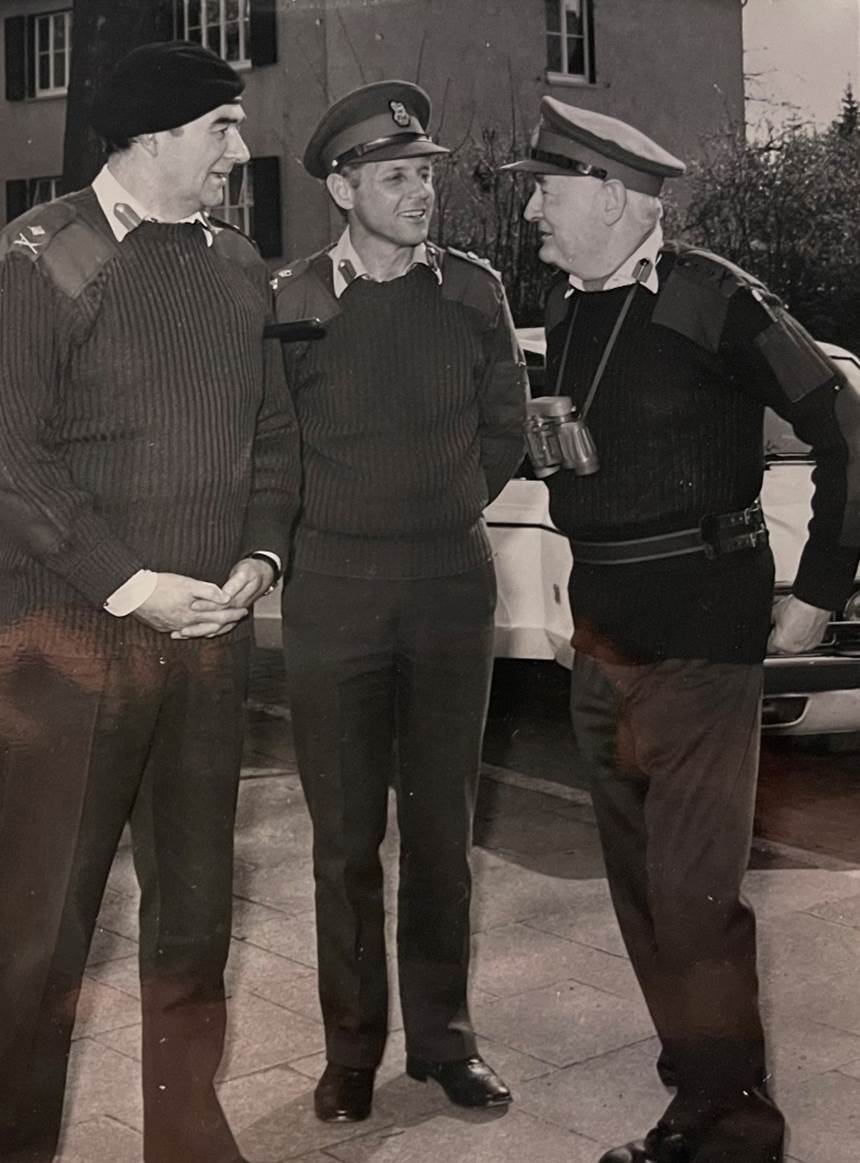
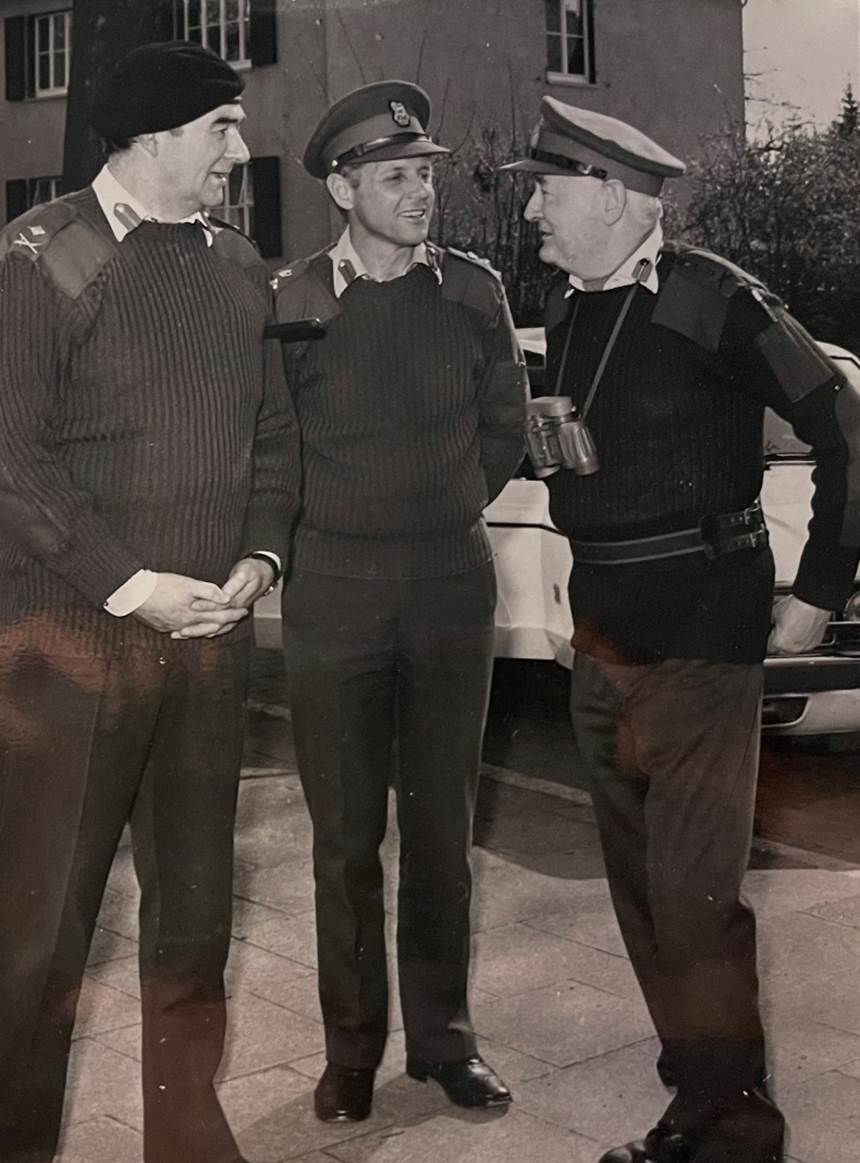
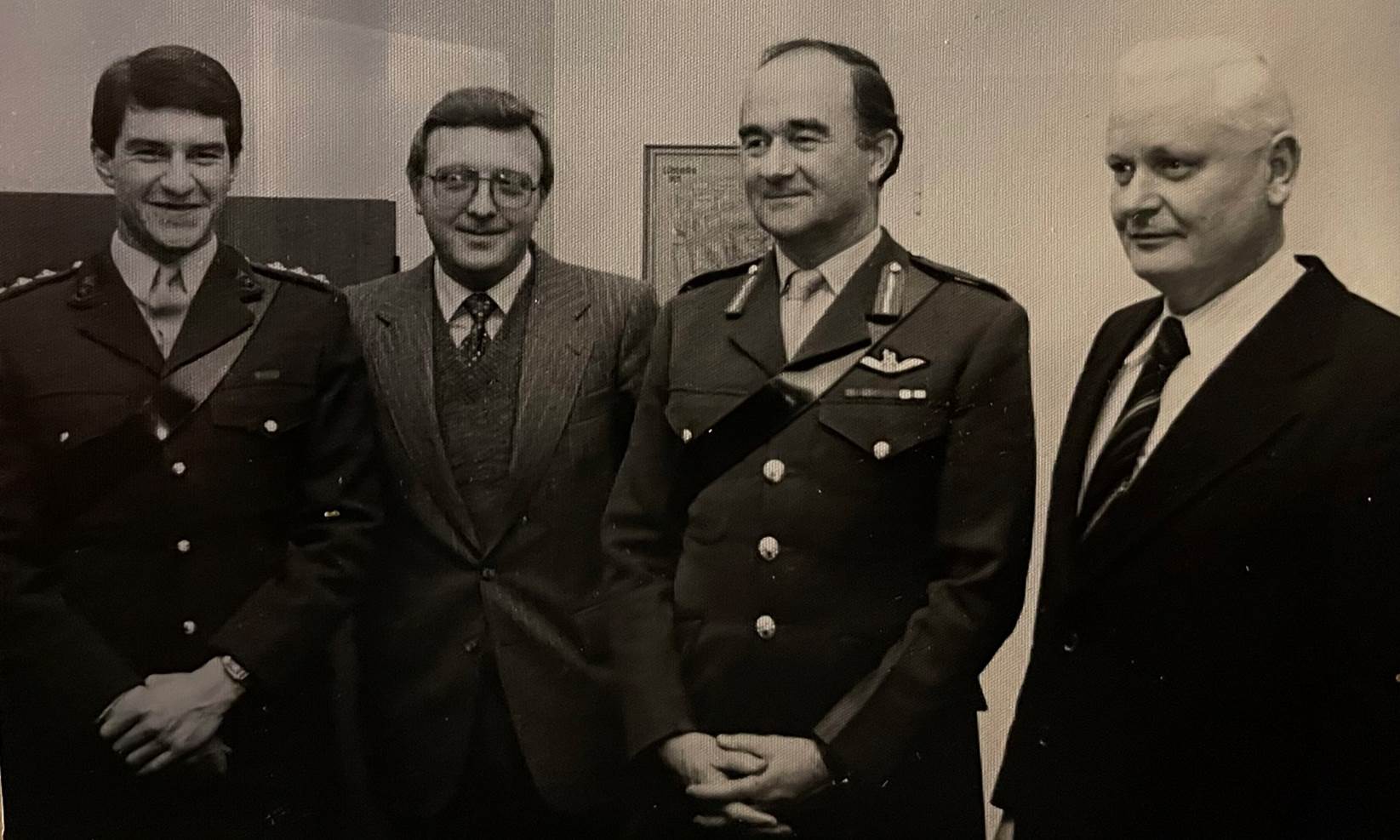
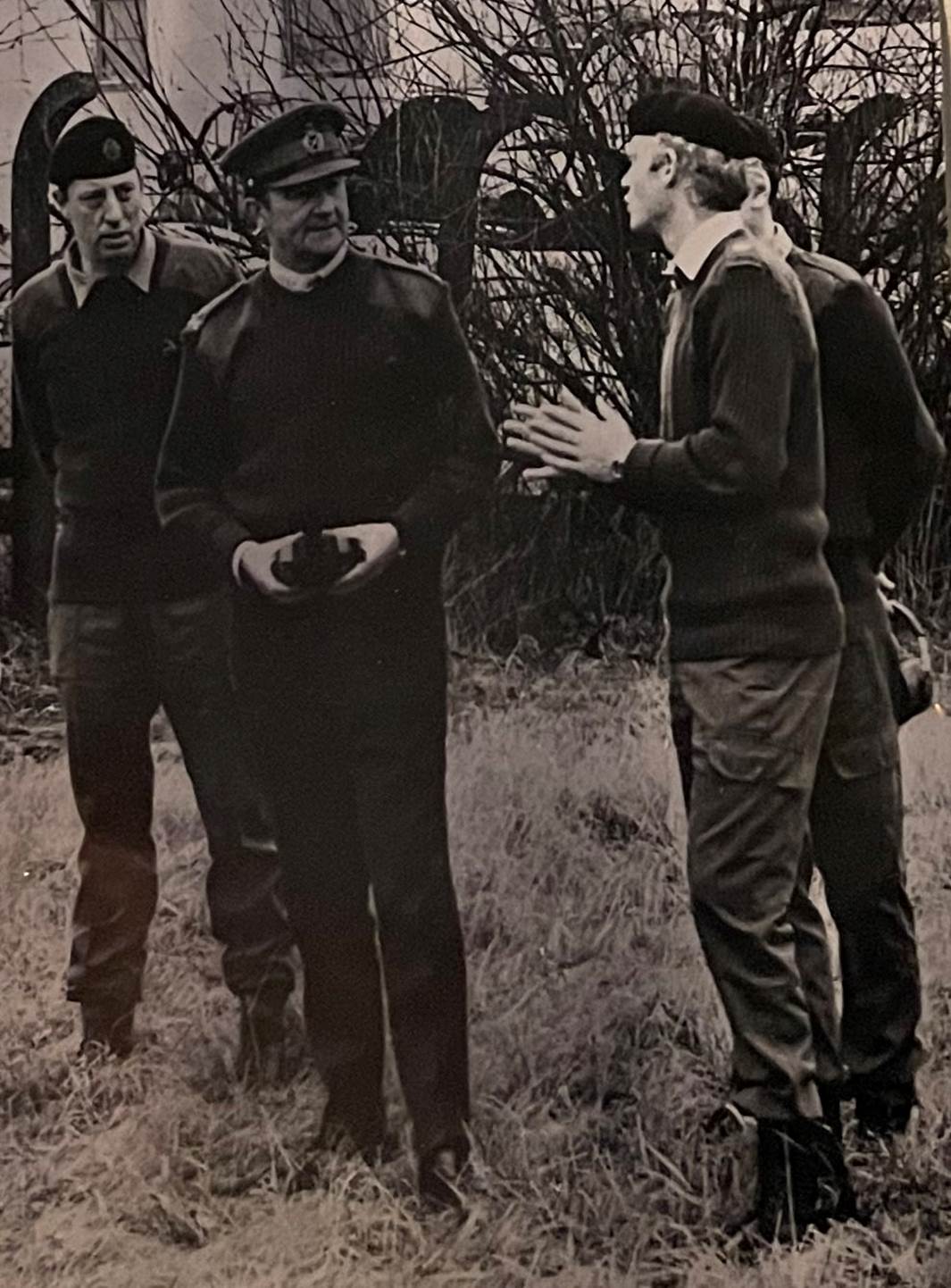
Visit of the Chief of the General Staff, Genera Sir Edwin Brammall
to Lubbecke, April 1980, with Martin Farndale left and Colonel Leslie Busk
centre
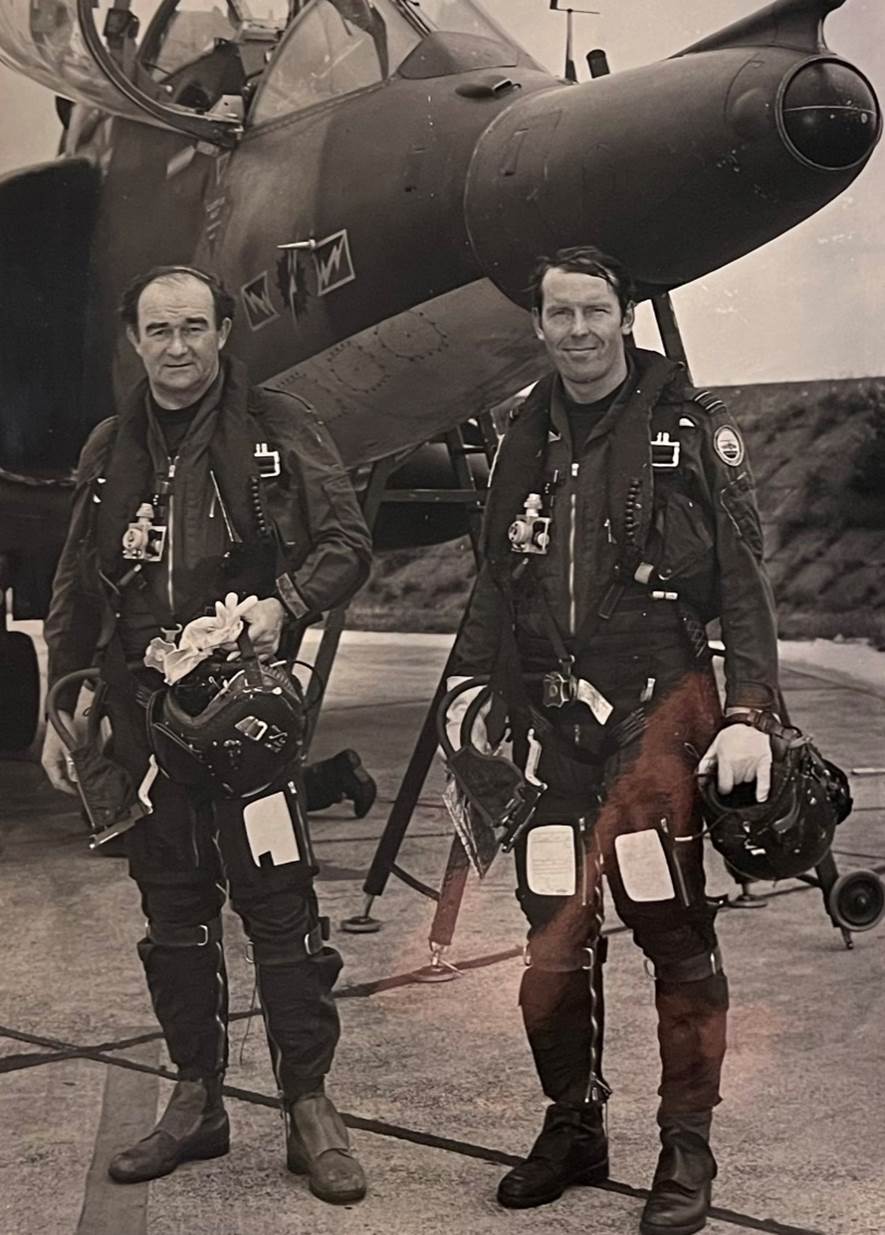
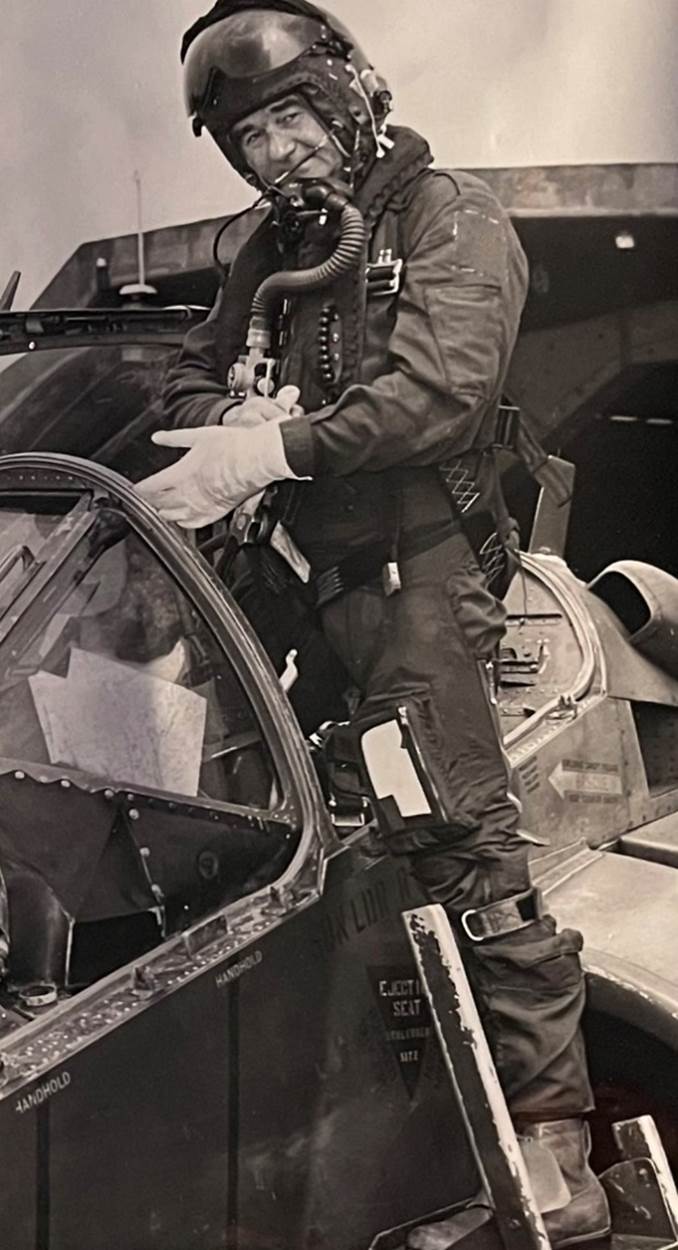
Major General Farndale’s Harrier flight on 2 June 1980
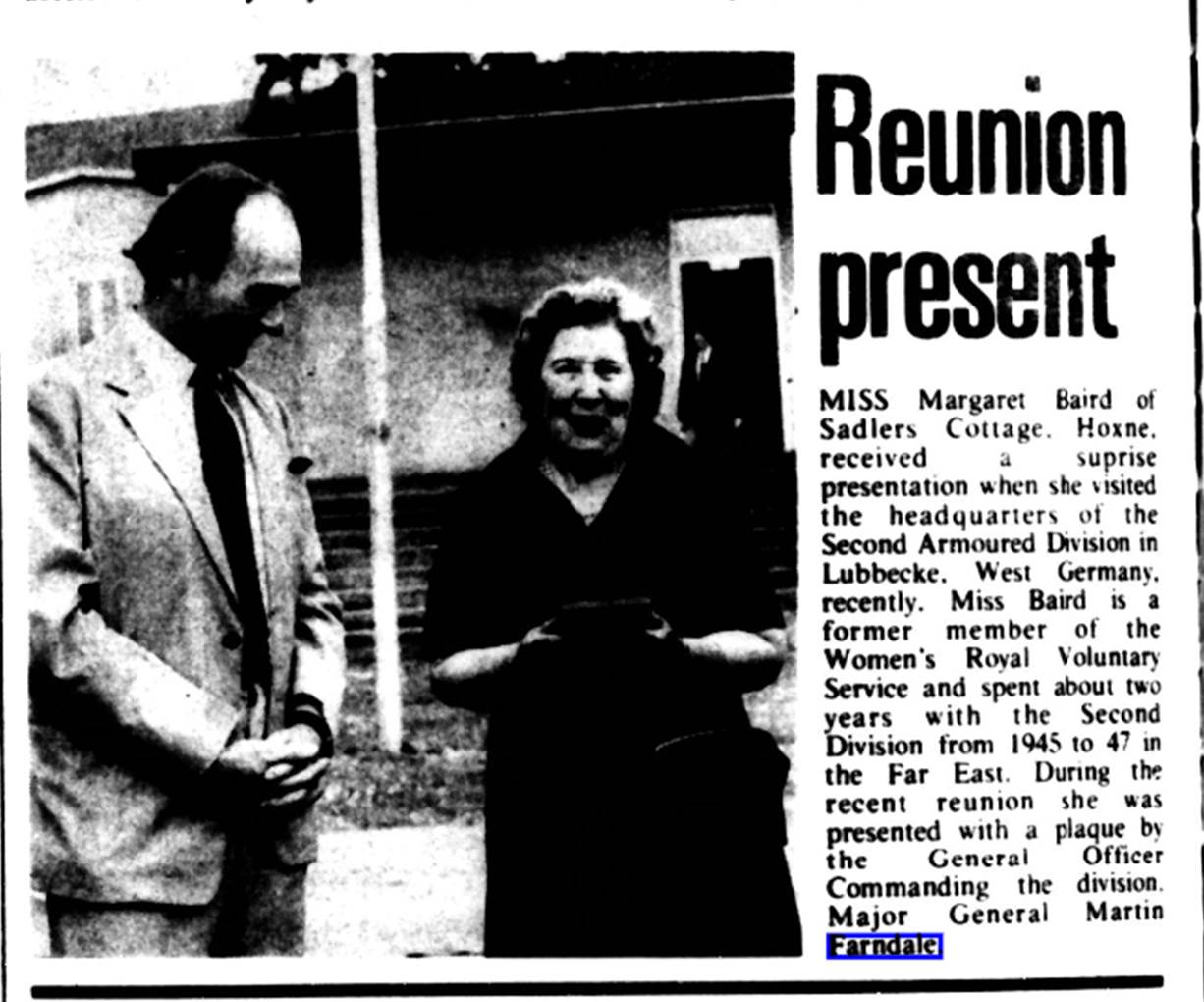
(Diss Express, 19 June 1981)
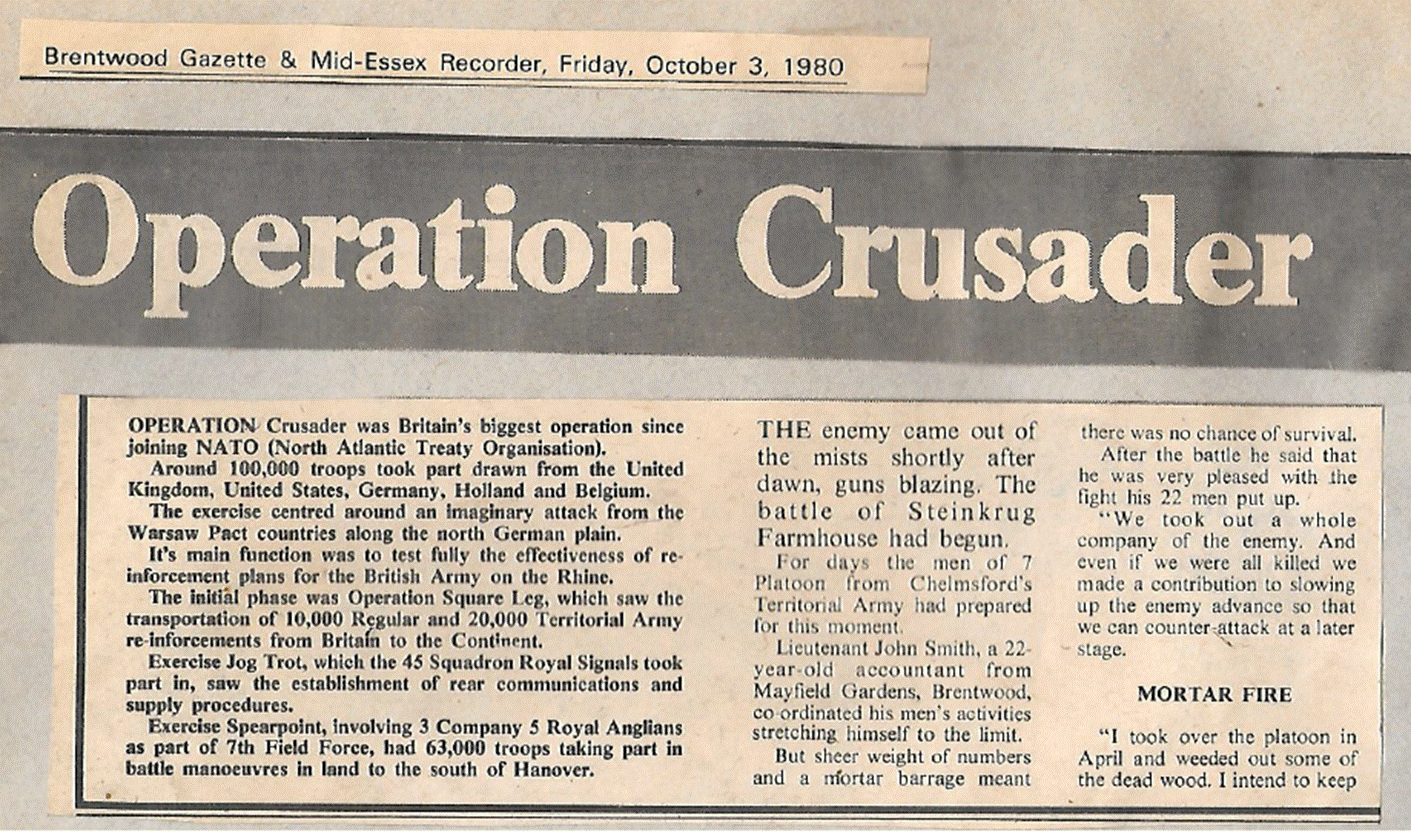
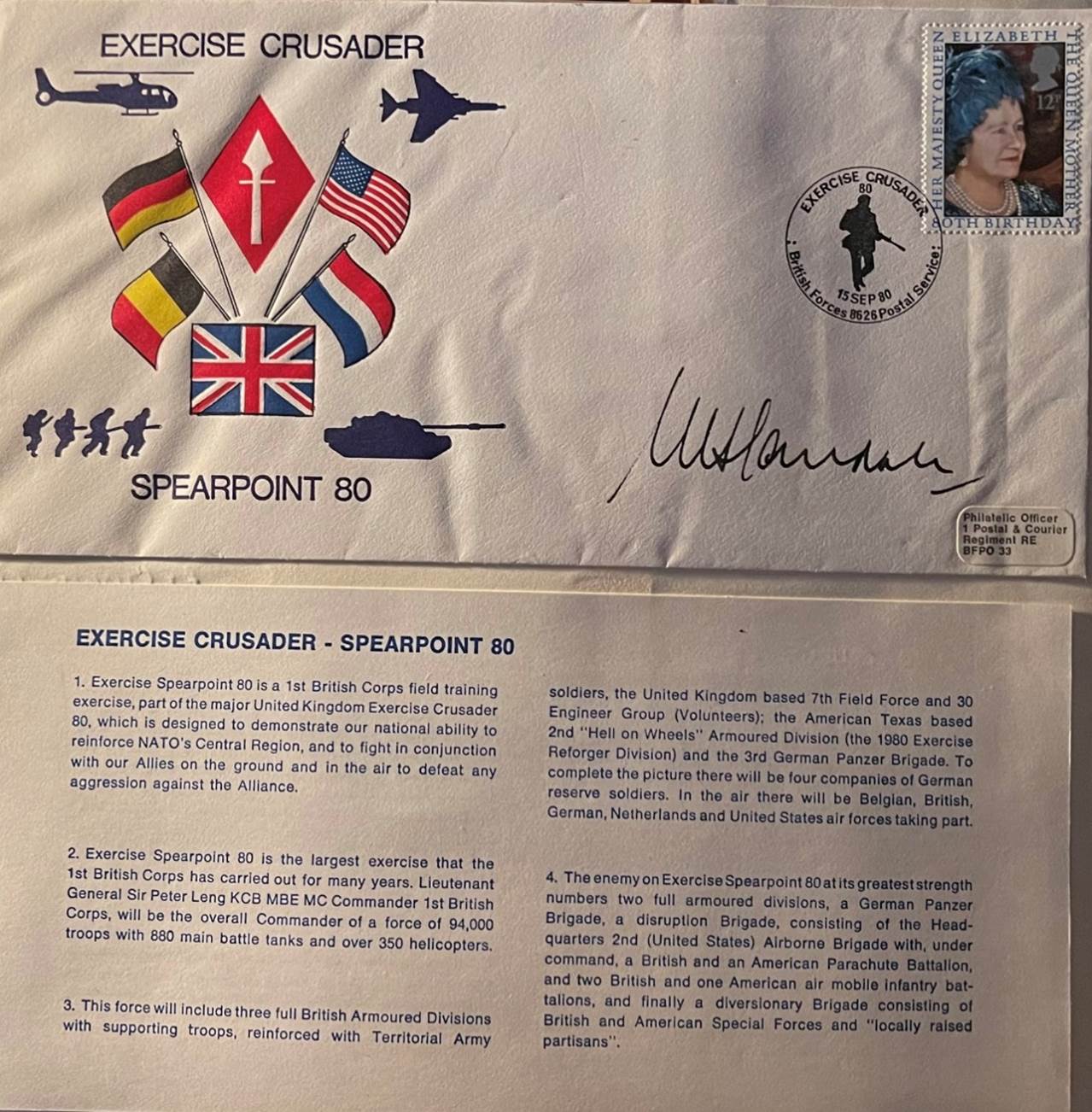
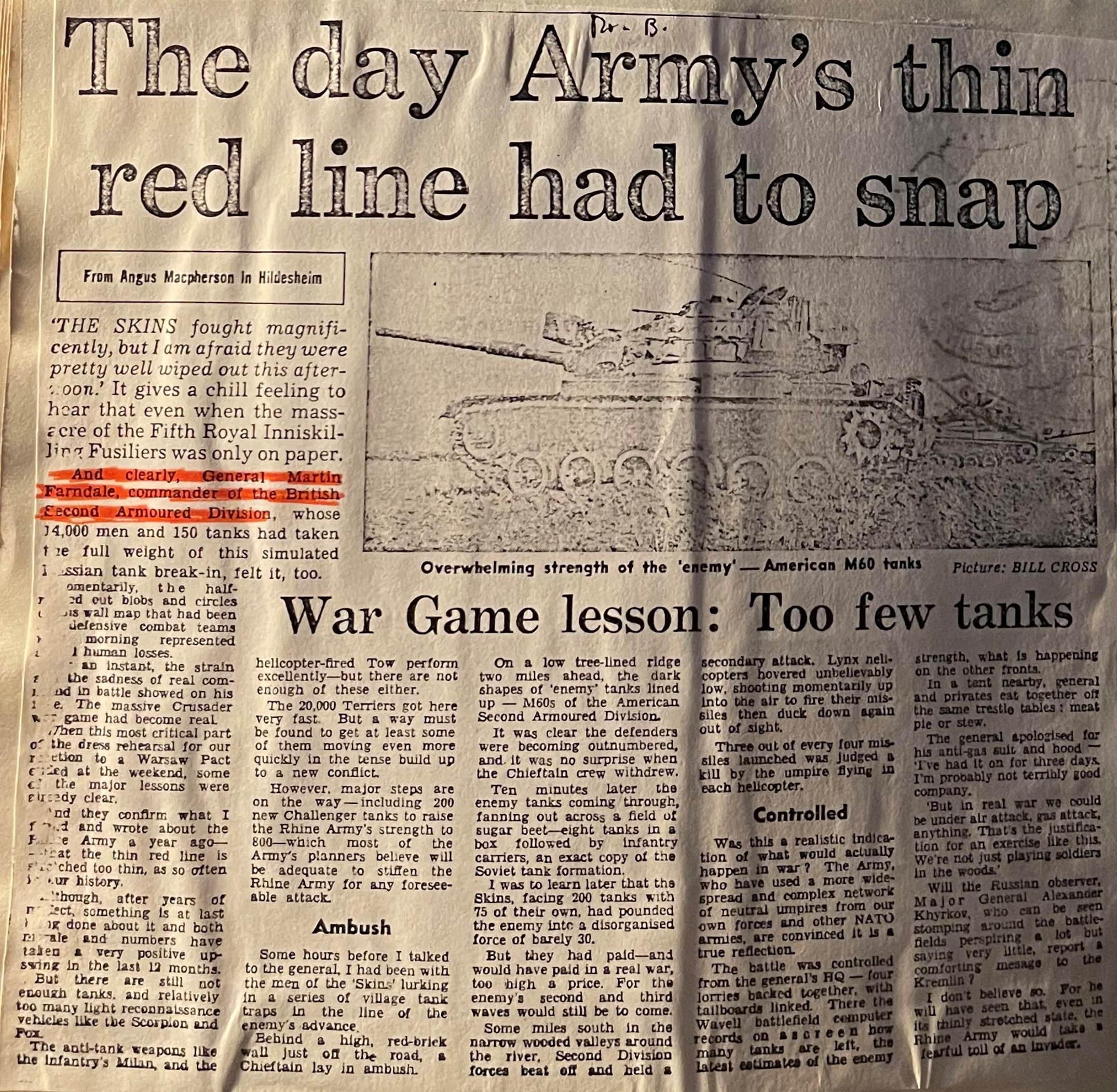
Exercise Crusader 1980
A debate in the House of Lords on 4 November 1980 (from Hansard):
EXERCISE CRUSADER
The Earl of KIMBERLEY My Lords, I beg leave to ask the Question
which stands in my name on the Order Paper. The Question was as follows: To ask
Her Majesty's Government whether they will make a statement as soon as possible
on the lessons learnt from Exercise Crusader.
The MINISTER of STATE, MINISTRY of DEFENCE (Lord Strathcona and
Mount Royal) My Lords, Crusader was a very successful exercise. Over 30,000
troops were moved from the United Kingdom, including some 20,000 members of the
Territorial Army and substantial numbers of the RAF. The TA turn-out was high
and its performance throughout received well-deserved praise. The great
majority of reinforcements were in their exercise positions within 48 hours of
leaving their bases, demonstrating our ability to reinforce BAOR swiftly and
effectively should the need arise. The field training exercise in Germany, in
which American and German forces played a prominent part, tested our
operational techniques on a scale previously untried. A number of areas have
been identified where improvements may be needed, and many valuable lessons
have been learned. But it will take several months to analyse the exercise in
detail.
The Earl of KIMBERLEY My Lords, while thanking my noble friend for
that Answer, may I ask him whether he can elaborate a little as to how our
allies, and particularly Germany, regarded the exercise?
Lord STRATHCONA AND MOUNT ROYAL My Lords, I believe that our
allies in NATO were impressed by our ability to perform the reinforcement role
which we had undertaken, and I think they also particularly welcomed this
demonstration of our commitment to defence on the European continent.
Lord PEART My Lords, would the Minister tell me what the cost was
to us? I am not against defence in any way, naturally; but how much did this
whole exercise cost?
Lord STRATHCONA and MOUNT ROYAL My Lords, the exercise cost was in
the region of £82 million in excess of normal exercise costs, and we believe
that this was very well worth while.
Lord SHINWELL My Lords, may I ask the noble Lord the Minister, in
reference to his statement that the auxiliary forces deserved praise, to say
how they adapted themselves to the situation along-side our regular forces? He
probably is aware that many Members of the House of Lords—including
myself—consider the efficiency of our auxiliary forces to be of supreme
importance.
Lord STRATHCONA and MOUNT ROYAL My Lords, I am very grateful to
the noble Lord for his question, which shows considerable understanding of what
this exercise was intended to do. We were extremely satisfied, both by the
turn-out of the Territorial Army and their performance, and I believe that the
Regular Army were very impressed by the demonstrated ability of the auxiliary
forces to support them in the way which was planned, in a time of tension.
Earl CATHCART My Lords, will my noble friend the Minister tell us
whether, when the Government have completed their analysis of the lessons
learnt from this very important exercise, a fuller statement will be made
available to the public? Also, could some report of this be included in the
annual Defence White Paper?
Lord STRATHCONA and MOUNT ROYAL My Lords, these are two
interesting ideas. Certainly a full analysis of the exercise will be made:
after spending that much money, of course, it would be necessary. When the
report has been compiled in the New Year we shall have to consider how much of
it could be presented both to the House and to the public at large, and what
would be the most effective way of doing it, consistent with the security
considerations which are bound to surround it.
Lord AVEBURY My Lords, can the noble Lord say whether any lessons
were learned from this exercise about the ability of small numbers of infantry,
using modern laser-guided anti-tank weapons, to stop an armoured thrust in
Central Europe: and what conclusions we may draw from this regarding the
effectiveness of the limited numbers of troops we can deploy in Germany to
counter the possibility of invasion from the East?
Lord STRATHCONA and MOUNT ROYAL My Lords, the noble Lord is asking
me rather a technical question and I think this is exactly the sort of thing
which will come out in further analysis. I do not in fact know whether the
reinforcement forces were using the kind of laser-guided weapons to which the
noble Lord refers.
Lord ORR-EWING My Lords, can my noble friend say whether the very
much reduced military transport force is adequate to meet the operational
needs, not only of exercises but of potential war? Also, would it not be
worthwhile taking up Sir Freddie Laker's offer to adapt, at very small cost,
the DC-10s he has on order, so that they can reinforce the limited air
transport we now have?
Lord STRATHCONA and MOUNT ROYAL My Lords, the noble Lord raises
both a general and a specific question. So far as the general question is
concerned, I think the exercise demonstrated that there is an ability to
provide the necessary transport to do the kind of reinforcement which is
required. I do not know the answer to the specific question raised by my noble
friend, but I am sure it has been considered. I do recall that the Americans
have for some years considered the possibility of strengthening all the civil
transport fleet, but they have decided that even for them it would probably be
a prohibitively expensive exercise.
Lord LEATHERLAND My Lords, does the noble Lord think he can really
be very proud of the fact that it took 48 hours to get men from Britain to the
battlefront in France? I ask this question because in 1915 we did it in less
than 24 hours.
Lord STRATHCONA and MOUNT ROYAL My Lords, my memory does not go
back as far as the noble Lord's, and I would not dispute his facts. I do not
know what numbers he is referring to, but the 48 hours we are talking about
covered the whole of the reinforcement and I would imagine that some of the
forces arrived there in less than 24 hours.

Bridging the Leine
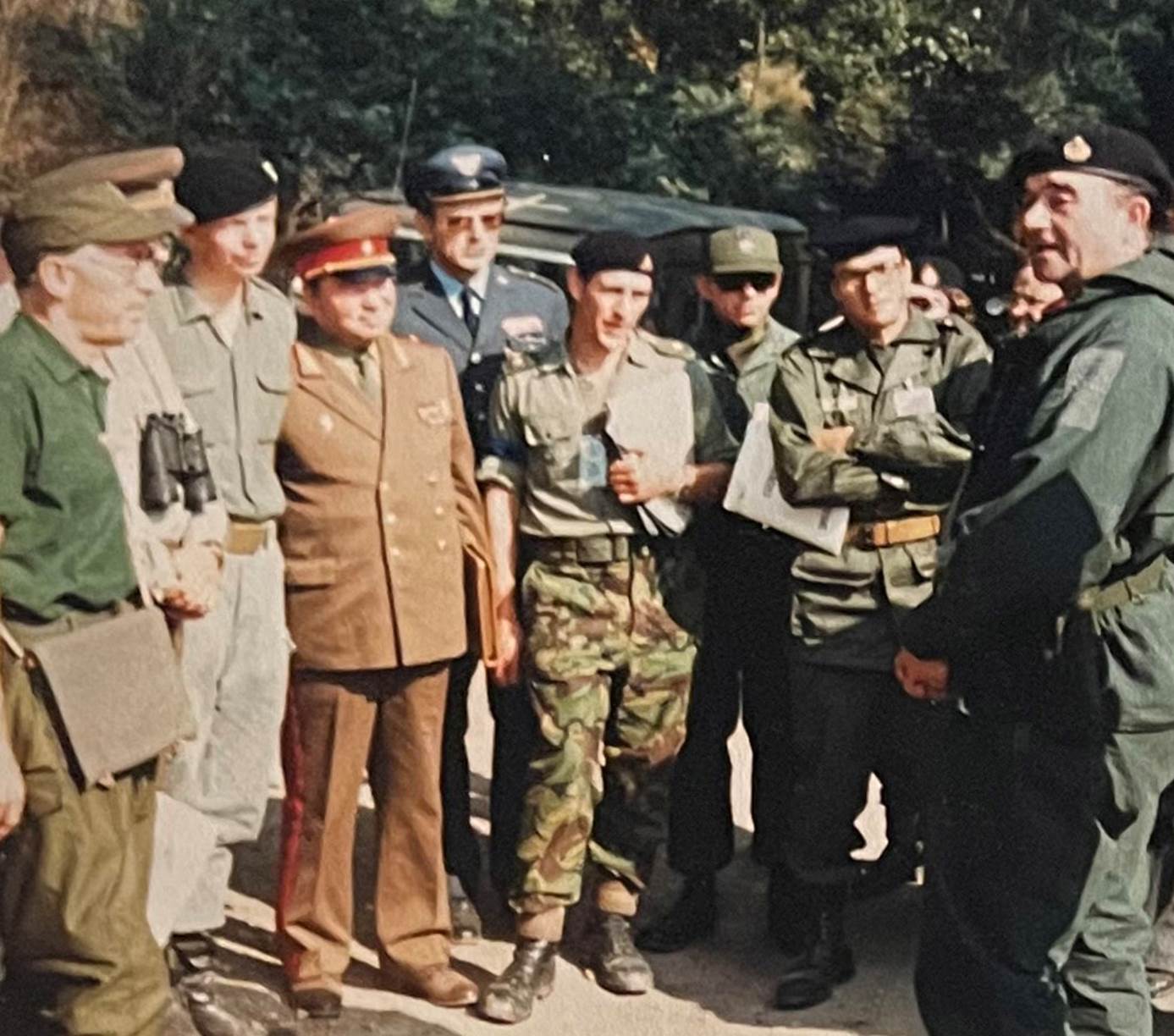
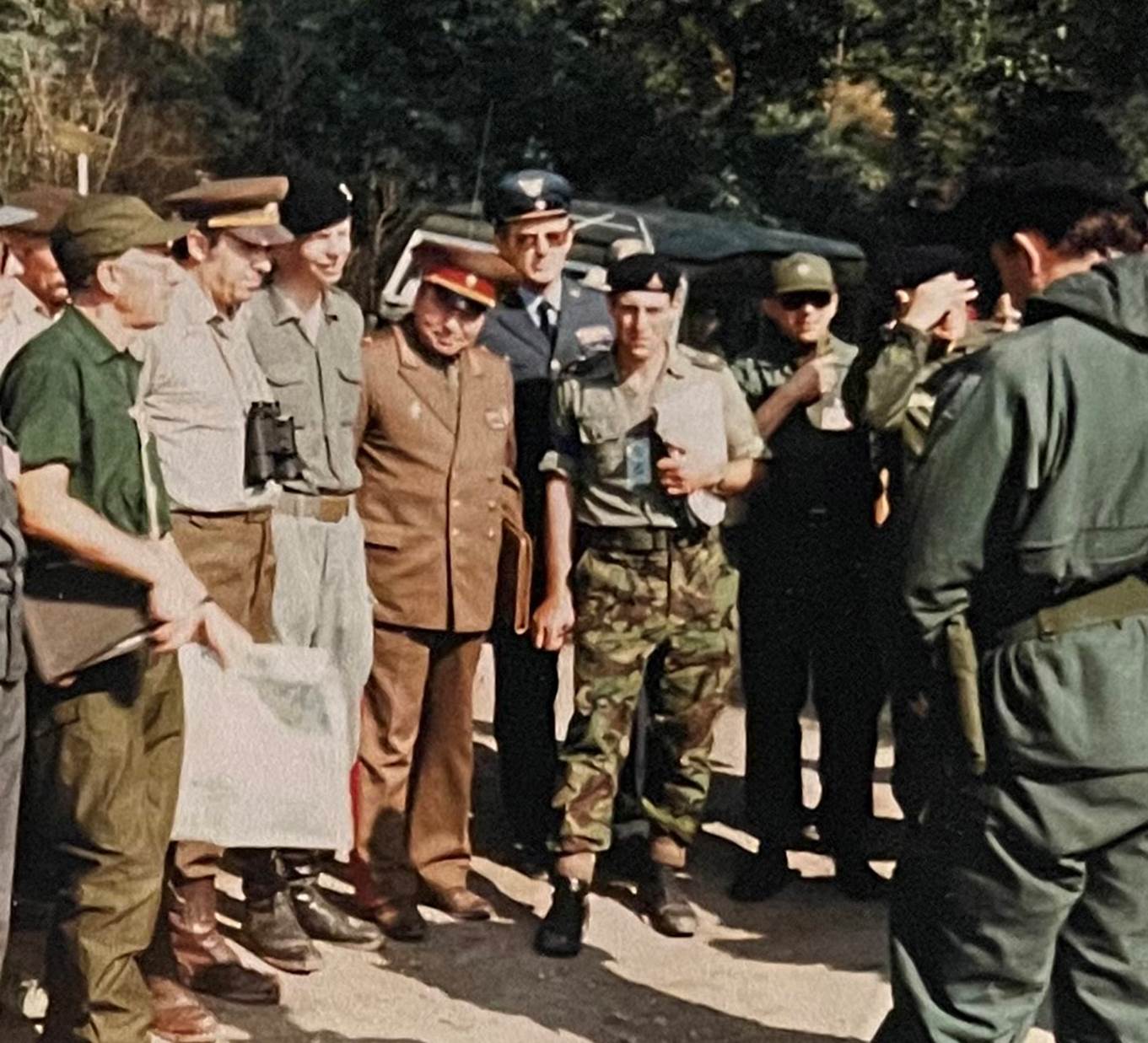
Briefing the team of observers including from the
Soviet Union (observers from hostile nations were invited to observe the big
exercises as part of deterrence)
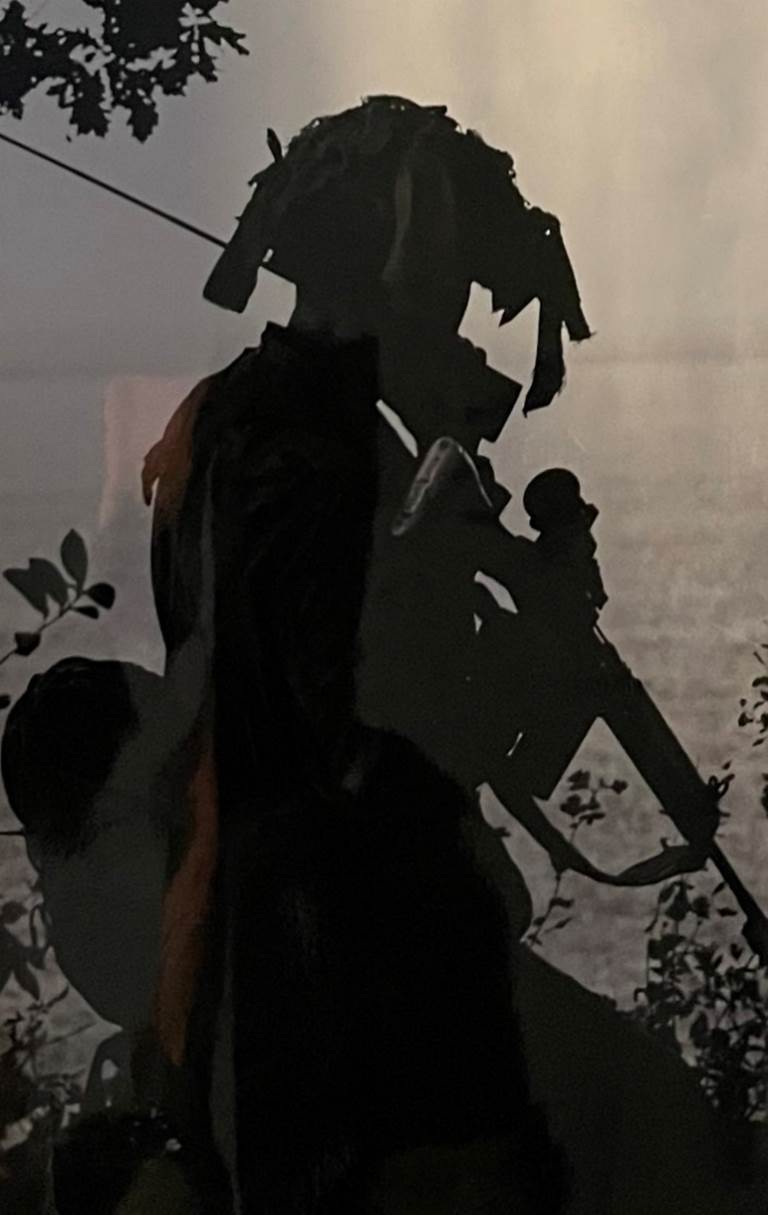
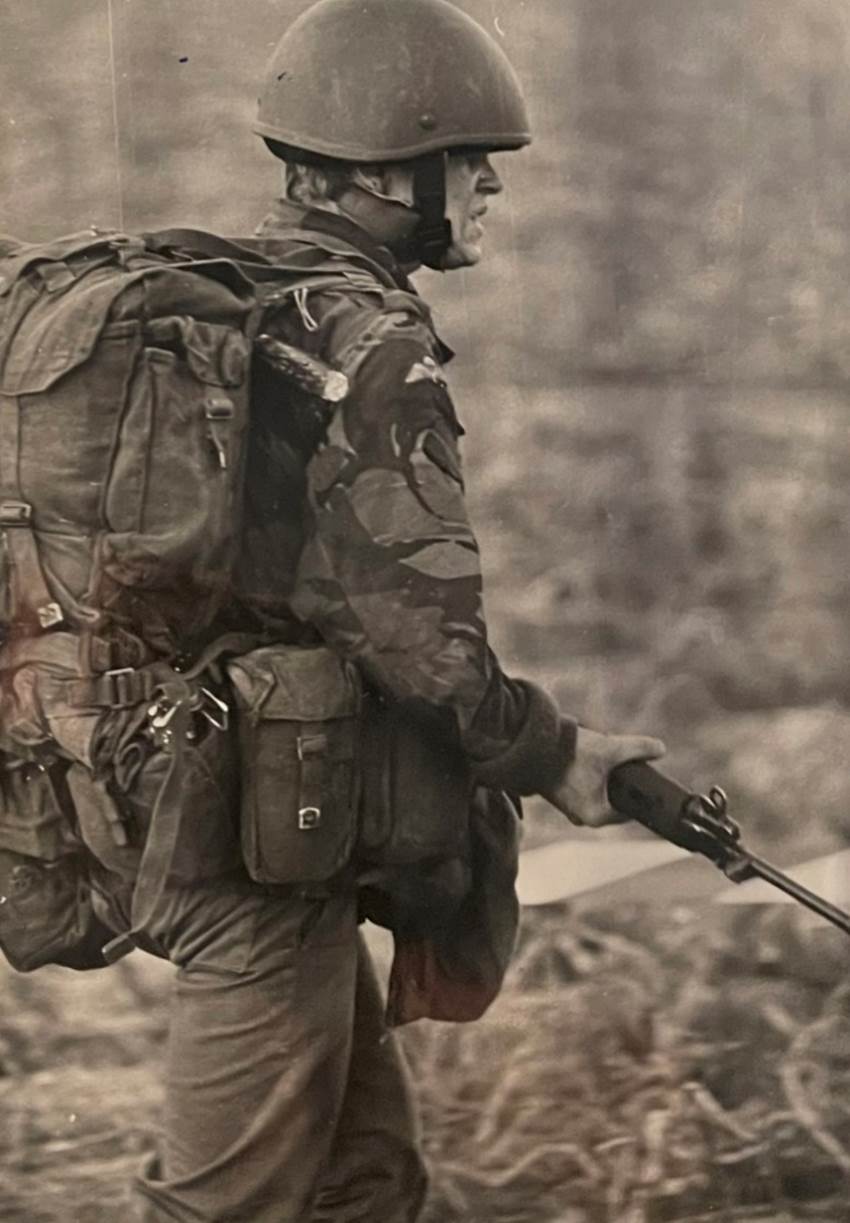
British infantryman
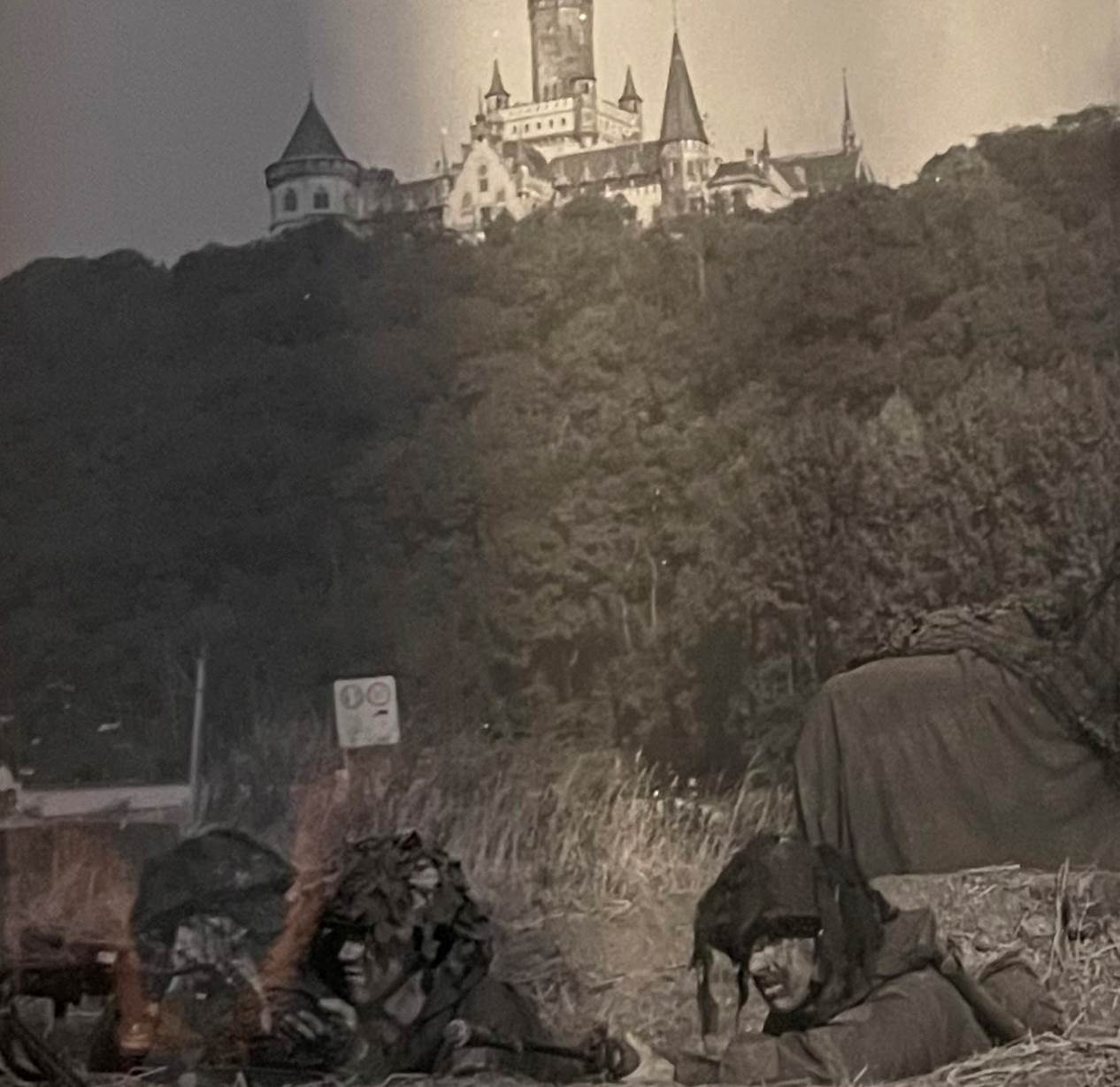
Second Battalion The Royal Irish infantrymen (Territorial Army) guard
near the Schloss at the Marienburg Bridge British
Territorial Army para
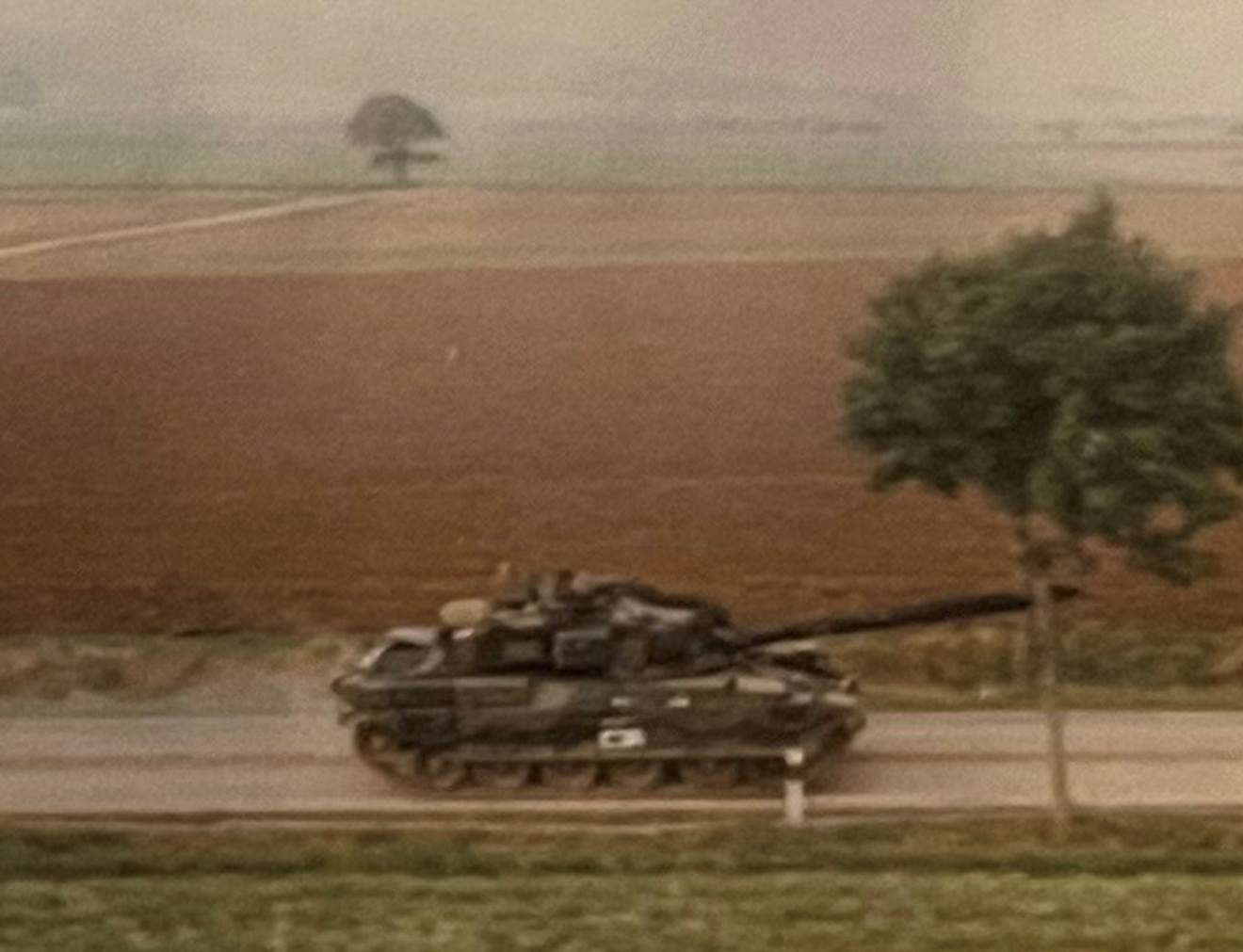
Chieftain of 4 RTR moving to cross the Leine
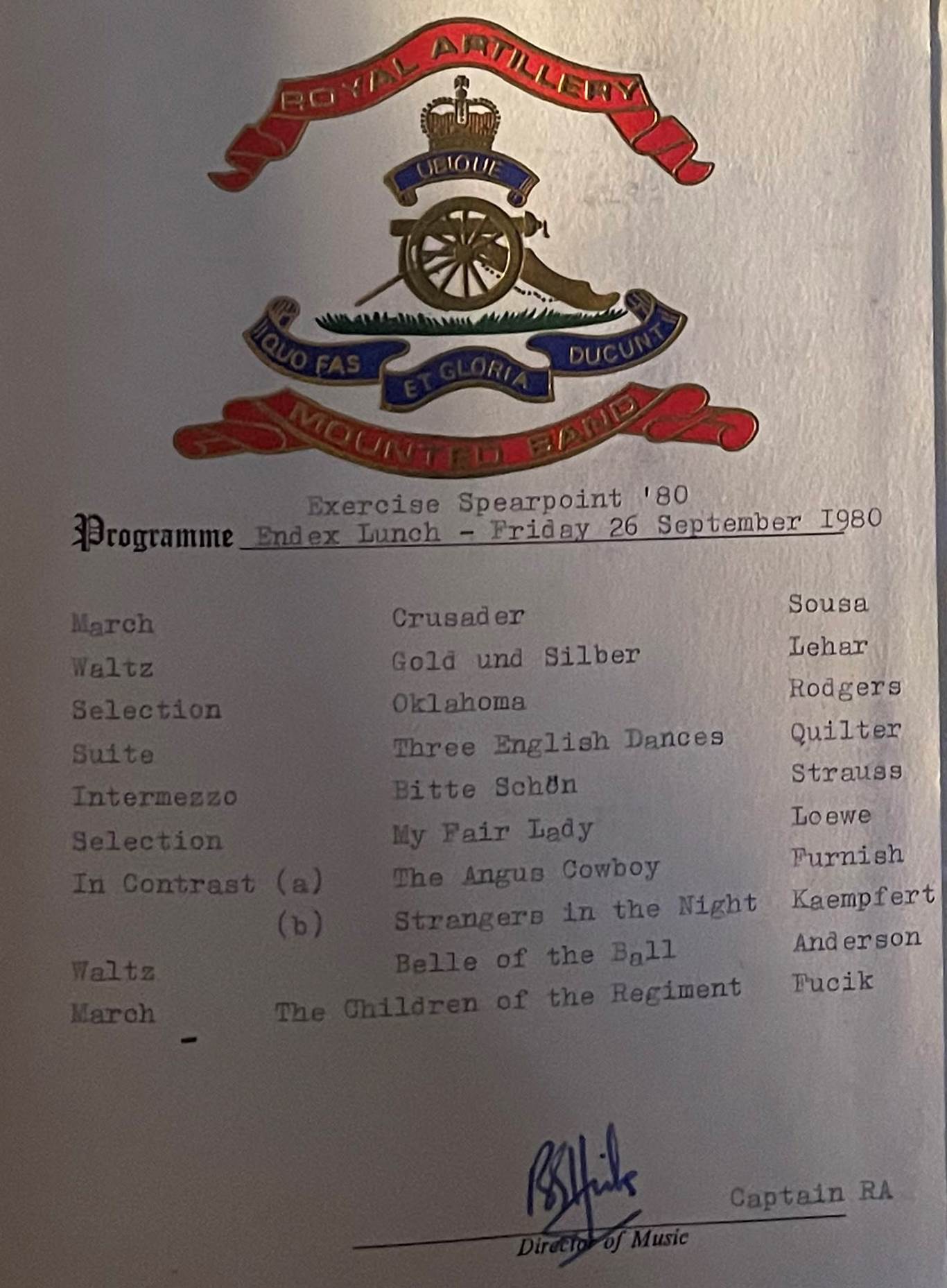
A First Day cover commenmorating Exercise Spearpoint
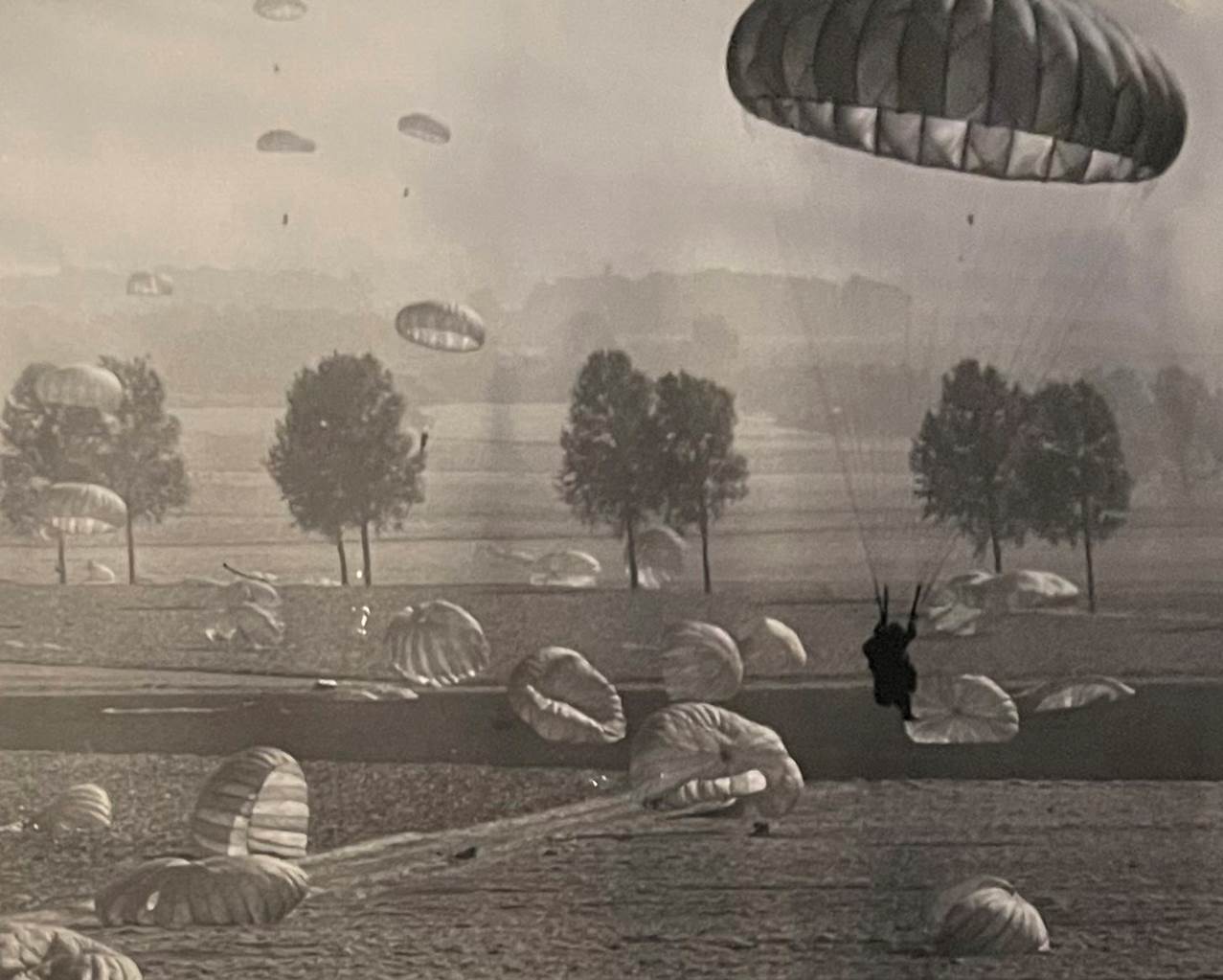
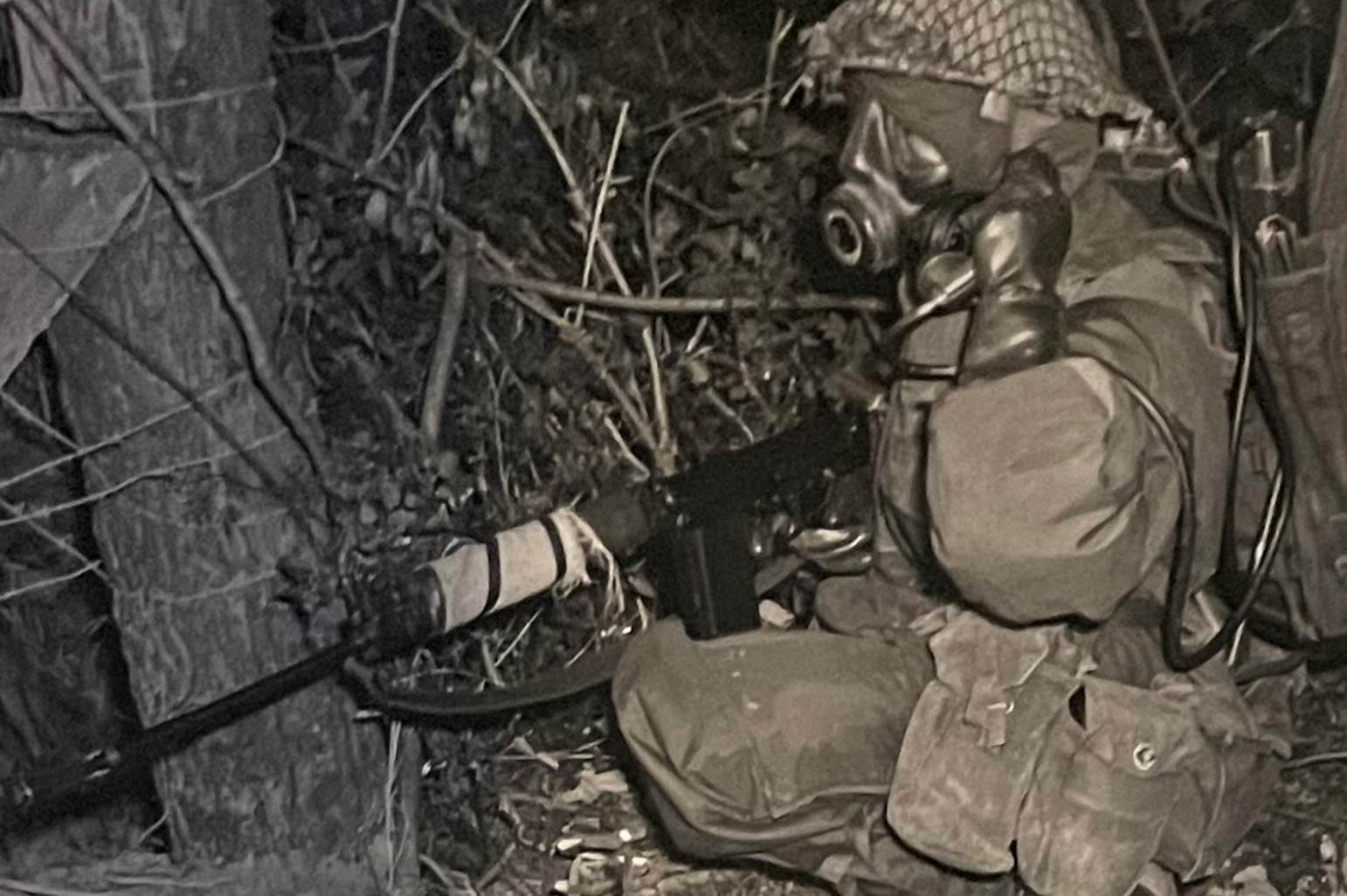
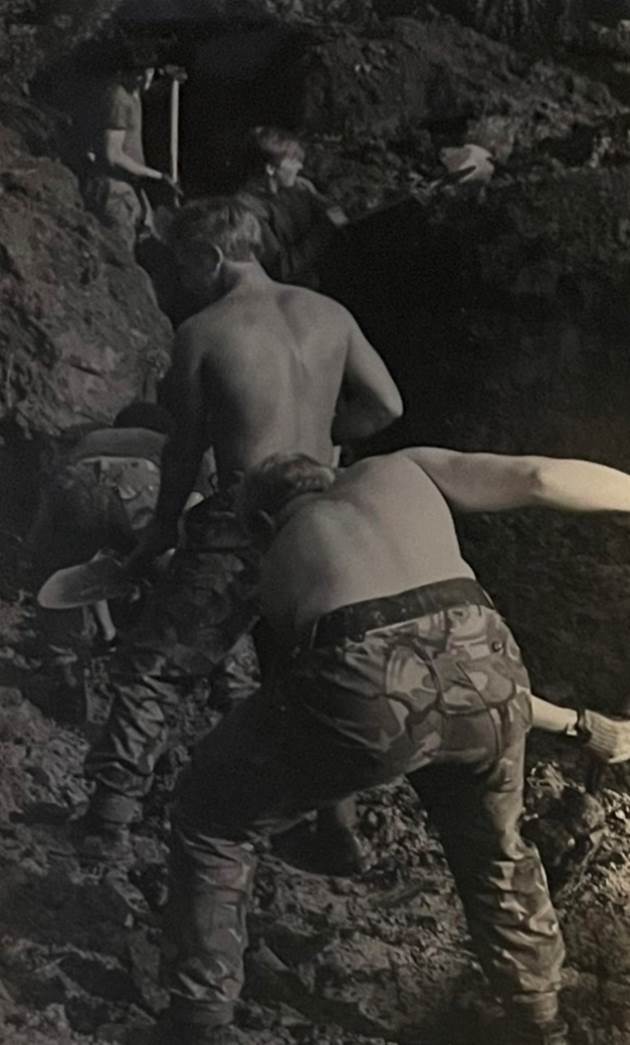
Drop by 82nd US Para Division
In NBC protection equipment durinmg a simulated nerve agent attack
Gunners of 40 Field Regiment dig in
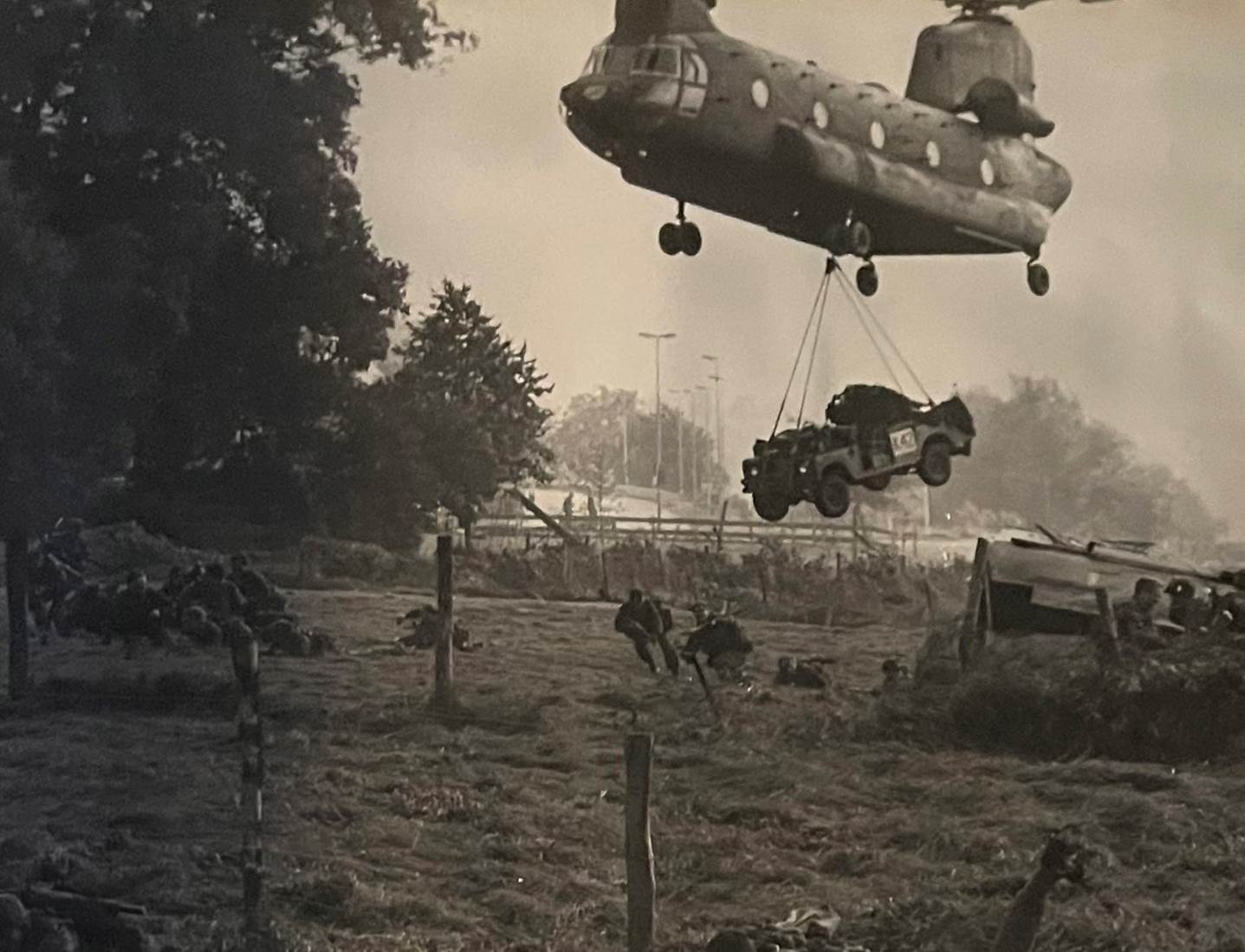
Helicopter attack with US Chinook helicopters
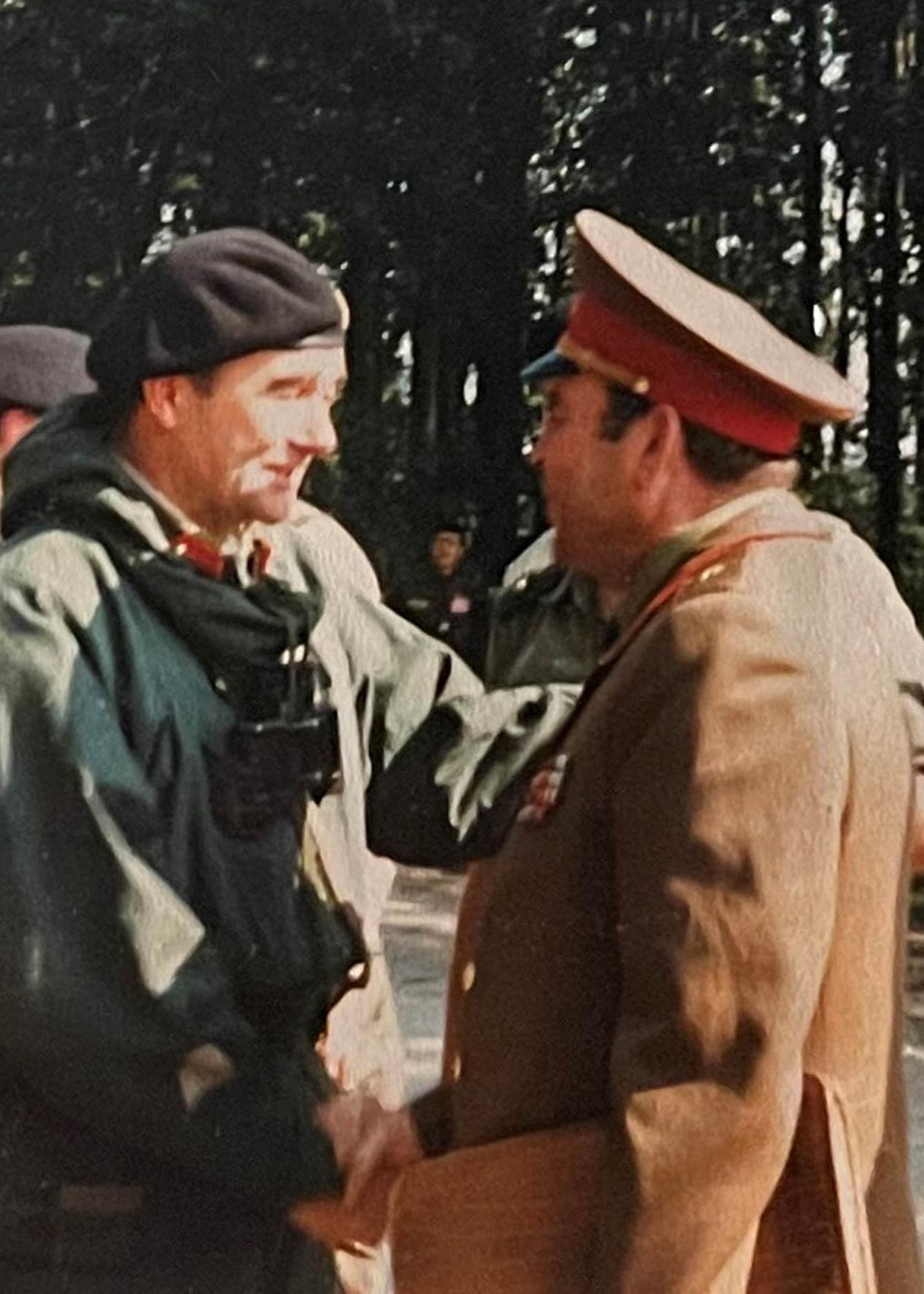
GOC 2 Division with a Soviet General observer
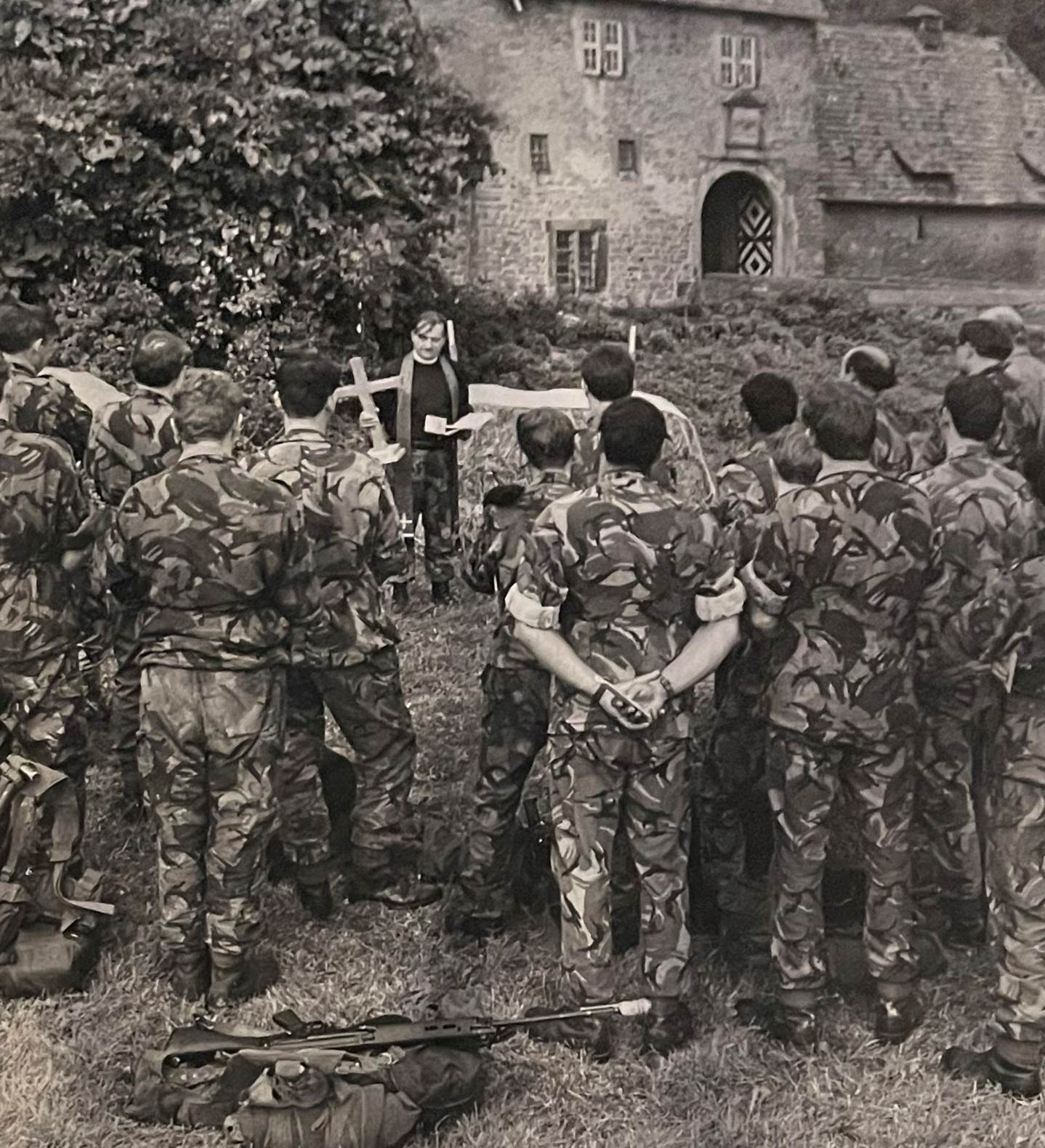
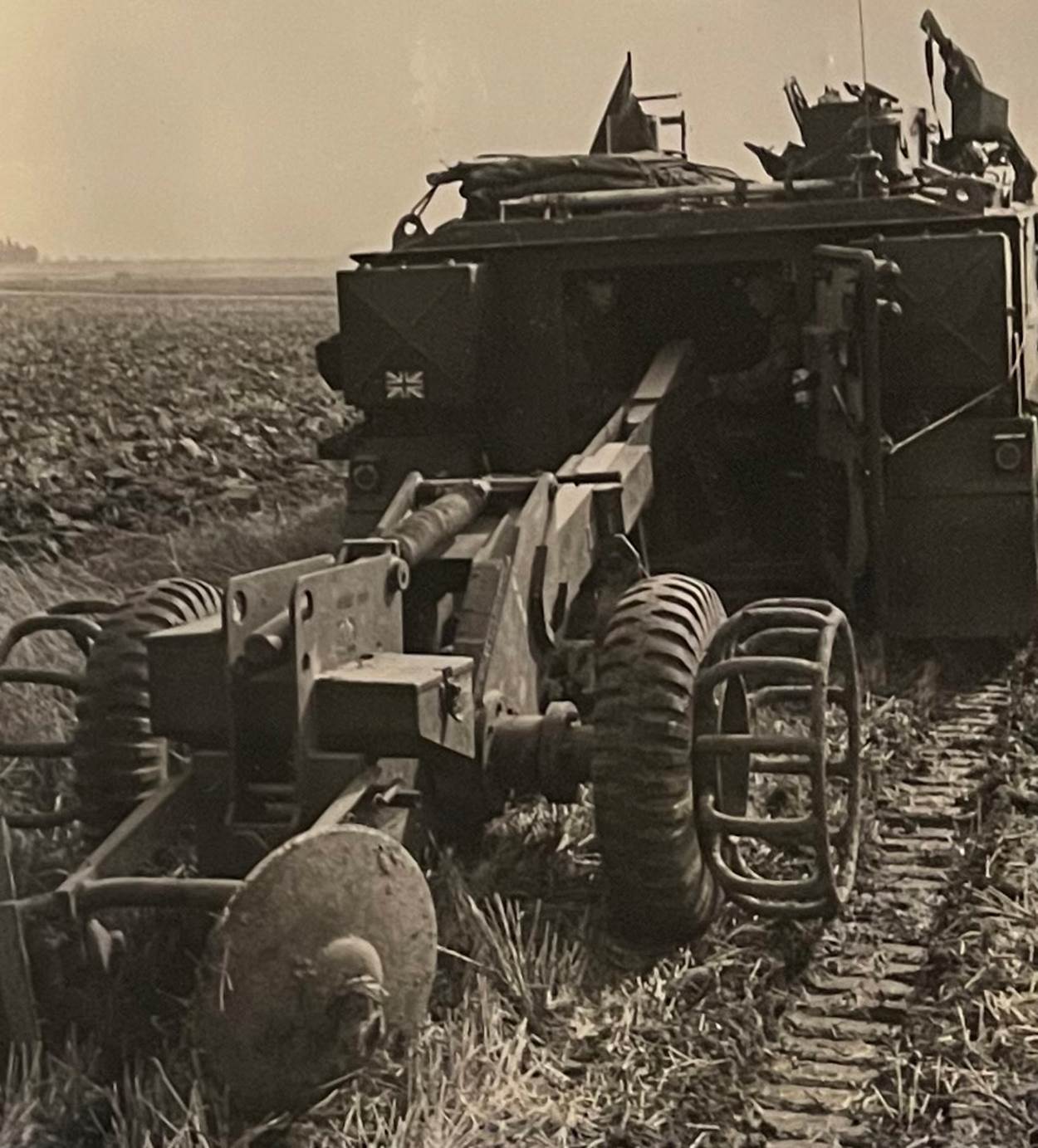
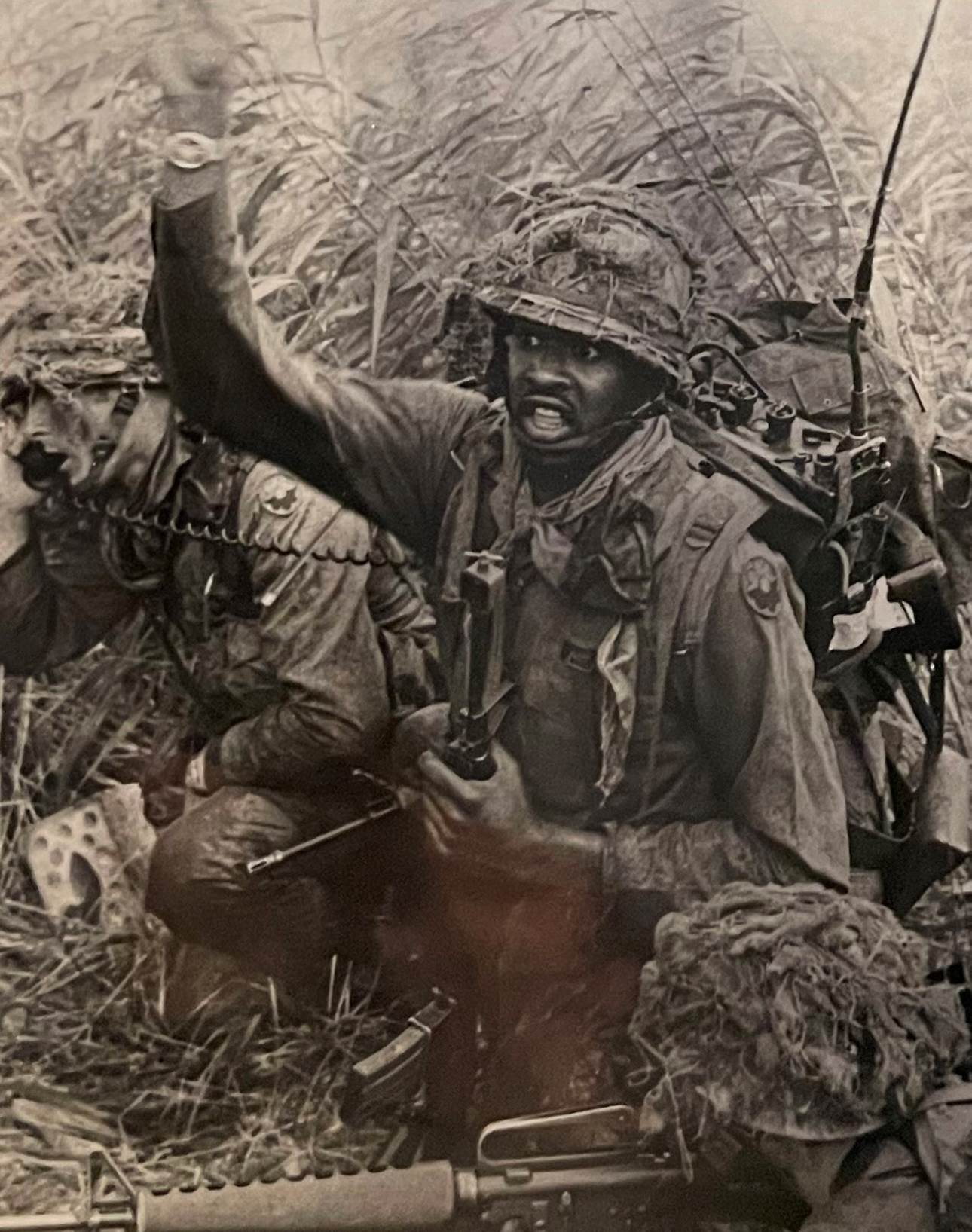
The padre on exercise - a service in the field
Sappers of 25 Engineer Regiment
US Soldiers of 2nd (US) Armoured Division arrive
Divisional Commander’s Tactical Headquarters
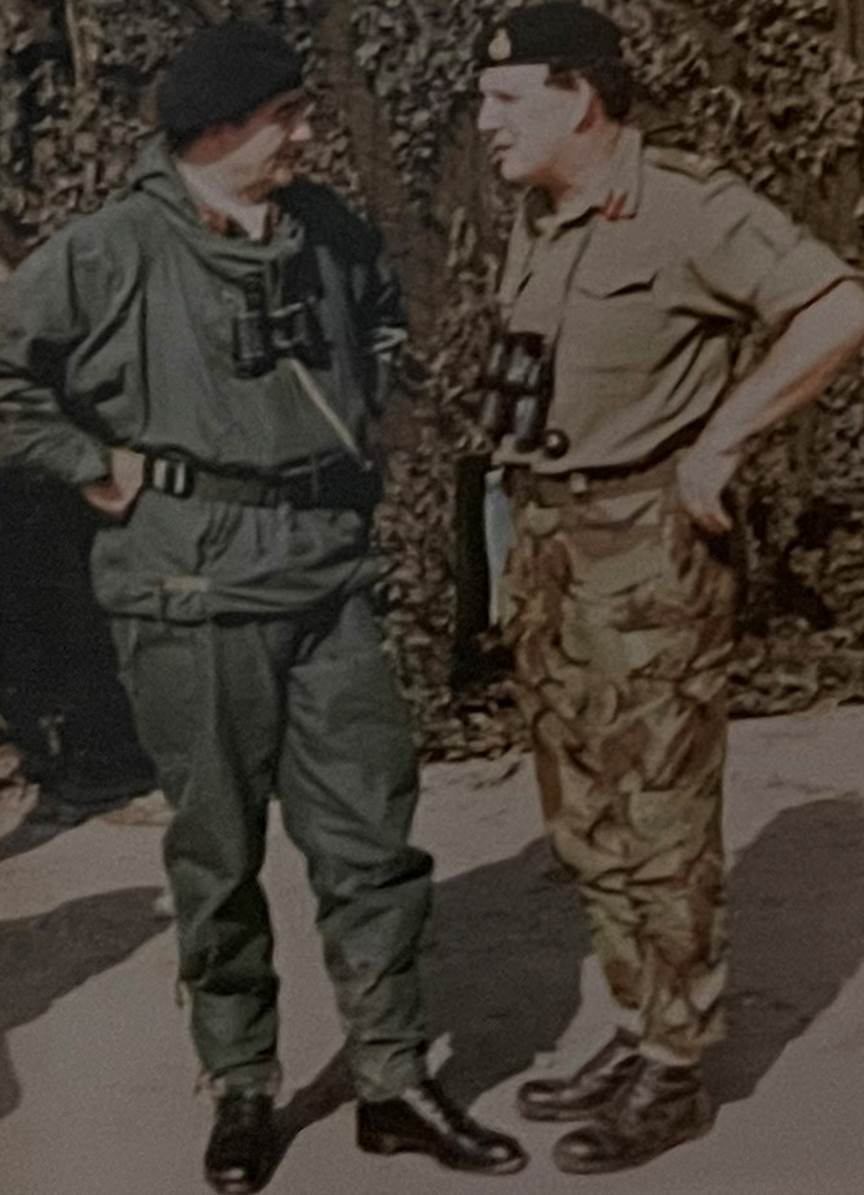
Major General MB Farndale in his NBC kit talking to the MGRA, Major
General Ted Burgess
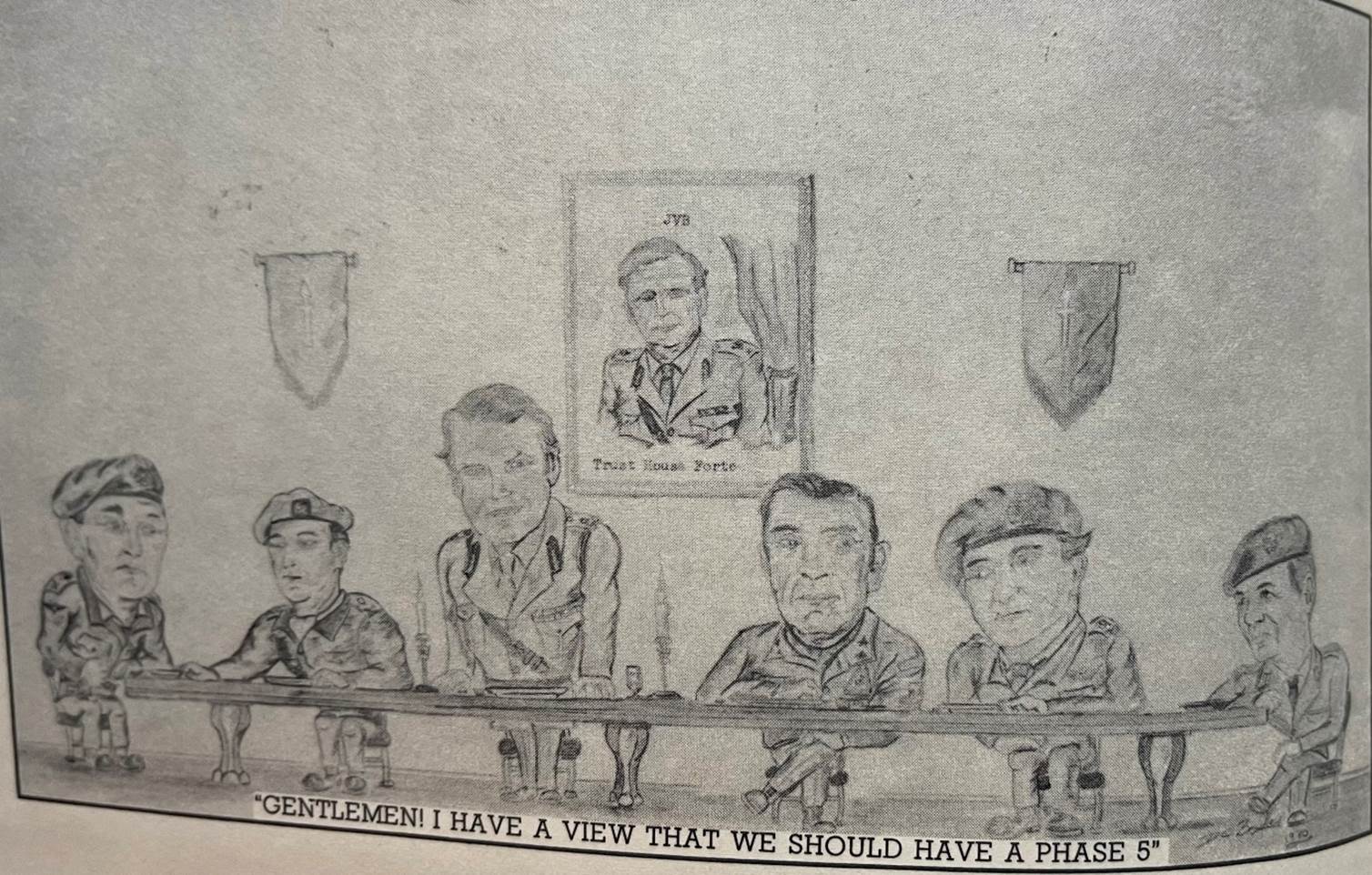
The exercise Generals depicted by a cartoonist (Martin Farndale
second from right)
GOC visits the Padres’ Study Day
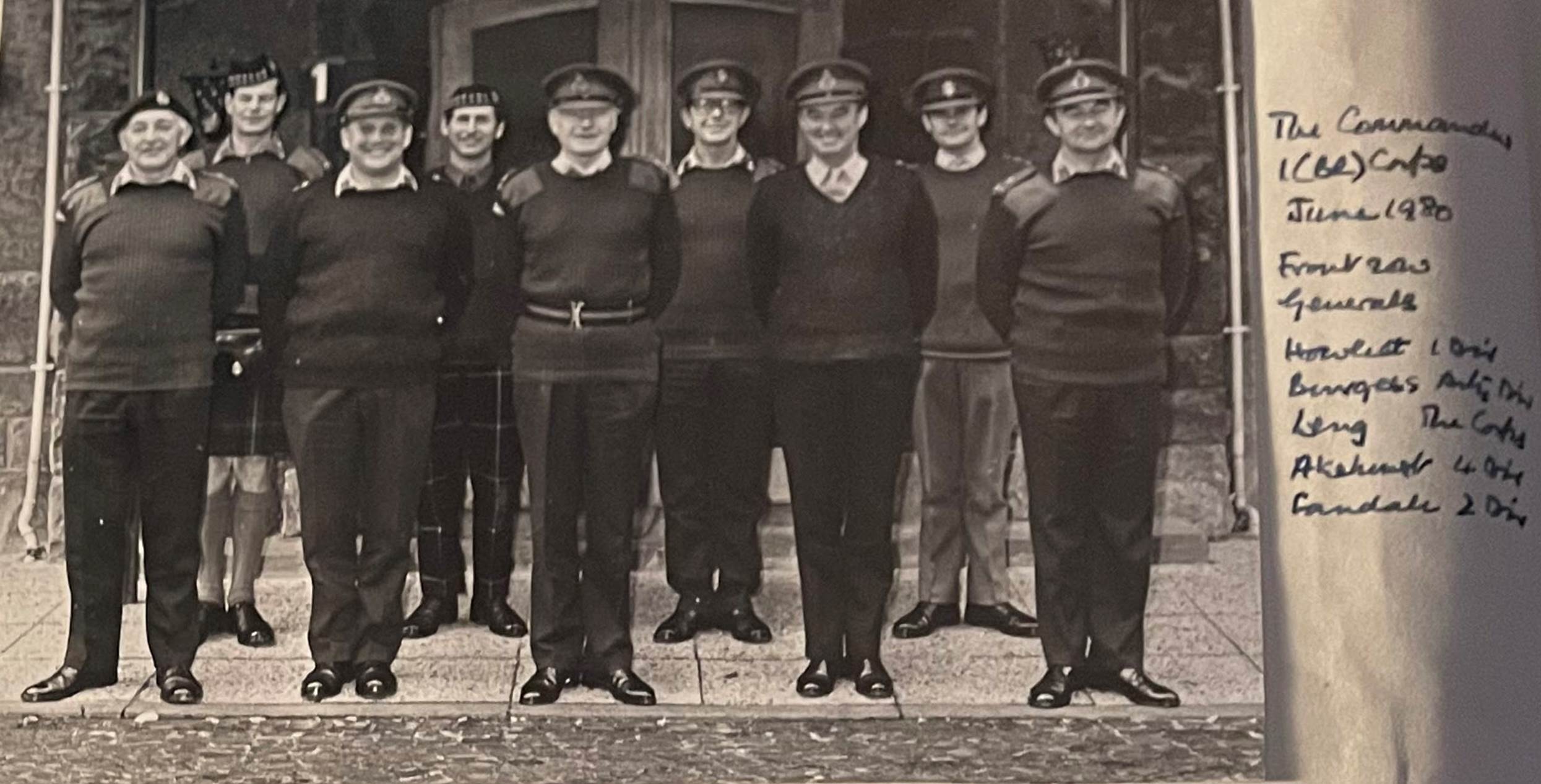
Commander 1 (BR) Corps with his divisional commanders, June 1980
(Martin Farndale front right)
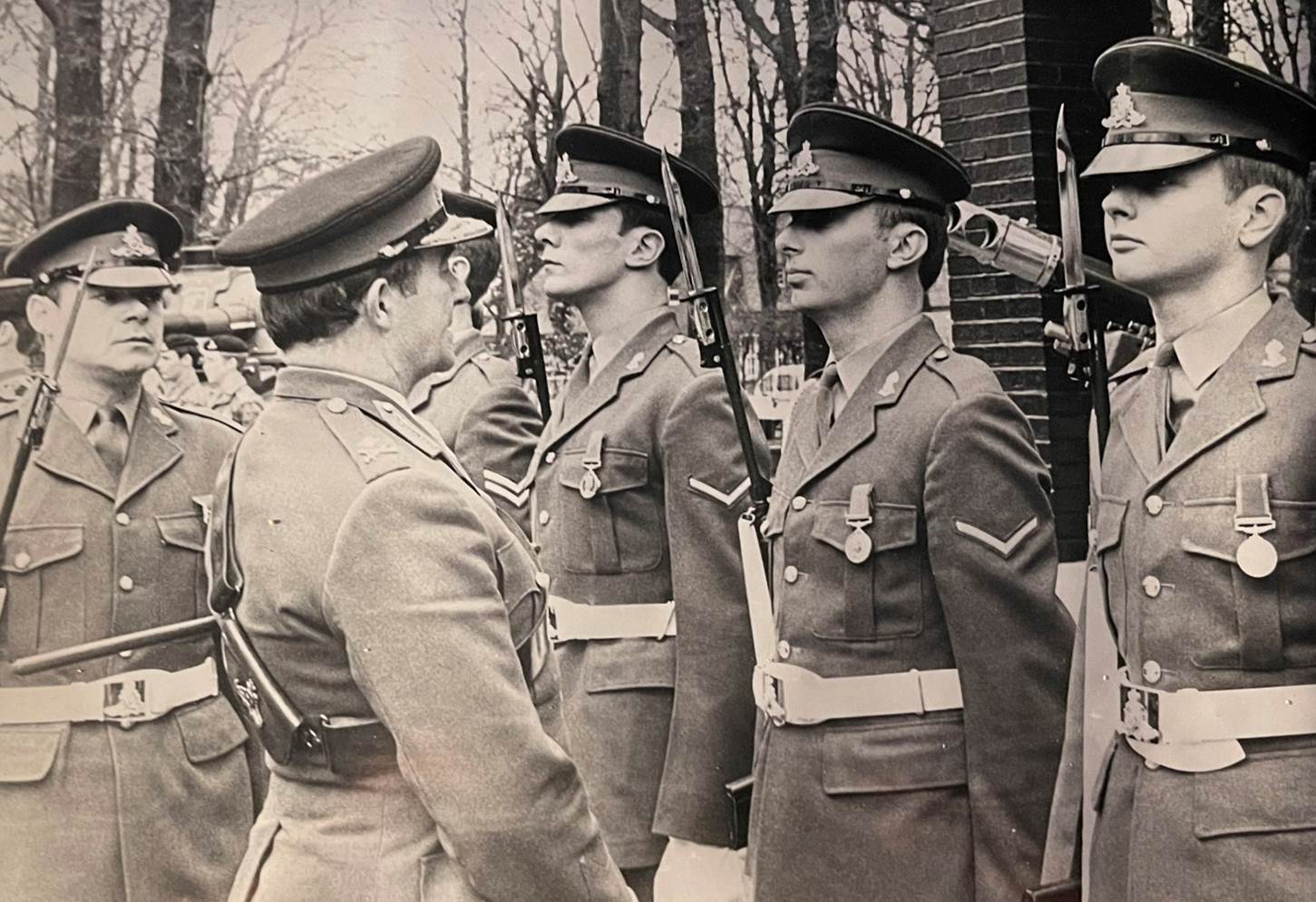
Visit from the Burgermeister of Lubbecke (Left Capt David Shaw RHA
ADC, later himself GOC 2 Div in Scotland)
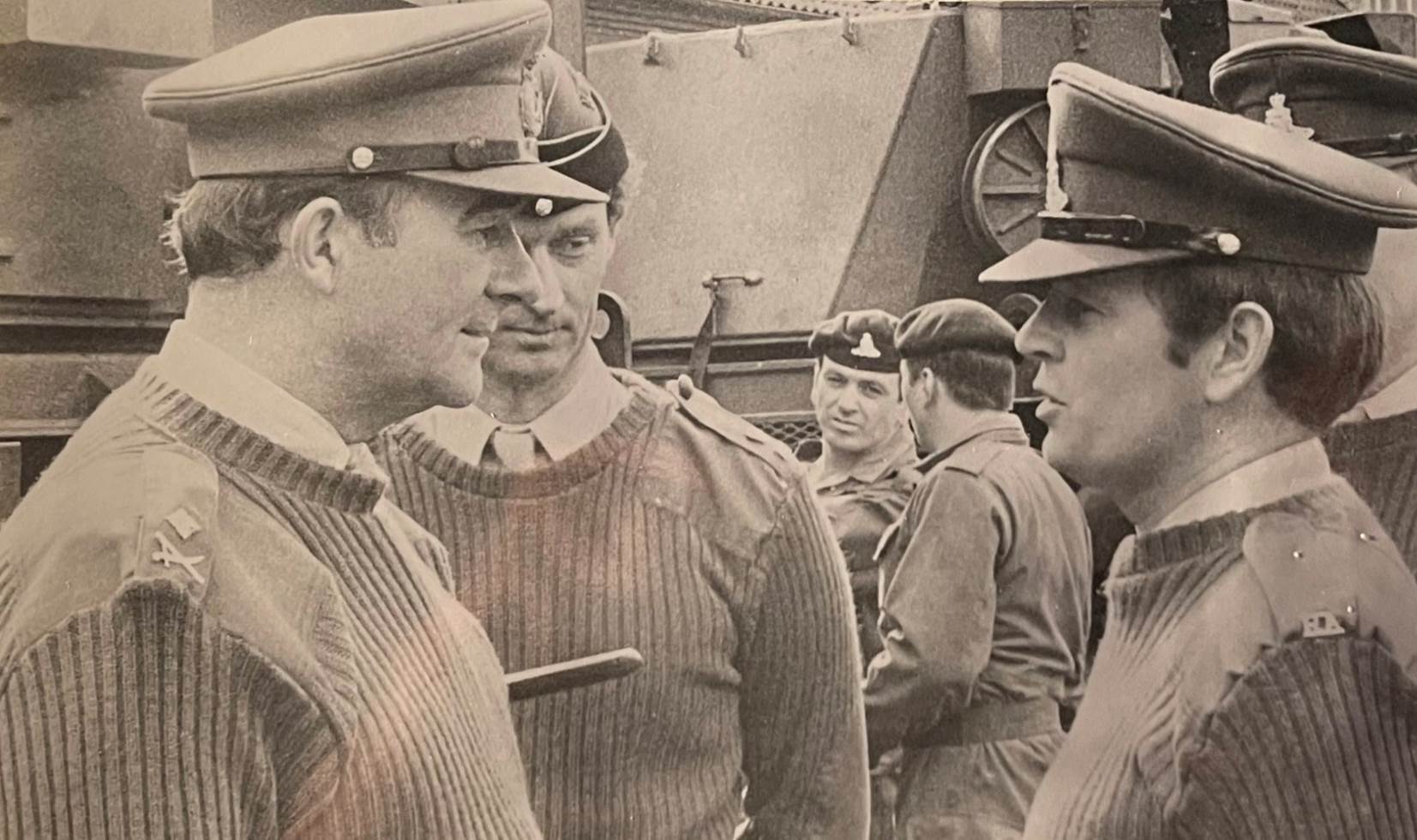
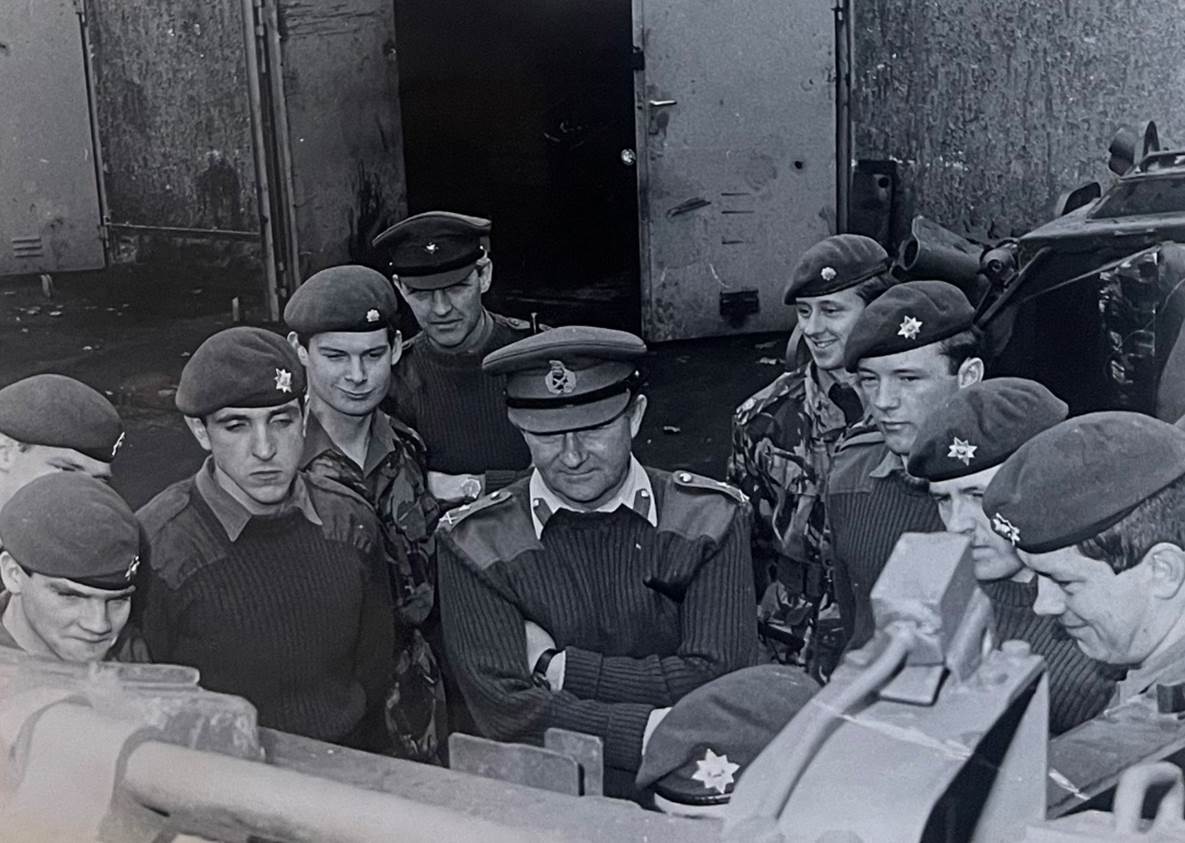
Visit to 40 Field Regiment Royal Artillery in
Gutersloh, March 1980
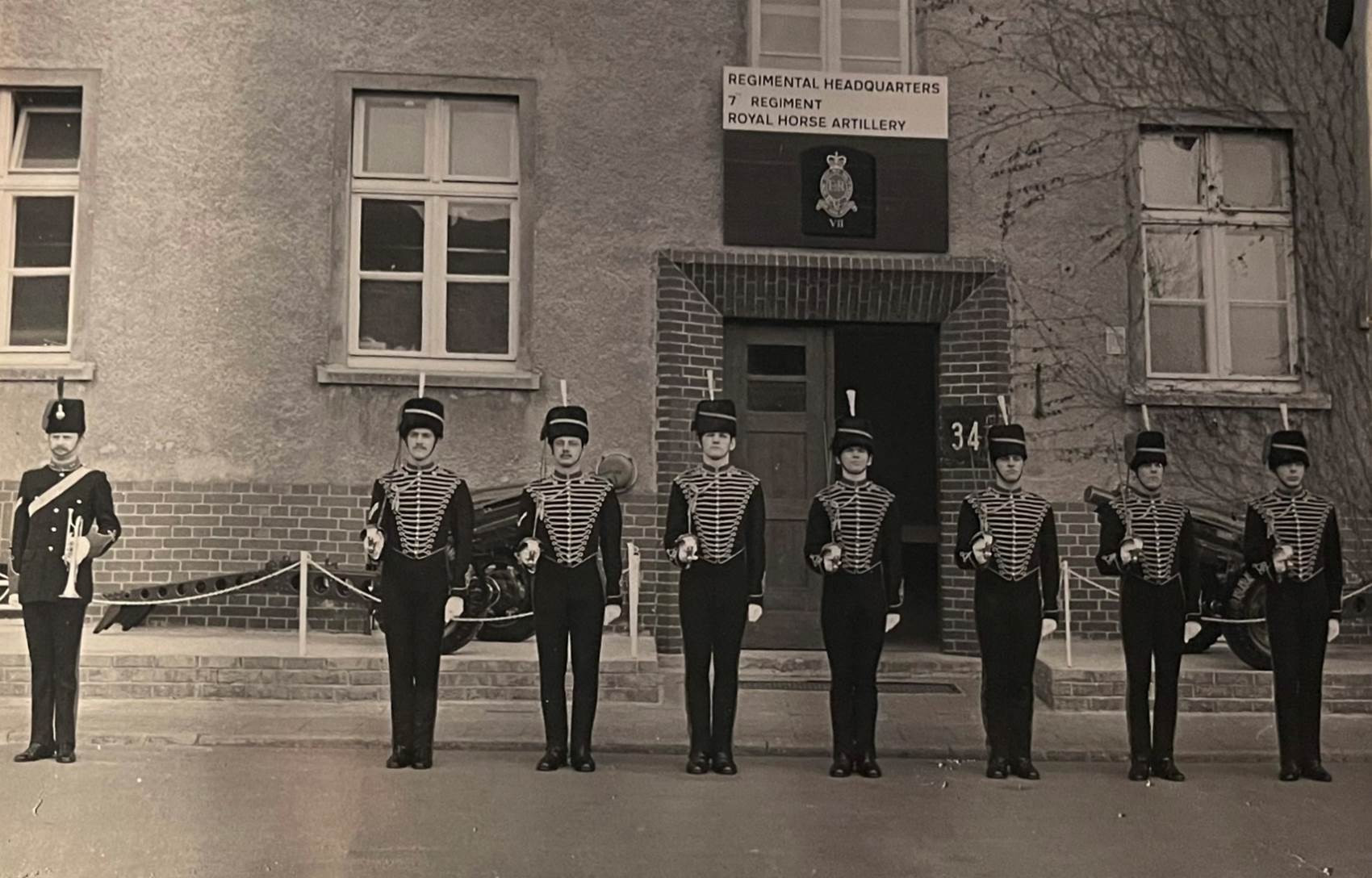
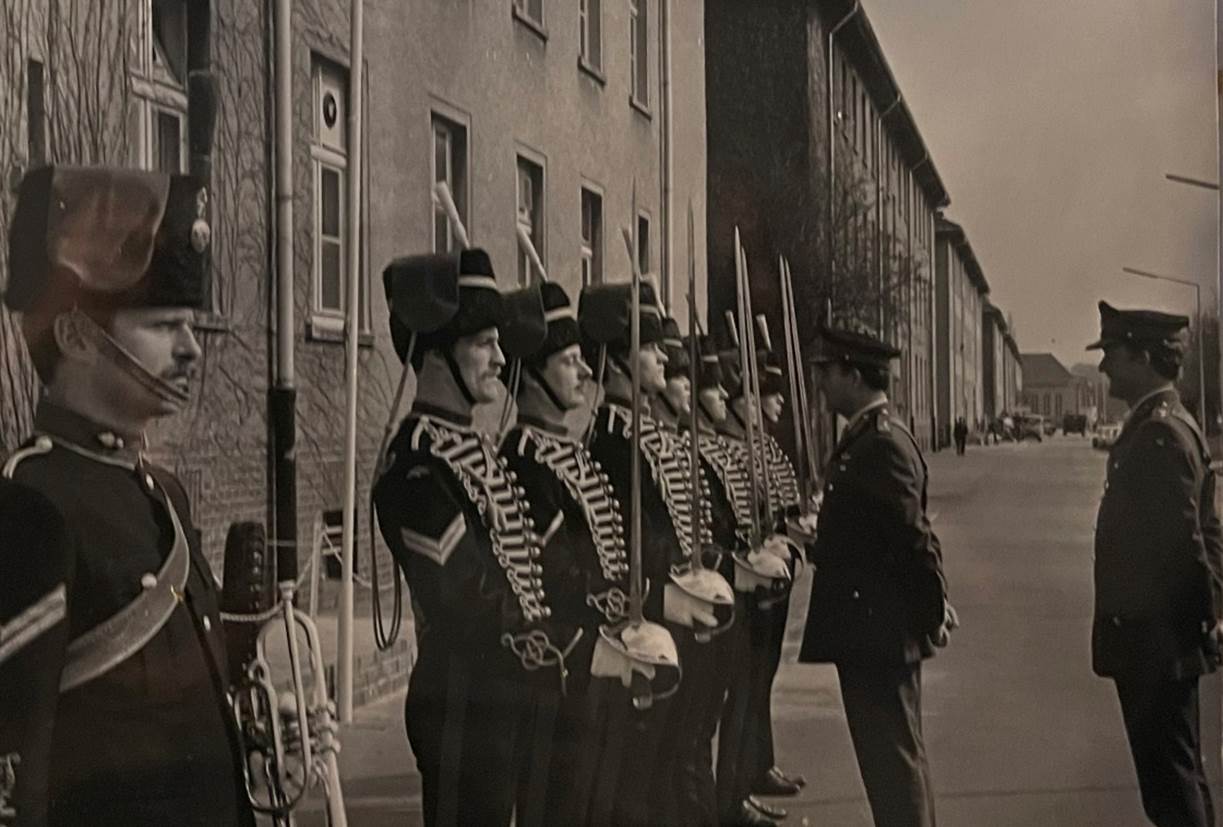
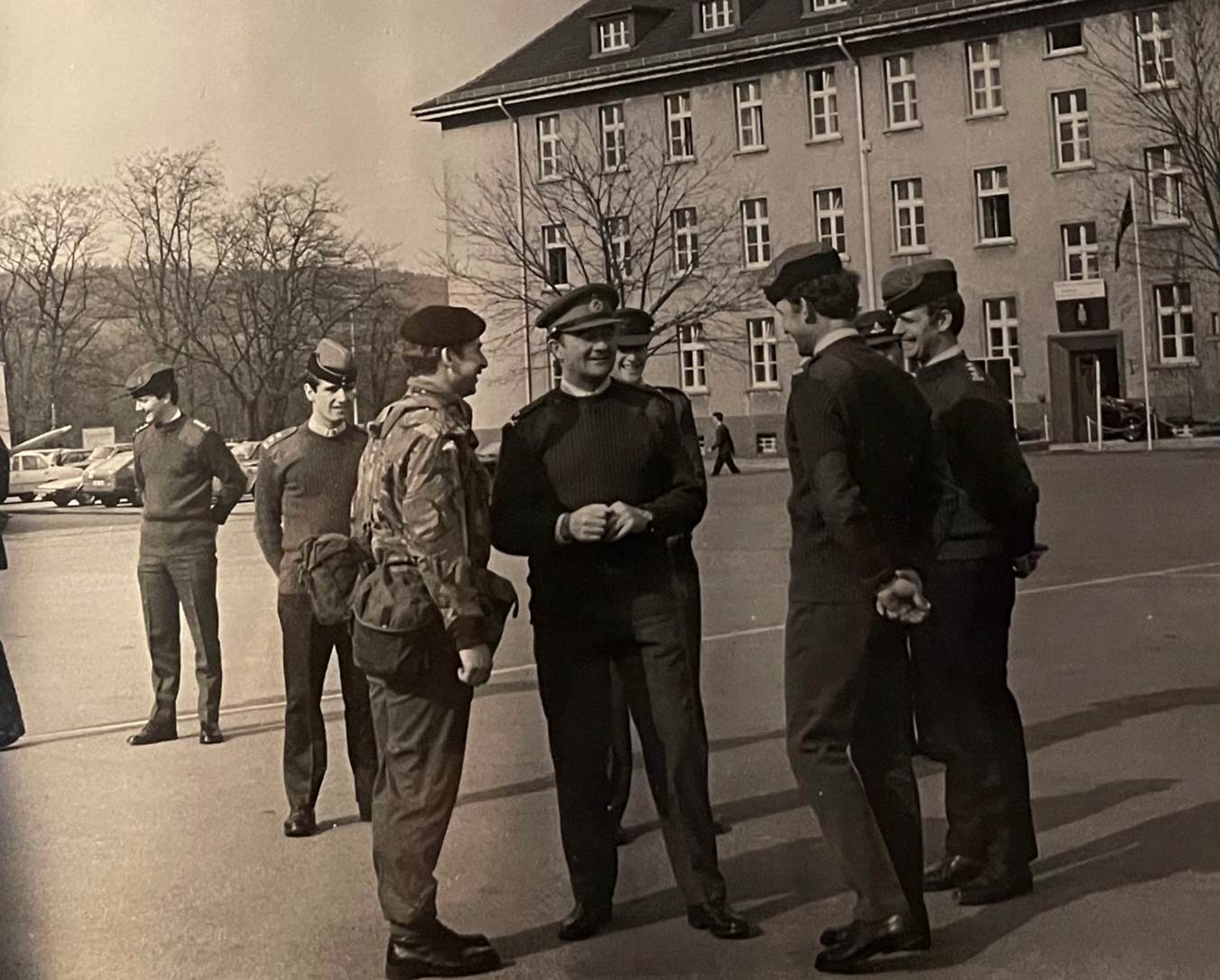
Visit to 7 RHA in Osnabruck, May 1980
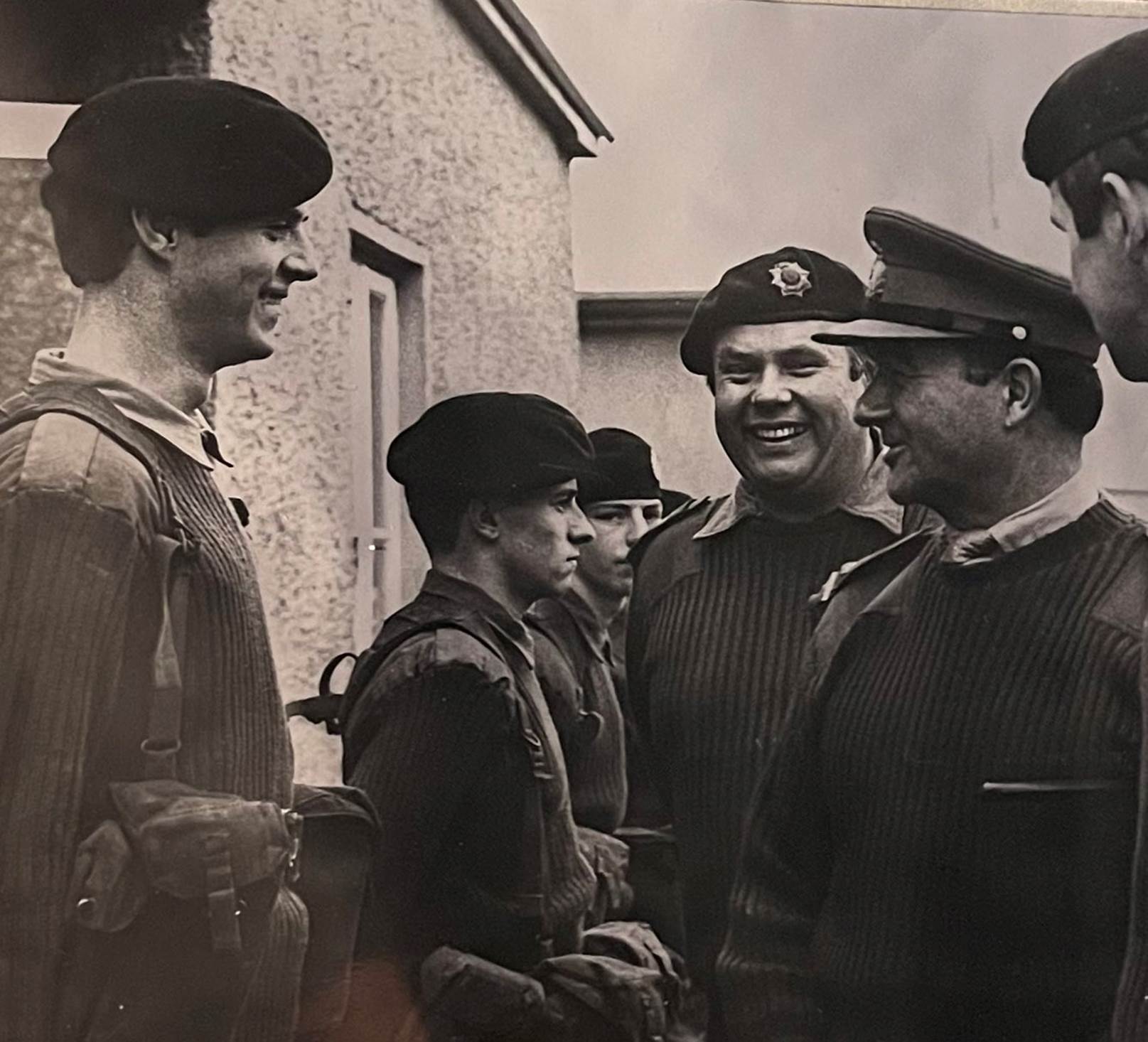
Visit to First Battalion The Royal Hampshire
Regiment in Munster, May 1980
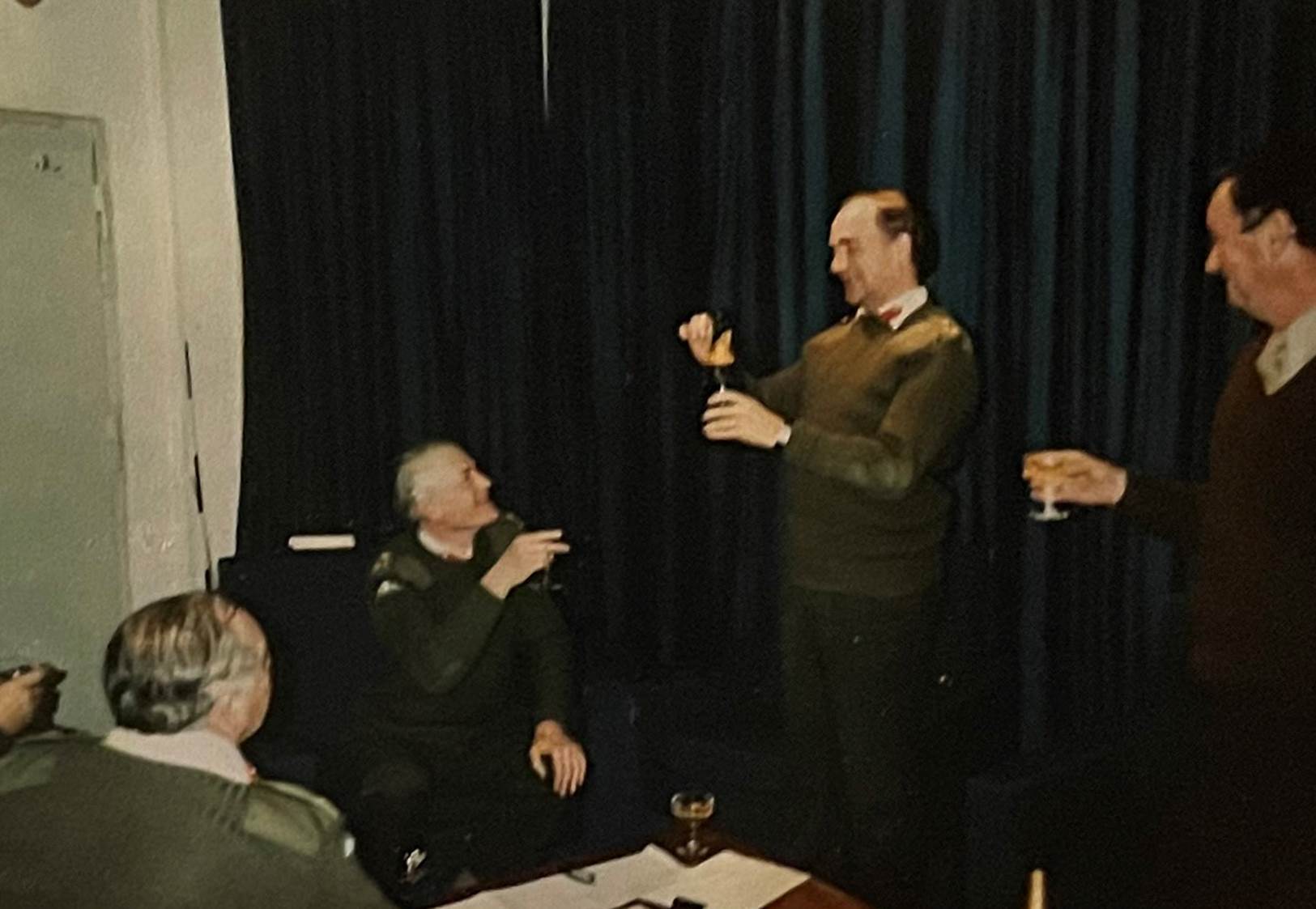
Champagne at the Corps Commander’s Conference,
October 1980
Corps and Divisional Commanders, October 1980 (Martin Farndale left)
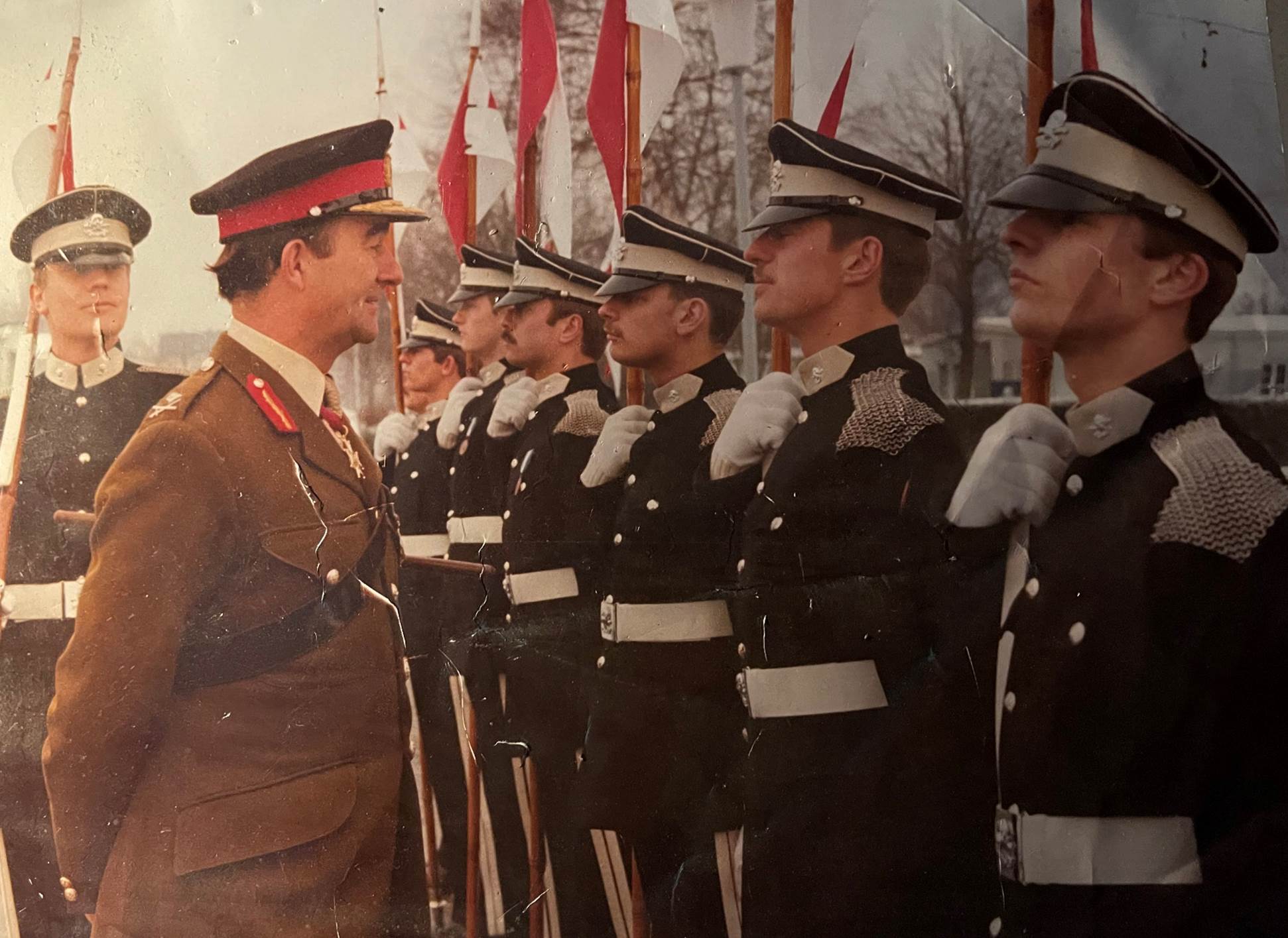
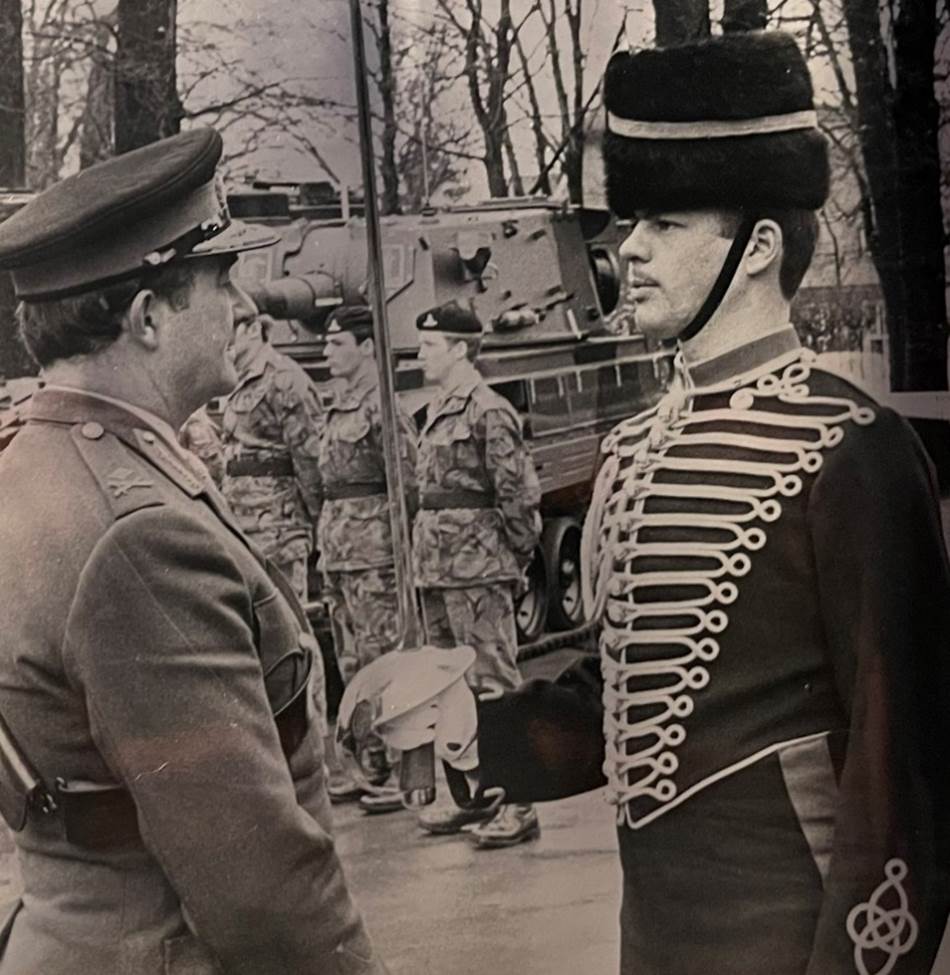
GOC 2 Div inspecting the Lancers
1981
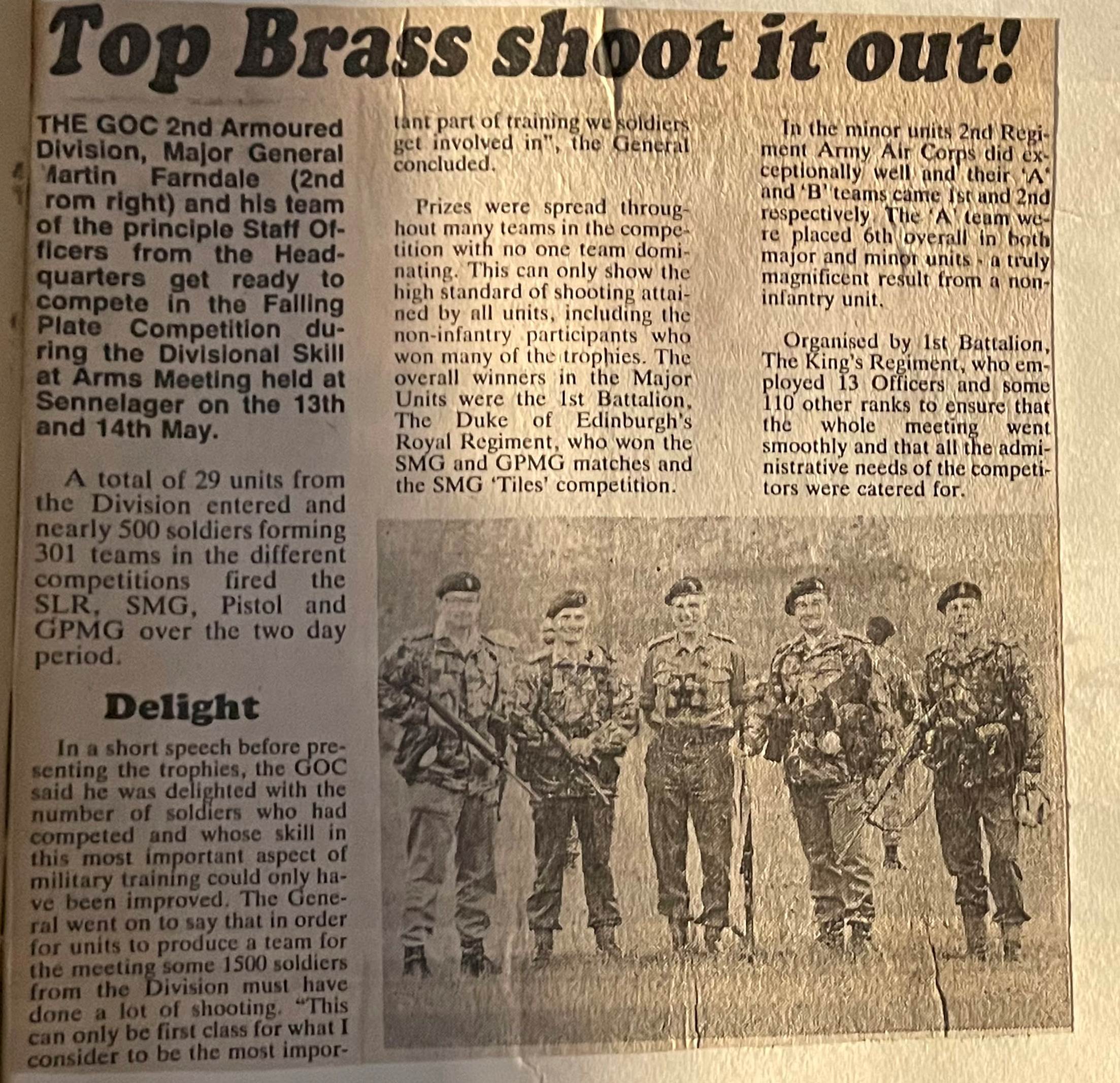
A shooting competition in 1981!
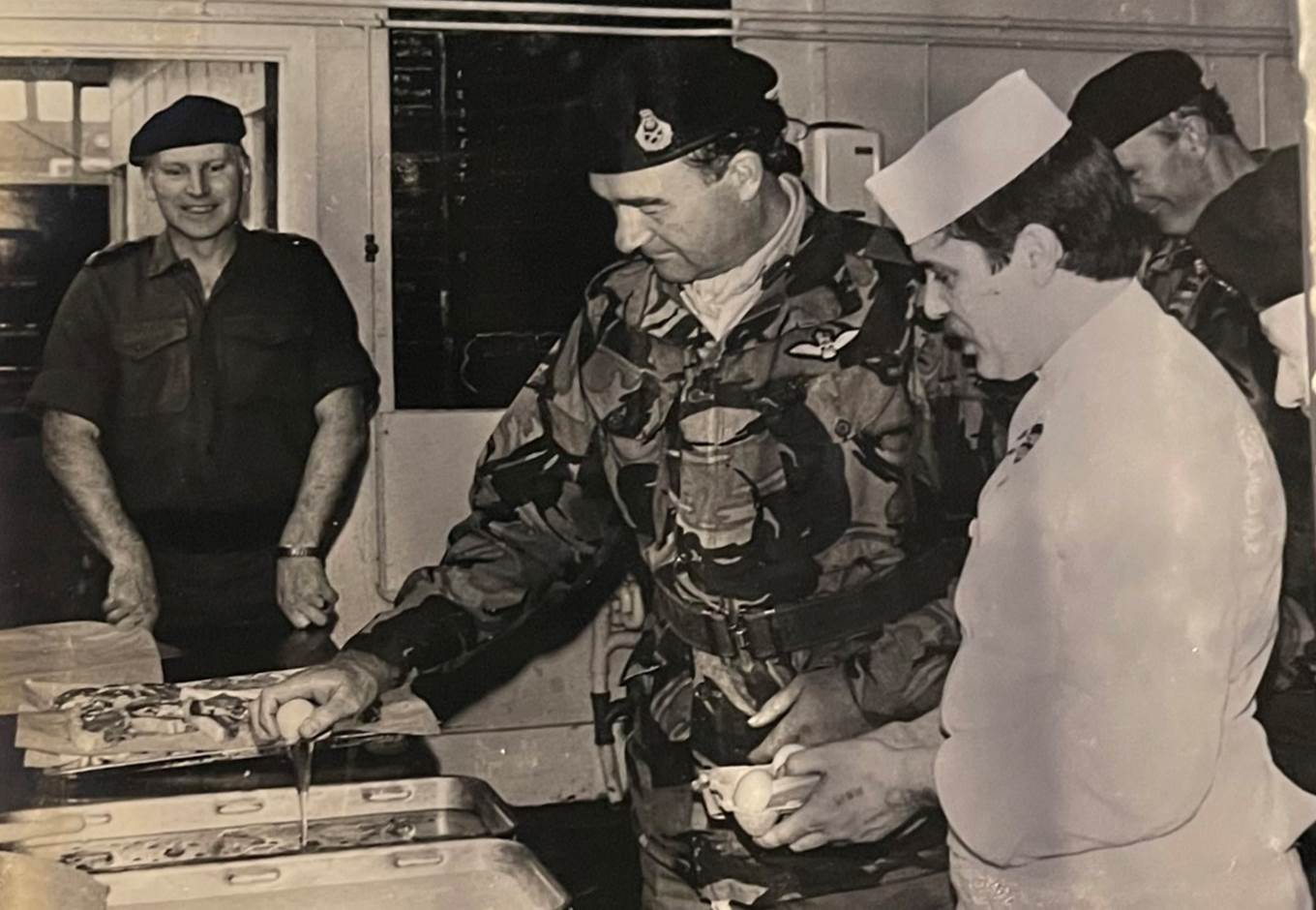
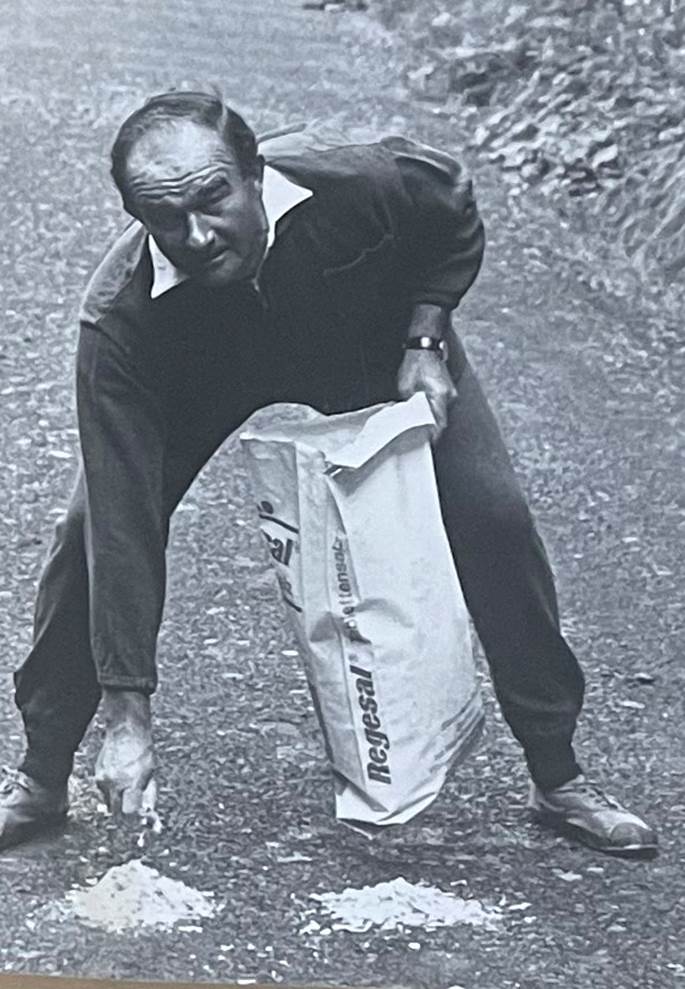
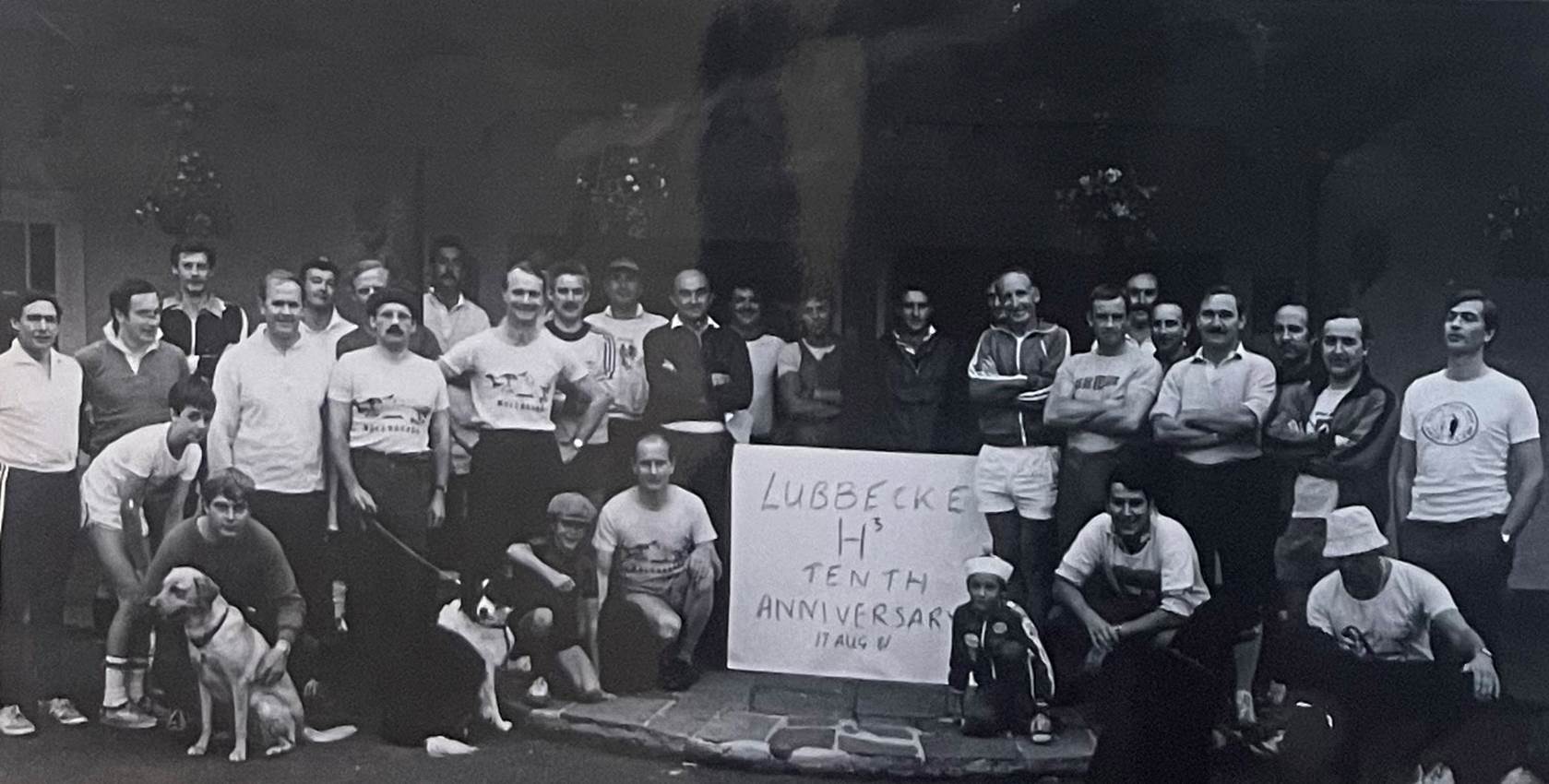
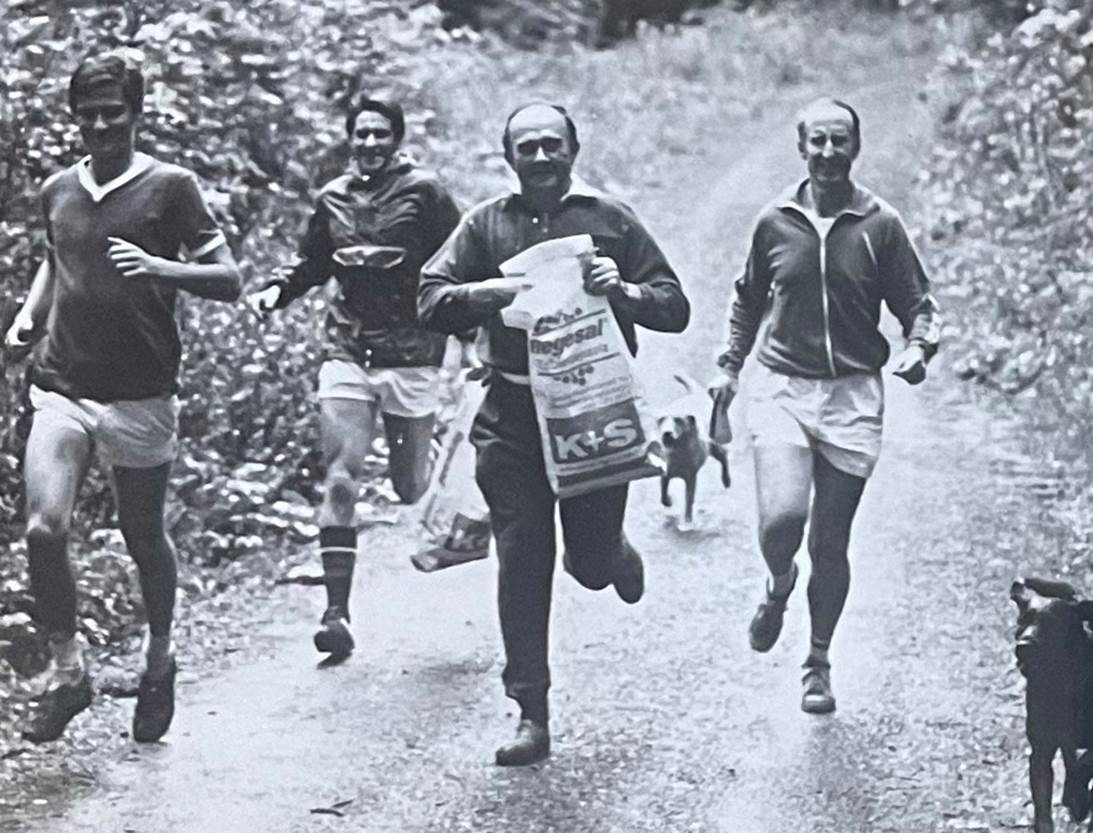
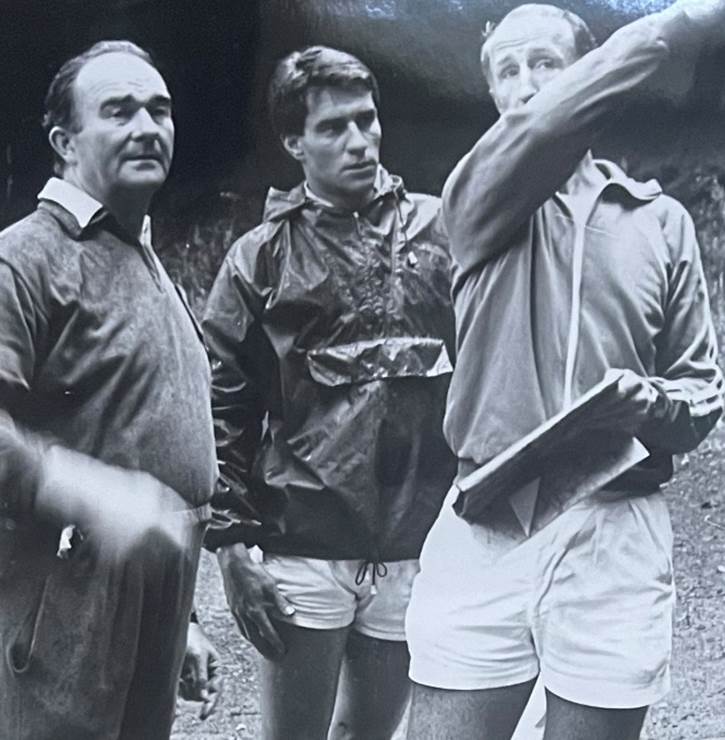
The Lubbecke Hash House Harriers in August 1981
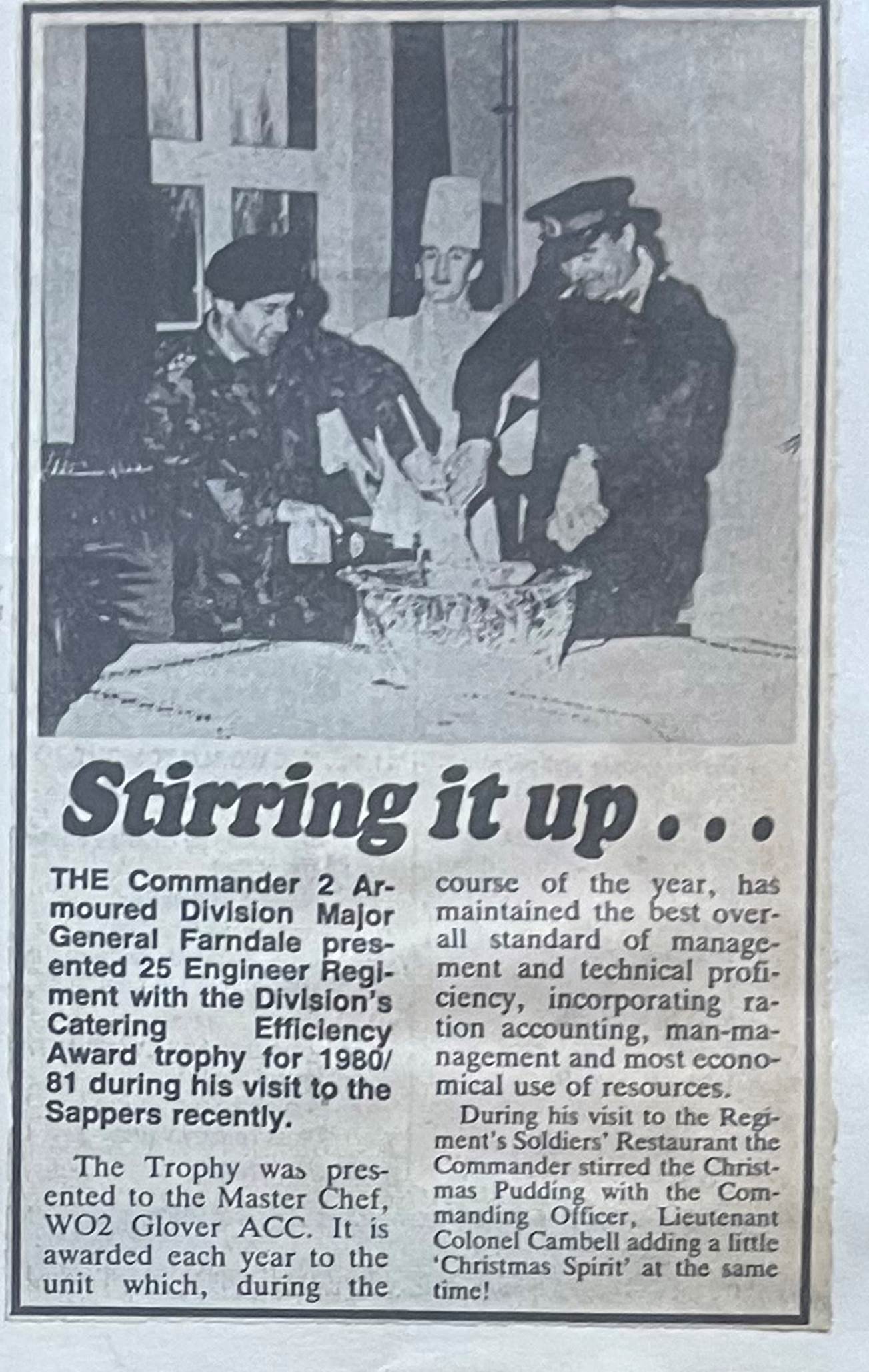
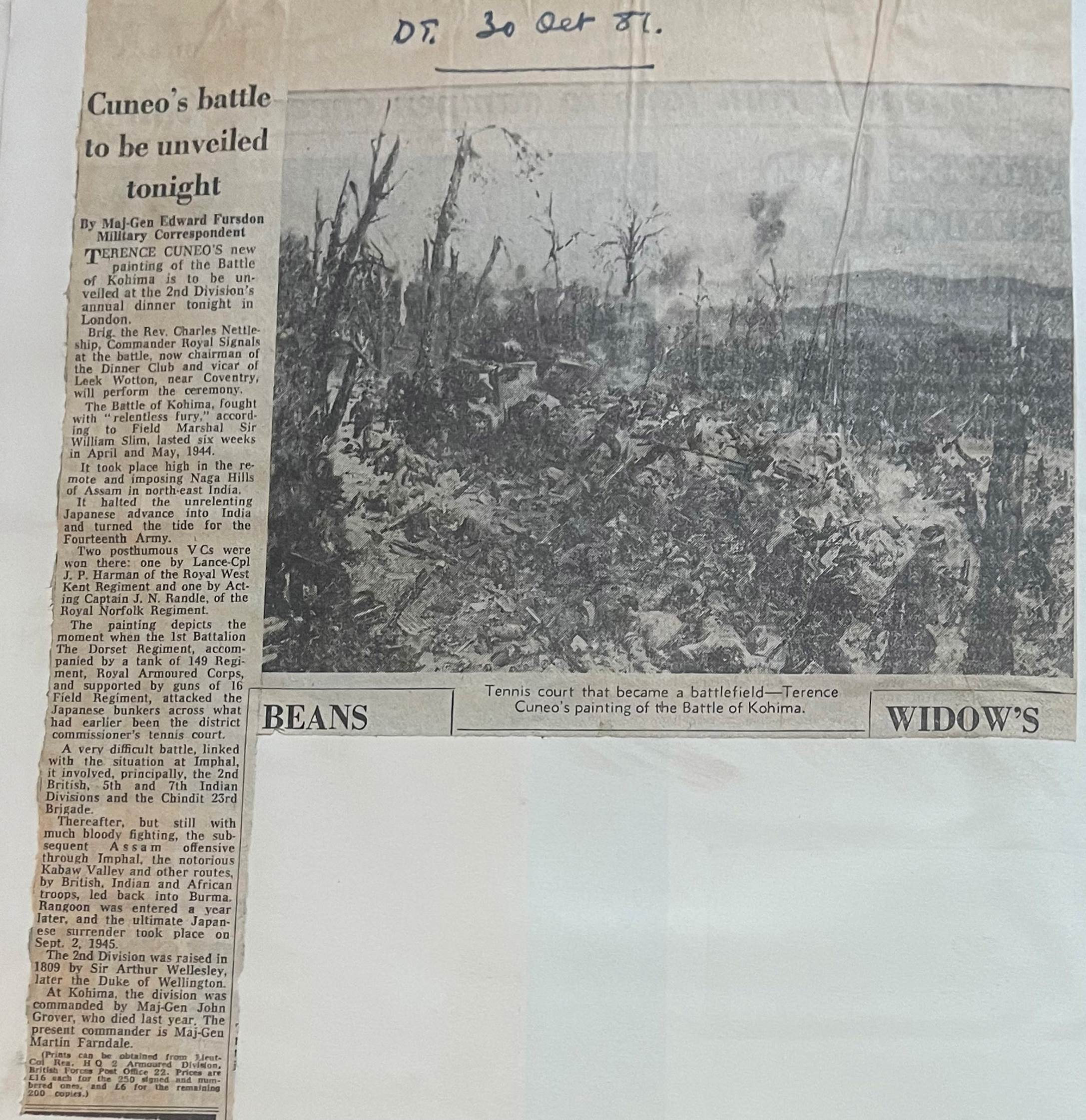
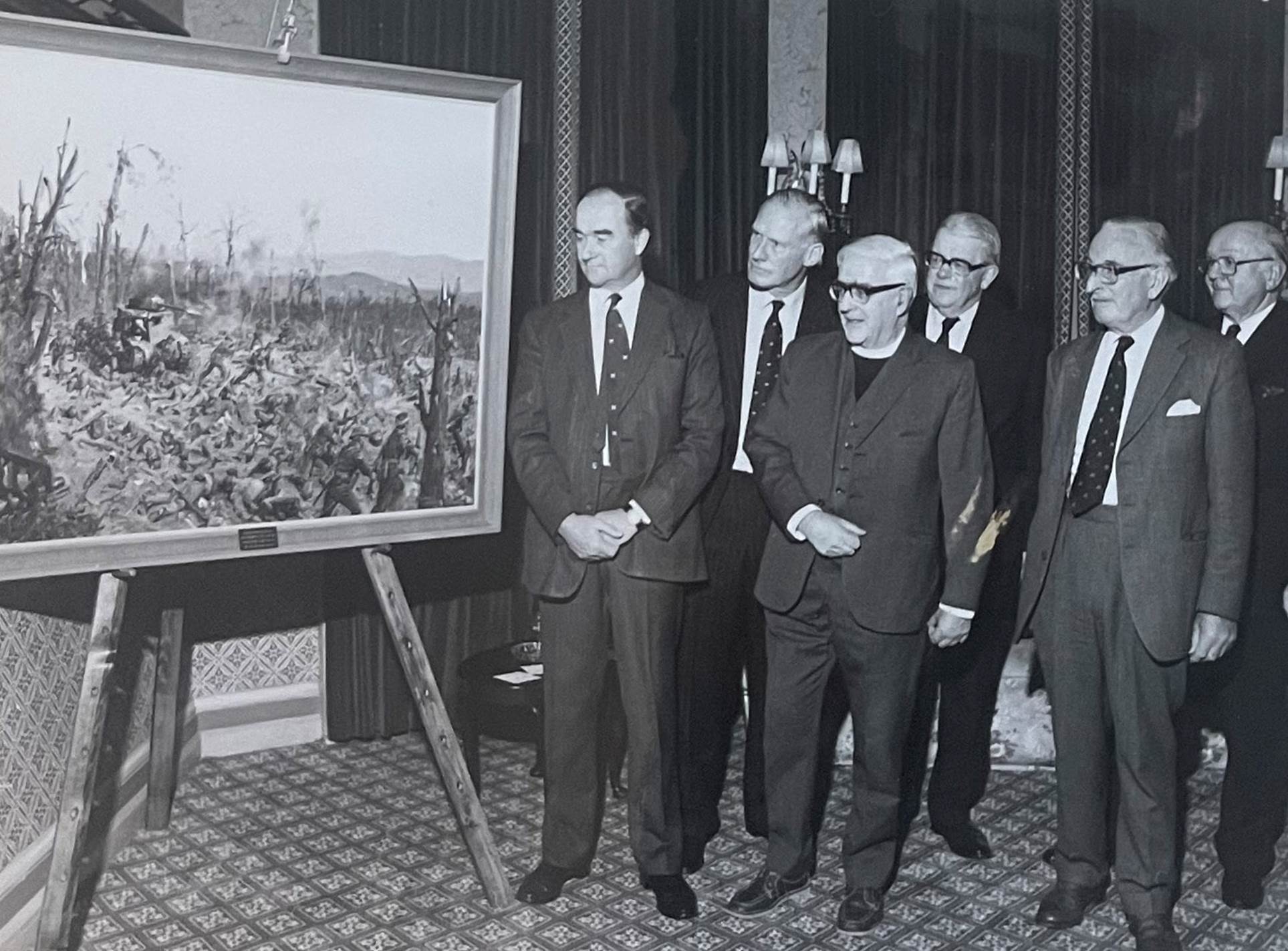
1982
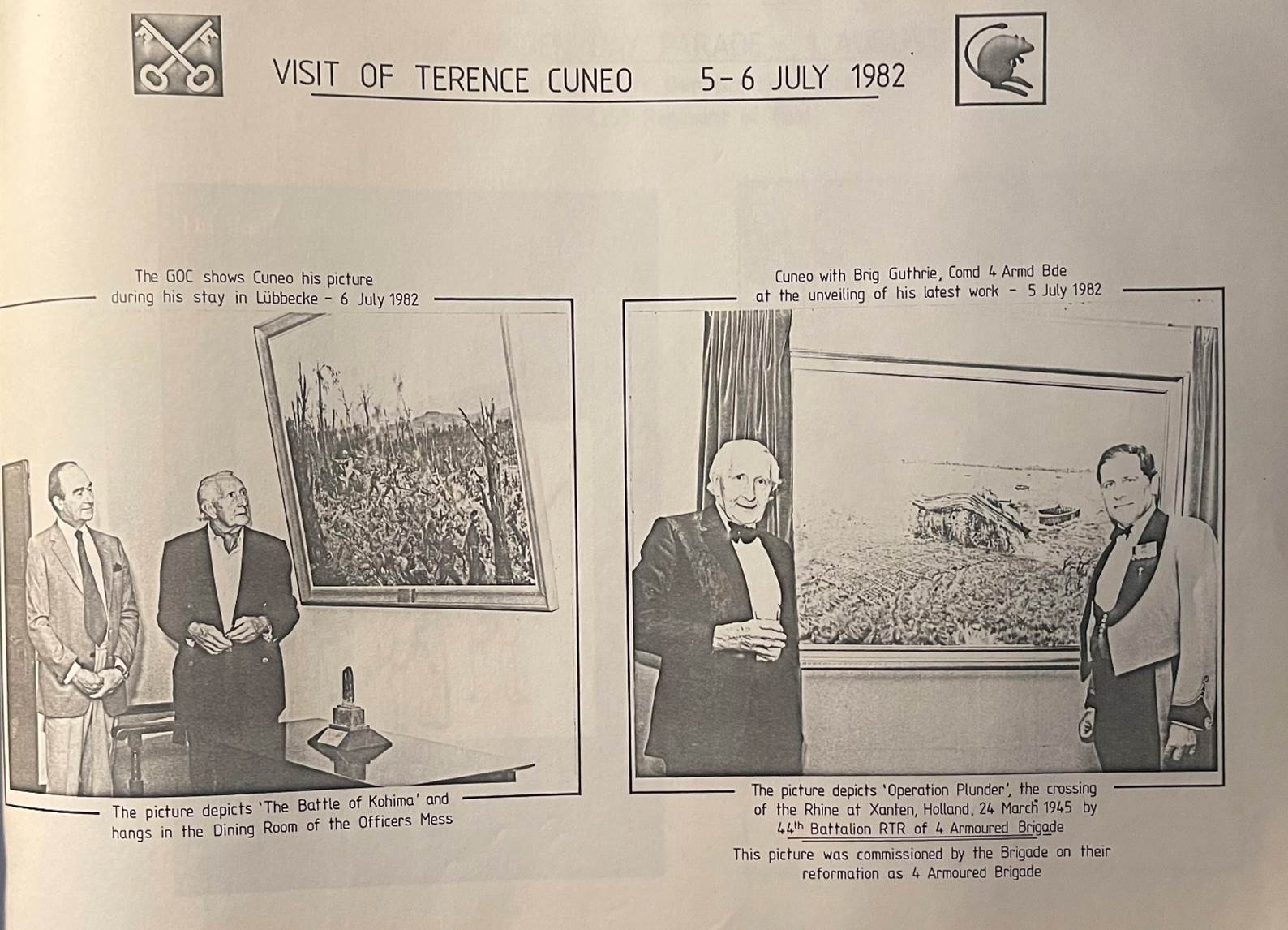
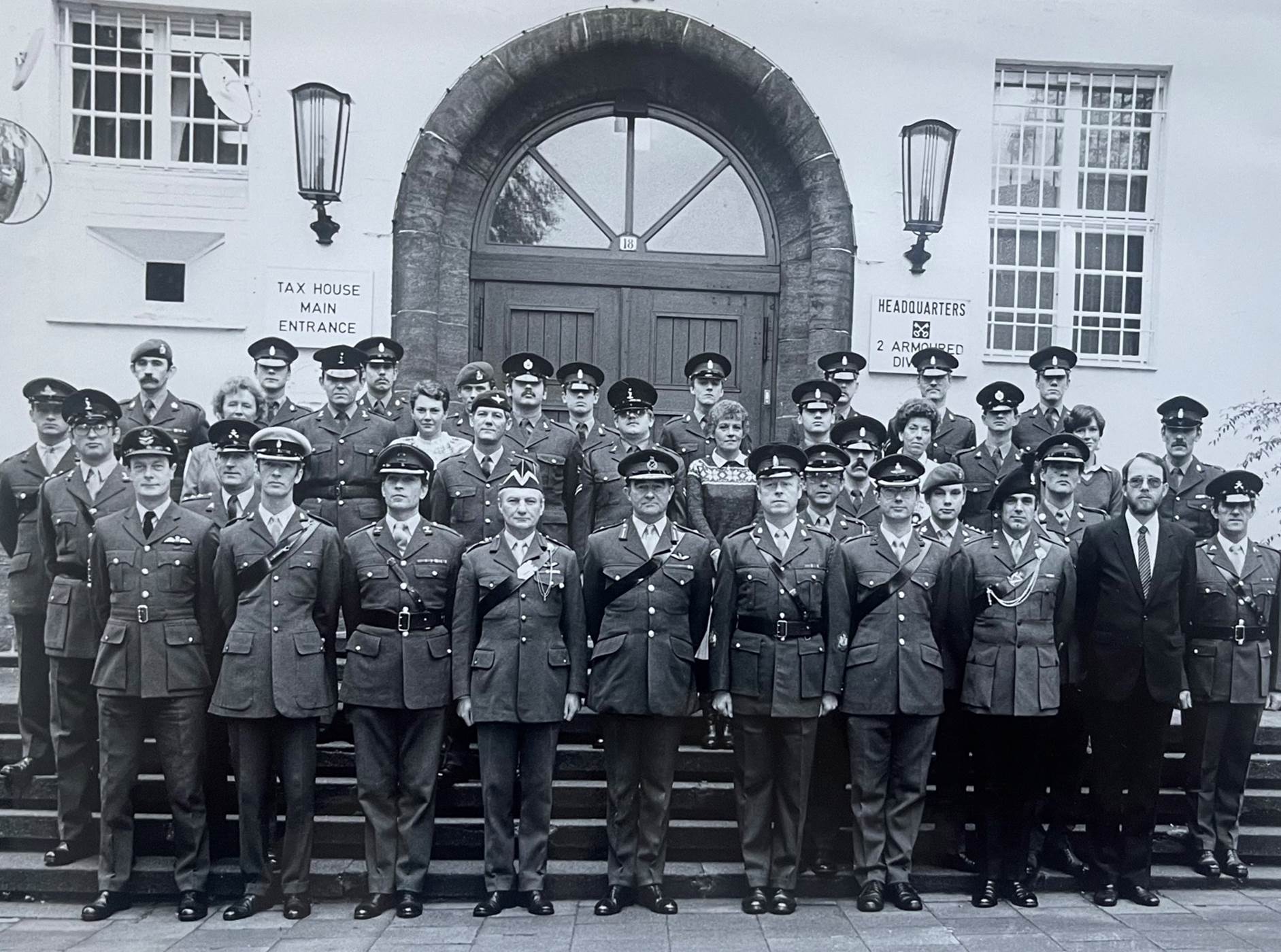
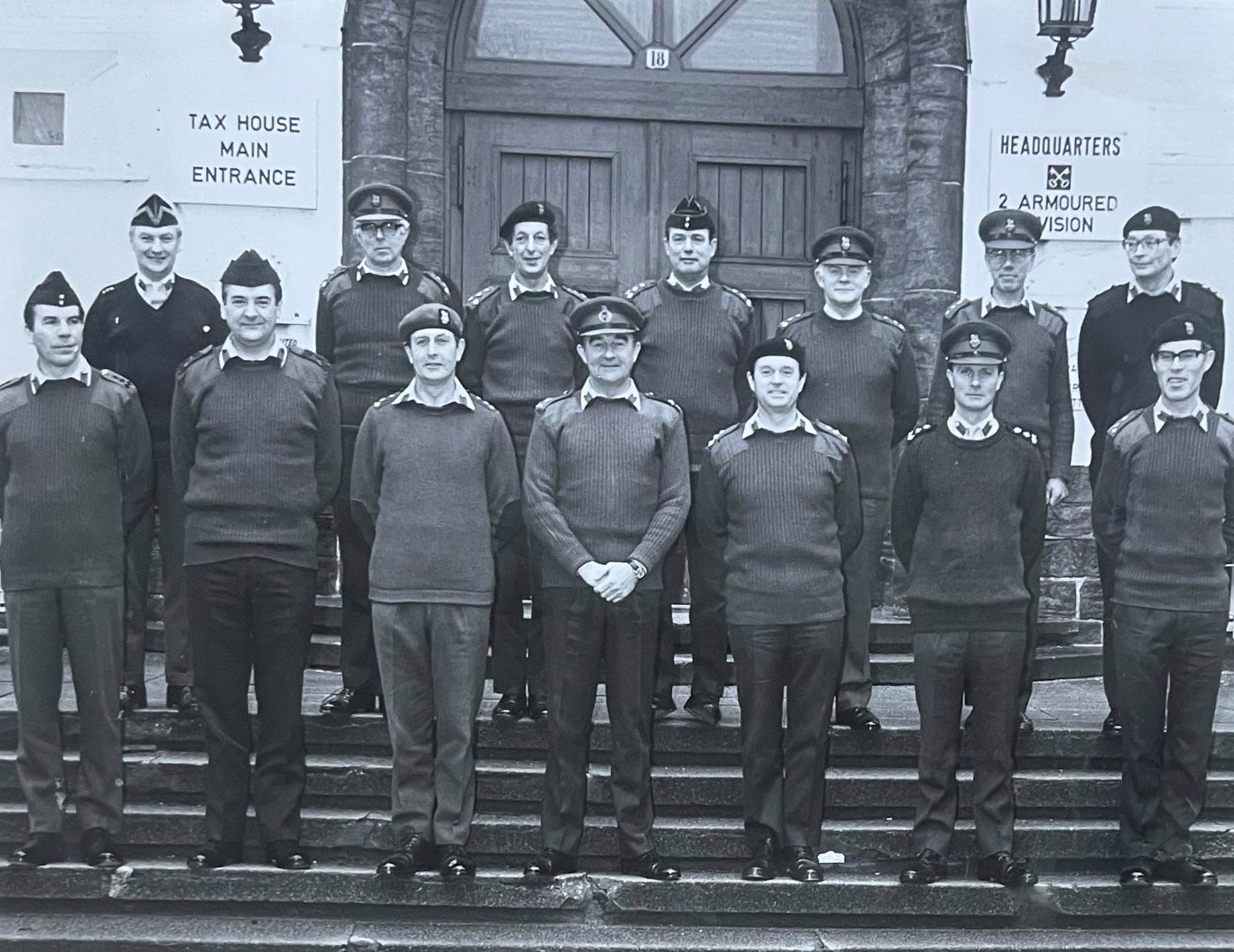
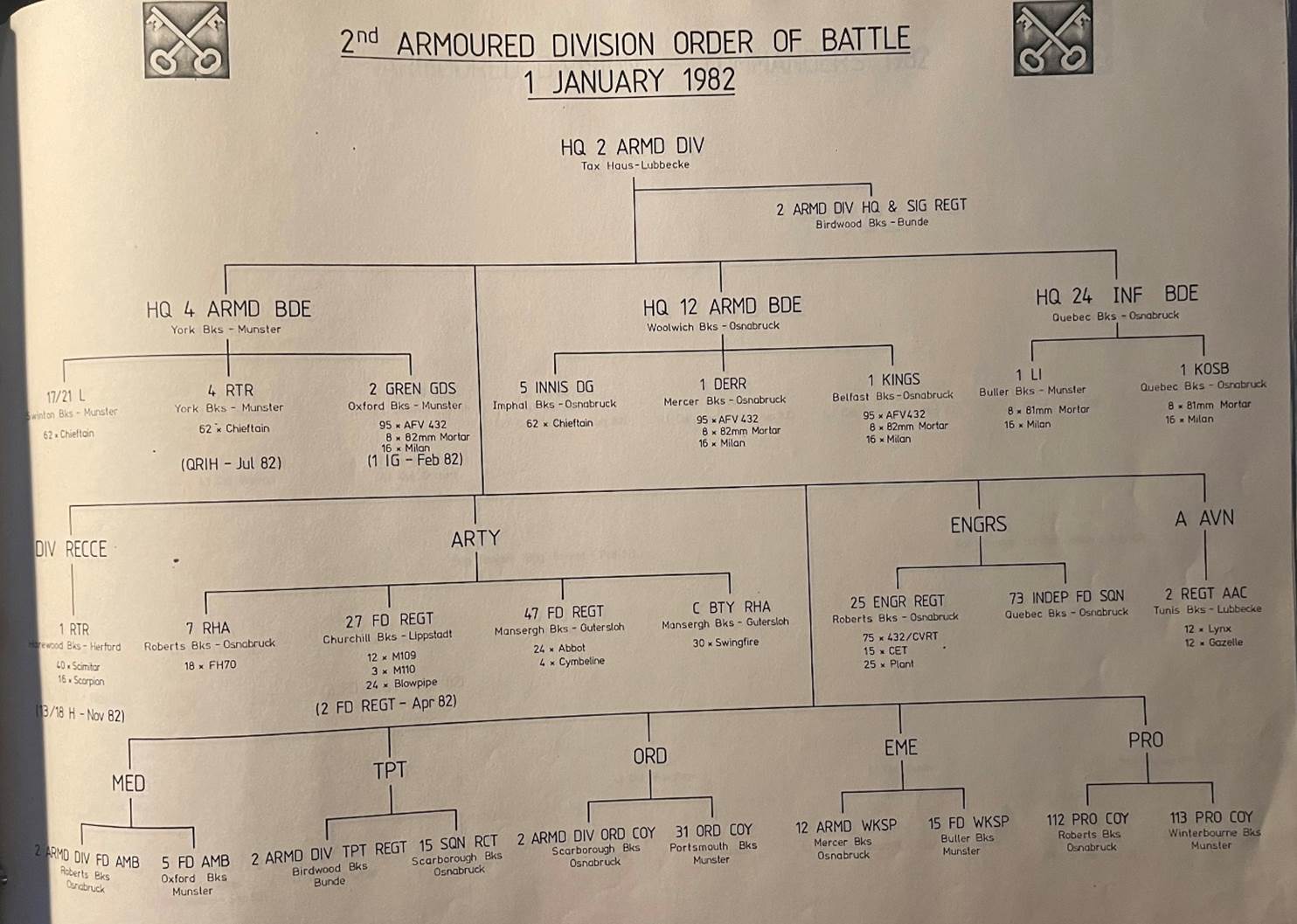
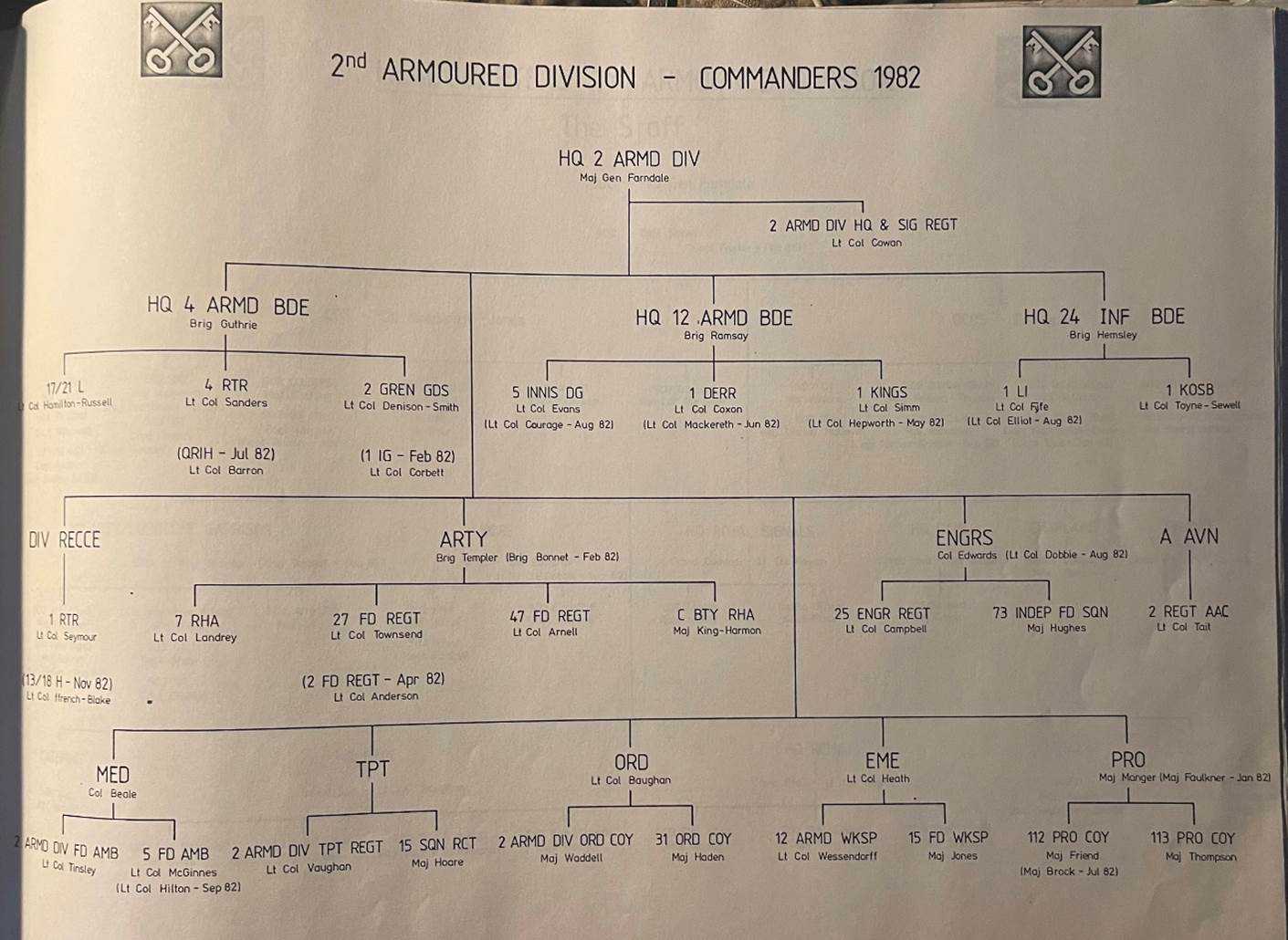
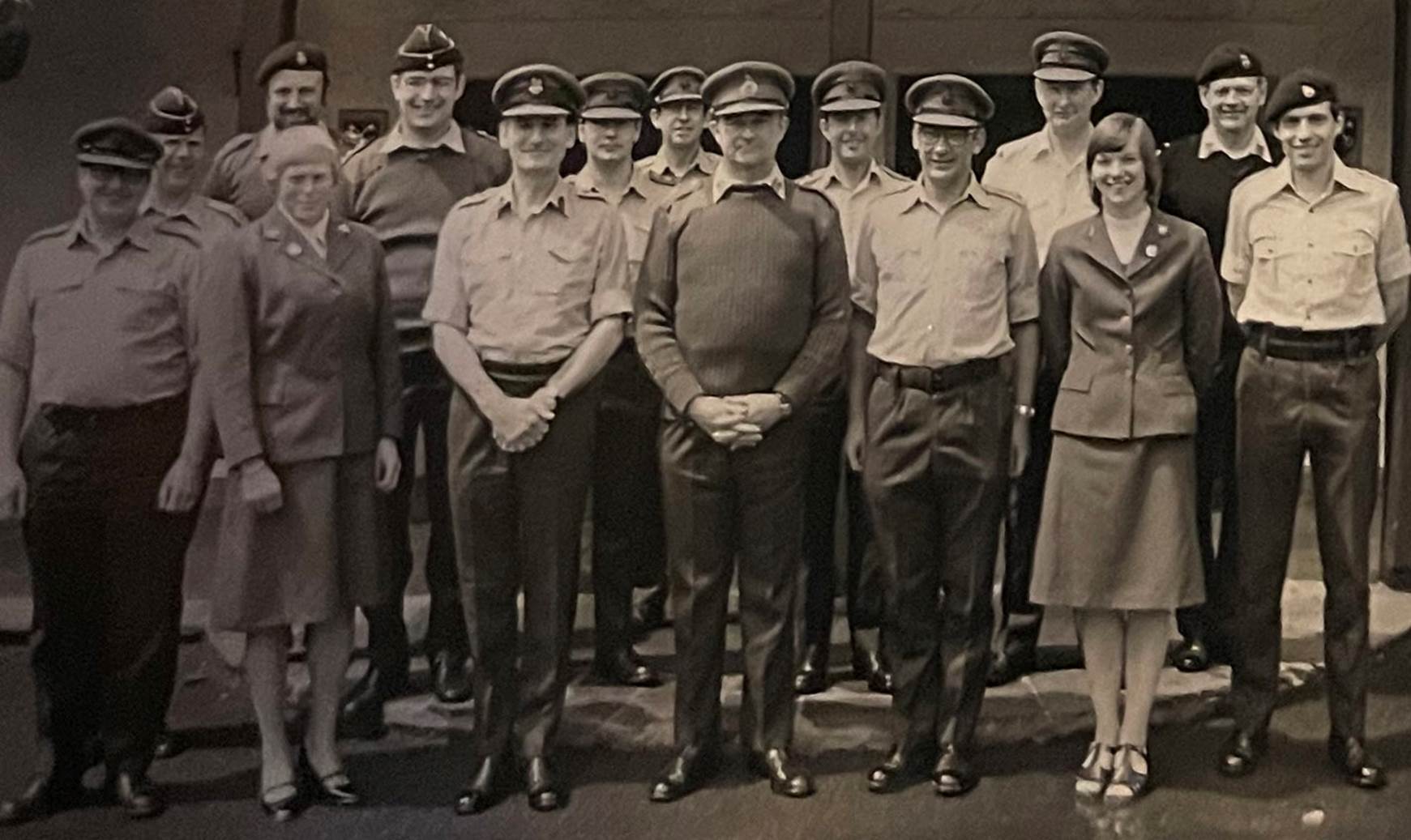
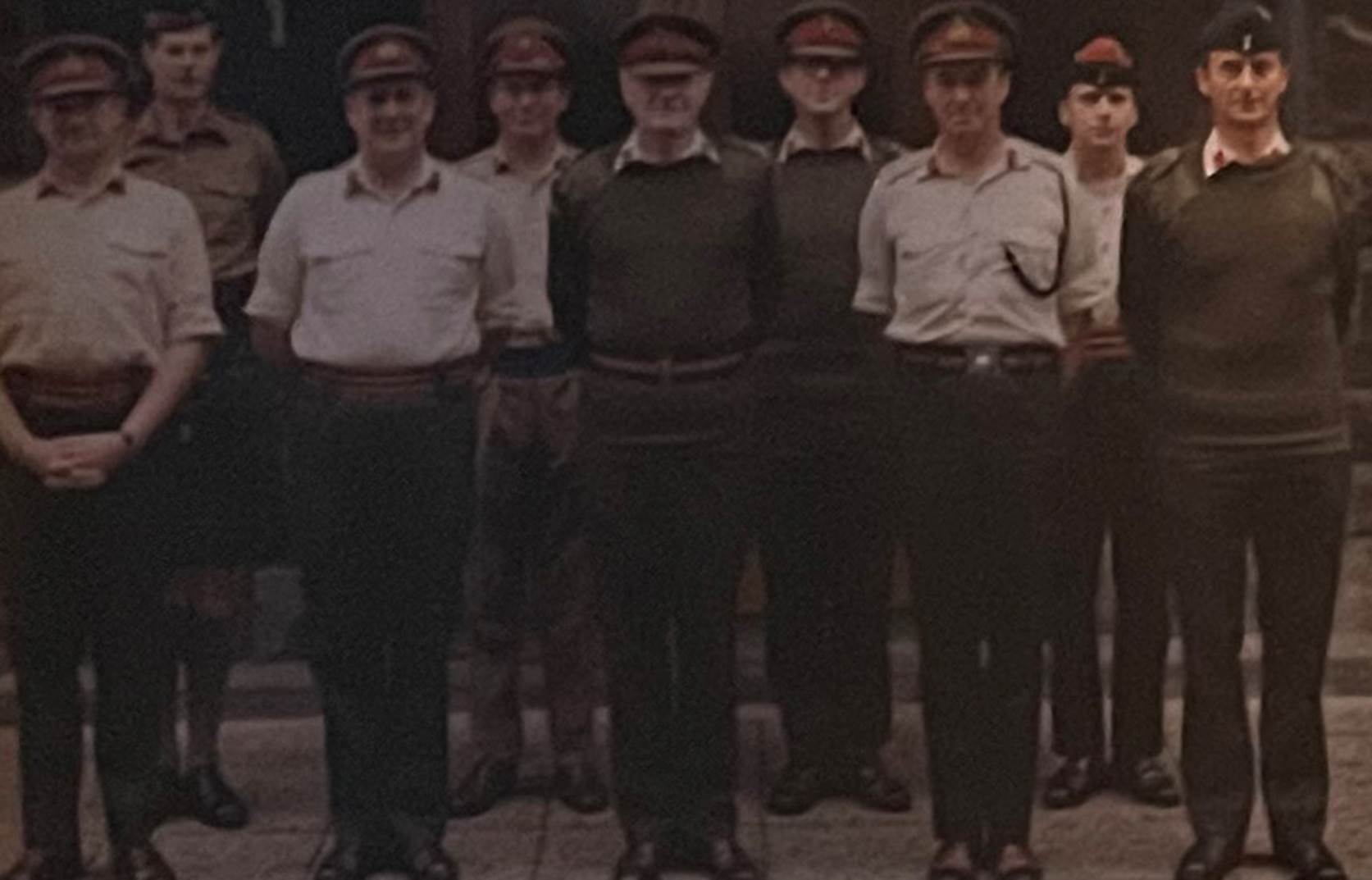
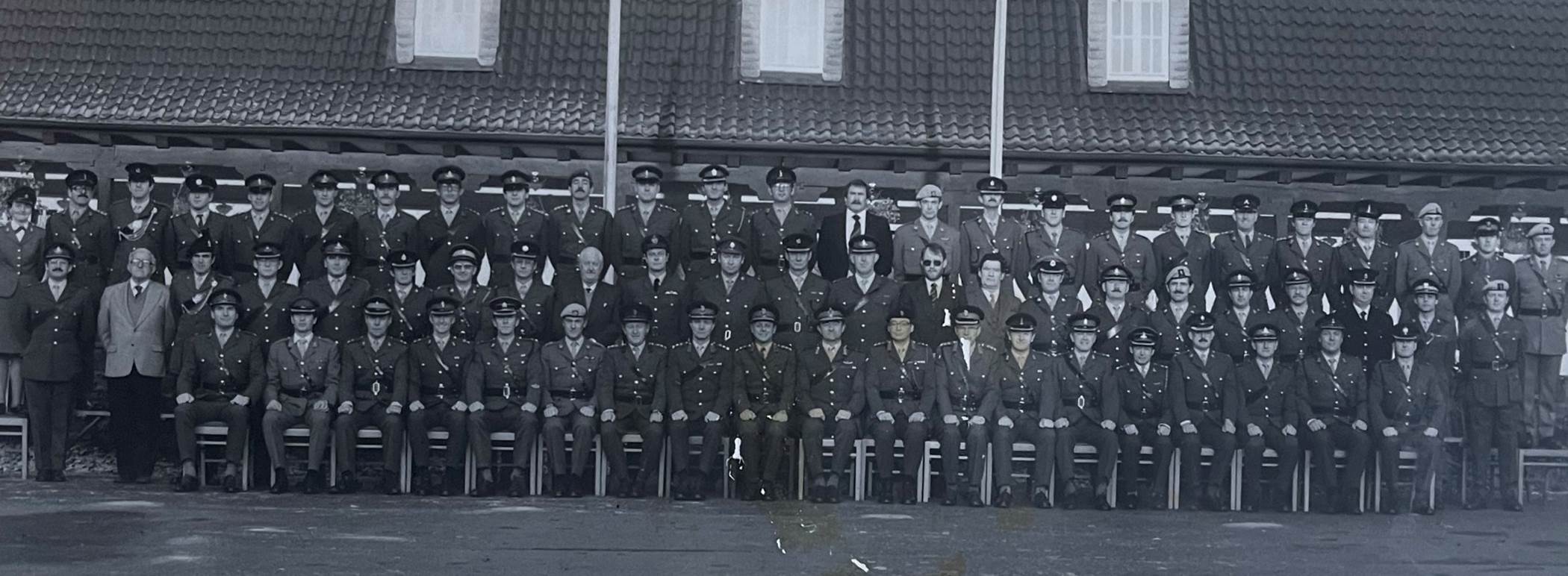
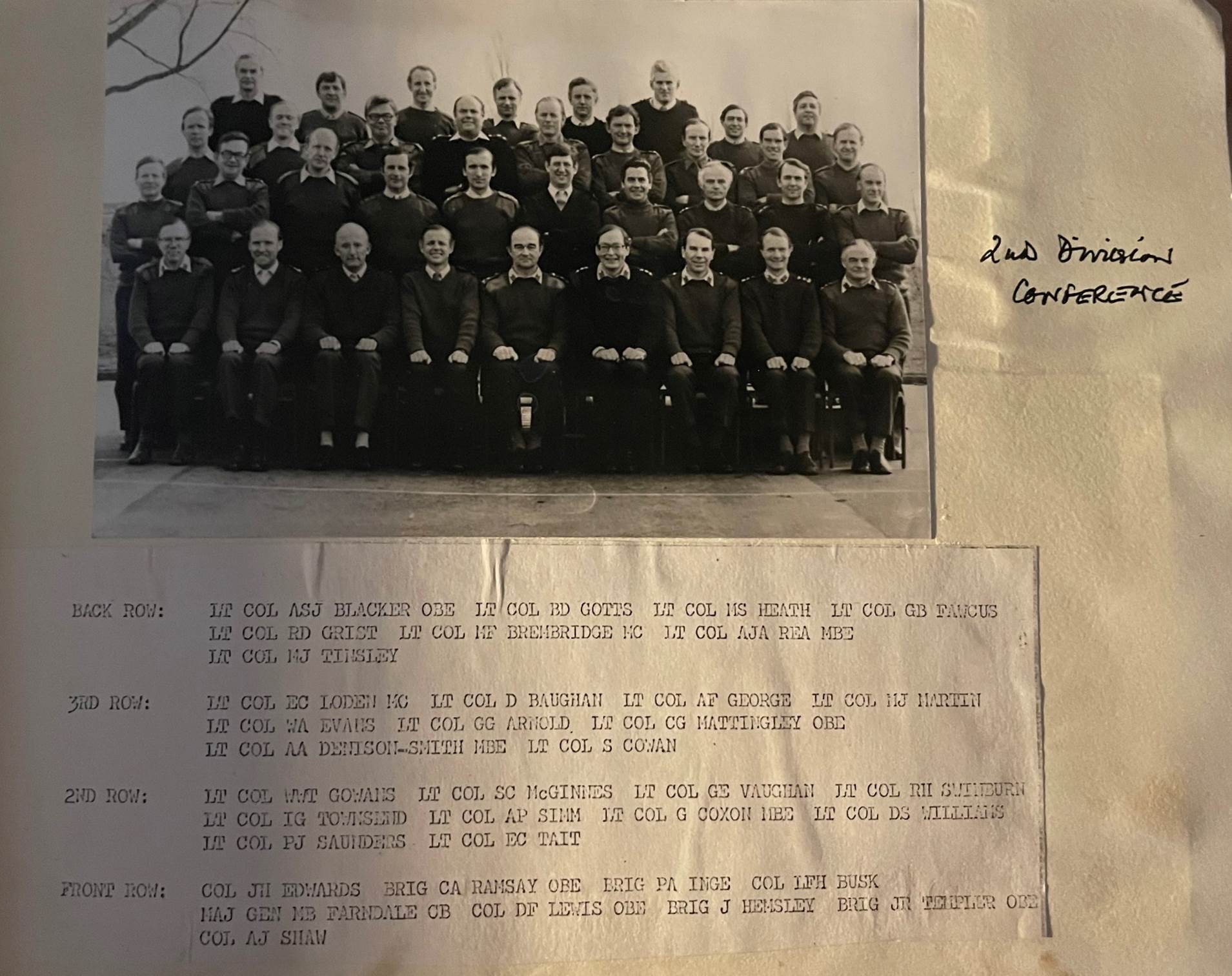
The Divisional Staff in 1982
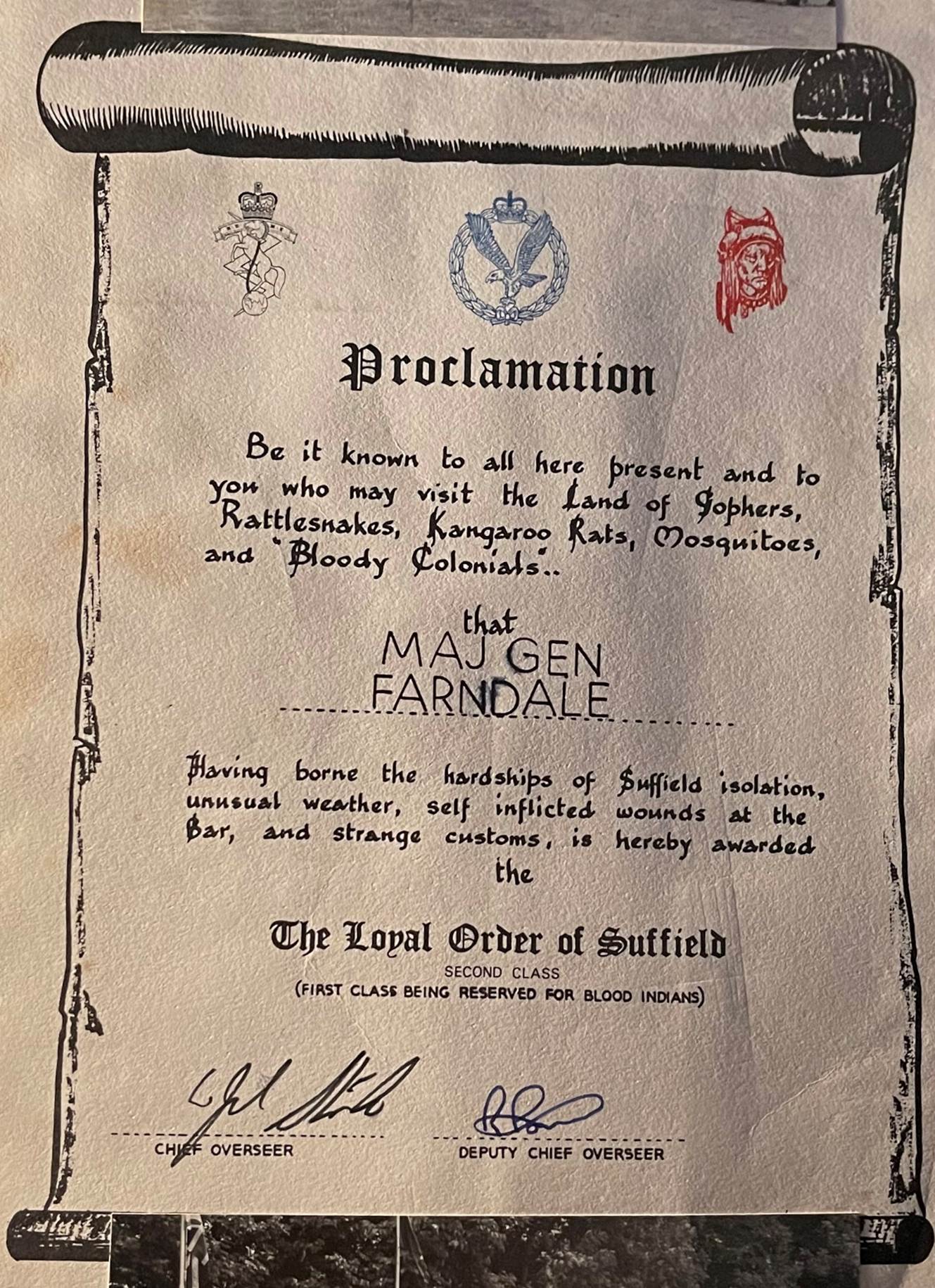
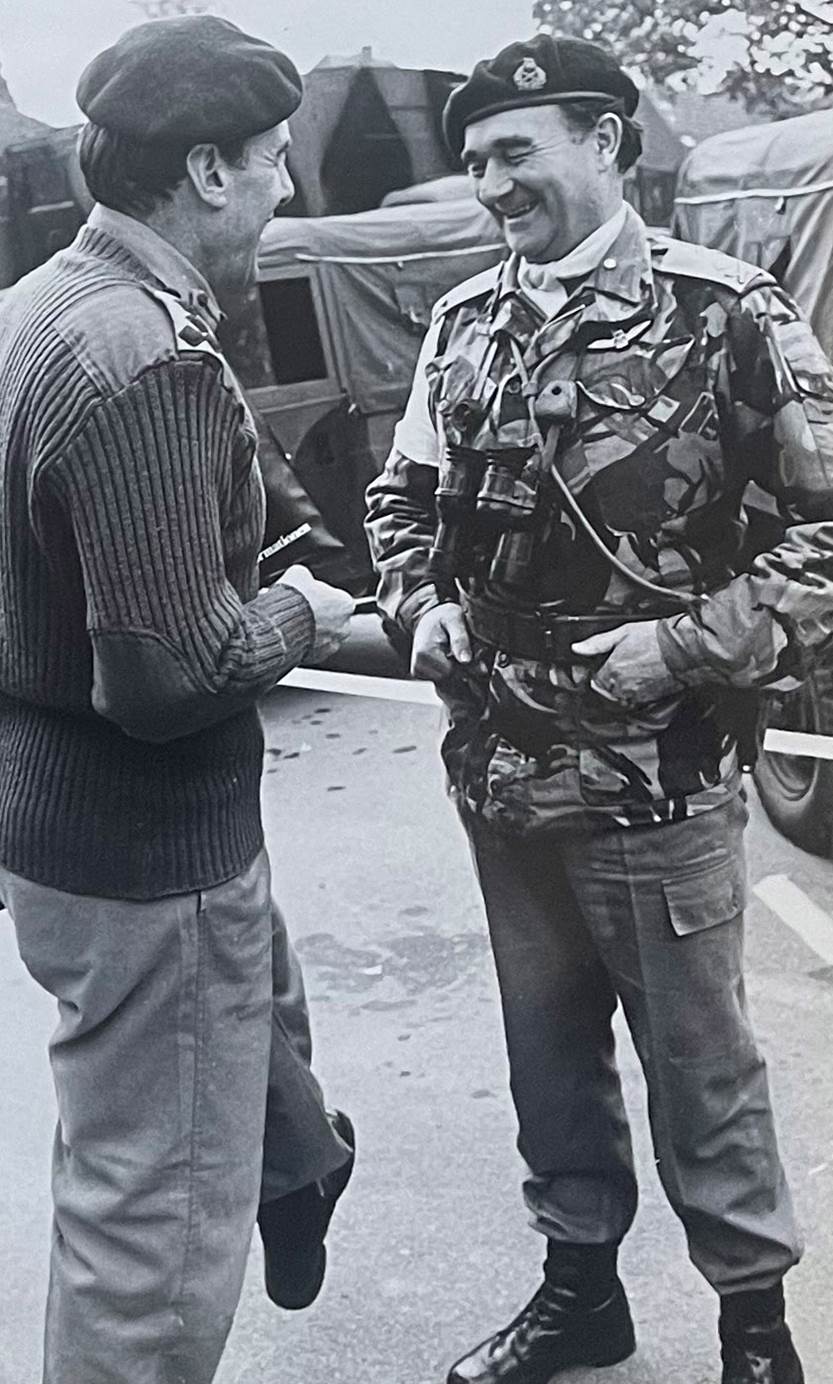
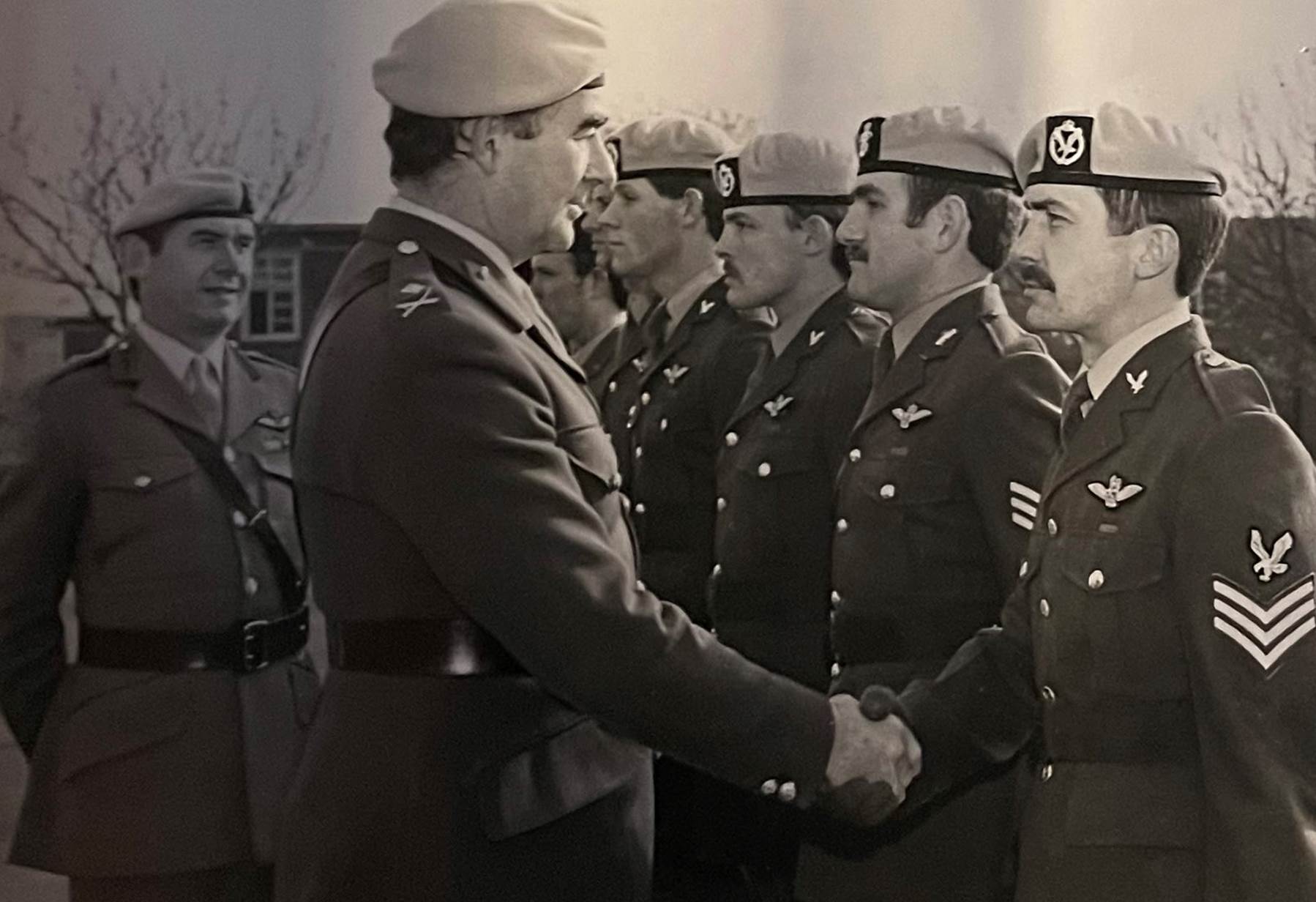
GOC inspects the Army Air Corps in 1982
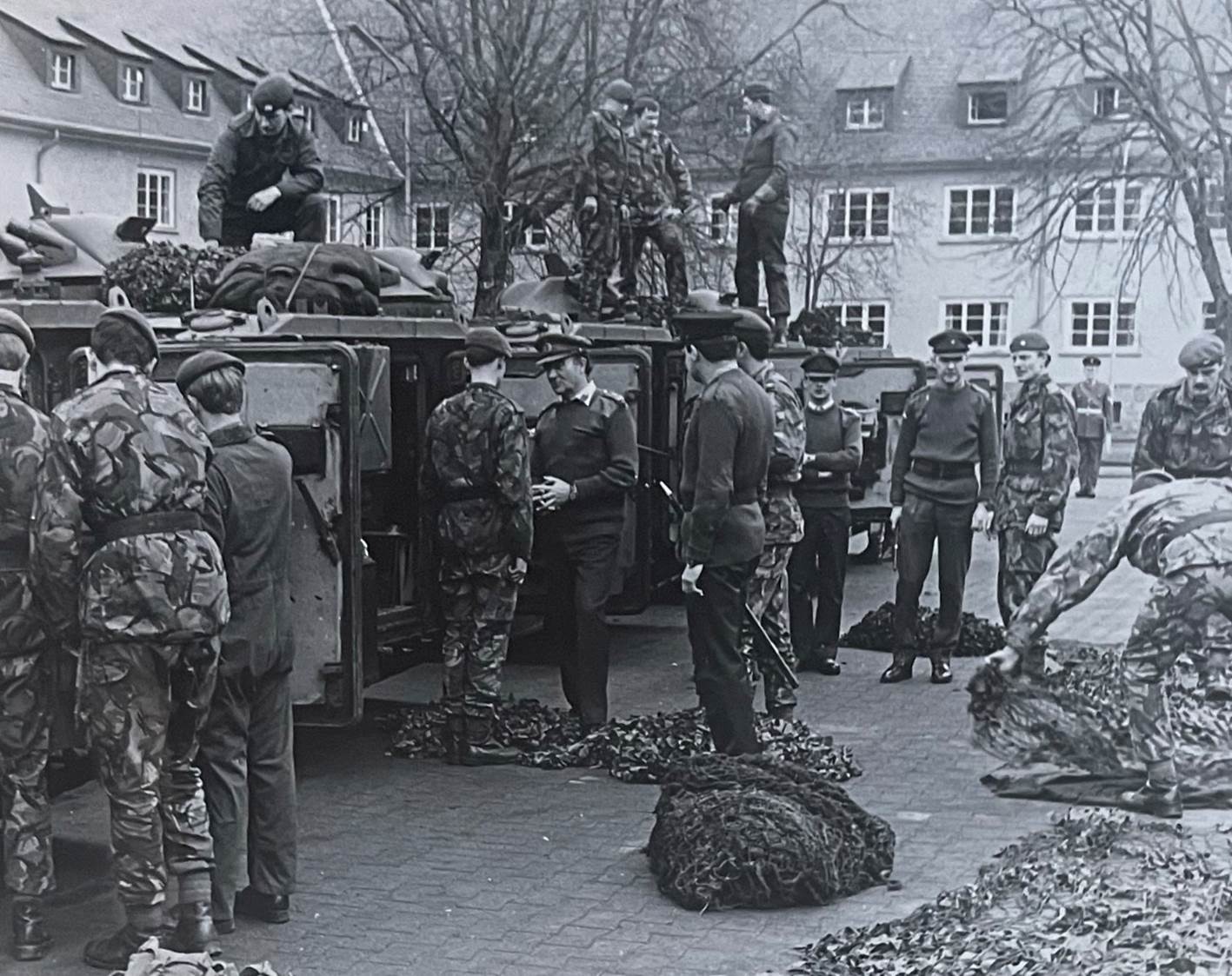
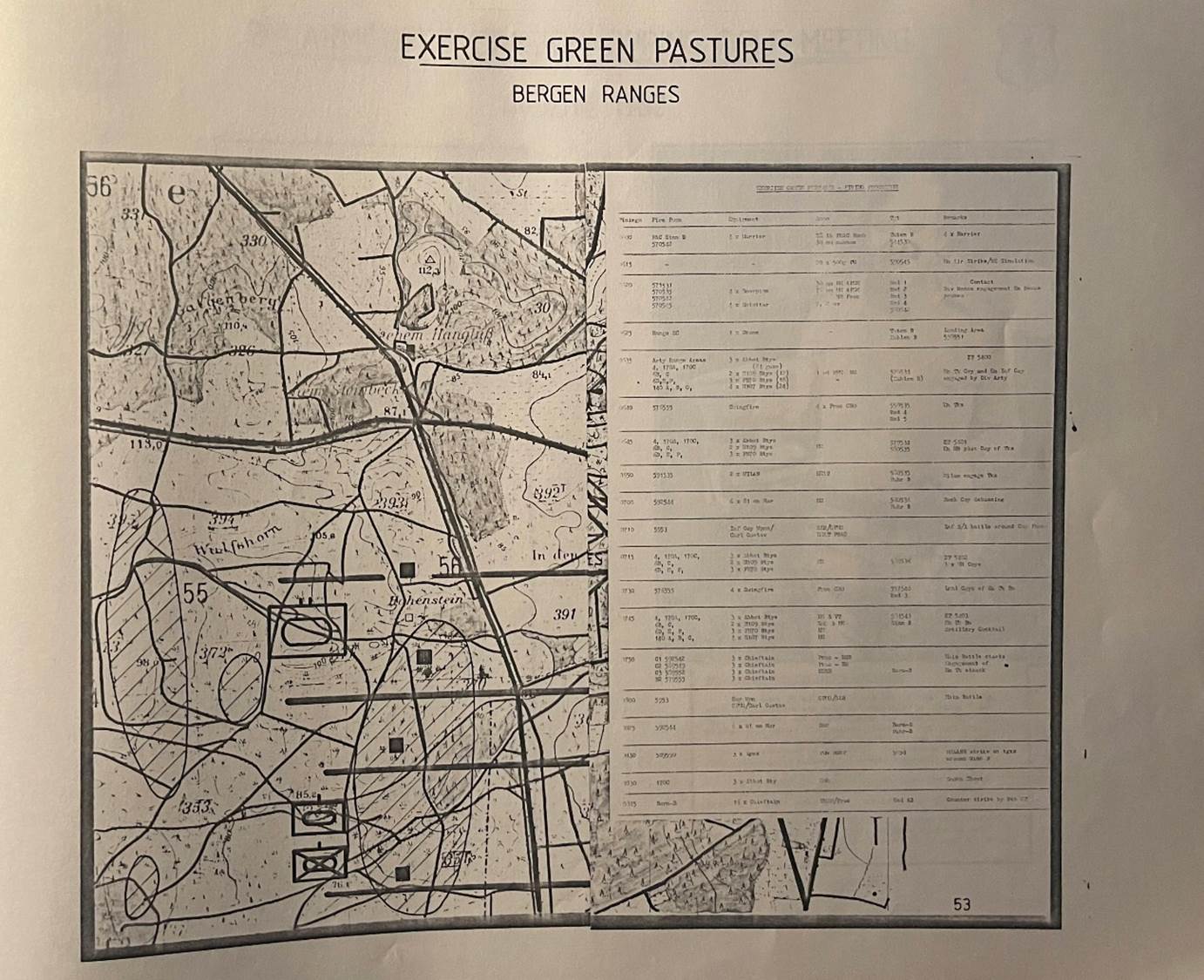
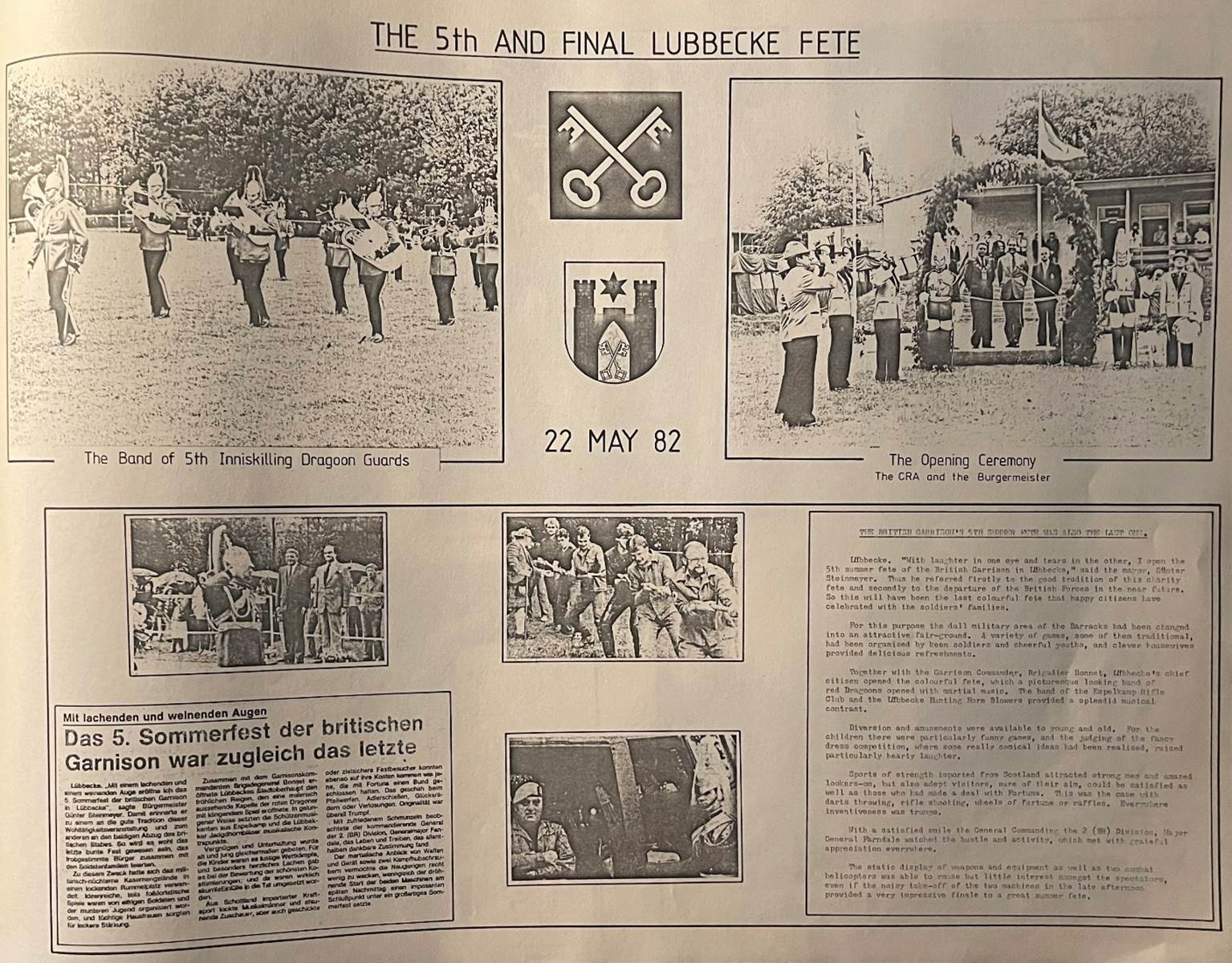
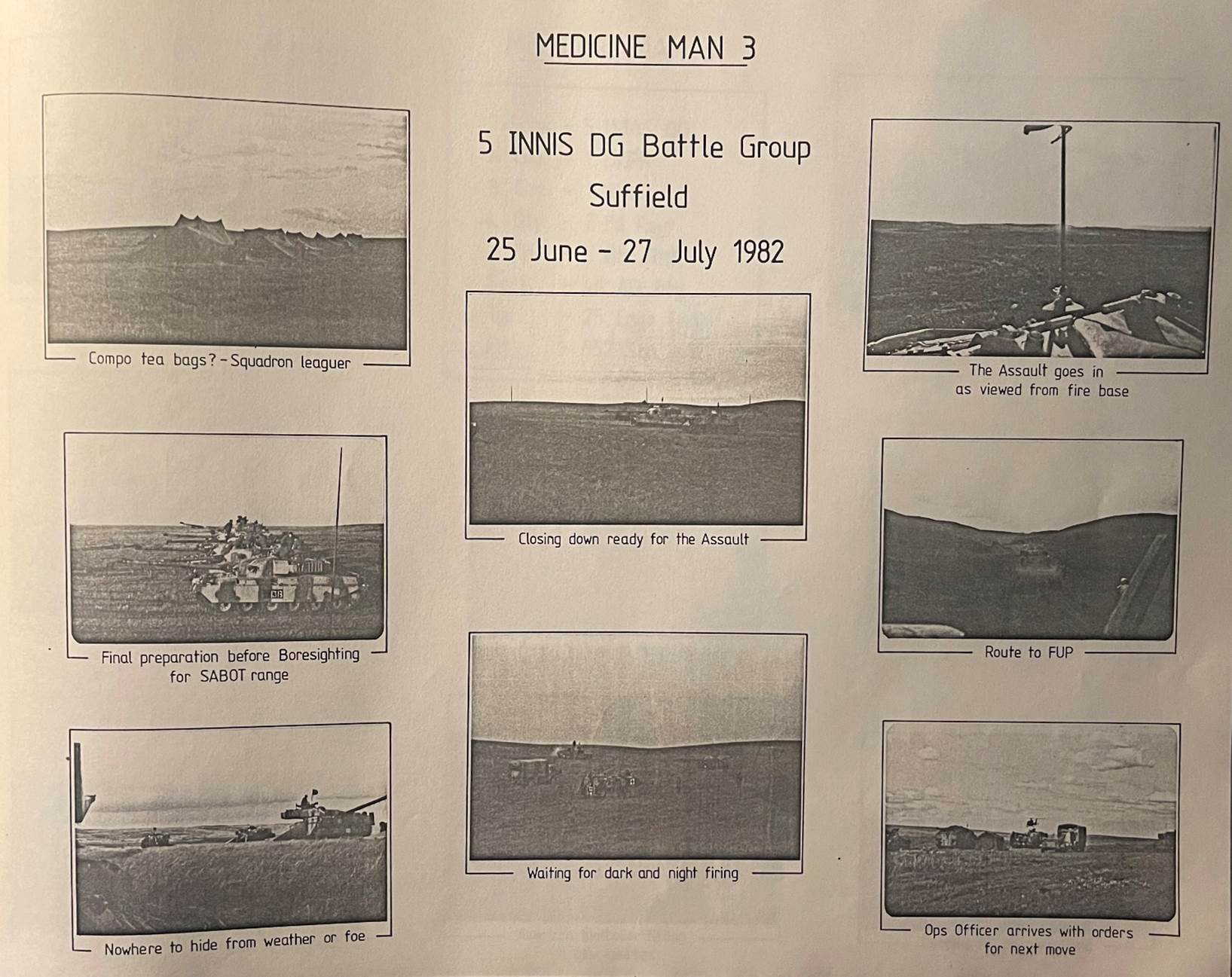
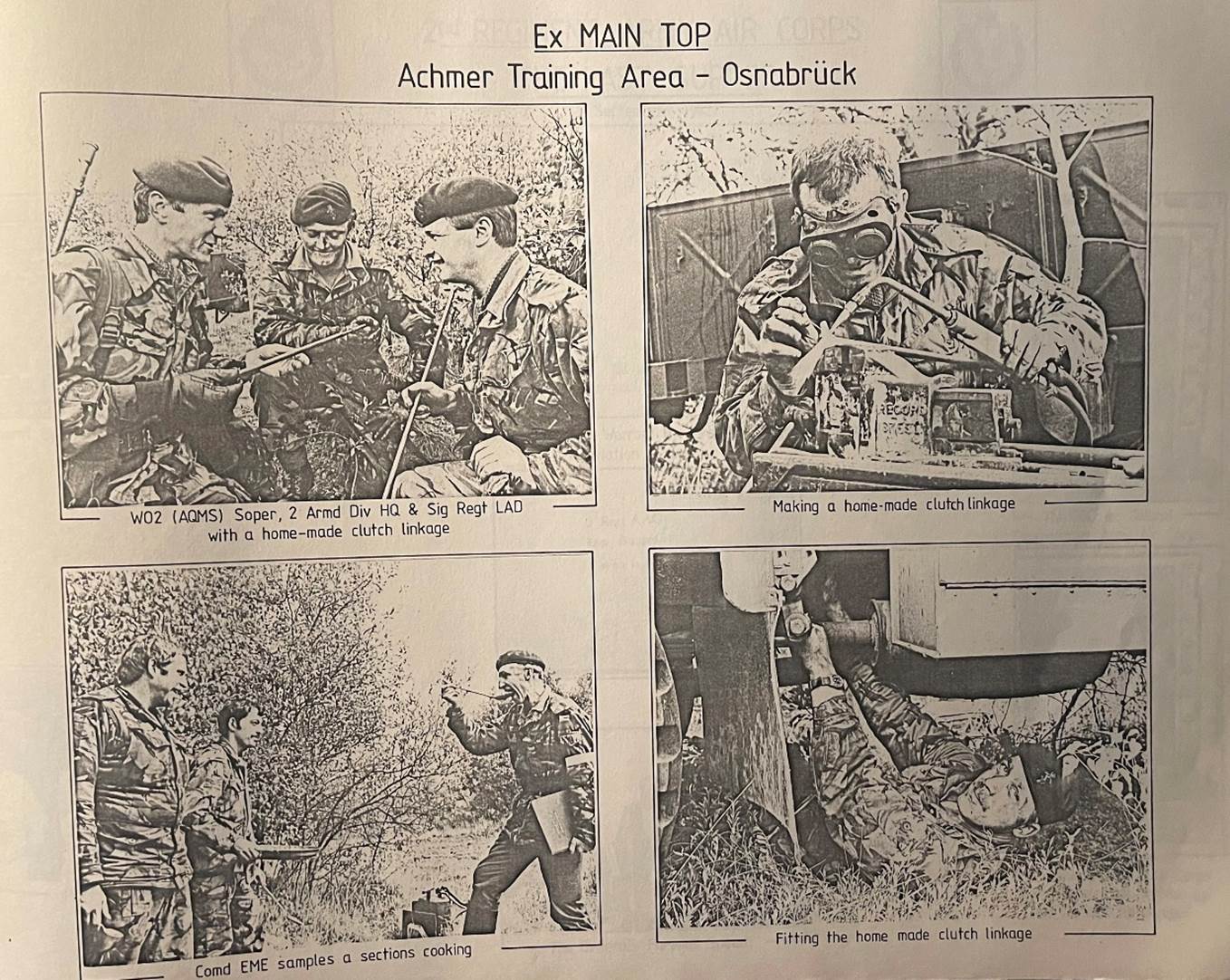
Preparing Divisional Headquarters
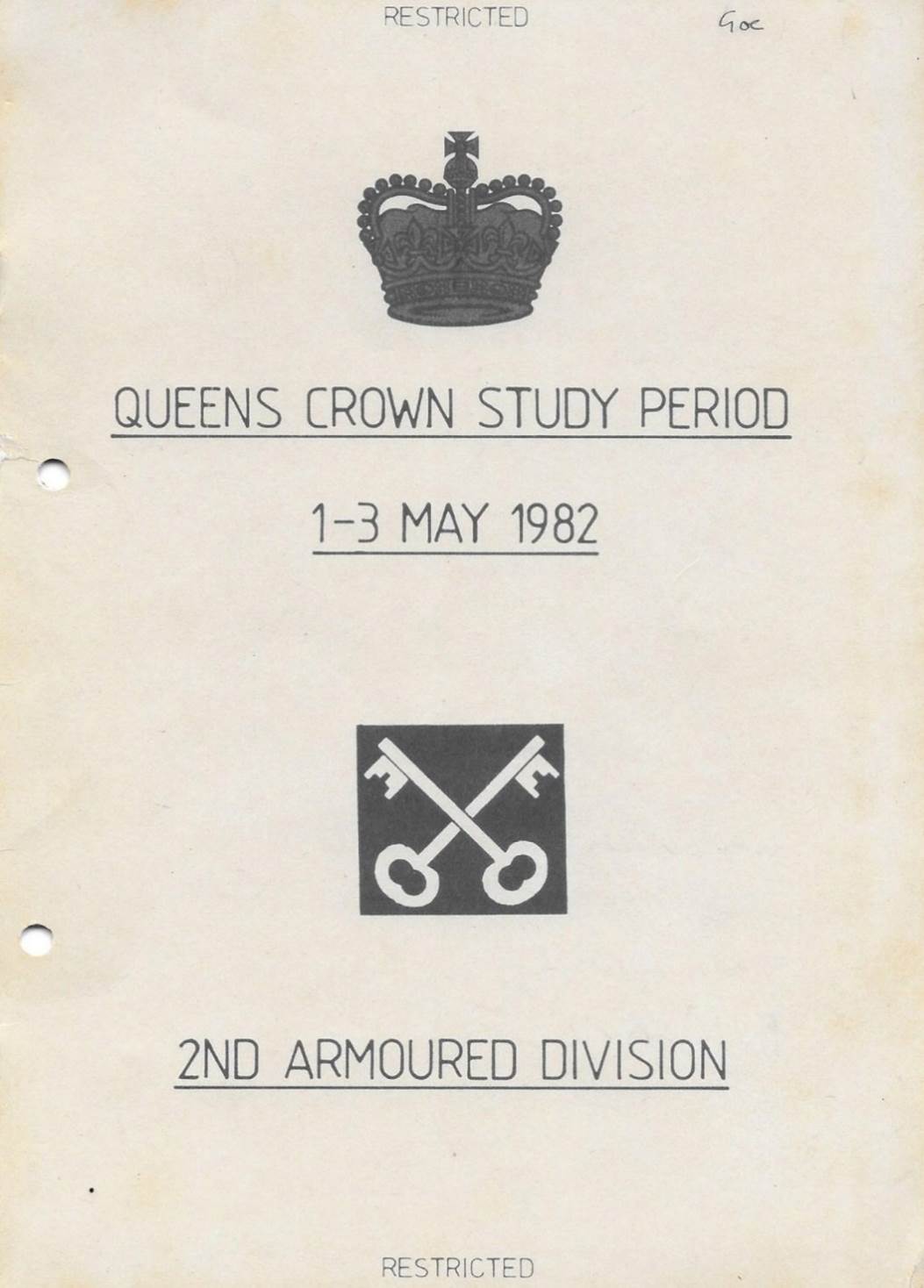
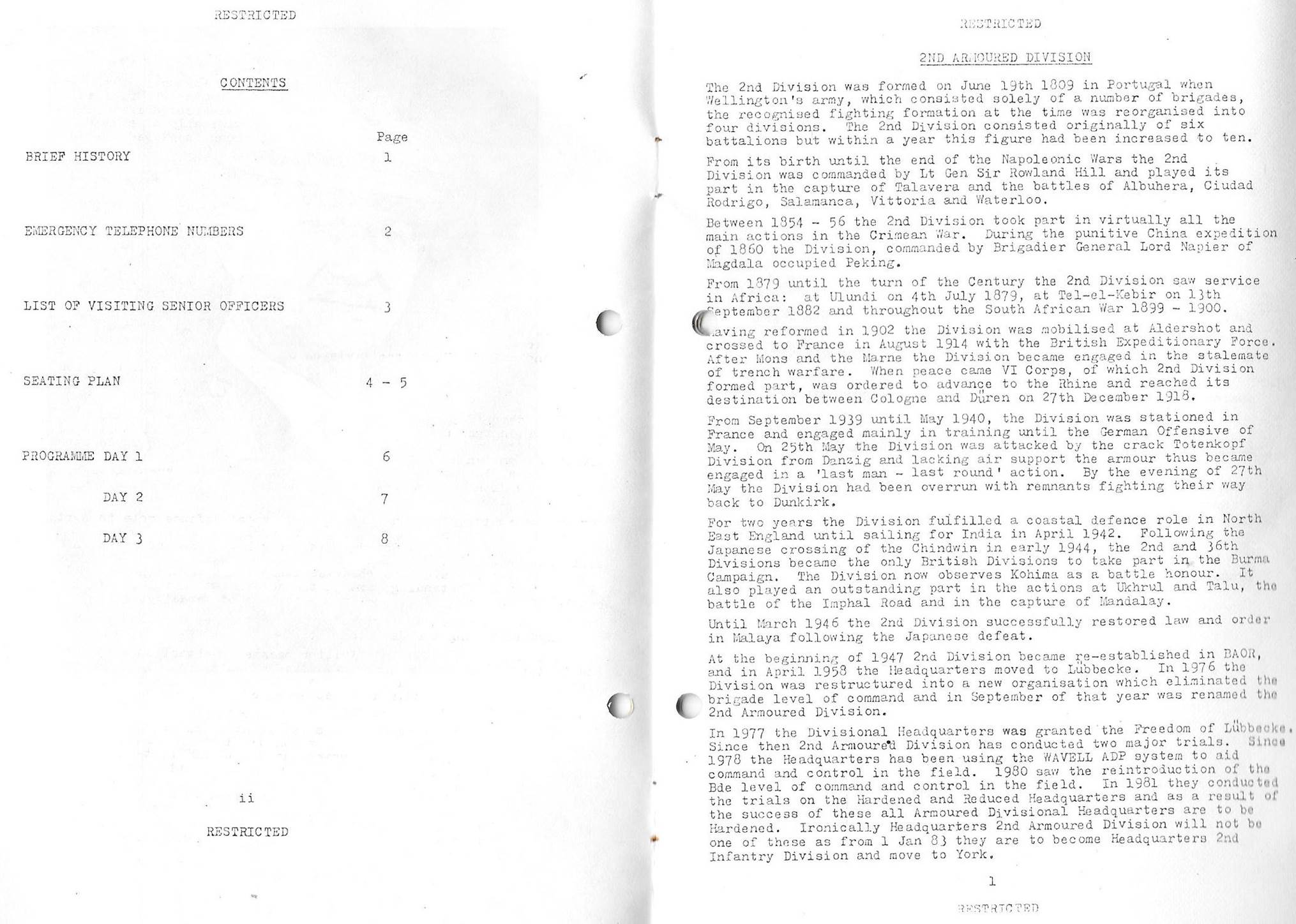
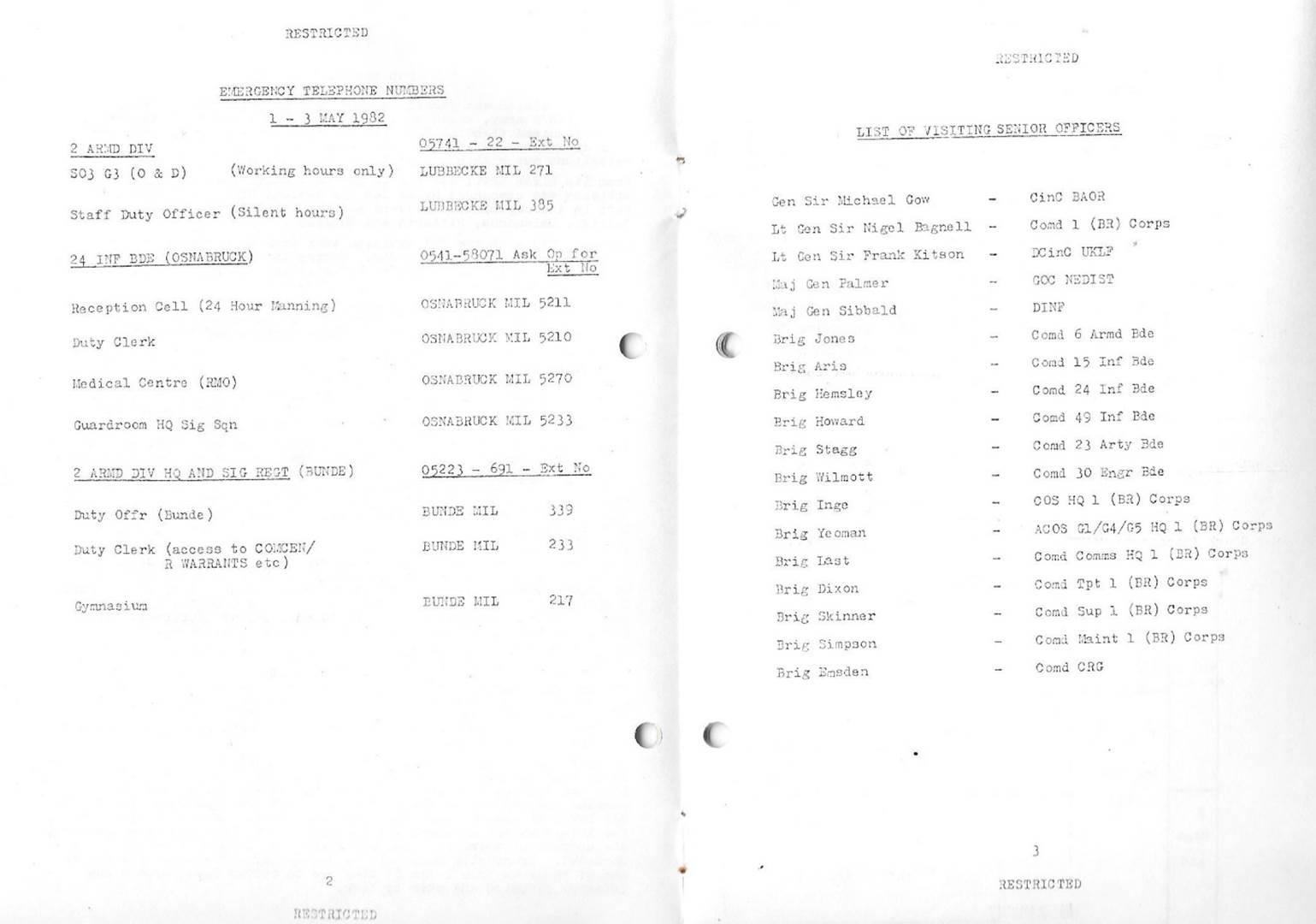
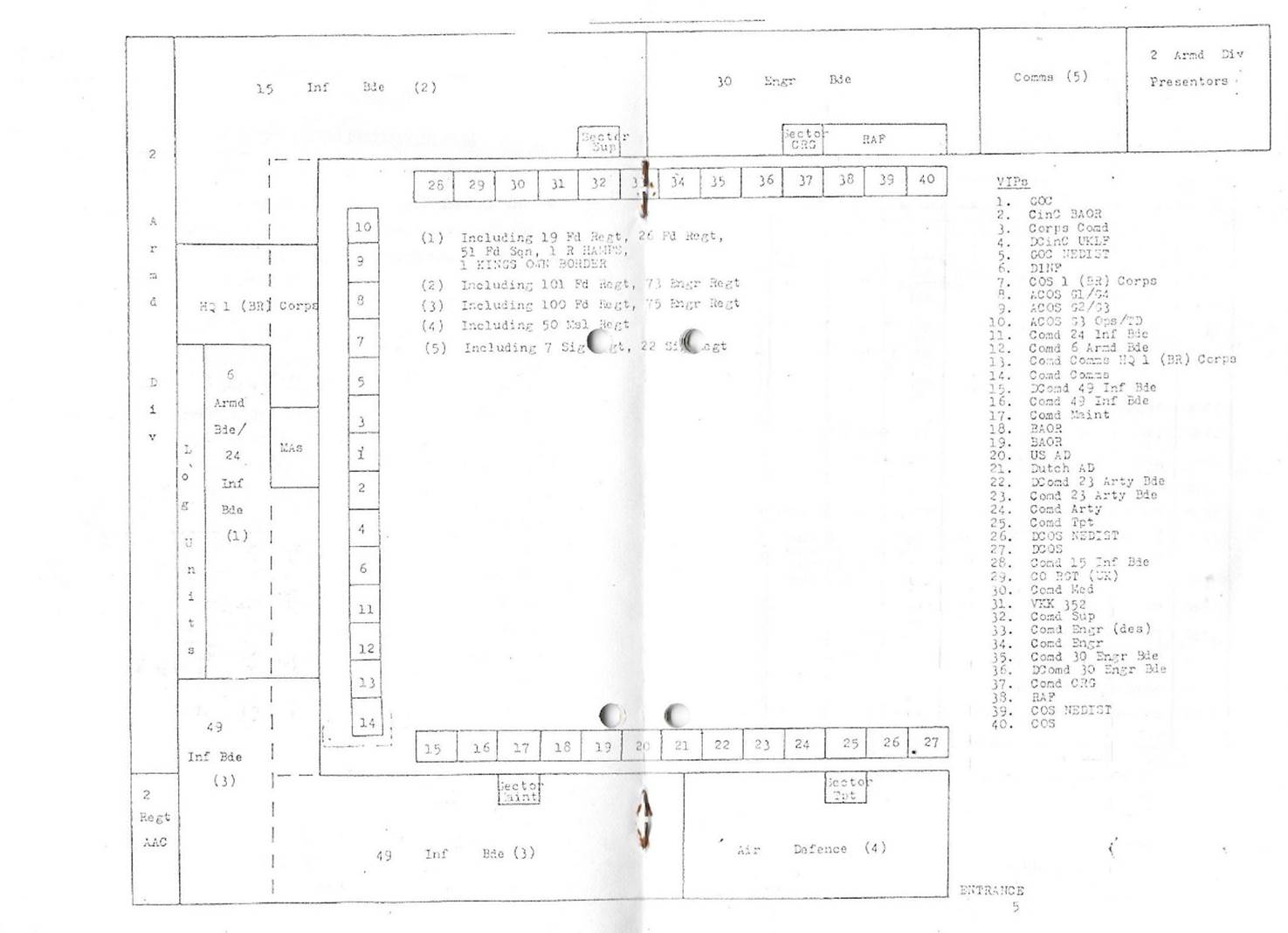
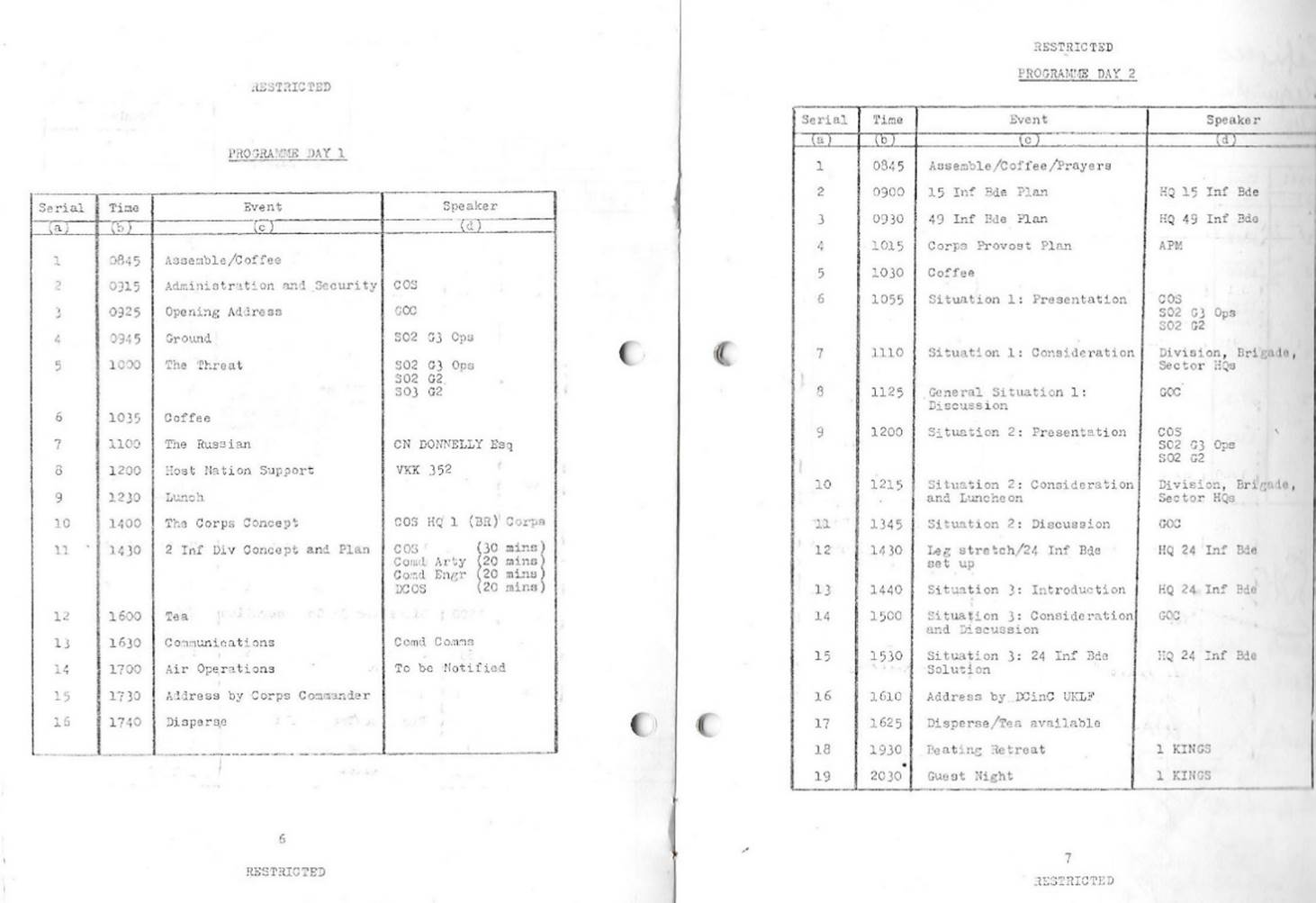
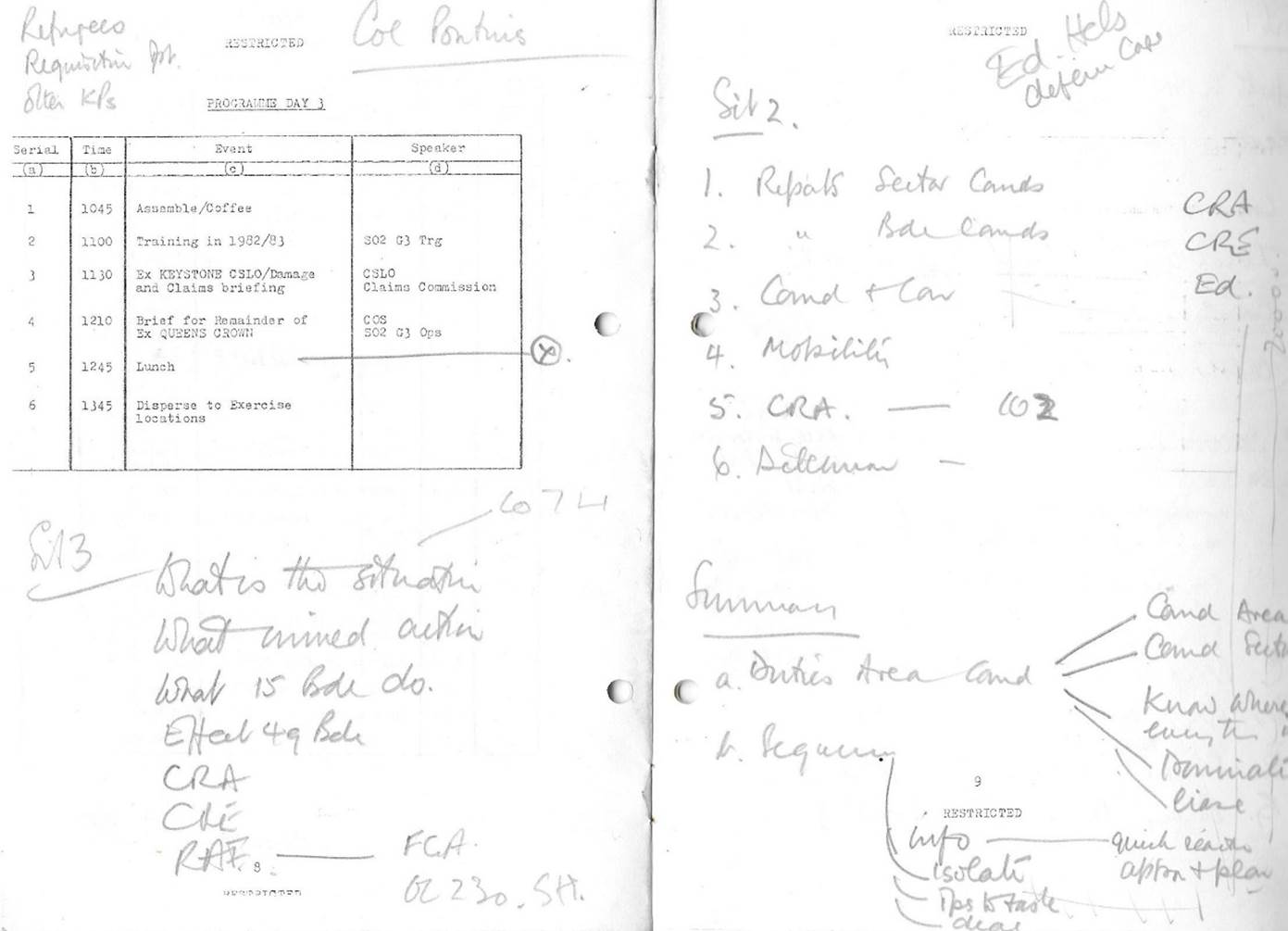
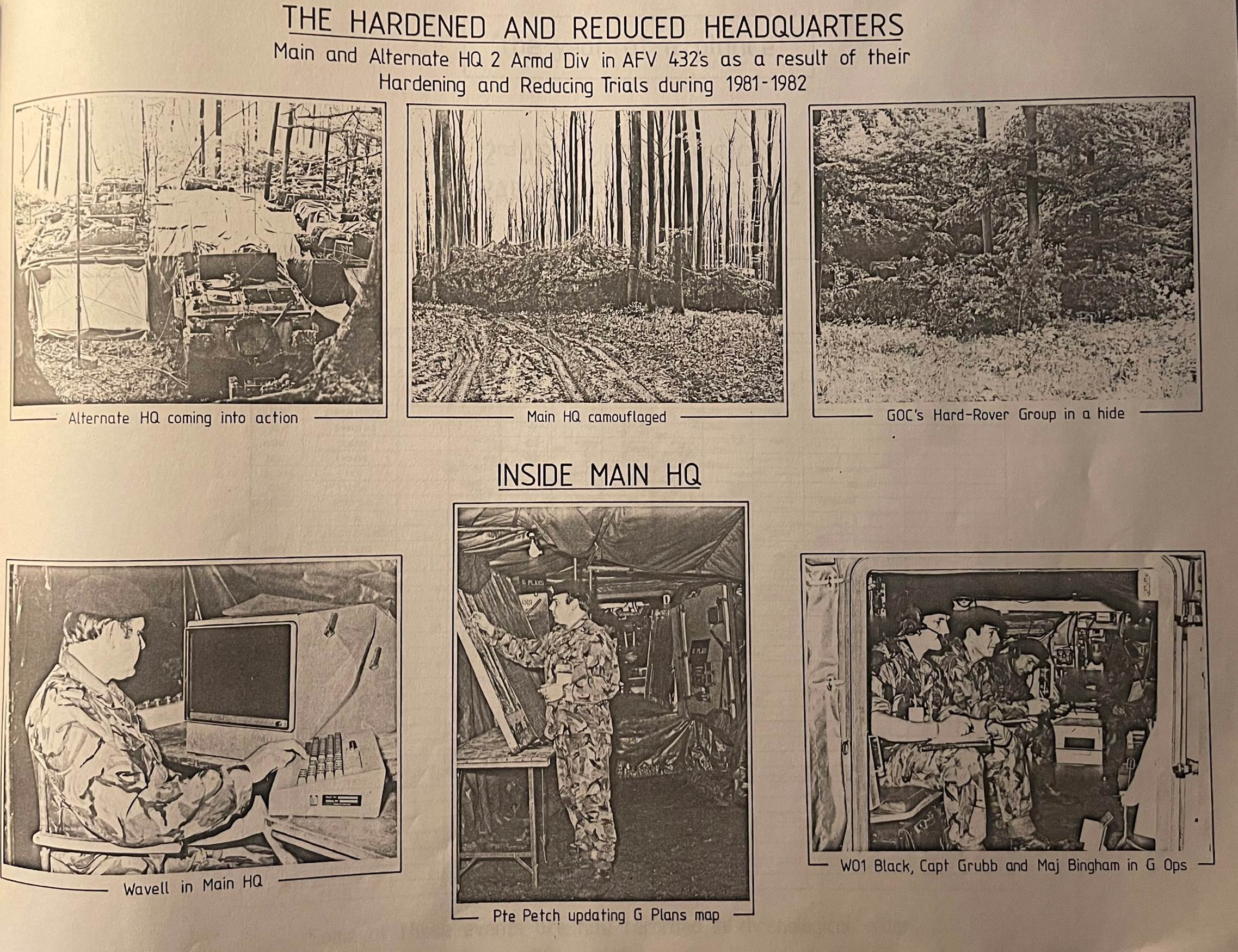
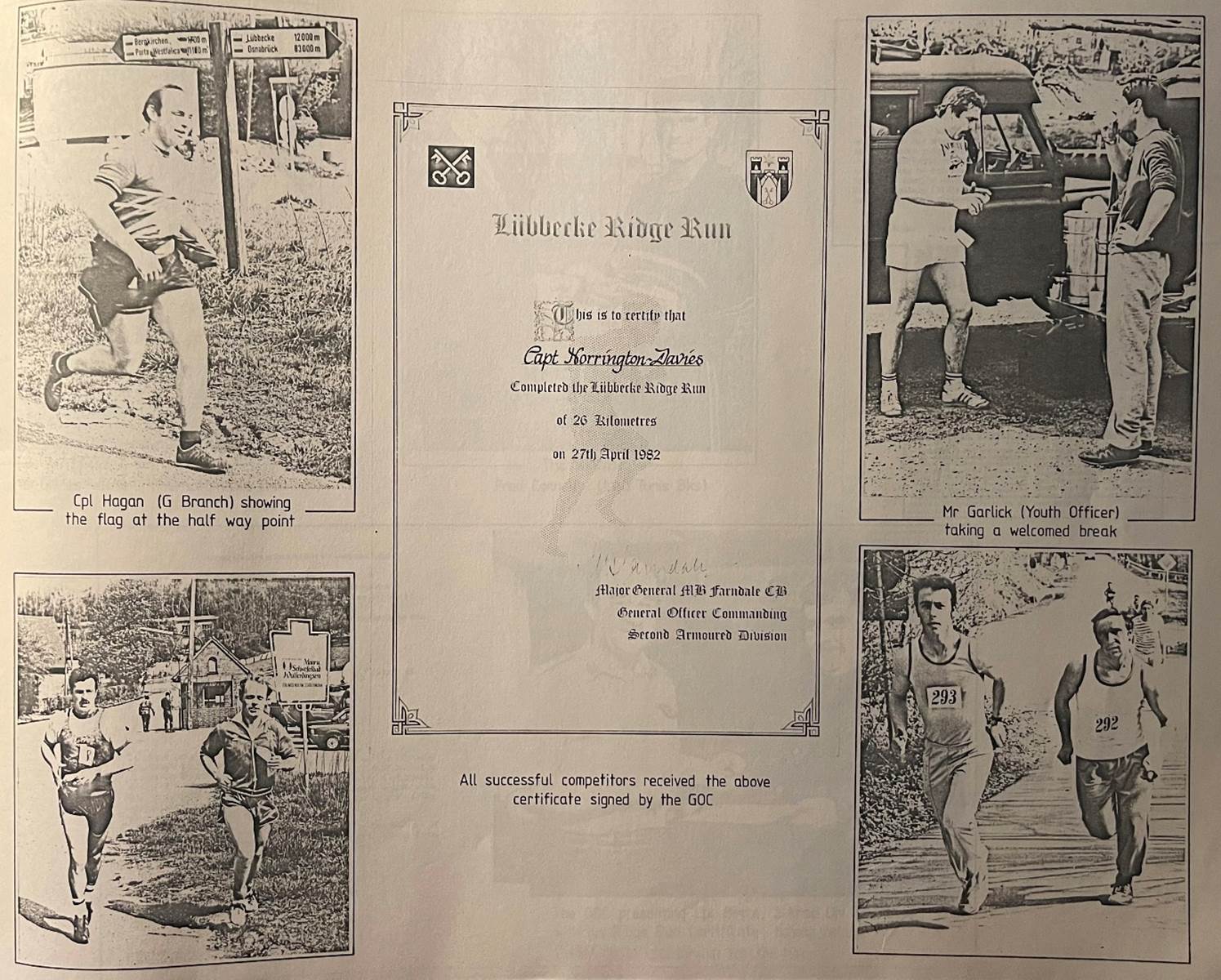
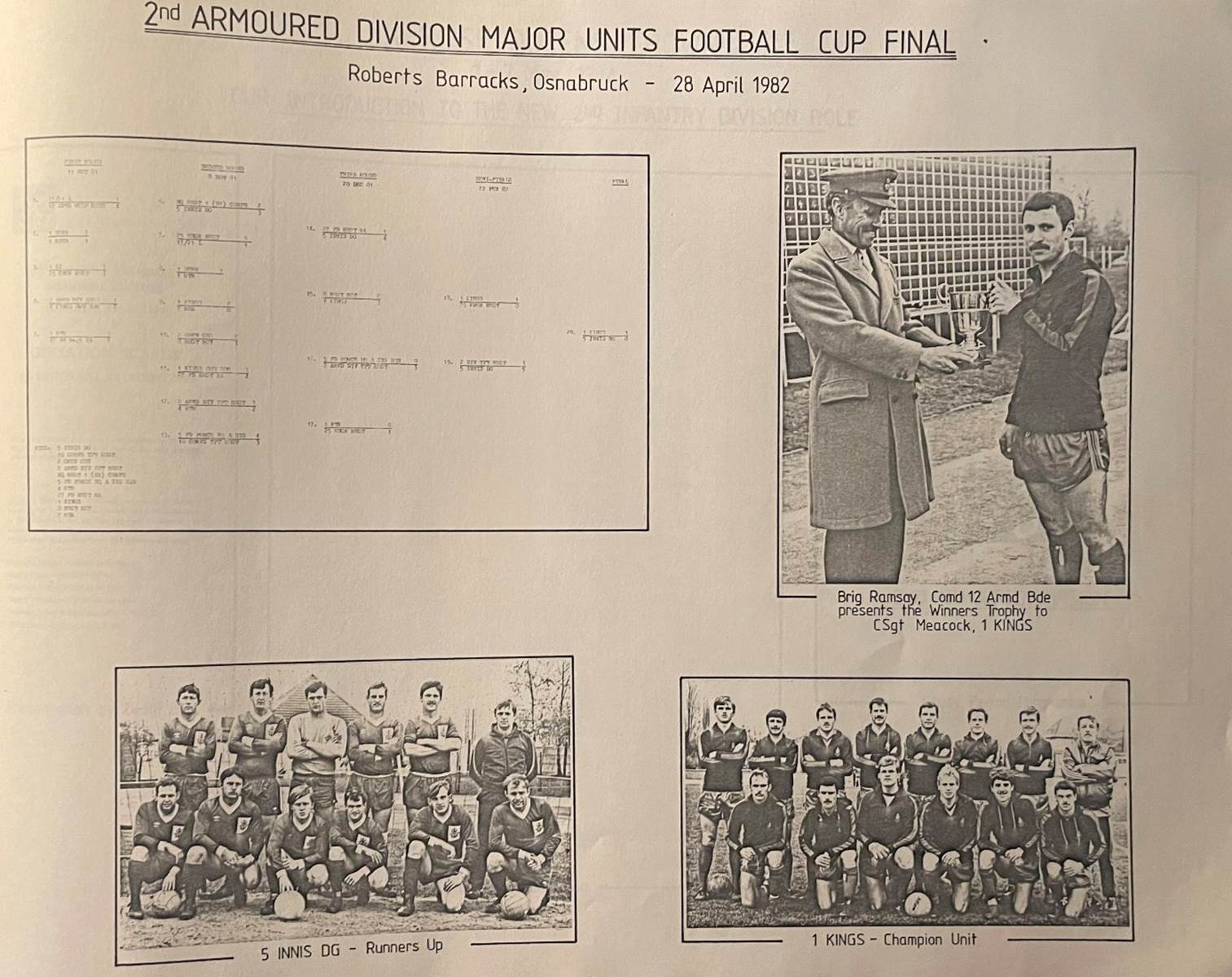
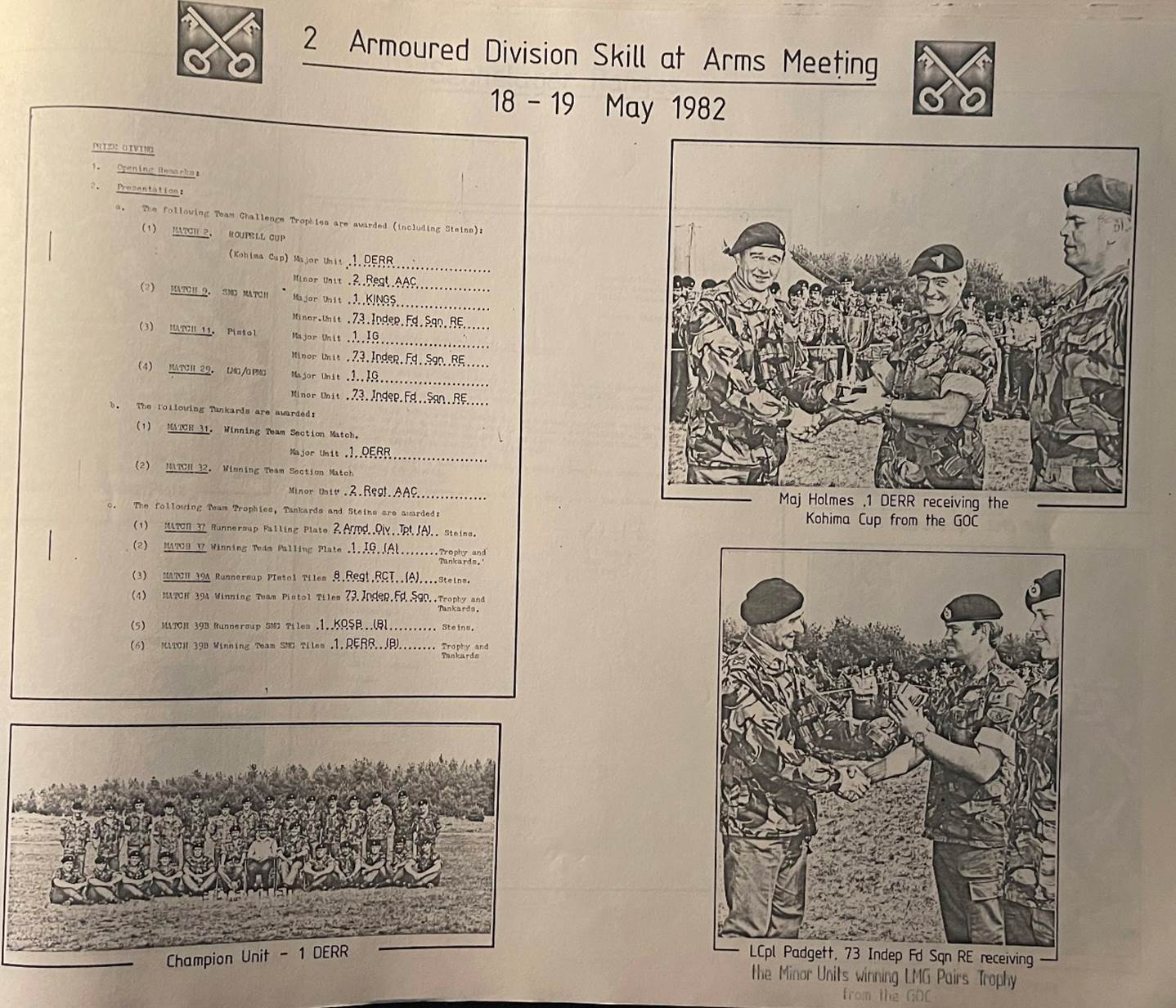
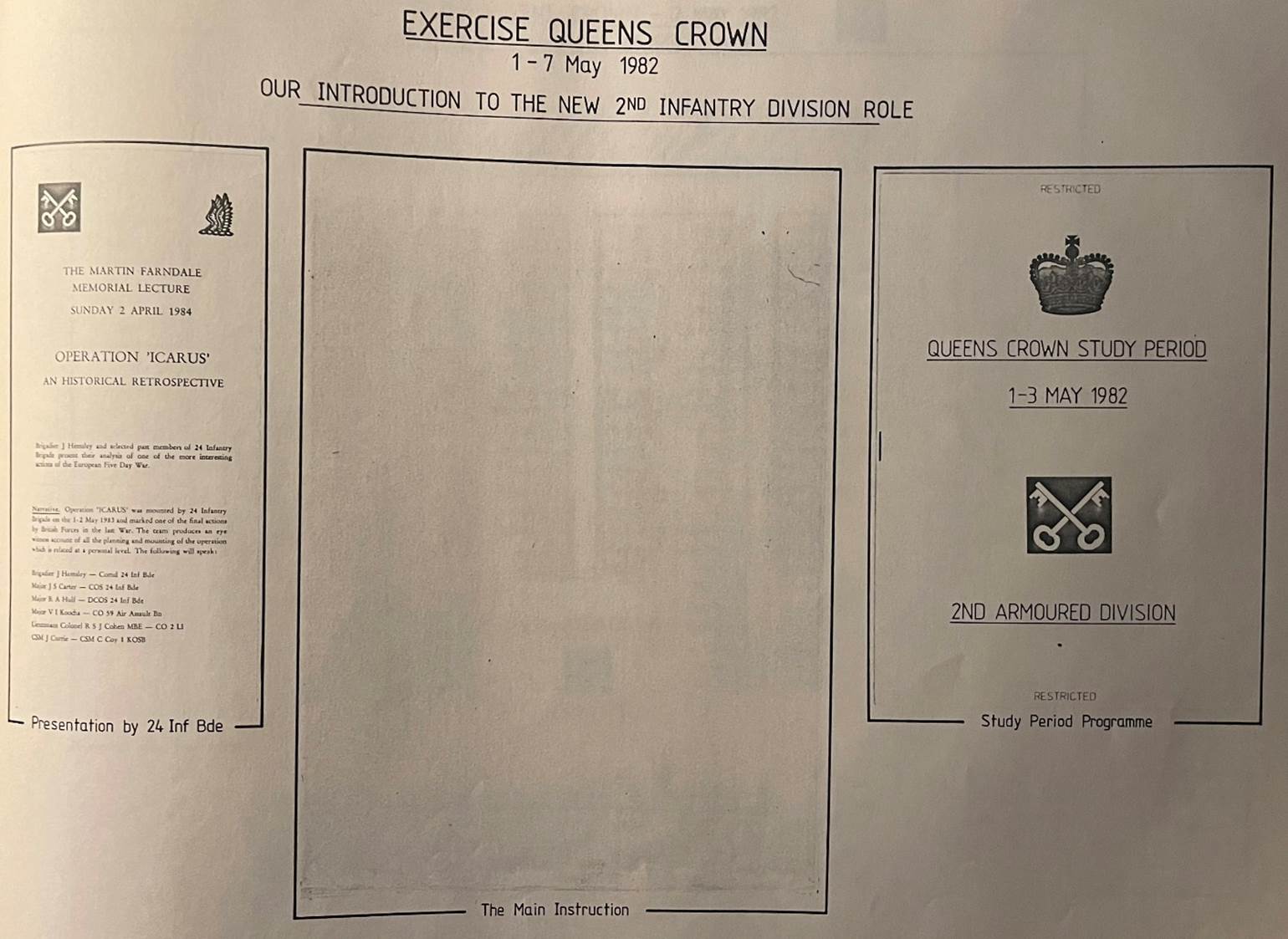
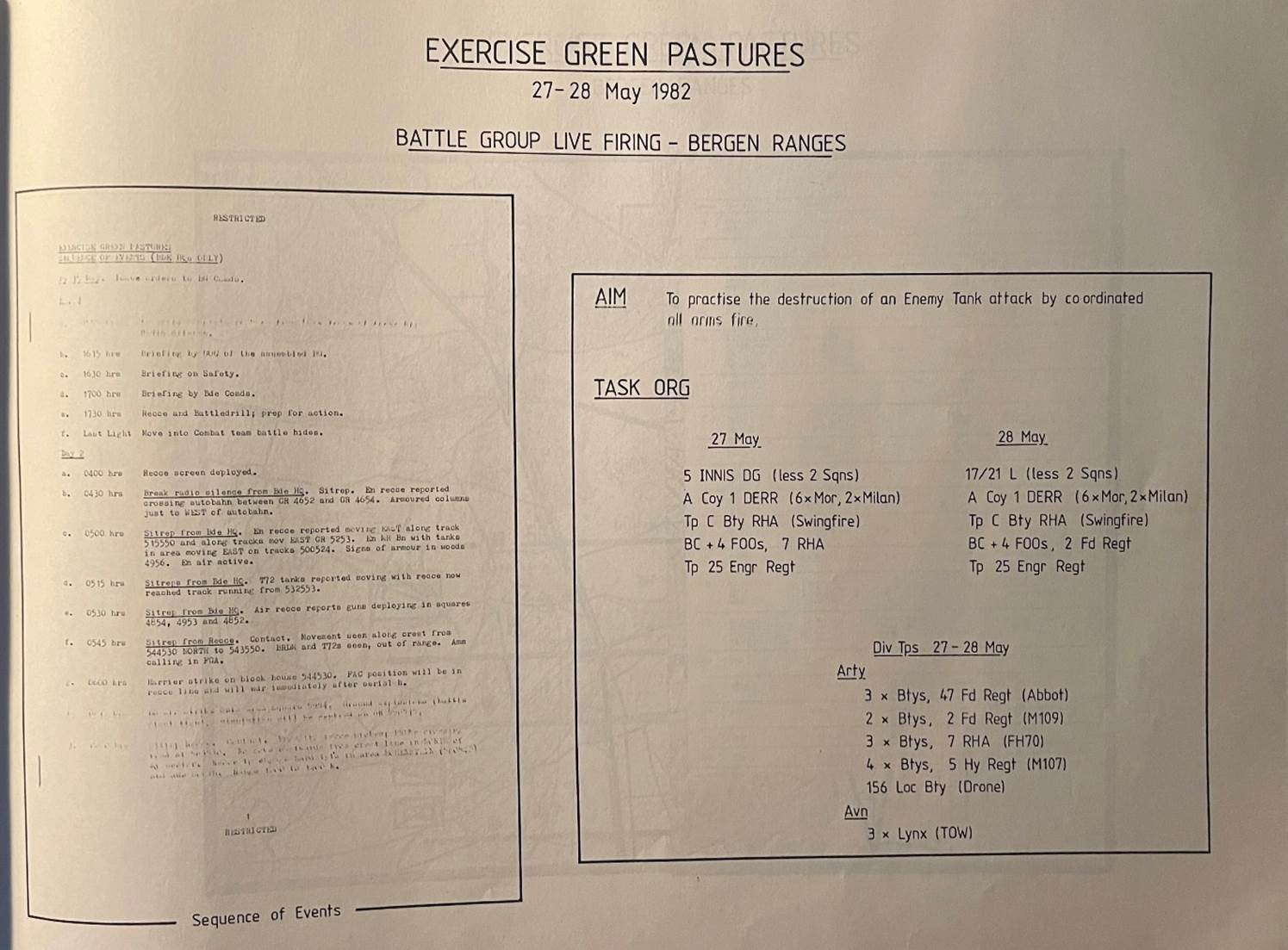
Exercise Keystone 1982
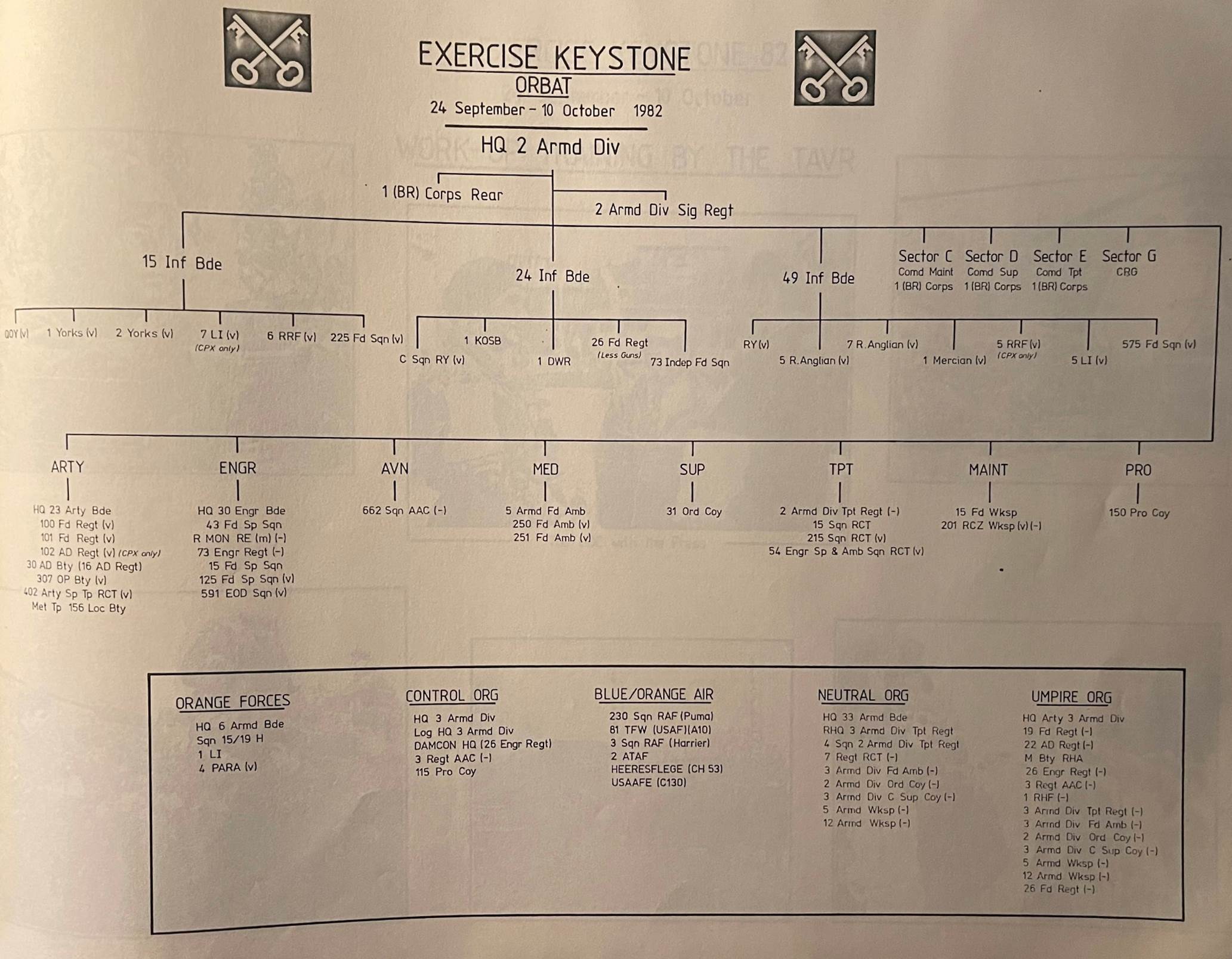
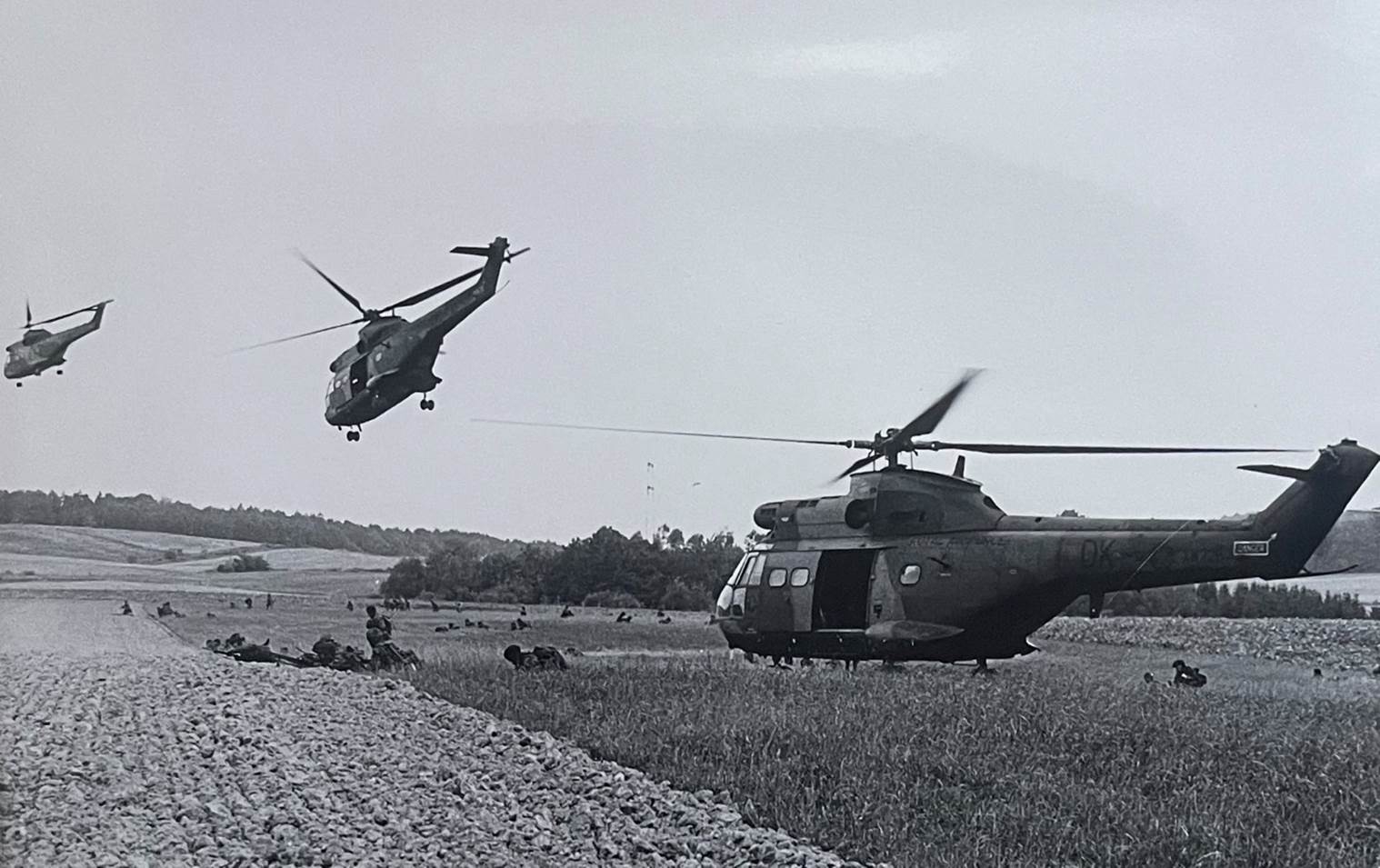
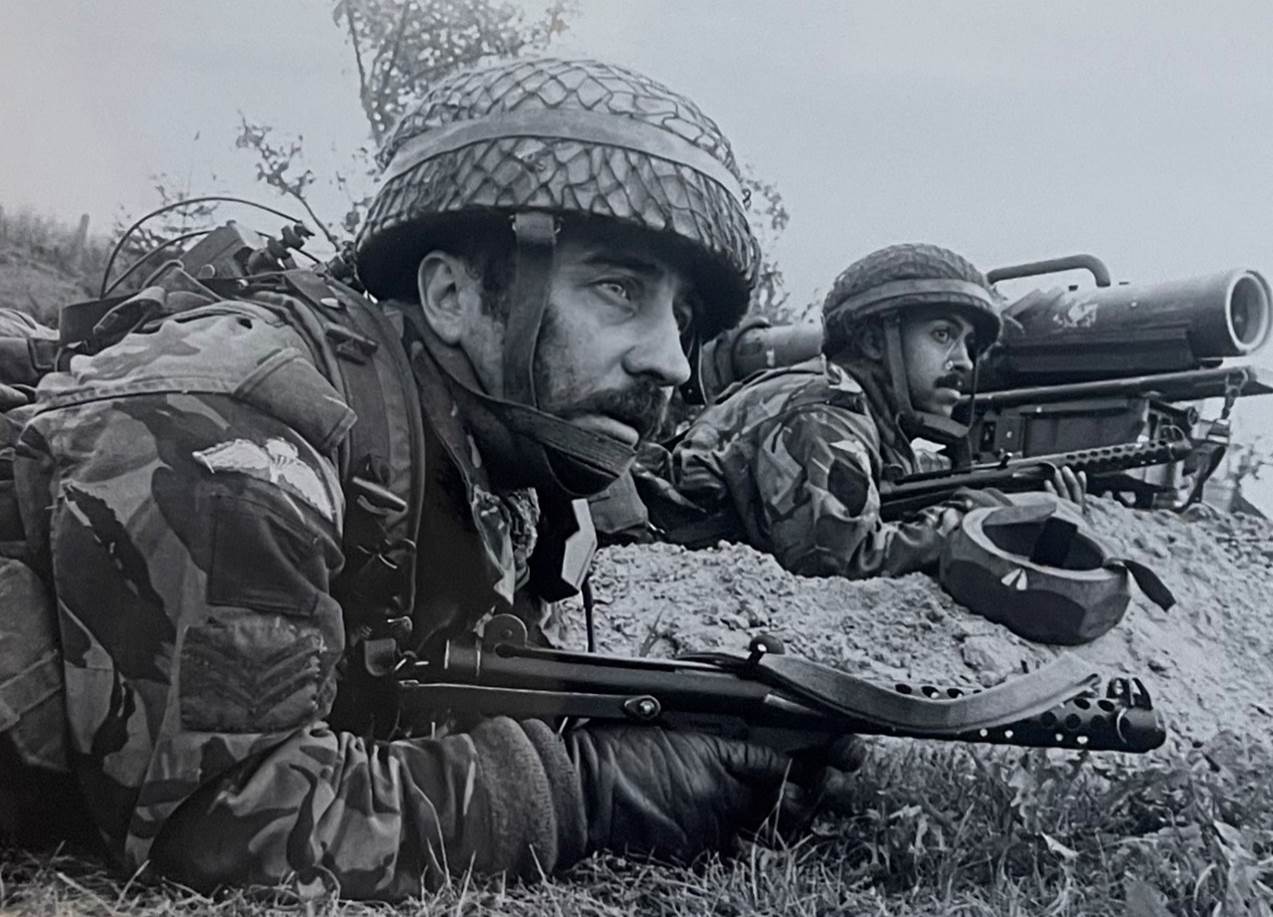
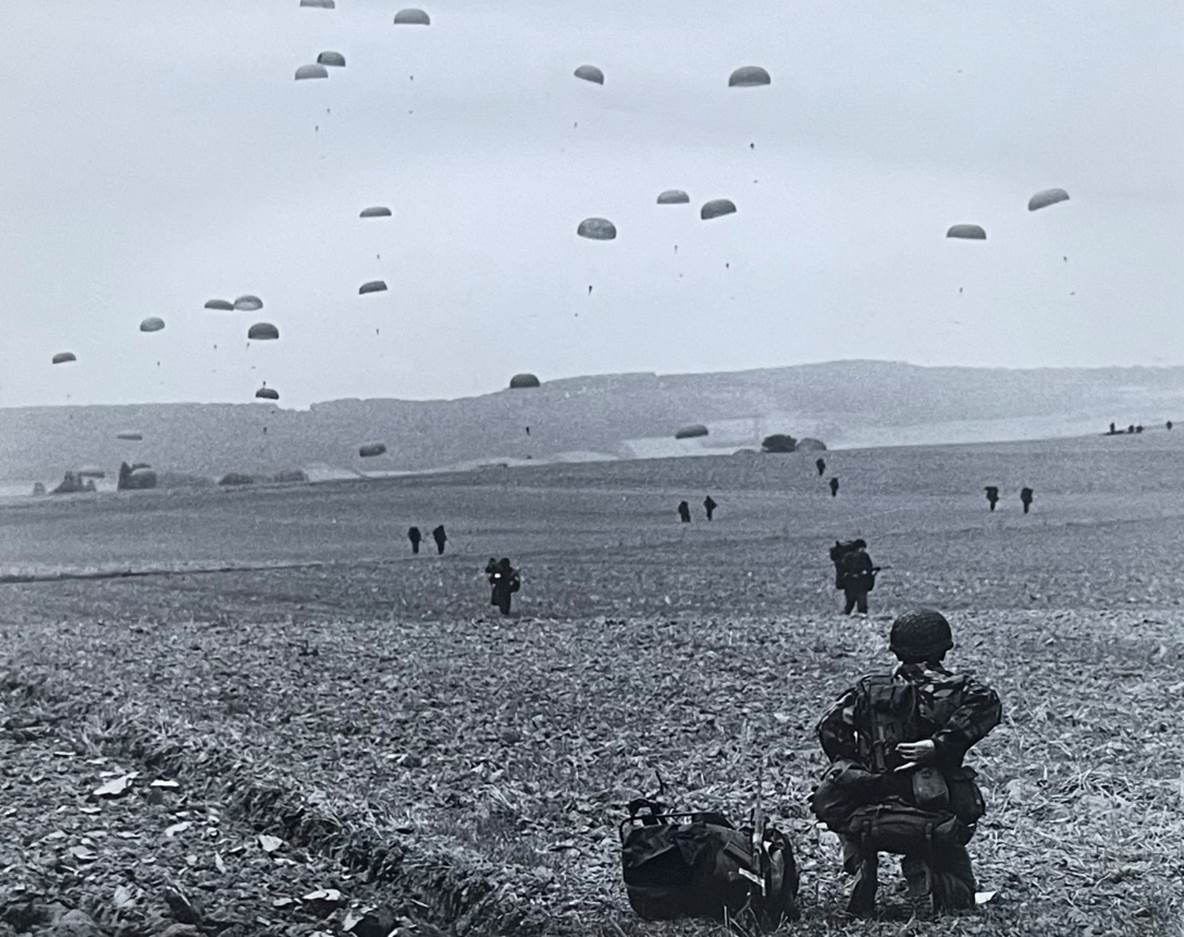
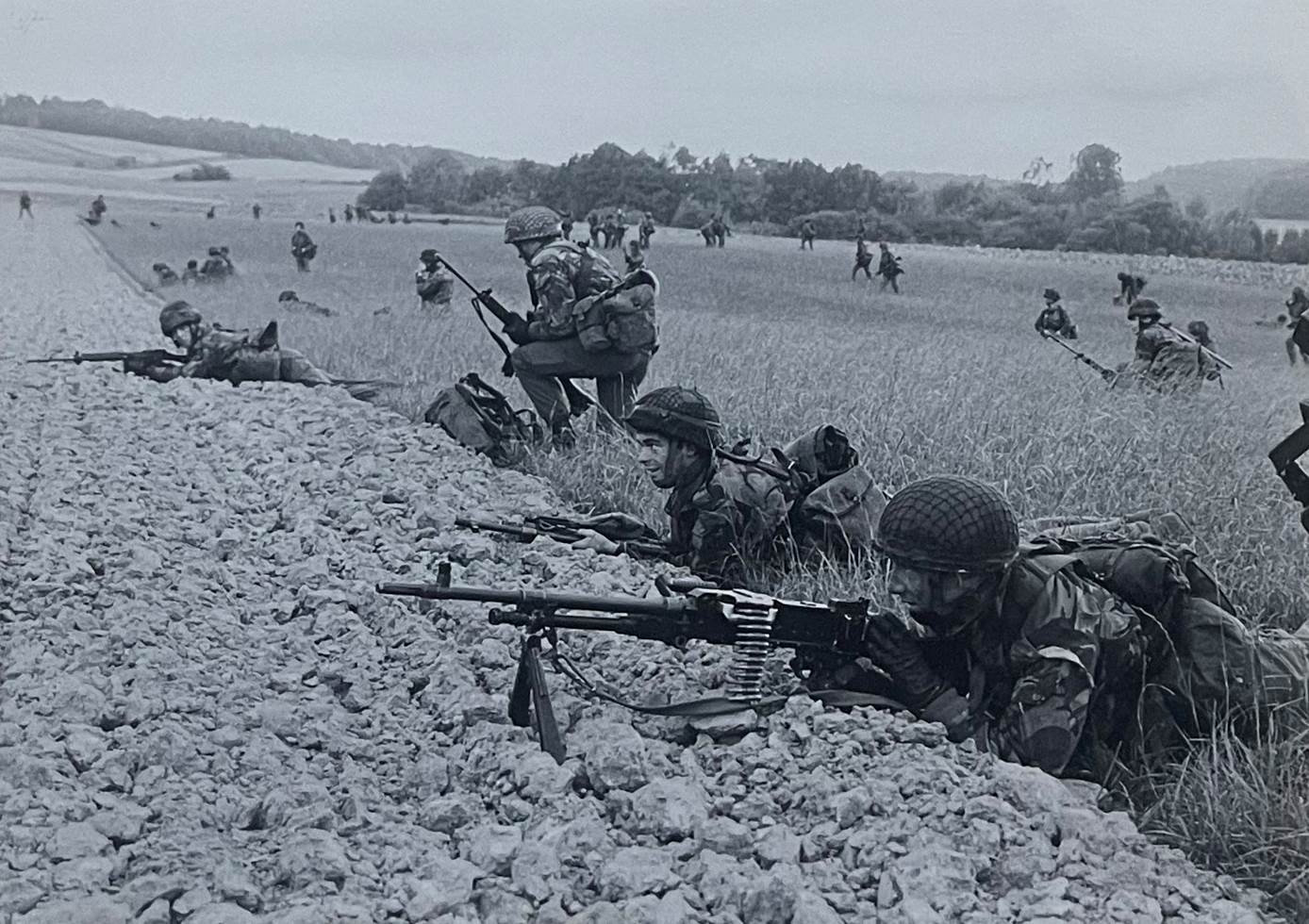
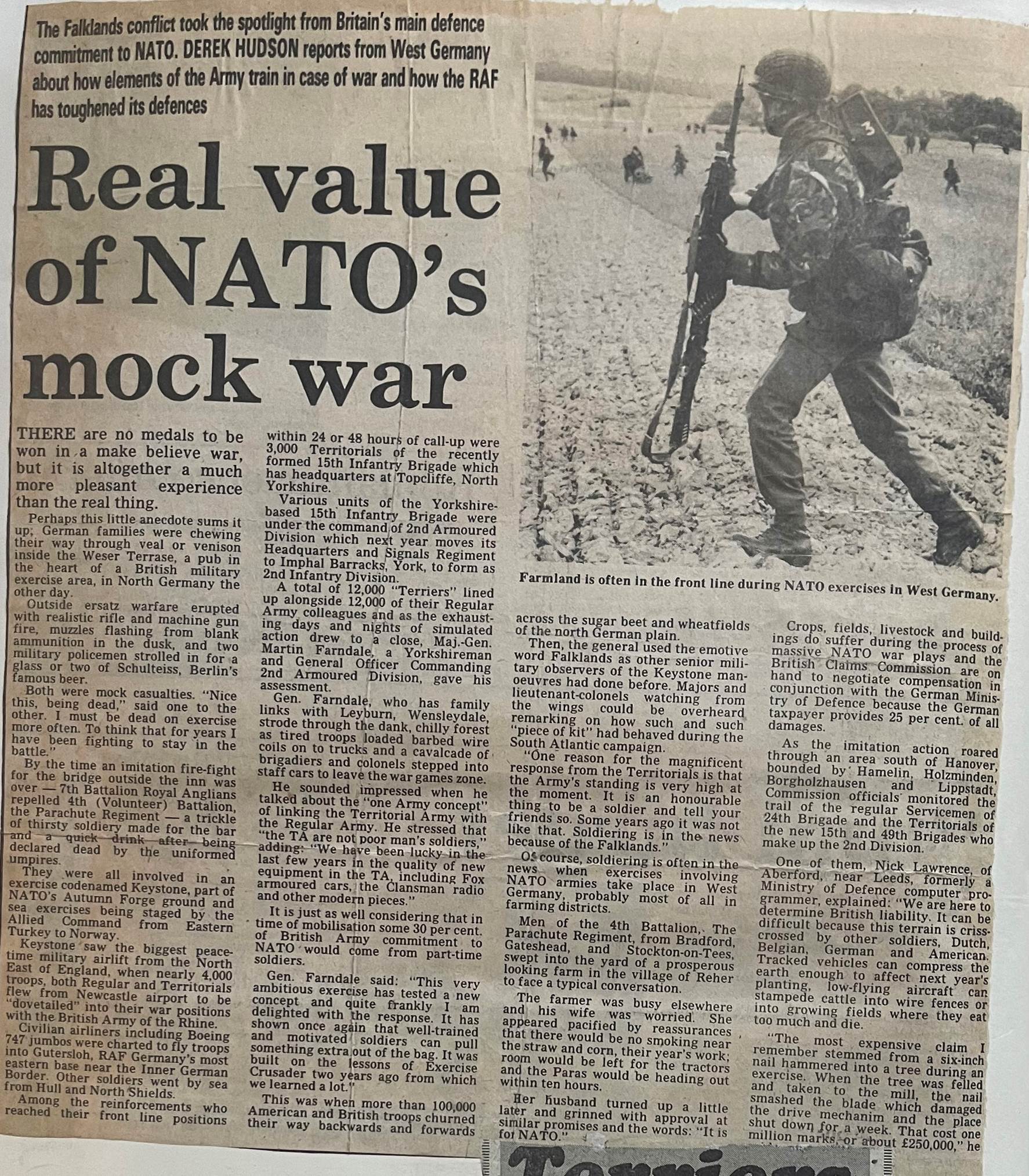
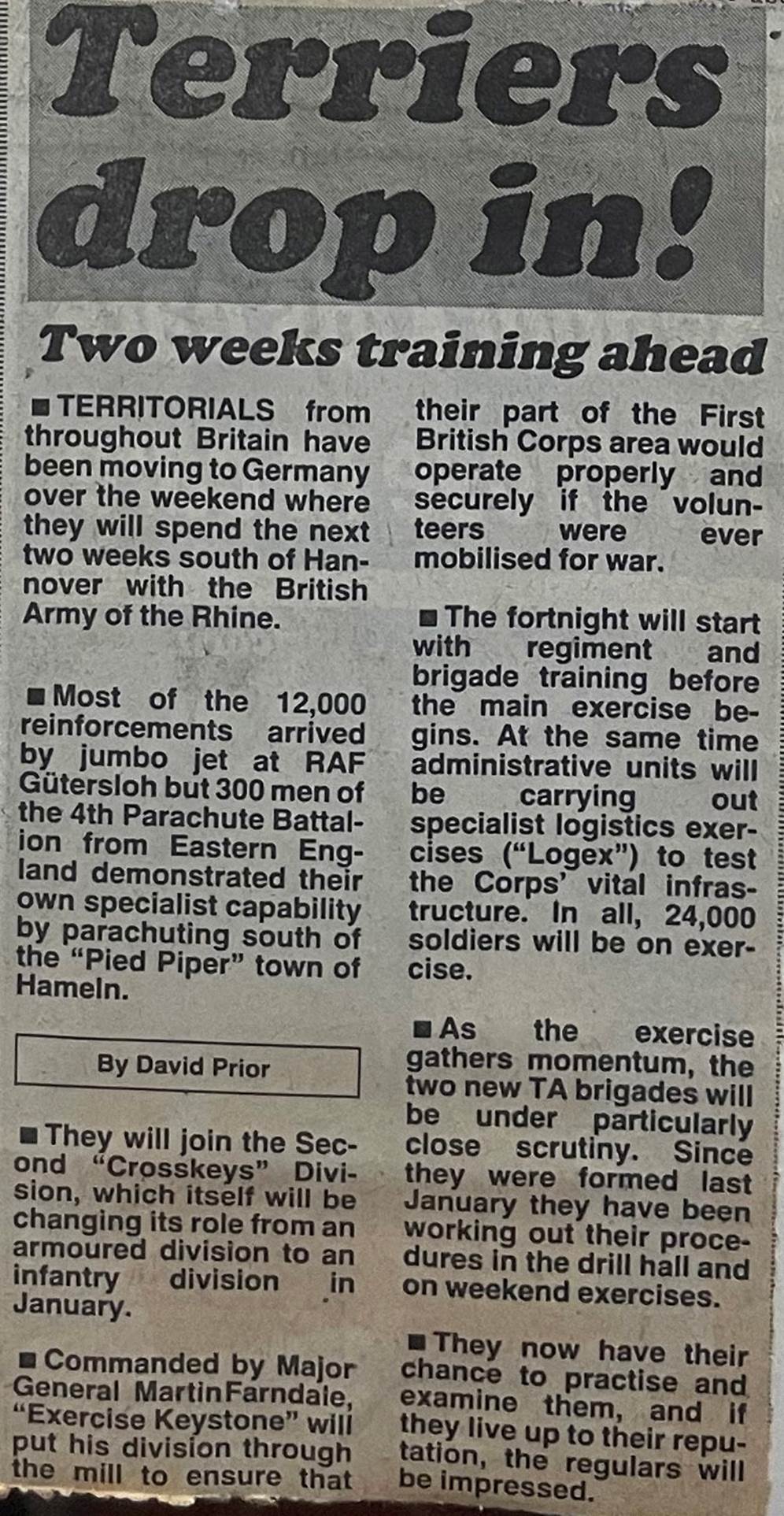
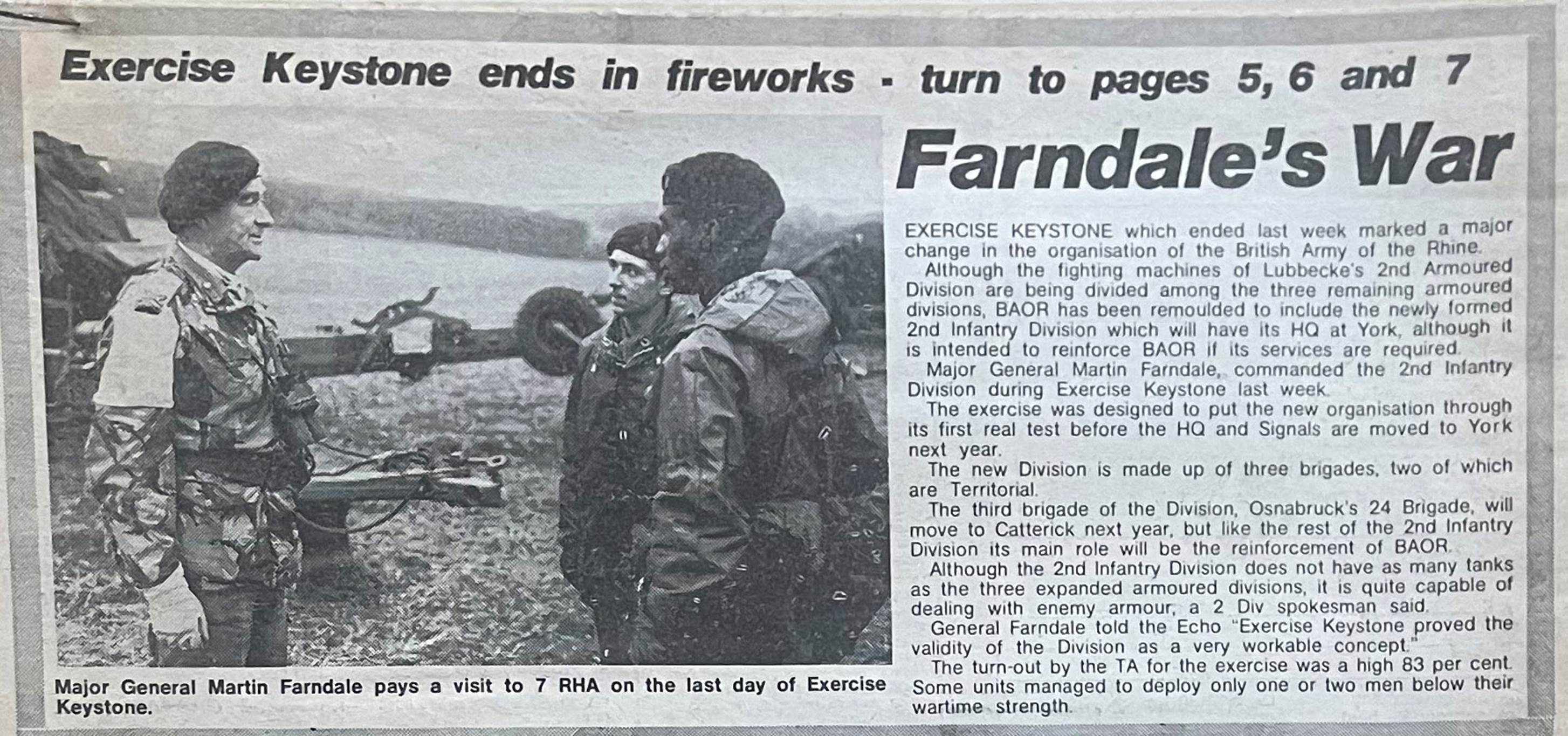
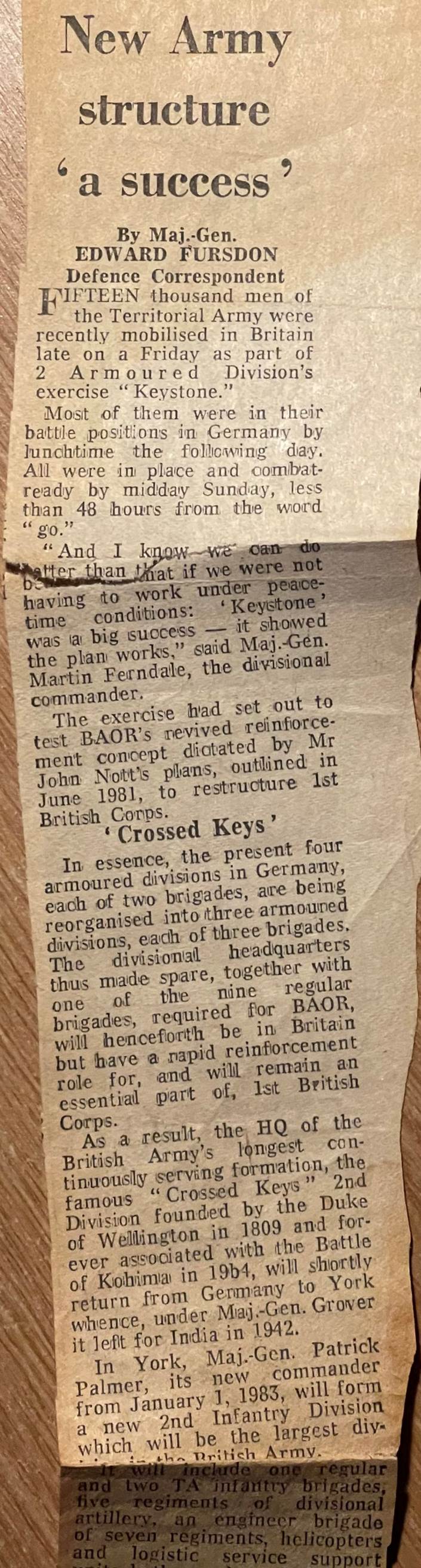
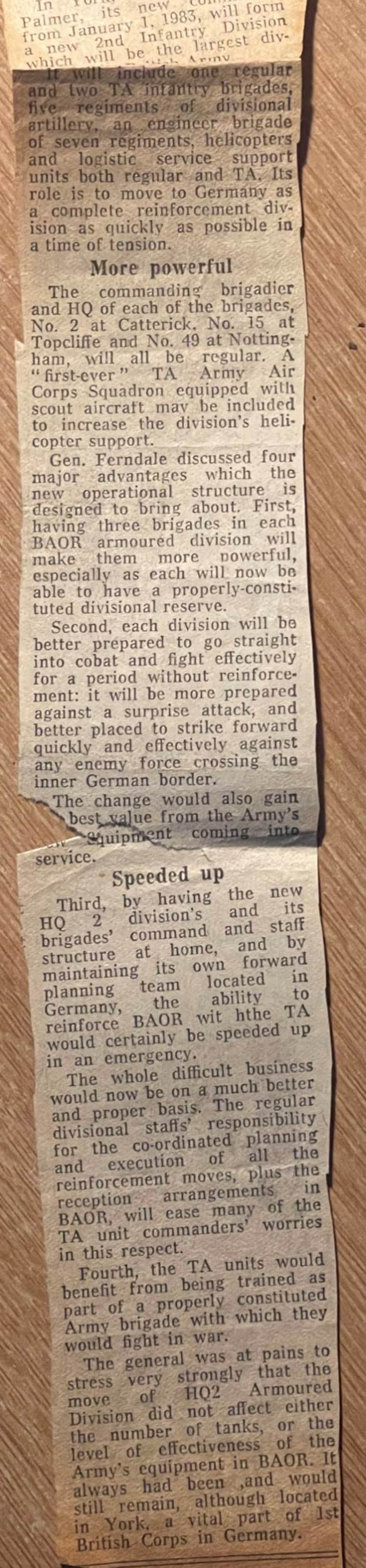
Exercise Keystone 1982
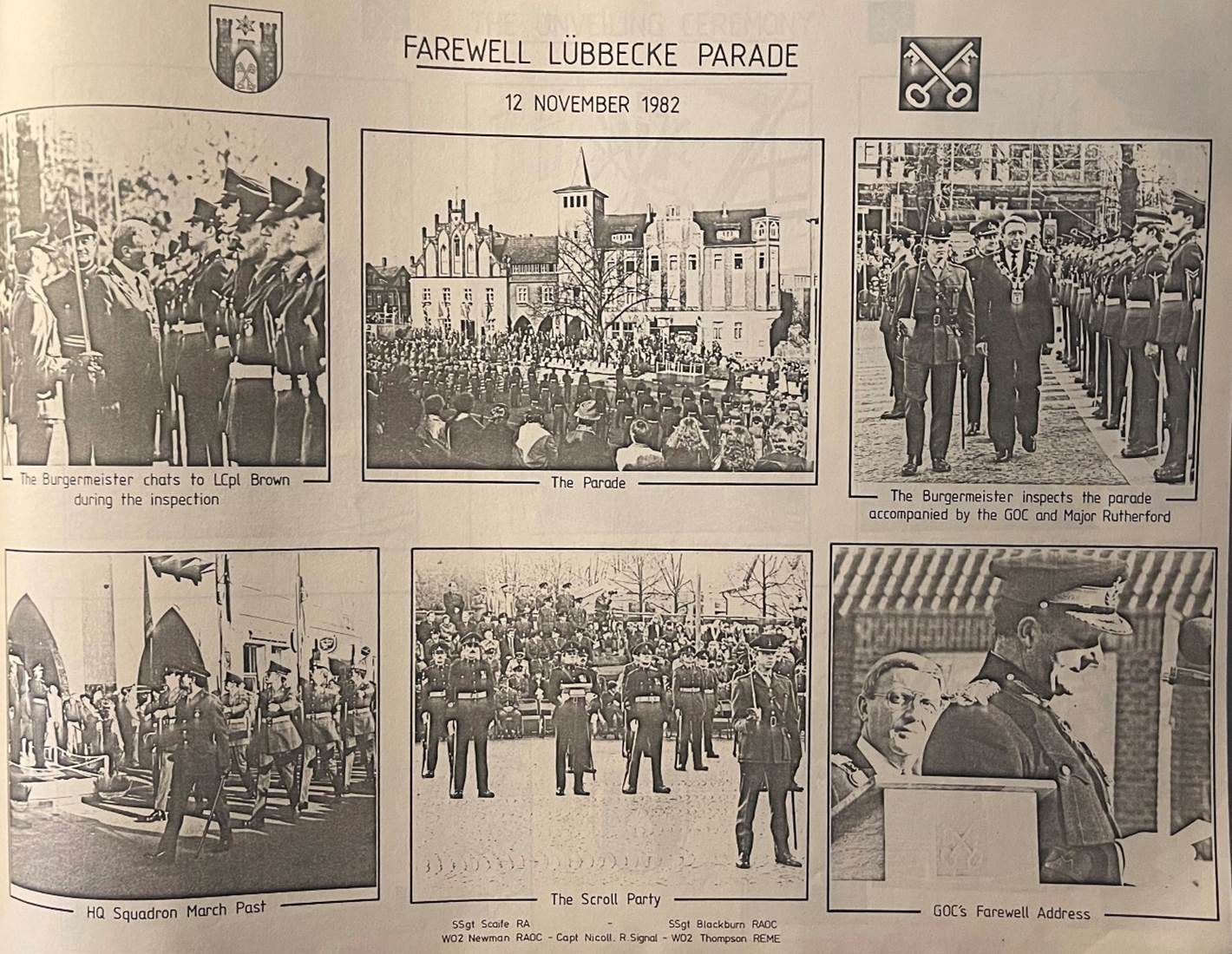
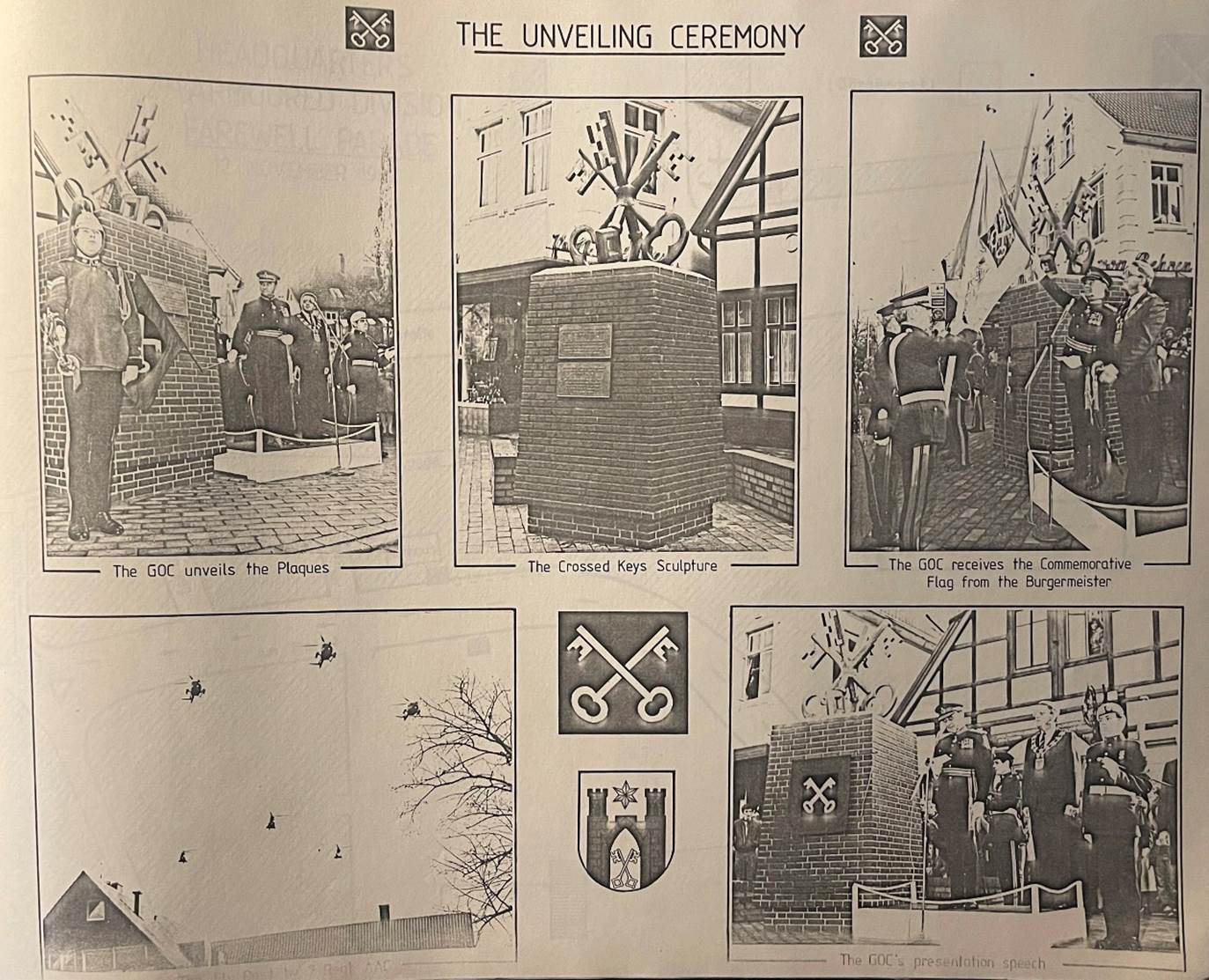
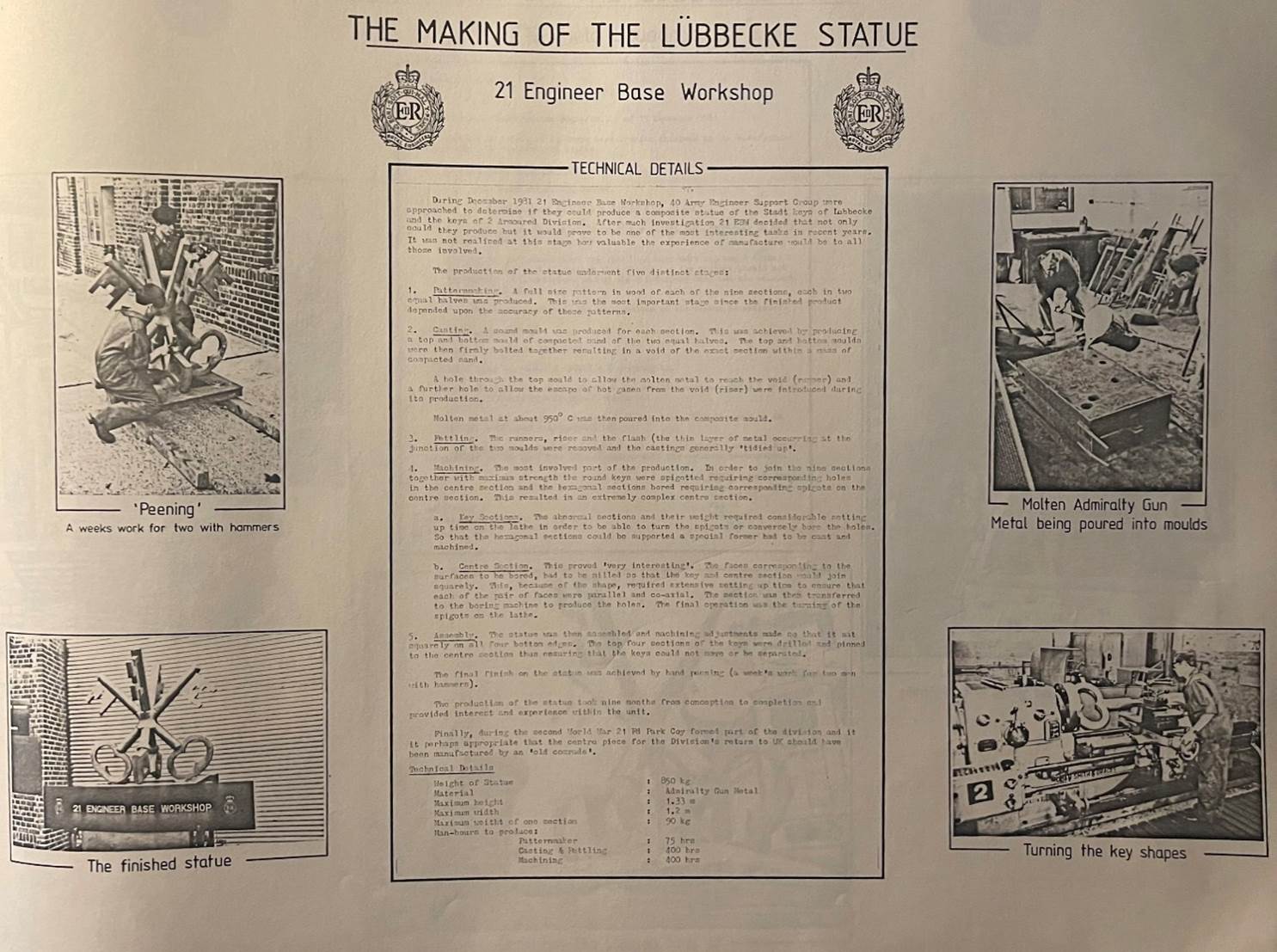
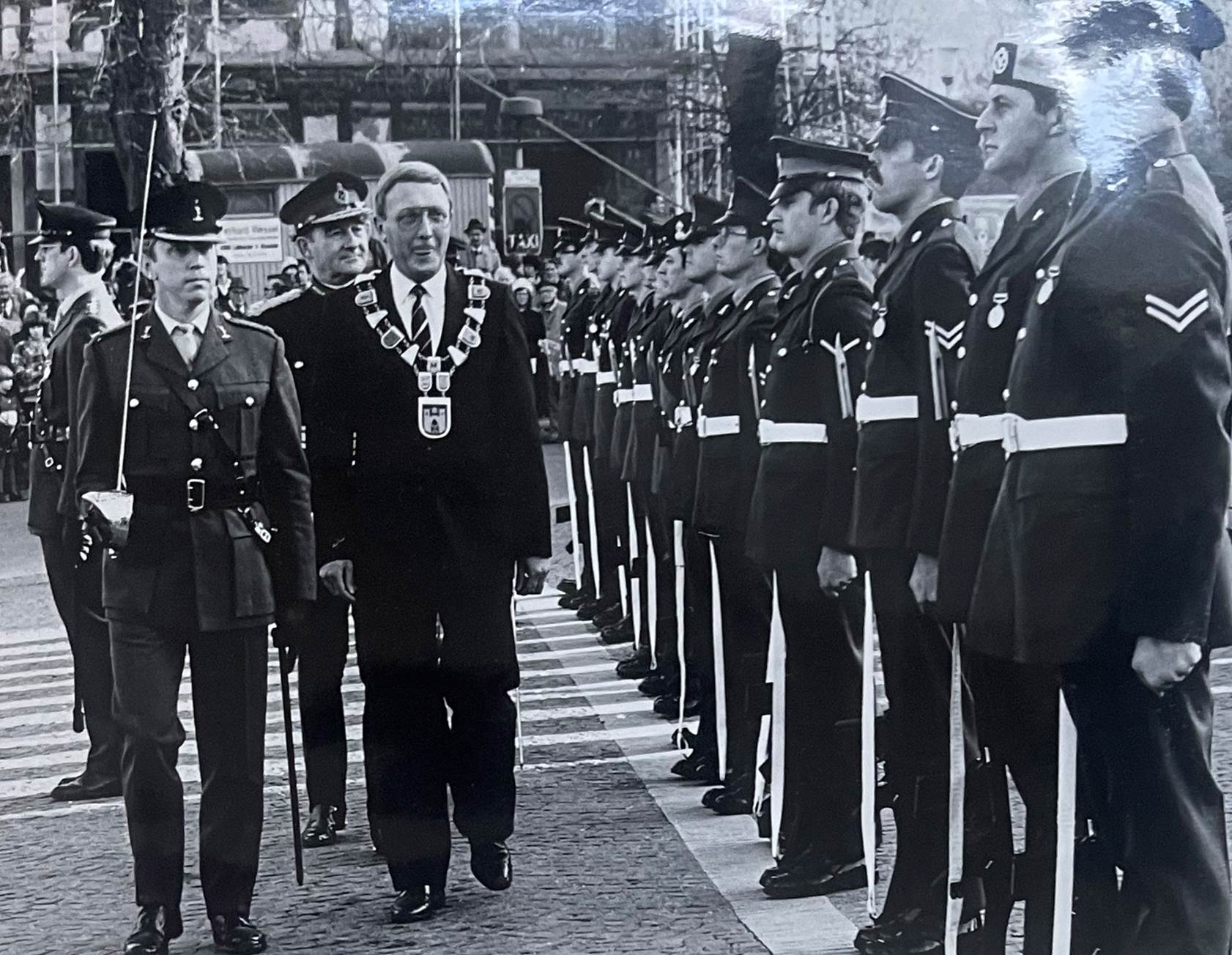
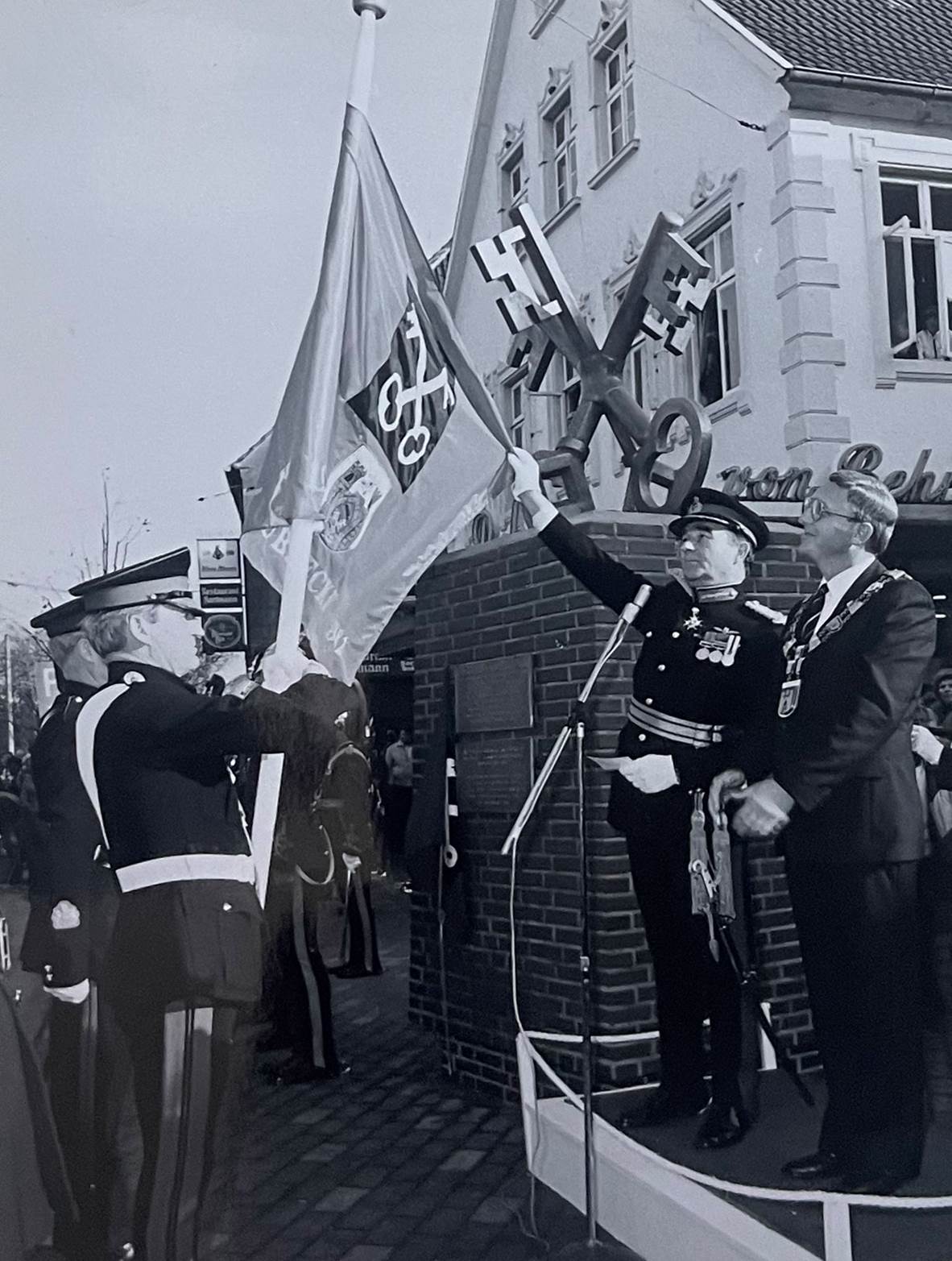
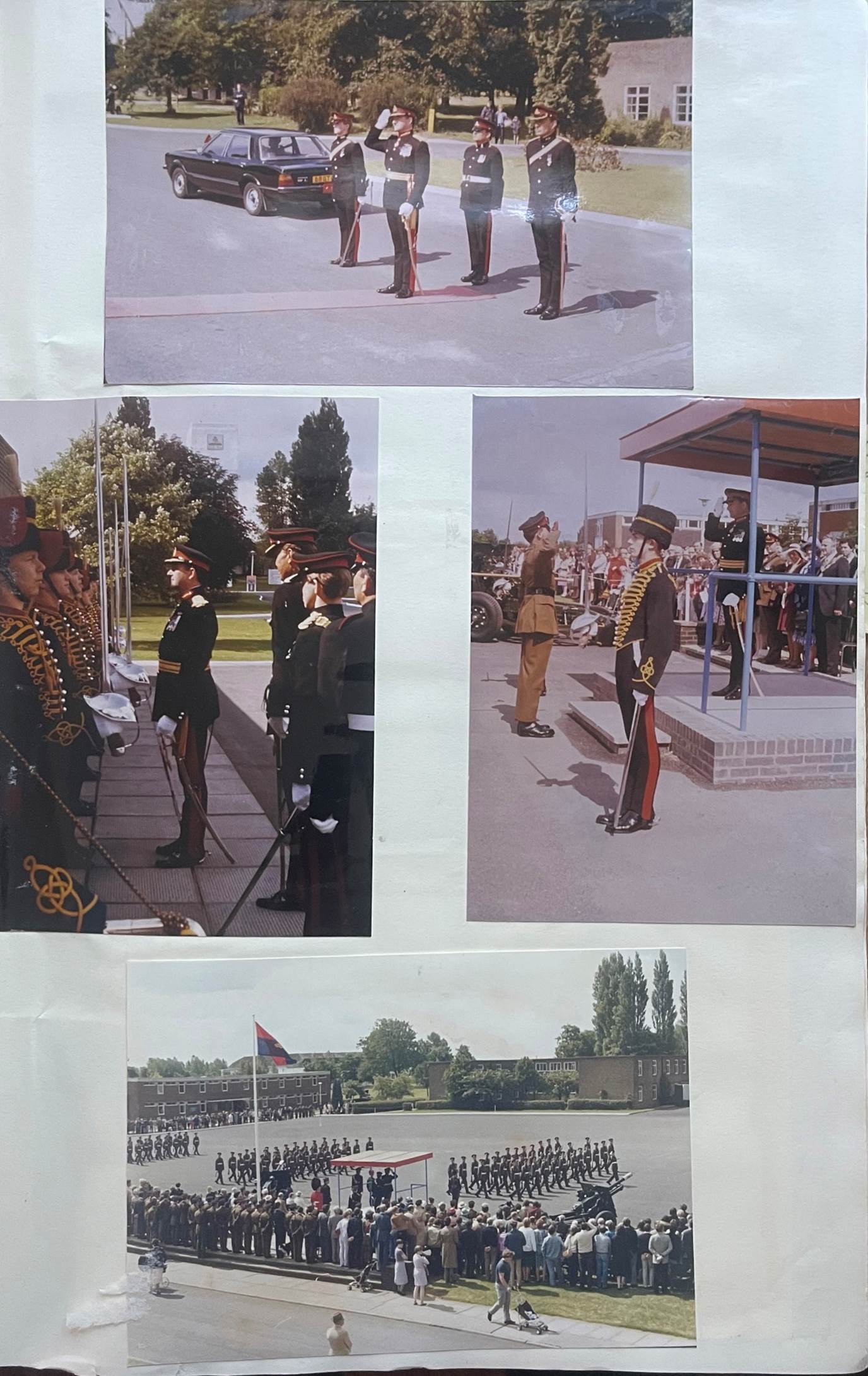
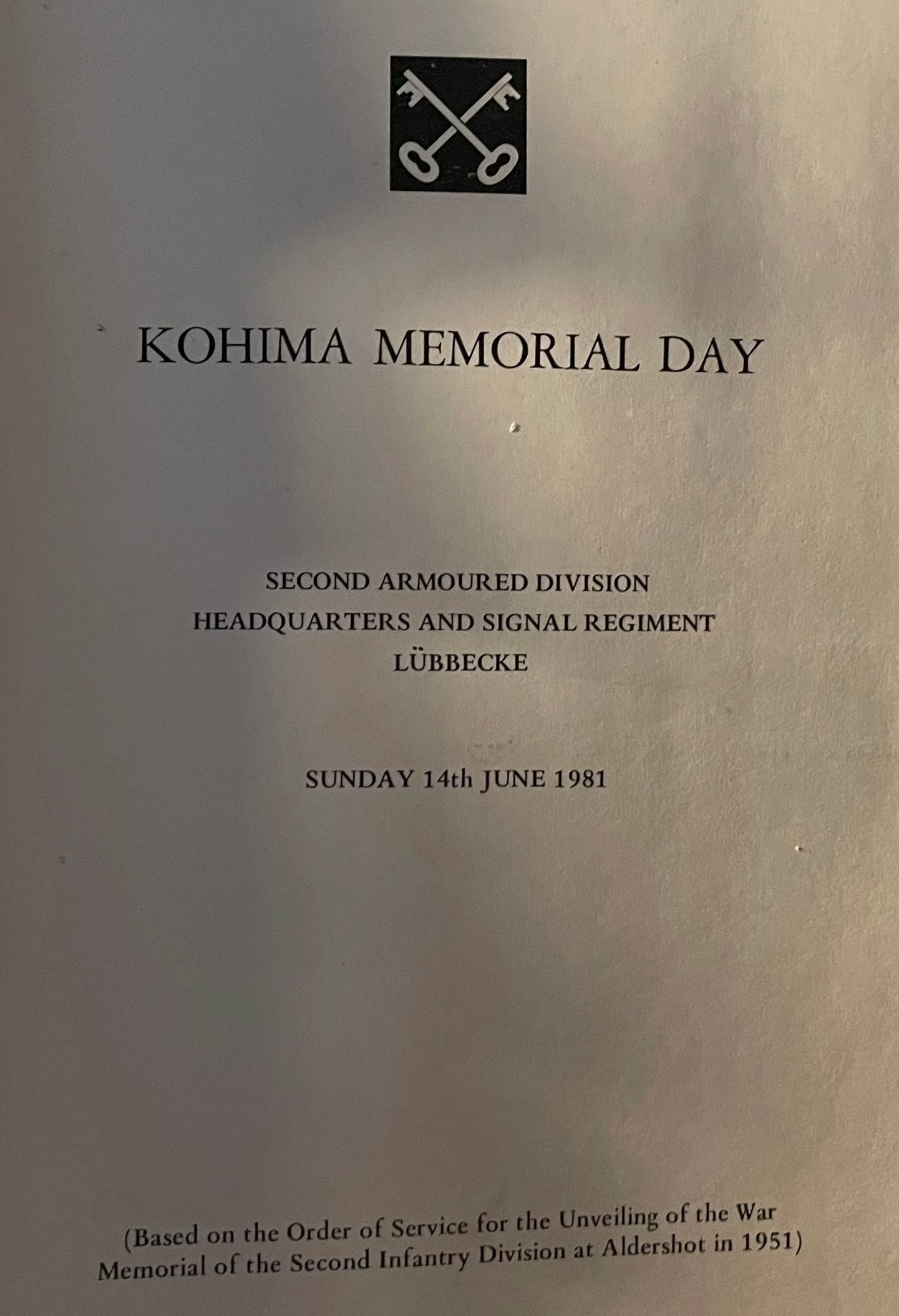
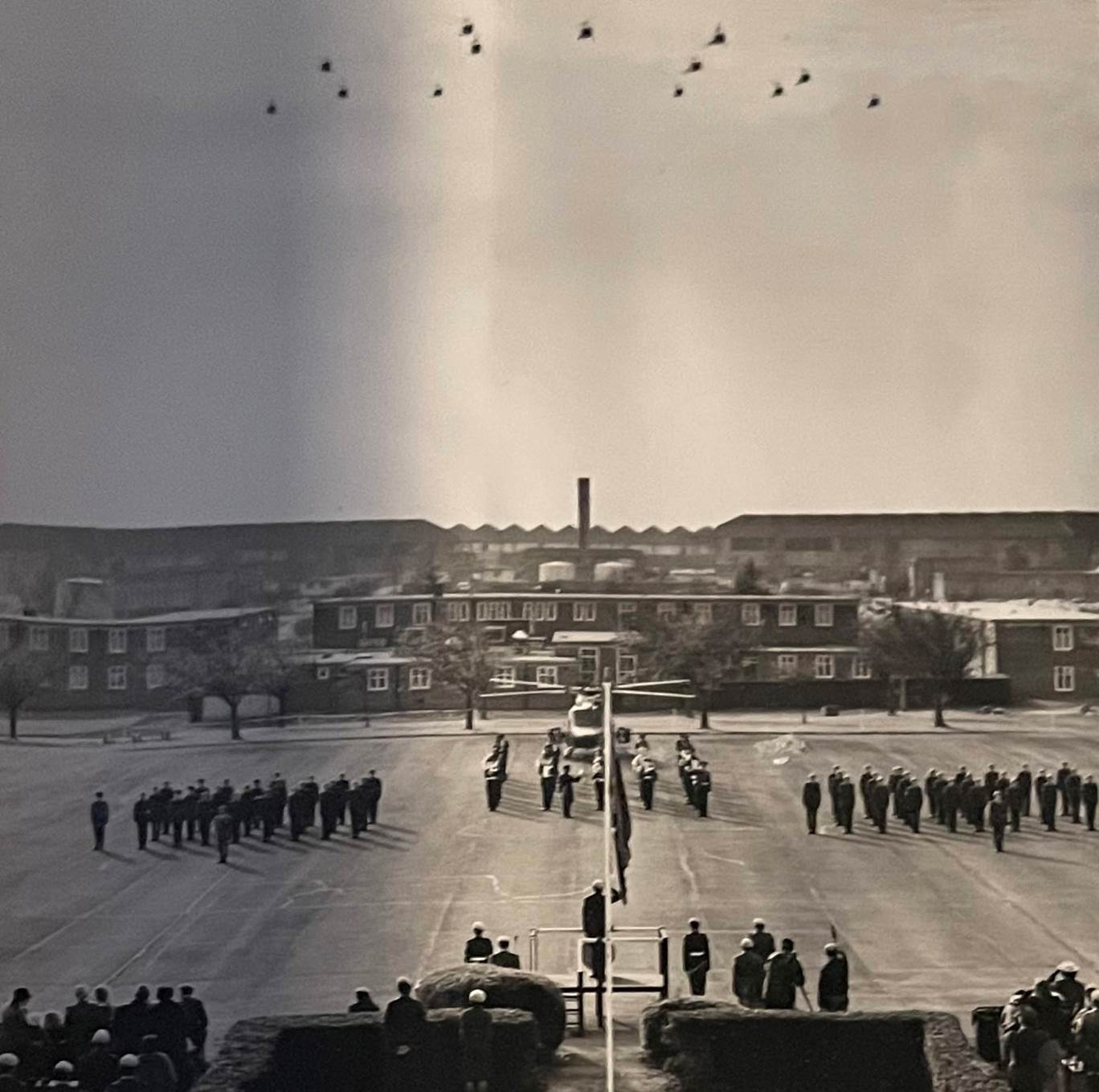
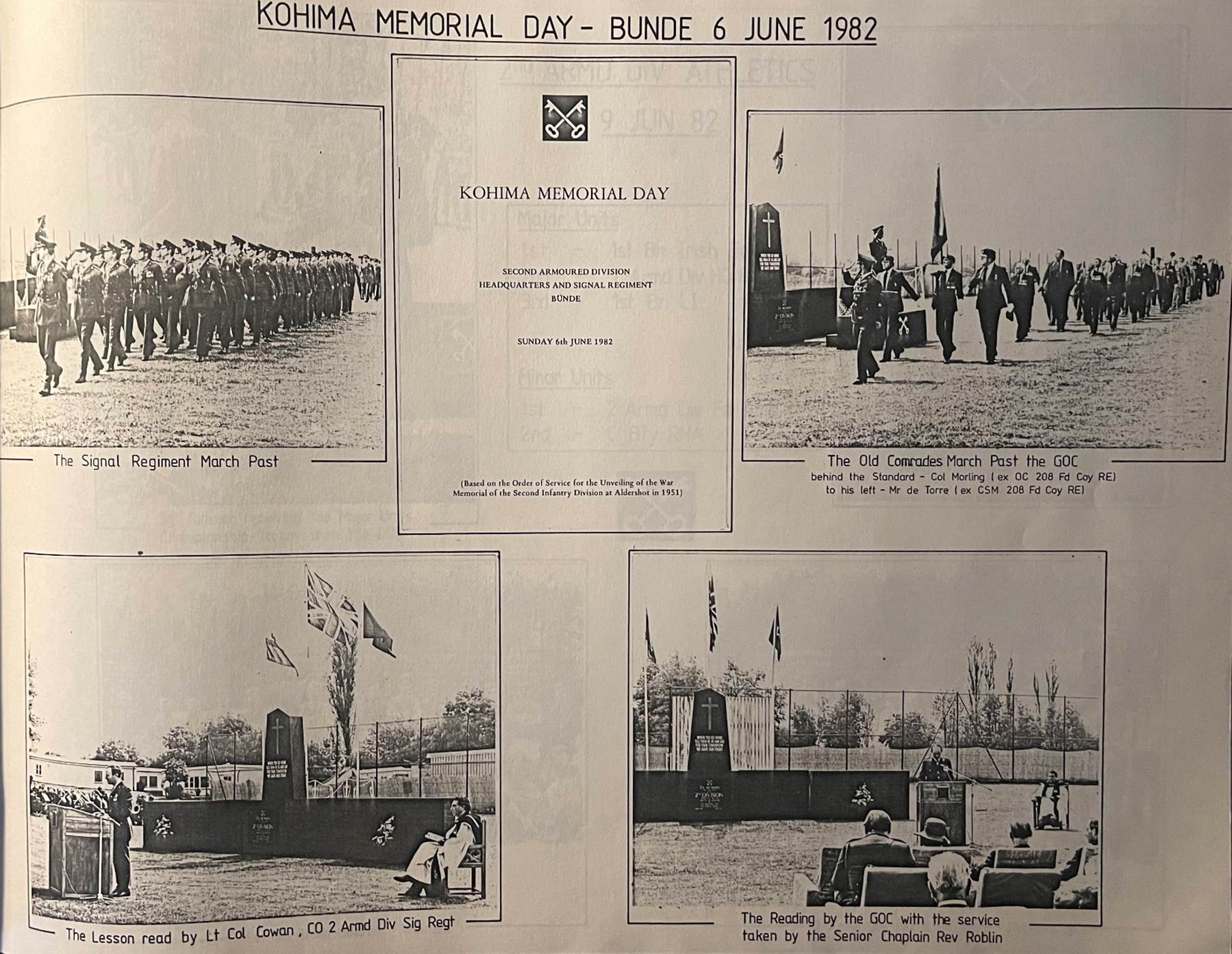
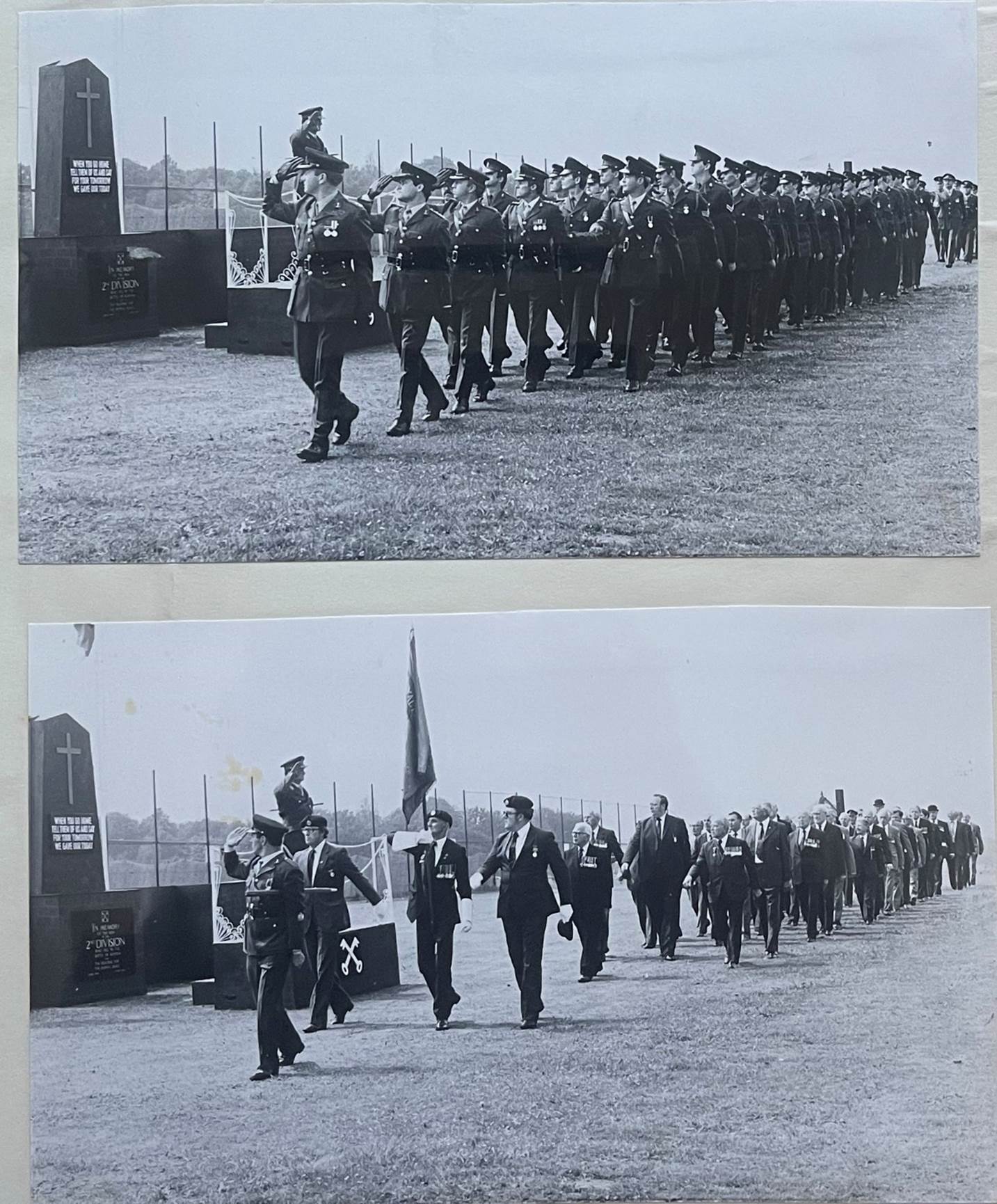
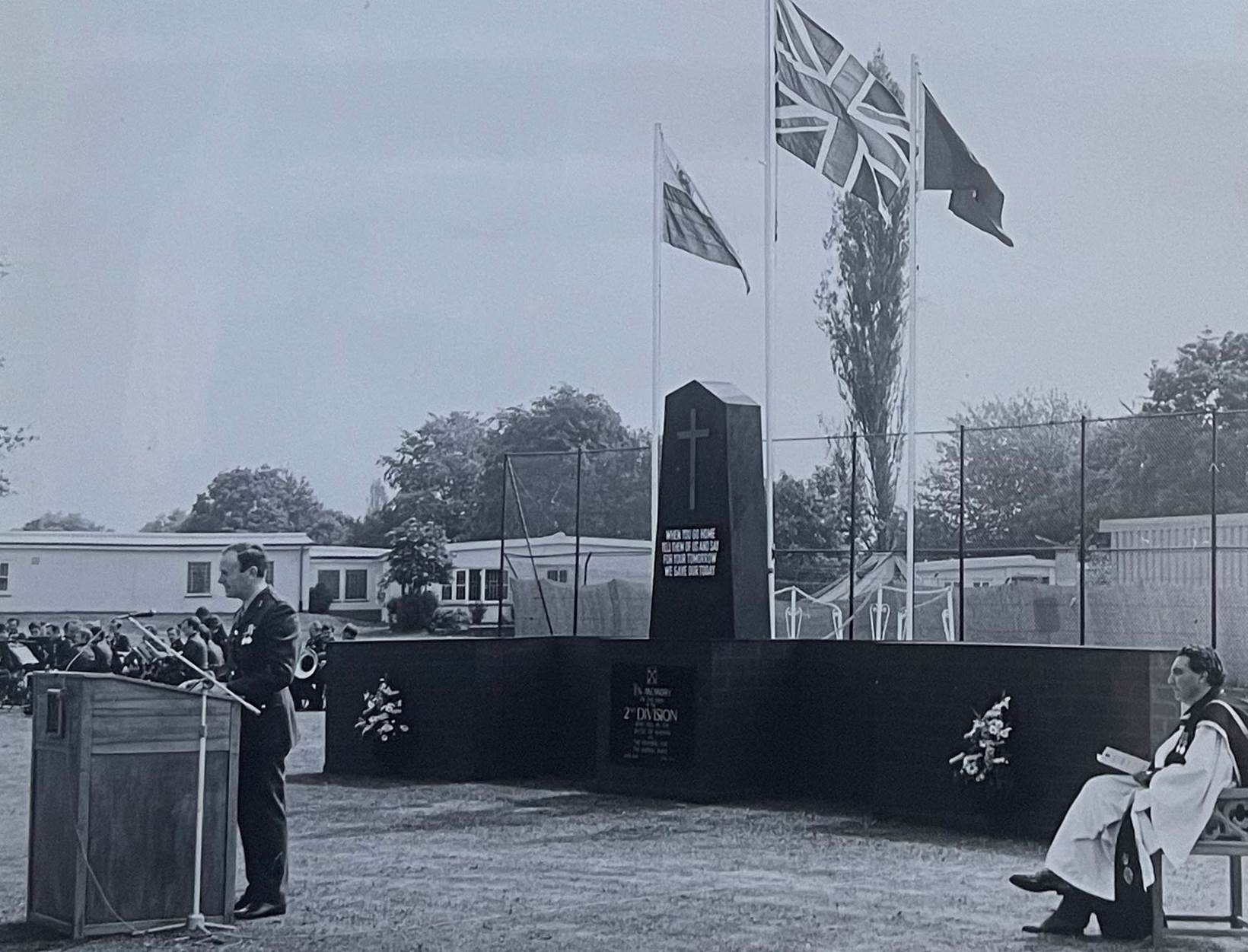
Parade for new 2 Division Memorial in Lubbecke,
13 November 1982