(Edwin) Reginald Bellyse
27 May 1856 (baptised) to 7 April 1924
BEL00016
|
Return to the Home Page of the Bakers Family part of the website |
The Bakers of Highfields Story
The Story of the Dods and Bakers and of Highfields,
Fenton House and Hasfield Court. A journey through the history of Cheshire and
Staffordshire, an Anglo-Saxon nobleman who retained his lands after the
Conquest, pottery at Stoke on Trent, an encounter with Elgar, and the history
of an Elizabethan manor house at Audlem |
The family tree of the Bakers of Highfields |
The Family Tree of the Dods, predecessors to the
Bakers of Highfields |
The Bakers of Fenton House and Hasfield Court
The Family Tree of the pottery Bakers of Stoke on Trent |
The Family Tree of the Bellyse Family |
The main part
of this website tells the story of the Farndale family from Yorkshire Descendants of Arthur Baker, the story of the
Farndale ancestry is told through the main part of this website You can also return to the Farndale
website home page |
The genealogy of the family of James Hall, linked to
the Baker family through marriage to Arthur Baker |
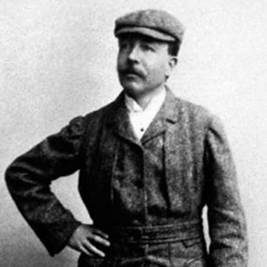
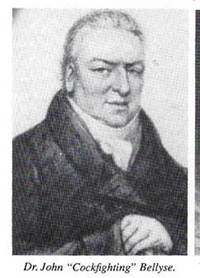
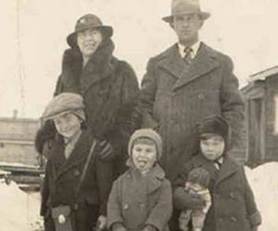
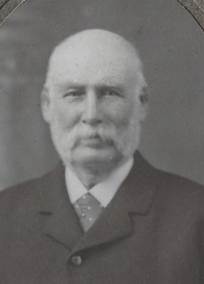
(Edwin)
Reginald Bellyse, of Oakfield, and Raven’s Oak, Stapeley,
JP (1886) Cheshire, unsuccessful claimant to the earldom of Fauconberg,
born 1856, educated at Harrow and Brasenose (sic, recte
Exeter), Oxford (BA 1881, MA 1883), married 1889, Euphemia Helen (died
1914), elder daughter of James Mackenzie, of 209, Cromwell Road, SW (see 1878, Edn Mackenzie of Kintail), and had issue (Burke, John and Burke,
Sir Bernard (1836)(Eighteenth Edition, 1972), Bellyse Baker of Highfields
in Burke’s Landed Gentry, Volume 3, pages
35 to 38).
1856
Edwin Reginald Bellyse, the son of Edwin and
Sarah Bellyse (BEL000012), was
born at Wybunbury and baptised there on 27 May 1856 (Wybunbury
Parish Records).

1861
1861 Census – Shrewbridge
Lodge, Broad Lane, Nantwich
Edwin S Bellyse, 40, MD Edinburgh
practising as general practitioner
Sarah A Bellyse, 36
Edith A Bellyse, 7
Edwin R Bellyse, 4
Elizabeth Hey, governess
Cook, nurse, housemaid and visitor
1871
1871 Census – London Road, Stapeley
Edwin S Bellyse, 50, general
practitioner medicine
Sarah A Bellyse, 46
Edith A Bellyse, 17
Edwin R Bellyse, 15
Two visitors, a housemaid, cook,
waitress and kitchen maid
Reginald was educated at Harrow
until 1874 (Harrow School Register,
1874).

1876
Edwin matriculated to Exeter
College, Oxford on 3 June 1876, aged 20, achieved an BA in 1881 and an MA in
1883.

(Oxford University Alumni 1500 to 1886)
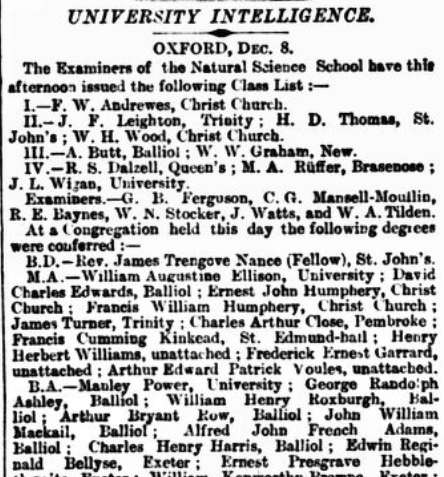
(Evening Mail, 9 December 1881)
1881
1881 Census – 13 London Road, Stapeley
Sarah A Bellyse, widow, 57
Edith A Bellyse, 28
Edwin R Bellyse, 24
Four servants
Edwin Reginald Bellyse (1856–1924)
of Oakfield and Raven’s Oak, Stapeley, Cheshire, was
a Justice of the Peace who is remembered in British genealogical history for
his unsuccessful claim to the earldom of Fauconberg.
The Bellyse family was an old and established gentry family originally from
Yorkshire. A long-standing family tradition held that they were directly
descended from the noble house of Belasyse (or
Bellasis), of which the Lords, Viscounts, and
Earls of Fauconberg were the heads.
The original Earldom of Fauconberg had a complicated history. The First Creation
(1689) was created for Thomas Belasyse, 1st Earl Fauconberg
(who famously married Oliver Cromwell’s daughter). It became extinct upon his
childless death in 1700. The Second Creation (1756) was created in the Peerage
of Great Britain for his indirect descendant, Thomas Belasyse. This creation
became extinct in 1802 when the 2nd Earl died without male issue. Regarding the
Ultimate Extinction (1815), the underlying family titles (the Barony and
Viscountcy of Fauconberg of Yarm) officially became
extinct in 1815 upon the death of the 7th Viscount.
Believing that the Bellyse name
was simply a variant of Belasyse and that his
branch possessed a legitimate agnatic (male-line) link to the family tree,
Edwin Reginald Bellyse attempted to establish a claim to revive the earldom. He
was well-educated, having attended Harrow and Oxford, and used his resources to
try and prove his pedigree. However, his efforts
ultimately failed. In peerage law, proving a claim to an extinct or dormant
title requires airtight primary documentation, such as parish registers, wills,
and land deeds, proving an unbroken, legitimate male-line descent from the original
grantee. The Committee for Privileges in the House of Lords maintained a strict
standard of proof, and the link between the Cheshire Bellyse family and
the aristocratic Yorkshire Belasyse line could
not be legally substantiated to the required standard.
The claim was formally abandoned
or rejected, and the earldom remained extinct. The family's history, including
Bellyse's failed legal pursuit, was later recorded under the pedigree of Bellyse
Baker of Highfields in Burke's Landed Gentry.
Before the creation of the
earldom, Walter de Fauconberg (c 1220 to 1304)
married Agnes de Brus, inheriting through marriage part of the estates of the
senior Yorkshire branch of the Brus family and Walter became the new Lord of Skelton, Marske, Upleatham and Kirkleatham,
1272 to 1304. That part of the Fauconberg family are explored in a
separate part of this website, as it relates to the history of the Farndale
family.
1884
At the Shrewsbury meeting of the
Royal Agricultural Society:
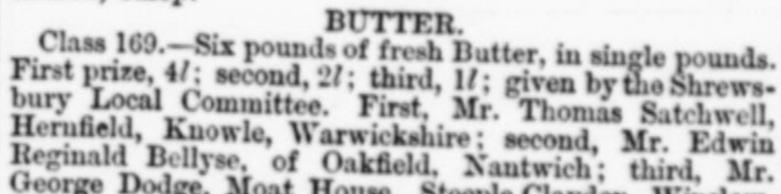
(Bell’s Weekly Messenger, 21 July 1884)
1889
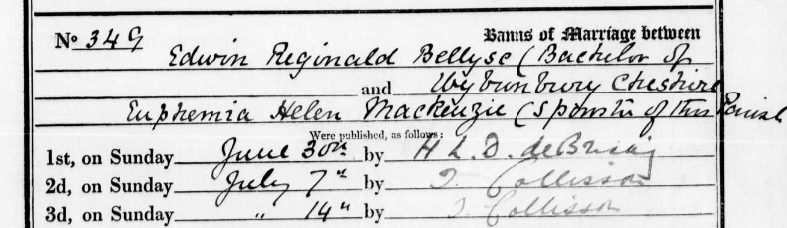
Edwin Reginald Bellyse married
Euphemia Helen Mackenzie in or about July 1889 at St Jude, South Kensington (St Jude, South Kensington Parish
Records).
Her father James Mackenzie was a
prominent Scottish merchant who played an active role in the nineteenth century
trade networks of East Asia, particularly in Shanghai. Born around 1830 in
Scotland, James Mackenzie moved to China during the mid 1850s,
a period marked by the opening of treaty ports following the First Opium
War. Alongside his brother David Mackenzie, James initially worked in Shanghai
as a storekeeper and assistant at the ship chandler firm P.F. Richards &
Co. (operated by fellow Scotsman Peter Felix Richards) between 1856 and 1857.
Following their time with Richards, the brothers co-founded Mackenzie & Co,
known in Chinese as Longmao or 隆茂. By 1862, the firm was actively operating as ship
chandlers and storekeepers in Shanghai. By 1865, the firm shifted from strict
maritime supply to a general commission agency, expanding to handle importing,
exporting, and general commercial trade. They
became well known for advertising and distributing a wide array of unrelated
Western manufactured goods on behalf of British and American firms. Operating out of 10 Sichuan Road
in Shanghai during the late 1860s, the firm grew to manage hydraulic
press-packing for raw Chinese exports, such as wool, cotton, furs, and silk, eventually
opening further branches in treaty ports like Tientsin (Tianjin). James
Mackenzie spent roughly 30 years in Shanghai before retiring back to the United
Kingdom due to advancing age and the escalating geopolitical tensions in China including
the Boxer Rebellion. He eventually settled in Great Malvern. His son, John Drew
MacKenzie, born in Shanghai in 1861, later became a well-known British painter,
illustrator, and founder of the Newlyn Industrial Class.
With his first wife, Euphemia, who
was from Canada, James had a son John
Drew MacKenzie (born 10 April 1861 in Shanghai) who grew up to be a prominent
British artist, master craftsman, and illustrator. He is widely remembered as
the founder of the Newlyn Industrial Class (Newlyn Copper school) in Cornwall,
England. Euphemia was the daughter to this marriage, born in 1863 in Shanghai.
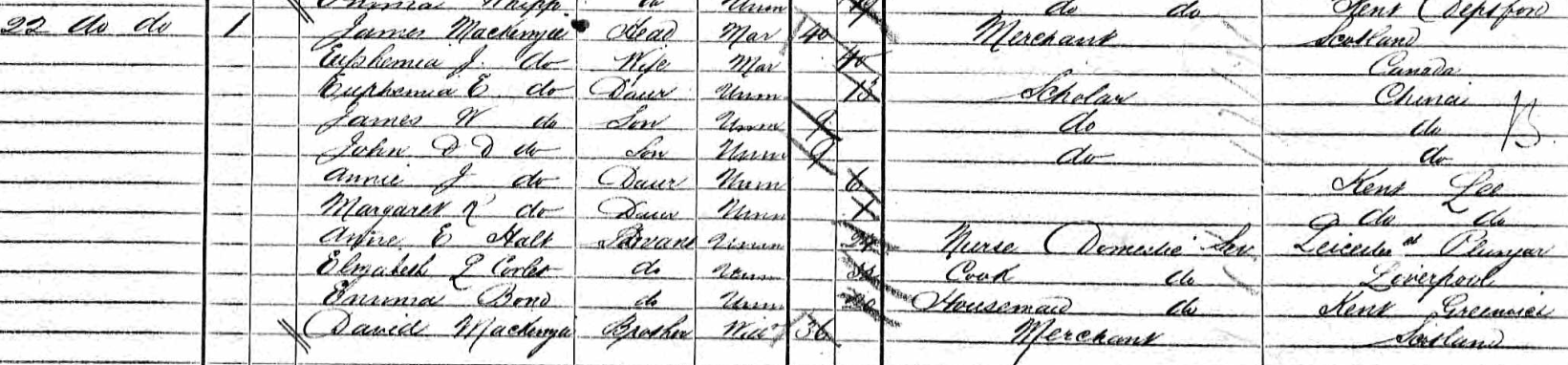
(1871 Census
for Lee, Kent)

(1881 Census,
Lee, Kent)
James later married Jane Bethune, also
Canadian-born, with whom he had four more children, all born during their
extended stay in Shanghai.
1891
1891 Census – 209 Cromwell Road, Kensington
James McKenzie, 60, merchant,
China and Japan
Annie Mackenzie, his daughter, 26
Marigold Mackenzie, his daughter,
21
Reginald Bellyse, son in law, 34, former
magistrate
Effie Bellyse, James Mackenzie’s
daughter and Reginald’s wife, 33
Effie R Bellyse, granddaughter, 4 months
Cook, parlourmaid and nurse
1892
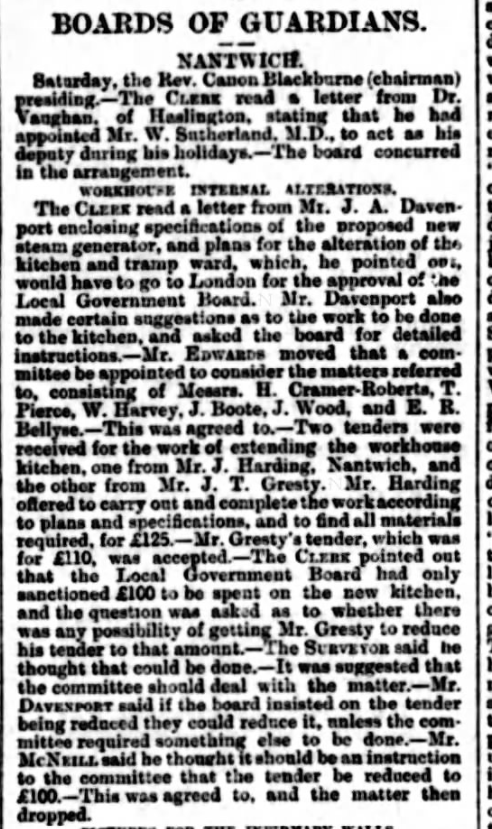
(The Chronicle, 6 August 1892)
1897
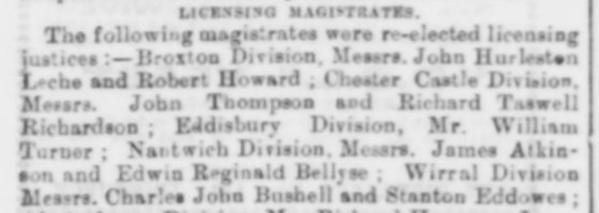
(Northwich Guardian, 30 June 1897)
1901
1901 Census – 47 London Road, Stapeley
Edwin R Bellyse, 40, living on own means
Euphemia H Bellyse, 38
John R Bellyse, 8
A nurse, cook, waitress and
housemaid
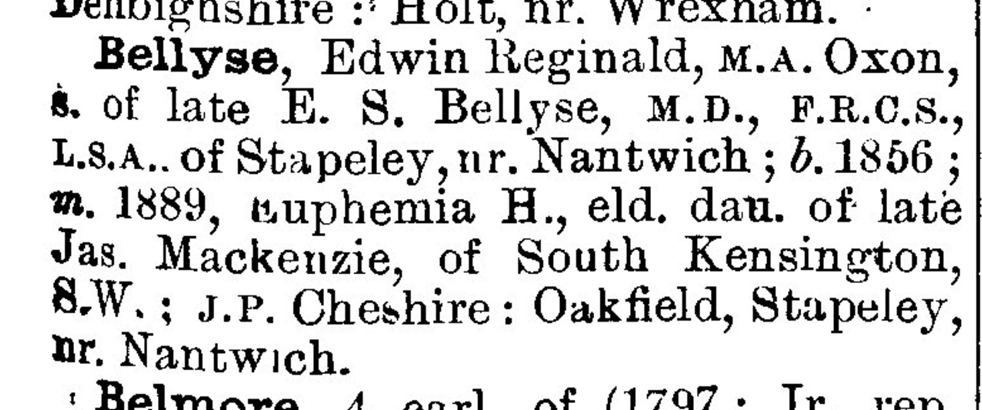
(Kelly’s Handbook, 1901)
1911
1911 Census – Stapeley,
Nantwich
Edwin Reginald Bellyse, 54, private means
Euphemia Helen Bellyse, 50
John Reginald Bellyse, 18
A maid, cook, steward and
housemaid
1914
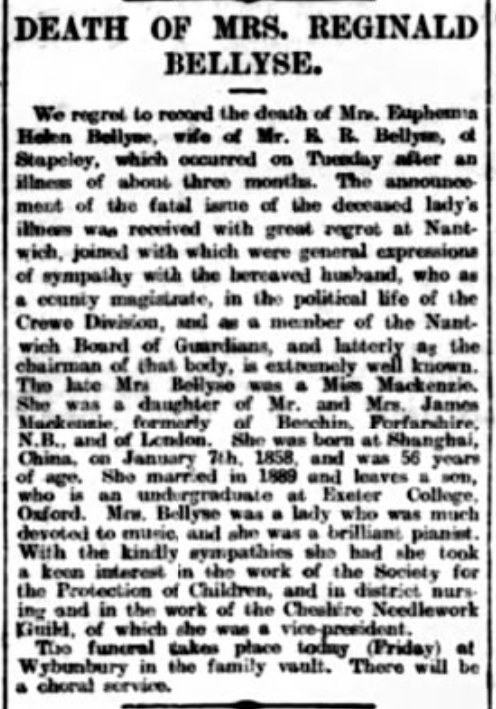
(Chronicle, 4 April 1914)
1921
1921 Census
Edwin Reginald Bellyse, 65, widower, agriculture and
various public offices, employer
John Reginald Bellyse, 28
A housekeeper and two domestic
servants
1924
Reginald Bellyse died on 7 April
1924 (GRO Volume 8A page 406).
Death of Mr R Bellyse of Nantwich.
Mr Reginald Bellyse, of Oakfields, Nantwich, Vice
Chairman of the Nantwich Bench of Magistrates, Chairman of the Nantwich Board
of Guardians, and Chairman of the Nantwich Conservative Association, died suddenly
today. The Nantwich magistrates, while sitting, were informed of Mr Bellyse’s
death, and the Court adjourned, Mr Henry Tollemache referring to Mr Bellyse’s
long connection with the magistracy. (Evening Sentinel, 7 April 1924).