Richard Baker Bellyse
17 May 1809 to 11 January 1877
BEL00004
|
Return to the Home Page of the Bakers Family part of the website |
The Bakers of Highfields Story
The Story of the Dods and Bakers and of Highfields,
Fenton House and Hasfield Court. A journey through the history of Cheshire and
Staffordshire, an Anglo-Saxon nobleman who retained his lands after the
Conquest, pottery at Stoke on Trent, an encounter with Elgar, and the history
of an Elizabethan manor house at Audlem |
The family tree of the Bakers of Highfields |
The Family Tree of the Dods, predecessors to the
Bakers of Highfields |
The Bakers of Fenton House and Hasfield Court
The Family Tree of the pottery Bakers of Stoke on Trent |
The Family Tree of the Bellyse Family |
The main part
of this website tells the story of the Farndale family from Yorkshire Descendants of Arthur Baker, the story of the
Farndale ancestry is told through the main part of this website You can also return to the Farndale
website home page |
The genealogy of the family of James Hall, linked to
the Baker family through marriage to Arthur Baker |
Richard
Baker Bellyse, of Limehurst, and The Beeches, Audlem,
MRCS, LSA (1837), MOH and Public Vaccinator for Audlem, born 1807, died
unmarried (this is not right) 11
January 1877 (Burke,
John and Burke, Sir Bernard (1836)(Eighteenth Edition,
1972), Bellyse Baker of Highfields in Burke’s Landed Gentry, Volume 3, pages
35 to 38).
1809
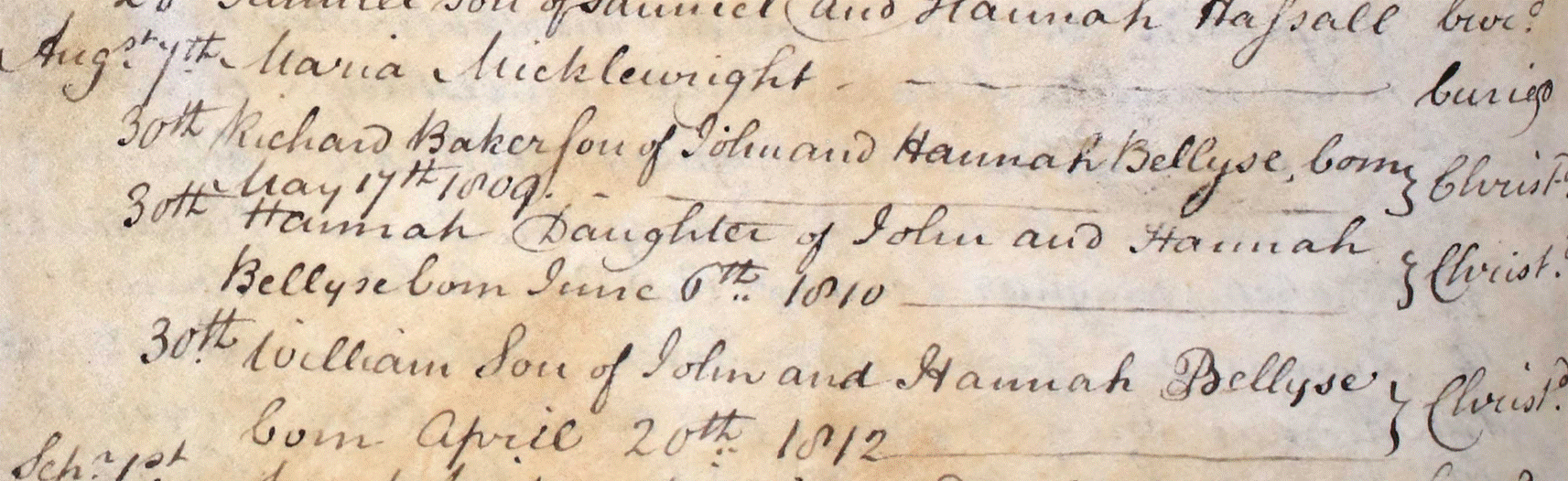
Richard Baker Bellyse, the son of
Dr John Bellyse the Younger and Hannah (nee Baker) Bellyse, was born on 17 May
1809 in Pipegate (1871
Census) and baptised on 30
August 1812 in Audlem (Parish Register).
1831
Richard married June in about 1831
and they had a daughter, Eliza (BEL00010).
June does not seem to have lived long afterwards and may have died in
childbirth.
1837
Richard Baker Bellyse, remembered
on the monument in Audlem Square, was the third and last Dr Bellyse of Audlem. (Baker, J Bellyse (1982), Highfields, Audlem: Sixteenth
Century Home of the Dod and Baker Families,
Audlem District History Society, page 19).
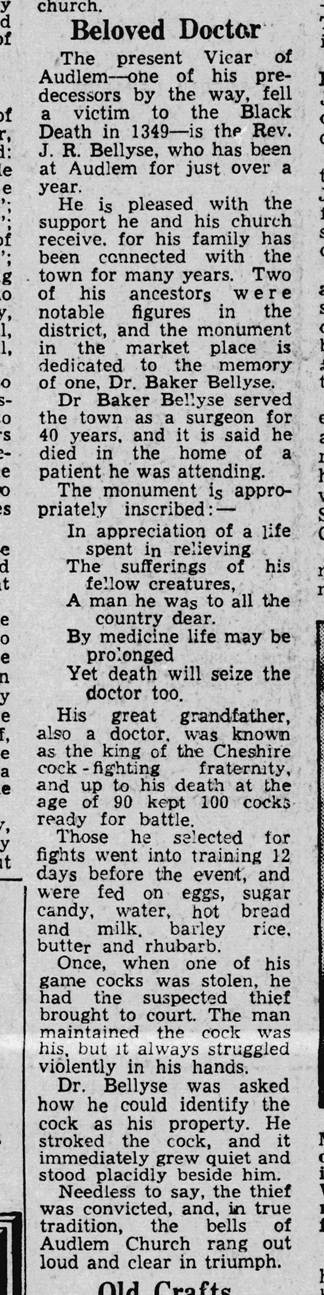
One of the most famous, however,
was Dr Bellyse (1809 to 1877) who was surgeon in the parish for 40 years until
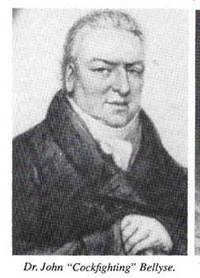
his death. He was the grandson of the great “Cockfighter Bellyse”. A monumental
lamp now stands in the centre of the Square, a much loved
member of the community. (Latham,
Frank (1997), Audlem: The History of a Cheshire Parish and its seventeen
townships, page 48).
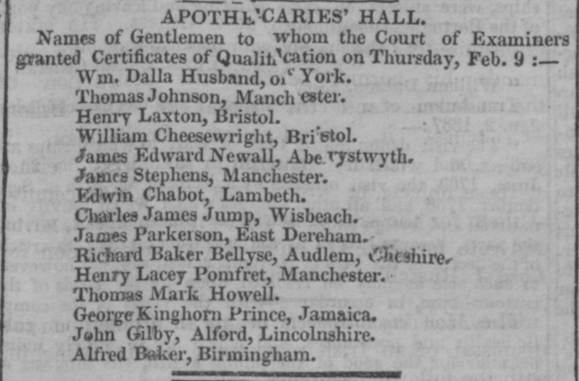
(The Standard, 10 February 1837, St
James’ Chronicle, 11 February 1837)
Richard became a Surgeon. He was a
Member of the Royal College of Surgeons (MRCS) and a Licence of the Society of
Apothecaries (LSA) by 1837.
1841
1841 Census, Sandy Lane, Mount Pleasant,
Audlem
John Bellyse, 50, surgeon
Richard
Bellyse, 30, surgeon
Hannah
Bellyse, 55
Louisa Bellyse, 15
Eliza Bellyse, 10
(Staffordshire Weekly Sentinel, 25 November 1955)
1848
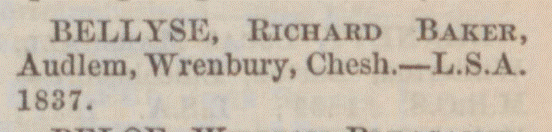
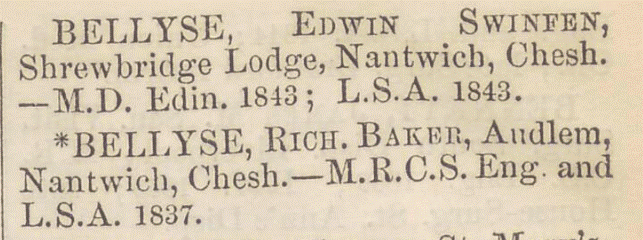
(London and Provincial Medical Directory 1848 to 1858)
1851
1851 Census – Sandy Lane, Audlem
John Bellyse, head, 64, surgeon
general practitioner, born in Audlem
Hannah Bellyse, 64
Richard B Bellyse, 41
Eliza Belize, John’s
granddaughter, 19
Mary Clarke, Servant, 50
Harriot
Reeves, 20, servant
1859

(Medical Registers, 1859)
1861
1861 Census, Audlem
Richard B Bellyse, 51,
surgeon and apothecary, MRCS
Lizzie Bellyse, 30, surgeon’s daughter
Charity Baker, 27, visitor, magistrate’s daughter
Mary Clarke, 60, cook
Eliza Jones, 17, housemaid
1869
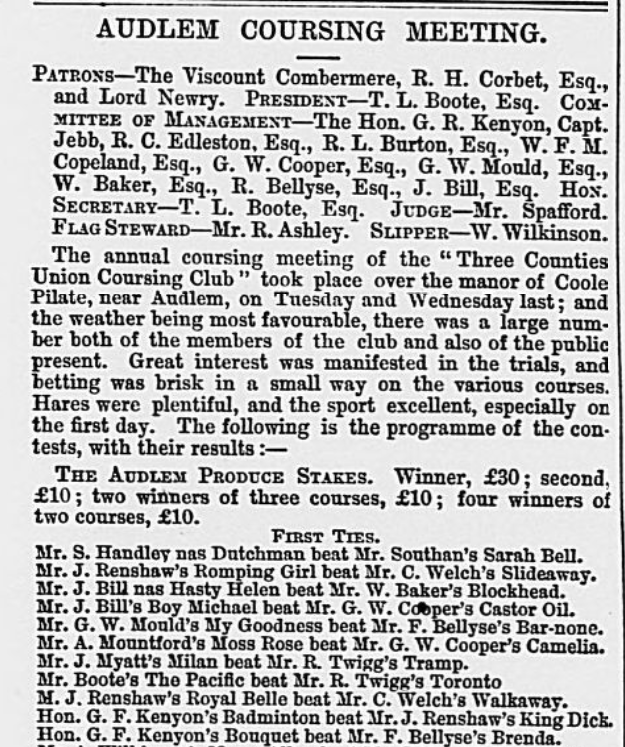
(Chester Chronicle, 25 September 1869)
1870
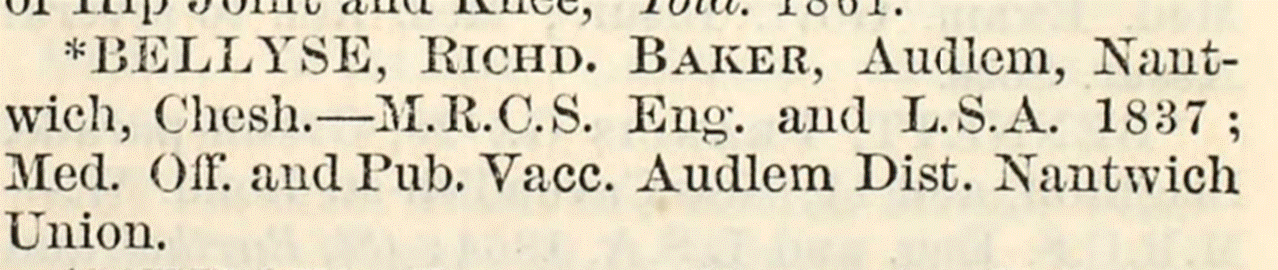
(Medical Directory)
1871
1871 Census – Audlem
Richard B Bellyse, 61, surgeon and apothecary, born in Pipegate, Shropshire
Ann Latham, 40, servant
1877

(The Standard, 18 January 1877)

(Probate Index)
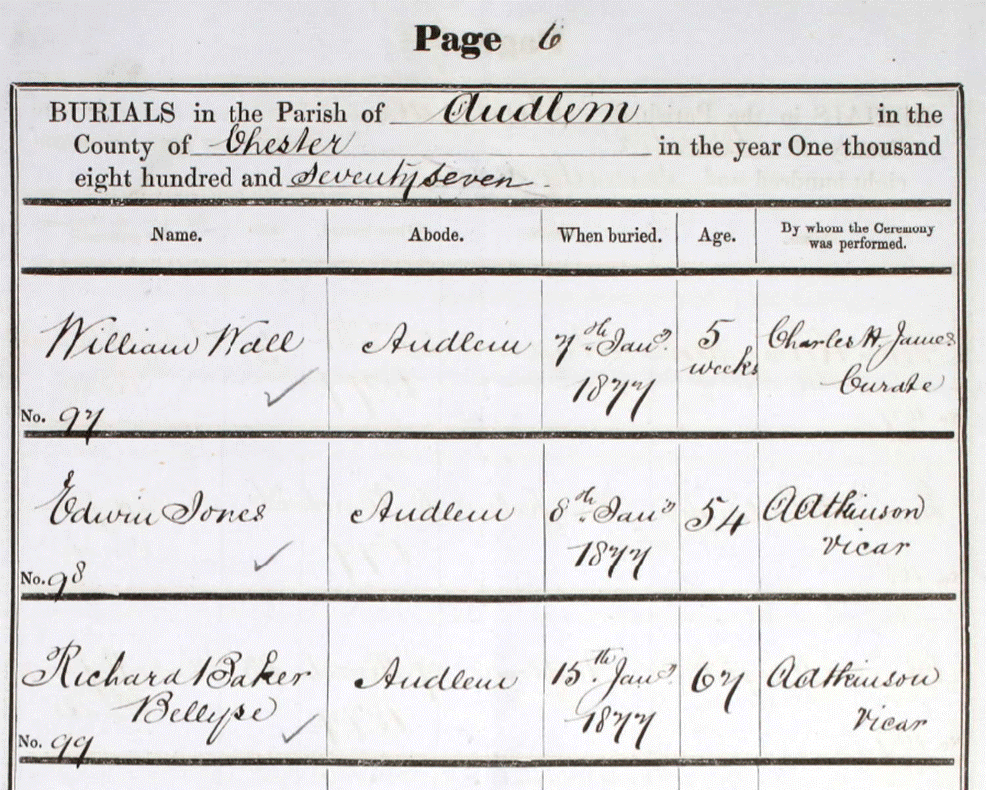
(Parish Records)
There is an inscription in the
square at Audlem which reads “In memory of Richard Baker Bellyse, who practised
as a surgeon in this town for 40 years. Born 17th May 1809. Died 11th January
1877. In appreciation of a life spent in relieving the sufferings of his fellow
creatures. A man he was to all the country dear. By medicine life may be
prolonged, yet death will seize the doctor too.”
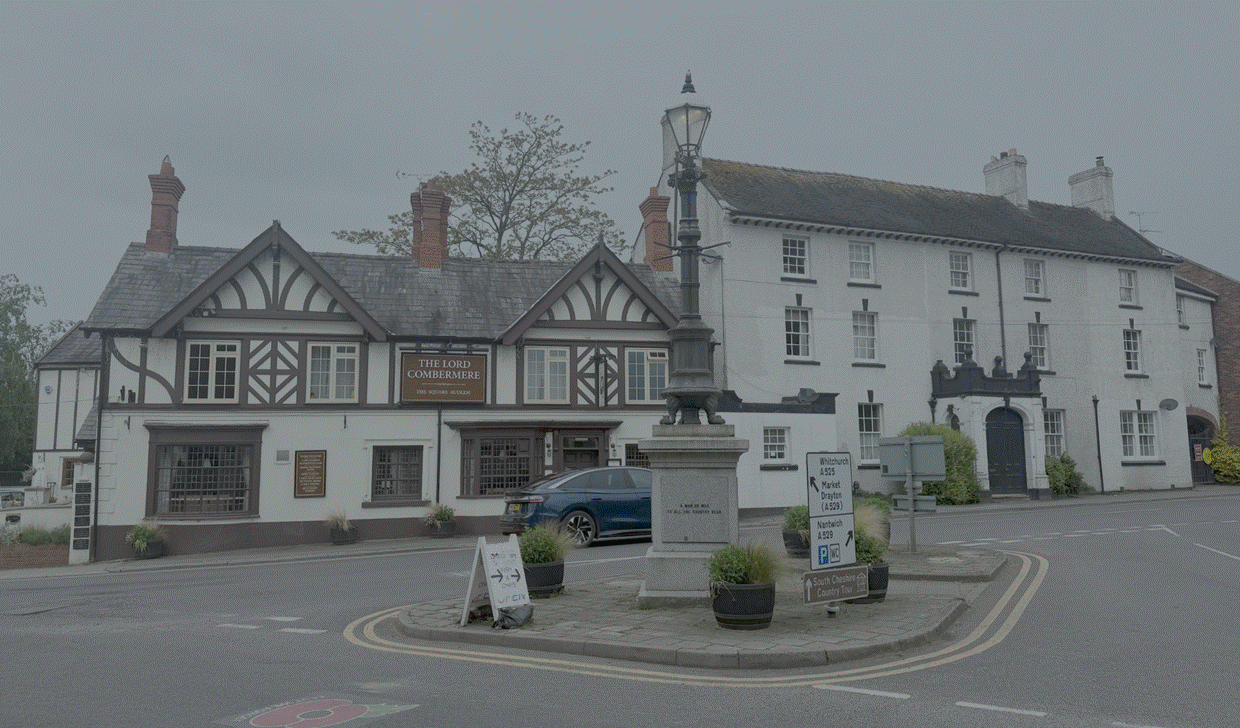
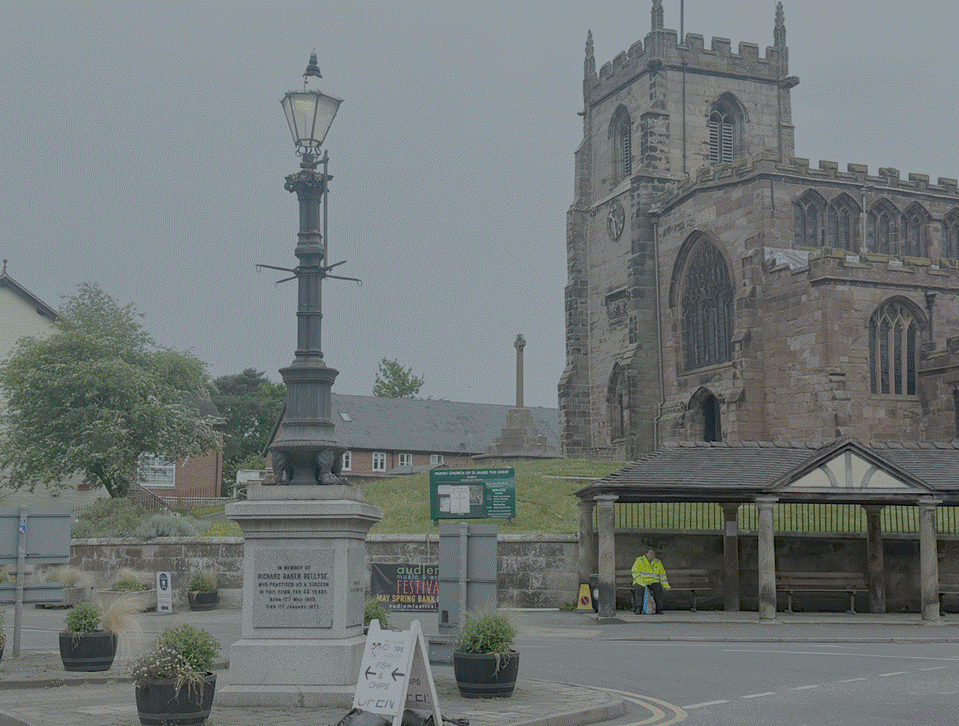
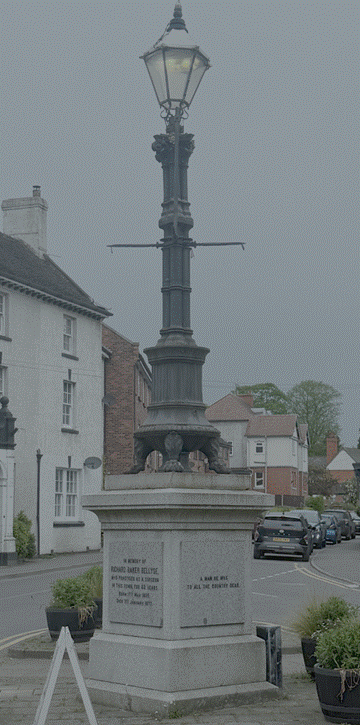
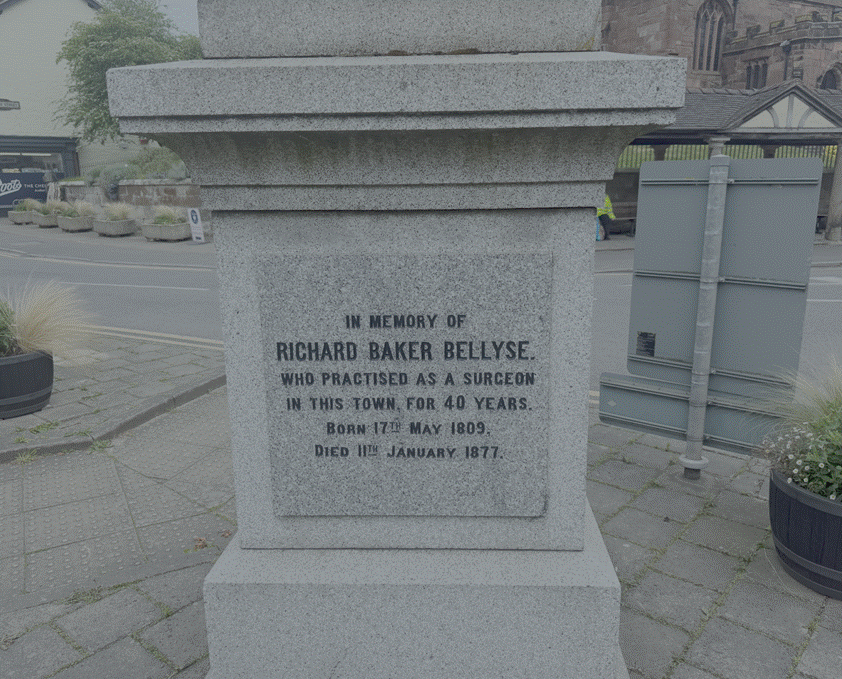
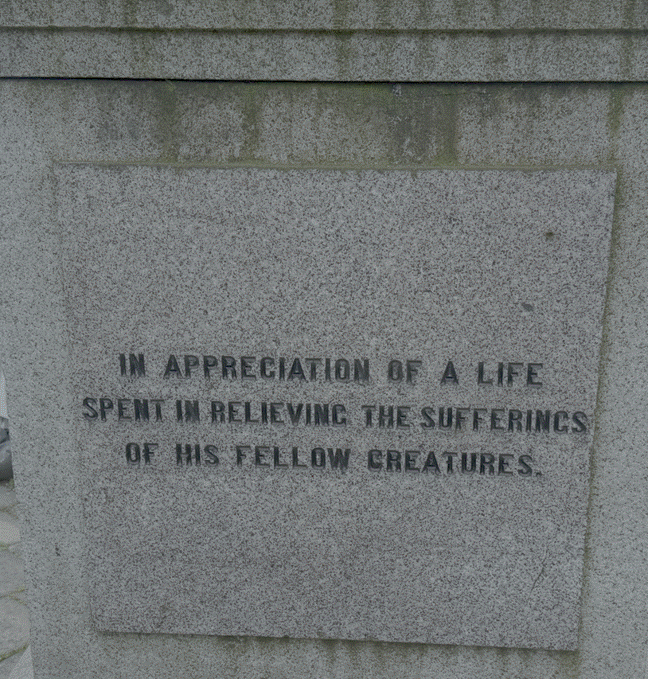
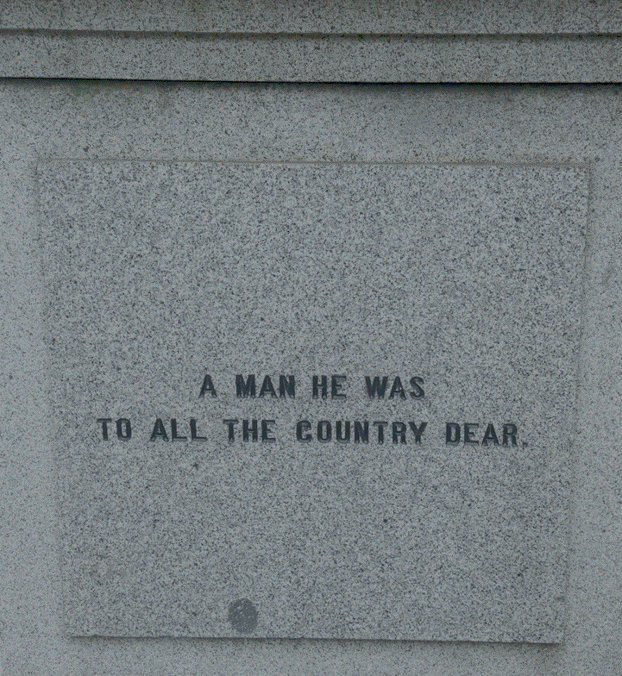
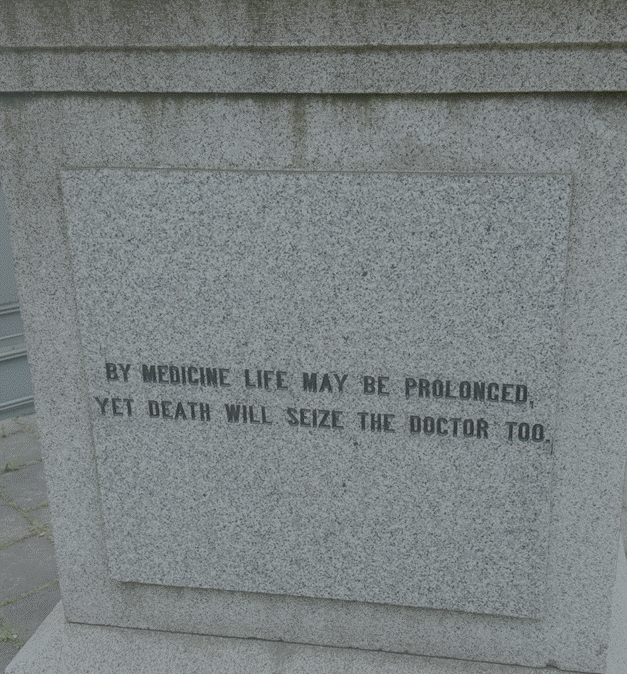
The monument in 2026
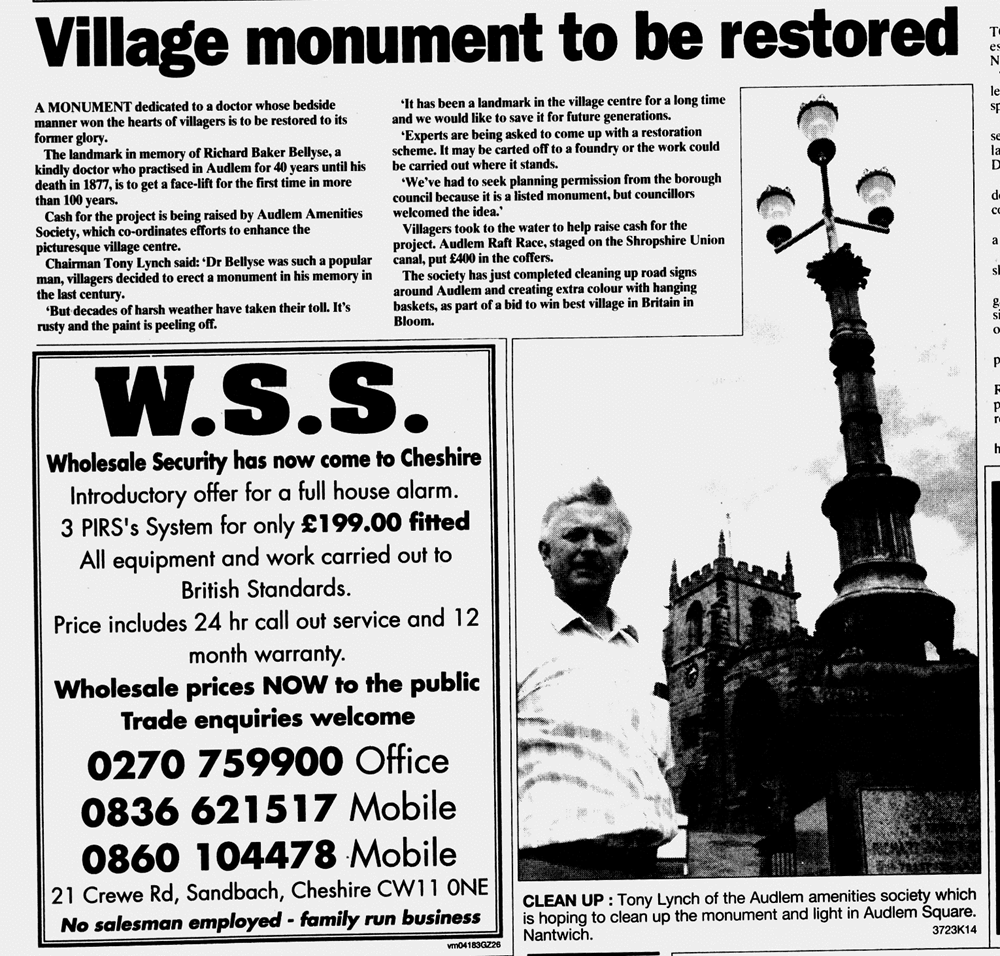
(The Chronicle, 29 June 1994)