Sources for Baker and Dod Family History
Sources
for early history in Cheshire, Audlem, Stoke on Trent
and other places related to the Baker and Dod family history
|
Return to the Home Page of the Bakers Family part of the website |
The Bakers of Highfields Story
The Story of the Dods and Bakers and of Highfields, Fenton
House and Hasfield Court. A journey through the history of Cheshire and
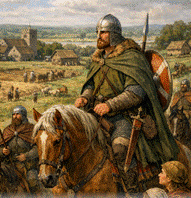
Staffordshire, an Anglo-Saxon nobleman who retained his lands after the
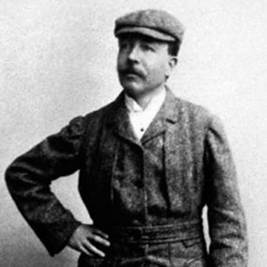
Conquest, pottery at Stoke on Trent, an encounter with Elgar, and the history
of an Elizabethan manor house at Audlem |
The family tree of the Bakers of Highfields |
The Family Tree of the Dods, predecessors to the
Bakers of Highfields |
The Bakers of Fenton House and Hasfield Court
The Family Tree of the pottery Bakers of Stoke on Trent |
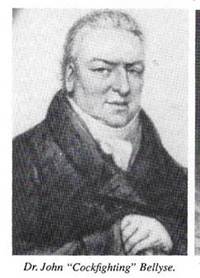
The Family Tree of the Bellyse Family |
The main part
of this website tells the story of the Farndale family from Yorkshire Descendants of Arthur Baker, the story of the
Farndale ancestry is told through the main part of this website You can also return to the Farndale
website home page |
The genealogy of the family of James Hall, linked to
the Baker family through marriage to Arthur Baker |
1 -
Primary Sources
1.1
Records of Government pertaining to England
and Cheshire
Domesday
Book
The Domesday
Book was a land and wealth survey of England. William the Conqueror ordered it
to be compiled in 1085, and it was completed in 1086. It detailed who owned
each manor, the value of the land before and after the Conquest, the number of
tenants and serfs, and agricultural assets like ploughs, mills, and livestock.
The original Domesday Book is held at The National Archives in Kew, London,
where it is preserved under controlled conditions and only shown in exceptional
circumstances. However, it is easily searchable through the Open Domesday
Project.
Open Domesday, Anna Powell Smith
Audlem, Buerton, Edge, Malpas, Edwin of Poulton, Hundred
of Duddeston, Broxton.
The National
Archives: Audlem
(E 31/2/2/2833).
Inquisitions
Post Mortem
Inquisitions
post mortem (Latin, after death) were official
medieval and early modern investigations conducted in England to determine the
lands, property, and economic dues owed by a deceased major landowner
(tenant-in-chief) to the Crown, as well as to identify their legal heir. There
is a separate page which explains Inquisitions Post Mortem and an index to the inquisitions post mortem on the Medieval Genealogy
website.
Mapping the Medieval Countryside is a
major research project dedicated to creating a digital edition of the medieval
English inquisitions post mortem from 1236 to 1509
(see for instance Cloverley).
Calendar
of Inquisitions Post Mortem, Volume 1,
(Henry III, 1236 to 1272), Folios 773
(Chester).
Calendar of Inquisitions Post Mortem, Volume 2, (Edward I, 1272 to 1291),
Folios 97
(page 67), 181, 360, 782 (Chester),
213,
493
(Dodleston), 761
(Edge), 453,
749,
782
(Malpas), 97
(page 67)(Swansbach).
Calendar of Inquisitions Post Mortem, Volume 3,
(Edward I, 1291 to 1300),
Folios 8,
194
(page 122), 408, 409
(Chester), 280
(page 177), 281, 376
(Cheshire), 220
(p145) (Doddleston), 280
(page 177 and 178), 281, 376
(Malpas).
Calendar of Inquisitions Post Mortem, Volume 4, (Edward I, 1300 to 1307),
Folio 250
(Chester).
Calendar
of Inquisitions Post Mortem, Volume 5,
(Edward II 1307 to 1316), Folios 33, 62
(page 30), 251
(Chester), 74 (Dodleston), 251
(page 137) (Edge and Malpas).
Calendar
of Inquisitions Post Mortem, Volume 6,
(Edward II, 1316 to 1327).
Calendar of Inquisitions Post Mortem, Volume 7, (Edward III, 1327 to 1336),
Folios 104
(page 93)(Thomas Dod), 471
(Chester).
Calendar of Inquisitions Post
Mortem, Volume 8,
(Edward IIII, 1336 to 1347), Folios 185 (pages 136
and 145)(Robert
Dod).
Calendar of Inquisitions Post Mortem, Volume 9, (Edward IIII, 1347 to 1352),
Folios 314
(Evota Dodde, but York and
unlikely to be related), 428
(p332) (John Dod).
Calendar of Inquisitions Post
Mortem, Volume 10,
(Edward III, 1352 to 1361).
Calendar of Inquisitions Post Mortem, Volume 11, (Edward III, 1361 to 1365),
Folio 375
(Thomas Dod).
Calendar of Inquisitions Post
Mortem, Volume 12,
(Edward III, 1365 to 1370), Folios 208,
(Sutton and Gateacre in Claverley
(not Cloverley)), 281
(John Dode the elder and John his son, unlikely to be related).
Calendar
of Inquisitions Post Mortem, Volume 13,
(Edward III, 1370 to 1373), Folio 87
(page 67) (Claverley (not Cloverley)), 318
(Malpas/Charlton).
Calendar of Inquisitions Post
Mortem, Volume 14,
(Edward III, 1374 to 1377).
Calendar
of Inquisitions Post Mortem, Volume 15,
(Richard II, 1377 to 1384), Folios 449
(John de Egge), 1025 (Ightfield), 166
(Edward Prince of Wales and Malpas, Cumbermere).
Calendar of Inquisitions Post Mortem, Volume 16, (Richard II, 1384 to 1392),
Folios 157
(Chester), 571
(Roger Cloverly), 1065,
1075
(Ightfield).
Calendar of Inquisitions Post Mortem, Volume 17, (Richard II, 1392 to 1399),
Folios 227,
1278
(Malpas).
Calendar
of Inquisitions Post Mortem, Volume 18,
(Henry IV, 1399 to 1405), Folios 707,
974
(County of Chester), 846
(Malpas).
Calendar
of Inquisitions Post Mortem, Volume 19,
(Henry IV, 1405 to 1413).
Calendar of Inquisitions Post Mortem, Volume 20,
(Henry V, 1413–1418), Folios 844
(Thomas Dod and John his brother), 16,
114,
293,
844
(Ightfield).
Calendar of Inquisitions Post Mortem, Volume 21,
(Henry V, 1418 to 1422), Folio 318
(Ightfield).
Calendar of Inquisitions
Post Mortem, Volume 22 (Henry VI, 1422-1427), Folio 176
(Thomas Dod).
Calendar of Inquisitions Post Mortem, Volume 23
(Henry VI, 1427 to 1432), Folio 541
(Hugh Dod of Cloverley in Shropshire and the Marches).
Calendar of Inquisitions Post Mortem, Volume 24
(Henry VI, 1432 to 1437).
Calendar of Inquisitions Post Mortem, Volume 25
(Henry VI, 1437 to 1442), Folio 59
(John Baker of Warwick?), 581
(Richard Dod of Leicestershire?), 8
(Thomas Dodde of Gloucestershire?), 374
(page 305) (John Dode?),
Calendar of Inquisitions Post Mortem, Volume 26
(Henry VI, 1442 to 1447), Folio 96
(Hugh Dod of Cloverley in Shropshire and the Marches).
Calendar of inquisitions
post mortem, Henry VII, Volume 1.
Calendar of inquisitions
post mortem, Henry VII, Volume 2, Folio 274
(Ightfield).
Calendar of inquisitions post mortem, Henry VII, Volume 3.
Calendarium inquisitionum
post mortem sive escaetarum is a four-volume printed index
and calendar of medieval English records. Published between 1806 and 1828 by
the British Record Commission, it lists properties and heirs from royal death
inquiries held from the reigns of Henry III to Richard III.
Calendarium inquisitionum post mortem sive escaetarum, Volume 1 (1216 to 1327).
Calendarium inquisitionum post mortem sive escaetarum, Volume 2
(1327 to 1377).
Calendarium inquisitionum post mortem sive escaetarum, Volume 3
(1377 to 1413).
Calendarium inquisitionum post mortem sive escaetarum, Volume 4
(1413 to 1485).
Patent
Rolls
Medieval
patent rolls were official administrative registers maintained by the English
Crown, starting in the reign of King John around 1201, to record file copies of
letters patent. These were open, public letters issued under the Great Seal
that expressed the sovereign's will on matters of public interest. There is a
separate page which explains the Patent Rolls and
an index to the Close Rolls is found in the Chancery Rolls
Section on the Medieval Genealogy website.
Patent
Rolls, 1201 to 1216.
Patent
Rolls of the reign of Henry III, 1216 to 1225.
Patent
Rolls of the reign of Henry III, 1225 to 1232,
pages 284 (Alan Dod, at York though), 172
(Hugh Dod).
Patent
Rolls of the reign of Henry III, 1232 to 1247.
Patent
Rolls of the reign of Henry III, 1247 to 1258,
pages 368
(Benedict Dod, Mayor of Northampton), 579
(Malpas).
Patent
Rolls of the reign of Henry III, 1258 to 1266,
pages 320
(Benedict Dod, 535
(Isabel Dod).
Patent
Rolls of the reign of Henry III, 1266 to 1272.
Patent
Rolls of the reign of Edward I, 1272 to 1281,
page 380
(Nicholas Dod).
Patent
Rolls of the reign of Edward I, 1281 to 1292,
pages 95
(Robert Dode), 303,
307,
317
(Roger Dode, A medieval legal case recorded in the Patent Rolls of 1288 centred
on a violent incident at Upmelecombe (Higher Melcombe, Dorset) and the subsequent crown prosecution for
the crime of harbouring fugitives), 38
(Roger son of Dode).
Patent
Rolls of the reign of Edward I, 1292 to 1301,
pages 219
(John Dod), 526,
285,
286
(Malpas).
Patent
Rolls of the reign of Edward I, 1301 to 1307 page
347
(Henry Dod but Surrey).
Patent
Rolls of the reign of Edward II, 1307 to 1313,
pages 265
(John Dode of London), 132
(Robert Dode of Shipley, Yorkshire), 12
(Thomas Dode, attorney).
Patent
Rolls of the reign of Edward II, 1313 to 1317,
pages 338,
559
(John Dod, prebendary of Penkridge, Dublin, Worcester), 510
(Nicholas Dod returning with a cargo of wine), 408
(William Dod indicted to Warwick gaol for murder).
Patent
Rolls of the reign of Edward II, 1317 to 1321. *
Patent
Rolls of the reign of Edward II, 1321 to 1324, pages 375
(Geoffrey Dod and John his son, Robert, Aveley Essex), 7,
314
(John Dode, London and Kent).
Patent
Rolls of the reign of Edward II, 1324 to 1327.
Patent
Rolls of the reign of Edward III, 1327 to 1330,
pages 561
(John and Thomas son of Peter Dodde, whale in Norfolk), 97,
269,
273,
331,
332 (Malpas).
Patent Rolls of the reign of Edward
III, 1330 to 1334,
pages 103,
166
(Henry Dode of Poole and Wareham).
Patent
Rolls of the reign of Edward III, 1334 to 1338,
pages 218
(Hugh Dod, chaplain, Ipswich), 37,
536
(John Dodde),
Patent
Rolls of the reign of Edward III, 1338 to 1340,
pages 362
(John Dod, Ely), 337
(Thomas Dod), 9
(William Dodde elder and younger), 475
(Malpas in Wales).
Patent
Rolls of the reign of Edward III, 1340 to 1343,
pages 539,
581
(John Dod, County of Chester), 196
(Malpas, Wales).
Patent
Rolls of the reign of Edward III, 1343 to 1345,
pages 71,
169
(John Dod of the County of Chester), 231
(Malpas).
Patent
Rolls of the reign of Edward III, 1345 to 1348,
pages 564
(Simon Dod, an inn keeper in Calais), 32,
172
(William Dod of Fareshed).
Patent
Rolls of the reign of Edward III, 1348 to 1350,
pages 16,
312
(John Dod, Faversham and Chatworth).
Patent
Rolls of the reign of Edward III, 1350 to 1354,
page 448
(John Dod).
Patent
Rolls of the reign of Edward III, 1354 to 1358,
pages 499
(John Dod), 145,
309,
339,
428
(Ightfield).
Patent
Rolls of the reign of Edward III, 1358 to 1361,
pages 566
(Gilbert, coroner of the abbot of Battle’s liberty of Wye).
Patent
Rolls of the reign of Edward III, 1361 to 1364,
page 335
(Ightfield).
Patent
Rolls of the reign of Edward III, 1364 to 1367.
Patent
Rolls of the reign of Edward III, 1367 to 1370,
pages 371
(Audlem), 65
(Thomas Dodde, apprentice, London),
Patent
Rolls of the reign of Edward III, 1370 to 1374.
Patent
Rolls of the reign of Edward III, 1374 to 1377,
page 265
(Ightfield).
Patent
Rolls of the reign of Richard II, 1377 to 1381,
page 11
(Audlem), 408
(Ightfield), 278
(Malpas).
Patent
Rolls of the reign of Richard II, 1381 to 1385,
page 188
(William Dod, Lewes).
Patent
Rolls of the reign of Richard II, 1385 to 1389,
pages 362
(John Dod, Staines bridge repair), 64
(Thomas Dod, Kent).
Patent
Rolls of the reign of Richard II, 1388 to 1392,
pages 111,
247,
263,
351
(Malpas).
Patent
Rolls of the reign of Richard II, 1391 to 1396,
pages 66,
183,
373
(Malpas).
Patent
Rolls of the reign of Richard II, 1396 to 1399,
pages 72
(William Dod), 396
(Ightfield), 138
(Malpas).
Patent
Rolls of the reign of Henry IV, 1399 to 1401 pages
285 to 286 (David Dodde and Edge and Malpas), 119
(Robert Dode).
Patent
Rolls of the reign of Henry IV, 1401 to 1405,
page 362
(John Dodde, Birmingham).
Patent
Rolls of the reign of Henry IV, 1405 to 1408,
page 434
(John Dodde, Staines).
Patent
Rolls of the reign of Henry IV, 1408 to 1413,
page 77
(William Dodde).
Patent
Rolls of the reign of Henry V, 1413 to 1416,
pages 61
(John Dod), 310
(Thomas Dodde, Oxford).
Patent
Rolls of the reign of Henry V, 1416 to 1422,
page 208
(John Dodde, Southampton).
Patent
Rolls of the reign of Henry VI, 1422 to 1429,
page 501
(Malpas).
Patent
Rolls of the reign of Henry VI, 1429 to 1436
pages 277
(John Dodde), 395
(Thomas Dodde).
Patent
Rolls of the reign of Henry VI, 1436 to 1441,
pages 349
(Ightfield), 138
(Malpas).
Patent
Rolls of the reign of Henry VI, 1441 to 1446,
page 431
(Thomas Dod, clerk).
Patent
Rolls of the reign of Henry VI, 1446 to 1452,
page 553
(John Dod of Goudhurst, Kent).
Patent
Rolls of the reign of Henry VI, 1452 to 1461,
page 447
(Richard Dodde, Norfolk).
Patent
Rolls of the reign of Edward IV, 1461 to 1467,
pages 291,
442
(William Dodde, merchant of London), 316,
317 (William Dodde of Shropshire), 214
(John Dode, Somerset).
Patent
Rolls of the reign of Edward IV and Henry IV, 1467 to 1477,
pages 436
(William Dodde of Shropshire), 604
(Malpas).
Patent
Rolls of the reign of Edward IV, Edward V and Richard III, 1476 to 1485.
Patent
Rolls of the reign of Henry VII, 1485 to 1494.
Patent
Rolls of the reign of Henry VII, 1494 to 1509,
pages 41
(Hugh Dodde, Chaplain, Warwick), 331
(James Dodde, Southampton), 591
(John Dodde, Cloverley), 273
(Thomas Dodde, Heyley Castle, Staffordshire).
There
is no Calendar of Patent for the reign of Henry VIII but Letters and
Papers of the Reign of Henry VIII. These are indexed in the Miscellaneous
Public Records section on the Medieval Genealogy website.
Public
Records of the reign of Henry VIII, Volume 1, Parts 1, 2 and 3 (index in Part 3), Folio
1803 (1 m 1)(Edward Dodd, Northumberland), 2392 (John Dod), p 1532,
g.11(10) (Robert Dod), 438
(1 m 9)(Thomas Dod, Staffordshire), 438
(1 m. 12) (Malpas) , 658, 1413,
(Dods), 658 (Hugh Dod), 64(2), 108, 658 (John Dod), 428 (1, 4, 5) (William
Dod).
Public
Records of the reign of Henry VIII, Volume 2, Parts 1 and 2 (index in Part 2),
Folio 4459
(William Dod, vintner of London).
Public
Records of the reign of Henry VIII, Volume 3, Parts 1 and 2 (index in Part 2),
Folios 1920
(James Dod, Bournemouth, Borders), 458
(William Dod, Vintner of London), page
1362 (Thomas Dodde, Coventry), 779
(Malpas).
Public
Records of the reign of Henry VIII, Volume 4 – Parts 1, 2 and 3 (index in Part 3), 2176
(William and Matthew Dod, border reivers) 5330
(William Dod).
Public
Records of the reign of Henry VIII, Volume 5,
Folios 1285
iv (William Dodd), 627(6)
(Ightfield), 1370
(13) (Malpas).
Public
Records of the reign of Henry VIII, Volume 6,
Folios 299
ii (Frances Dod), 1199
(Randal Dodde, groom of the chamber),
Public
Records of the reign of Henry VIII, Volume 7, Folio 1172
(Randall Dod).
Public
Records of the reign of Henry VIII, Volume 8,
Folios 611
(Charterhouse, Coventry), 1123
(William Dod, servant to Thomas Cromwell).
Public
Records of the reign of Henry VIII, Volume 9,
Folio 1063
(3)(William Dodde, Calais).
Public
Records of the reign of Henry VIII, Volume 10,
Folios 878
iii bis (Malpas), 1151
(Coventry insurrection), 99,
1191
(2), 1238
(Coventry Charterhouse), 1187
(2) (Randall Dod), 1171
(William Dod).
Public
Records of the reign of Henry VIII, Volume 11,
Folio 970
(page 394) (Charterhouse, Coventry), 1082,
1090
(Randall Dod),
Public
Records of the reign of Henry VIII, Volume 12 – Parts 1 and 2 (index in Part 2),
Folios I, 19,
69
(p. 33), 70
i; II,
411 (23) (Charterhouse, Coventry)
Public
Records of the reign of Henry VIII, Volume 13 – Parts 1 and 2 (index in Part 2),
Folio II, 1198
(page 505) (military college, insurrection at Coventry), I, 254,
II 457
I (3), 767,
1153
(Charterhouse, Coventry), II 394,
650
(Thomas Dodd, Coventry).
Public
Records of the reign of Henry VIII, Volume 14 - Parts 1 and 2 (index in Part 2),
Folio II
g 113 (22), 435
(12) (Audlem), I. 3,
83,
113,
121,
150,
161,
182-3
(Charterhouse, Coventry), I. 1354
(43); II
g 113 (22) (John Dod), II. 752
(Katherine Dod, nun of LImebrook), II 431
(p154) (Rynny Dod, Tynedale), I p
288 (Ightfield).
Public
Records of the reign of Henry VIII, Volume 15, page
562 (Audlem), Folio 153,
page
545, 831
(72) (John Baker), 96(2)
(various Dods).
Public
Records of the reign of Henry VIII, Volume 16, 323,
580
(7) (Audlem), 92,
745
(f 7, 11), 1056(78),
1391(54)(Coventry
Charterhouse).
Public
Records of the reign of Henry VIII, Volume 17, 258
(ff. 5, 6, 14), 443
(39 sections 14, 50) (Charterhouse, Coventry), 219
(Dod), page
507 (Ightfield), 163
(Baron of Malpas).
Public
Records of the reign of Henry VIII, Volume 18 – Parts 1 and 2 (index in Part 2),
Folios I 436
(f.45), page
550 982 (107), 981
(20-1, 56)(Charterhouse, Coventry), I 226
(13)(Malpas).
Public
Records of the reign of Henry VIII, Volume 19 – Parts 1 and 2 (index in Part 2),
Folios I 368
(f31), II 166
(61), 527(3)
(Charterhouse, Coventry), I 561
(John Dod), II App.
9(2) (Malpas and Edge).
Public
Records of the reign of Henry VIII, Volume 20 – Parts 1 and 2 (index in Part 2), I page
677 (Audlem), I 557
(f28), 465(99),
1335(12,
page 660), II 496(34),
910(39),
1068(19,
page 537)(Charterhouse, Coventry), I 538
(Malpas).
Public
Records of the reign of Henry VIII, Volume 21 - Parts 1 and 2 (index in Part 2), I 643
(f34), 1249(2),
page
775, 1383(89),
II 775(f49),
476
page 245 (Charterhouse, Coventry), II 332(91)
(John Dodde),
Patent
Rolls of the reign of Edward VI, Volume 1, 1547 to 1548, pages
390 to 391 (Audlem, Ightfield Chantry, Malpas), page 88
(John Dod).
Patent
Rolls of the reign of Edward VI, Volume 2, 1548 to 1549, pages 351
(Charterhouse, Coventry), 143,
284
(John Dod), 162
(Malpas).
Patent
Rolls of the reign of Edward VI, Volume 3, 1549 to 1551, pages 89,
411
(Audlem), 368,
370
(Charterhouse, Coventry).
Patent
Rolls of the reign of Edward VI, Volume 4, 1550 to 1553,
pages 157
(Sampson Baker), 147,
251,
407
(Charterhouse, Coventry).
Patent
Rolls of the reign of Edward VI, Volume 5, 1547 to 1553, pages 348
(Cloverley), 113,
179,
237
(Charterhouse, Coventry), 348,
358
(John Dod).
Index for
Edward VI.
Patent
Rolls of the reign of Philip and Mary, Volume 1, 1553 to 1554,
page 185
(Carthusian property lands).
Patent
Rolls of the reign of Philip and Mary, Volume 2, 1554 to 1555,
pages 168
(Carthusian house), 351
(Thomas Doddes), 357
(Edge).
Patent
Rolls of the reign of Philip and Mary, Volume 3, 1555 to 1557,
page 141
(outlawry in Coventry).
Patent
Rolls of the reign of Philip and Mary, Volume 4, 1557 to 1558,
pages 291
(John Baker, Norfolk), 278,
334
(Charterhouse, Coventry).
Patent
Rolls of the reign of Elizabeth I, Volume 1, 1558 to 1560,
pages 375
(John Baker), 437
(Samson Baker).
Patent
Rolls of the reign of Elizabeth I, Volume 2, 1560 to 1563,
pages 70,
224,
286,
393,
615
(John Baker), 224,
228
(Carthusian Priory at Coventry), 507
(Henry Dod), 543
(Ranulph Dodd constable of Chirk Castle), 61,
97
(Malpas).
Patent
Rolls of the reign of Elizabeth I, Volume 3, 1563 to 1566,
Folios 883,
2030
(John Baker, Bridgnorth Shropshire but too early for a Baker!), 228,
2169
(Ranulph and Ralph Dodd and wife Alice).
Patent
Rolls of the reign of Elizabeth I, Volume 4, 1566 to 1569,
Folios 1663
(John Baker), 2512
(Charterhouse, Coventry), 2464
(John Dod), 1903
(William Dod).
Patent
Rolls of the reign of Elizabeth I, Volume 5, 1569 to 1572,
Folios 2478
(Charterhouse, Coventry).
Patent
Rolls of the reign of Elizabeth I, Volume 6, 1572 to 1575.
Patent
Rolls of the reign of Elizabeth I, Volume 7, 1575 to 1578,
Folio 1187
page 57 (Sampson Baker, Charterhouse), 3067,
3098
(John Baker), 2182
(Charterhouse)
Patent
Rolls of the reign of Elizabeth I, Volume 8, 1578 to 1580,
Folio 1730
(Combermere and Audlem).
Patent
Rolls of the reign of Elizabeth I, Volume 9, 1580 to 1582,
Folio 1026,
1134
(Carthusian Priory of Coventry).
While
older volumes of the Calendar of Patent Rolls (up to 1582) were published by
the state and have been widely digitized on platforms like the Internet Archive
and HathiTrust, the records spanning 1582 to 1603 are
handled differently. This following section of the National Archives C 66
series has not yet been systematically scanned and posted online for free viewing.
Searches using the National
Archives Discovery Catalogue (which will bring up all relevant National
Archives references) are the best starting point.
Patent
Rolls of the reign of Elizabeth I, 25 Elizabeth I, 1582 to 1583 (C
66/1223–1236).
Patent
Rolls of the reign of Elizabeth I, 26 Elizabeth I, 1583 to 1584 (C
66/1237–1253).
Patent
Rolls of the reign of Elizabeth I, 27 Elizabeth I, 1584 to 1585 (C
66/1254–1270).
Patent
Rolls of the reign of Elizabeth I, 28 Elizabeth I, 1585 to 1586 (C
66/1271–1285).
Patent
Rolls of the reign of Elizabeth I, 29 Elizabeth I, 1586 to 1587 (C
66/1286–1303).
Patent
Rolls of the reign of Elizabeth I, 30 Elizabeth I, 1587 to 1588 (C
66/1304–1321).
Calendar
of Patent Rolls, Elizabeth I, 1582–1594, snippet view only (1582 to 1583).
Calendar
of State Papers, Domestic, 1581–1590,
British History Online, see search
option.
Patent
Rolls of the reign of Elizabeth I, 31 Elizabeth I, 1588 to 1589 (C
66/1322–1336).
Patent
Rolls of the reign of Elizabeth I, 32 Elizabeth I, 1589 to 1590 (C
66/1337–1357).
Patent
Rolls of the reign of Elizabeth I, 33 Elizabeth I, 1590 to 1591 (C 66/1358–1378).
Patent
Rolls of the reign of Elizabeth I, 34 Elizabeth I, 1591 to 1592 (C
66/1379–1394).
Patent
Rolls of the reign of Elizabeth I, 35 Elizabeth I, 1592 to 1593 (C
66/1395–1404).
Patent
Rolls of the reign of Elizabeth I, 36 Elizabeth I, 1593 to 1594 (C
66/1405–1424).
Patent
Rolls of the reign of Elizabeth I, 37 Elizabeth I, 1594 to 1595 (C
66/1425–1442).
Patent
Rolls of the reign of Elizabeth I, 38 Elizabeth I, 1595 to 1596 (C
66/1443–1457).
Patent
Rolls of the reign of Elizabeth I, 39 Elizabeth I, 1596 to 1597 (C
66/1458–1470).
Patent
Rolls of the reign of Land Elizabeth I, 40 Elizabeth I, 1597 to 1598 (C
66/1471–1492).
Patent
Rolls of the reign of Elizabeth I, 41 Elizabeth I, 1598 to 1599 (C
66/1493–1516).
Patent
Rolls of the reign of Elizabeth I, 42 Elizabeth I, 1599 to 1600 (C
66/1517–1547).
Patent
Rolls of the reign of Elizabeth I, 43 Elizabeth I, 1600 to 1601 (C
66/1548–1569).
Patent
Rolls of the reign of Elizabeth I, 44 Elizabeth I, 1601 to 1602 (C
66/1570–1595).
Patent
Rolls of the reign of Elizabeth I, 45 Elizabeth I, 1602 to 1603 (C
66/1596–1606).
The
contemporary Original
Calendars and Indexes to the Patent Rolls are kept year-by-year in
handwritten docquet books, acting as the primary master key for the post-1603
rolls.
Patent
Rolls of the reign of James I, 1 to 22 James I, 1603 to 1625 (C 66/1607–2345).
(Note: For this entire reign, researchers primarily use the 4-volume Calendar
of Patent Rolls, James I, which provides a complete chronological registry of
land grants, official appointments, and corporate charters).
Patent
Rolls of the reign of Charles I, 1 to 24 Charles I, 1625 to 1649 (C
66/2346–3017). (Note: Full text calendars are heavily supplemented by the Docquets
of Letters Patent, which detail the 18,900 grants passed under the Great Seal
during this politically turbulent era).
Patent
Rolls of the Commonwealth and Protectorate, 1649 to 1660 (C 66/3018–3052).
(Note: The regular administration of the Great Seal was abolished in 1649.
Records from this era are thin, broken up, and catalogued as Commonwealth
rolls, tracking the governance of Oliver and Richard Cromwell until the
Restoration).
Patent
Rolls of the reign of Charles II, 12 to 36 Charles II, 1660 to 1685 (C
66/3053–3267). (Note: Following the Restoration, the regnal years for Charles
II were backdated to start at year 12, treating the years of the Commonwealth
as non-existent to maintain legal continuity).
Patent
Rolls of the reign of James II, 1 to 4 James II, 1685 to 1689 (C 66/3268–3314).
(Note: This brief sequence abruptly concludes with the King's flight from
England during the Glorious Revolution).
Patent
Rolls of the reign of William and Mary, 1 to 6 William & Mary, 1689 to 1694
(C 66/3315–3377).
Patent
Rolls of the reign of William III, 7 to 12 William III, 1694 to 1700 (C
66/3378–3420).
Patent
Rolls of the reign of William III (Continued), 12 to 14 William III, 1700 to
1702 (C 66/3421–3438).
Patent
Rolls of the reign of Queen Anne, 1 to 13 Anne, 1702 to 1714 (C 66/3439–3501).
Patent
Rolls of the reign of King George I, 1 to 13 George I, 1714 to 1727 (C
66/3502–3568).
Patent
Rolls of the reign of King George II, 1 to 34 George II, 1727 to 1760 (C
66/3569–3665).
Patent
Rolls of the reign of King George III, 1 to 60 George III, 1760 to 1820 (C
66/3666–4179).
Patent
Rolls of the reign of King George IV, 1 to 11 George IV, 1820 to 1830 (C
66/4180–4361).
Patent
Rolls of the reign of King William IV, 1 to 7 William IV, 1830 to 1837 (C
66/4362–4503).
Patent
Rolls of the reign of Queen Victoria, 1 to 64 Victoria, 1837 to 1901 (C
66/4504–5273).
The Patent
Law Amendment Act of 1852 stripped commercial inventions out of the C 66
sequence, redirecting industrial patents into a distinct registry managed by
the specialised Patent Office.
Patent
Rolls of the 20th and 21st Centuries, 1901 to 2012+ (C 66/5274–5790+). (Note:
This final tranche continues to accrue over time, containing modern records
such as the appointments of High Court judges and the formal establishment of
contemporary constitutional frameworks).
Close
Rolls
Medieval close rolls were administrative enrolment records kept by
the English royal Chancery starting in 1204 under King John. They contained
copies of letters close (litterae clausae), which were private, folded, and sealed royal
instructions sent to specific, individual recipients rather than open public
declarations. There is a separate page which explains the Close Rolls and
an index to the Close Rolls is found in the Chancery Rolls Section on
the Medieval Genealogy website.
Rotuli Litterarum
Clausarum in Turri Londinensi
asservati, Volume 2, 1224 to 1227.
Close
Rolls of
the reign of Henry III, 1227 to 1231,
page 190
(Gilbert Dod).
Close
Rolls of the reign of Henry III, 1231 to 1234.
Close Rolls of the reign of Henry III, 1234 to 1237,
page 336
(William Dod, Hertford).
Close
Rolls of the reign of Henry III, 1237 to 1242,
page 148
(William Dod, Bassingbourn, Cambridgeshire).
Close
Rolls of
the reign of Henry III, 1242 to 1247,
pages 193,
194 (Benedict Dod, Northampton).
Close
Rolls of
the reign of Henry III, 1247 to 1251.
Close Rolls of the reign of Henry III, 1251 to 1253.
Close Rolls of the reign of Henry III, 1253 to 1254.
Close Rolls of the reign of Henry III, 1254 to 1256.
Close Rolls of the reign of Henry III, 1256 to 1259.
Close Rolls of the reign of Henry III, 1259 to 1261.
Close Rolls of the reign of Henry III, 1261 to 1264. *
Close
Rolls of the reign of Henry III, 1264 to 1268 page
390
(Nicholas de Egge).
Close
Rolls of the reign of Henry III, 1268 to 1272.
Close Rolls of the reign of Edward I, 1272 to 1279 pages 234
(Swanbach, Audlem), 345
(Juliana wife of Richard Dod, 78
(Robert Dod),
Close Rolls of the reign of Edward I, 1279 to 1288, pages 134
(Audlem), 232
(Malpas).
Close Rolls of the reign of Edward I, 1288 to 1296,
pages 417,
421
(Swanbach, Audlem), 266
(Margery, wife of Richard Dod, Jesmond near Newcastle upon Tyne).
Close
Rolls of the reign of Edward I, 1296 to 1302, pages 364
(Roger Dod, death in Dorset), 10 (Malpas).
Close Rolls of the reign of Edward I, 1302 to 1307,
pages 321
(John Dod, parson of Elmley under Castle), 342
(Robert Dod of Faversham), 153,
154 (William Dod).
Close
Rolls of the reign of Edward II, 1307 to 1313,
pages 137,
160
(Robert and Thomas Dod), 533
(John de Egge).
Close
Rolls of the reign of Edward II, 1313 to 1318,
pages 84
(Thomas Dod son of Robert, Faversham), 390
(Ightfield).
Close Rolls of the reign of Edward II, 1318 to 1323, pages 672
(Robert and Henry Dod), 704
(Robert Dod of Faversham).
Close Rolls of the reign of Edward II, 1323 to 1327,
pages 398
(John Dode), 512
(Thomas son of Robert Dod of Faversham), 303
(Ightfield), 44, 659, 660
(Malpas).
Close Rolls of the reign of Edward III, 1327 to 1330
pages 42,
357,
512,
584
(Coventry Priory, but this is the cathedral not the Charterhouse which was only
founded in 1381), 241
(Malpas).
Close Rolls of the reign of Edward III, 1330 to 1333.
Close Rolls of
the reign of Edward III, 1333 to 1337.
Close Rolls of the reign of Edward III, 1337 to 1339,
pages 474,
484
(Roger Dod).
Close Rolls of the reign of Edward III, 1339 to 1341,
pages 279
(Robert Dod), 283
(Calverhall).
Close
Rolls of the reign of Edward III, 1341 to 1343.
Close Rolls of the reign of Edward III, 1343 to 1346.
Close Rolls of the reign of Edward III, 1346 to 1349.
Close Rolls of
the reign of Edward III, 1349 to 1354.
Close Rolls of the reign of Edward III, 1354 to 1360, pages 521, 522
(Thomas Dod, John Dod and Joan Dod, Faversham).
Close Rolls of
the reign of Edward III, 1360 to 1364.
Close
Rolls of the reign of Edward III, 1364 to 1368.
Close
Rolls of the reign of Edward III, 1369 to 1374,
pages, 611
(John Dod, drawyer), 323
(Thomas Dod mercer of London).
Close Rolls of the reign of Edward III, 1374 to 1377.
Close
Rolls of
the reign of Richard II, 1377 to 1381.
Close Rolls of the reign of Richard II, 1381 to 1385,
pages 65, 66
(house of the Carthusian monks, Coventry), 486
(John Dod).
Close Rolls of the reign of Richard II, 1385 to 1389.
Close
Rolls of the reign of Richard II, 1389 to 1392,
page 480
(John Dod, Surrey), 468
(Ightfield, member of Red Castle), 128,
188
(Malpas).
Close
Rolls of
the reign of Richard II, 1392 to 1396. *
Close Rolls of the reign of Henry IV, 1399 to 1402.
Close
Rolls of the reign of Henry IV, 1402 to 1405,
pages 472, 473 (Carthusian monastery Coventry), 208 (Malpas)
Close
Rolls of
the reign of Henry IV, 1405 to 1409, page
48
(Malpas).
Close Rolls of the reign of Henry IV, 1409 to 1413, page 318
(Baker of Coventry).
Close
Rolls Index 1399
to 1413. Delves Thomas
Close Rolls of the reign of Henry V, 1413 to 1419 page
390
(Baker, prisoner in the Tower), 117
(proclamation against fraternity of St Anne at Coventry),
Close
Rolls of the reign of Henry V, 1419 to 1422
including index for Henry V. Page 25
(Ightfield).
Close Rolls of the reign of Henry VI, 1422 to 1429.
Close
Rolls of the reign of Henry VI, 1429 to 1435,
pages 102,
108
(Malpas).
Close Rolls of the reign of Henry VI, 1435 to 1441, page 231
(Carthusian Priory, Coventry).
Close
Rolls of the reign of Henry VI, 1441 to 1447,
page 320
(Coventry merchant), 390
(John and Thomas Dod).
Close
Rolls of the reign of Henry VI, 1447 to 1454.
Close
Rolls of the reign of Henry VI, 1454 to 1461.
Close
Rolls of the reign of Edward IV, 1461 to 1468. *
Close
Rolls of the reign of Edward IV, 1470 to 1471.
Close
Rolls of the reign of Edward IV, Edward V and Richard III, 1476 to 1485.
Close
Rolls of the reign of Henry VII, 1485 to 1500,
Folio 916
(Malpas).
Close
Rolls of the reign of Henry VII, 1500 to 1509,
Folio 197
(ii), 647
(xxxvii)(Carthusian Priory St Annes), 377
(ix), 490,
965
(Malpas).
Fine
Rolls
The Fine Rolls were
administrative records kept by the English Chancery starting in the reign of
King Henry III (1216–1272). They recorded fines or agreements where a
person offered money or gifts to the crown in exchange for royal favours,
lands, or legal rights.
Calendar
of Fines, counties of Chester and Flint, Edward I, 1280
to 1307 , search for Malpas, Ightfeld, Aldelyme, Swanbach, Edge.
Fine
Rolls of the reign of King John, 1199 to 1216.
Fine
Rolls of the reign of Henry III, 1216 to 1246,
page 414
(William Dod).
Fine
Rolls of the reign of Henry III, 1246 to 1272.
Henry
III Fine Rolls
Project.
Fine
Rolls of the reign of Edward I, 1272 to 1307 page
173
(Malpas).
Fine
Rolls of the reign of Edward II, 1307 to 1319 page
388
(Coventry).
Fine
Rolls of the reign of Edward II, 1319 to 1327 page
104
(Coventry).
Fine
Rolls of the reign of Edward III, 1327 to 1337.
Fine
Rolls of the reign of Edward III, 1337 to 1347 page
503
(Coventry)
Fine
Rolls of the reign of Edward III, 1347 to 1356.
Fine
Rolls of the reign of Edward III, 1356 to 1368.
Fine
Rolls of the reign of Edward III, 1368 to 1377
(index missing).
Fine
Rolls of the reign of Richard II, 1377 to 1383.
Fine
Rolls of the reign of Richard II, 1383 to 1391 pages
336
(Carthusian Priory, Coventry), 116,
218
(Thomas Dod, Shropshire, Collector of Taxes, Roger to Cloreley).
Fine
Rolls of the reign of Richard II, 1391 to 1399,
pages 26
(Roger de Cloverley), 182
(Carthusian Priory, Coventry), 32
(Ightfield).
Fine
Rolls of the reign of Henry IV, 1399 to 1405, pages
189
(Roger de Cloreley), 26
(Carthusian Priory, Coventry).
Fine
Rolls of the reign of Henry IV, 1405 to 1413.
Fine
Rolls of the reign of Henry V, 1413 to 1422.
Fine
Rolls of the reign of Henry VI, 1422 to 1430.
Fine
Rolls of the reign of Henry VI, 1430 to 1437, pages
194
(Hugh Dod of Cloverley), 67
(John Dod of West Street).
Fine
Rolls of the reign of Henry VI, 1437 to 1445,
pages 146
(Hugh Dod of Cloverley), 328
(John Dod of Newton).
Fine
Rolls of the reign of Henry VI, 1445 to 1452,
pages 35
(Hugh Dod of Cloverley).
Fine
Rolls of the reign of Henry VI, 1452 to 1461.
Fine
Rolls of the reign of Edward IV, 1461 to 1471. Not available
online.
Fine
Rolls of the reign of Edward IV, Edward V and Richard III, 1471 to
1485. Not available
online.
Fine
Rolls of the reign of Henry VII, 1485 to 1509.
Fine
Rolls of the reign of Edward VI, 1547 to 1553, no
index.
Liberate
Rolls
Medieval
liberate rolls were administrative records kept by the English Chancery that enrolled
royal writs of liberate. These writs ordered the Treasurer and barons of the
Exchequer to disburse money from the royal treasury to pay for state expenses,
household costs, pensions, and stipends.
Liberate
Rolls in the reign of King John.
Liberate
Rolls in the reign of Henry III.
Liberate
Rolls in the reign of Henry III.
Liberate
Rolls in the reign of Henry III.
Liberate
Rolls in the reign of Henry III.
Liberate
Rolls in the reign of Henry III.
Liberate
Rolls in the reign of Henry III.
Charter
Rolls
Medieval charter
rolls were official government records
created by the English Chancery starting in 1199 under King John. They consist
of long strips of parchment sewn together to record official copies (enrolments)
of royal charters—the most formal legal documents used to grant lands,
privileges, and market rights.
Calendar of Rotuli Chartarum, Volume 1.
Calendar
of Charter Rolls, Volume 1, Henry III, 1226 to 1257, page 95
(John son of William Dod).
Calendar of
Charter Rolls, Volume 2, Henry III to Edward I, 1257 to 1300, page 254
(Malpas), 460
(Audlem).
Calendar of Charter Rolls, Volume 3, Edward I and Edward II, 1300 to
1326.
Calendar of Charter Rolls, Volume 4, Edward III, 1327 to 1341, page 204
(Roger de Ythfeld, Ightfield).
Calendar of Charter Rolls, Volume 5, Edward III to Henry V, 1341 to 1417
pages 242,
380
(Coventry boundaries), 382,
406
(Coventry Charterhouse).
Calendar
of Charter Rolls, Volume 6, Henry VI to Henry VIII, 1427 to 1516.
Inquisitions
Ad Quod Damnum
Inquisitions
ad quod damnum (meaning to what damage or according to the harm)
were medieval English legal investigations ordered by the Crown. Their purpose
was to find out if a proposed royal grant, land transfer, or local change would
cause harm or financial loss to the king or to other local citizens.
Inquisition
Ad Quod Damnum, Part 1, Henry
III to Edward III.
Inquisition
Ad Quod Damnum, Part 2 with
index to two parts, page 490
(Ightfield).
Miscellaneous
Inquisitions
The
Calendar of Inquisitions Miscellaneous (Chancery) is an eight
volume set of English abstracts documenting non-routine administrative
and legal inquiries held by the Court of Chancery between 1219 and 1485. It
provides insights into medieval public disorders, infrastructure decay, and Crown
rights, serving as a primary source for understanding social and political
conditions during that era.
Calendar
of Miscellaneous Inquisitions (chancery), Volume 1,
Henry III and Edward I.
Calendar
of Miscellaneous Inquisitions (chancery), Volume 2,
Edward I to Edward II, Folios 256,
965
(Malpas).
Calendar
of Miscellaneous Inquisitions (chancery), Volume 3,
Edward III, Folio 379
(Ightfield).
Calendar
of Miscellaneous Inquisitions (chancery), Volume 4, 1377 to 1388.
Calendar
of Miscellaneous Inquisitions (chancery), Volume 5, 1387 to 1393.
Calendar
of Miscellaneous Inquisitions (chancery), Volume 6, 1392 to 1399.
Calendar
of Miscellaneous Inquisitions (chancery), Volume 7, 1399 to 1422,
Folios 498,
500 (Richard Gawley of Cloverley).
Calendar
of Miscellaneous Inquisitions (chancery), Volume 8, 1422 to 1485,
limited search only.
Pipe
Rolls
The
pipe rolls were the annual financial records of the English Crown. Maintained by
the Exchequer, they recorded royal revenues, debts owed, and local payments
from 1130 to 1833. Named for their pipe-like shape when rolled for storage,
they are the oldest continuous public records of English governance. There is a
separate page which explains Pipe Rolls and an index to the Pipe Rolls on
the Medieval Genealogy website.
The Great Roll of the Pipe, Henry II (1155).
The Great Roll of the Pipe, Henry II (1156).
The Great Roll of the Pipe, Henry II (1157).
The Great Roll of the Pipe, Henry II (1158).
The Great Roll of the Pipe, Henry II (1158 to 1159).
The Great Roll of the Pipe, Henry II (1159 to 1160).
The Great Roll of the Pipe, Henry II (1160 to 1161).
The Great Roll of the Pipe, Henry II (1161 to 1162).
The Great Roll of the Pipe, Henry II (1162 to 1163).
The Great Roll of the Pipe, Henry II (1163 to 1164).
The Great Roll of the Pipe, Henry II (1164 to 1165).
The Great Roll of the Pipe, Henry II (1165 to 1166), page 70 (Hugo Dod).
The Great Roll of the Pipe, Henry II (1166 to 1167).
The Great Roll of the Pipe, Henry II (1167 to 1168).
The Great Roll of the Pipe, Henry II (1168 to 1169).
The Great Roll of the Pipe, Henry II (1169 to 1170).
The Great Roll of the Pipe, Henry II (1170 to 1171).
The Great Roll of the Pipe, Henry II (1171 to 1172).
The Great Roll of the Pipe, Henry II (1172 to 1173).
The Great Roll of the Pipe, Henry II (1173 to 1174).
The Great Roll of the Pipe, Henry II (1174 to 1175), page 176 (Gamel Dod), 45 (Lefwin Dod).
The Great Roll of the Pipe, Henry II (1175 to 1176), page 105
(Gamel Dod), 49
(Lefwin or Lefwino Dod), 110
(Willelmus Dod).
The
Great Roll of the Pipe, Henry II (1176 to 1177).
The
Great Roll of the Pipe, Henry II (1177 to 1178).
The
Great Roll of the Pipe, Henry II (1178 to 1179).
The
Great Roll of the Pipe, Henry II (1179 to 1180).
The
Great Roll of the Pipe, Henry II (1180 to 1181).
The
Great Roll of the Pipe, Henry II (1181 to 1182).
The
Great Roll of the Pipe, Henry II (1182 to 1183).
The
Great Roll of the Pipe, Henry II (1183 to 1184).
The
Great Roll of the Pipe, Henry II (1184 to 1185).
The
Great Roll of the Pipe, Henry II (1185 to 1186).
The
Great Roll of the Pipe, Henry II (1186 to 1187),
page 243
(Ada or Adam Dod).
The
Great Roll of the Pipe, Richard I (1189 to 1190).
The
Great Roll of the Pipe, John (1200 to 1201),
page 121
(Claverlai).
The Great Roll of the Pipe, Henry III (1241 to 1242).
The
Great Roll of the Pipe, Henry III (1259).
Curia
Regis Rolls
The
Curia Regis (Latin, King's Court) was the central council and court of
law in medieval England and other European monarchies, established after the
Norman Conquest in 1066. It brought together top nobles, church leaders, and
royal officers to help the monarch make laws, manage finances, and judge legal cases.
There is a separate page which explains the Curia Regis Rolls.
Curia
Regis Rolls of the reigns of Richard I. and John, Volume 1 and Volume 2 (page 252
(Radulphus Dod).
…
Eyre
Court
A
general eyre (from the old French eire,
meaning a journey) was a medieval royal court in England. It was held by
itinerant judges sent out from Westminster to travel across counties and hear
both civil and criminal pleas, inspect local administration, and enforce royal
law.
Legal
History Yearbooks
Year Book of Edward II (1315).
Year Book for 17 Edward III (1343
to 1344).
1379
Poll Tax
The 1379 poll tax
was a graduated tax levied by King Richard II to fund the ongoing Hundred
Years' War against France. Unlike the flat-rate 1377 tax, the 1379 assessment
scaled payments according to social rank and wealth, ranging from rich dukes
down to the minimum fourpence (often referred to as one groat) paid by
peasants.
Black
Prince Records
The
Black Prince's Register is a four-volume collection of official administrative
records and letters from 1346 to 1365 concerning Edward of Woodstock. These records
detail the management of his estates in England and Wales, specifically
covering the Duchy of Cornwall and the Palatinate of Chester. See also the
Royal Collection Trust.
…
The Black Prince’s Register, Part IV (1351 to 1365), 232
(Bickley Wood, Malpas).
Feudal
Aids
Inquisitions
and assessments relating to feudal aids, with other analogous documents
preserved in the Public record office; A.D. 1284-1431,
Volume 6,
York page 543.
The
Hundred Roll
The
Hundred Rolls are a detailed census and inquiry of England taken in the late
thirteenth century under kings Henry III and Edward I. Often called a second Domesday
Book, they record land ownership, feudal services, and local government abuses
across regional administrative districts known as hundreds.
Rotuli Hundredorum Temp. Hen. III. &
Edw. I. in Turr' Lond' et in Curia Receptae Scaccarij Westm. Asservati. Volume 1
(1812), Page 180
(John Dod).
Rotuli Hundredorum
Temp. Hen. III. & Edw. I. in Turr' Lond' et in Curia Receptae
Scaccarij Westm. Asservati. Volume 2
(1818).
1.2 – Records and Charters particular to the history
of Cheshire
1.3 - General Sources of Primary Documents
There are a number of online projects which reproduce primary
historical sources and most of the cross references above are to these sources.
You can also go directly to these sources to use their own search tools to identify
sources particular to your research.
Internet Archive –
the go to site to find original historical documents.
Project Gutenberg – another excellent site for free
access to primary sources.
Haiti Trust – a third source for original
material.
British History Online
(“BHO”).
The Medieval and Classical Literature Library.
The Soldier in Medieval England.
Bede
Sellar,
A M (1907), Ecclesiastical
History of England, London, G. Bell and Sons. Lastingham – Book
3, Chapter 23, page 287 to 288 (Founding of Lastingham, and Farndale as a
wilderness) and also xxxiii,
4,
316,
336
to 338, 522.
McClure,
Judith and Collins, Roger (1999), The Ecclesiastical History of the English
People, The Greater Chronicle, Bede’s Letter to Egbert, Oxford University
Press.
Colgrave, Bertram and Mynors, R A B
(1969), Bede’s
Ecclesiastical History of the English People, Oxford at the Clarendon
Press.
The Anglo Saxon Chronicle
Swanton,
Michael (translation and edit) (1996), The Anglo-Saxon Chronicle, J M Dent.
Ingram
J and Giles J A (2021), The
Anglo-Saxon Chronicle, Project Gutenberg.
Thomas
of Elmham
Historia
Monasterii St Augustini Cantuariensis,
Longmans, and Roberts, 1858 - Lastingham – page 197, 273 - Edwin
baptised in York – page 165
Jean de Froissart
Gildas
De Excidio Britanniae, On the ruin of Britain
Edward
Hall
The
Union of the two noble and illustrious families of Lancaster and York,
1550
John
Leland
The
Itinerary of John Leland in or about the years 1535-1543 – Introduction
– Part
1: Yorkshire: pages 34
to 69, 77
to 88, 90
to 91 – York (page
54 ff), Blakemoor and Pickering (page
57 and 63),
Egton (page
58), Sheriff Hutton (page
65) – Part 4: pages 1
to 19 -
William
of Malmesbury
Chronicle
of the Kings of England, the Anglo Saxon Kings
Geoffrey
of Monmouth
History
of the Kings of England
Sir
Thomas More
Nennius
William
of Newburgh
Matthew
Paris
Monachi Sancti Albani, Chronica majora, To
1066, 1067
to 1216, 1216
to 1239, 1240
to 1247, 1248
to 1259, Appendices,
Glossary-Index
English
History 1235 to 1273, Volume
1, 2
and 3
Roger
of Wendover
Chronica,
sive Flores Historiarum, Flowers
of History, Volume
1, 2
Alfred
the Great’s scholars
Herald
of Sir John Chandos
2 - Secondary Sources
Ormerod,
George, History of the County Palatine and City of Chester. Volume
1 (page 195, 292 (Dod Monuments), Volume
2 (page 374
to 376, 678, 682 (Dod of Edge), 612, 613 (Thomas Dod), 684 (Edge Hall).
223, 615 to 617 (Dod monuments) 414
(Buerton), 456
(Dodleston)), Volume
3 (page 448 (Dod Monuments), 472
(Baker monuments), 465
to 472 (Audlem), 473
to 475 (Buerton)). A classic regional history containing extensive
pedigrees and historical documentation of the primary Cheshire gentry families.
(not all the indexed references coincide).
Cheshire
History published annually by the Cheshire Local History
Association, featuring research on local history and archaeology across the
county.
Cheshire
Historian, 1951
to 1960 with index.
Cheshire
Round, 1961
to 1969.
Cheshire
History Newsletter, 1971
to 1977.
Cheshire
History, numbers 1
to 15, 1978 to 1985.
Cheshire
History, numbers 16
to 31, 1985 to 1993.
Cheshire
History, numbers 32
to 47, 1993 to 2007/08.
Cheshire
History, numbers 48
to 63, 2008/09 to 2023/24.
Cheshire
History, from
number 64, 2024 to date.
Transactions of
the Historic Society of Lancashire and
Cheshire: Active since 1849, this publication contains extensive
peer-reviewed articles, medieval charters, salt-mining history (the "Wiches"), and excavation reports spanning south
Cheshire.
Journal of
the Chester Archaeological Society:
Dating back to 1857, it covers medieval ecclesiastical architecture, border
warfare, and finds reporting, frequently featuring material on Nantwich and surrounding
hundreds.
Pedigrees
Made at the Visitation of Cheshire, 1613, page
79 (Dods of Edge).
Pevsner, Nikolaus (1974), Buildings
of England, Cheshire
and Staffordshire, updated by Christopher Wakeling (2024). 46 Volume County by
county guide.
Deacon’s Cheshire Court Guide and
County Blue Book (1886), Published by C.W.
Deacon & Co.
The
Armorial Bearings of the Cheshire Visitations or Heralds’ Visitation of
Cheshire (1613), an official genealogical
and heraldic survey of county families.
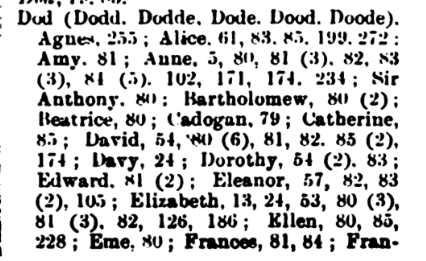
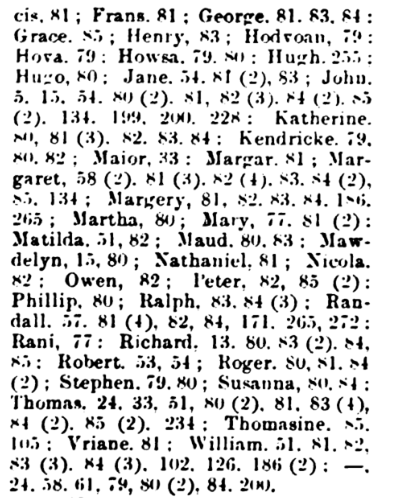
The
visitation of Shropshire taken in the year 1623.
Heraldic
Visitation of Shropshire, 1663 to 1664.
2.1 – Periods of History
General Prehistory
Harris, B. E. & Thacker, A. (Eds.) (1987), A History of the
County of Chester, Volume 1: Physique, Prehistory, Roman, Anglo-Saxon,
and Domesday, Victoria County History. *
Hartwell, Clare and others (2011), Cheshire in The
Building of England series originated by Nikolaus Pevsner, Yale University
Press.
Morgan, V. & Morgan, P, (2004), Prehistoric Cheshire,
Ashbourne: Landmark Publishing Ltd. *
Varley, W. J. & Jackson, J. W. (1940), Prehistoric Cheshire,
Chester: Cheshire Rural Community Council. *
Palaeolithic,
Mesolithic, Neolithic
Garner, D. J, (2007), The Neolithic and Bronze Age Settlement
at Oversley Farm, Styal, Cheshire, BAR British
Series, No. 435. Oxford: Archaeopress. *
Bronze
Age
Iron
Age
Garner, D. et al, (2016), Hillforts of the Cheshire Ridge,
Oxford: Archaeopress Archaeology. *
Roman
Roman Chester, in A History of the County of
Chester: Volume 5 Part 1, the City of Chester: General History and Topography,
ed. C P Lewis, A T Thacker (London, 2003), British History Online pages 9 to 15.
Fitzpatrick-Matthews, Keith
(2006), The
Roman Period in western Cheshire.
Mason, David (2001), Roman
Chester: City of the Eagles, Tempus.
Philipott, Rob (2007), Roman Resource Assessment 2007.
Thompson, FH (1965), Roman Cheshire.
Wood, Philip N and Griffiths, David G
(2022), Excavations
at Chester. Roman land division and a probable villa in the hinterland of Deva.
Watkin, W Thompson (1886, reprinted 1974), Roman
Cheshire: A Description of Roman Remains in the County of Cheshire.
Anglo-Saxon-Scandinavian
Bu'lock, J.D. (1972), Pre-Conquest
Cheshire, 383-1066, Volume 3 of the History of Cheshire series. *
Lewis, CP and Thacker, AT (editors) (2003), Early
medieval Chester 400-1230, in A History of the County of Chester: Volume
5 Part 1, the City of Chester: General History and Topography, London,
British History Online, pages 16 to
33.
Phillips, A.D.M. and Phillips,
C.B. (2002), A New Historical Atlas of Cheshire, Cheshire County
Council. *
Norman
Plantagenet
Castor, Helen (2024), The Eagle and the Hart,
Penguin.
Jones, Dan (2012), The Plantagenets, William
Collins.
Jones, Dan (2015), Realm Divided, Head of Zeus
Limited.
Richard II and Cheshire Men
R. G. Davies, Richard II and the Principality of
Chester.
Gillespie, James L, Richard II's Cheshire Archers
Gillespie, James L, Richard II's Archers of the Crown.
The Dieulacres Chronicle in Chronicles
of the Revolution, 1397–1400: The reign of Richard II (1993). Written
nearby in Staffordshire, this text provides a sympathetic local perspective on
Richard II and details the atmosphere surrounding his downfall and the loyalty
of his followers.
Wars of the Roses
Tudor
Civil War
General
Dodgson, J. McN (1970 to 1997), The Place-Names
of Cheshire, English Place-Name Society, multiple volumes.
Elrington, CR
(1980), The Victoria History of the County of Chester. Volume 1. Volume
2. Volume 3.
Stephens, Roger
(2024), The Little Book of Cheshire, The History Press.
Sylvester,
Dorothy (1980), A History of Cheshire, Phillimore.
Phillips,
A.D.M. and Phillips, C.B (2002), A New Historical Atlas of Cheshire,
Cheshire County Council.
Cheshire
Federation of WI (1990) The
Cheshire Village Book. Page
26 (Audlem).
2.2 – Cheshire Themes
Travel
and communication
Albert,
W (1972), The Turnpike Road System in England 1663-1840, Cambridge
University Press.
Edwards,
B (1985), The Canals of England and Wales.
Greville,
M. D (1973), Chronology of the Railways of Cheshire: Dates of Incorporation,
Opening and Amalgamation of all Lines in the County, Railway & Canal
Historical Society.
Hadfield,
Charles (1969-1971), The Canals of North West
England, Volumes 1 and 2, David & Charles.
Hitches,
Mike (2009), Cheshire Railways, The History Press.
Pawson,
E (1977), Transport and Economy: The Turnpike Roads of Eighteenth-Century
Britain, Academic Press.
Priestley,
Joseph (1831), Historical Account of the Navigable Rivers, Canals and
Railways of Great Britain.
Agriculture
Davies,
Clarice Stella (1960), The Agricultural History of Cheshire, 1750-1850, Chetham Society. The single most important scholarly study
of Cheshire farming during the Agricultural Revolution, covering enclosure,
tenancy, dairy farming, landownership, and the effects of the Napoleonic Wars
and post-war depression.
Populations
The Propography of Anglo
Saxon England (PASE) – structured record of all known individuals
in Britain from late sixth to late eleventh century.
2.2 – Places around Audlem
Audlem
Burton,
Majorie (1973), Nineteenth Century Audlem, Johnson and Cons Nantwich
Limited.
Dow,
George (1977), Audlem, then and now, Audlem District Amenities Society.
Hewitt,
H J, Church Building in Cheshire during the Thirteenth Century,
Transactions of the Historic Society of Lancashire and Cheshire, Volume 95.
This article offers deep structural analysis of regional churches, including
the architectural development of Audlem's St James Church during the medieval
period.
Latham,
Frank (1997), Audlem: The History of a Cheshire Parish and its seventeen townships.
Oliver,
J (1709), A
sermon preached at the funeral of Ralph Bolton, gentleman of Hankelow, in the
county palatine of Chester, in the parish-church of Audlem.
Webster,
G, (), A
Medieval Pottery Kiln at Audlem, Cheshire, Medieval Archaeology Journal,
Volume 4 pages
109 to 125. The definitive, foundational academic paper mapping out the
1950s excavation behind the village butcher's shop. It provides detailed
illustrations of late 13th-century cooking pots, cylindrical vessels, and kiln
structures.
The
Victoria County History of Cheshire does not feature a dedicated topographical
parish history for Audlem, as the Cheshire VCH set has focused primarily on
general volumes, religious houses, and the city of Chester rather than a full
sweep of individual rural townships.
Audlem
and District History Society articles.
Audlem
Terriers, available at Cheshire Archives and Local Studies, 1701
to 1747, 2
July 1728, 20
May 1701, 30
June 1747.
Audlem
Parish Records 1500 to
2000, available at Cheshire Archives and Local Studies.
Buerton
History of Buerton,
Vision of Britain.
Cloverley
Williams, Gareth (2023), 65 – Cloverley Hall,
in The Country Houses of Shropshire. *
History, Cloverley Hall, Parks
and Gardens.
Coventry
Berger, R (1993), The Most Necessary Luxuries: The Mercer’s
Company of Coventry, 1550–1680, University Park: Penn State University
Press, pages 59–81.
Hulton, M (1979), Coventry and its People in the 1520s,
Stratford upon Avon: The Dugdale Society.
McGrory, David (2004), A History of Coventry, The History
Press.
Phythian-Adams, C (1979), Desolation of a City: Coventry and
the Urban Crisis of the Late Middle Ages, Cambridge: Cambridge University
Press.
Woodhouse, Frederic W (1909), The Churches
of Coventry.
The City of
Coventry: Crafts and industries, Modern industry and trade in A
History of the County of Warwick: Volume 8, the City of Coventry and Borough of
Warwick. Originally published by Victoria County History, London, 1969.
Edge
Haslam, Richard (1985), Edge Hall,
Cheshire, The Home of Mr and Mrs Anthony Wolley Dod, in Country Life, 21
November 1985, pages 1612 to 1615.
Fenton
House
Fenton, in
A History of the County of Stafford, Volume 8, ed. J G Jenkins (London, 1963), pages
205-224.
Talbot,
R, Fenton, the town Arnold Bennett forgot. See also the Arnold
Bennett Society.
The Potteries
Buildings Record. Outlines the construction of Fenton House by William
Baker alongside Ralph Bourne’s nearby residence.
Great Fenton House Photo
Archive. Provides contextual imagery and local recollections regarding the
high ground of Grove Road and neighboring
17th-century estates
Fenton: the centre of
the Universe? in The Potteries City Limits History. Features
historical map extracts including William Yates’s 1775 map of Staffordshire.
Arms of the Baker Family at
Fenton Town Hall.
Hasfield
Court, Gloucestershire
Parishes:
Hasfield, in A History of the County of Gloucester: Volume 8, ed. C R Elrington (London, 1968), pages 282-290.
Hasfield Court:
where Elgar played, Country Houses Foundation.
Highfields,
Audlem
Baker,
J Bellyse (1982), Highfields, Audlem: Sixteenth Century Home of the Dod and
Baker Families, Audlem District History Society.
Historic
England, Highfields.
Robinson,
John Martin (1991), Highfields, Audlem, Cheshire, Seat of John Bellyse Baker,
Country Life 31 January 1991, pages 48 to 51.
Malpas
Crossley, Fred H, and Wolley Dod, JC (1949), An Architectural
History of the Church of Malpas in the County of Cheshire.
Hayns, David (2016), Malpas: Cheshire’s Town in the Marches.
Kenyon, William (First published 1895; 3rd edition 1914; facsimile
reprint by Malpas Field Club, 1995), Malpas: Parish, Town and Church.
Ormerod, George (1882 revision) History of the County Palatine
and City of Chester, Volume 2, pages
328 to 347.
Market
Bosworth
Foss, Peter J (1983), The History of Market Bosworth,
Sycamore Press.
Market Bosworth Society, Brief
History of Market Bosworth.
Staffordshire
Historical
Collections for a History of Staffordshire, Volume
1. …
Stoke
on Trent
Mankowicz & Haggar (1957), Concise Encyclopaedia of
English Pottery & Porcelain.
Shaw,
Simon (1900), History of
the Staffordshire Potteries, pages 68 (Baker), 41, 68, 74, 143
(Bourne).
Ward,
John (1843), The
Borough of Stoke-upon-Trent, pages 345, 346, 361, 373 (Bagnall), 545,
581 (Baker), 545, 552 (Ralph Bourne), 551 (Baker and Bourne), 553 (Charles
Bourne).
Welsh
Marches
Davies, RR (1978), Lordship and Society in the March of Wales
1282 to 1400, Oxford University Press. The book explores how English
aristocratic families governed semi-autonomous private territories along the
border between England and Wales.
Housman, AE (1919), The Welsh Marches, The Shropshire
Lad, Part 28.
Hume, Philip (2021), The Welsh Marcher Lordships I: Central and
North, Logarston Press. This
volume covers the traditional Welsh counties of Radnorshire, Montgomeryshire, Denbighshire,
Flintshire, together with the adjacent lordships in Shropshire and
Herefordshire, that also became Marcher lordships.
Lieberman, Max (2018), The March of Wales 1067 to 1300: A
Borderland of Medieval Britain, University of Wales Press. The
book provides a concise and comprehensive look at the forty-some castle-centred
lordships that developed along the Anglo-Welsh border following the Norman
Conquest.
Lieberman, Max (2010), The Medieval March of Wales: The Creation
and Perception of a Fronter, 1066 to 1283, Cambridge University Press.
The
book explores the geopolitical development and changing contemporary views of
the Anglo-Welsh borderland. Lieberman focuses heavily on the Shropshire
border region, arguing that its administrative evolution from around 1165 (Marchia
Wallie) served as the primary blueprint for how the broader March of Wales
was constructed (“The Shropshire Paradigm”).
Parker, Mike (2024), All the Wide Border: England, Wales and the
Places Between, Harper North. An exploration of the Welsh–English
borderland, the Marches, examining themes of identity, belonging, and
nationhood, around the three major rivers that define the border's watersheds,
the Dee in the north, the Severn in the centre, and the Wye in the south.
Roberts, Dewi (1998), Both
Sides of the Border: An Anthology of Writing on the Welsh Border, Gwasg Carreg Gwalch, Eagle Rock Press.
Somerville, Christopher (2021), The Welsh Borders, Philips. A journey from the
mouth of the Wye at Chepstow northwards to Chester on the River Dee.
Stephenson, David (2021), Patronage and Power in the Medieval
Welsh March: One Family Story, University of Wales Press. A full-length
account of a non-princely, native Welsh gentry family, the Clanvowes,
originally emerging from Hywel ap Meurig, as they navigated the shifting
socio-political landscape of the Welsh Marches from the 13th to the 15th
centuries.
BBC In Our Time Podcast (28 May 2026), The Welsh Marches.
2.3 –
People
Baker
Burke, John
(1835 to 1838), A Genealogical and Heraldic History of the Commoners of
Great Britain and Ireland, London: Henry Colburn, Volume
1, page 10
(William Dod), 297
(Dod of Cloverley), 489
(George Dod), Volume
2, …, Volume
3, …, Volume
4, … (later became known as Burke's Landed
Gentry).
Burke, John and Burke, Sir Bernard (1836)(Eighteenth Edition, 1972), Burke’s Landed Gentry,
Volume
3, pages
35 to 38 (Bellyse Baker of Highfields).
Colvin, H A (1995). Biographical Dictionary of British
Architects 1600–1840, Yale University Press, 3rd edition London, page
83.
Dodd, F (1987), The Baker Family and Fenton, Presidential
Address in Transactions 1986 to 1987, The North Staffordshire Field
Club.
Kennedy, Michael (1987), Portrait
of Elgar, Oxford: Oxford University Press, pages 25,
54,
69,
94
(Mary Frances Baker), 25,
54,
69,
77,
82,
91,
94,
99,
120
(William Meath Baker) 94
(Dora Penny).
Kingsley, Nicholas (2018), (333) Bakers of Highfields in Landed
Families of Britain and Ireland.
Mercer E (2003), English Architecture to 1900: The Shropshire
Experience, Logaston Press.
Morrice, R (1993), The Payment Book of William Baker of Audlem,
in English
Architecture Public and Private: Essays for Kerry Downes ed Bold &
Cheney.
Oswald, Arthur (1954), William Baker of Audlem,
Staffordshire Record Society in their Collections for a History of
Staffordshire (Third Series)
1950 and 1951, pages 107 to 135.
Powell, R (1937), Edward Elgar, Memories of a Variation.
Lee, Sidney (1909), Dictionary of National Biography in multiple
volumes. Volume 1 (Ab to Be), Bakers from pages 921 to 942.
Dod
Dod, Captain Robert Phipps, Series
of Rough Collections intended to serve as a Pedigree of the Family of Dod.
Dod, Robert Phipps (1849), Birth and
Worth, An Inquiry into the Practical Uses of a Pedigree, London.
Dod, Robert Phipps, The Peerage,
Baronetage, and Knightage of Great Britain and Ireland.
Haslam, Richard (1985), Edge Hall,
Cheshire, The Home of Mr and Mrs Anthony Wolley Dod, in Country Life, 21
November 1985, pages 1612 to 1615.
Lee, Sidney (1909), Dictionary of National Biography in multiple
volumes. Volume 5 (Cr to Dr), Dods from pages 1049 to
1052.
Ormerod, George, History of the County Palatine and
City of Chester. Volume
2, pages 373
to 375 (Dod of Edge), 370
to 371 (Dod of Broxton), 378
to 379 (Dod of Shocklach).