Pottery
Pottery
in Staffordshire centred on Stoke on Trent
|
Return to the Home Page of the Bakers Family part of the website |
The Bakers of Highfields Story
The Story of the Dods and Bakers and of Highfields,
Fenton House and Hasfield Court. A journey through the history of Cheshire and
Staffordshire, an Anglo-Saxon nobleman who retained his lands after the
Conquest, pottery at Stoke on Trent, an encounter with Elgar, and the history
of an Elizabethan manor house at Audlem |
The family tree of the Bakers of Highfields |
The Family Tree of the Dods, predecessors to the
Bakers of Highfields |
The Bakers of
Fenton House and Hasfield Court
The Family Tree of the pottery Bakers of Stoke on Trent |
The Family Tree of the Bellyse Family |
The main part
of this website tells the story of the Farndale family from Yorkshire Descendants of Arthur Baker, the story of the
Farndale ancestry is told through the main part of this website You can also return to the Farndale
website home page |
The genealogy of the family of James Hall, linked to
the Baker family through marriage to Arthur Baker |
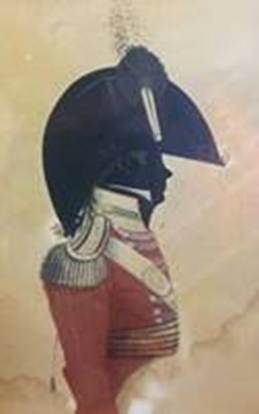
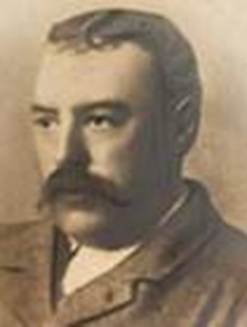
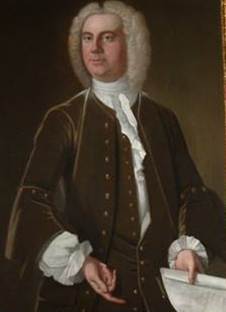

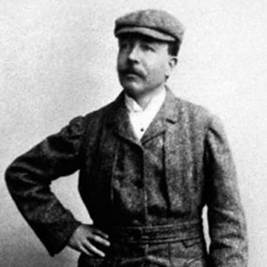
Headlines of are
in brown.
Dates are in red.
Hyperlinks to
other pages are in dark
blue.
References and
citations are in turquoise.
Context and local
history are in purple.
This page is work in progress
Stoke-on-Trent, known as The
Potteries, became the world capital of ceramics because the area had rich
local supplies of coarse clay and coal to fire kilns. During the eighteenth
century, master potters transformed a small craft into a global factory-based industry,
famous for iconic bottle-shaped kilns and legendary brands like Wedgwood,
Spode, and Minton.
North Staffordshire had abundant clay, coal, lead, and salt
essential for making pots.
The area grew as a 12 mile chain of distinct communities, six
independent towns comprising Tunstall, Burslem,
Hanley, Stoke, Fenton, and Longton, each specializing in different ceramic
goods.
Known as the mother town, Burslem was the early centre of
local pottery production.
Josiah Wedgwood founded his famous works in 1759, revolutionising
ceramic science, design, such as Jasperware, and aggressive global marketing.
Josiah Spode innovated with technological leaps, introducing
underglaze transfer printing.
Minton excelled in fine earthenware and encaustic tiles used
globally.
The Trent and Mersey Canal opened major transport routes for heavy
coal and fragile finished goods.
Thousands of bulbous bottle ovens dominated the industrial landscape
in the nineteenth and early twentieth centuries.
The Clean Air Act 1956 introduced stricter smoke laws which forced
the rapid replacement of coal-fired bottle kilns with modern gas and electric
alternatives, altering the industry.
Global competition and rising costs led to many historic factory
closures. Surviving sites like Middleport Pottery and the World of Wedgwood
preserve the living craft heritage.